
Mugie Bloodhound Anti-Poaching Project – Kenya
At Mugie Conservancy in Laikipia, Kenya, the Bloodhound Anti-Poaching Project stands as a quiet but powerful example of how innovation, commitment, and local partnership can reshape conservation outcomes.
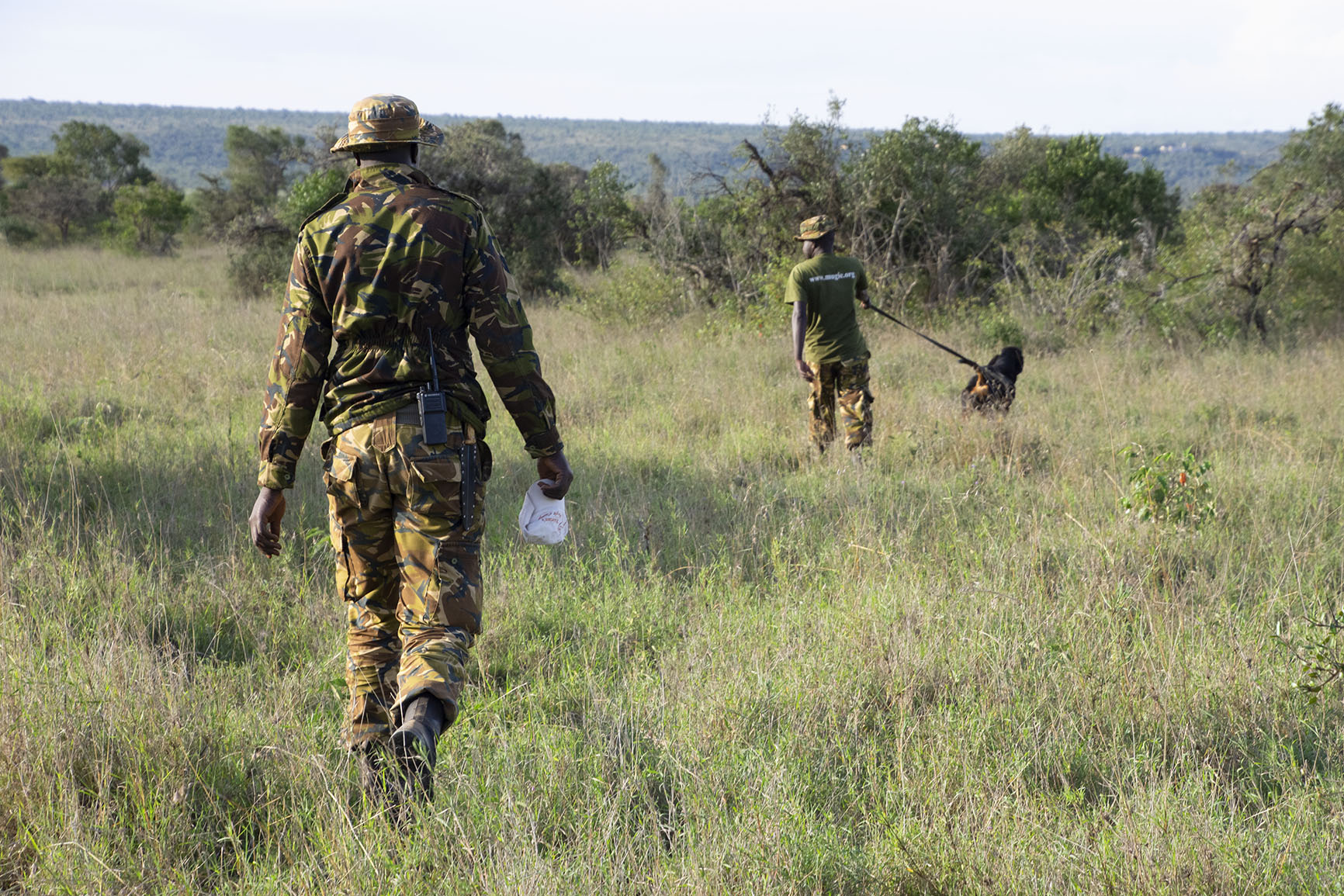
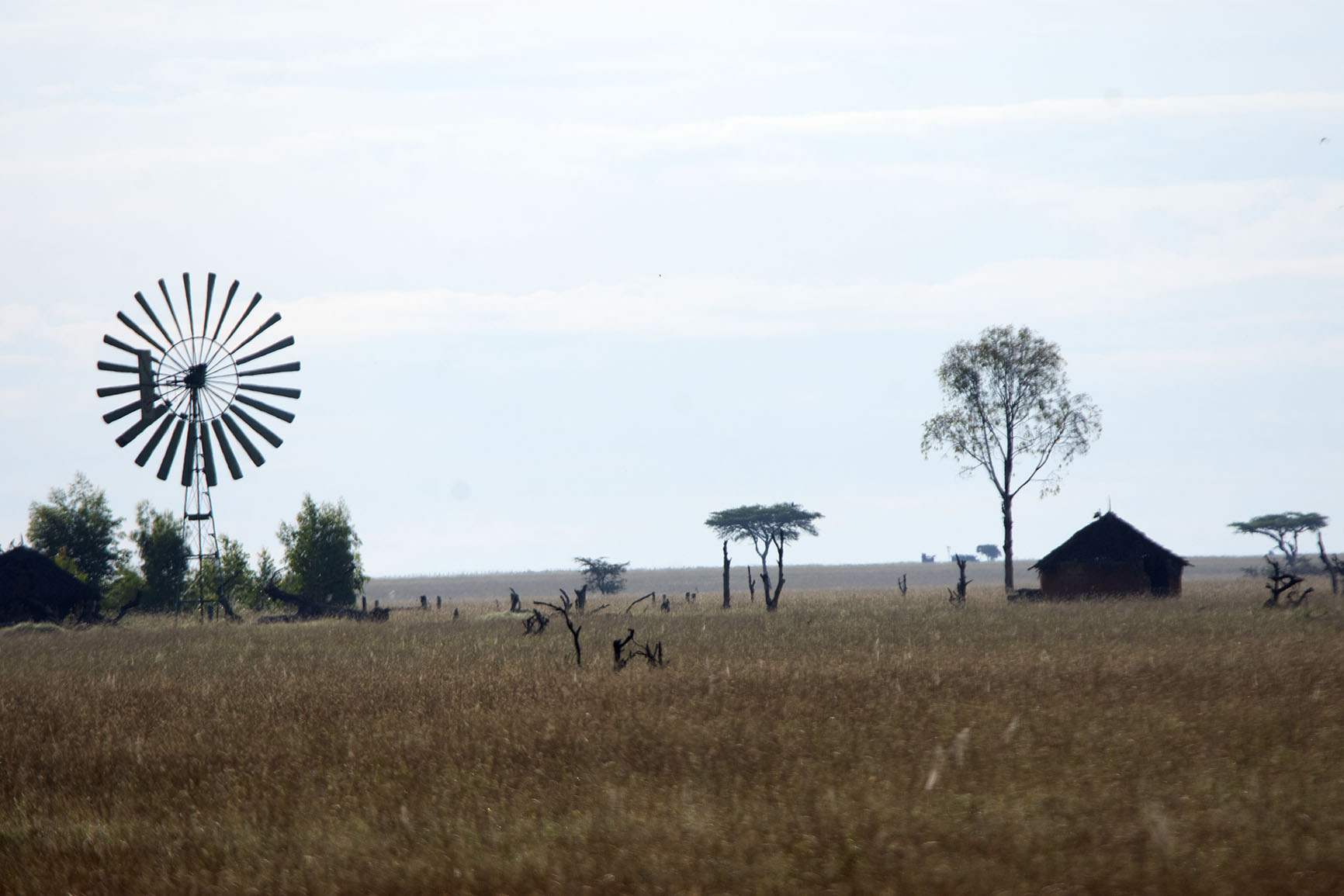
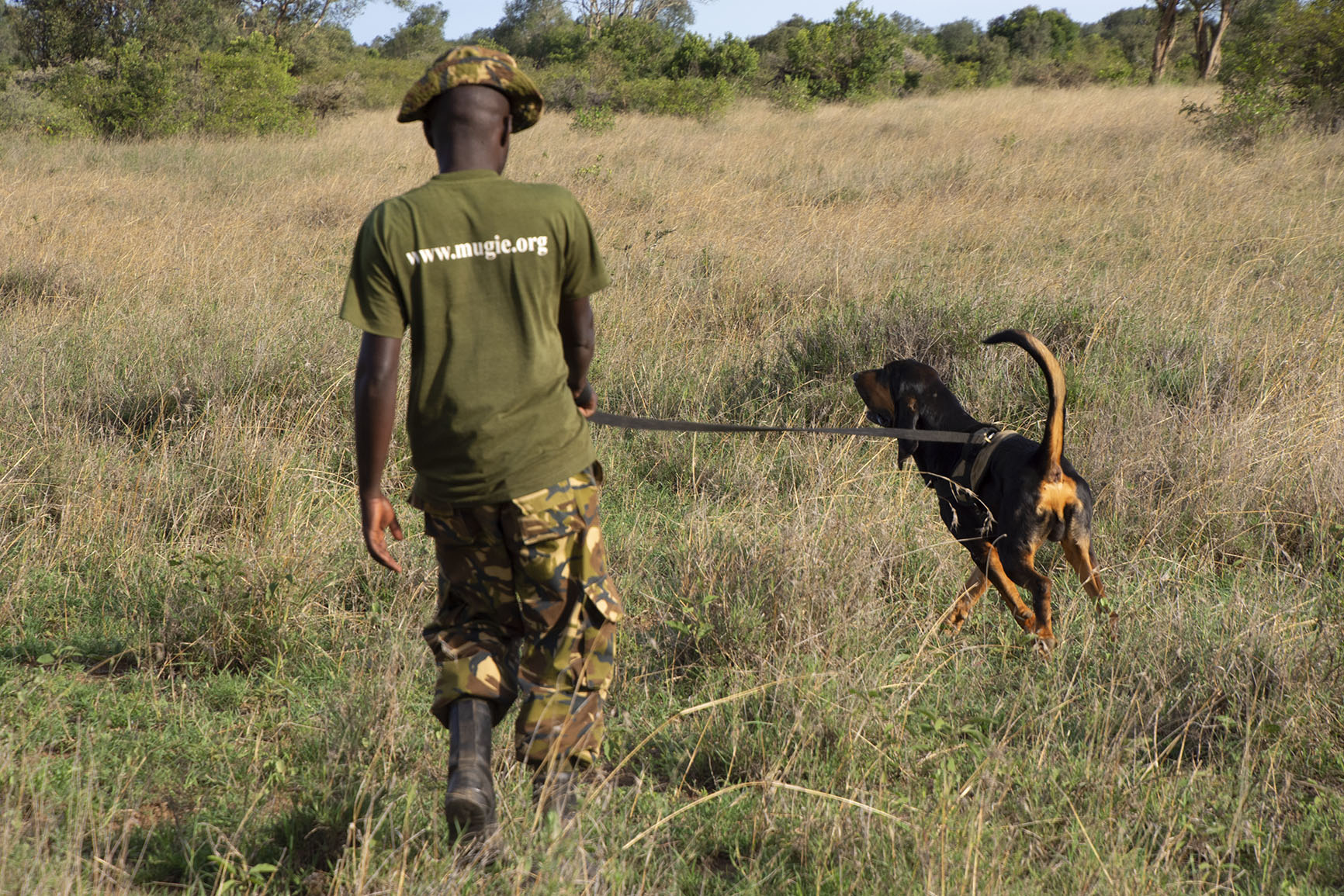
In a landscape, that I have loved to visit over the decades, where wildlife and people share space, the project has helped turn the tide against poaching by introducing highly trained bloodhounds capable of tracking human scent across vast distances and difficult terrain. Their presence alone has proven to be a deterrent. Backed up by the knowledge that poachers can be followed long after an illegal act has been committed. Thereby changing poachers’ behaviour and reduced incursions into the conservancy.
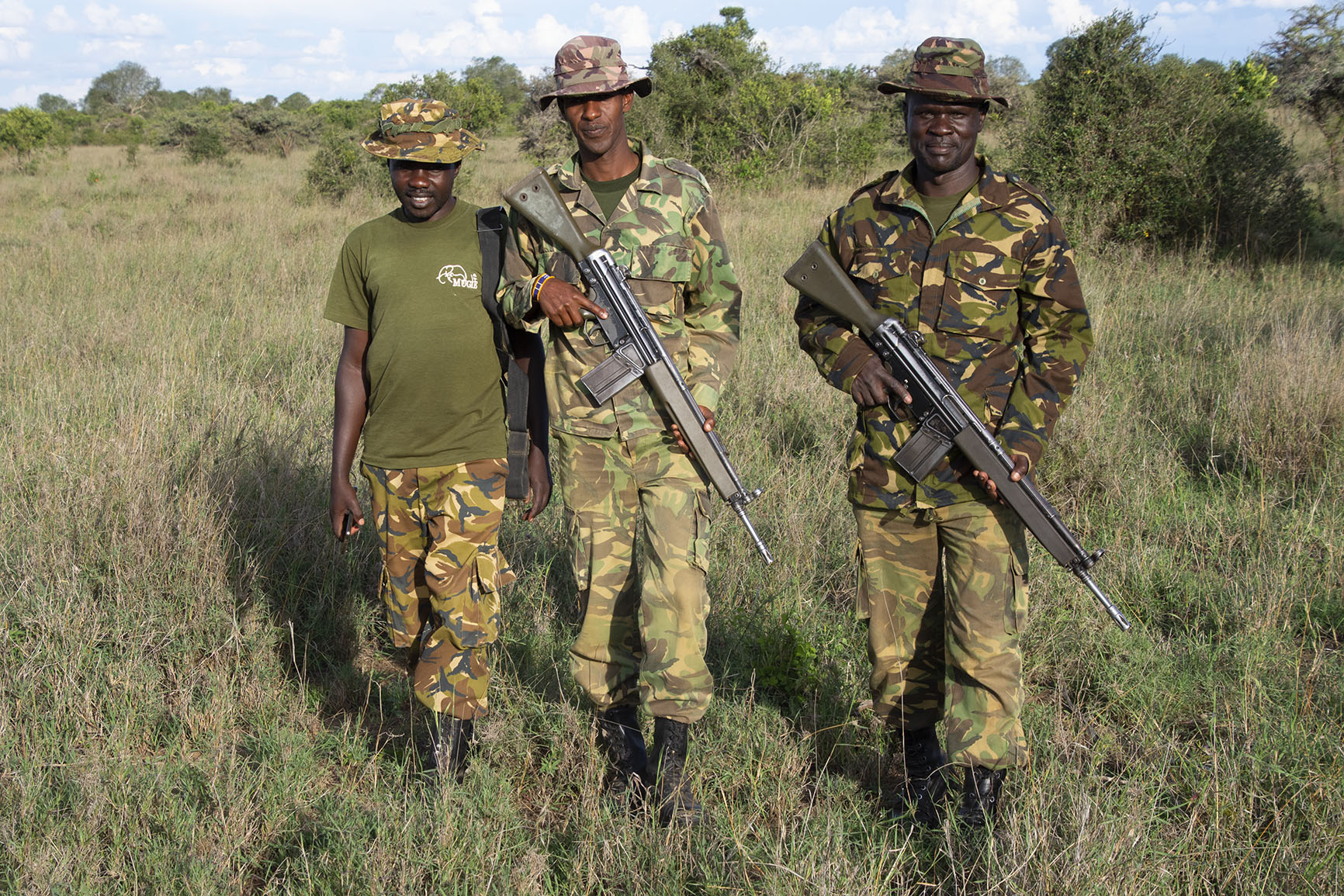
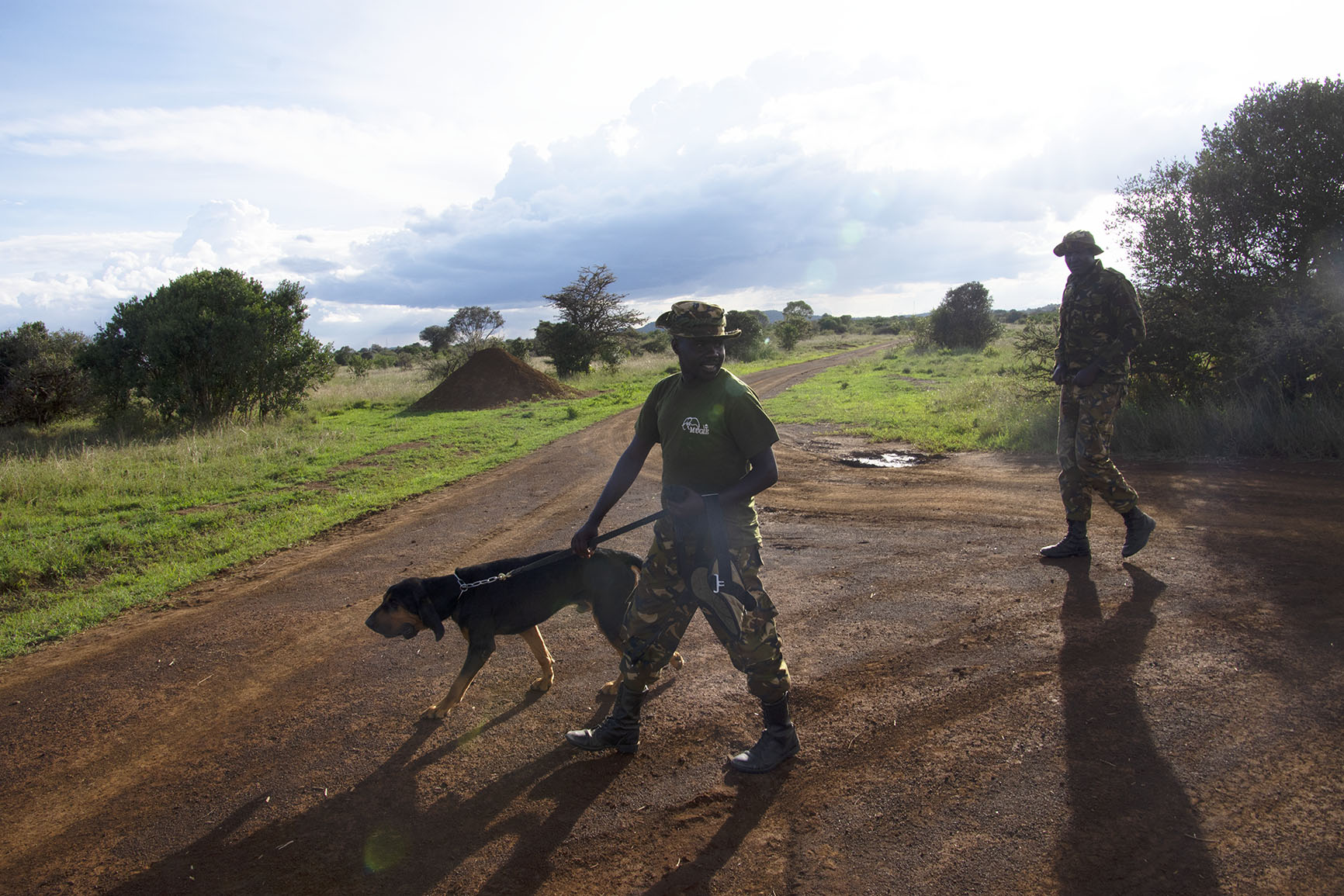
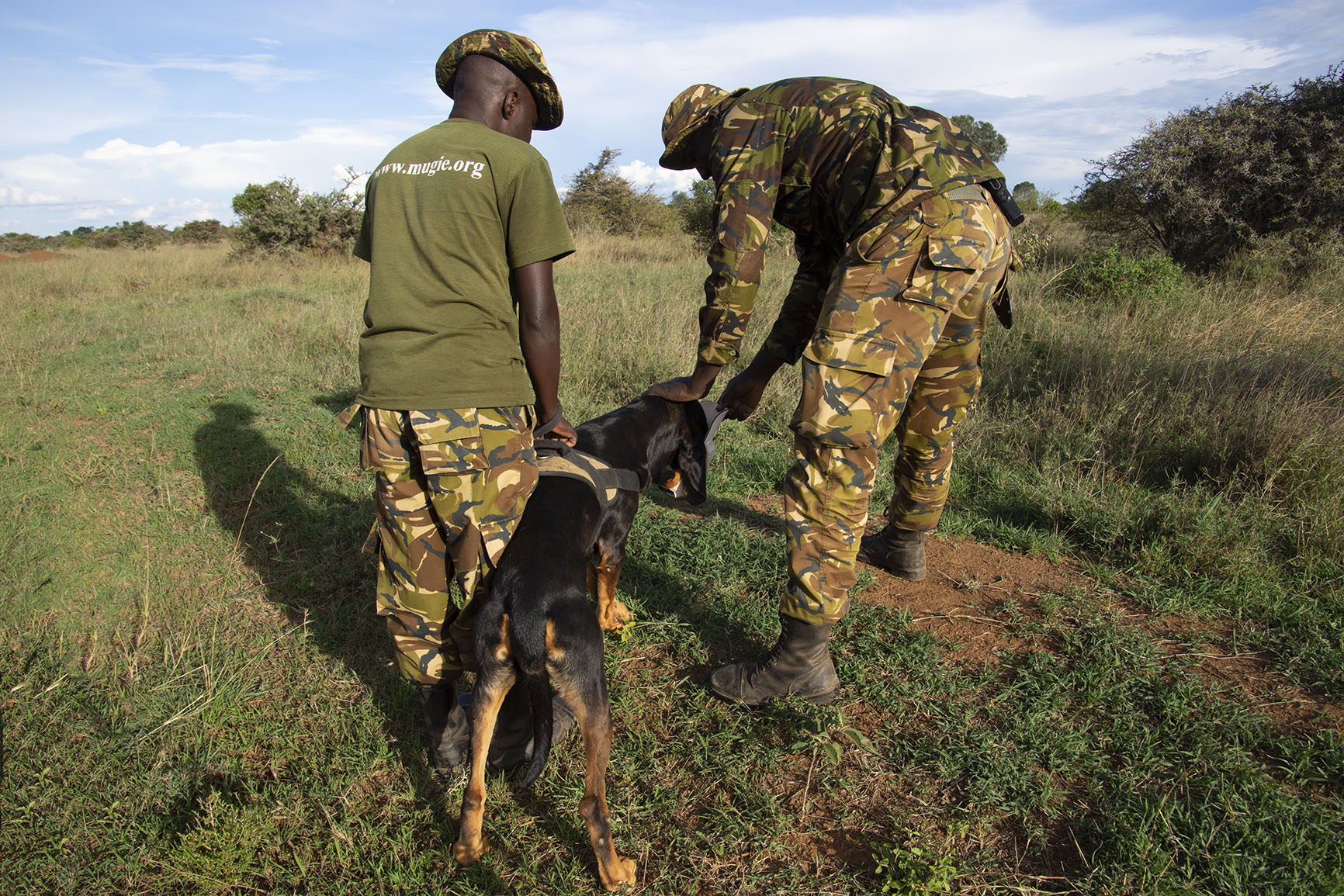
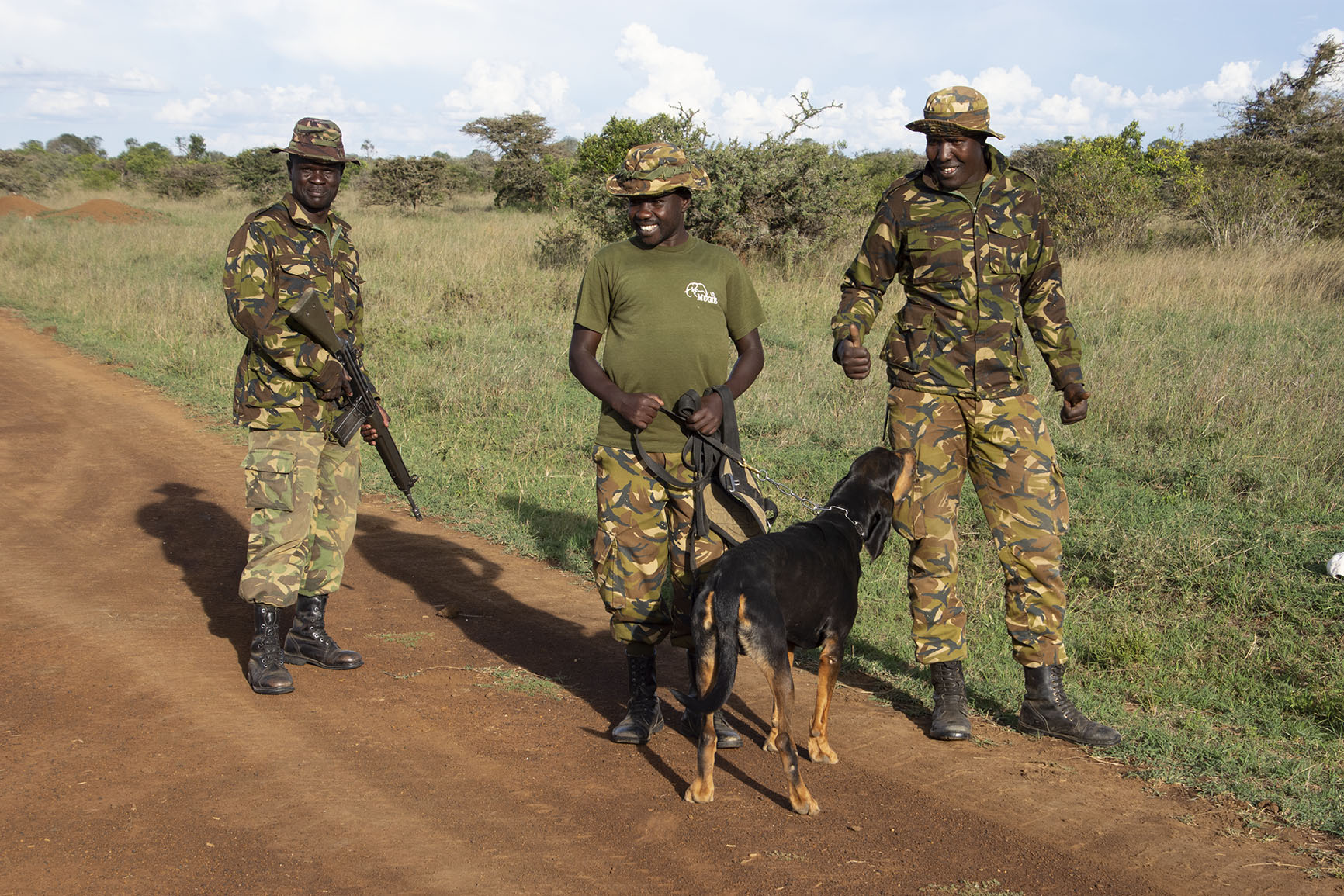
Having visited the bloodhound project’s low-key headquarters, I found the successes of the venture are evident in both measurable results and more subtle changes. Spending time with the local team, as they demonstrated how effectively they can track and catch a person with the smallest of scents, I understood how arrests and recoveries linked to bloodhound tracking have reinforced the rule of law and strengthened the credibility of conservation enforcement.
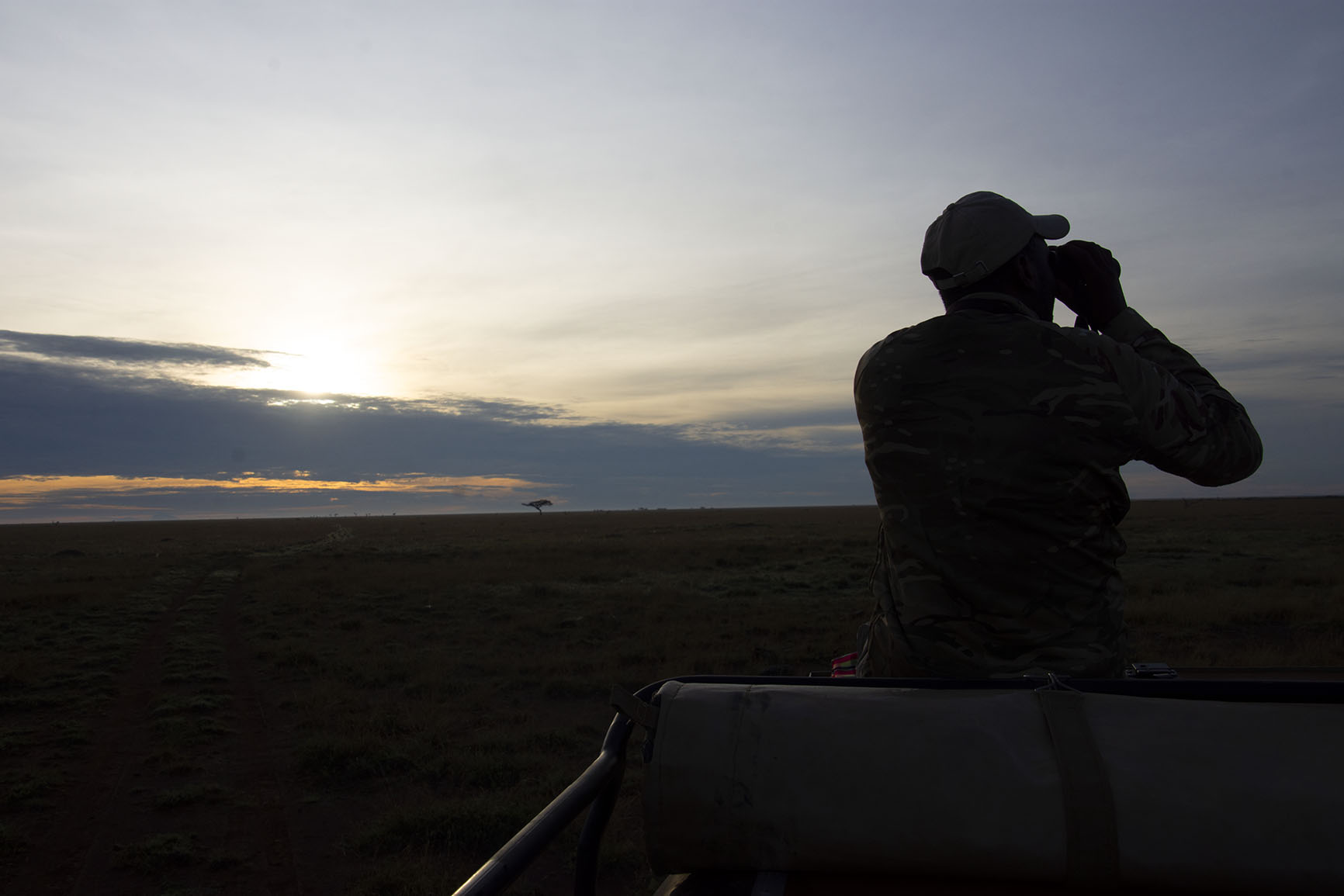
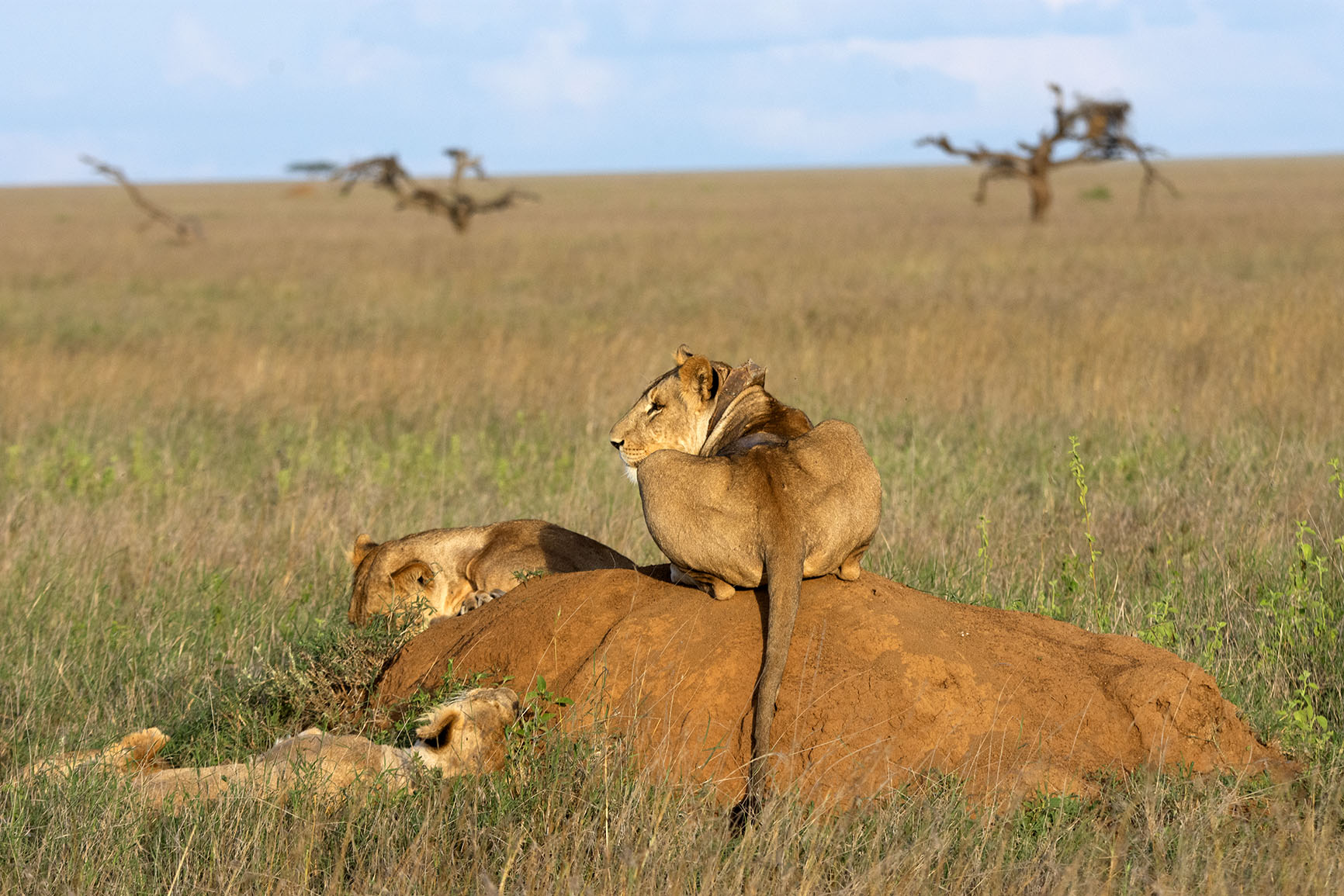
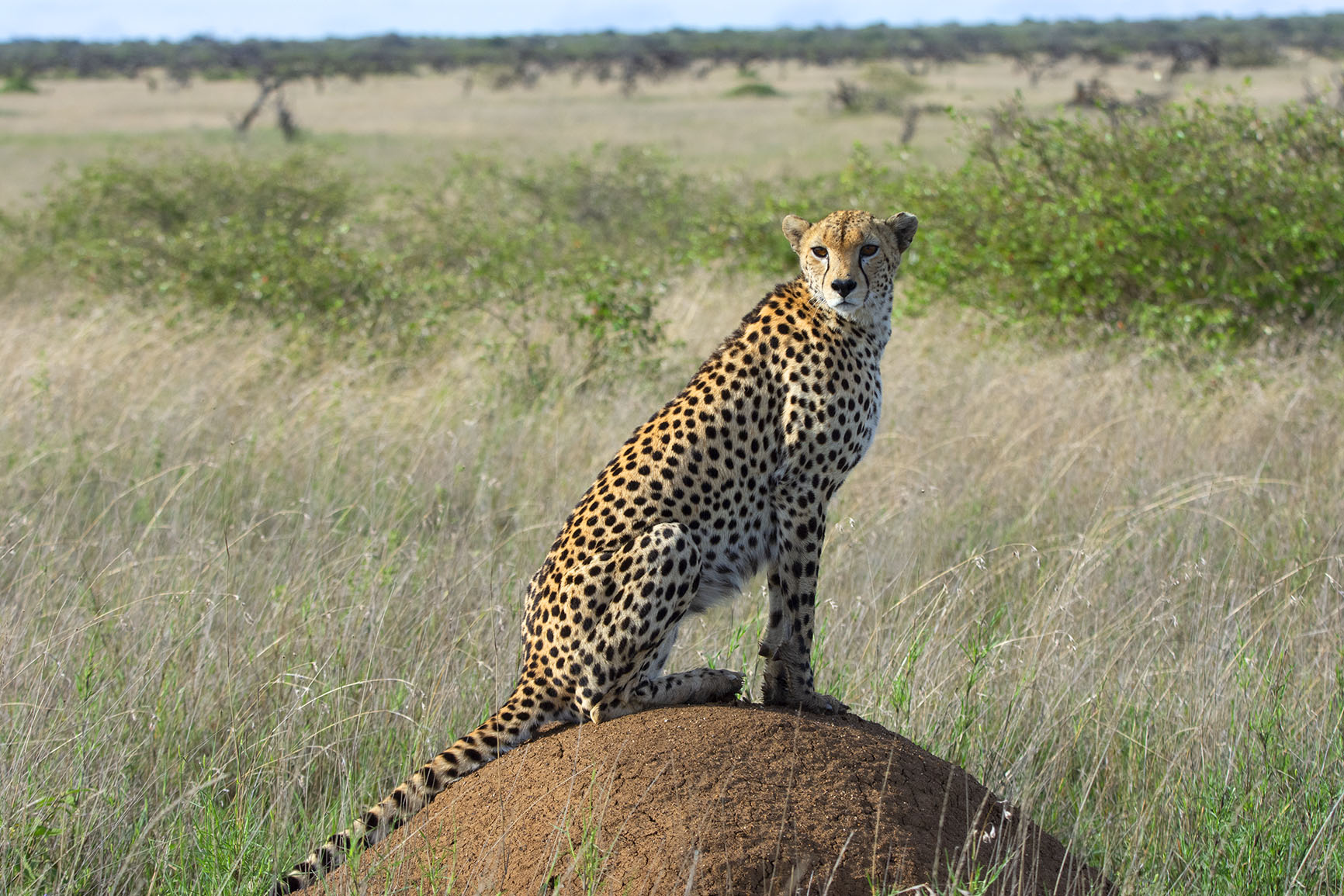
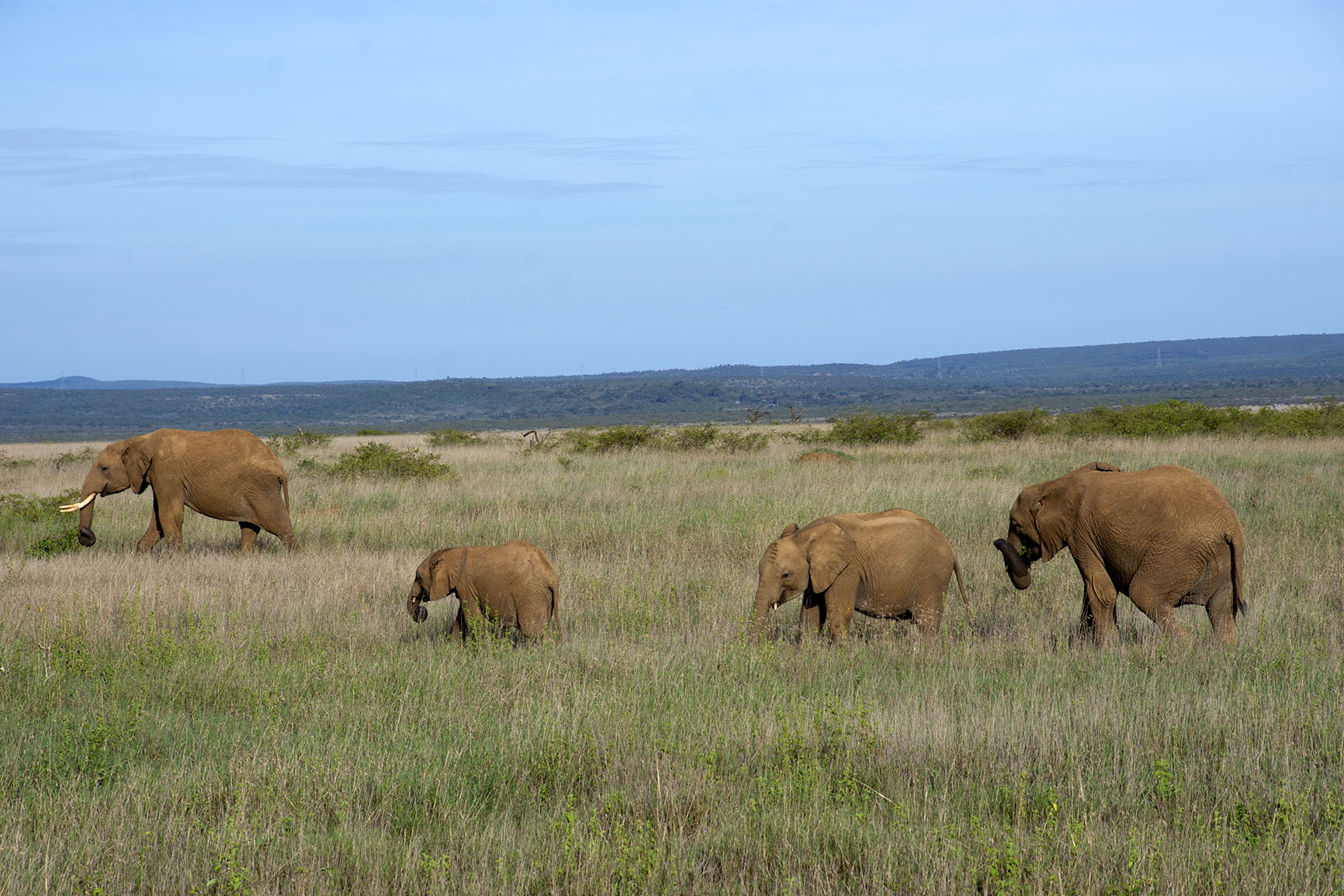
More importantly, the rapid response capability has increased the likelihood that poaching attempts fail, protecting elephants, lions, rhinos, and other vulnerable species that define Laikipia’s ecological richness. It was explained how each prevented loss has a cascading effect, preserving breeding populations and maintaining the integrity of ecosystems that rely on keystone species.
Beyond wildlife protection, the project has had a positive influence on the surrounding natural environment too. Reduced poaching pressure allows animal populations to stabilise and migrate more naturally, which in turn supports healthy vegetation, predator–prey dynamics, and biodiversity across the conservancy. By safeguarding wildlife, the bloodhound unit indirectly protects soils, water sources, and plant communities that benefit from balanced ecological processes.
Equally significant is the project’s impact on local communities. The bloodhound unit has created skilled employment opportunities for handlers, trackers, and support staff, many of whom come from neighbouring areas. Training emphasises discipline, responsibility, and pride in conservation work, fostering a sense of ownership over local natural heritage. As wildlife becomes more secure, so too do the economic benefits associated with conservation, including tourism revenues and community support initiatives. The project successfully helps shift perceptions of wildlife from a source of conflict or exploitation to one of shared value and long-term opportunity.
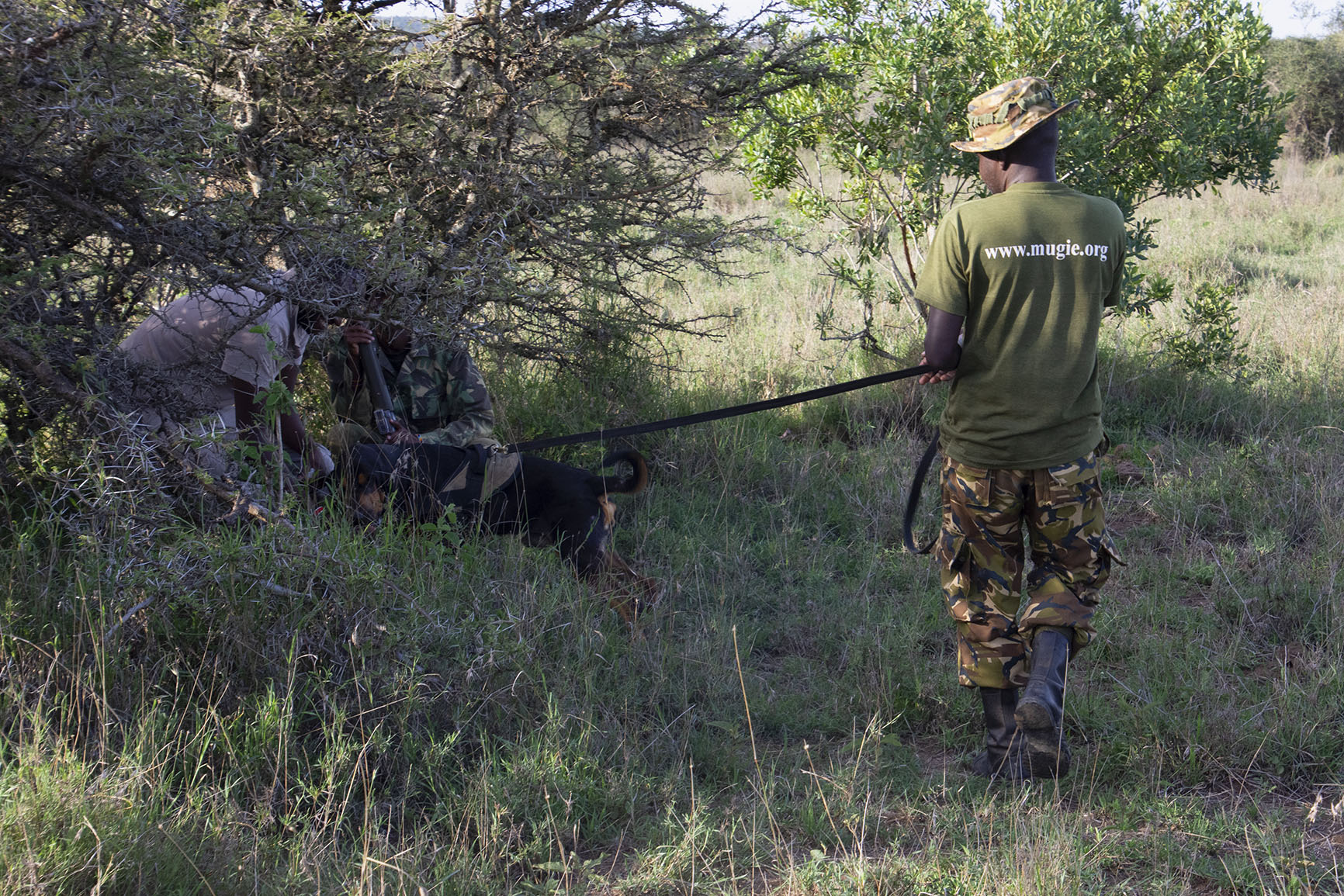
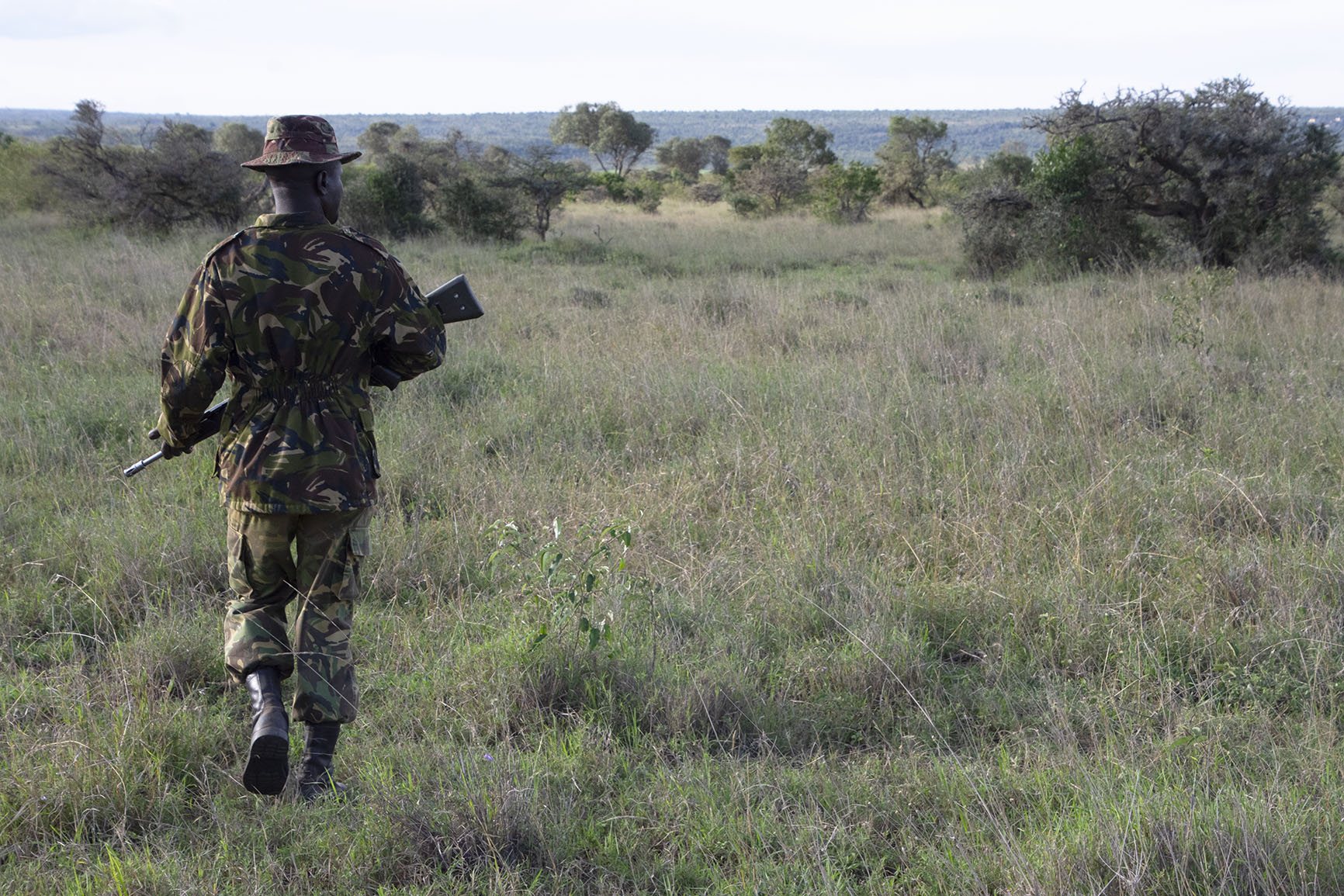
For the local conservation authorities, the Mugie Bloodhound project represents an exceptionally effective return on investment too. Compared to the high costs of aerial surveillance, extensive patrol networks, or advanced technological systems, maintaining a bloodhound unit is relatively low-cost. The dogs require training, care, and skilled handlers, but once operational they provide a flexible, mobile, and highly accurate enforcement tool. Their success amplifies the effectiveness of existing ranger teams rather than replacing them, making the overall conservation effort more efficient.

In reflecting on its achievements and seeing first-hand how engaged and proud the local rangers are, I believe the project illustrates a broader lesson for conservation in Africa and beyond.
Offering an impactful solution that does not require expensive technology or large-scale infrastructure. By combining traditional tracking instincts, modern training methods, and strong collaboration between conservancies, authorities, and communities, the Mugie Bloodhound anti-poaching project has delivered outsized results. It has protected wildlife, strengthened ecosystems, empowered local people, and given conservation authorities a cost-effective, credible means of enforcement.
A win-win project that deserves all the credit it gets.








Leave a Reply
Want to join the discussion?Feel free to contribute!