
Panama – Packing a Punch
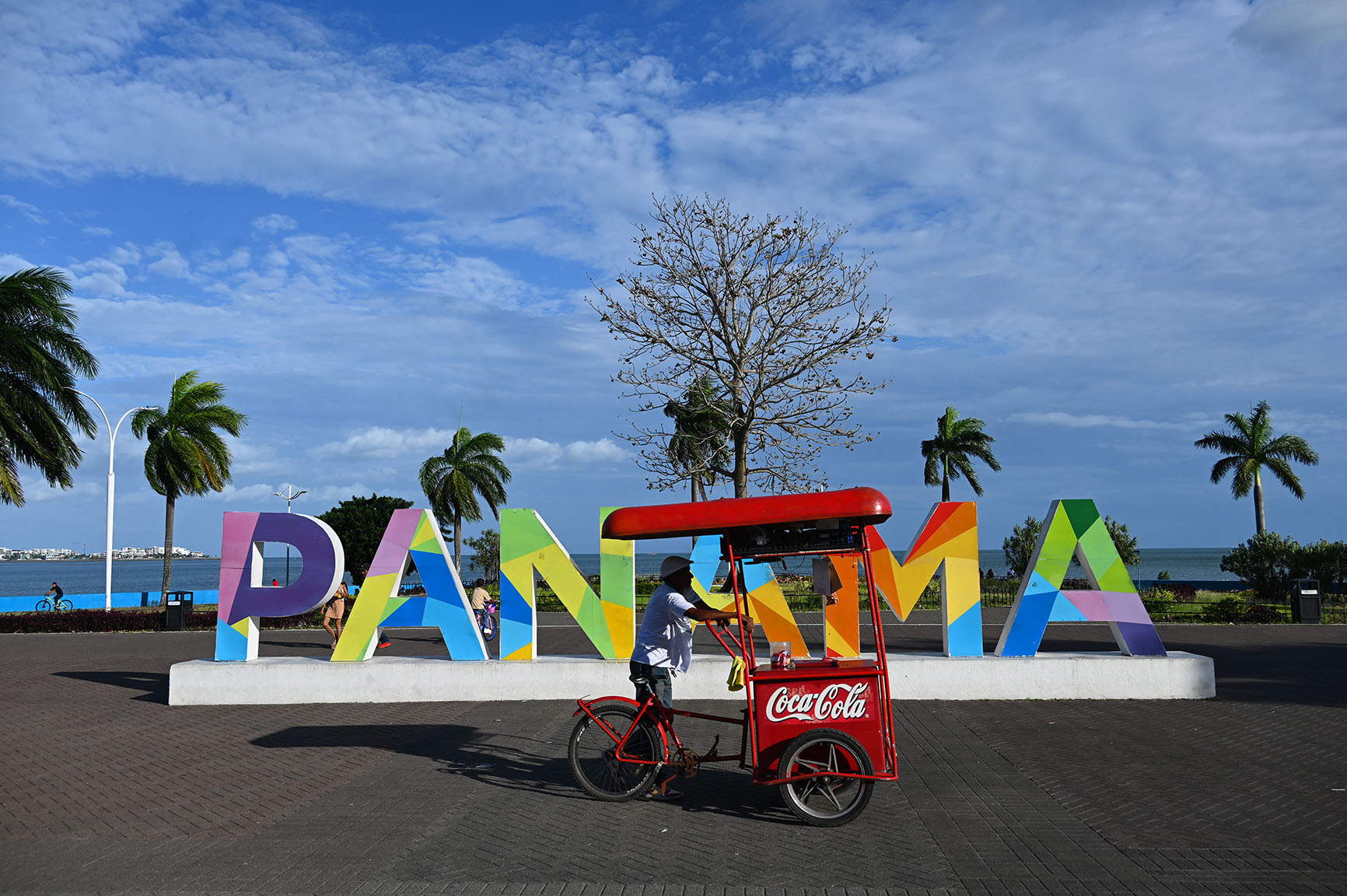
When visiting Panama, the sheer variety of locations and landscapes is extraordinary. Positioned like a natural crossroads between two great oceans, the country straddles both the Atlantic and Pacific, combining immense wilderness, extraordinary biodiversity, and some of humanity’s most ambitious engineering achievements.
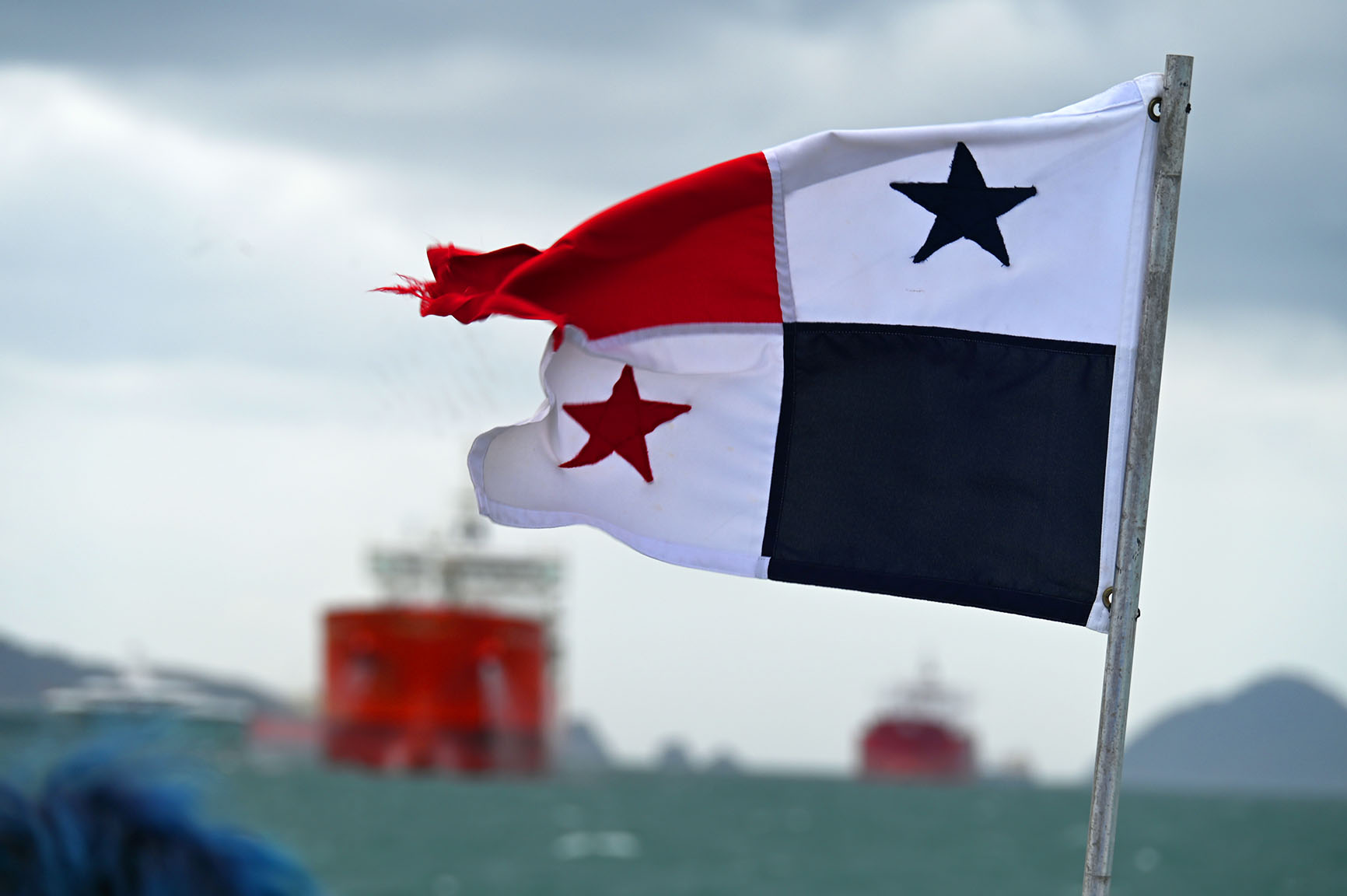
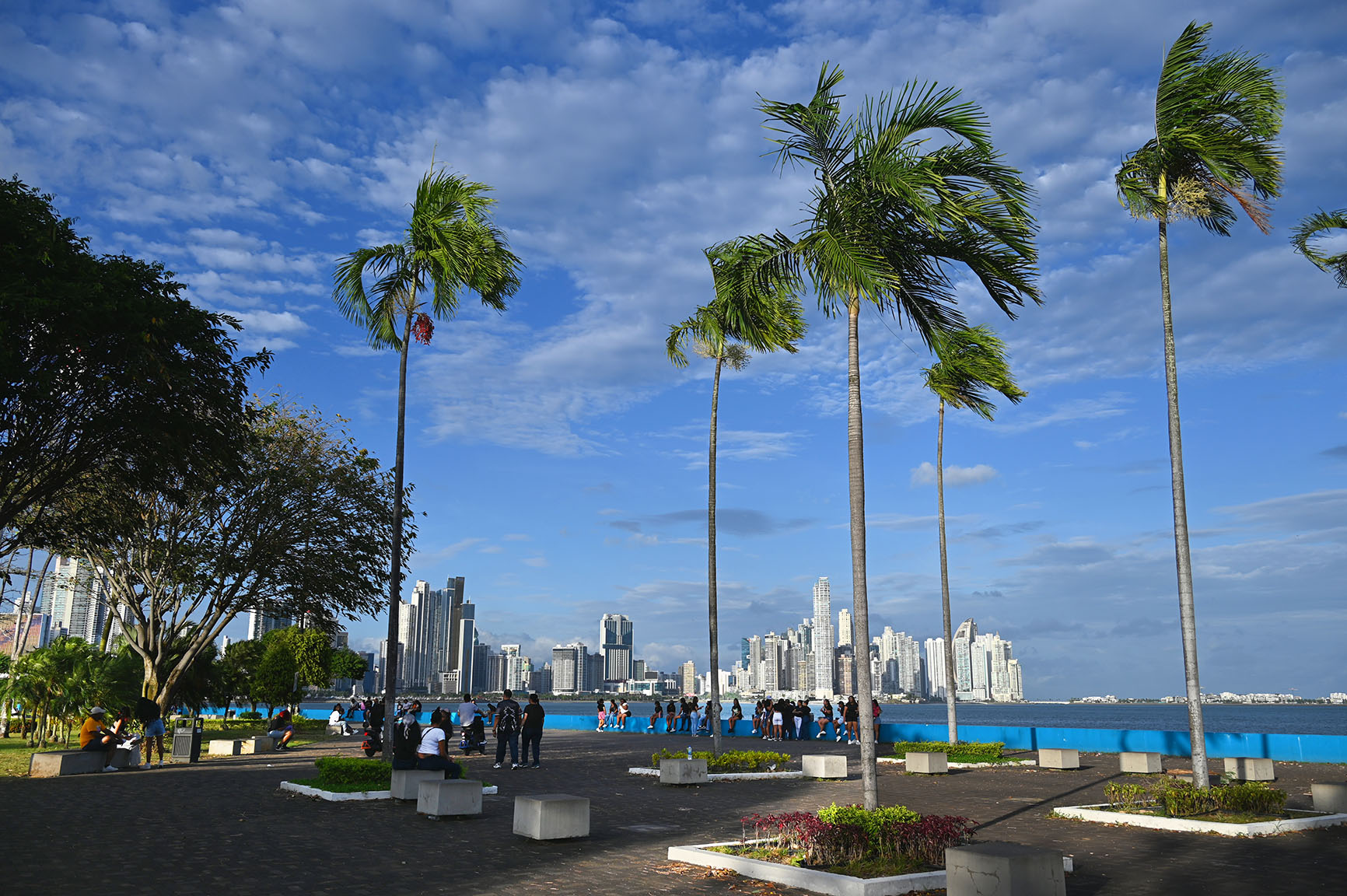
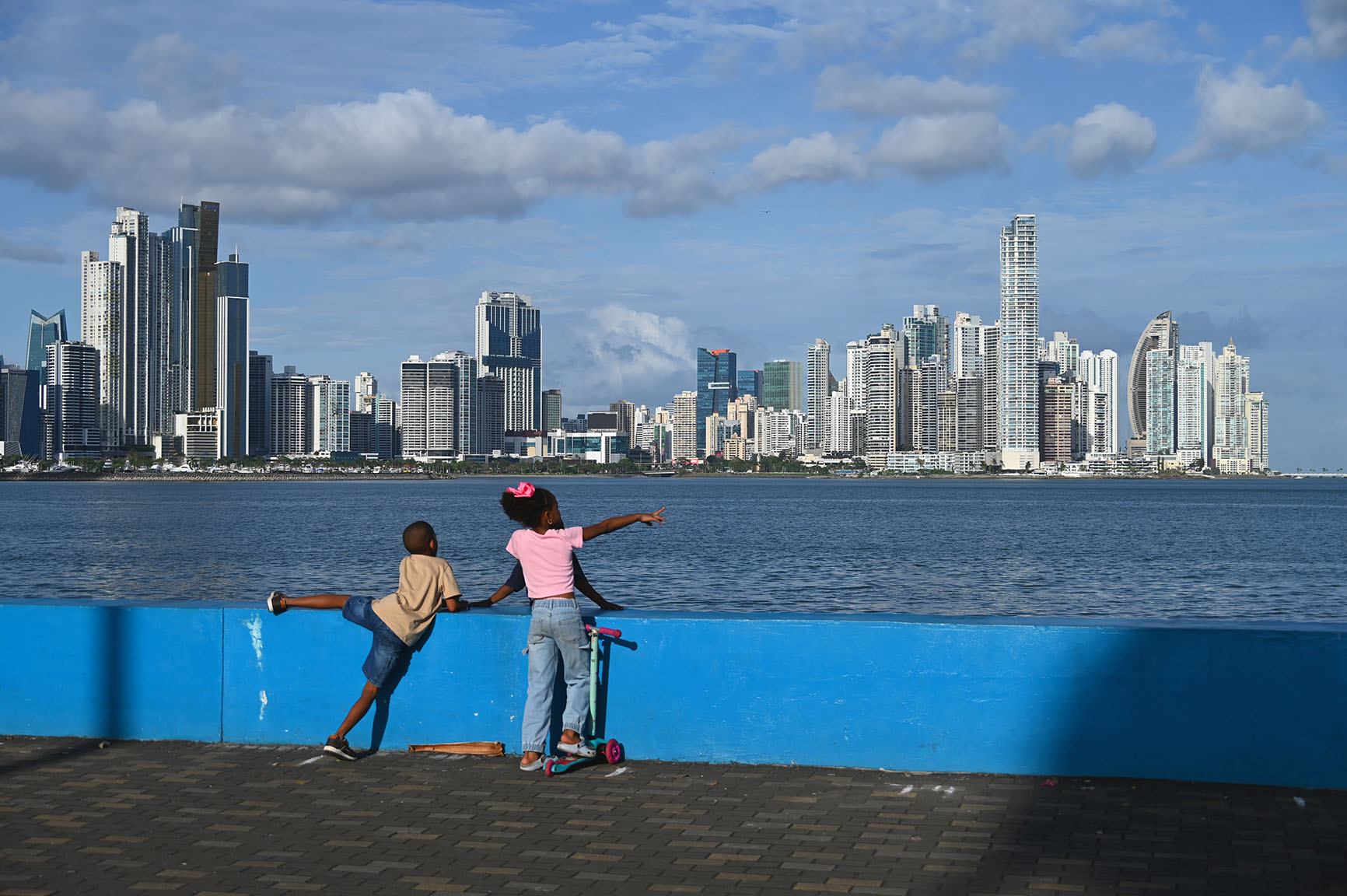
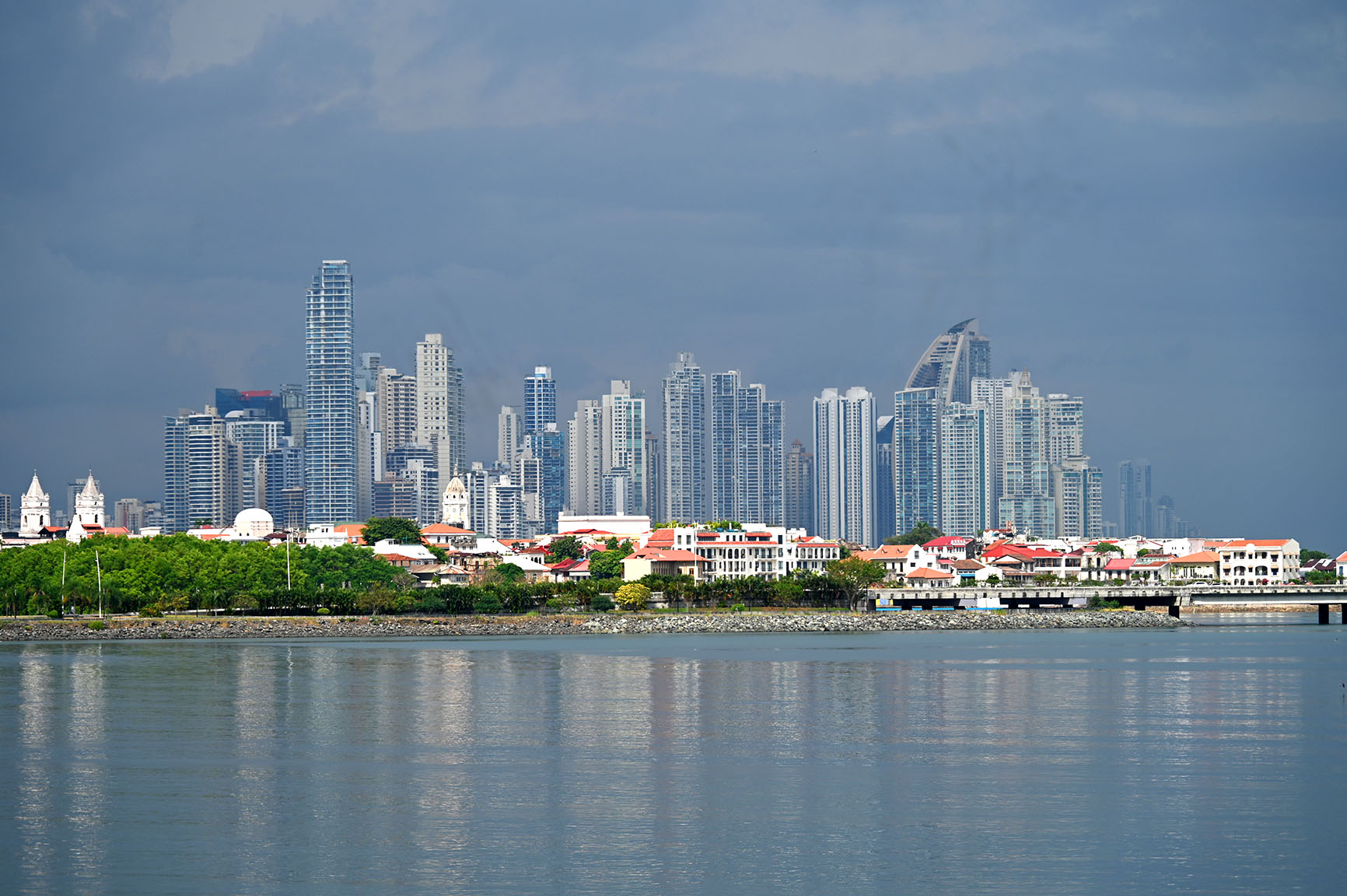
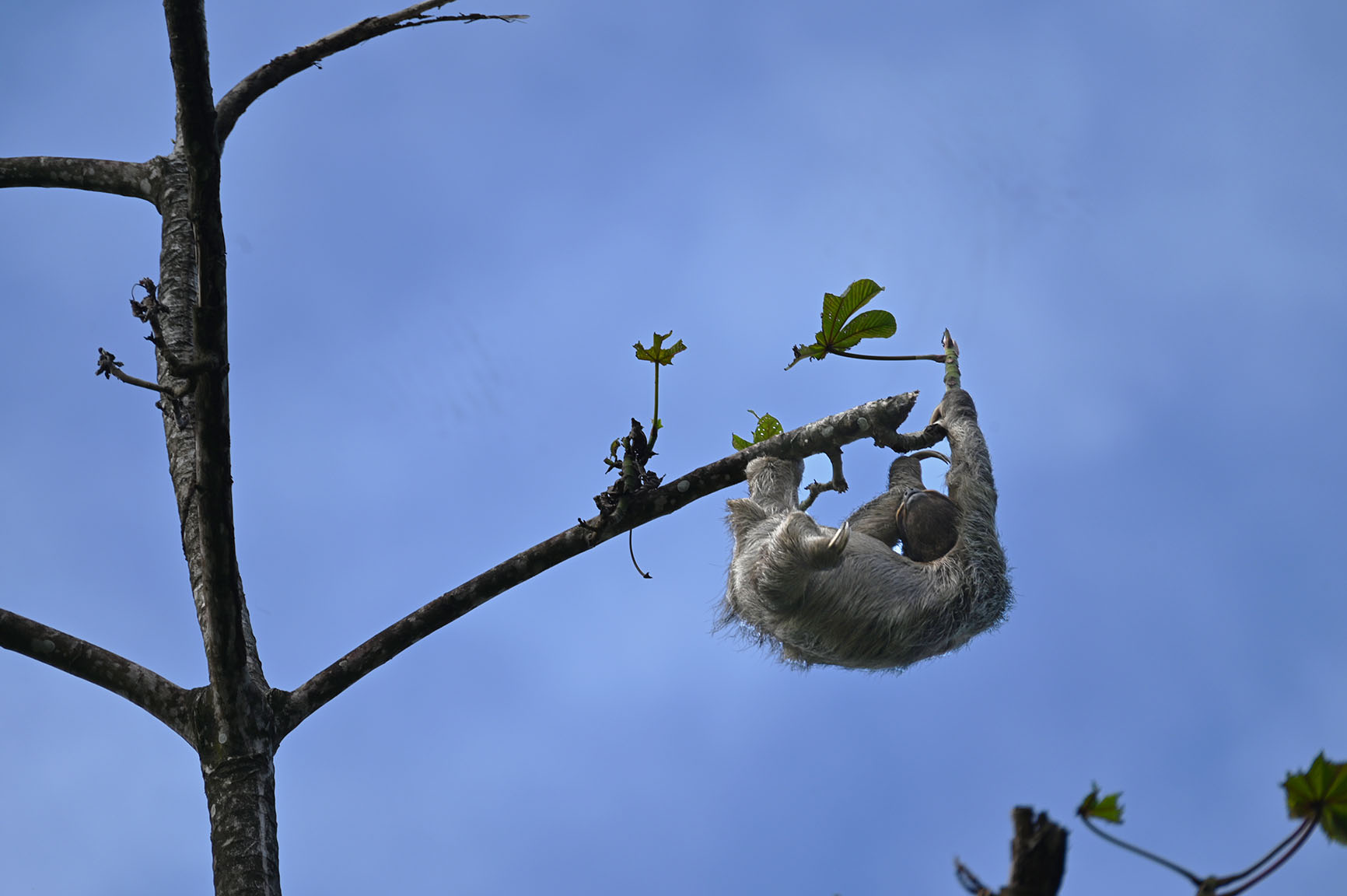
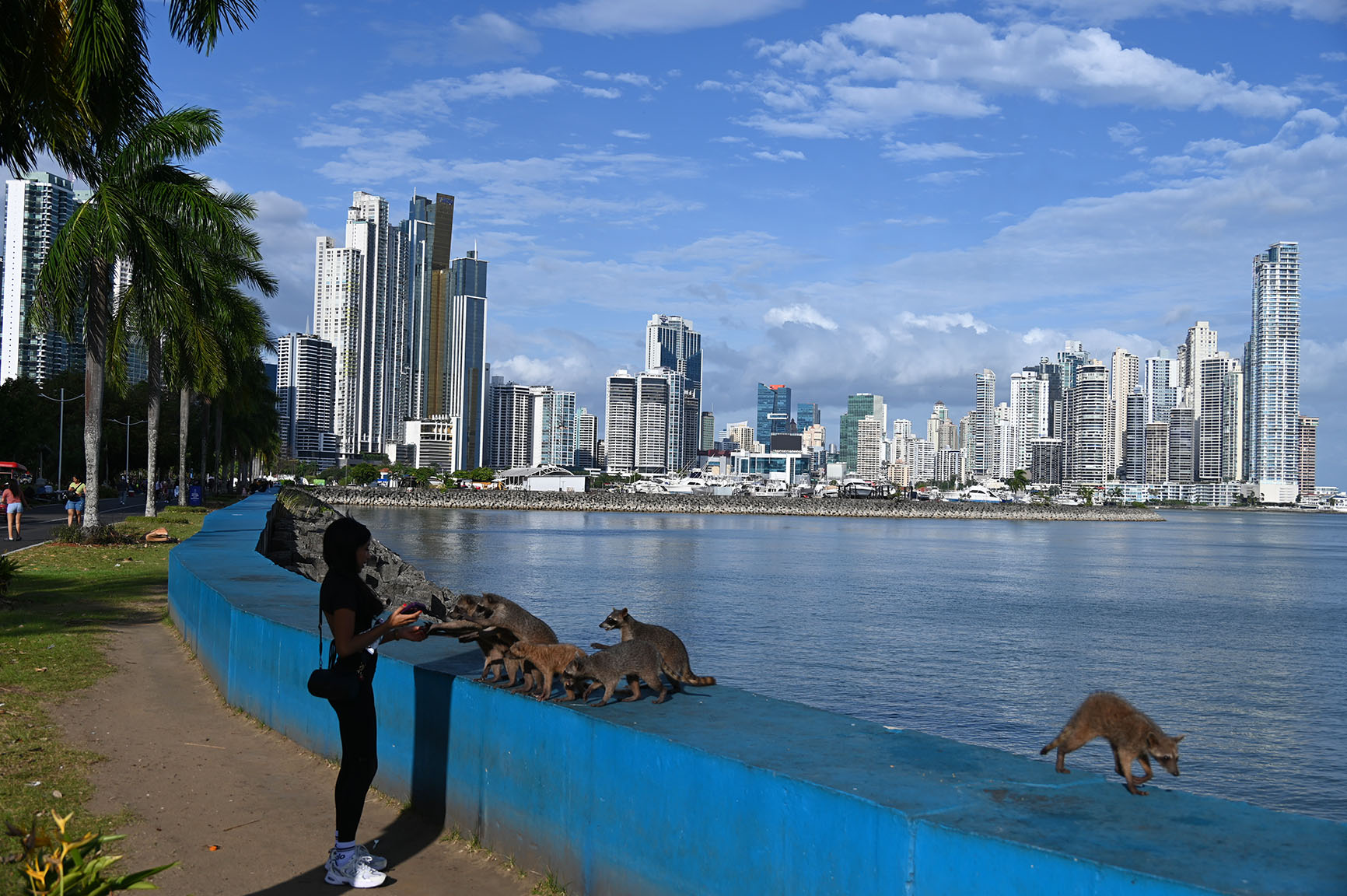
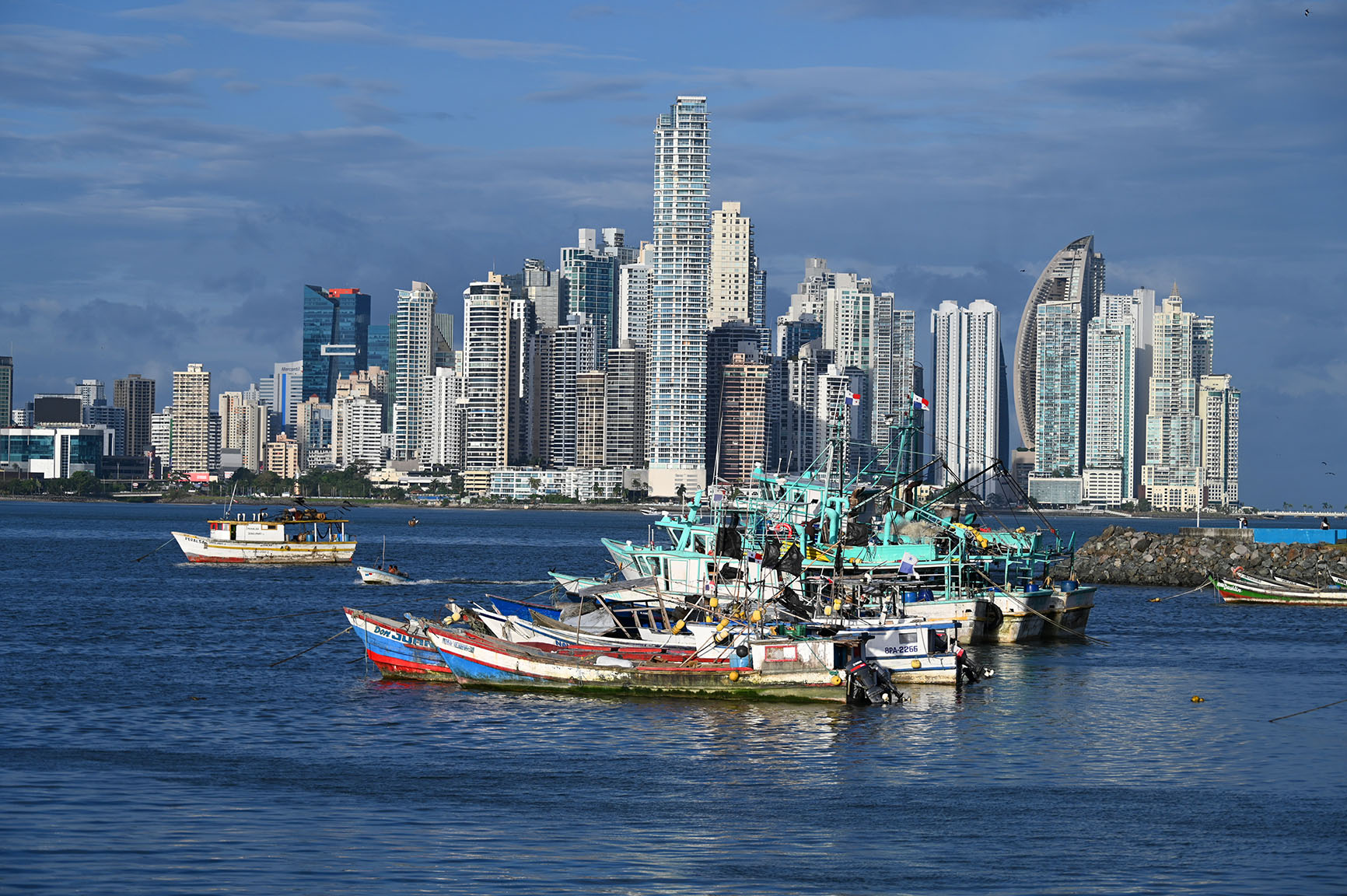
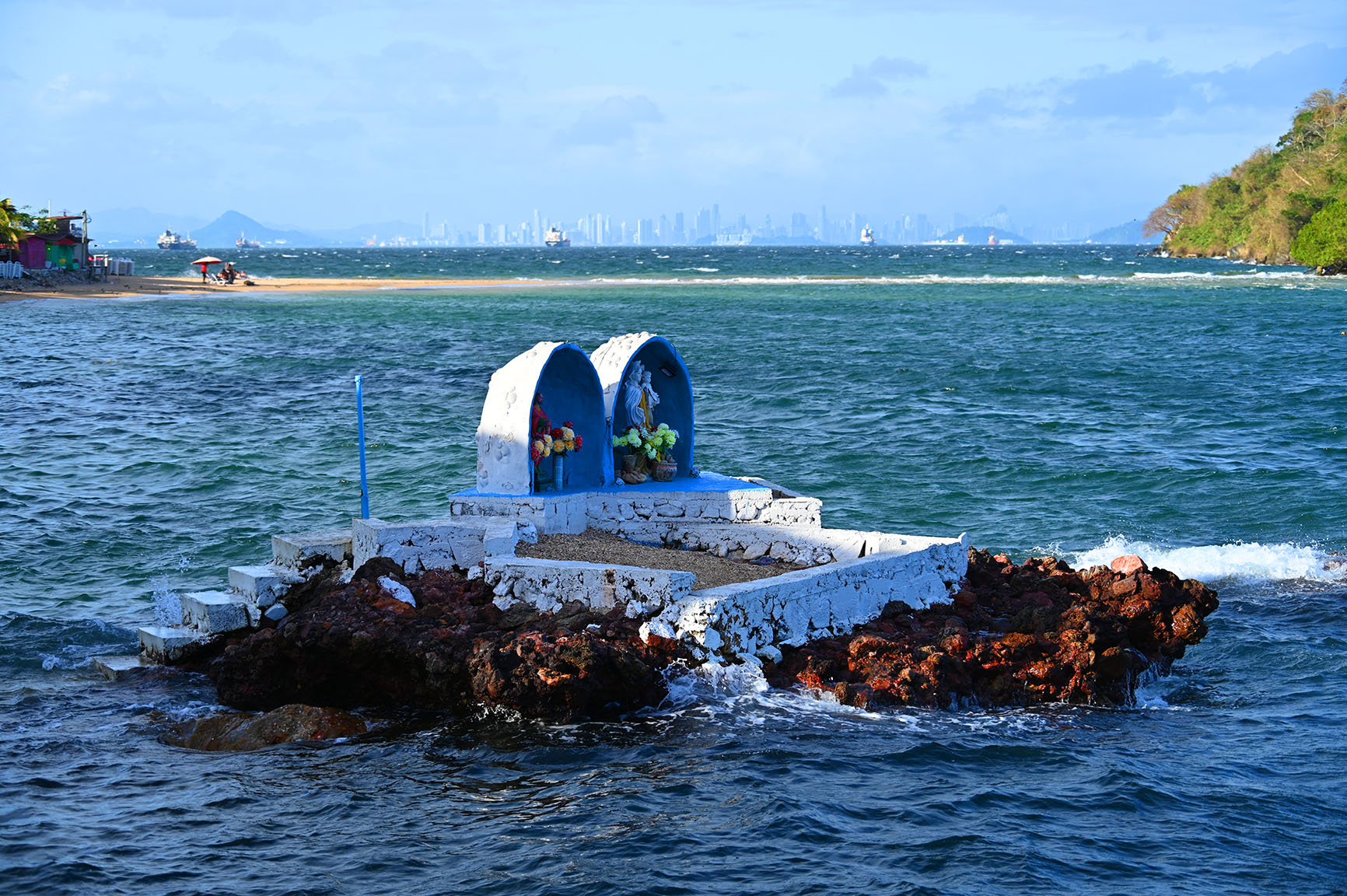
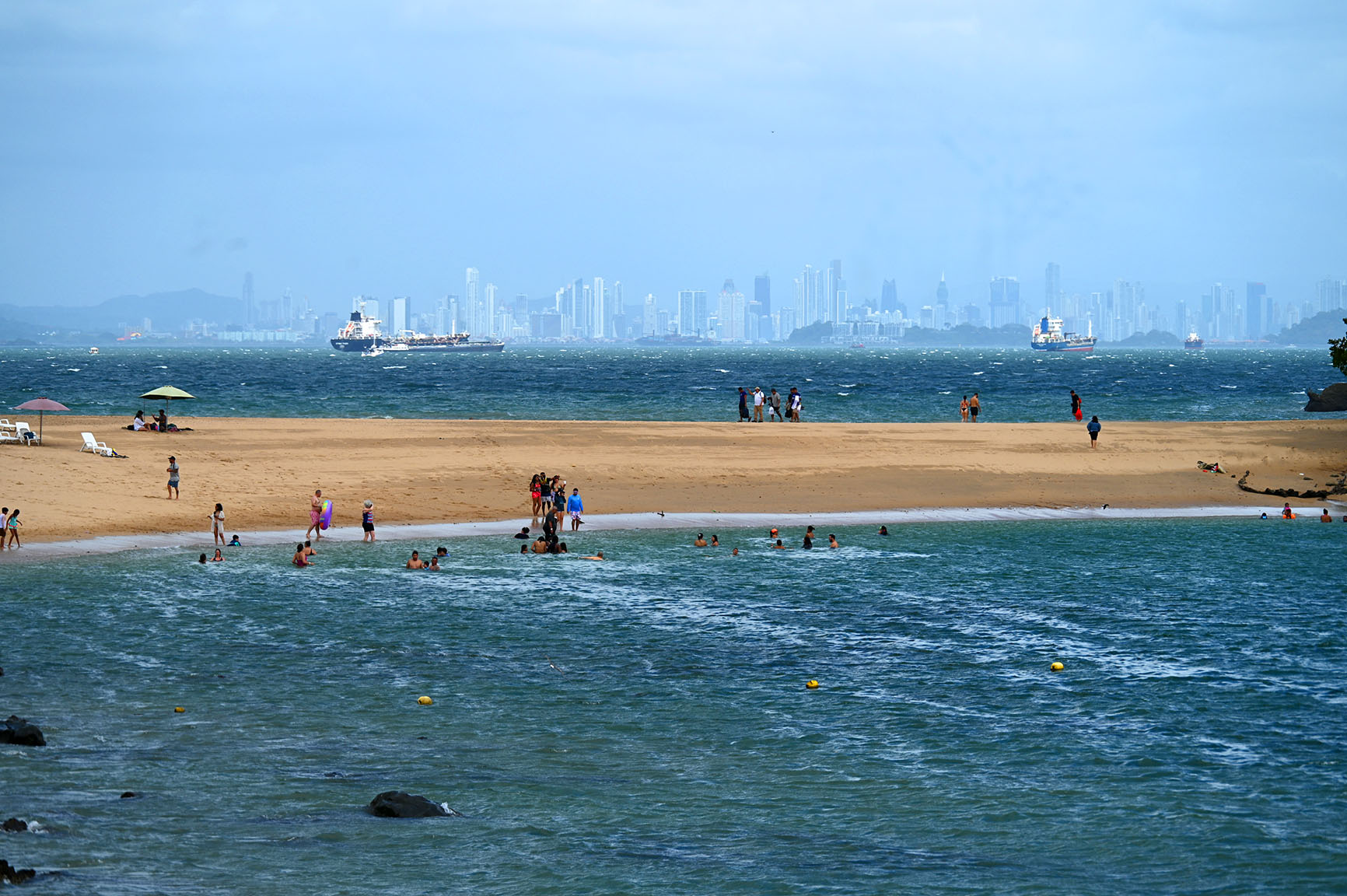
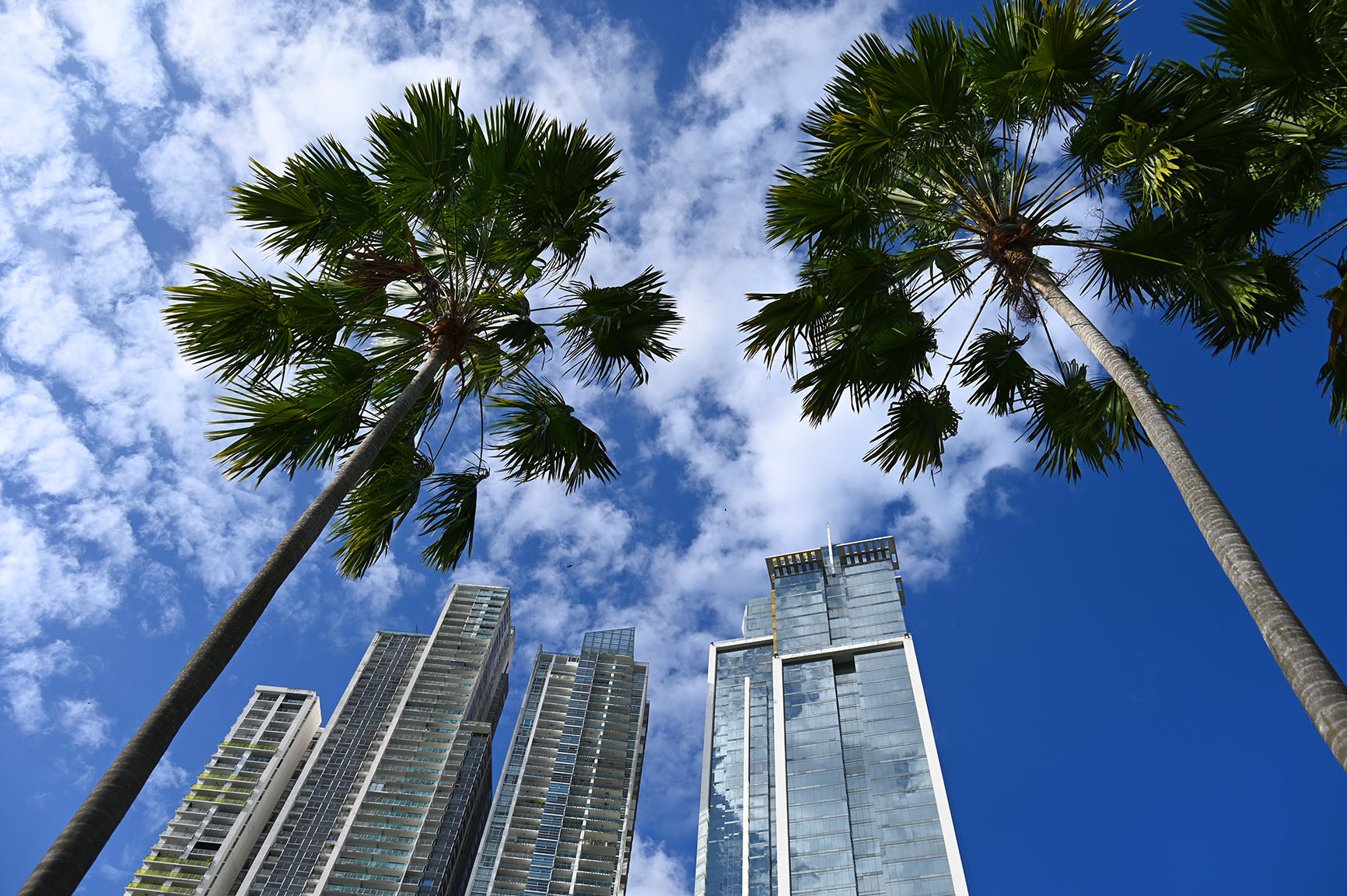
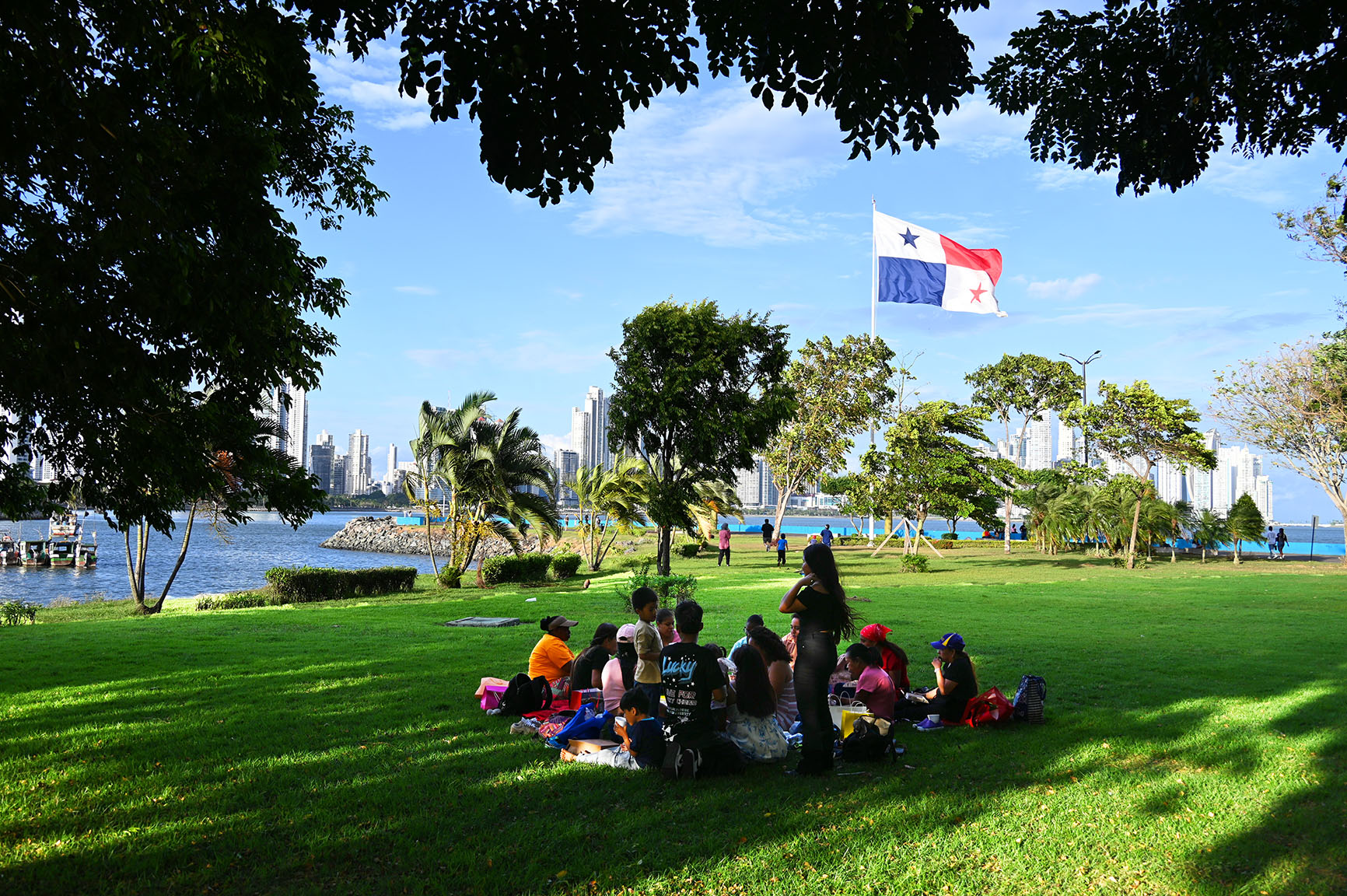
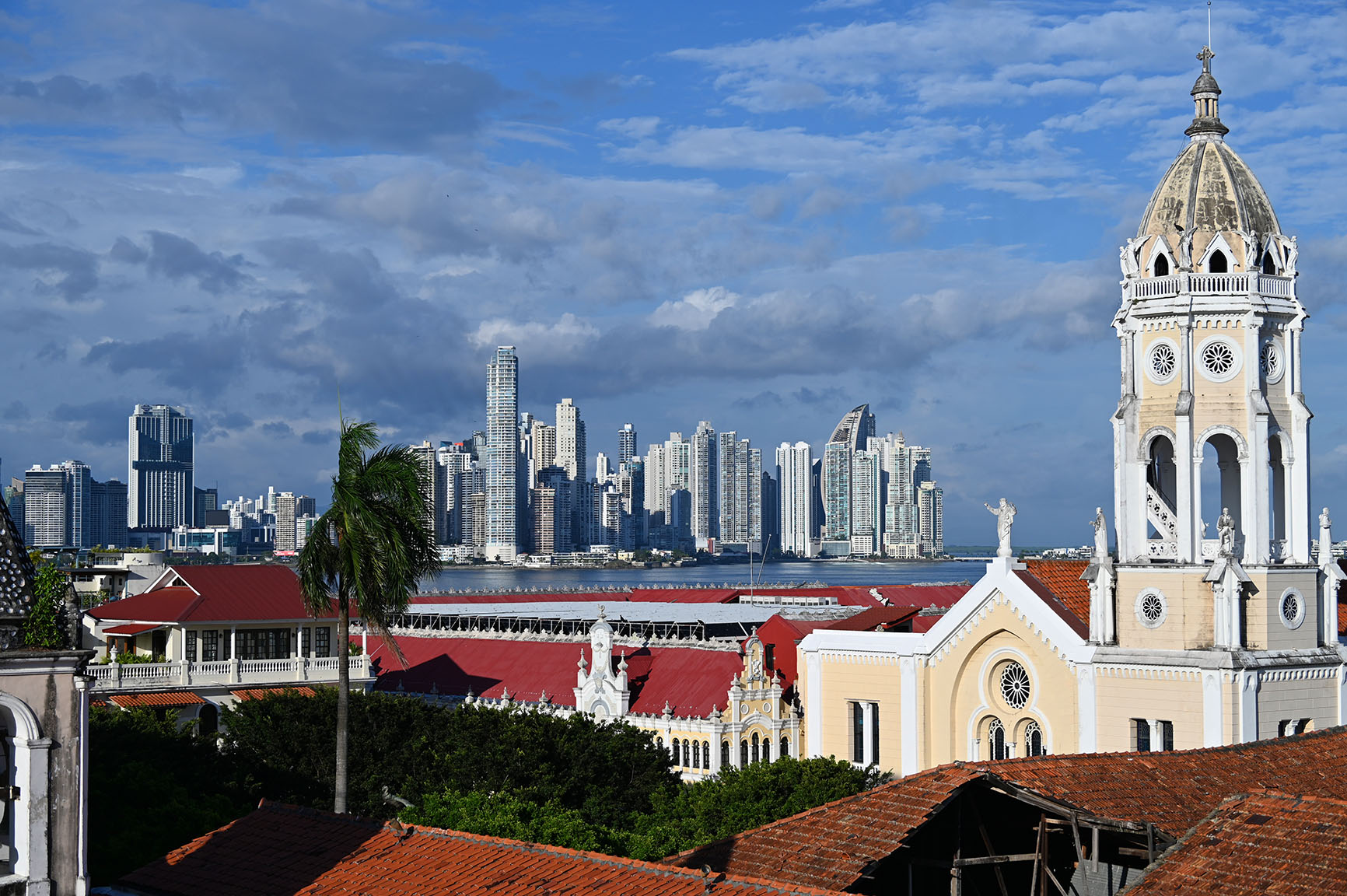
Arrival into Panama City reveals a skyline of glass skyscrapers rising in confident declarations beside fragments of older worlds. Their mirrored surfaces reflect not only the sky, but also the ever-present greens of the surrounding rainforest and the deep blues of the ocean. The rainforest was here first, and that truth remains visible in every tree pushing through pavement and every sloth dangling, untroubled, above the machinery of modern life.
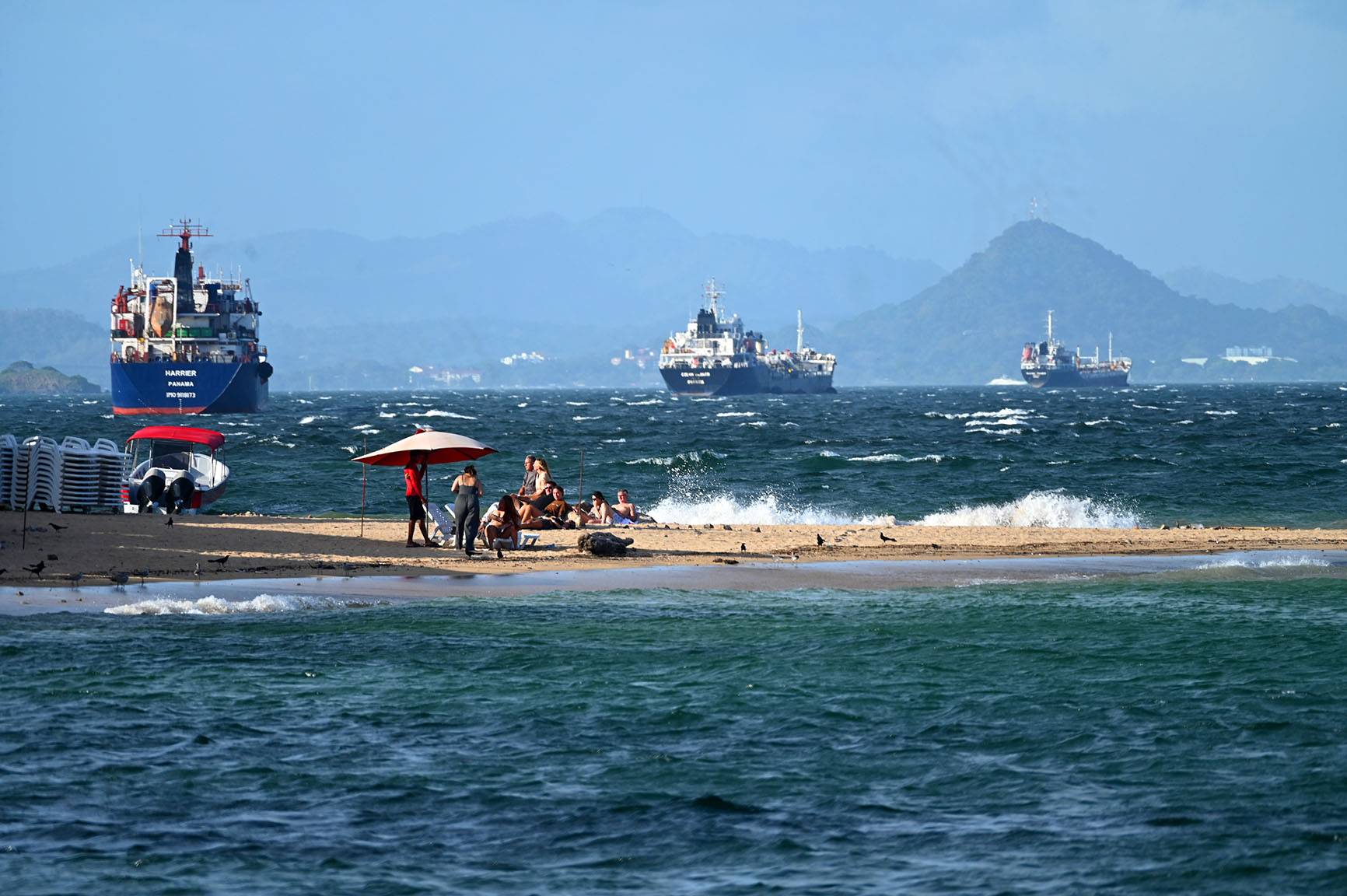
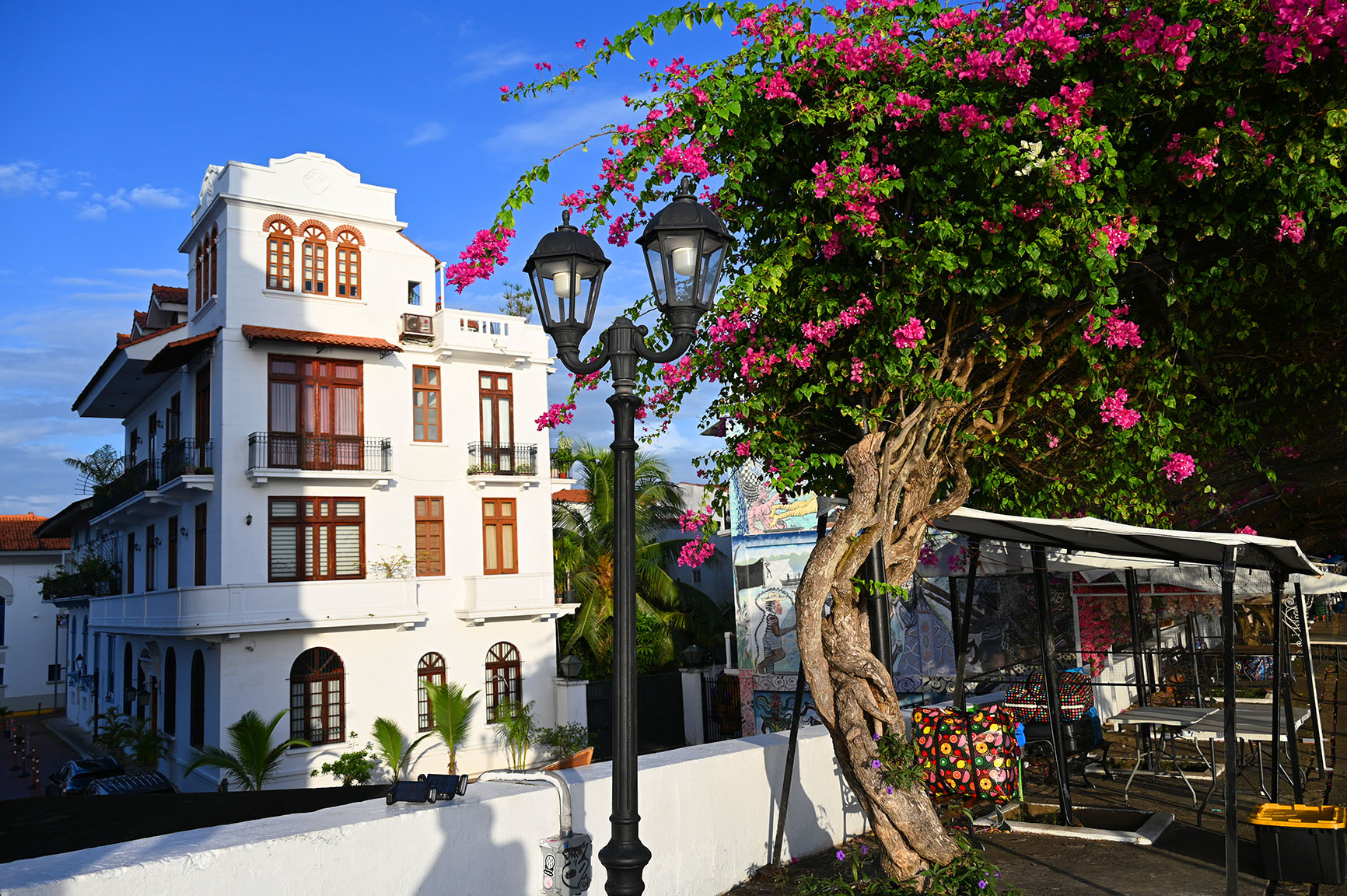
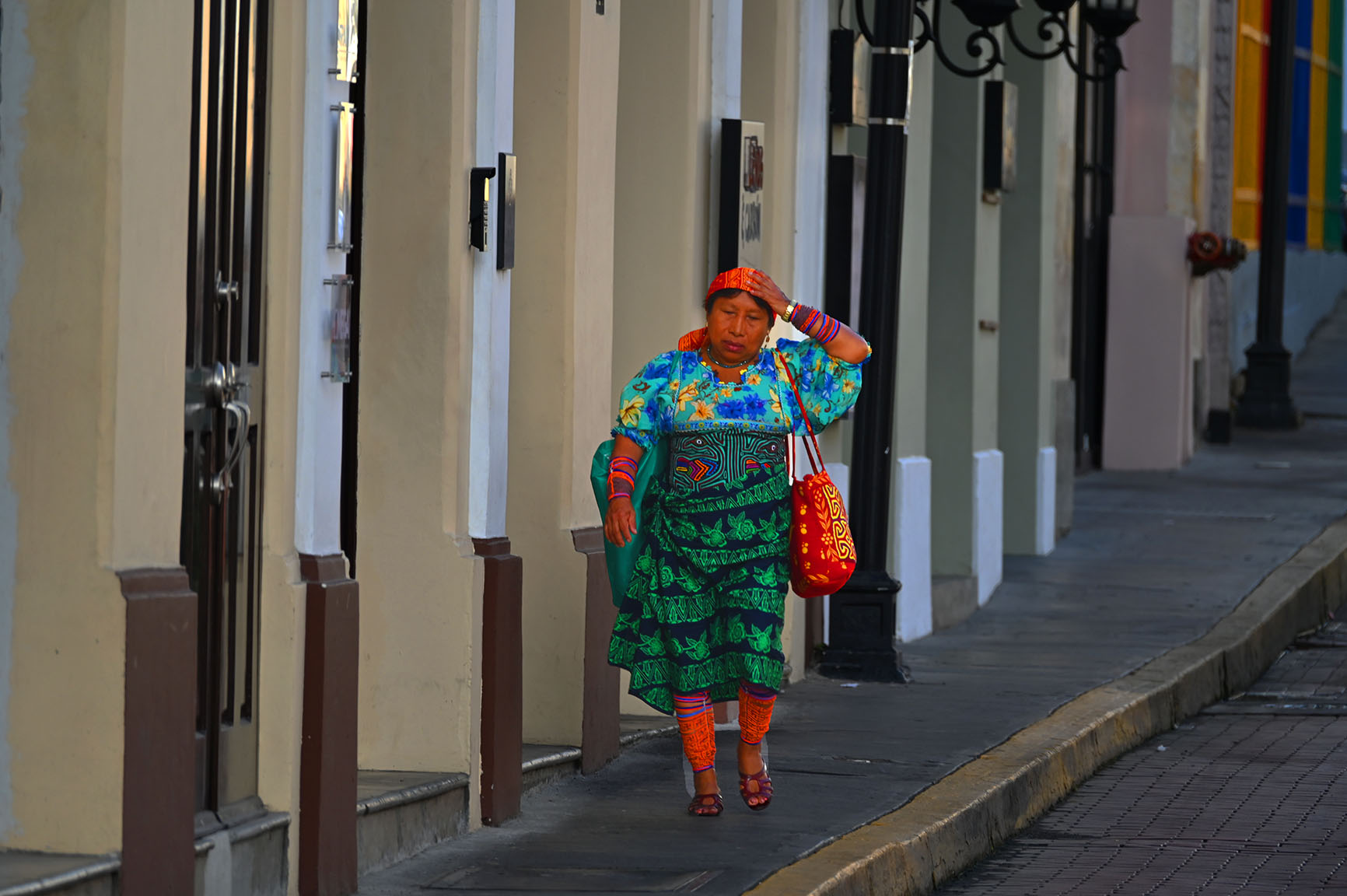
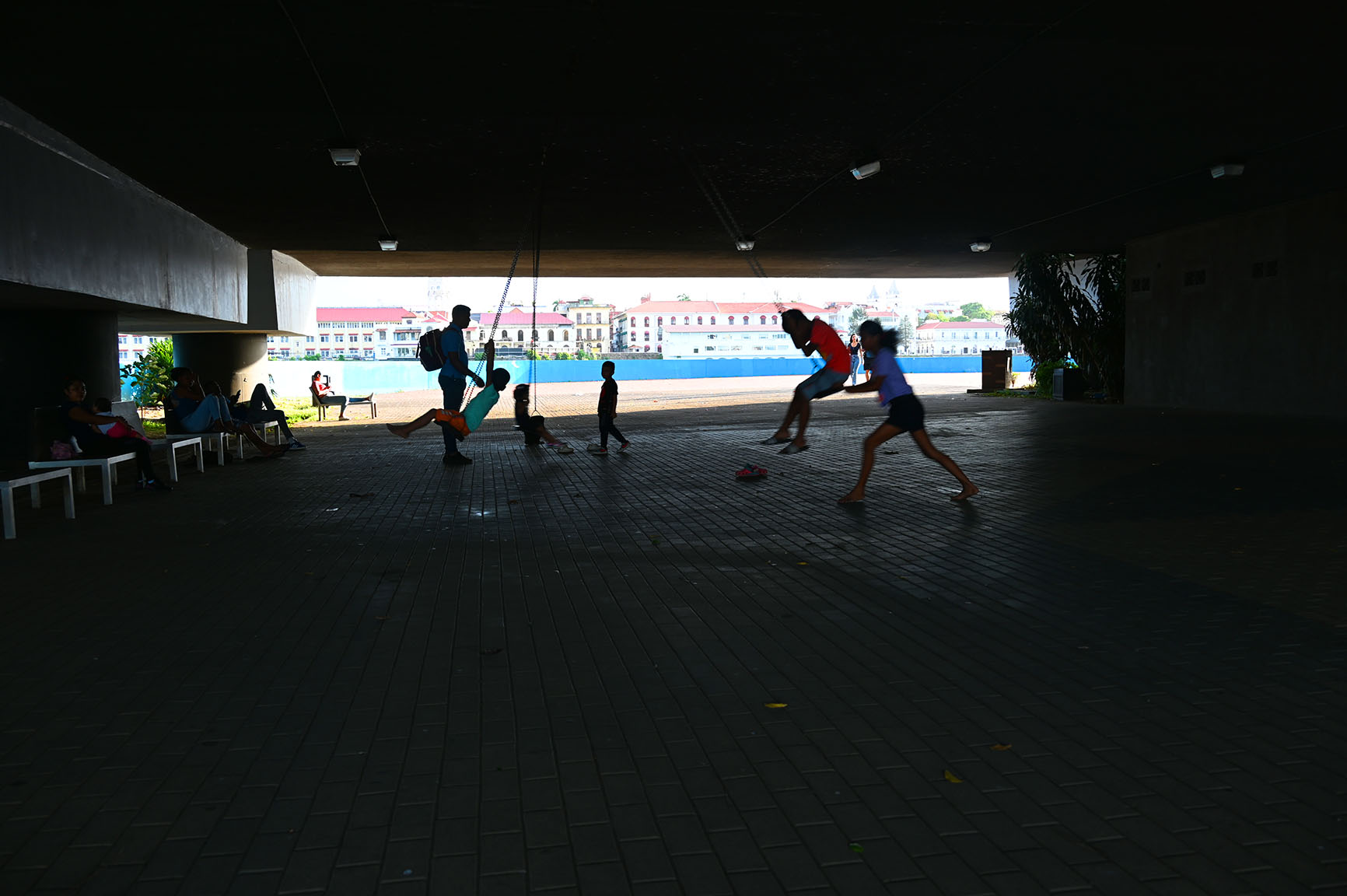
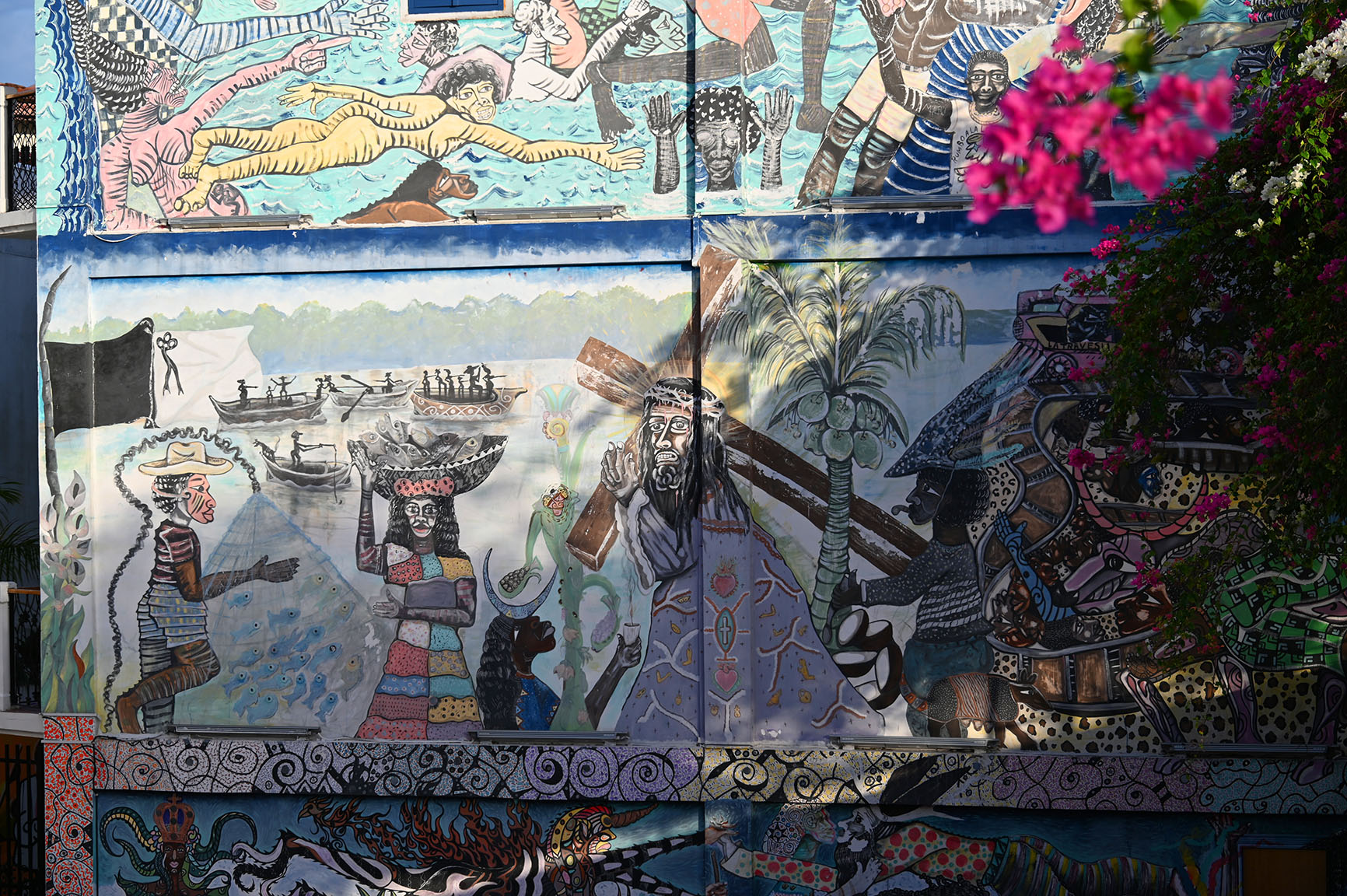
I soon realised that in every direction, there is contrast. The old quarter of Casco Viejo breathes at a slower pace, its centuries revealed in cracked plaster, faded paint, and wrought-iron balconies softened by bougainvillea. Along the Pacific frontage, pelicans drift with prehistoric grace, while vultures circle above church towers as they have done for generations. Nothing feels staged. Nature has not been forced out; it has simply adapted, continuing alongside human presence.
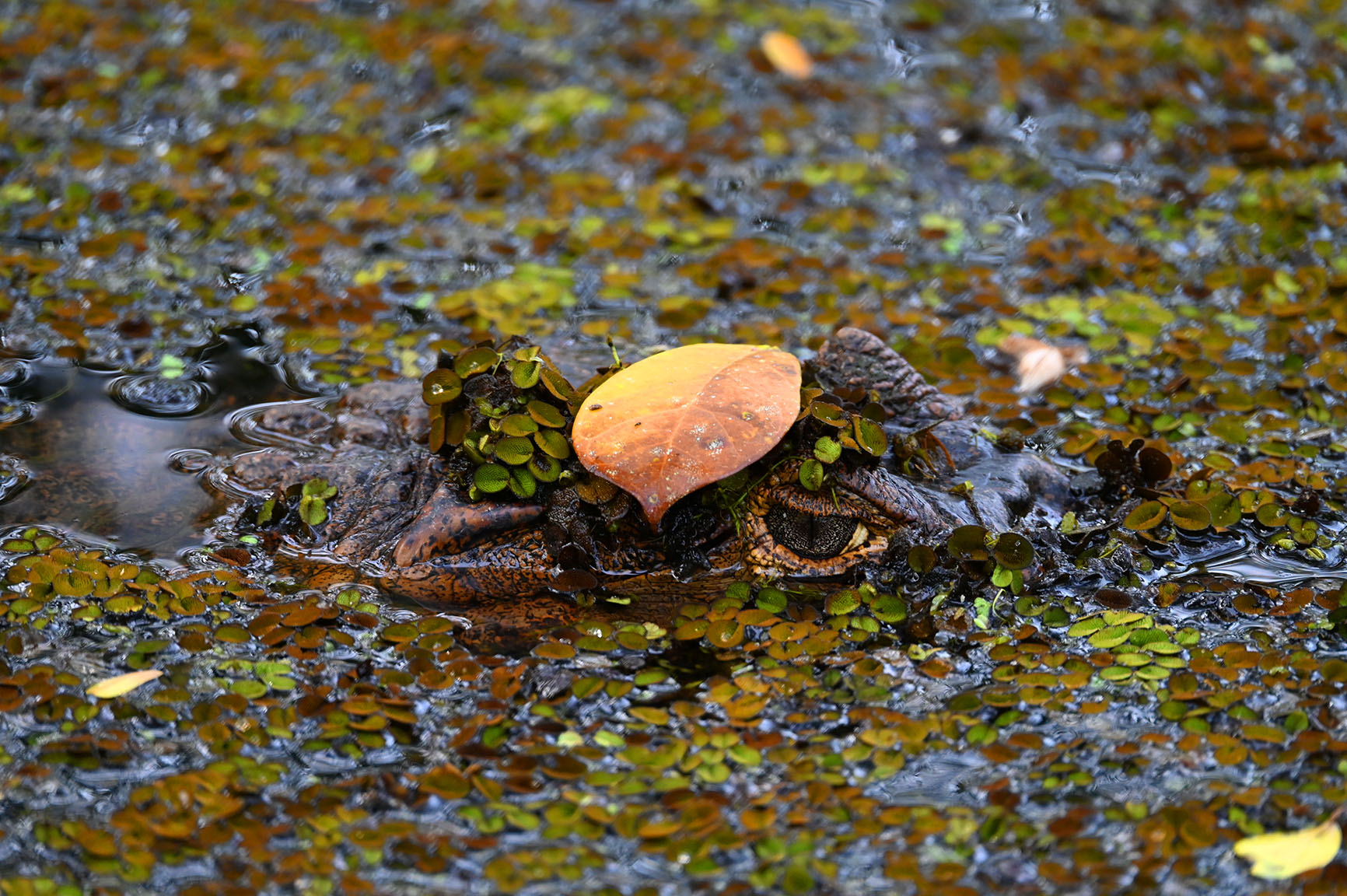
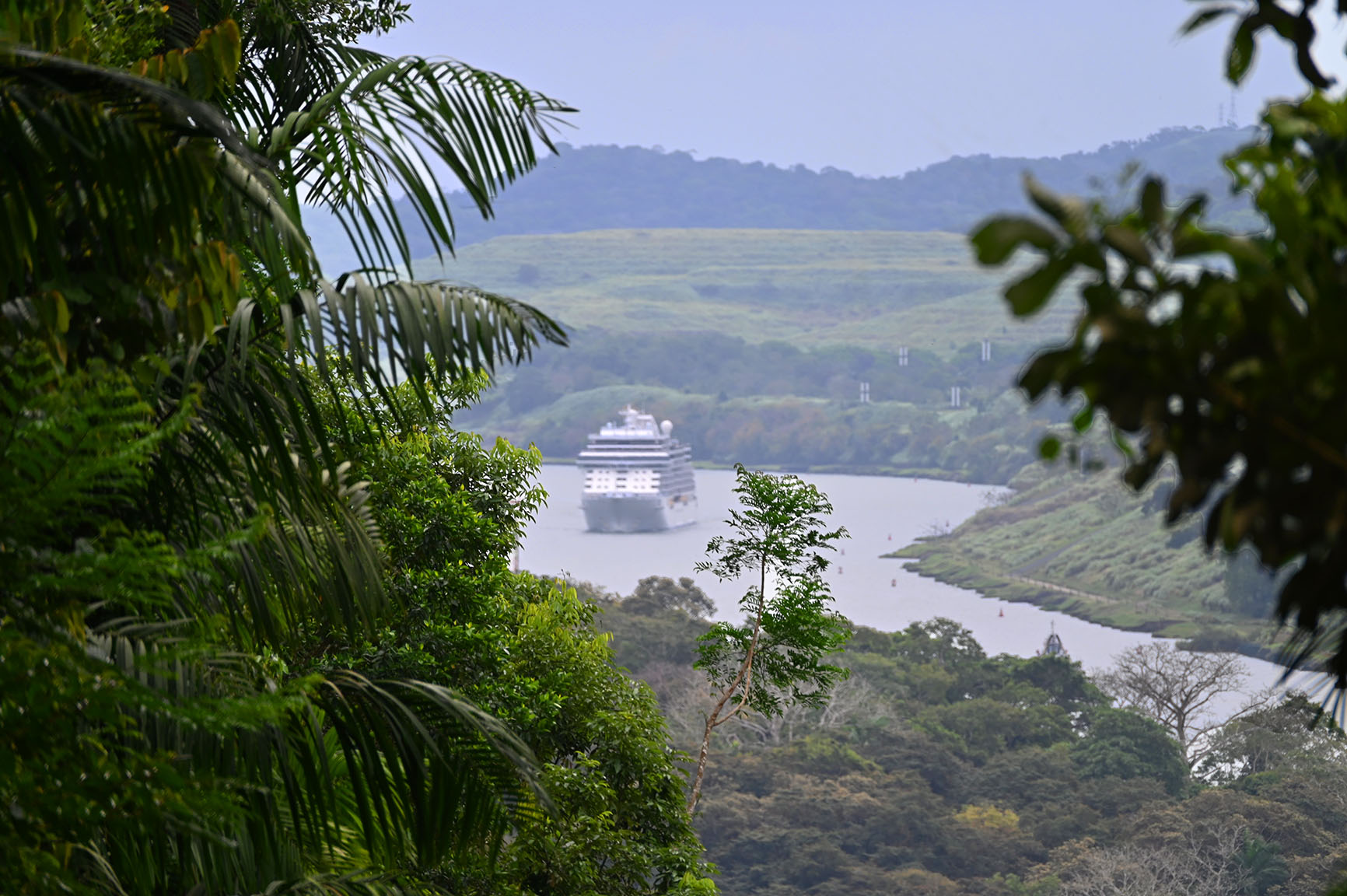
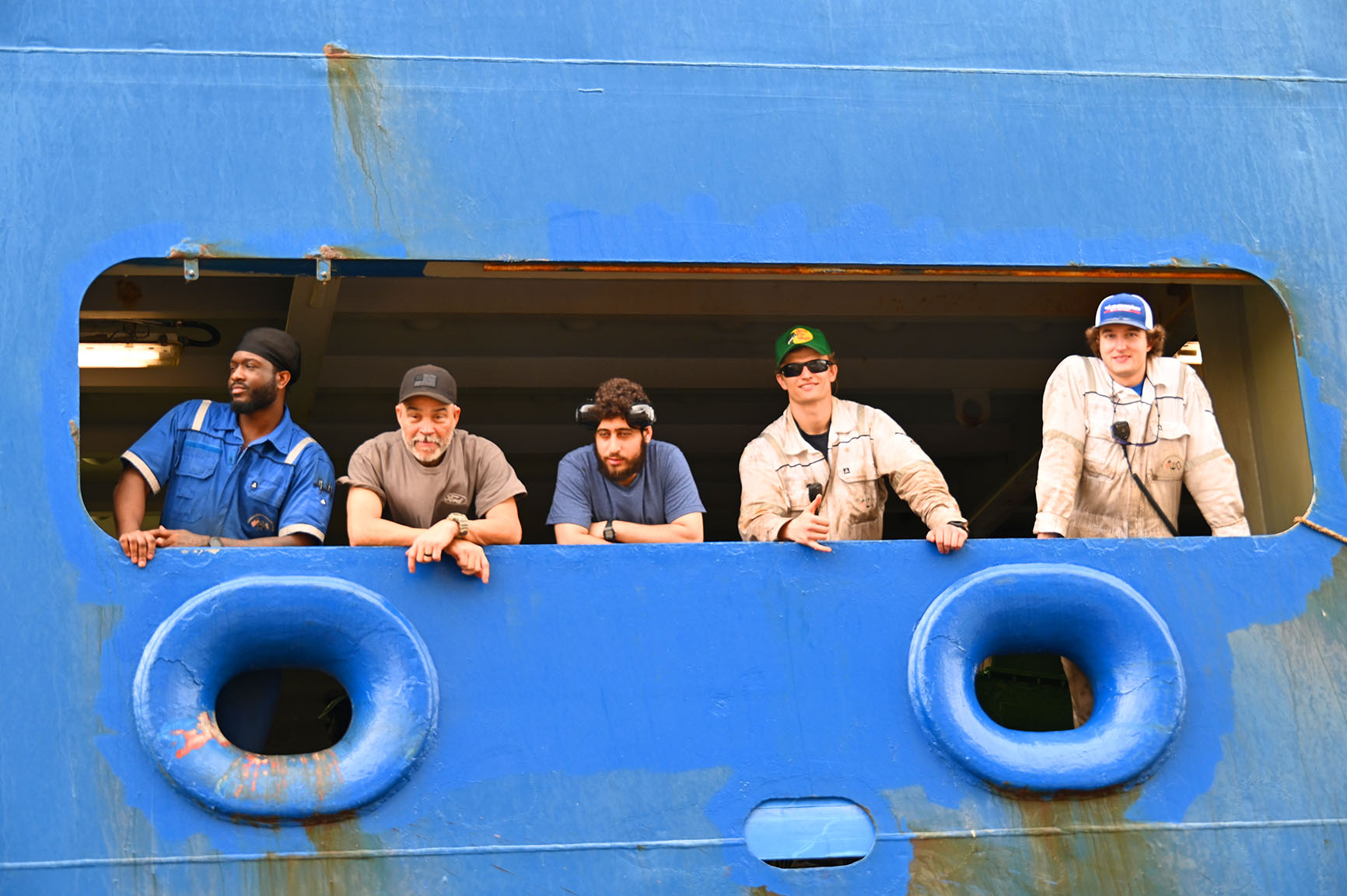
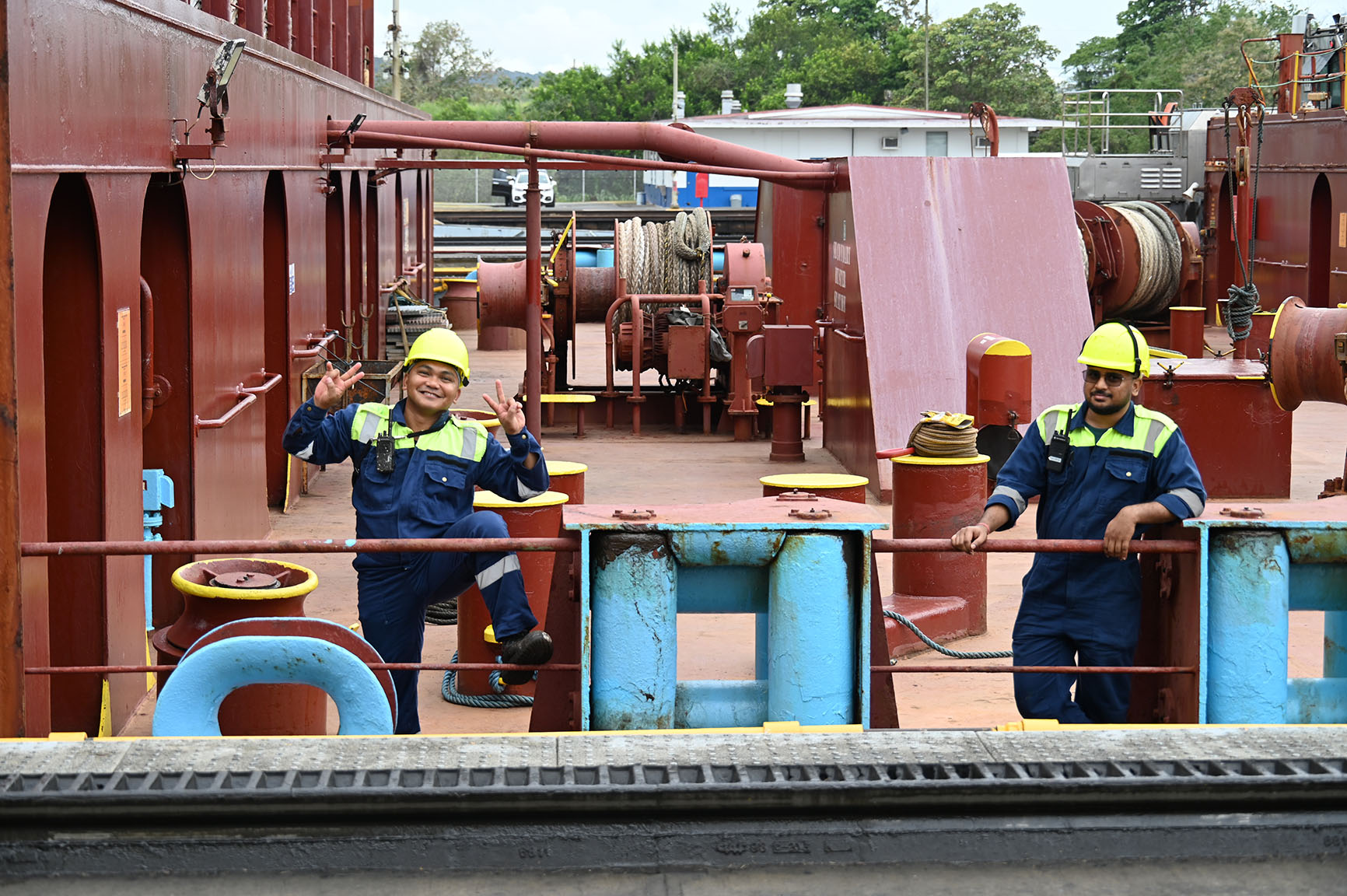
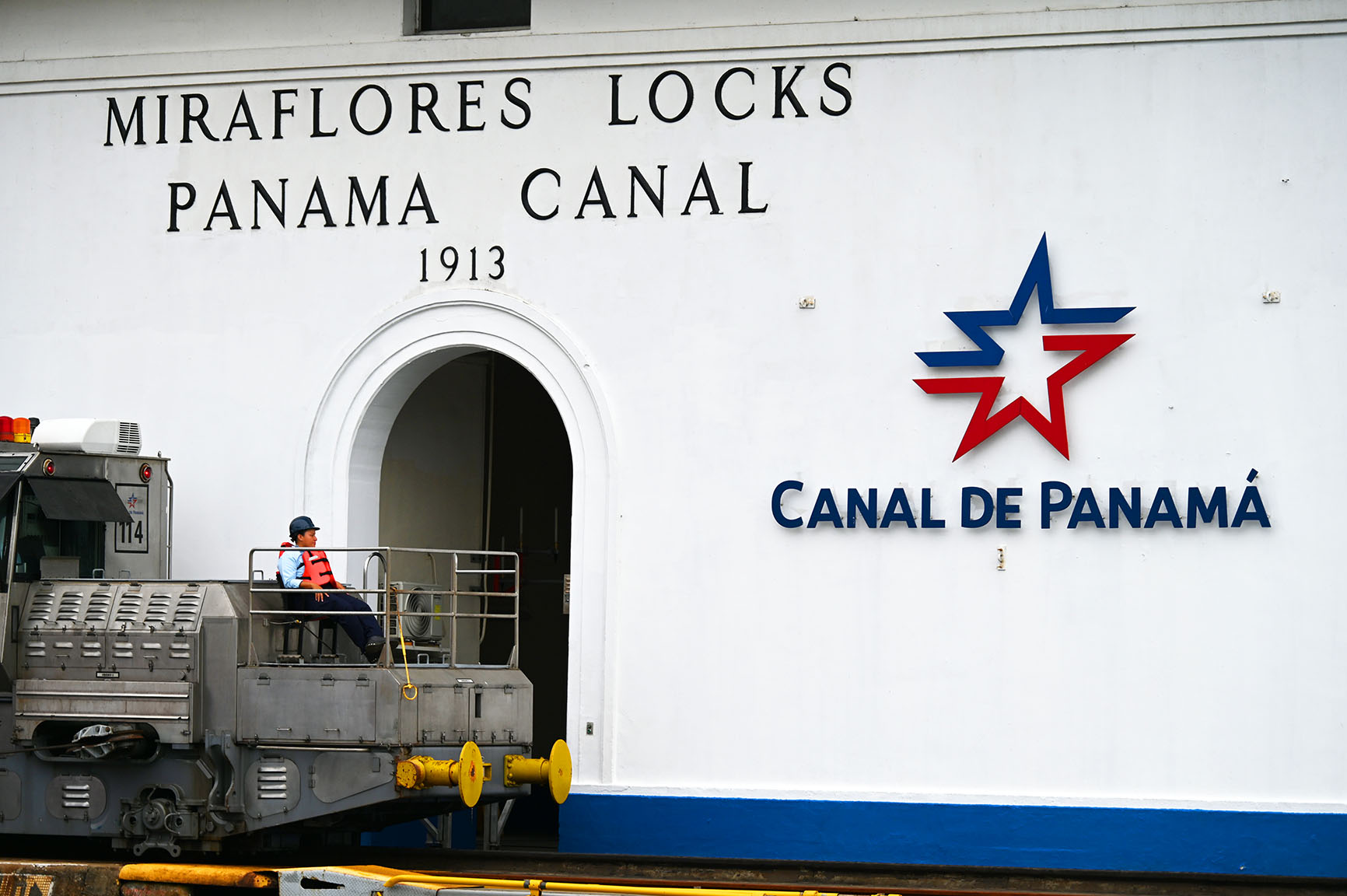
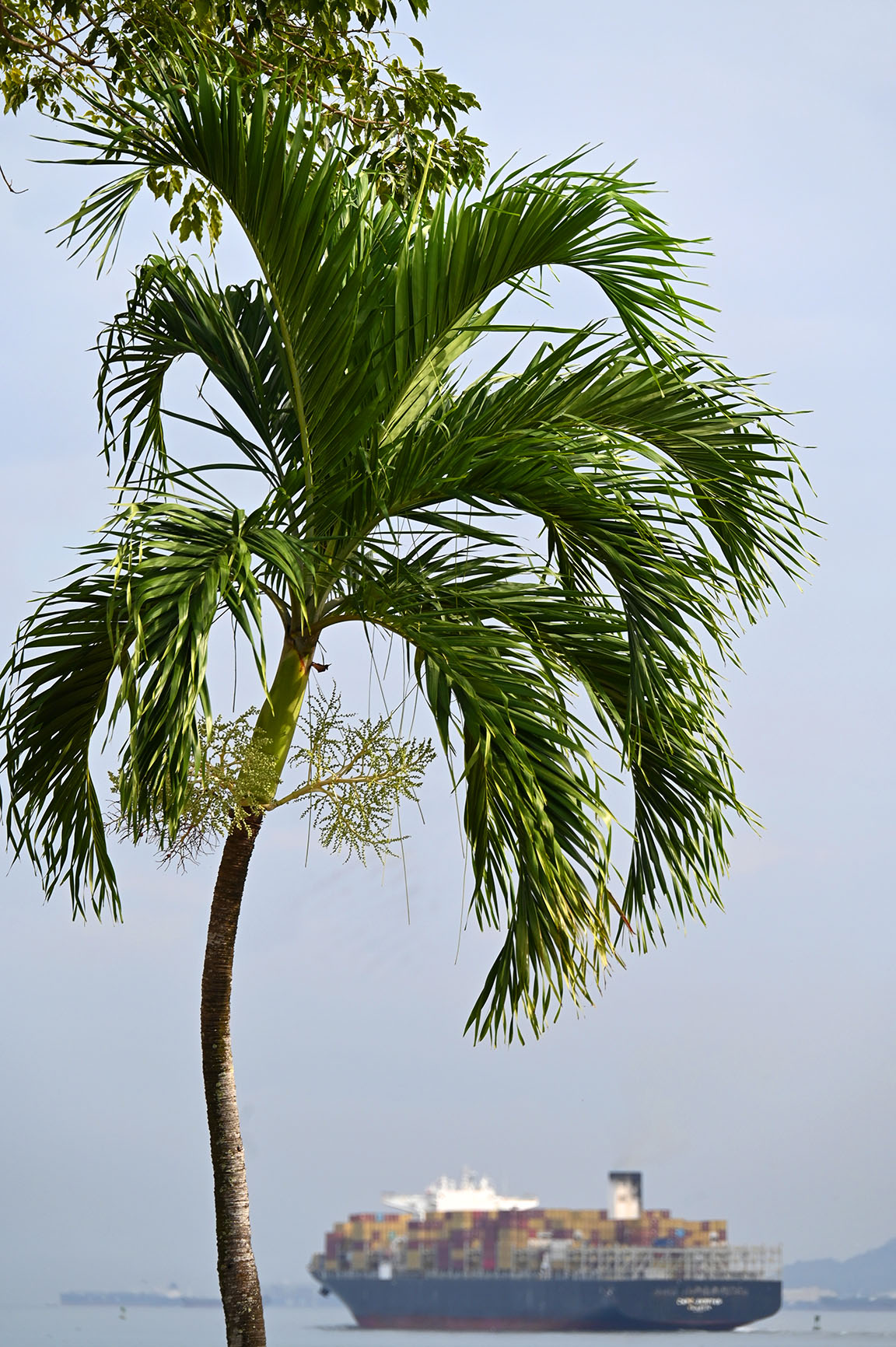
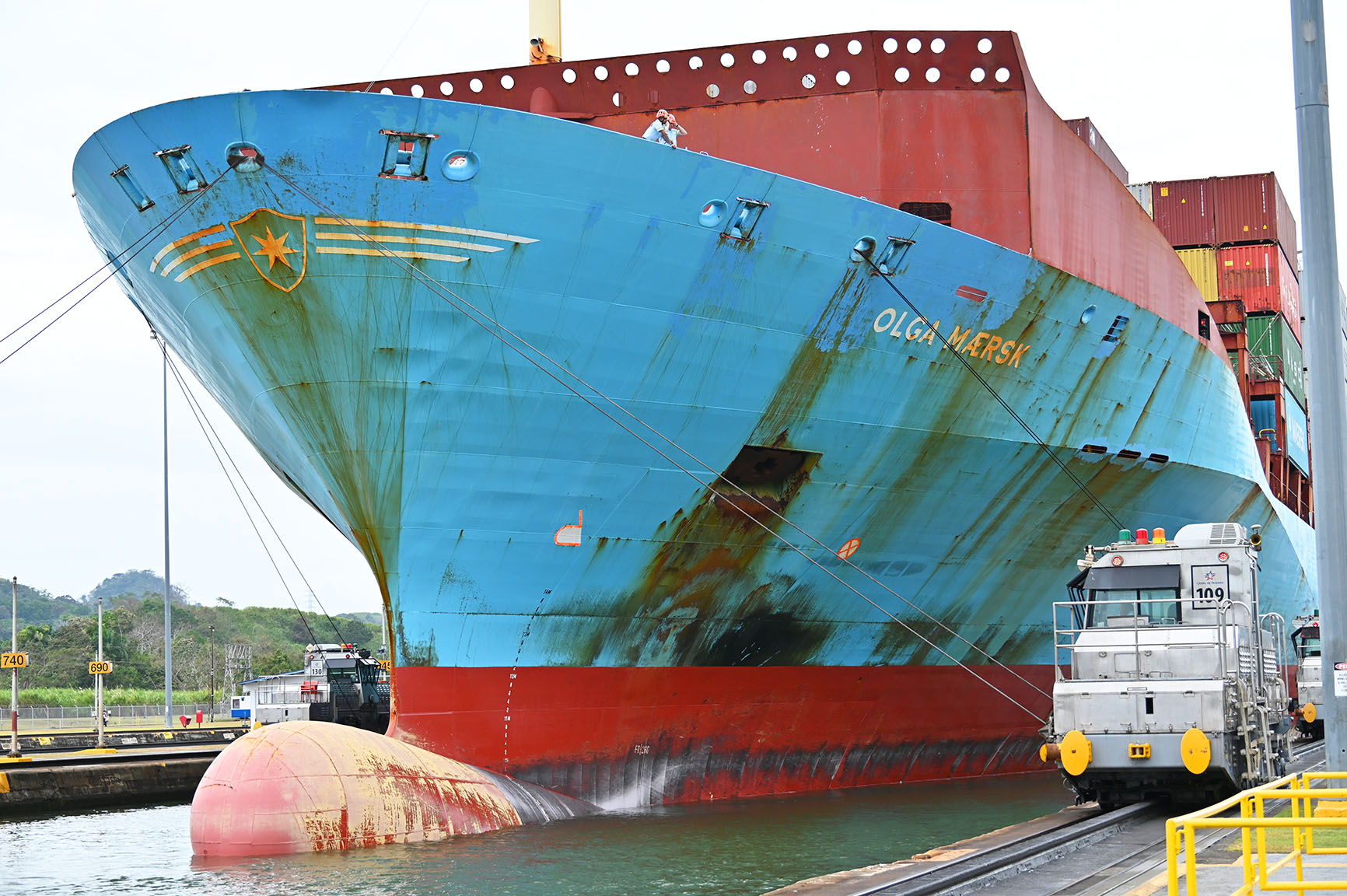
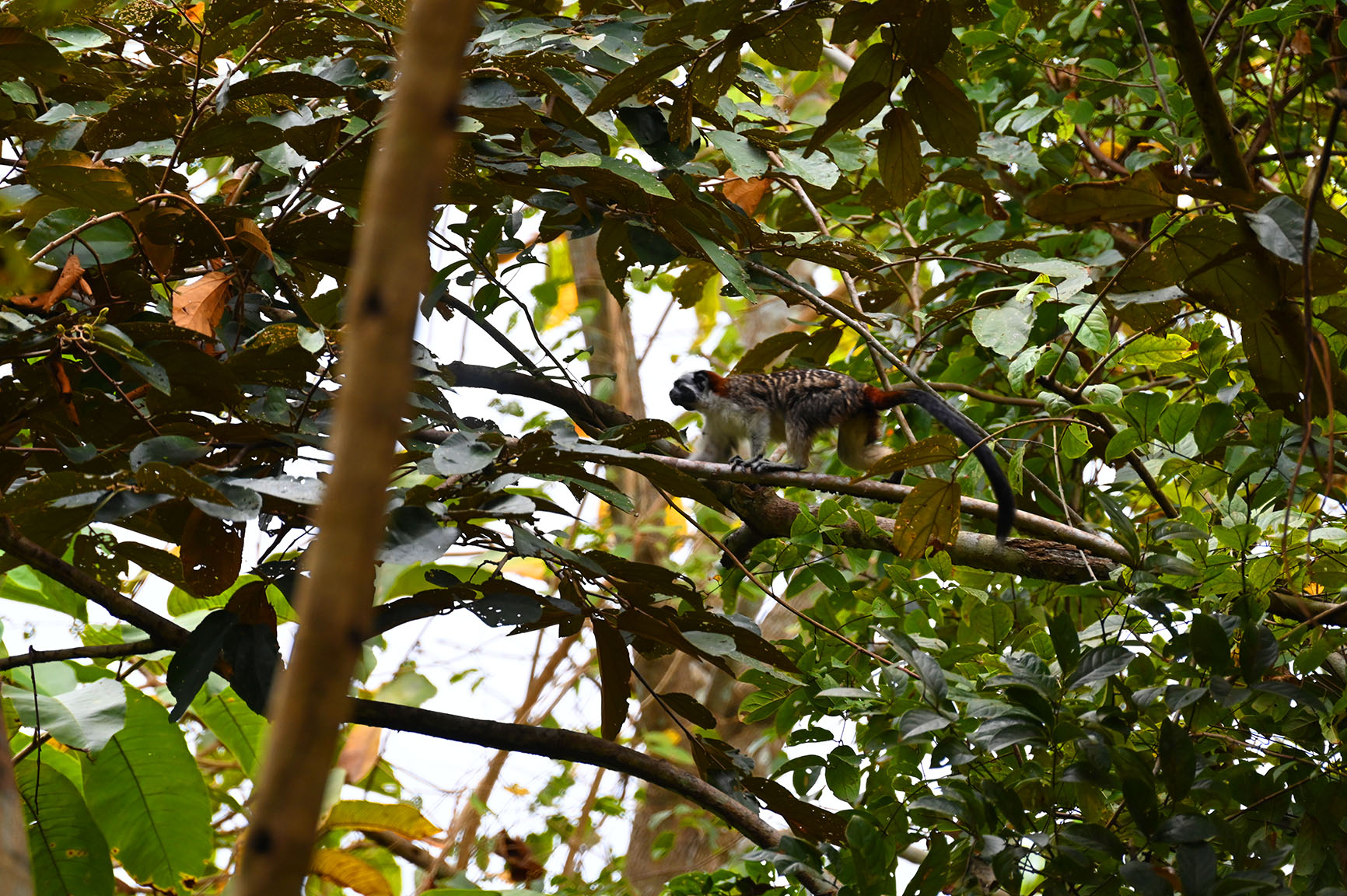
Not far away, the vast locks of the Panama Canal reveal themselves less as a static monument and more as a living, working spectacle. Ships approach slowly, their immense hulls dwarfing the lock gates. Water rises with quiet authority, lifting thousands of tonnes of steel effortlessly. Yet beyond the concrete edges, the jungle waits in watchful silence. Howler monkeys call from hidden branches, and toucans cross overhead in sudden flashes of colour. The canal is immense, but the forest feels older, and in some quiet way, more enduring.
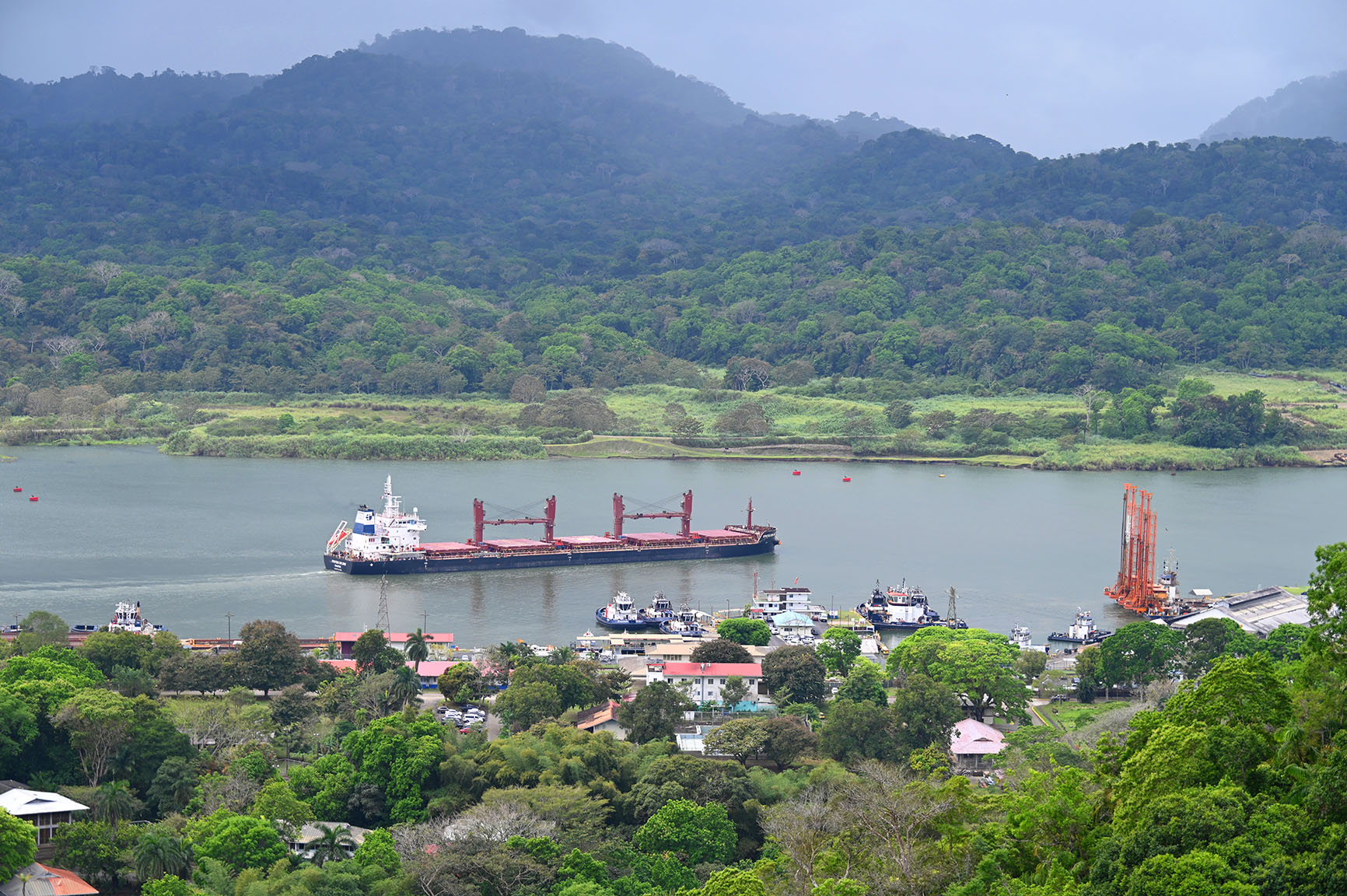
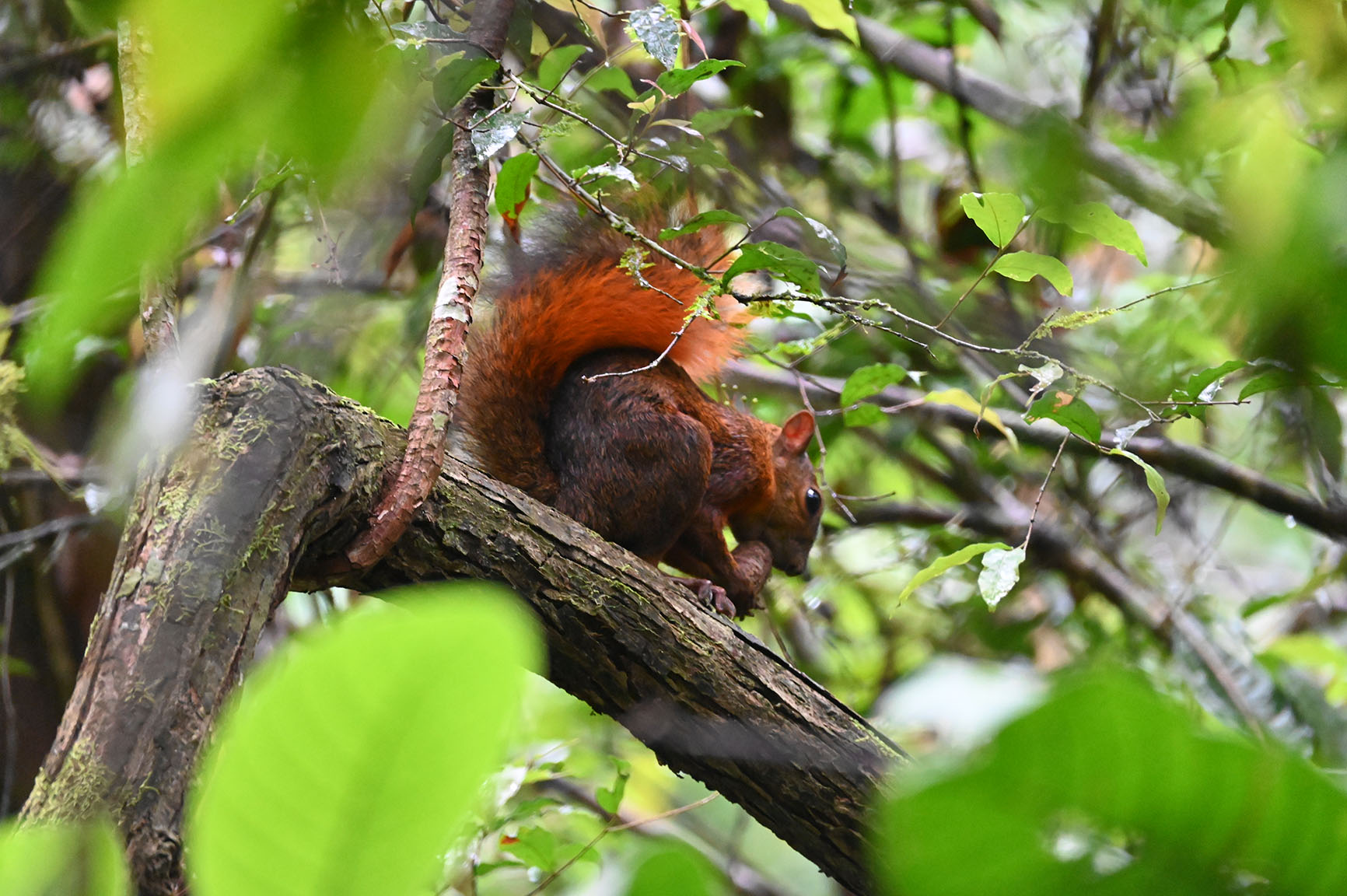
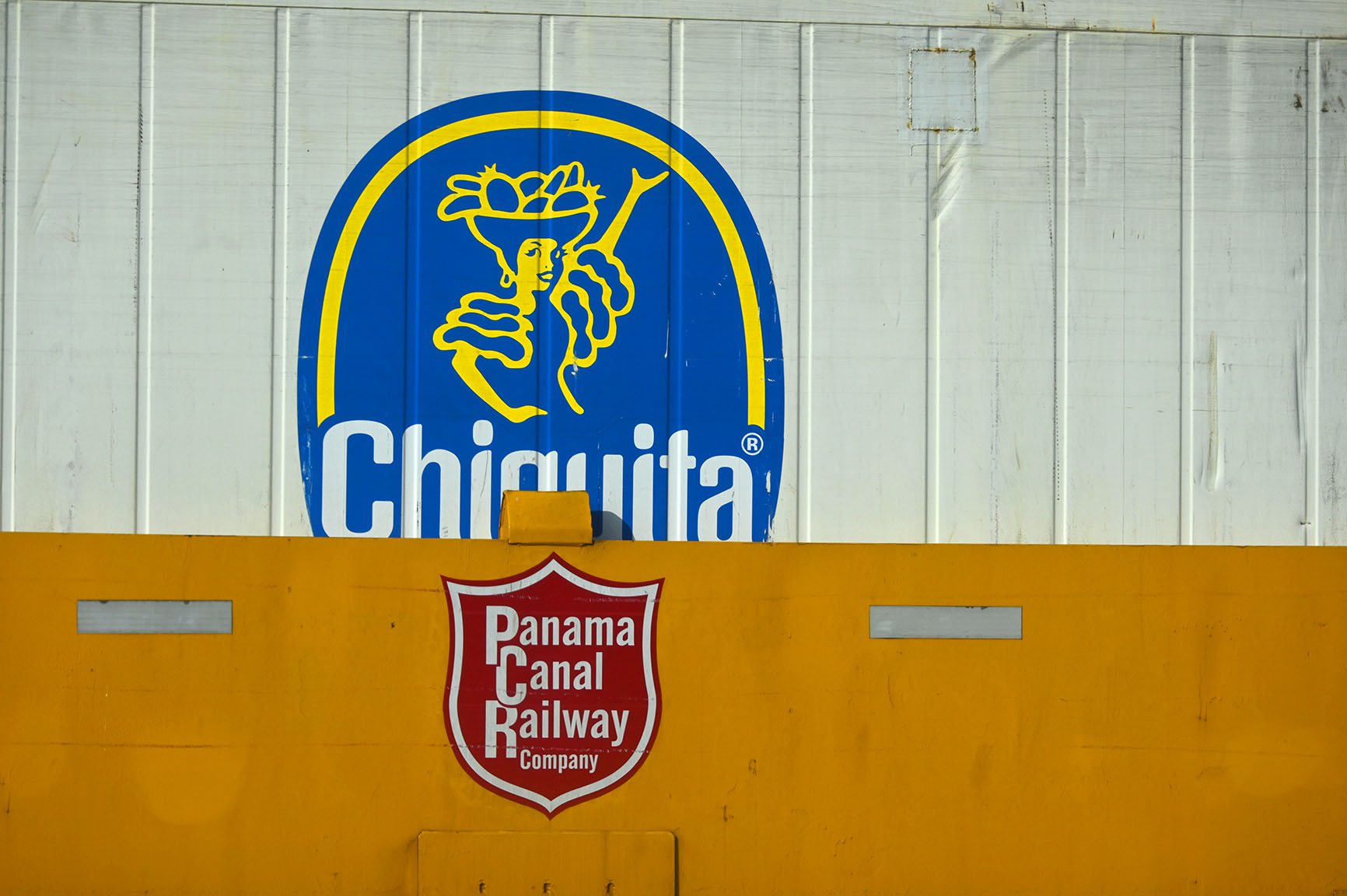
North of the city, running parallel to the canal and its historic railway, Soberanía National Park carries the unmistakable sense of entering something ancient. The forest does not simply surround; it absorbs. Sound arrives first, with layers of bird calls overlapping in complex patterns, followed by flashes of colour and sudden movement. Leafcutter ants march in endless processions, carrying fragments of leaves many times their size, sustaining hidden worlds beneath the soil. High above, sloths remain suspended in deliberate stillness, their slow existence offering a quiet contrast to modern urgency.
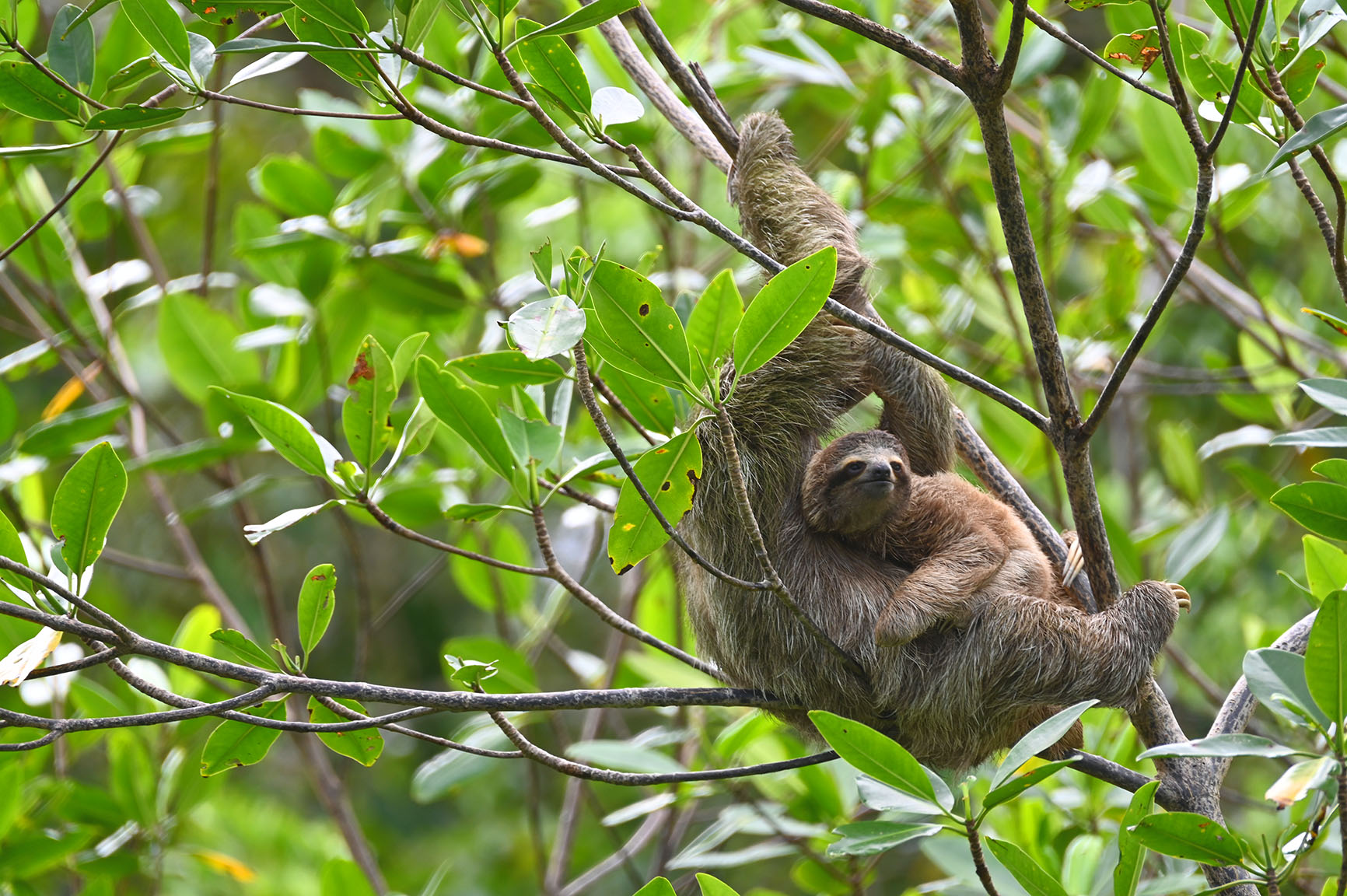
And all the while, howler monkeys boom and growl in the near distance.
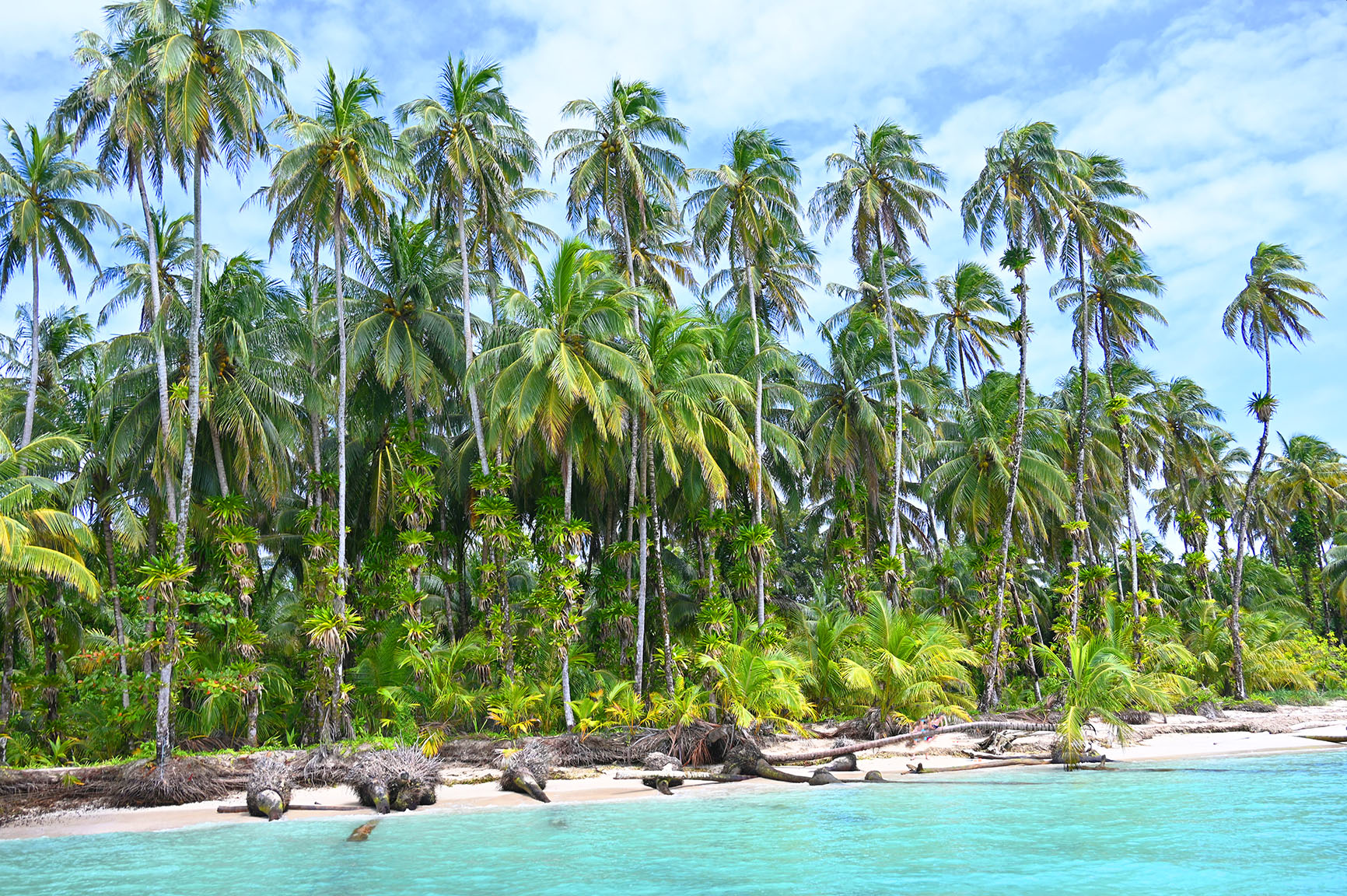
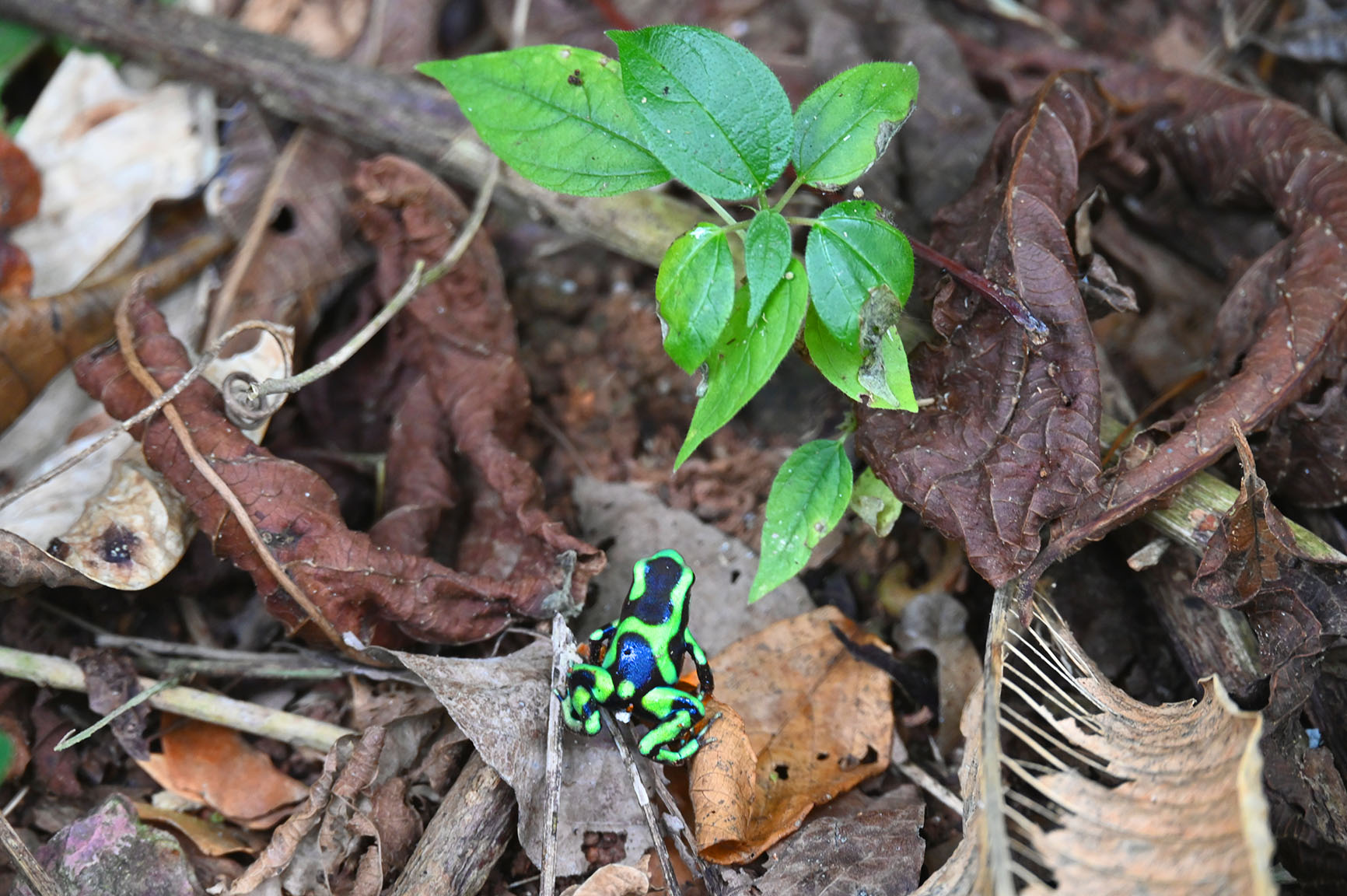
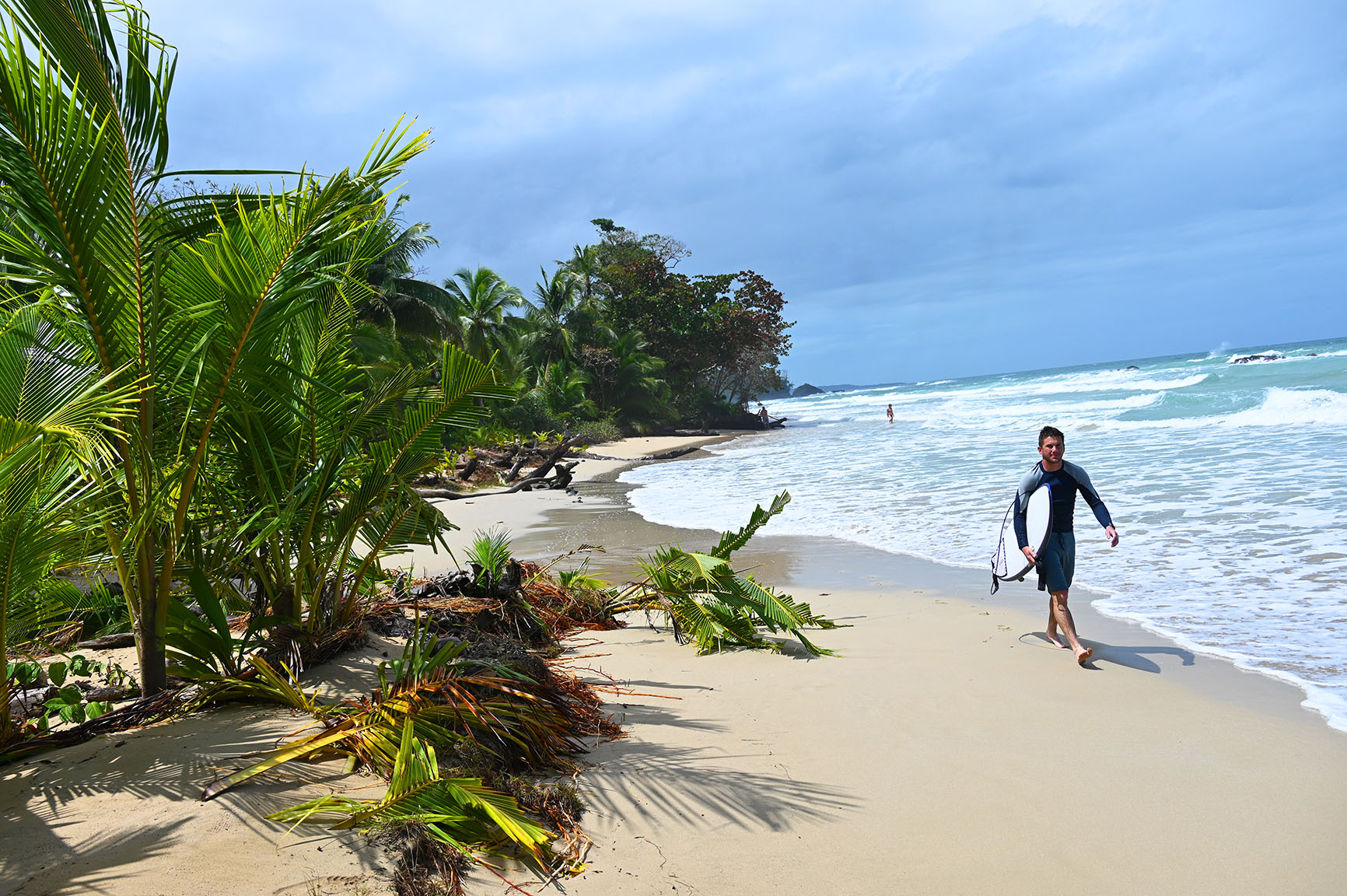
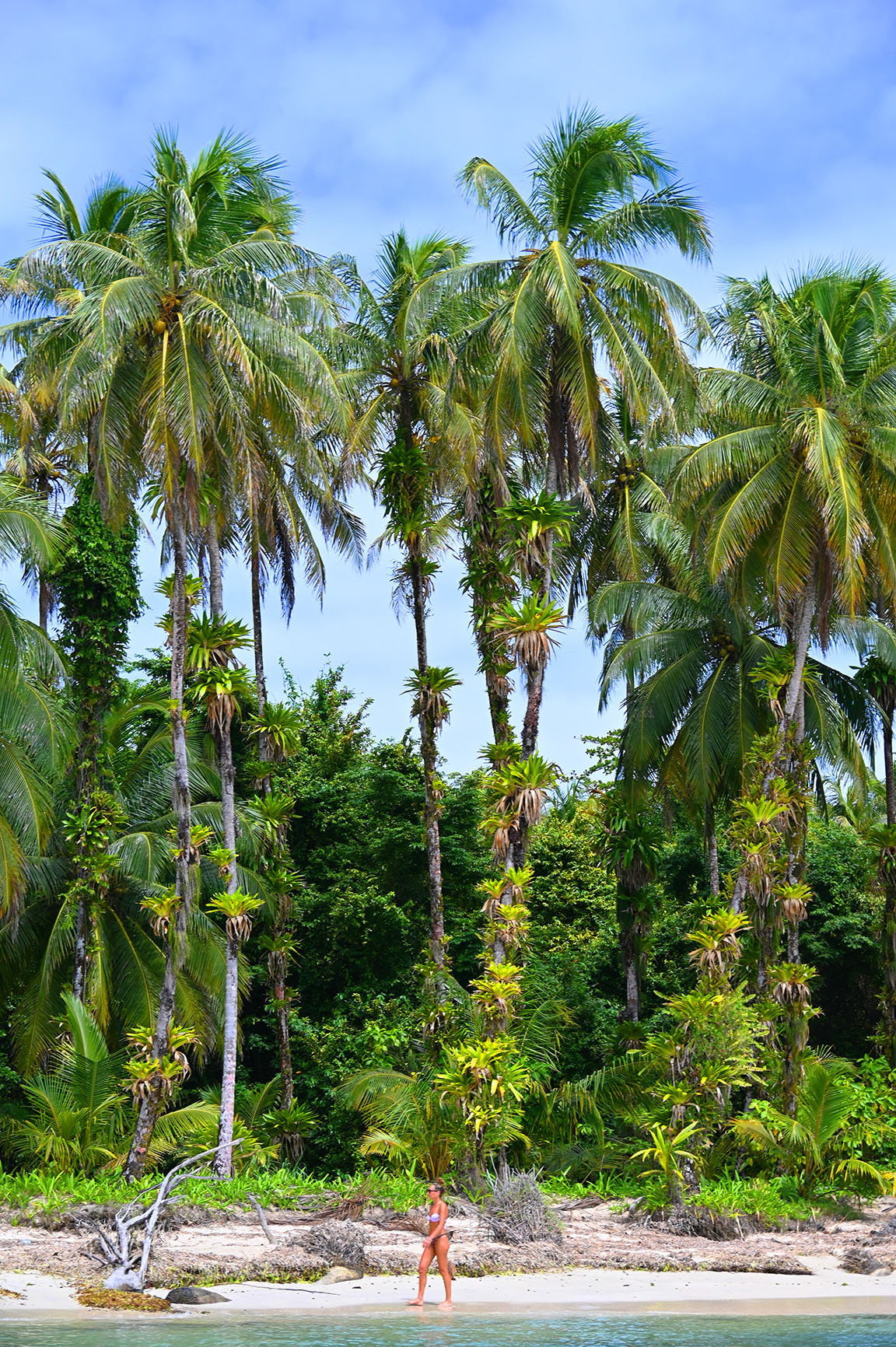
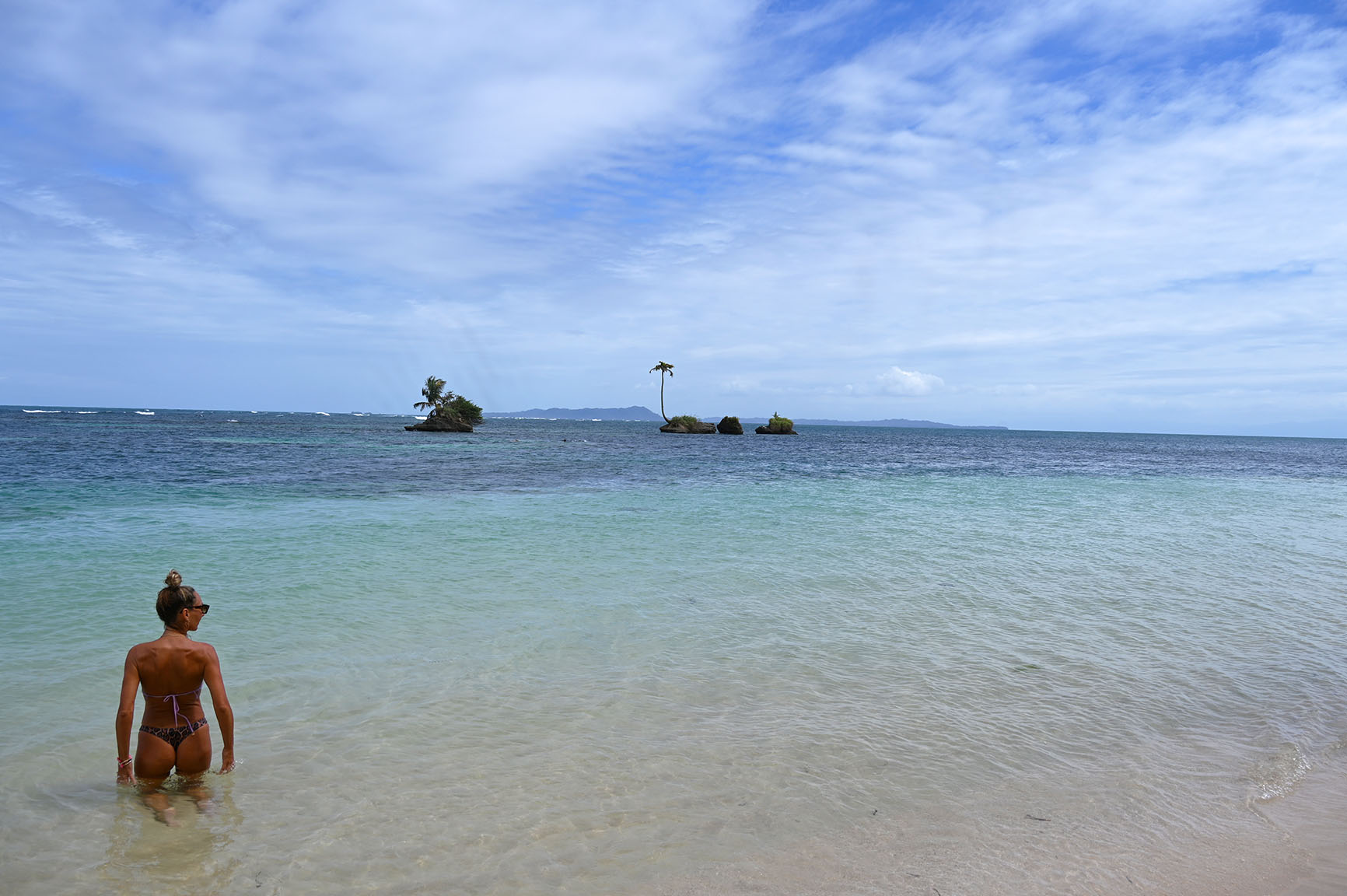
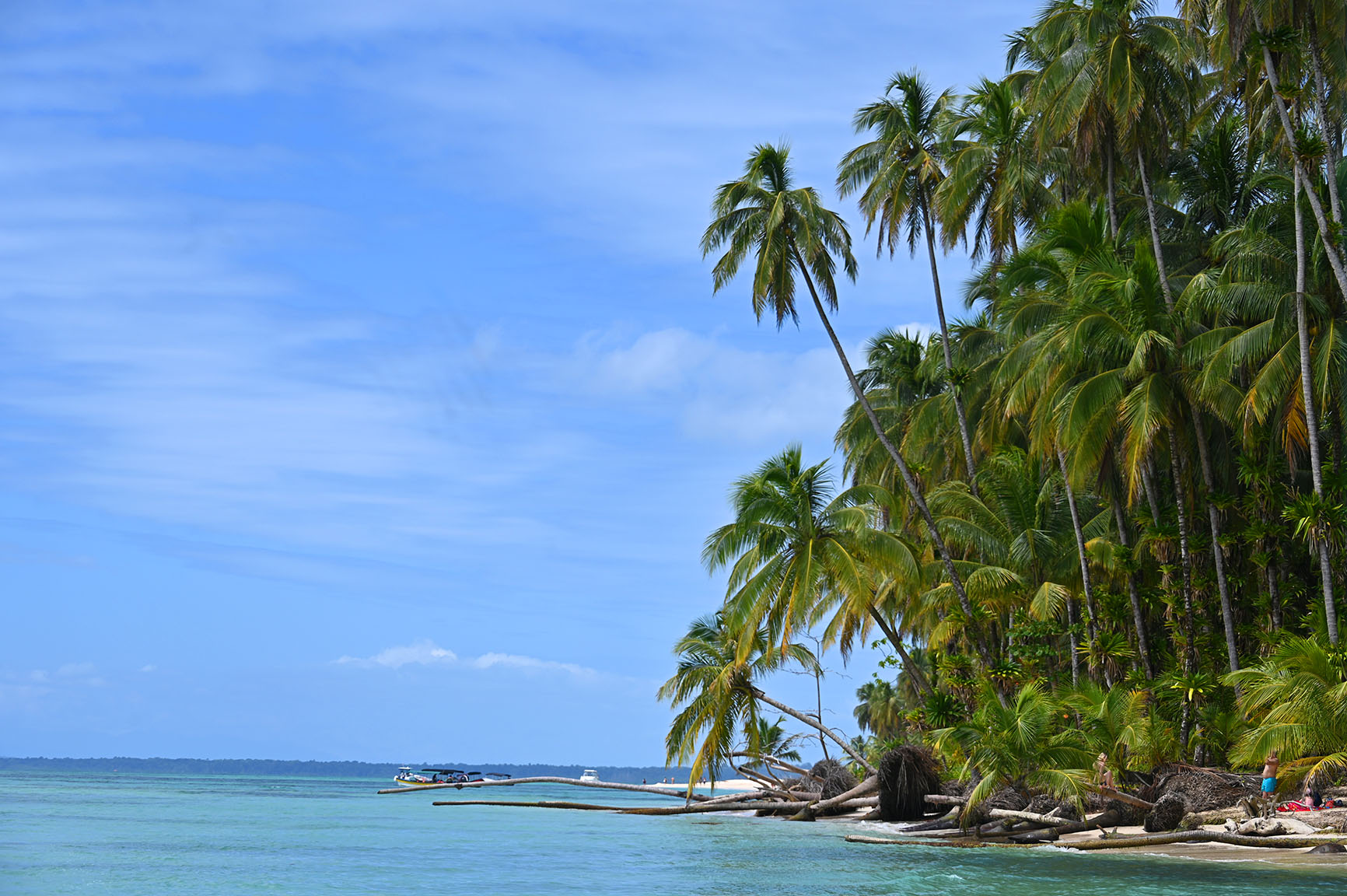
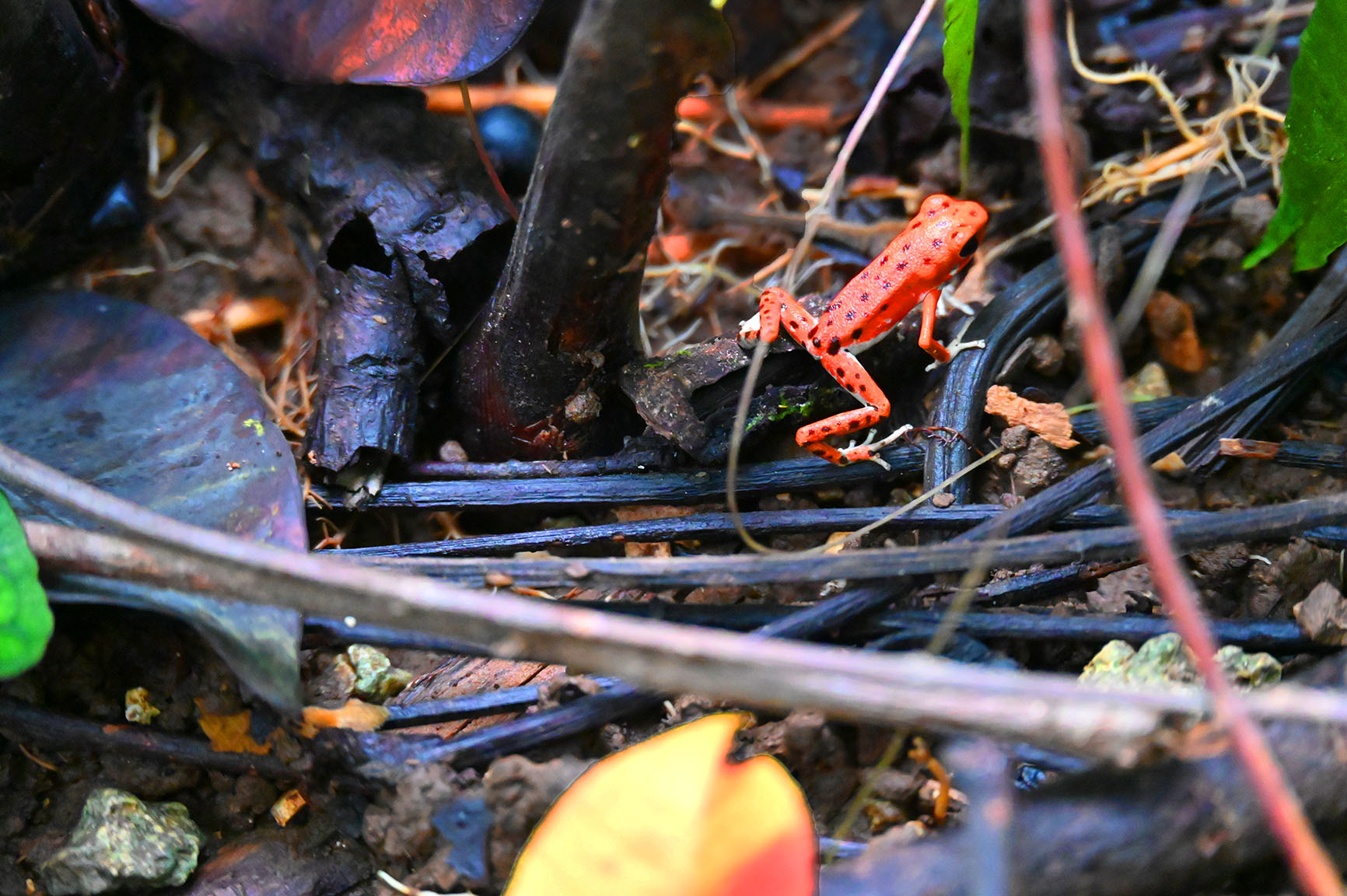
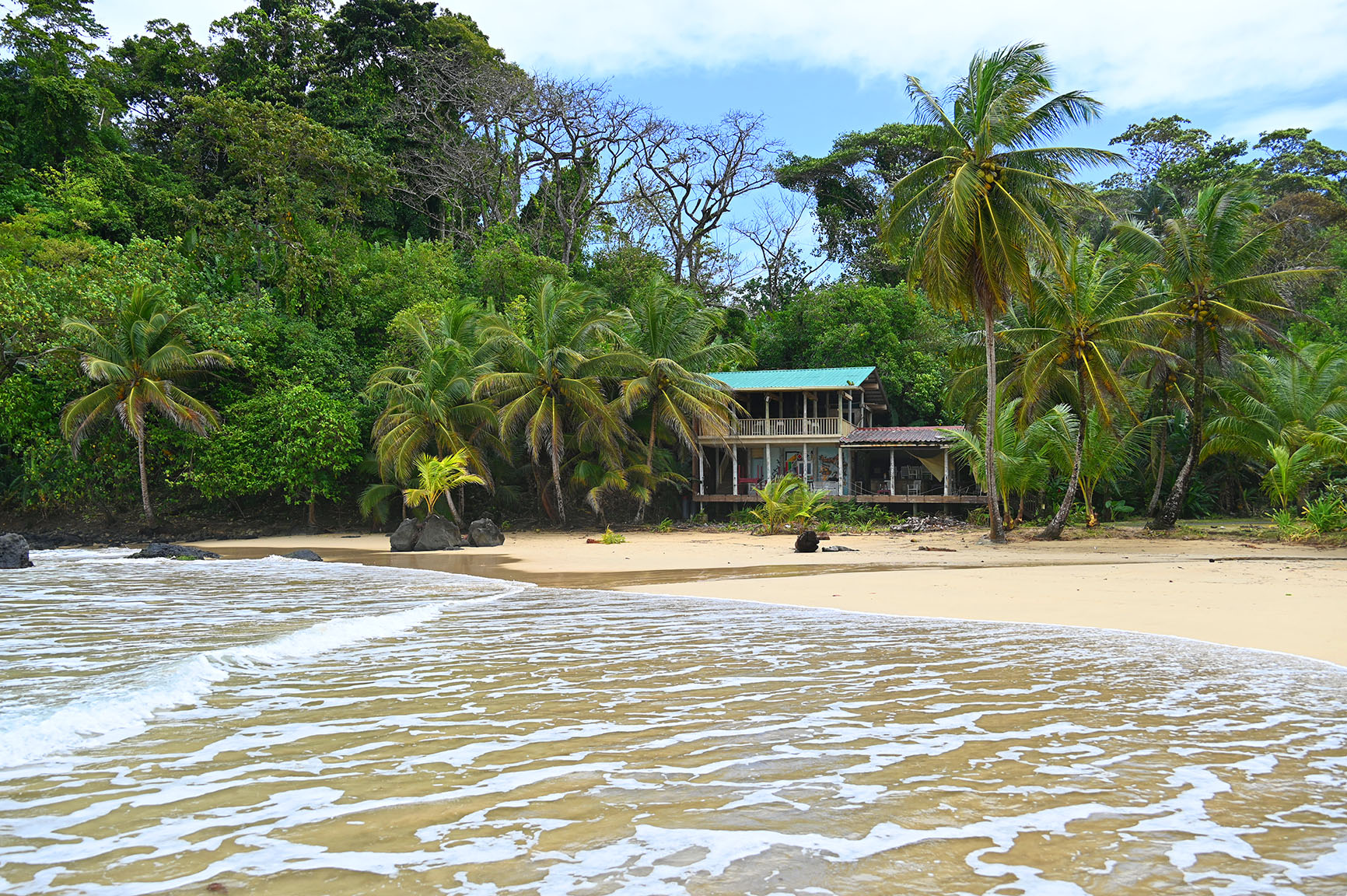
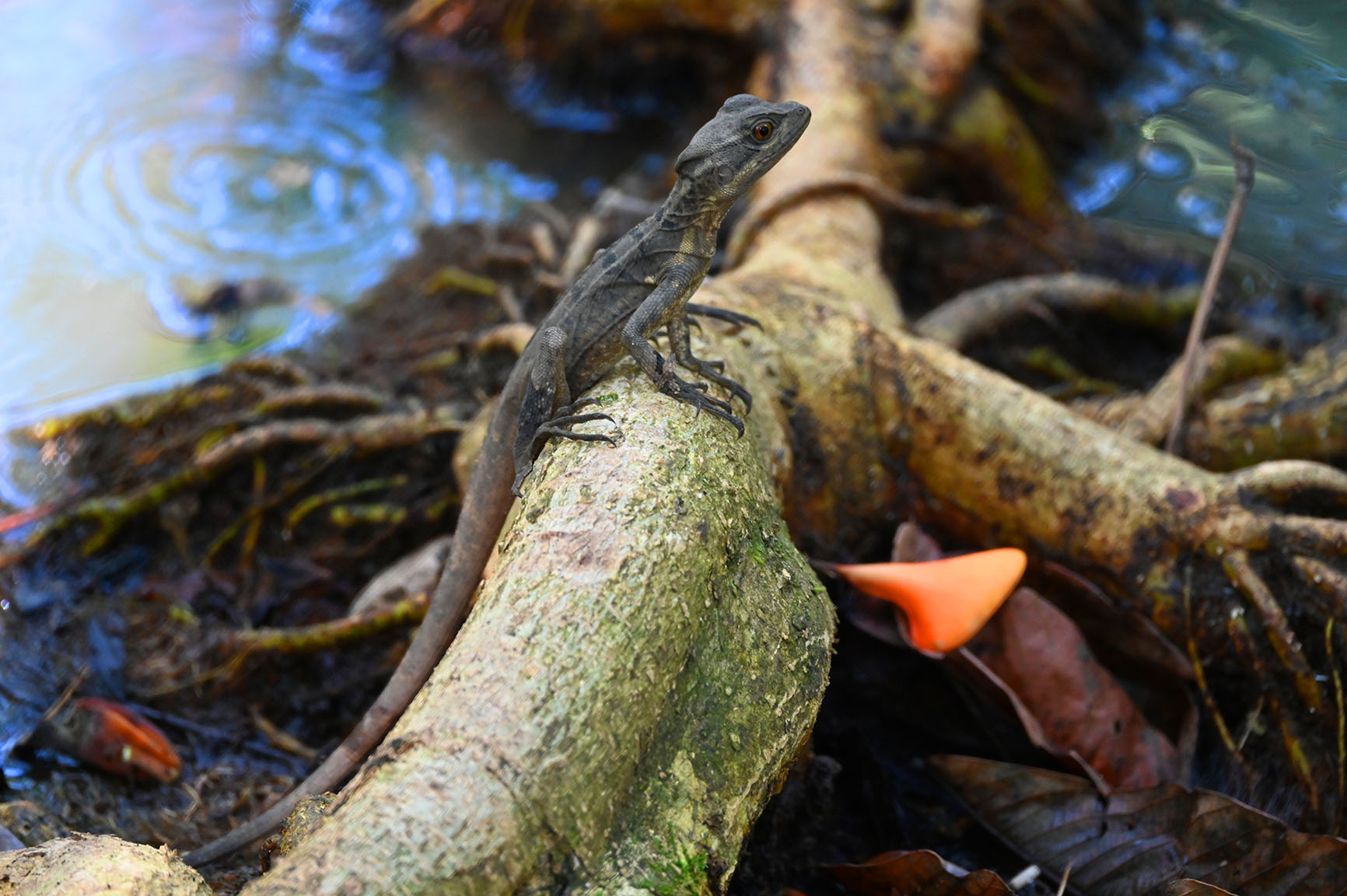
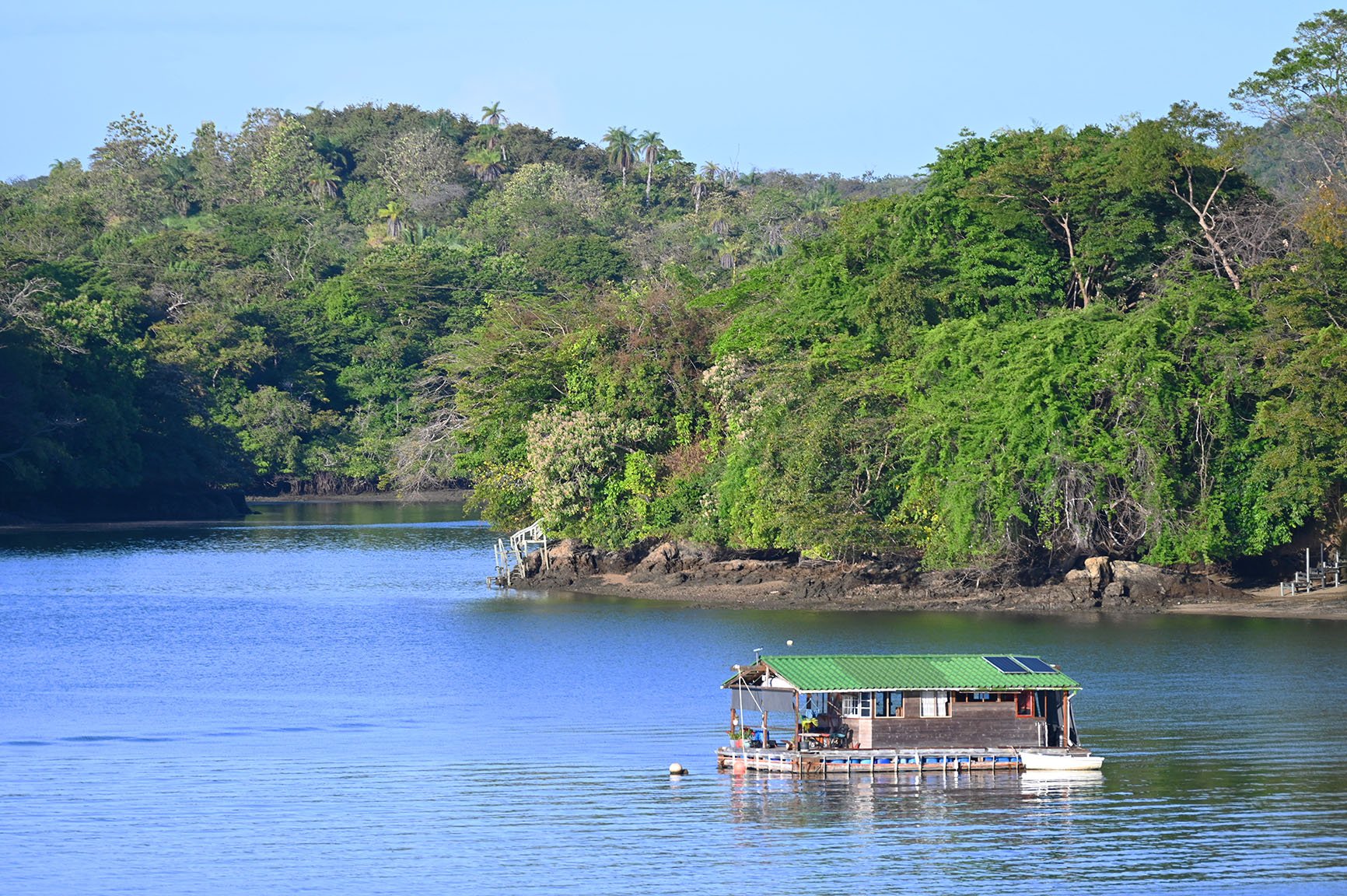
Further north, the Caribbean waters of Bocas del Toro transform the rhythm entirely. The sea stretches in impossible clarity, revealing coral gardens and drifting shadows below. Mangroves rise on exposed roots, forming intricate nurseries for juvenile fish and sharks. On land, poison dart frogs glow in vivid reds and blues, their colours a confident warning. Wooden houses stand on stilts above the water, their reflections trembling in the gentle current. Beyond, national park beaches rival any tropical paradise, their isolation preserving a rare sense of untouched beauty.
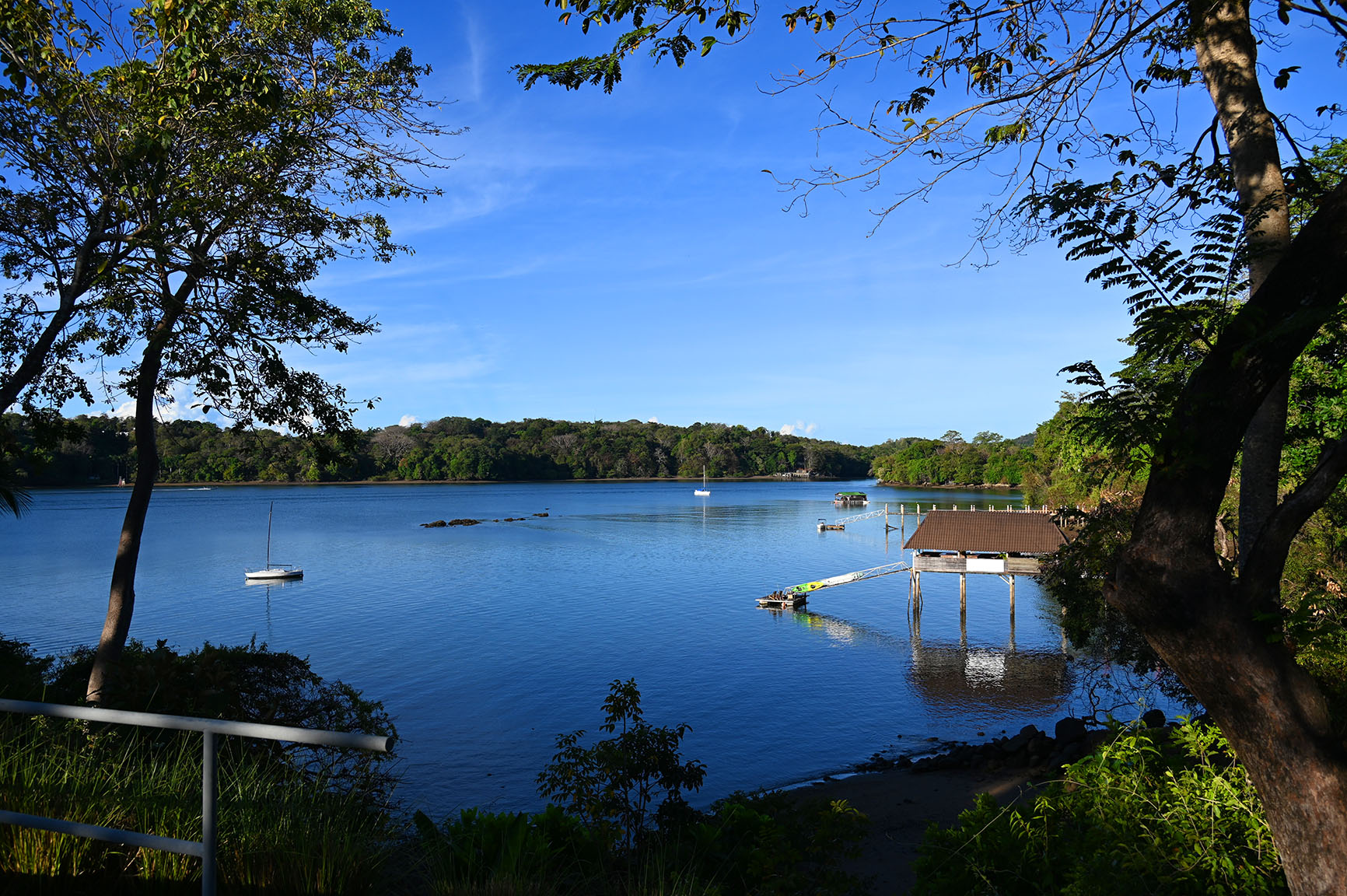
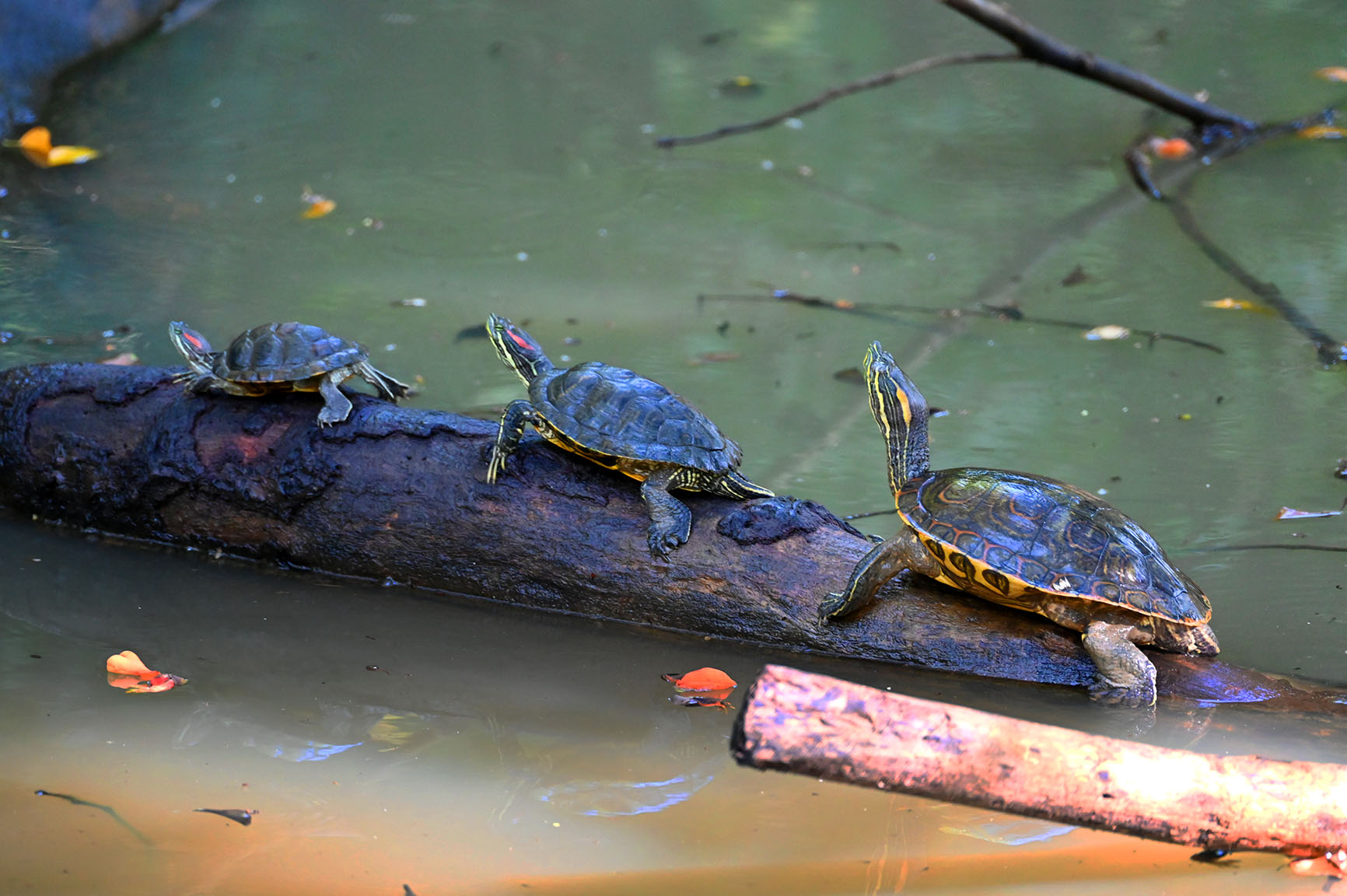
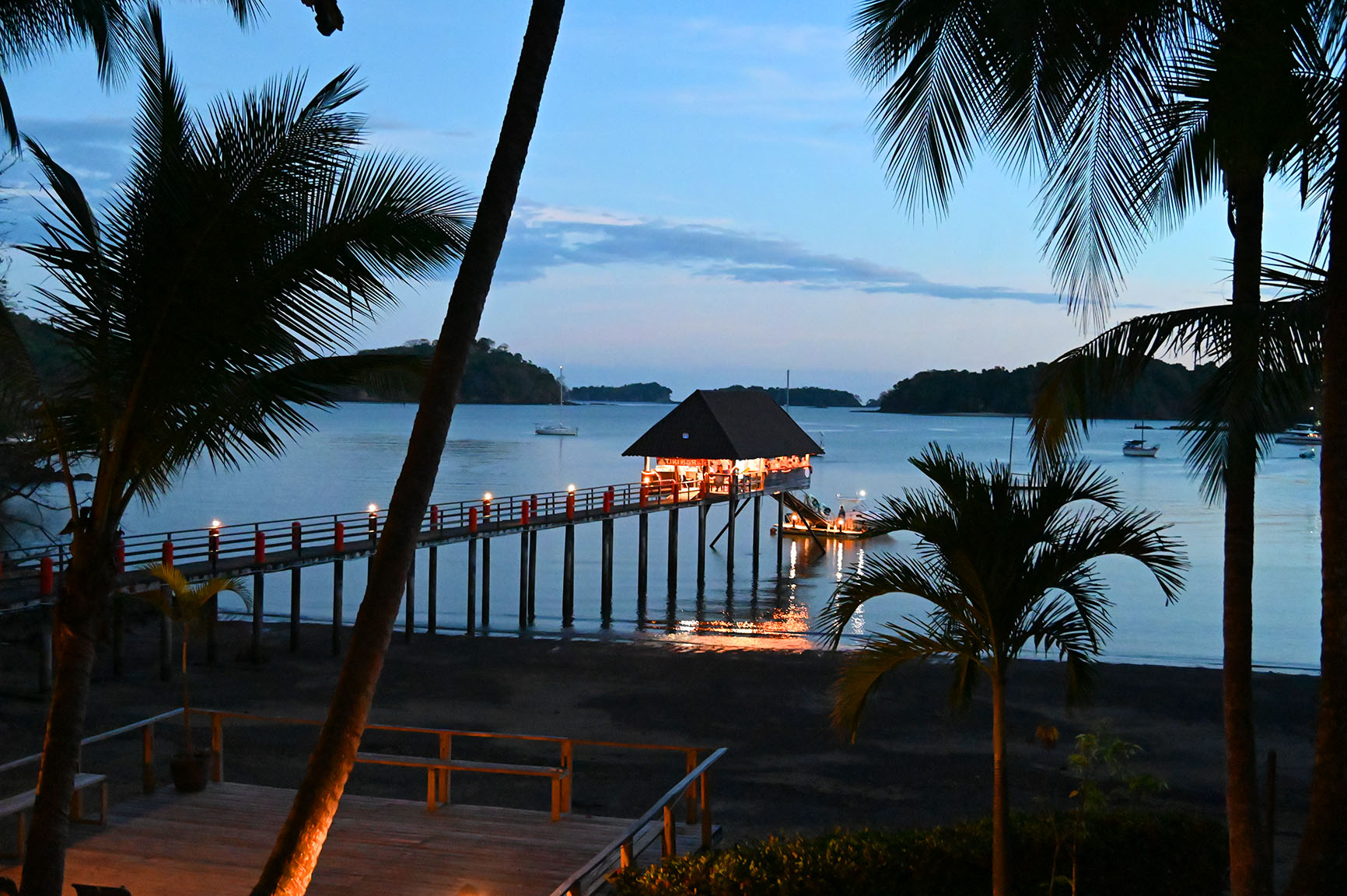
Across on the Pacific coast, the protected waters of Chiriquí Marine National Park open onto another hidden world. Beneath the surface, coral formations support thriving ecosystems filled with movement and colour. Sea turtles pass with calm indifference, unchanged by centuries. Schools of fish move in perfect unison, their synchronised motion resembling a single living entity. Above, jungle-covered islands rise steeply from the ocean, their remoteness preserving ecosystems unaccustomed to disturbance.
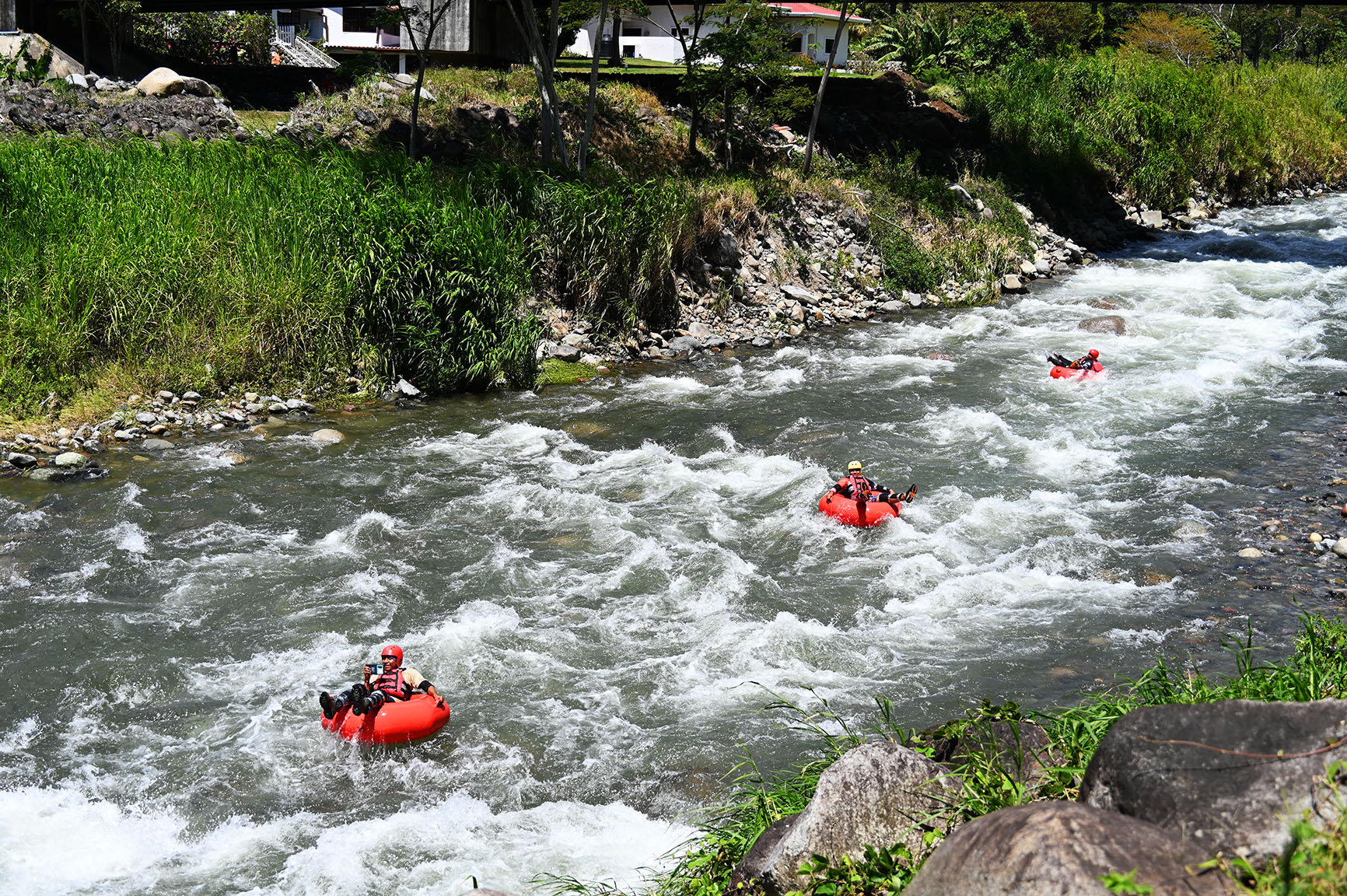
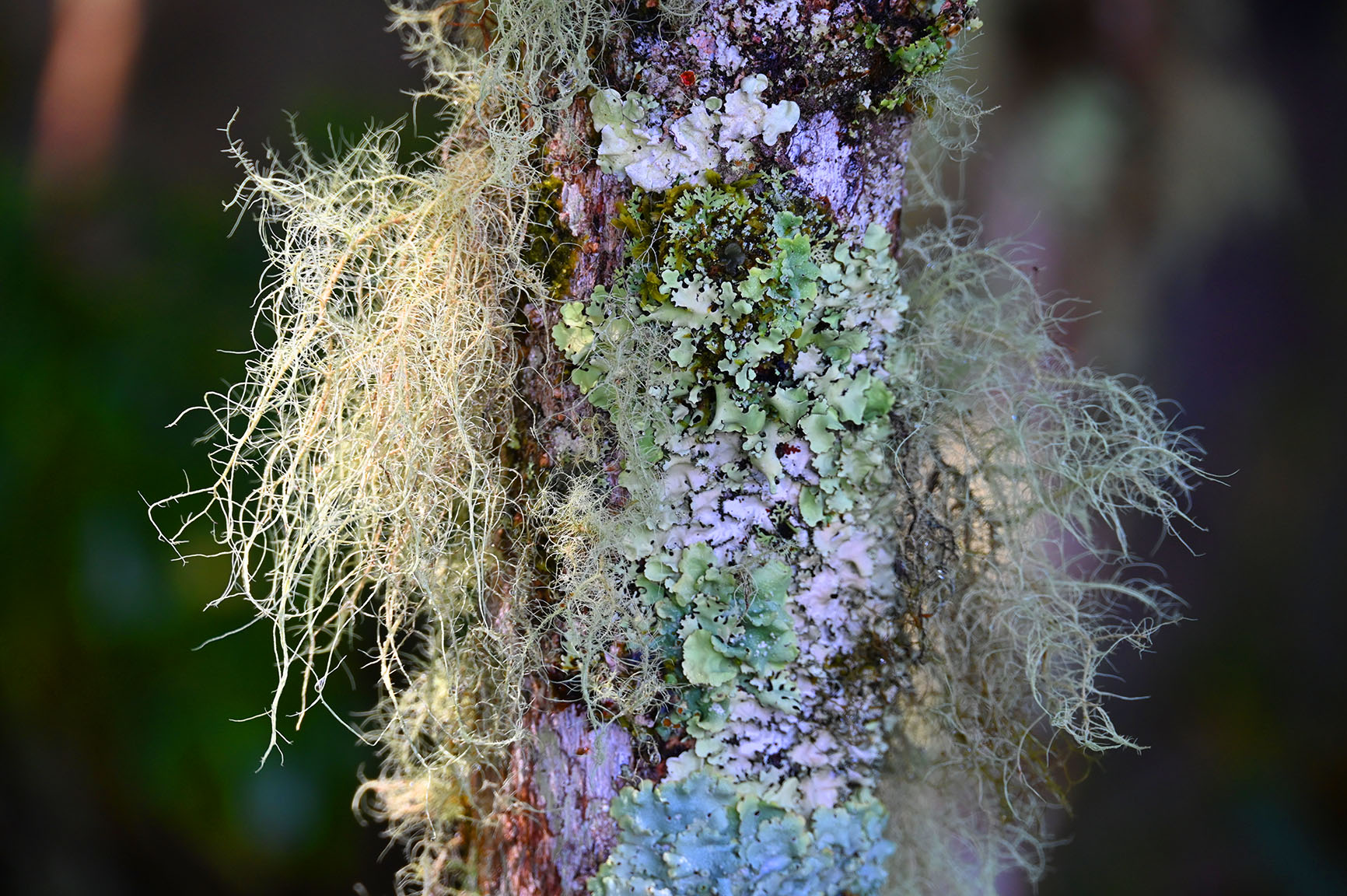
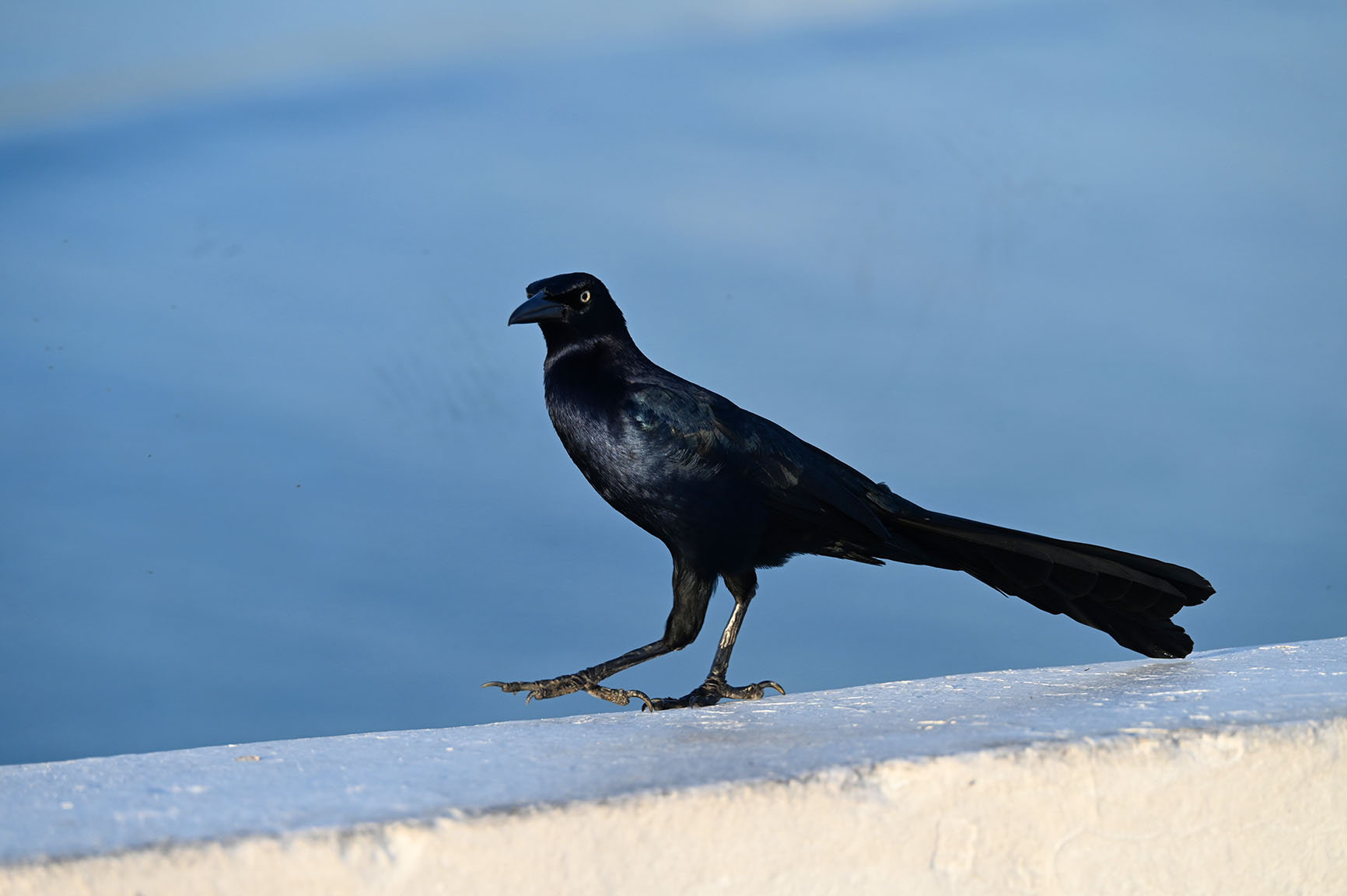
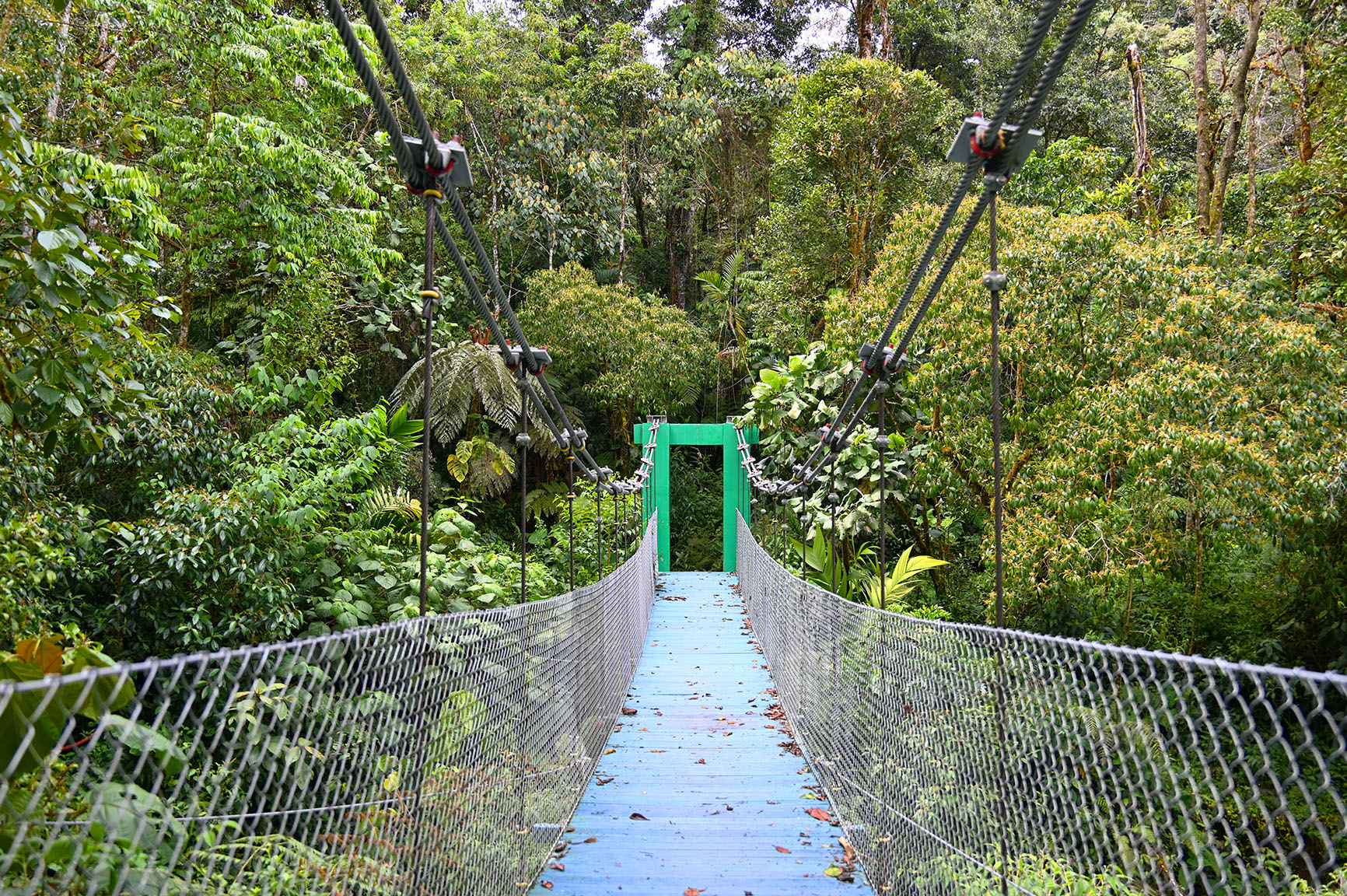
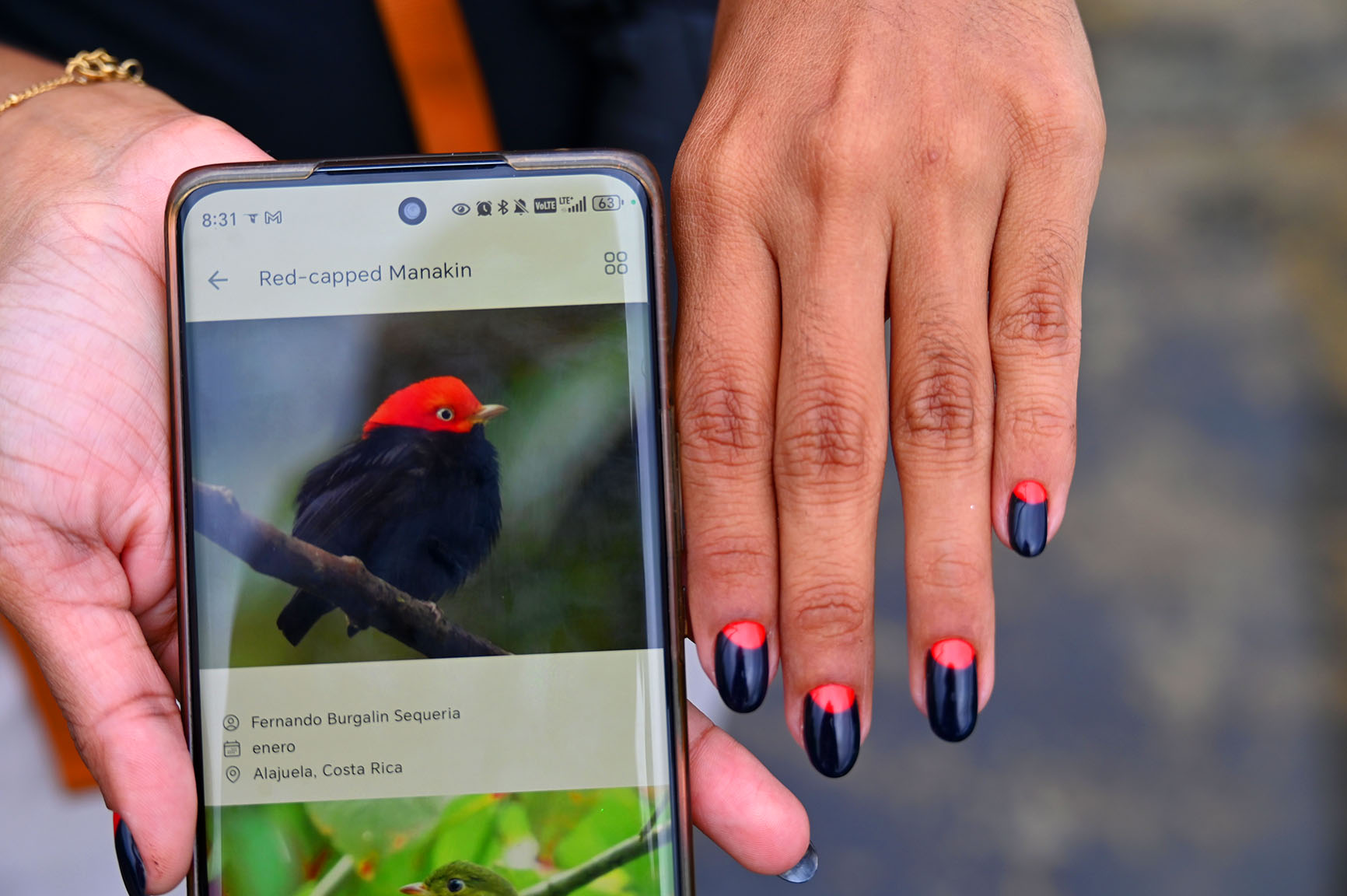
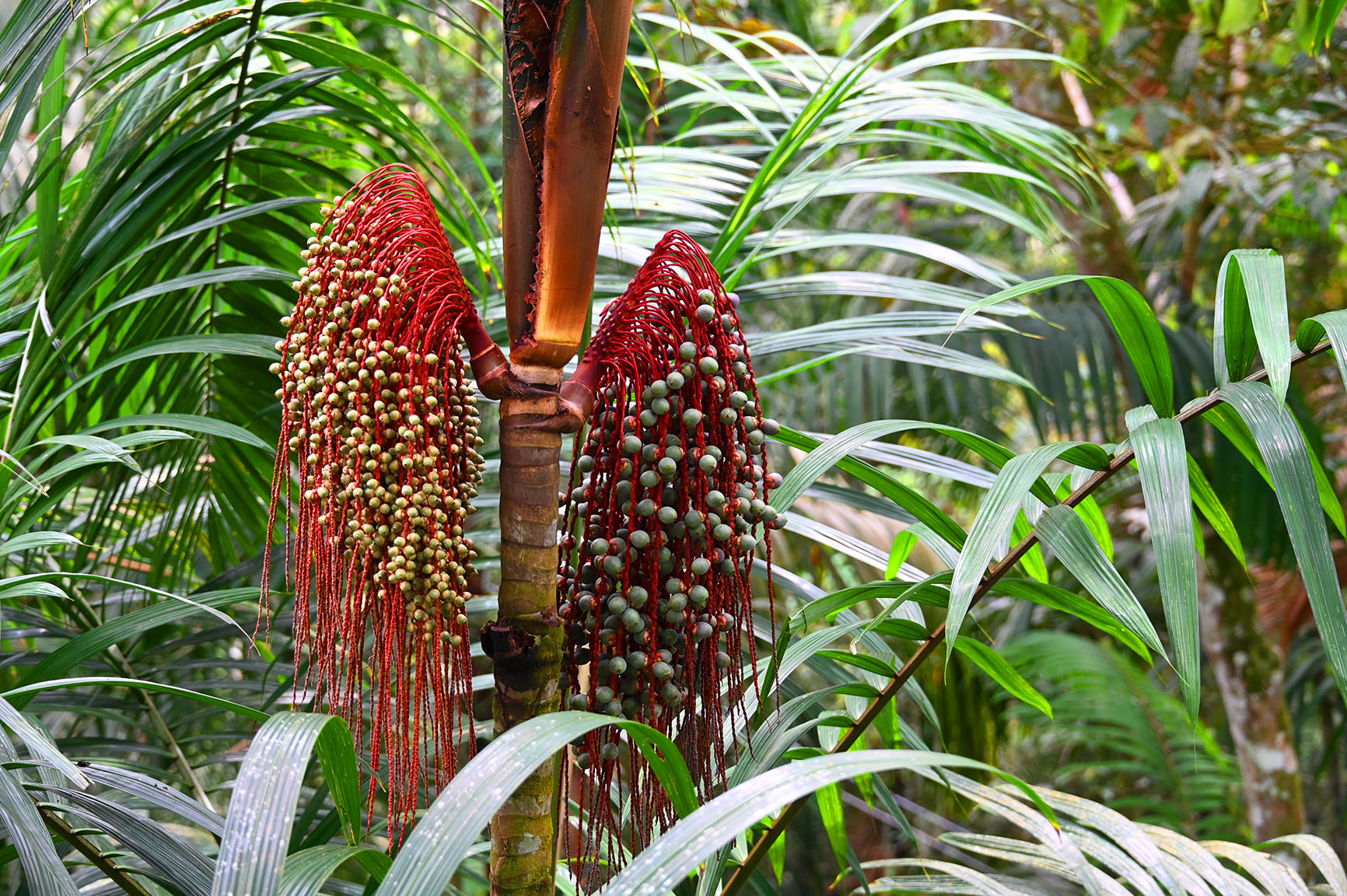
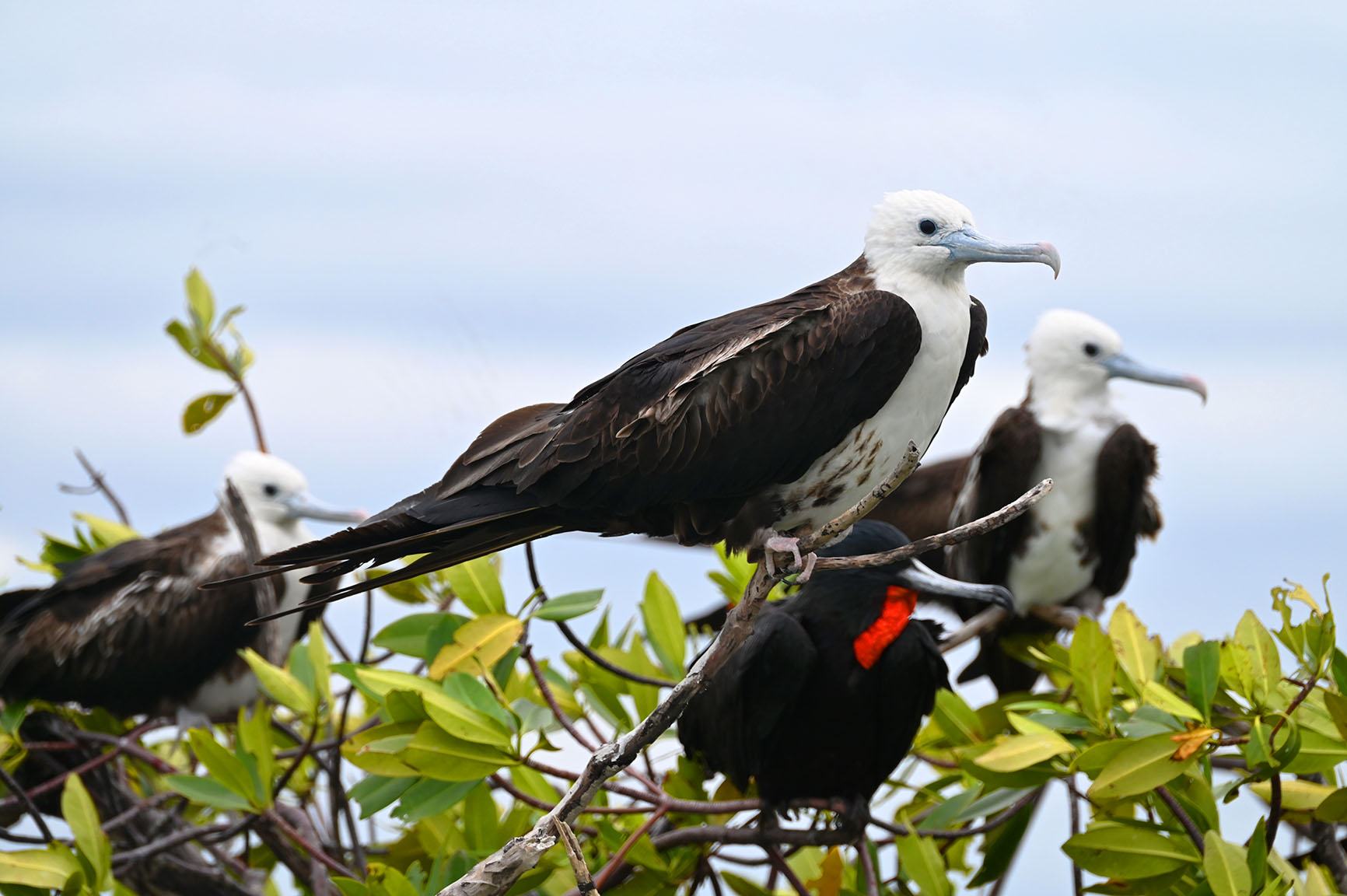
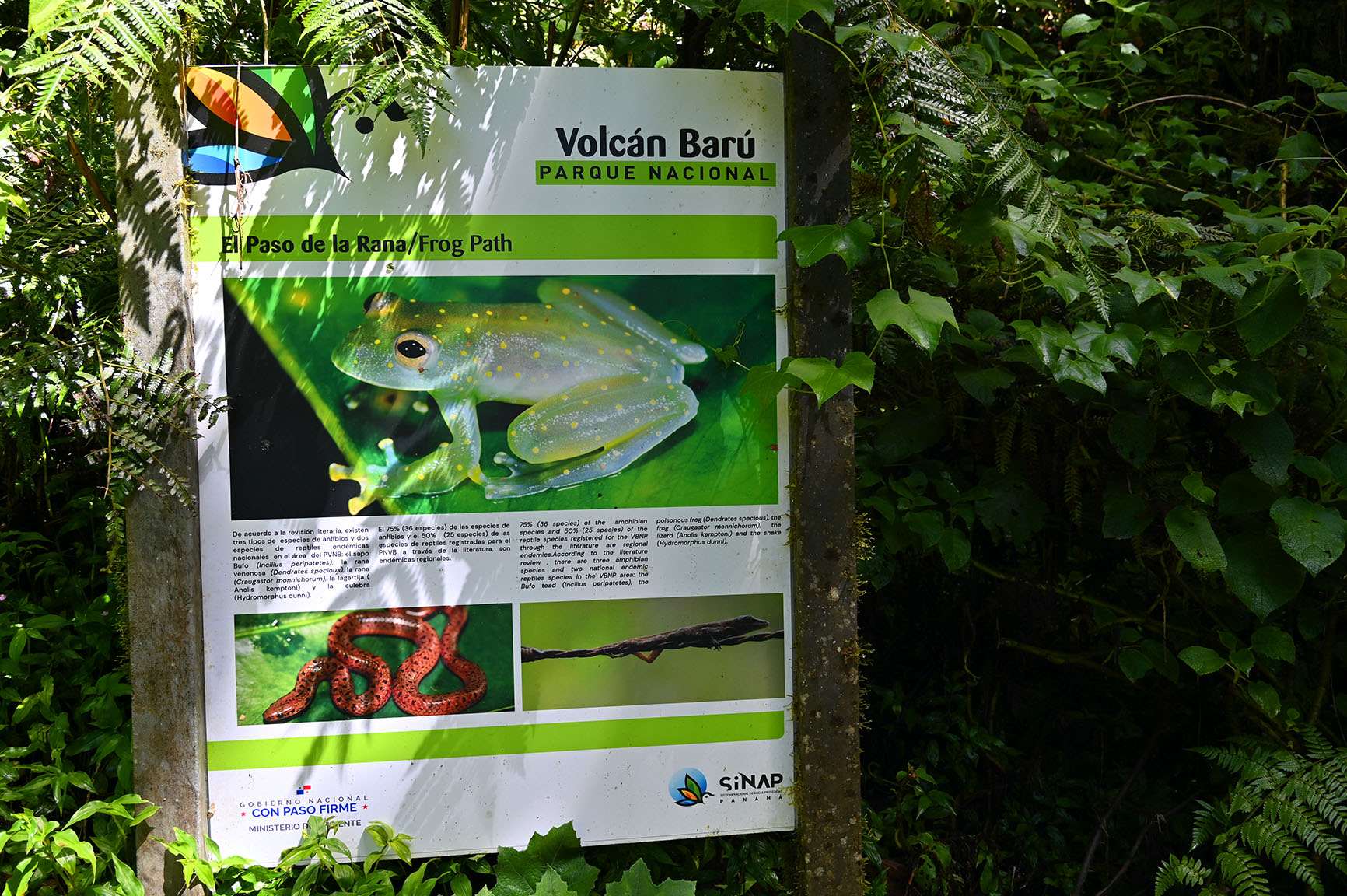
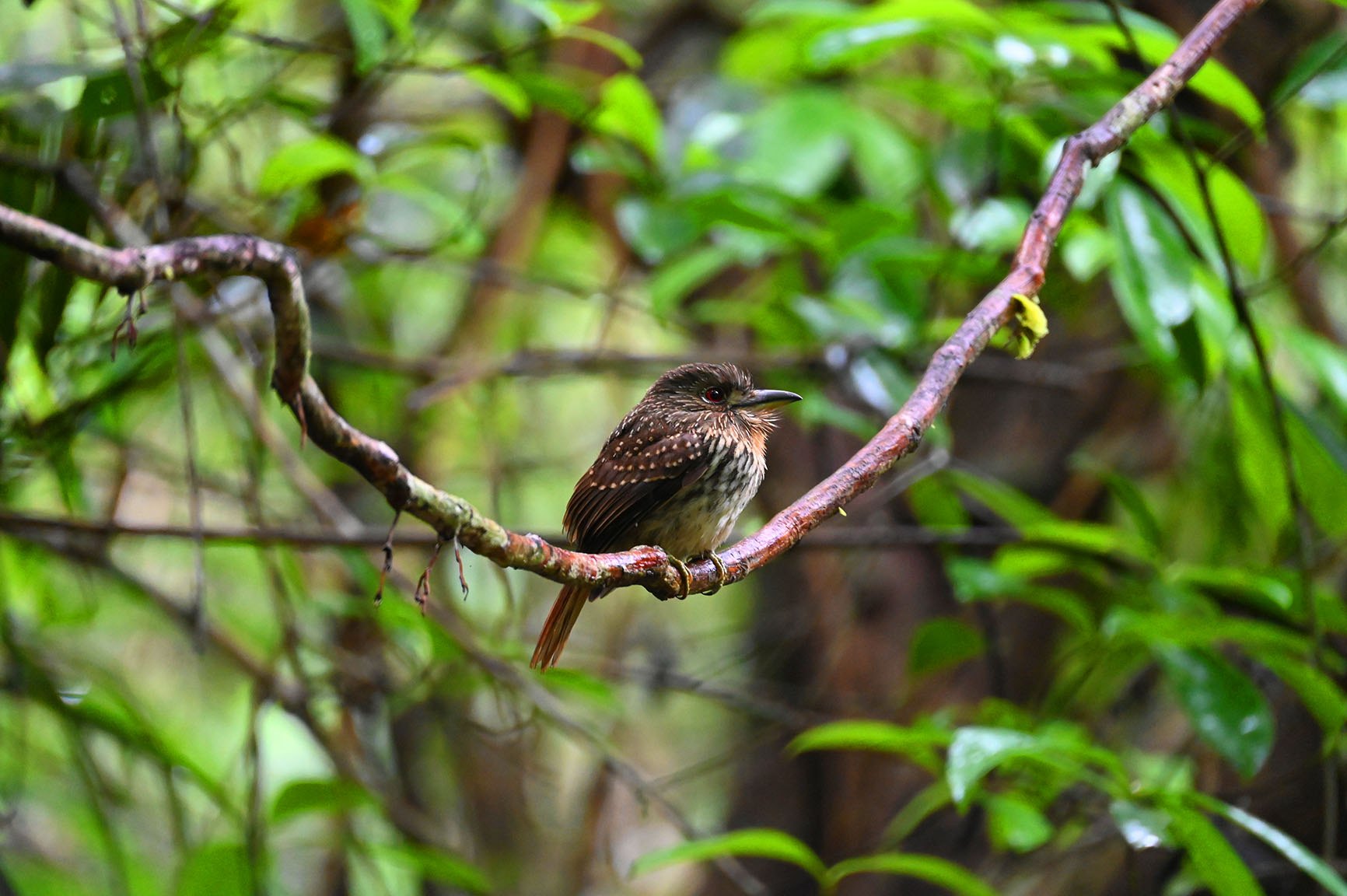
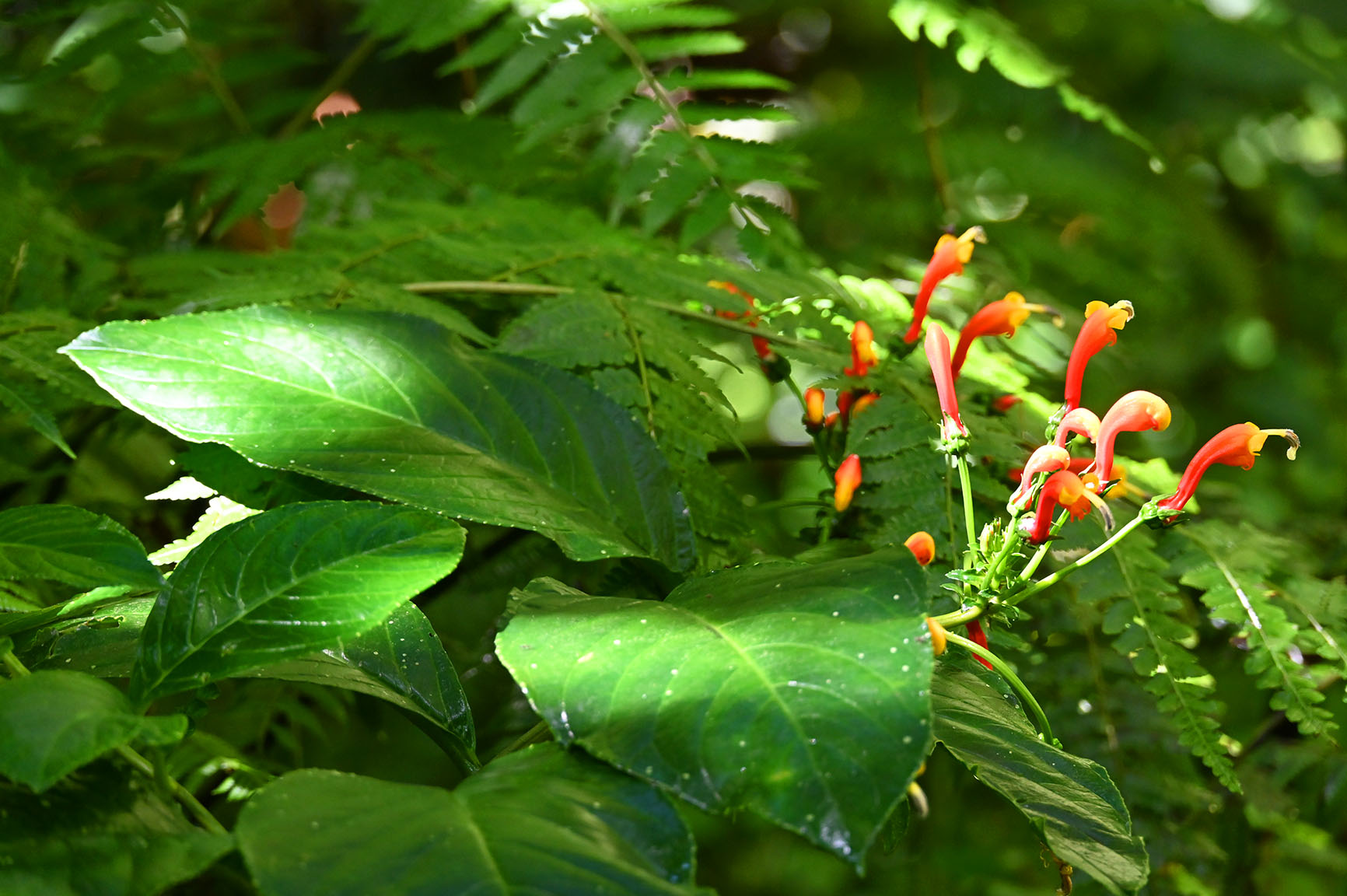
Birdlife is everywhere, as omnipresent as the jungles, cloud forests, and mangrove systems that define the country. Inland, elevation brings transformation. The mountains surrounding Boquete disappear into cloud, their forests wrapped in permanent mist. Moisture clings to every surface. Moss softens branches and stones, while orchids, lichens, and dense foliage emerge in delicate, intricate layers. Rivers are never far away either, their presence often announced by the distant crescendo of cascading water.
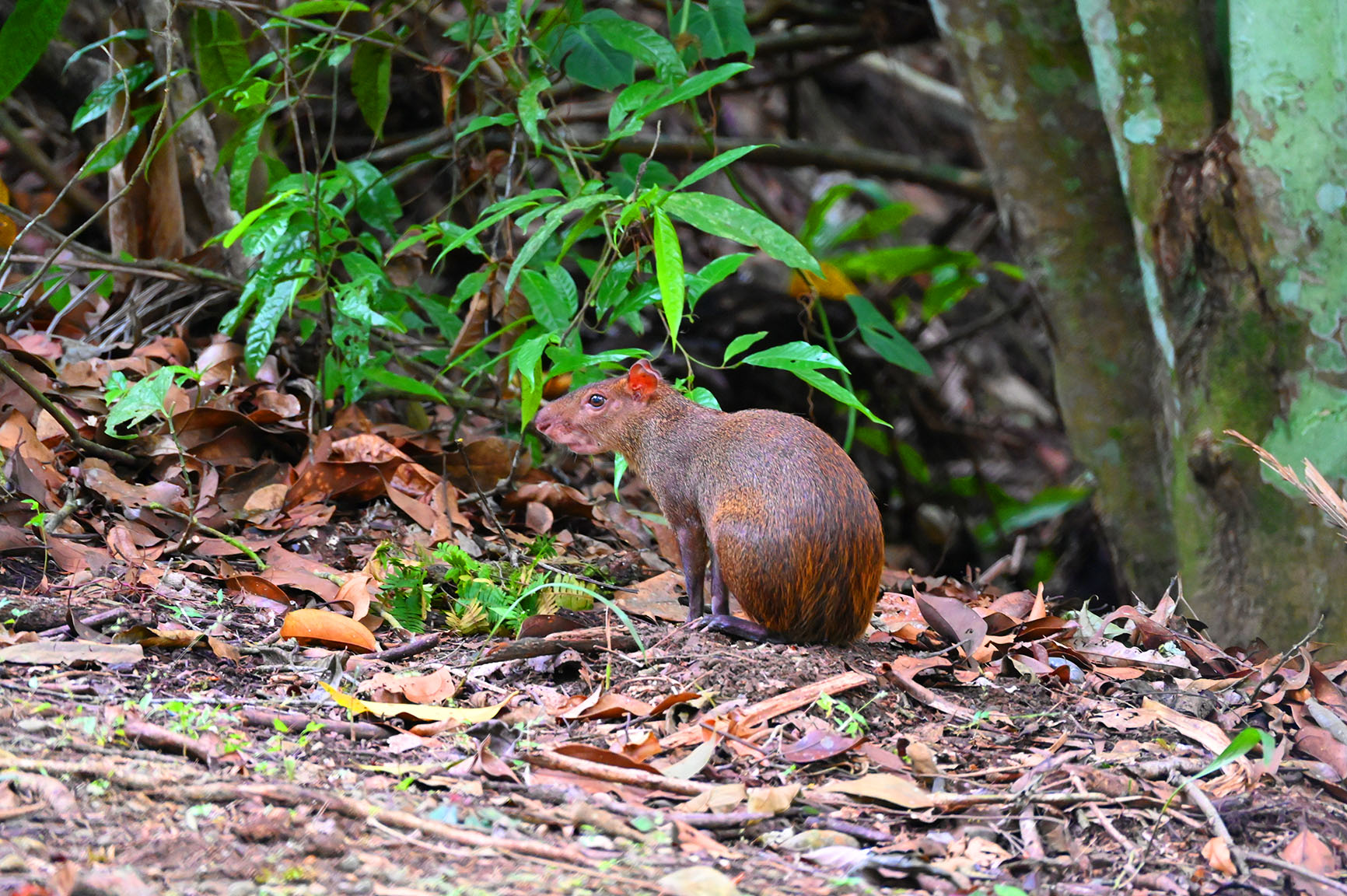
Across Panama, I constantly found that the pattern remains consistent. Life exists in abundance, layered and complex, largely indifferent to observation. Positioned at the meeting point of continents and oceans, the country possesses a natural richness that defies simplification. Rainforests press against cities. Coral reefs flourish beneath open water. Cloud forests conceal ancient rhythms within drifting mist.
Nothing has been fully separated. Nothing has been fully subdued.
Panama remains a place where the natural world continues uninterrupted, carrying on as it always has.
 I love it. As it is a country that rewards time, patience, and curiosity in equal measure, and one that leaves a lasting impression long after departure.
Just make sure you have enough time to explore it in all its glory.







A fascinating account