
Volubilis – Morocco
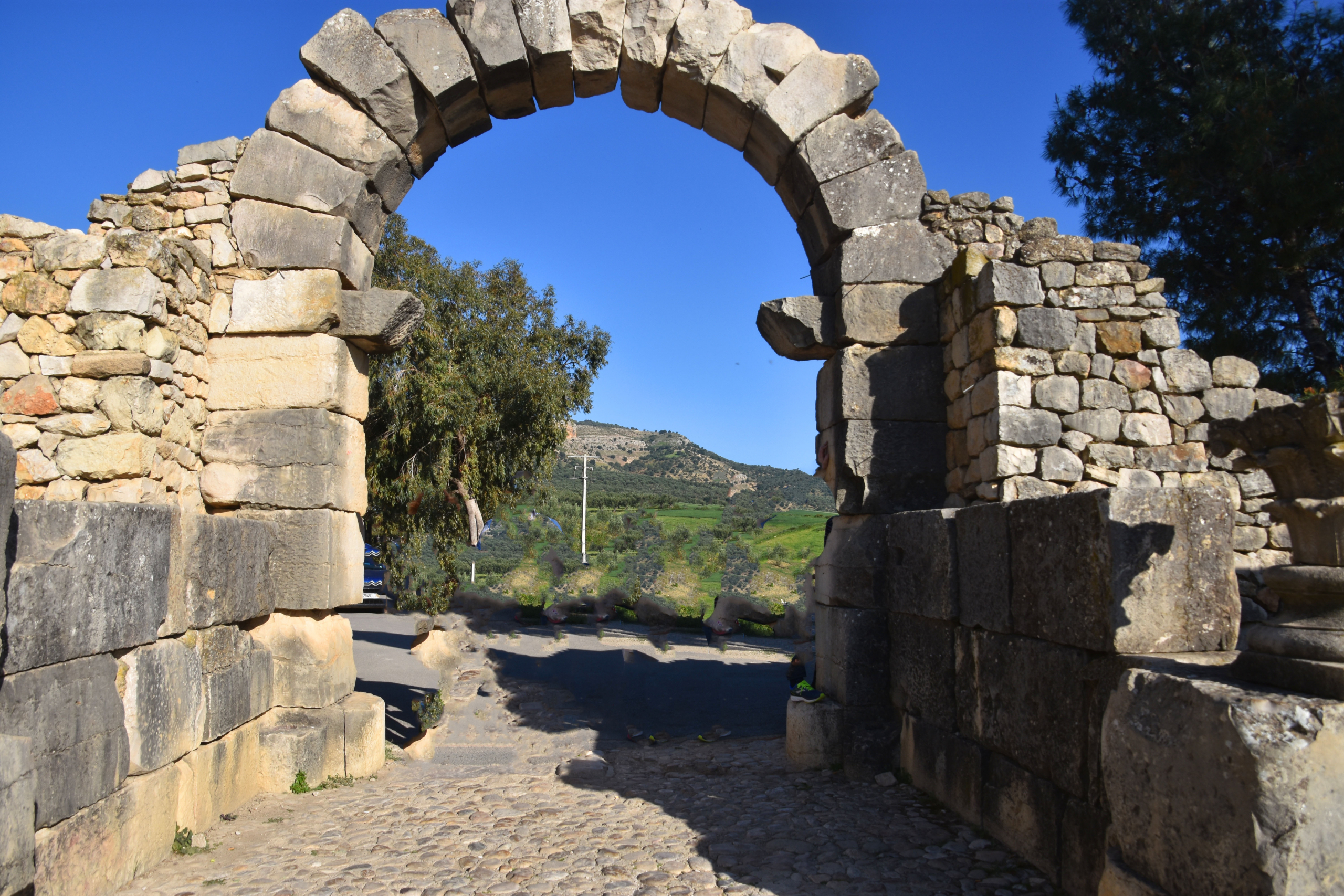
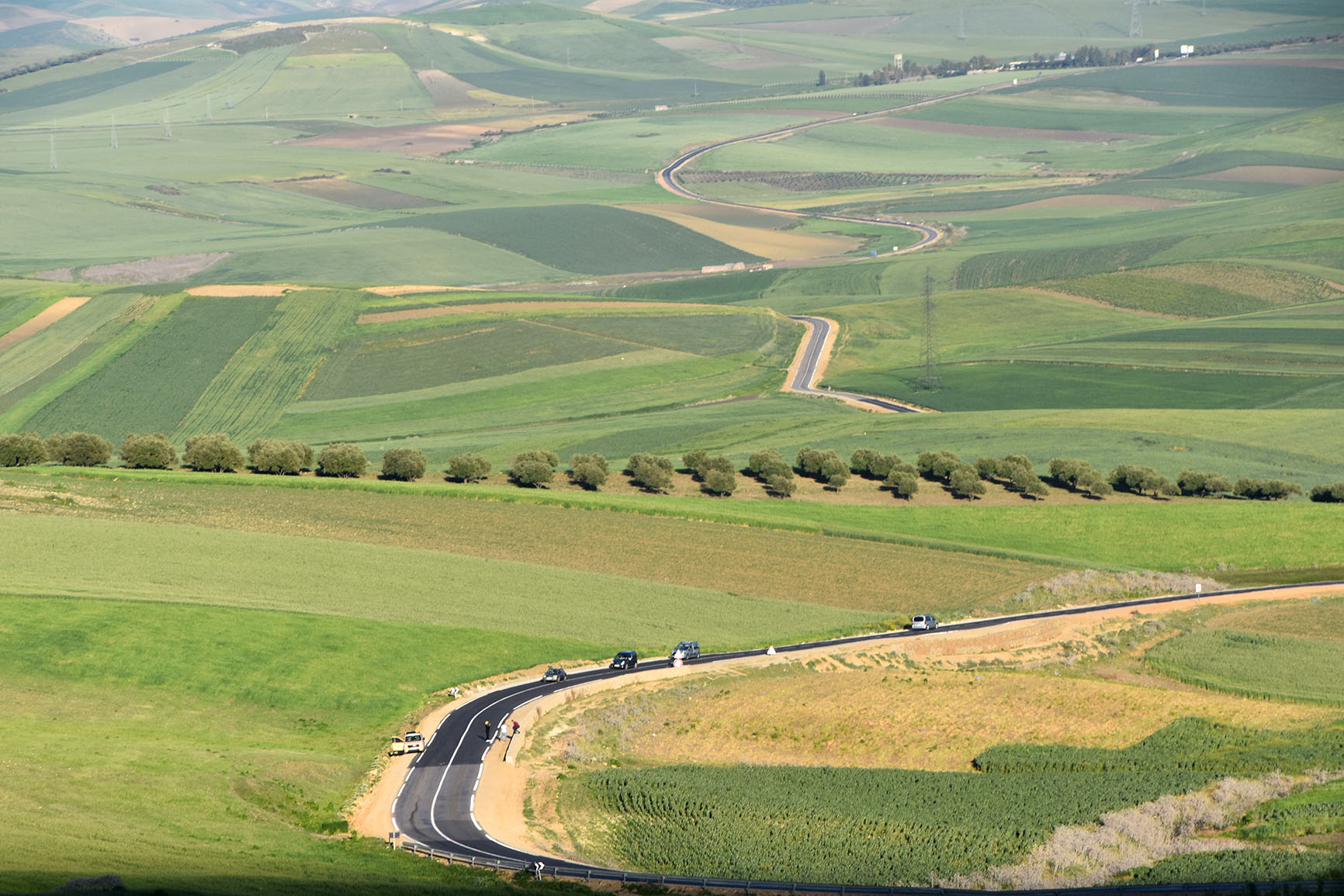
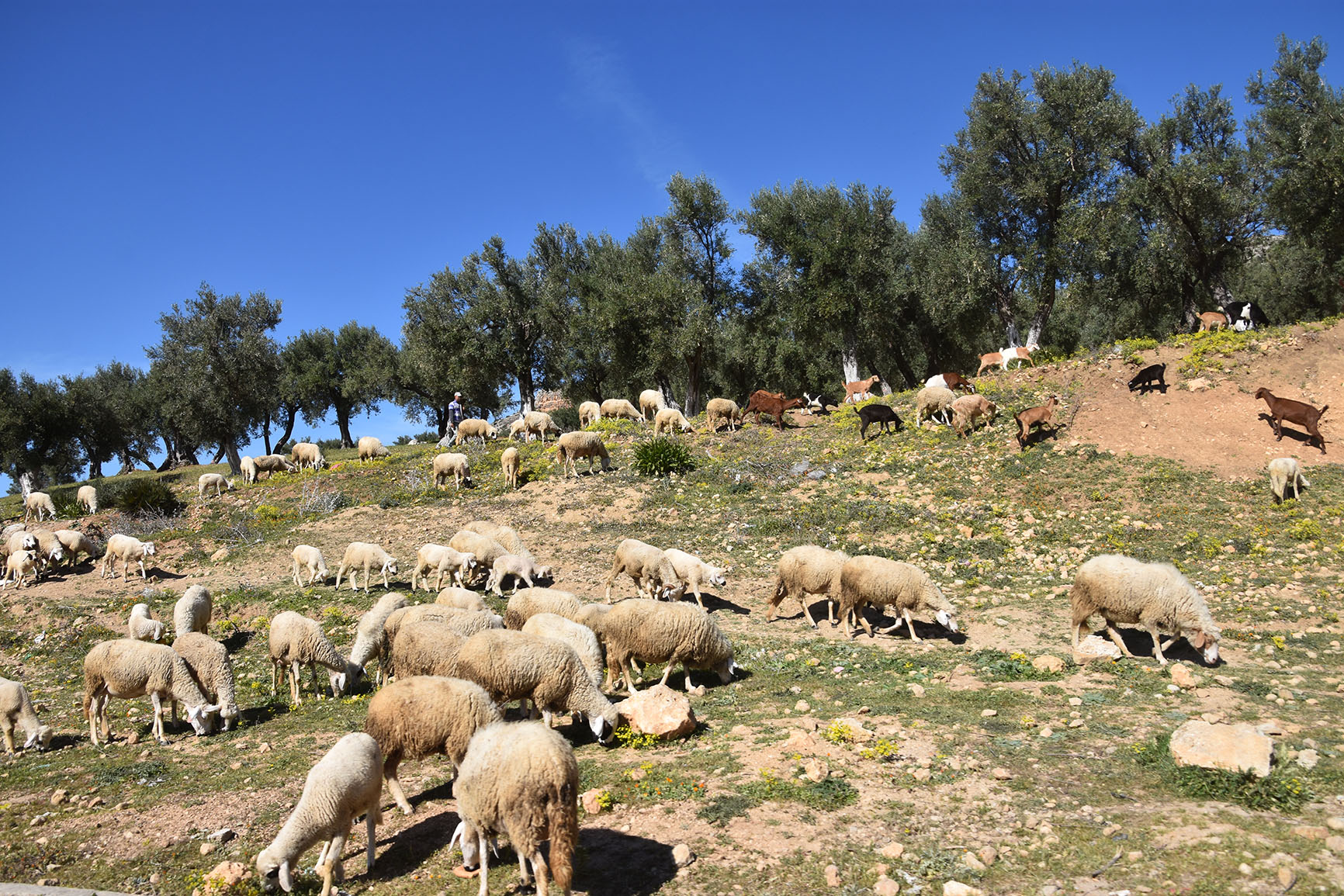
Volubilis occupies a broad, open plateau just north of Meknes, its ruins spread across farmland and low, olive‑lined hills that frame the site with a sense of space and clarity. Visiting today you will realise that the location is strategic: close enough to fertile plains to sustain a large population, yet positioned at the edge of the Roman world, where imperial authority met local Berber kingdoms. This frontier setting shaped the city’s character for centuries.
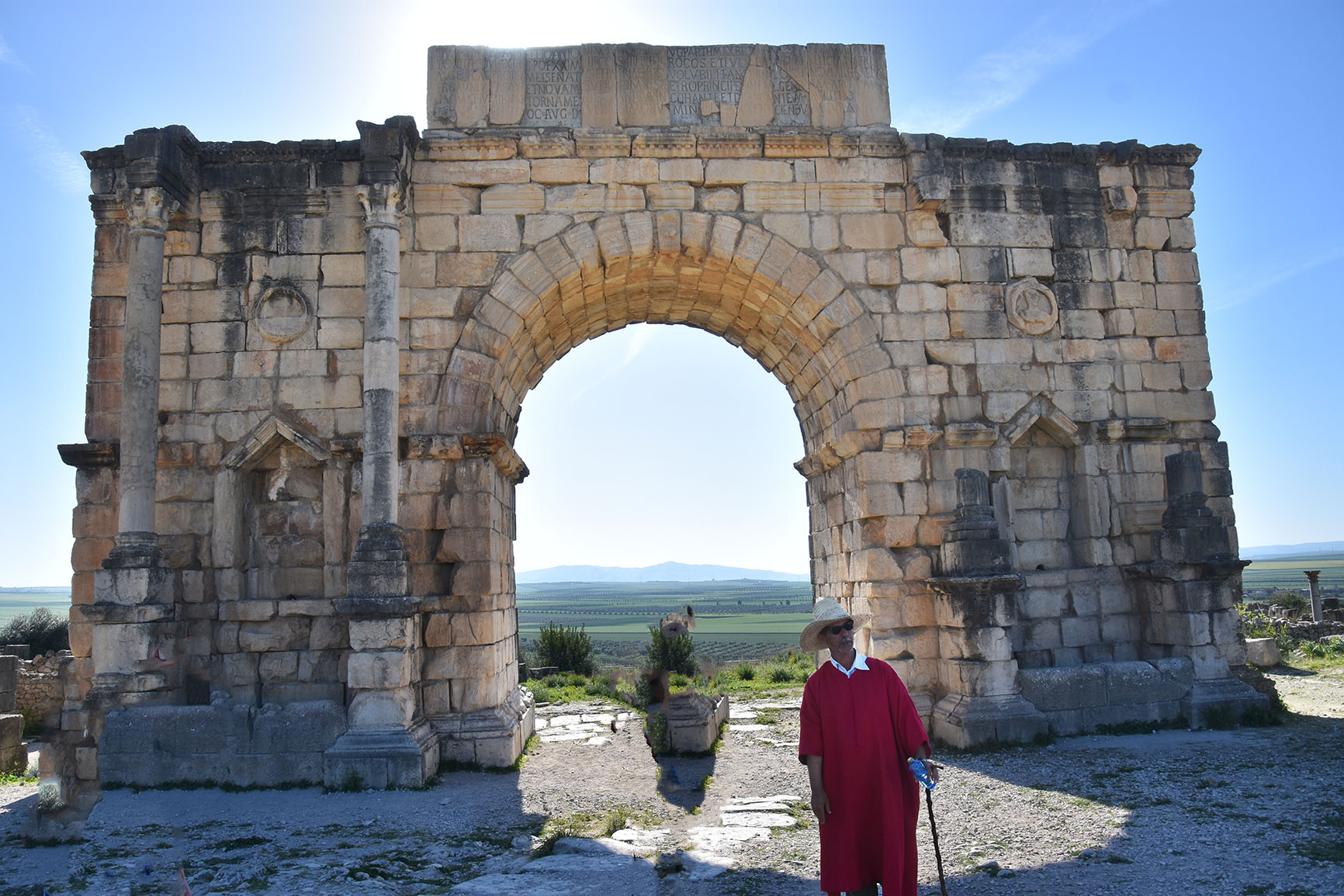
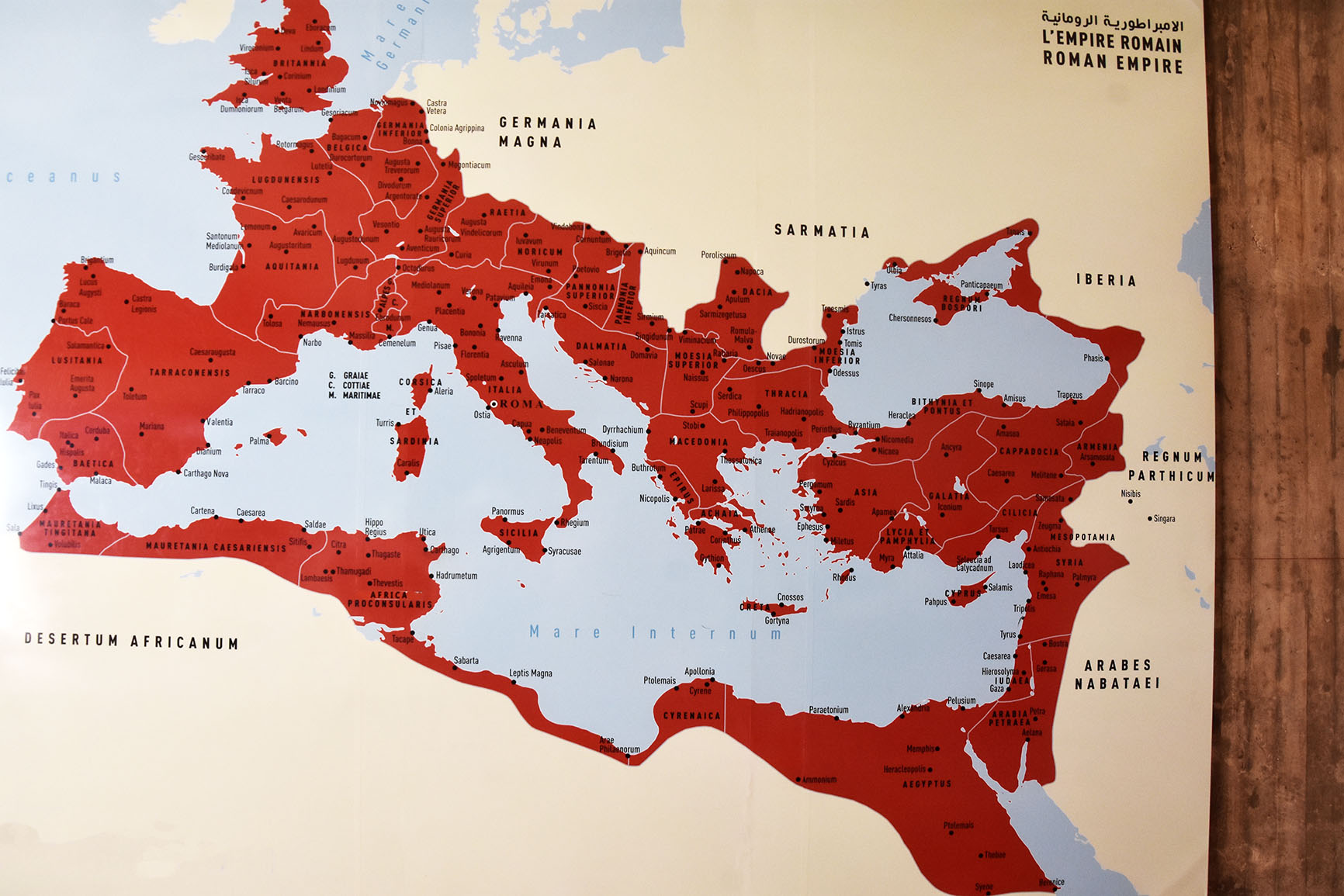
Historically, Volubilis developed from pre‑Roman settlements before becoming a significant administrative centre under Roman rule from the 1st century AD. It prospered through agriculture, olive‑oil production and regional trade, exporting goods across North Africa and into the wider empire. As the capital of the Roman province of Mauretania Tingitana, it housed civic buildings, temples, bathhouses and substantial private villas, many decorated with mosaics that reflected both Roman tastes and local influences. After Rome’s withdrawal in the 3rd century, Volubilis continued under the Idrisid dynasty, serving briefly as the seat of Idris I, founder of Morocco’s first Islamic state, before being gradually abandoned.
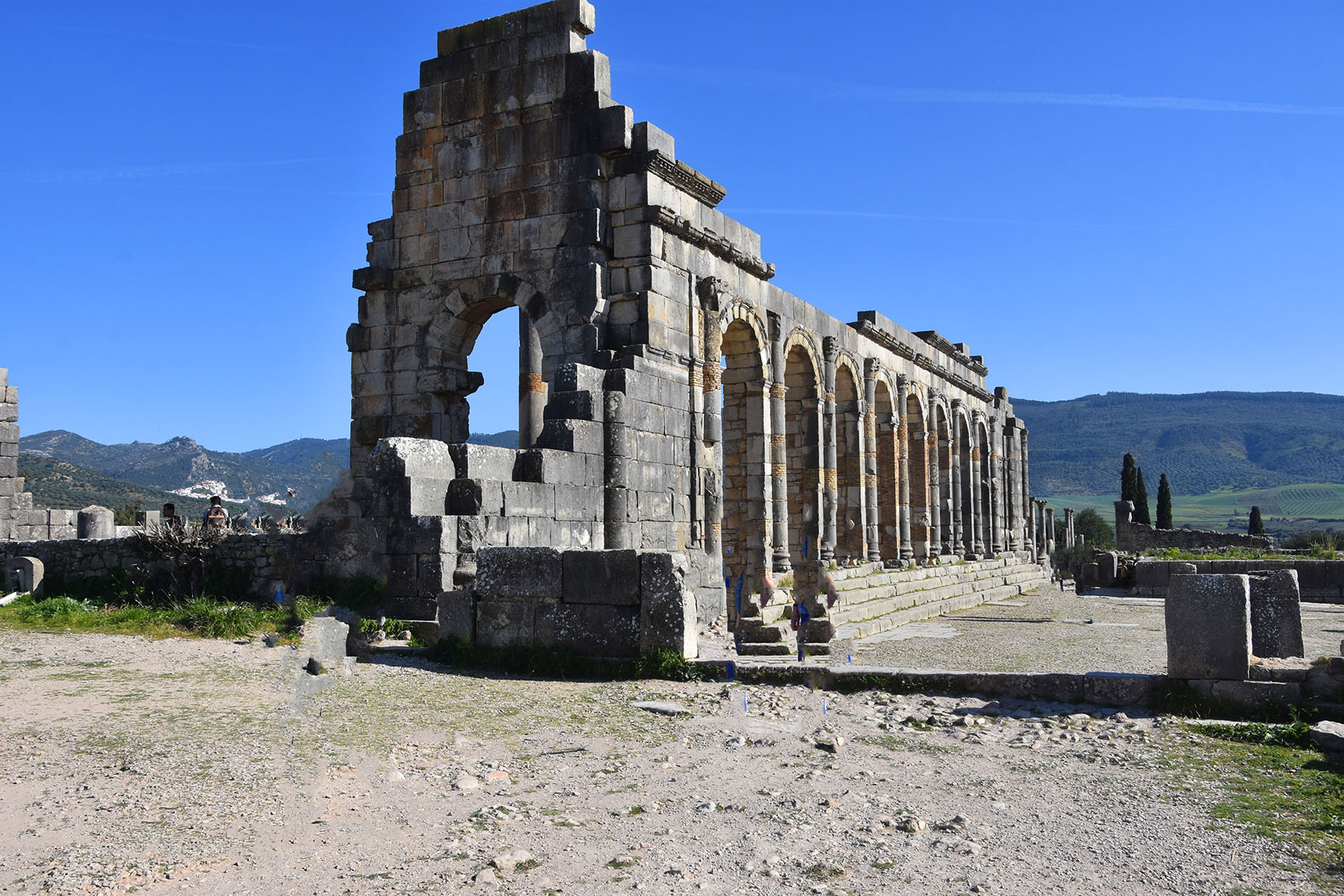
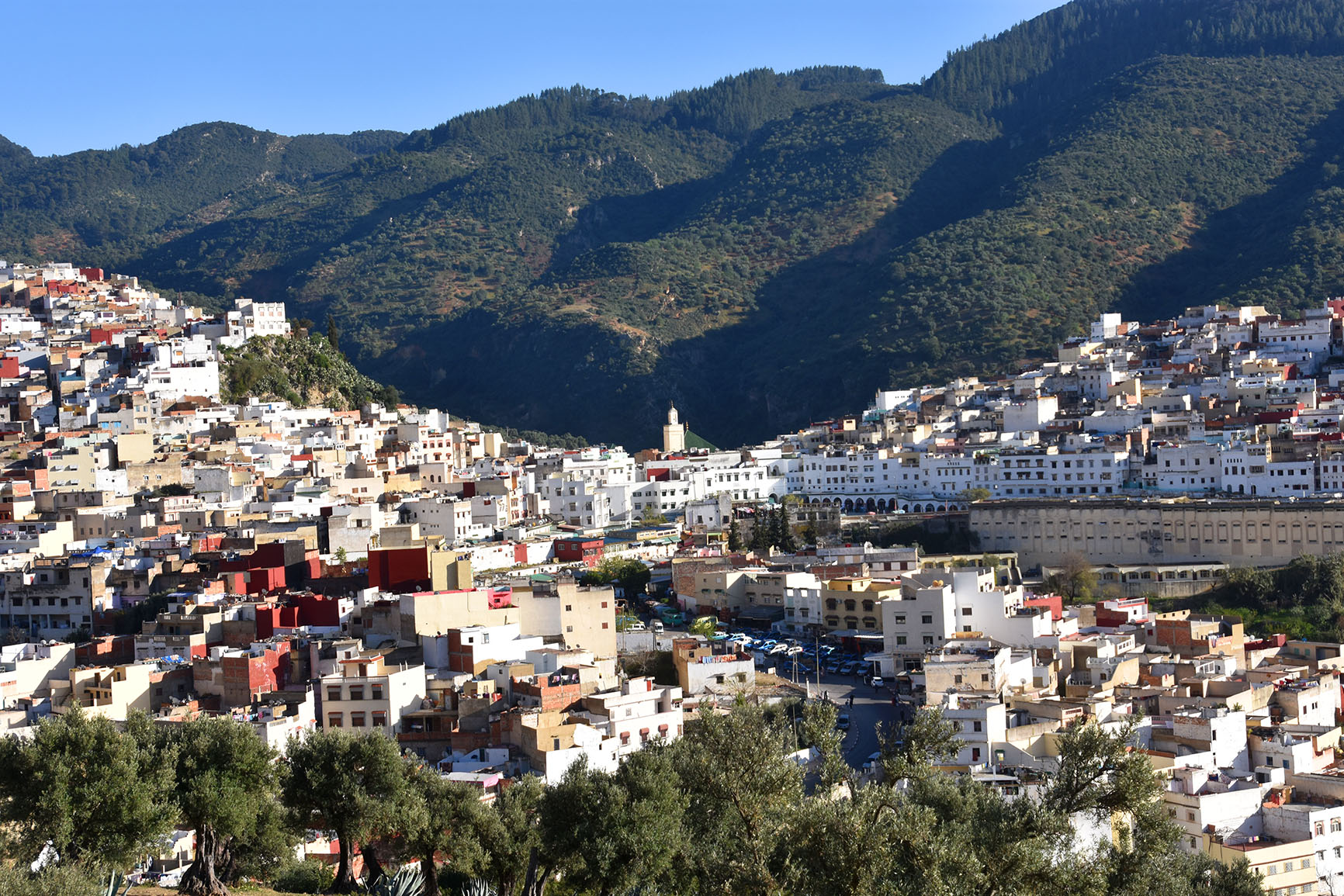
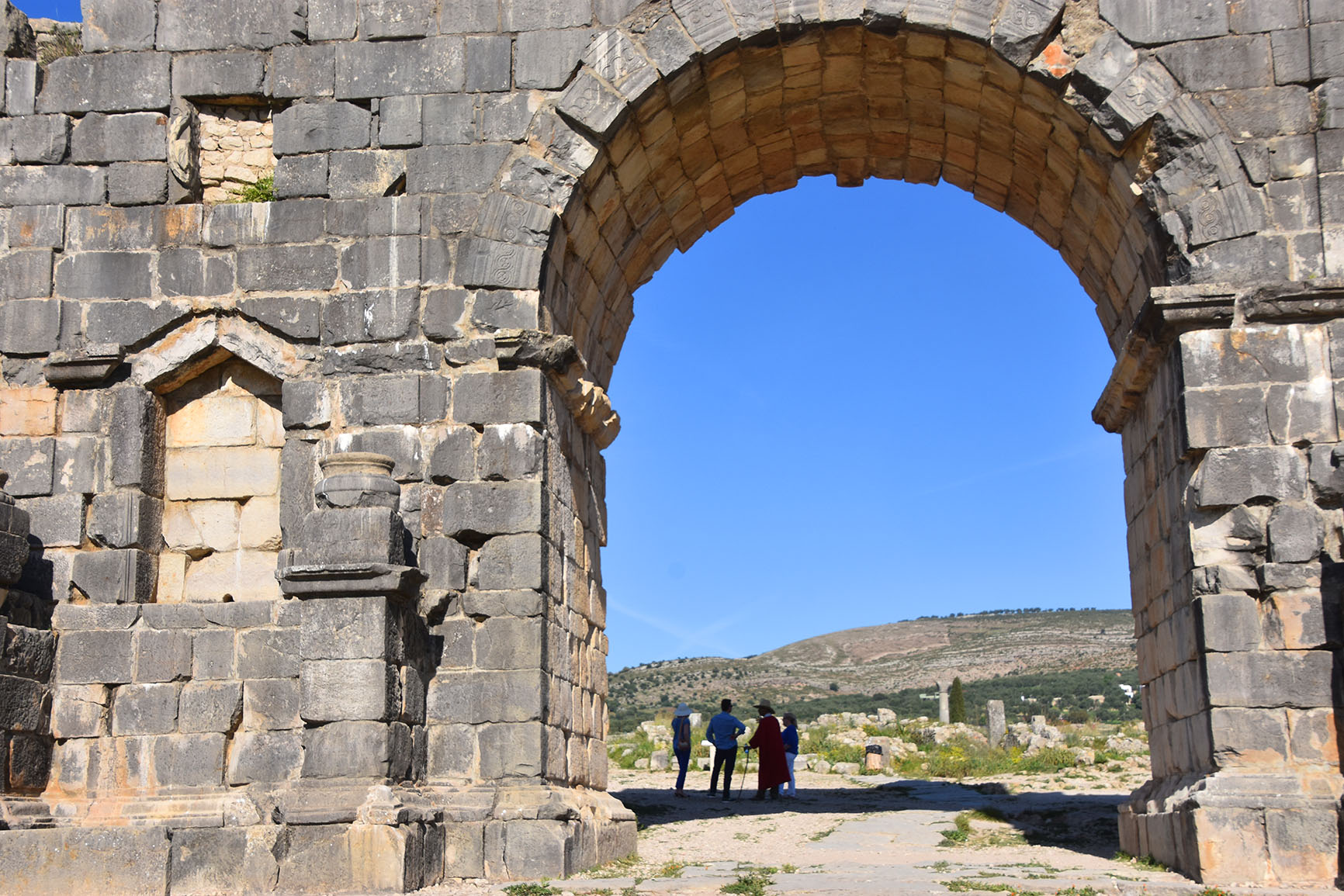
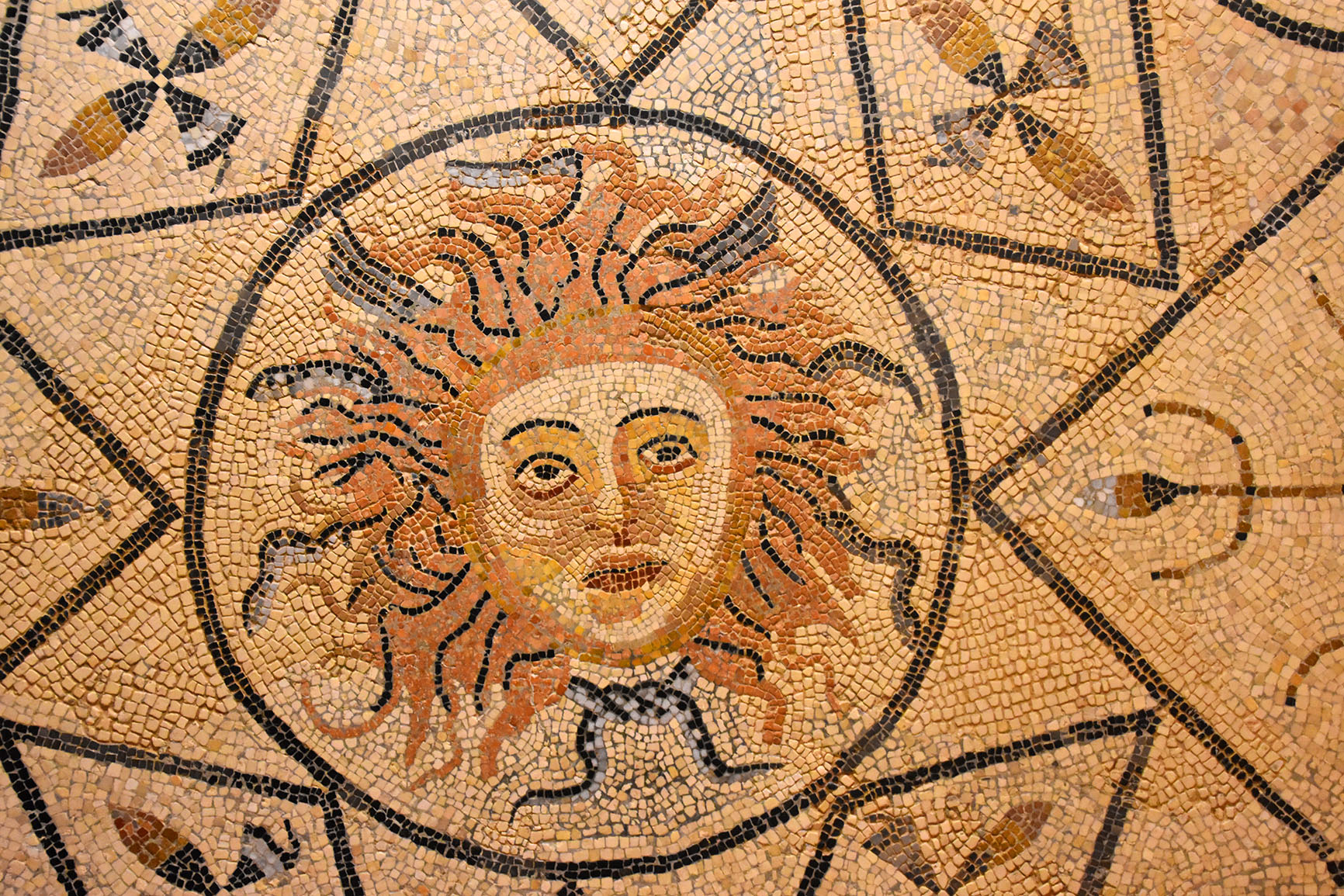
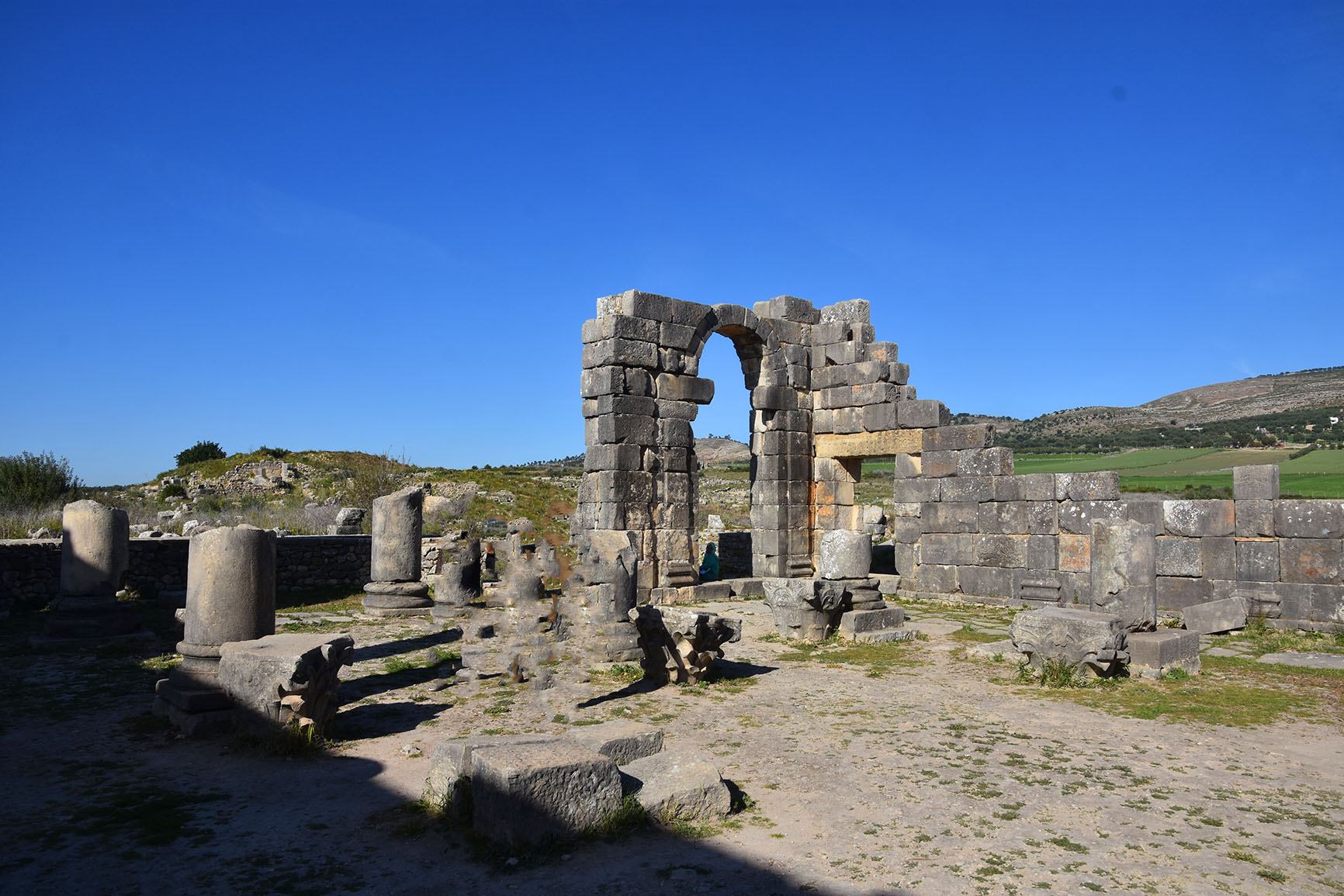
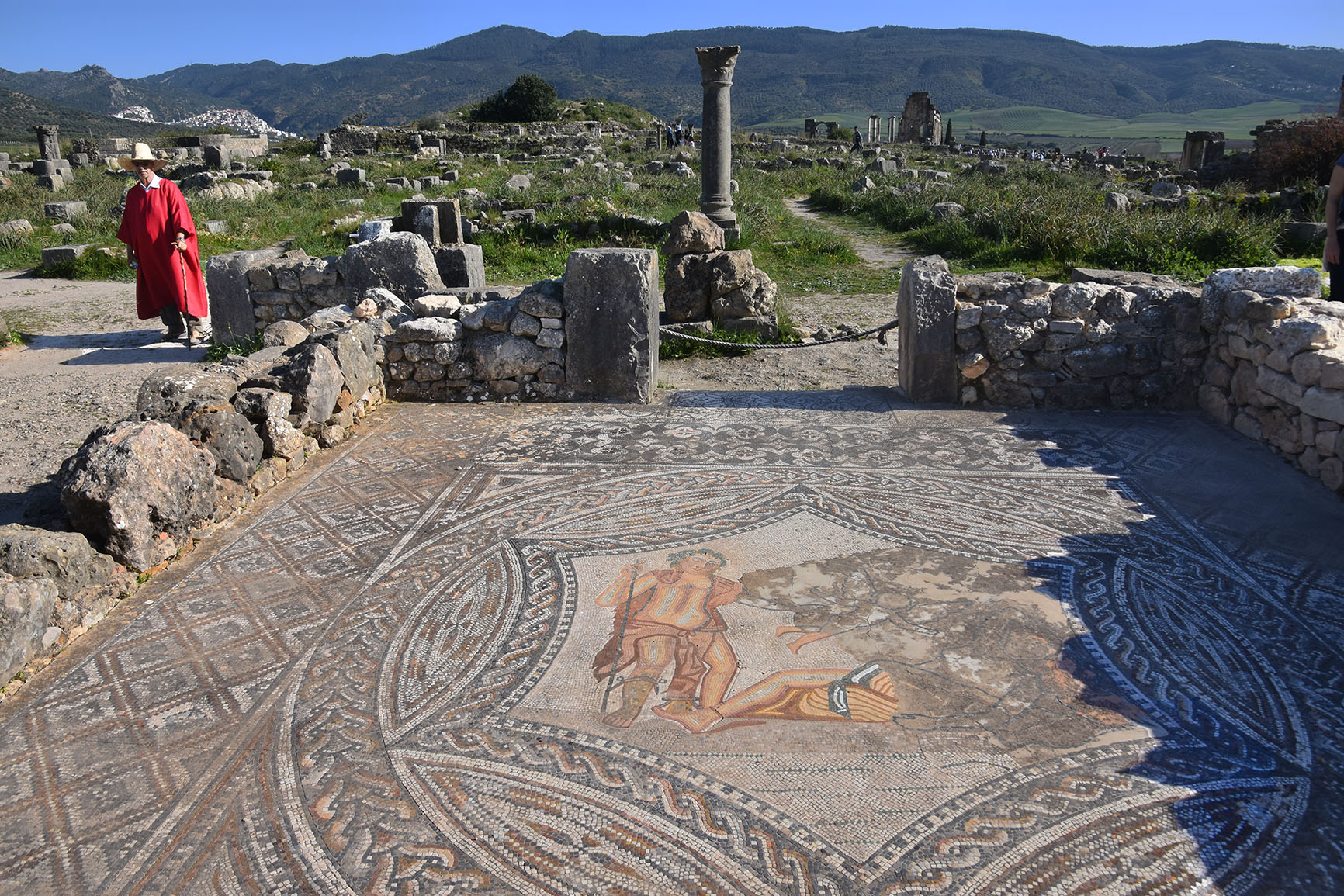
A modern‑day visit offers a clear, structured view of this long history, with enjoyable visit to local town and surrounding landscapes. The site’s layout is easy to follow, with the Decumanus Maximus running through the centre and leading to major public buildings such as the Basilica, Capitol and Triumphal Arch of Caracalla. These structures illustrate how a provincial Roman city functioned, from legal administration to religious life. The residential quarters reveal olive presses, storage areas and domestic rooms, giving insight into everyday economic activity. Many of the mosaics remain in situ, their mythological scenes and geometric patterns still sharp enough to convey the tastes and aspirations of Volubilis’s wealthier inhabitants.
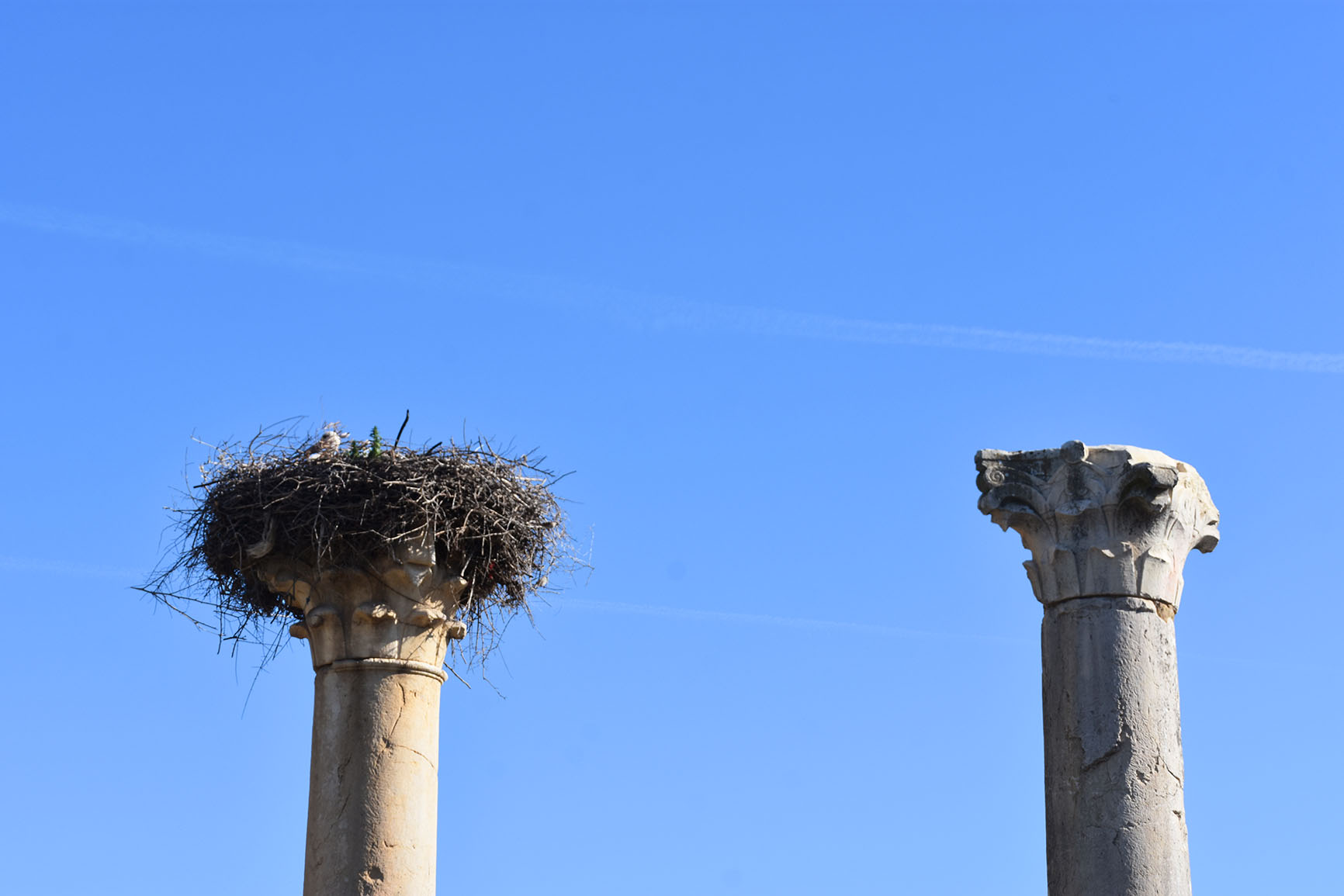
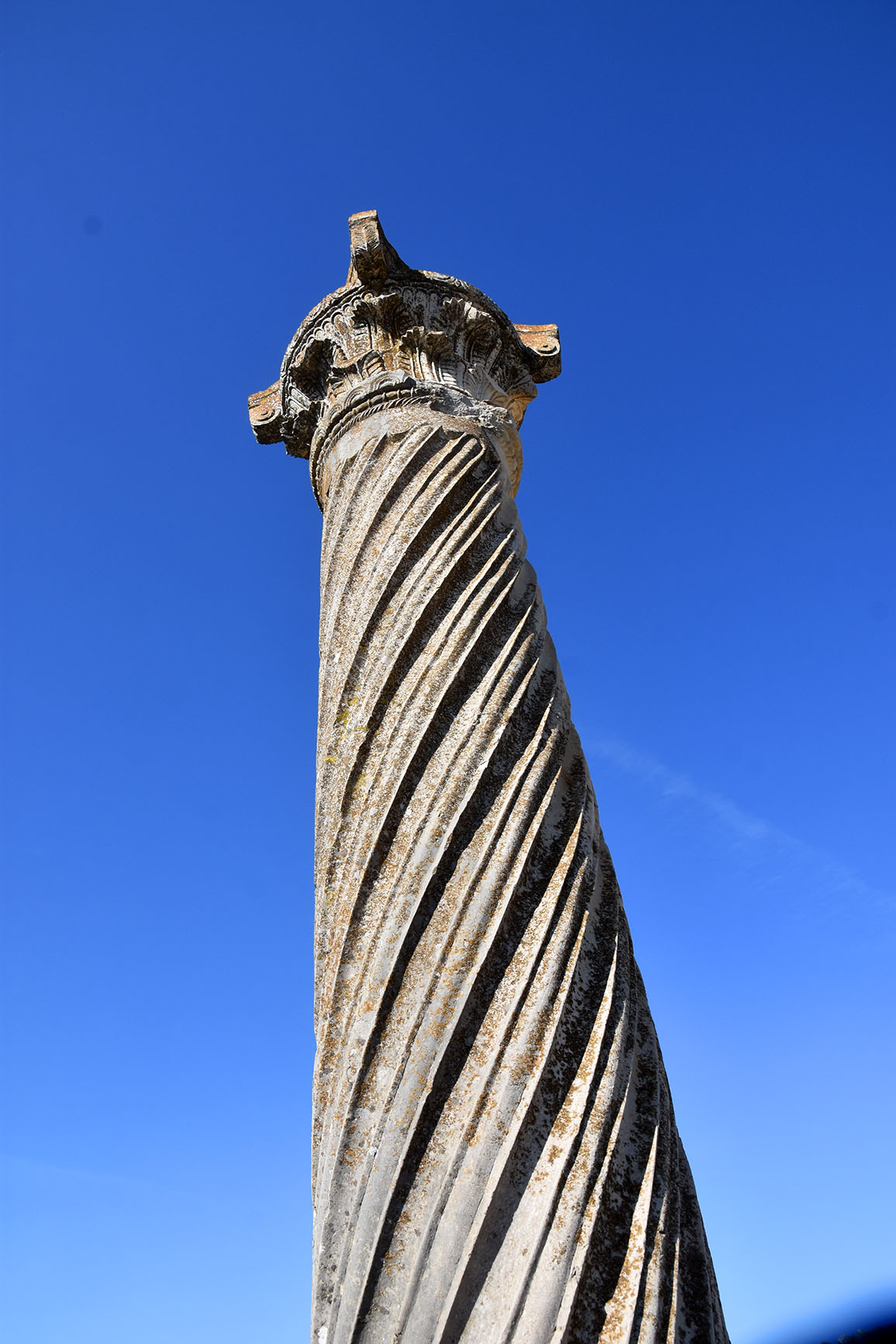
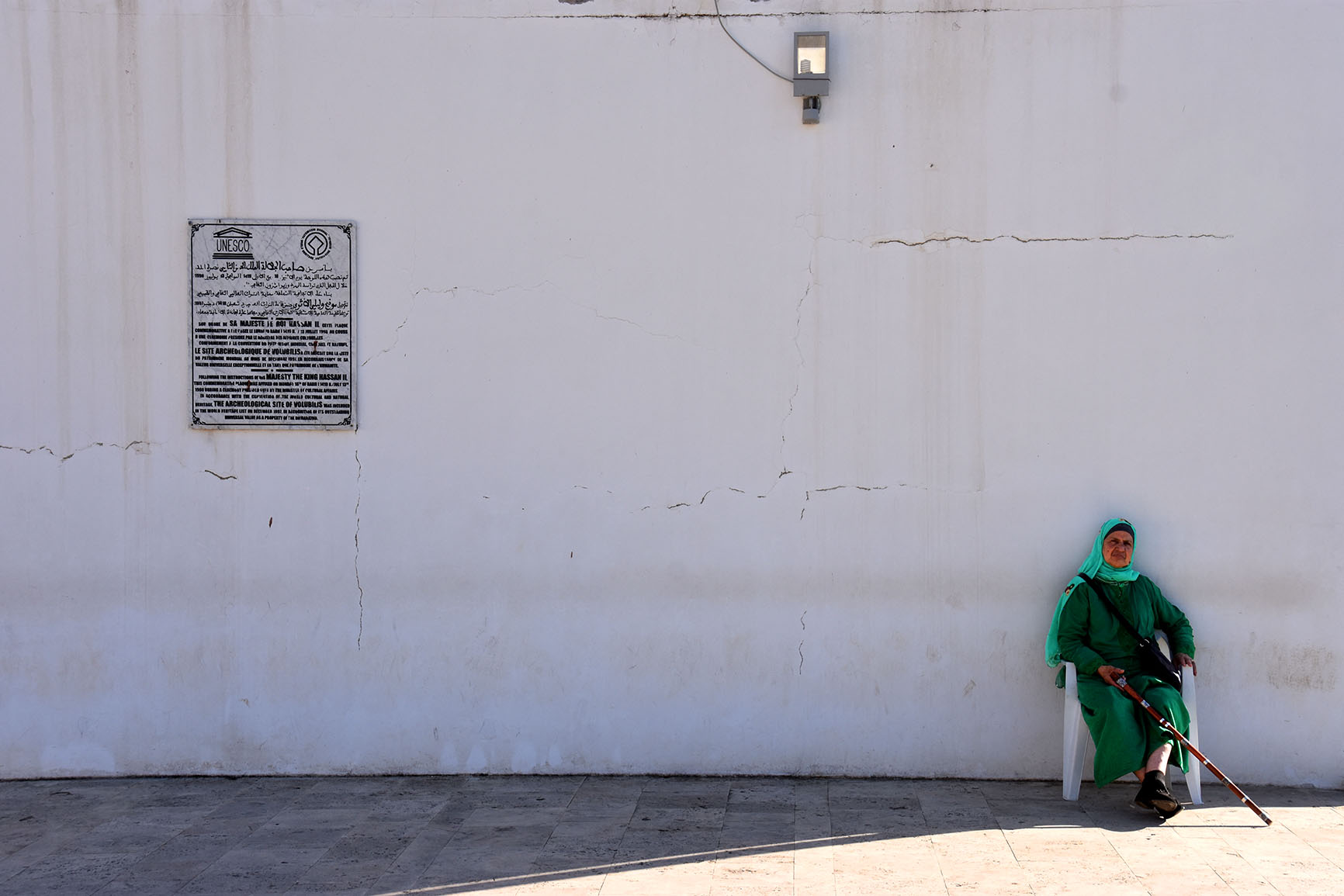
What I found stood out is the combination of archaeological simplicity and rural calm. The ruins are extensive but not crowded, allowing visitors to move easily between sectors and appreciate the scale of the city without distraction. Storks nest on columns, farmers work nearby fields, and the surrounding landscape remains largely unchanged from antiquity, reinforcing the sense of continuity between past and present. Interpretation panels and pathways help contextualise the site without overwhelming it, making Volubilis accessible to both casual visitors and those seeking deeper historical understanding.
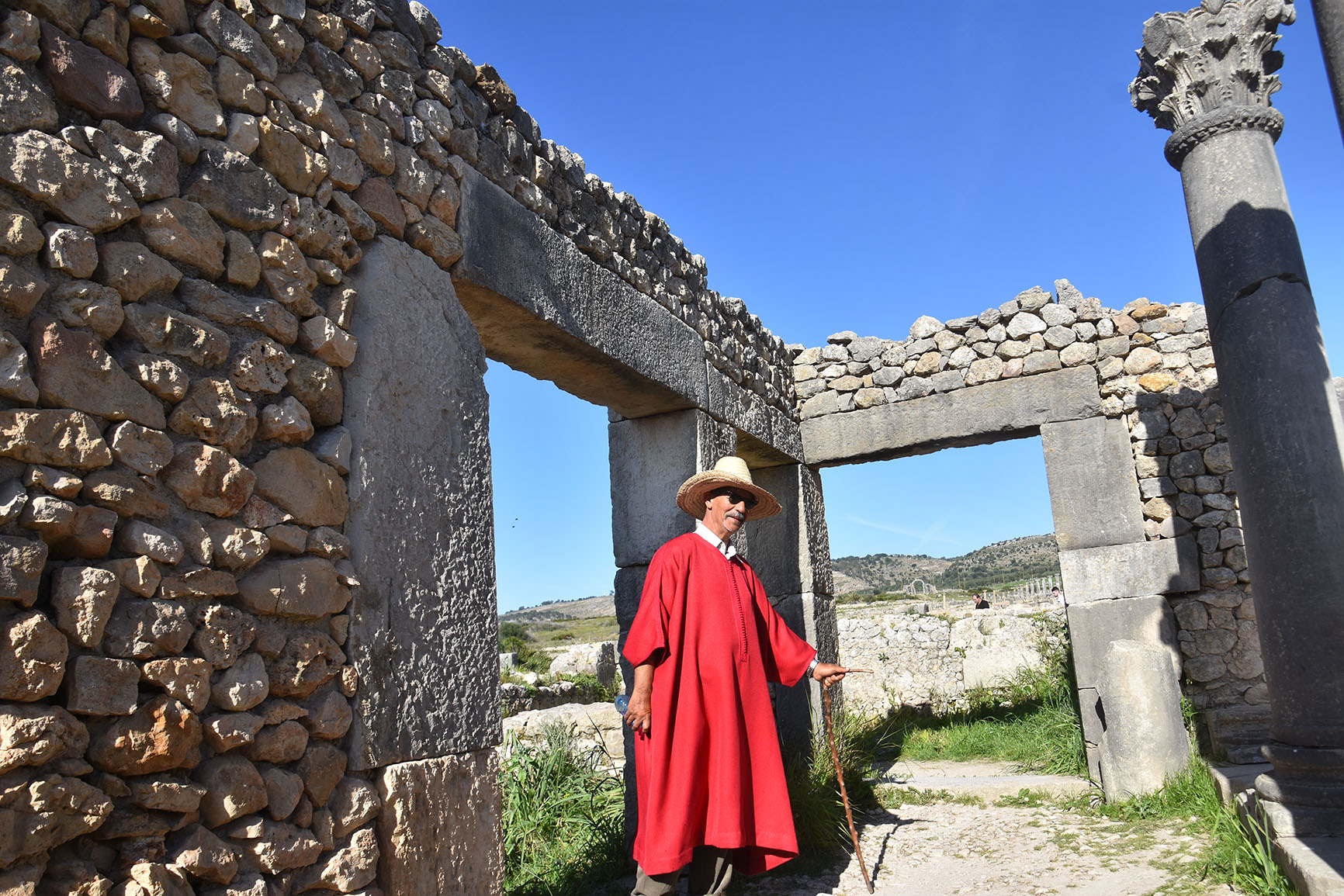
I recommend a visit, particularly with a good guide. As Volubilis offers a direct, tangible connection to Morocco’s layered past – Roman, early Islamic and rural -presented in a setting that encourages reflection on how civilisations evolve and leave traces that endure long after political power shifts elsewhere.







Leave a Reply
Want to join the discussion?Feel free to contribute!