
Travel – Growth, Disruption & Search for Balance
Having embarked on my own travels in 1980 and subsequently founded Nomadic Thoughts as a specialist travel organiser in 1987, I have had the privilege of witnessing nearly five decades of remarkable change within the international travel industry. Few sectors have evolved as dramatically, or as continuously, as global tourism.

From the emergence of long-haul leisure travel and the advent of online booking platforms to the transformative impact of social media and artificial intelligence, the way we discover, plan and experience travel has been constantly reinvented. Yet the pace of change today feels faster than ever.
While international tourism has recovered strongly following the disruption caused by the pandemic of the early 2020s, the forces shaping the modern travel landscape extend far beyond the traditional dynamics of supply and demand. Geopolitical tensions, economic uncertainty, technological innovation, shifting consumer expectations and growing environmental concerns are influencing not only how people travel, but where they choose to travel and how destinations must adapt to ensure their long-term sustainability.

Against this backdrop, the travel industry finds itself at a fascinating crossroads – presented with unprecedented opportunities for growth and innovation, while simultaneously facing complex challenges that will help define the future of global tourism.
For example, few industries are as exposed to geopolitics as tourism. International travel remains highly sensitive to conflict, diplomatic relations and government policy. The ongoing war in Ukraine continues to affect airspace access and travel patterns across Europe and Asia, while tensions in the Middle East periodically influence airline routes, fuel costs and traveller confidence. At the same time, governments increasingly view tourism as a strategic economic tool. Saudi Arabia’s ambitious Vision 2030 programme is a prime example, with billions invested in tourism infrastructure, luxury resorts and cultural attractions as the Kingdom seeks to diversify its economy away from oil dependency.
Economic conditions are equally influential. Inflationary pressures and rising living costs have forced many consumers to reconsider travel spending. Yet demand remains remarkably resilient. In Europe, travellers have increasingly opted for shorter but more frequent breaks, while many long-haul travellers are seeking greater value destinations. Countries such as Turkey, Vietnam and Albania have benefited from favourable exchange rates and lower relative costs, attracting visitors who might previously have chosen more established and expensive destinations.
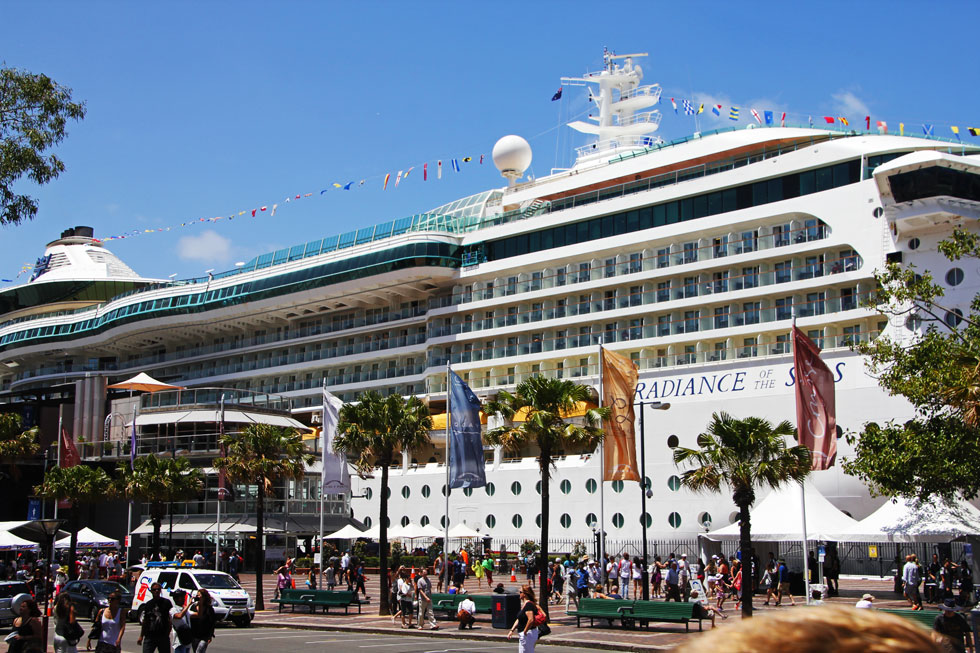
Technology continues to reshape every aspect of the travel experience. Today’s traveller expects a seamless digital journey, from booking flights and accommodation to navigating airports and accessing local experiences. Major hubs such as Singapore’s Changi Airport and Dubai International Airport have embraced biometric technology, allowing passengers to move through check-in, security and immigration with minimal friction. Hotels, cruises & transport hubs are increasingly deploying mobile check-in systems, digital room keys and personalised guest services, reflecting a broader shift towards convenience and automation.
The most significant technological development, however, is undoubtedly artificial intelligence. AI is rapidly becoming embedded throughout the travel ecosystem. Airlines use predictive analytics to forecast demand and optimise pricing. Hotels employ AI-powered chatbots to provide customer support around the clock. Online travel platforms can now generate customised itineraries in seconds, considering a traveller’s budget, interests and previous travel behaviour.
For travellers, AI is becoming a personal travel assistant. It can recommend destinations, identify the best times to book flights, suggest local experiences and even adjust itineraries in real time when disruption occurs. What once required hours of research can now be accomplished within minutes. Yet this evolution raises important questions. As travel planning becomes increasingly automated, there is concern that journeys may become more homogenised, with algorithms steering millions of travellers toward the same destinations and experiences.
No discussion of modern tourism would be complete without considering the extraordinary influence of social media. Platforms such as Instagram, TikTok and YouTube have fundamentally changed destination marketing. Today, a destination can gain global visibility overnight.
One striking example is the Japanese town of Fujikawaguchiko, which experienced a surge in visitors seeking to recreate viral photographs of Mount Fuji framed above a convenience store. The popularity became so intense that local authorities were forced to install barriers to manage crowds and improve public safety. Similar challenges have emerged in locations ranging from Bali’s famous temple sites to hidden beaches in Greece and Portugal that suddenly become global attractions after gaining traction online.

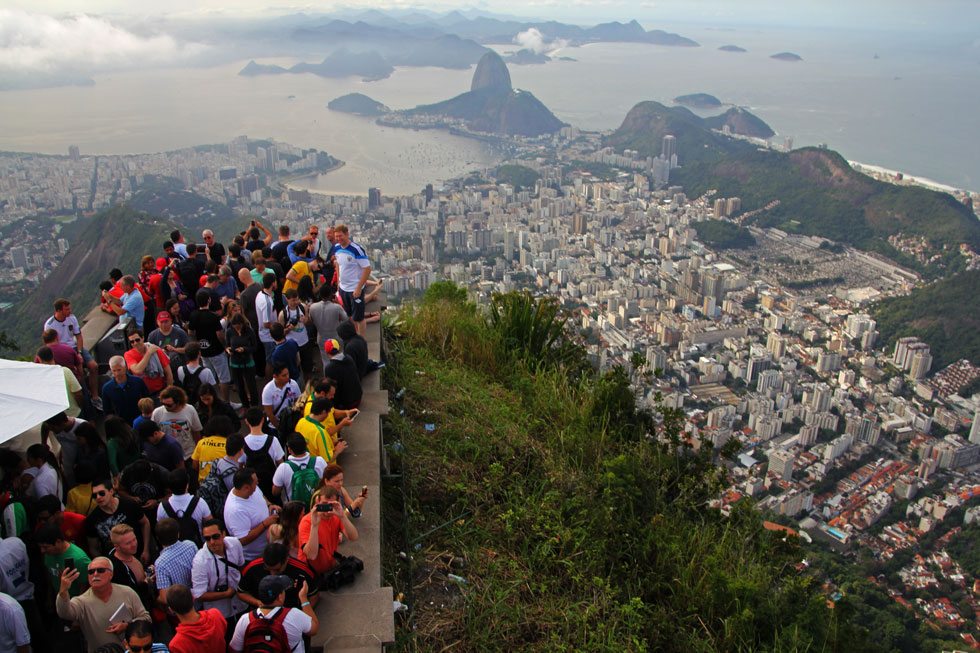
Social media has undoubtedly democratised travel inspiration, but it has also accelerated one of the industry’s greatest challenges: over-tourism.
The impact of over-tourism is now visible across many of the world’s most iconic destinations. Venice has become a symbol of the challenge, welcoming millions of visitors annually while supporting a shrinking resident population. In response, city authorities introduced a day-visitor access fee designed to manage crowd levels and generate funds for infrastructure and preservation efforts.
Barcelona has also struggled with balancing tourism growth and quality of life for residents. Local concerns regarding housing affordability, congestion and the expansion of short-term rentals have prompted authorities to tighten regulations and reconsider the city’s tourism strategy. Similar debates are taking place in Amsterdam, Dubrovnik, Santorini and Kyoto, where visitor numbers have increasingly tested the limits of local infrastructure and community tolerance.
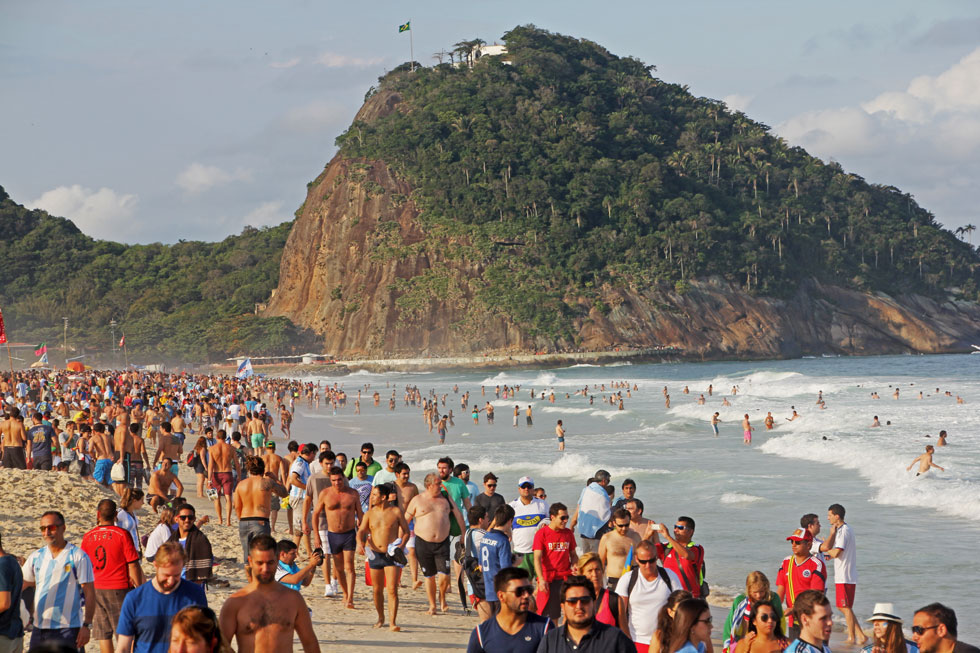
The consequences extend beyond urban environments. Natural destinations face growing environmental pressures from excessive visitation. Popular hiking routes, national parks and coastal ecosystems are experiencing erosion, waste management challenges and biodiversity impacts as visitor numbers continue to rise.
As a result, sustainability has become more than a marketing slogan – it has become a business necessity. Destinations are introducing innovative measures to manage tourism more effectively. Bhutan remains a leading example, maintaining a high-value, low-volume tourism model through daily visitor fees designed to protect cultural heritage and environmental resources. Elsewhere, destinations are encouraging off-season travel, dispersing visitors to lesser-known regions and investing in infrastructure that benefits both tourists and local communities.

The emergence of regenerative tourism represents the next stage in this evolution. Rather than simply reducing negative impacts, regenerative tourism seeks to leave destinations better than they were before. Initiatives supporting local businesses, cultural preservation and environmental restoration are increasingly viewed as essential components of long-term destination management.
Looking ahead, the travel industry’s greatest challenge may be finding the right balance between growth and stewardship. Demand for international travel remains strong, driven by a universal desire for exploration, cultural exchange and human connection. Yet success can no longer be measured solely by visitor numbers.
The destinations that thrive in the coming decade will be those that harness technology intelligently, embrace innovation responsibly and ensure that tourism delivers benefits not only for visitors but also for the communities that host them. In an era defined by geopolitical uncertainty, digital transformation and environmental awareness, sustainable growth has become the industry’s most important destination.

The Enduring Value of Travel Expertise
While the international travel industry faces unprecedented complexity, I wholeheartedly believe the outlook for professional travel organisers (tour operators & travel agents) remains highly positive. In an era shaped by geopolitical uncertainty, economic fluctuations, overtourism concerns and rapidly evolving technology, travellers are increasingly seeking reassurance, expertise and trusted guidance.

AI may simplify research and automate routine tasks, but it cannot replicate the experience, judgement and personal relationships that experienced tour operators and travel agents bring to the travel planning process. When flight schedules are disrupted by geopolitical events, destinations experience unexpected challenges, or travellers seek unique and authentic experiences, professional travel advisers provide a level of insight and problem-solving capability that algorithms alone cannot deliver.
The most successful travel organisers of the future will combine technology with human expertise. AI can help identify options and improve efficiency, but travel professionals remain best positioned to interpret complex information, curate meaningful itineraries and match travellers with experiences that genuinely align with their interests and expectations.
Equally important is the strength of destination knowledge and local partnerships. Established travel organisers often possess extensive networks of trusted destination management companies, guides, hotels and service providers built over many years. These relationships enable them to maintain quality standards, respond quickly to operational challenges and deliver experiences that would be difficult for independent travellers to access. As destinations place greater emphasis on sustainability and visitor management, these local partnerships will become even more valuable.

Service excellence will also continue to differentiate professional travel providers. As travel becomes increasingly digitised, personalised service may become more – not less – important. Travellers undertaking complex itineraries, luxury journeys, multi-generational holidays, special-interest tours or once-in-a-lifetime experiences will continue to value expert advice, personal attention and the reassurance of having a knowledgeable advocate before, during and after their trip.

Ultimately, the future of travel is unlikely to be a choice between technology and human expertise. Rather, it will be defined by the successful integration of both. Tour operators and travel agents who embrace innovation while continuing to deliver exceptional service, destination expertise and trusted guidance are well positioned to thrive. In a world of endless information and growing complexity, professional travel advisers remain one of the industry’s most valuable assets, helping travellers navigate choices with confidence while ensuring that journeys are memorable, meaningful and responsibly managed.













Great article Jono.