
Asturias – Northern Spain
I was instantly enthralled with the Asturias region of northern Spain, as it offers one of Europe’s most varied and tightly packed landscapes, shifting quickly from dramatic Atlantic coastline to deep rural valleys and on to the high limestone walls of the Picos de Europa.
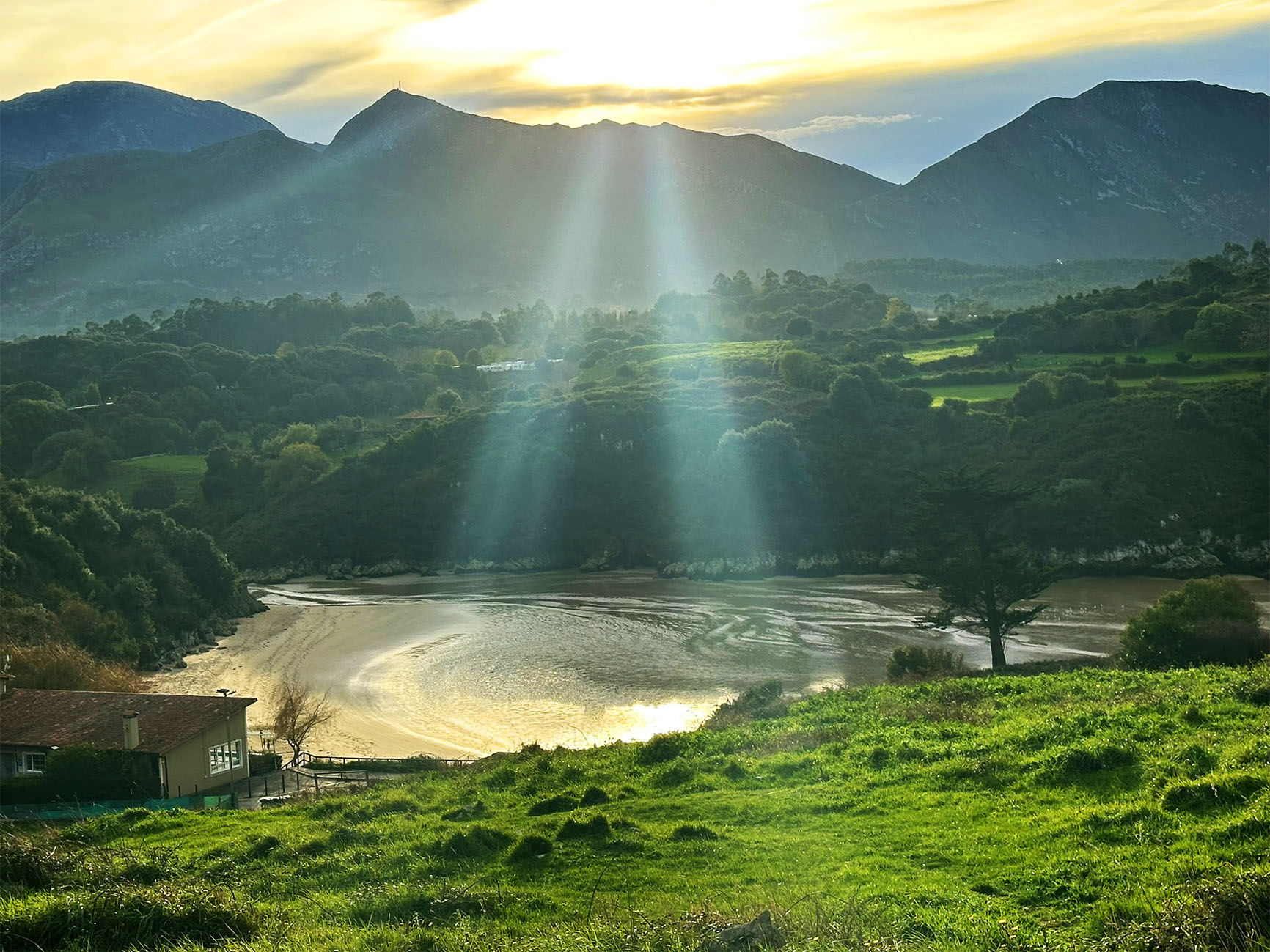
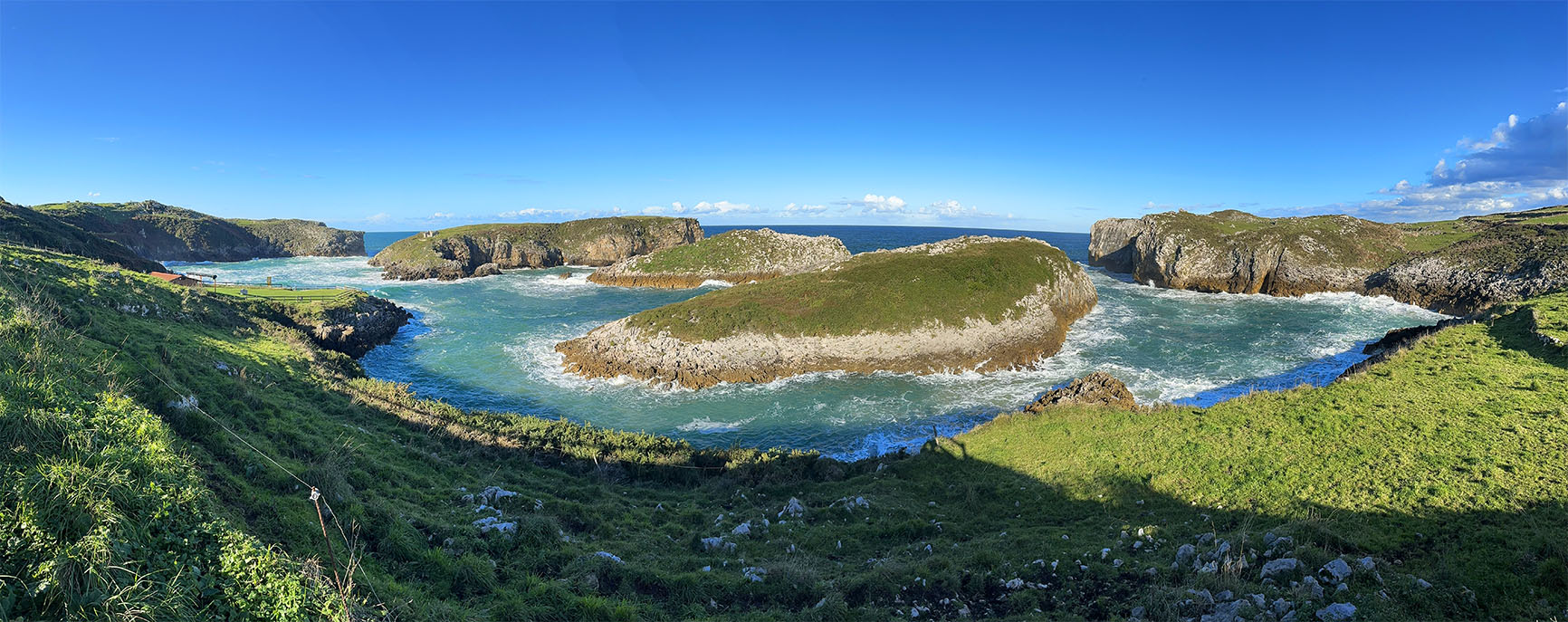
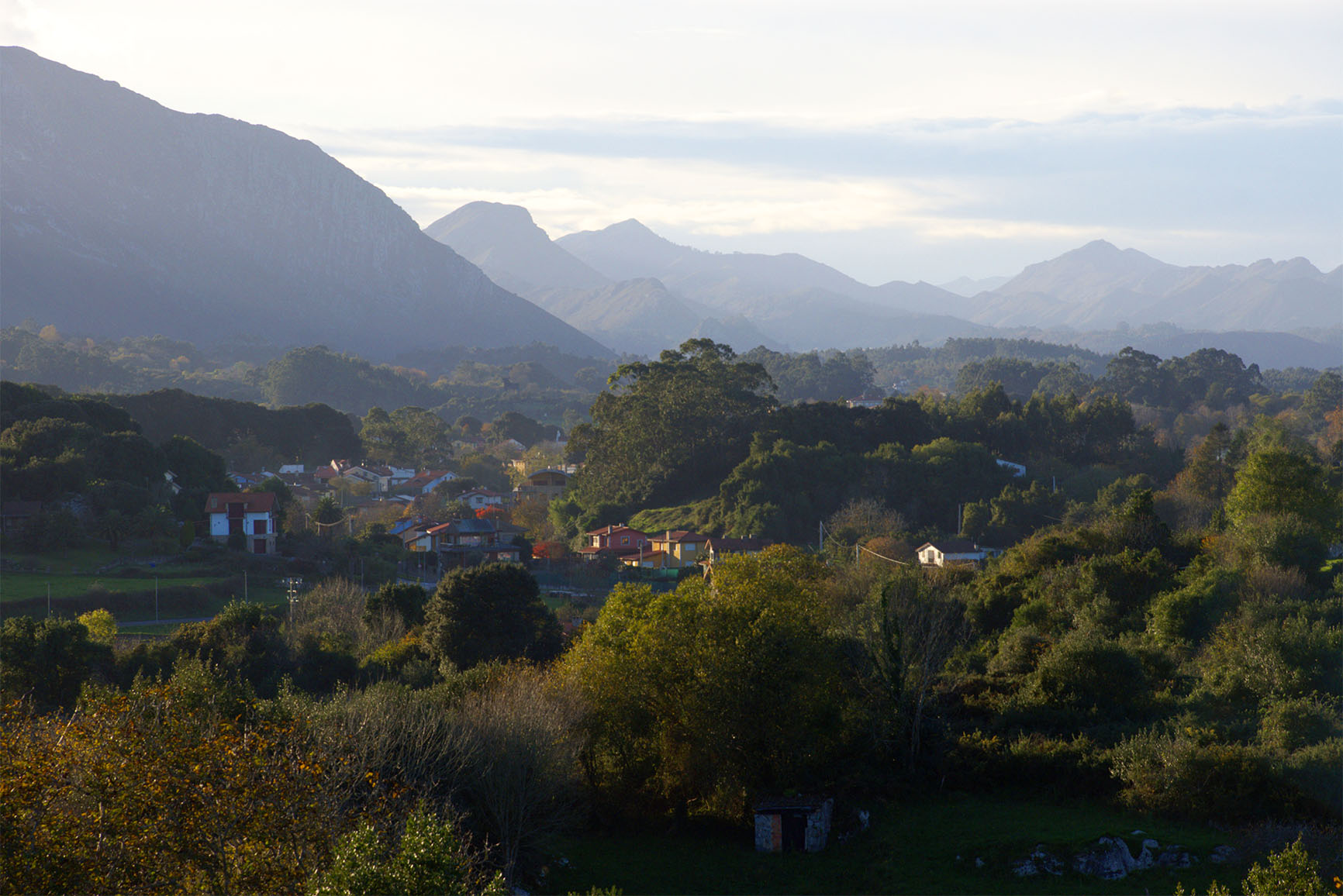
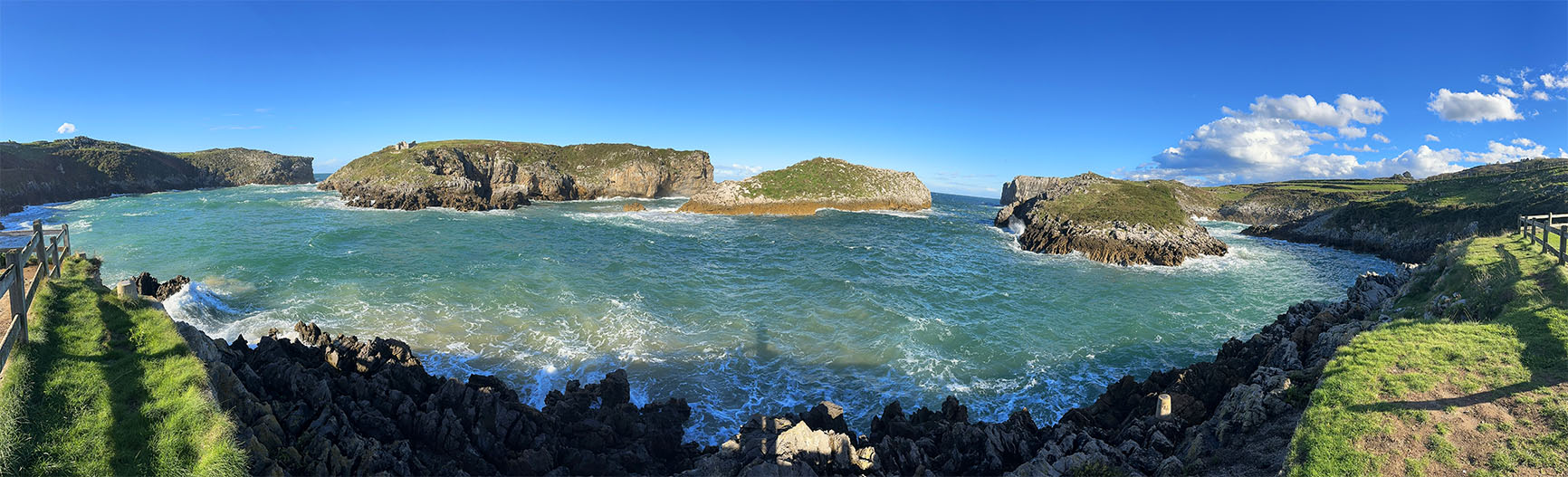
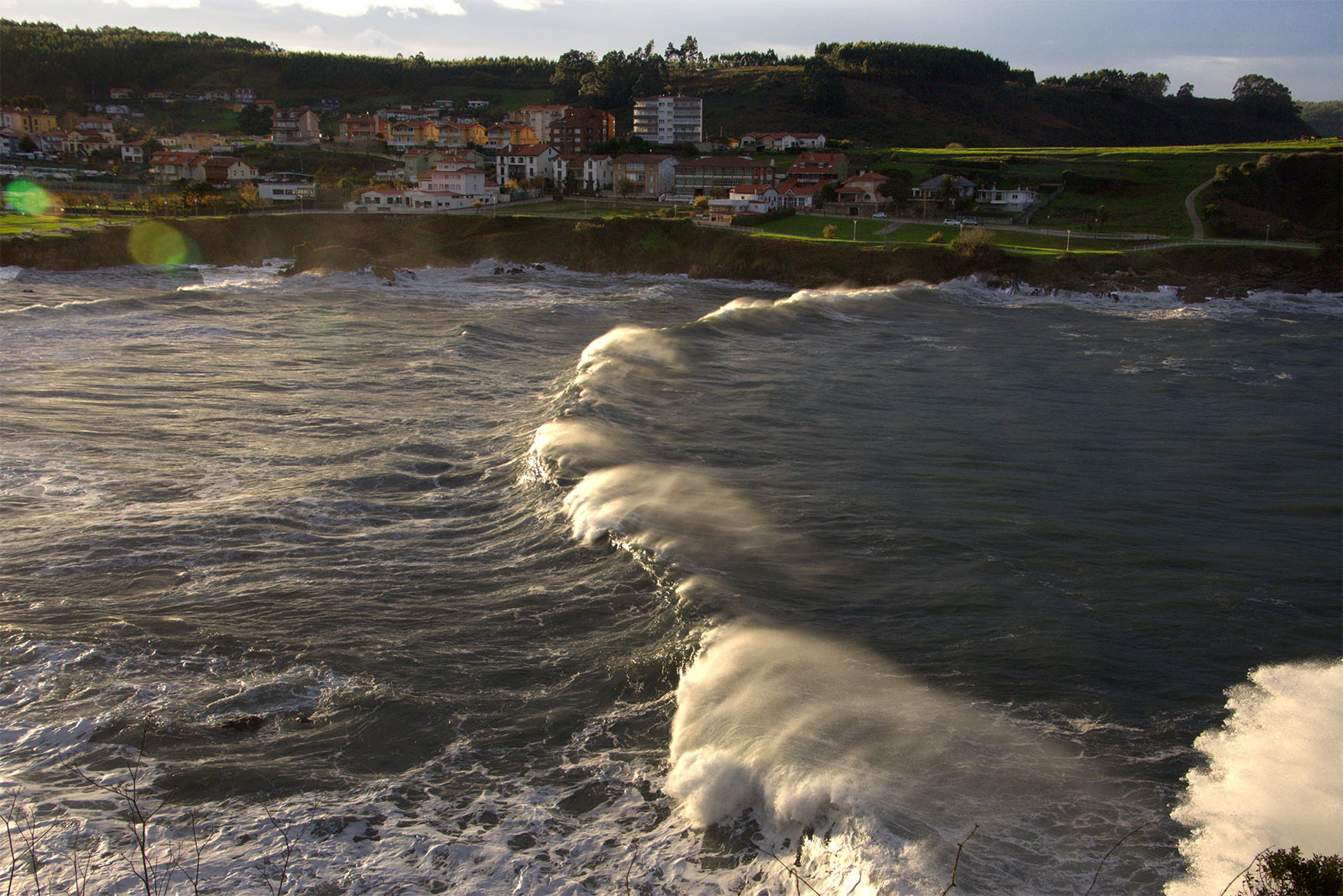
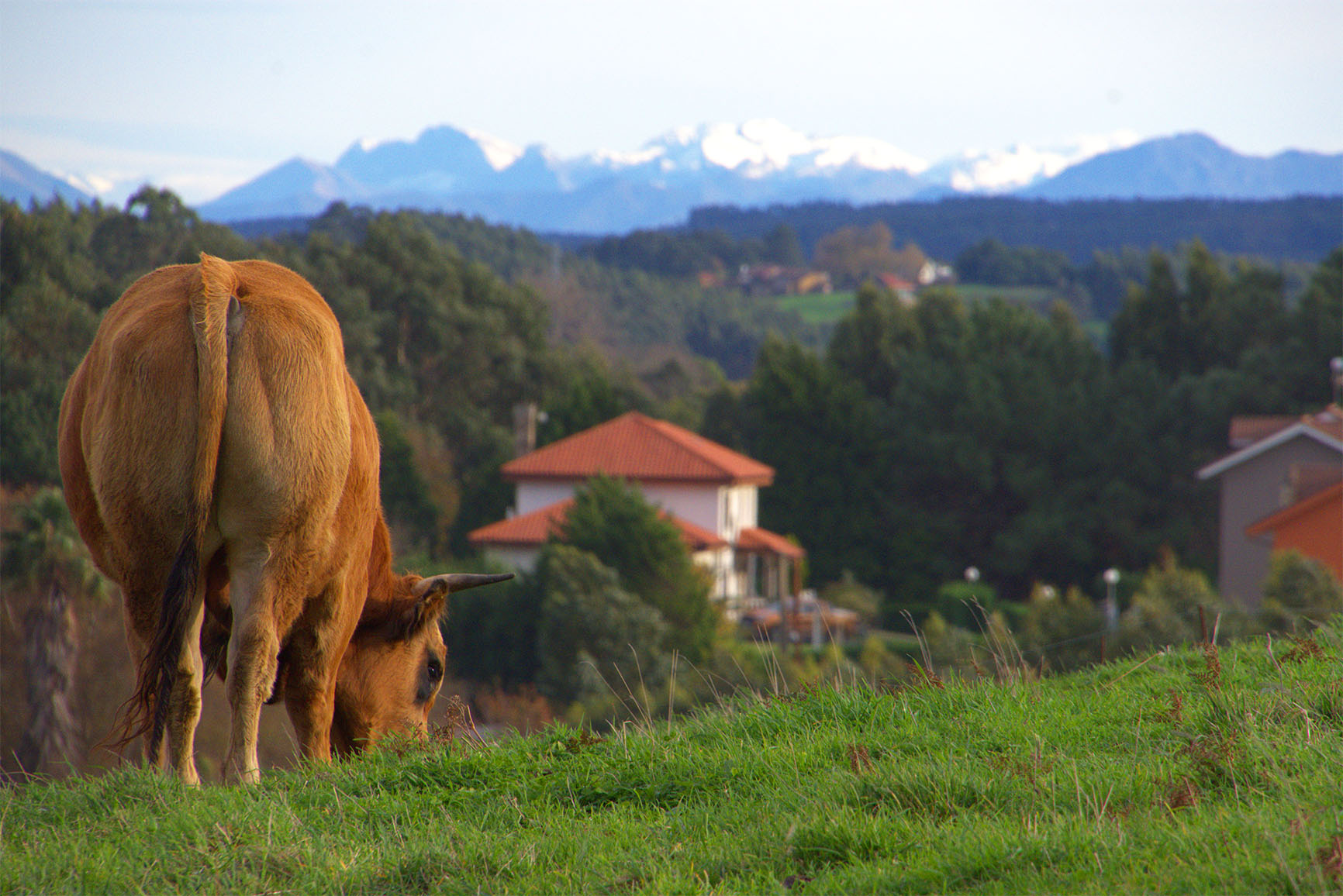
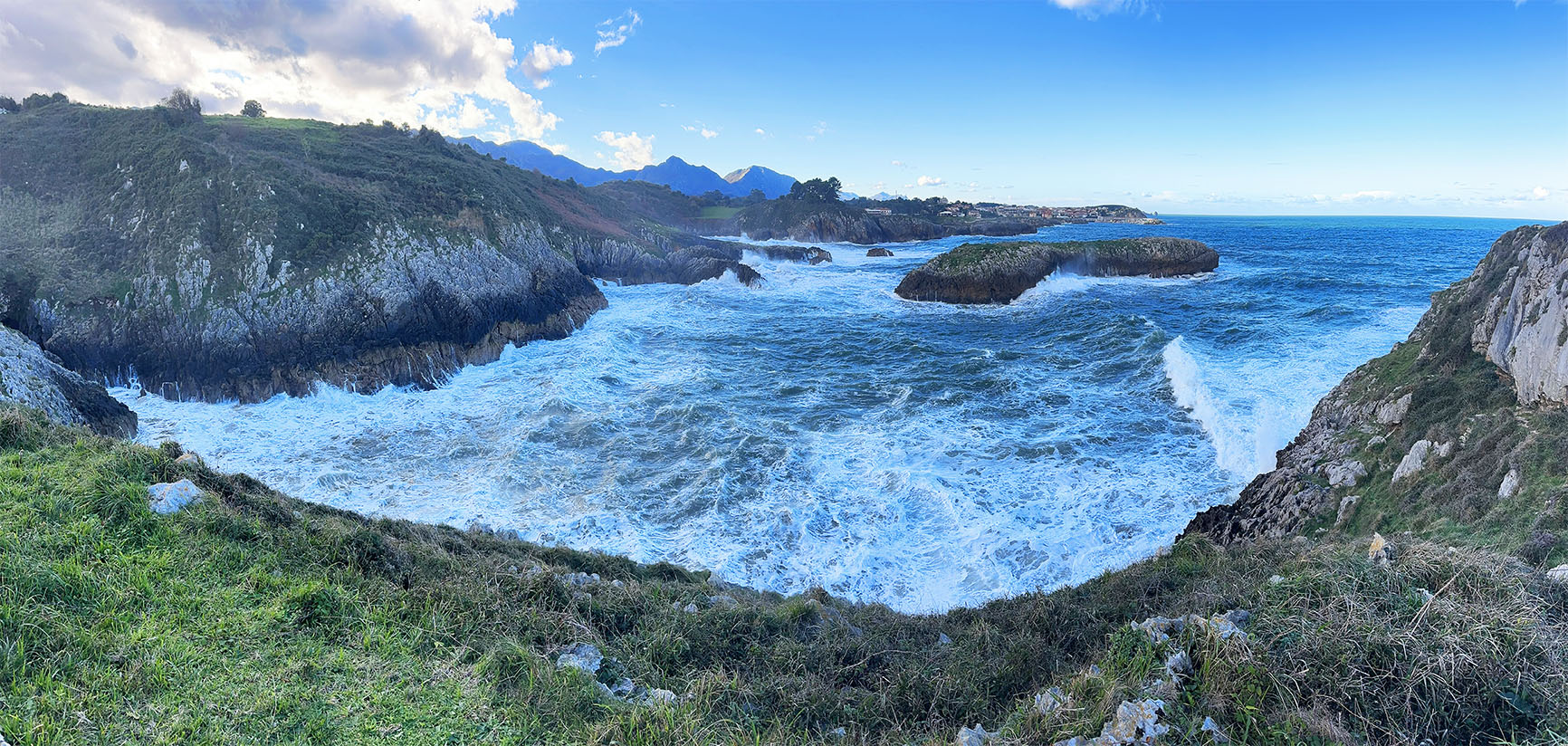
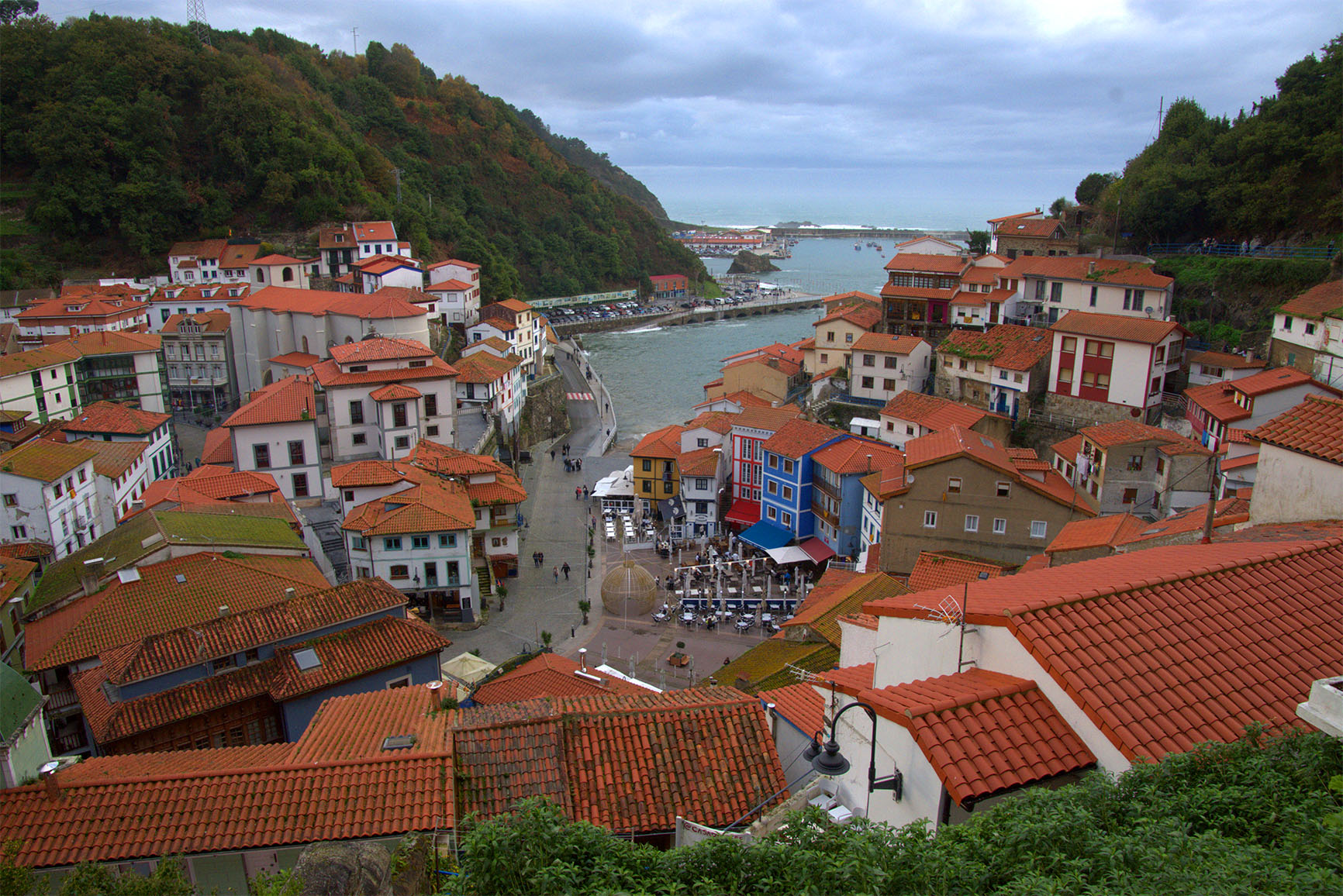
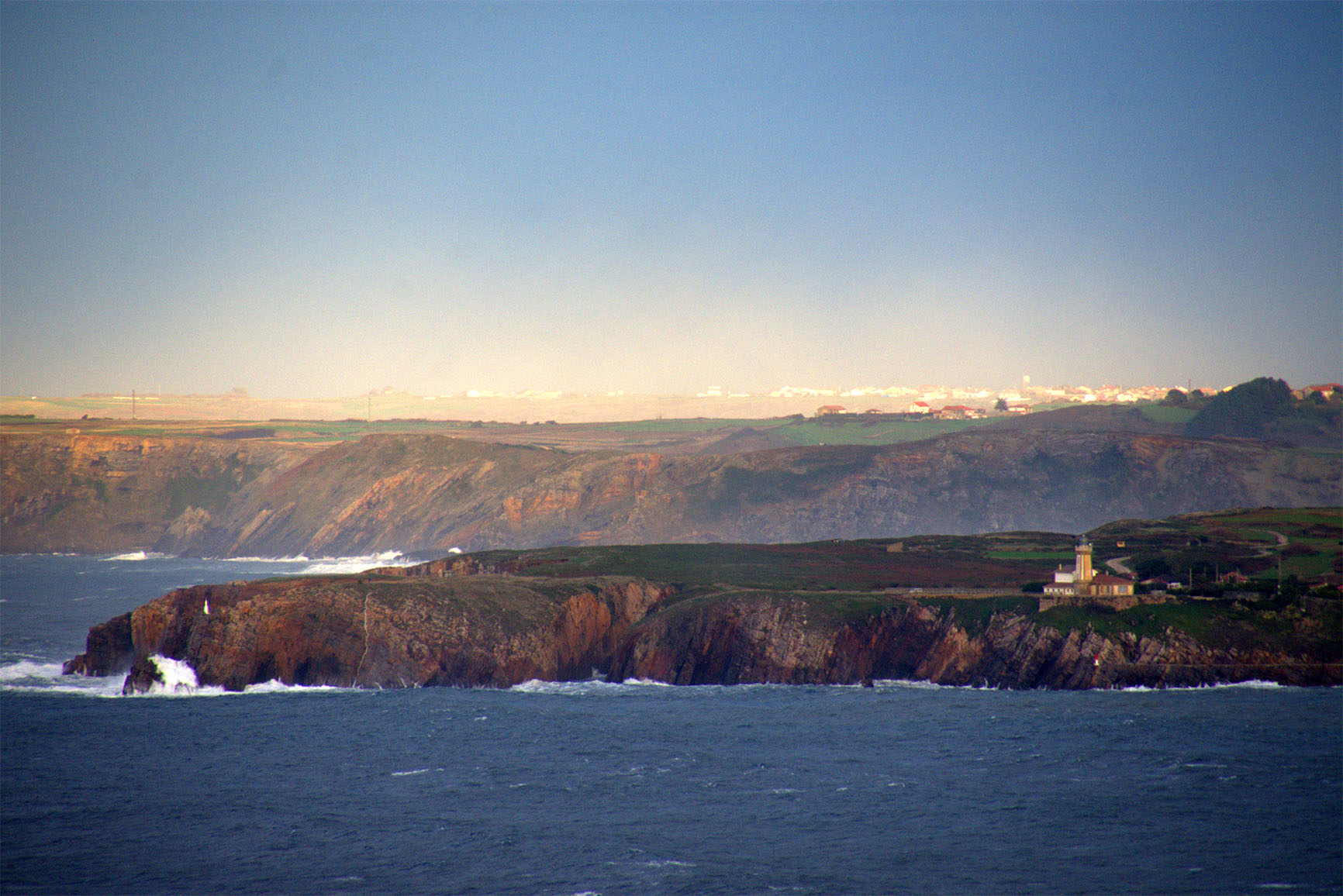
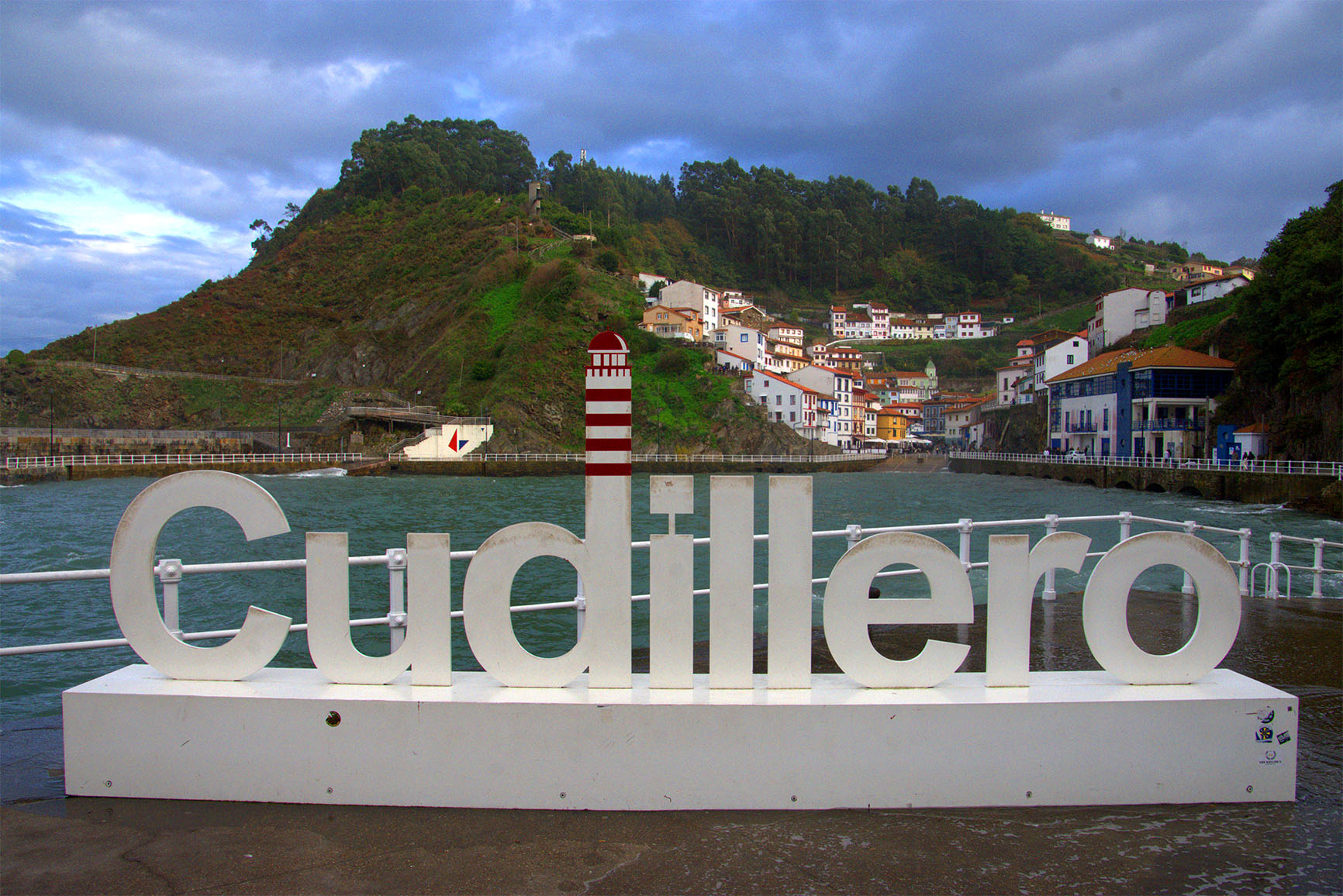
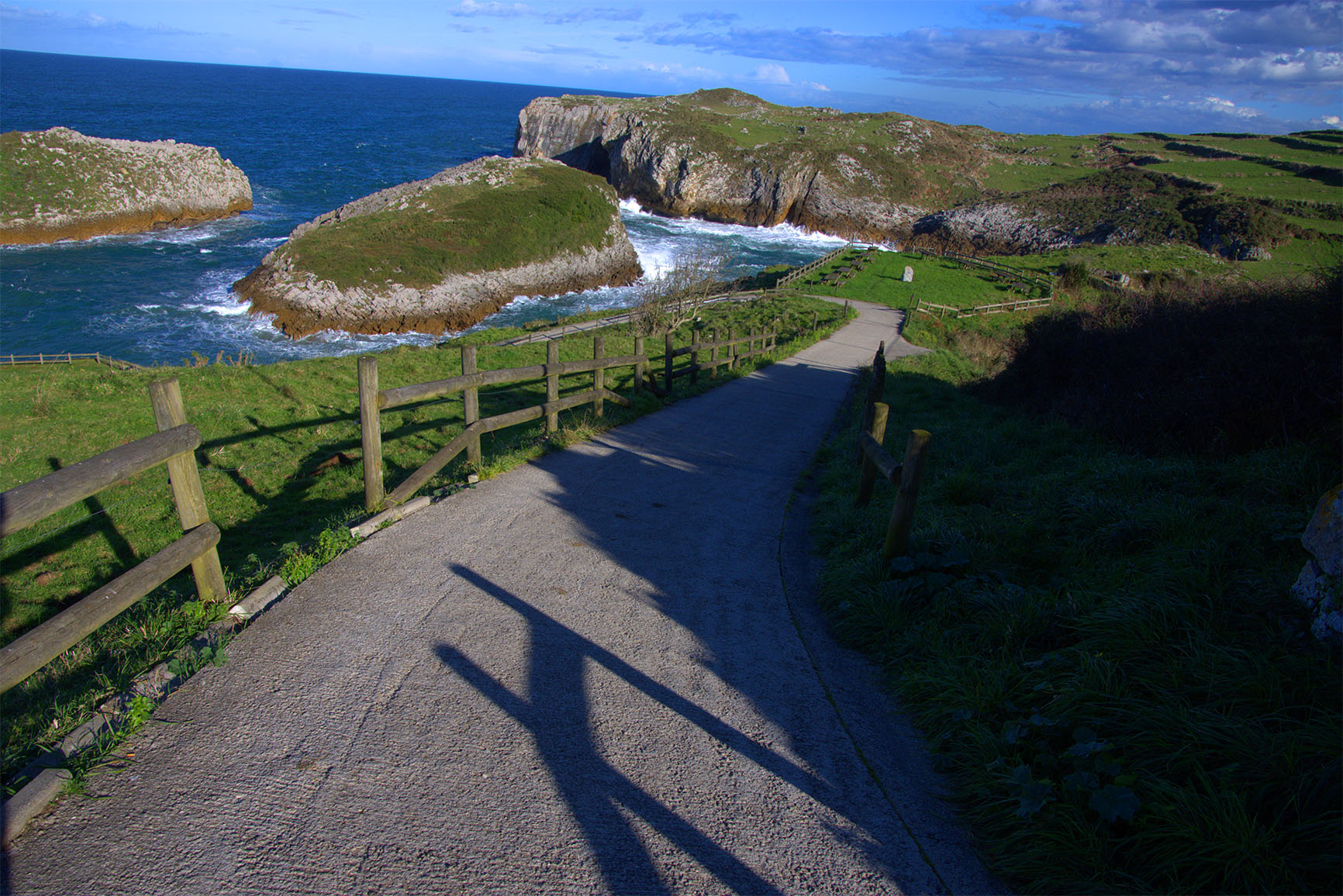
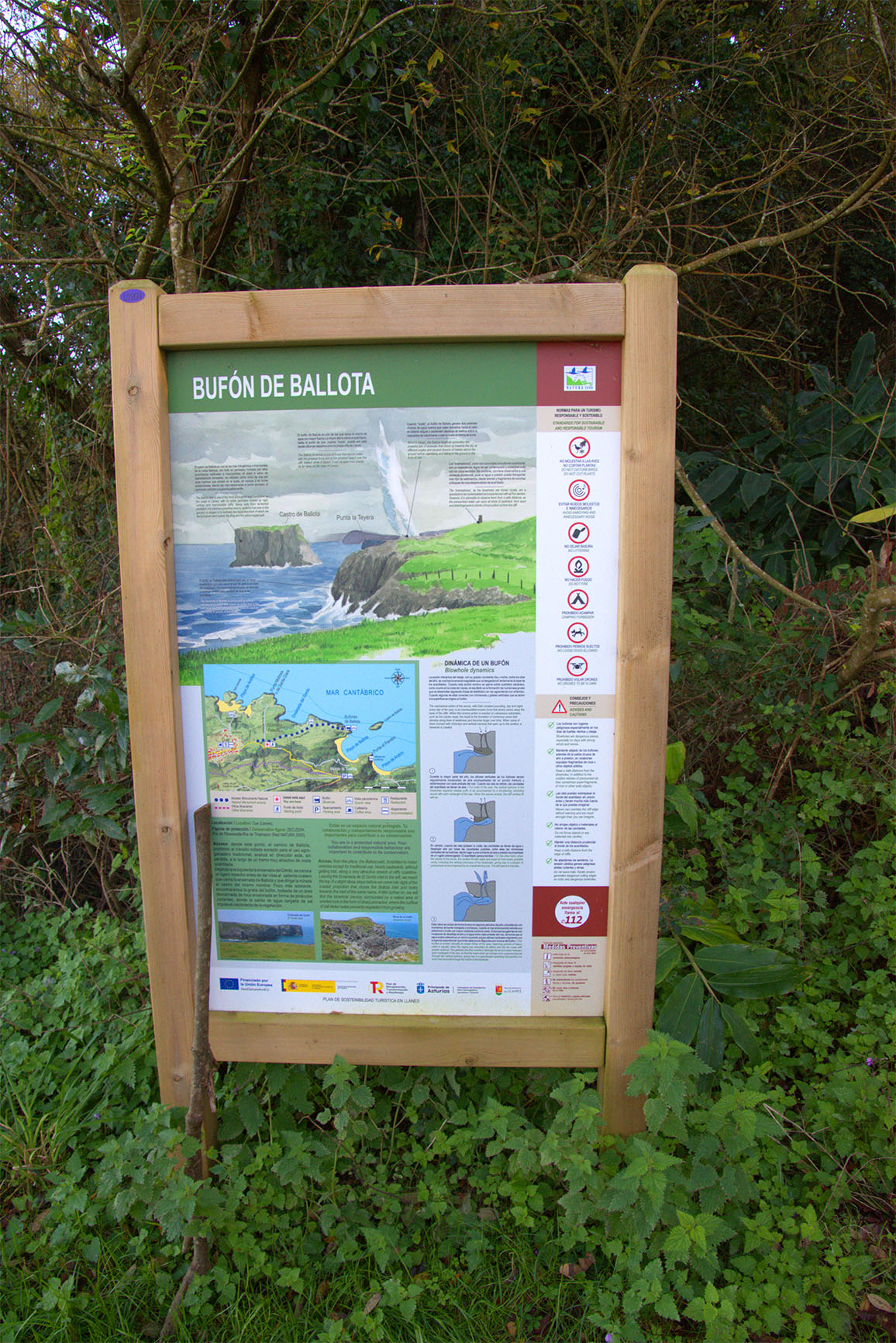
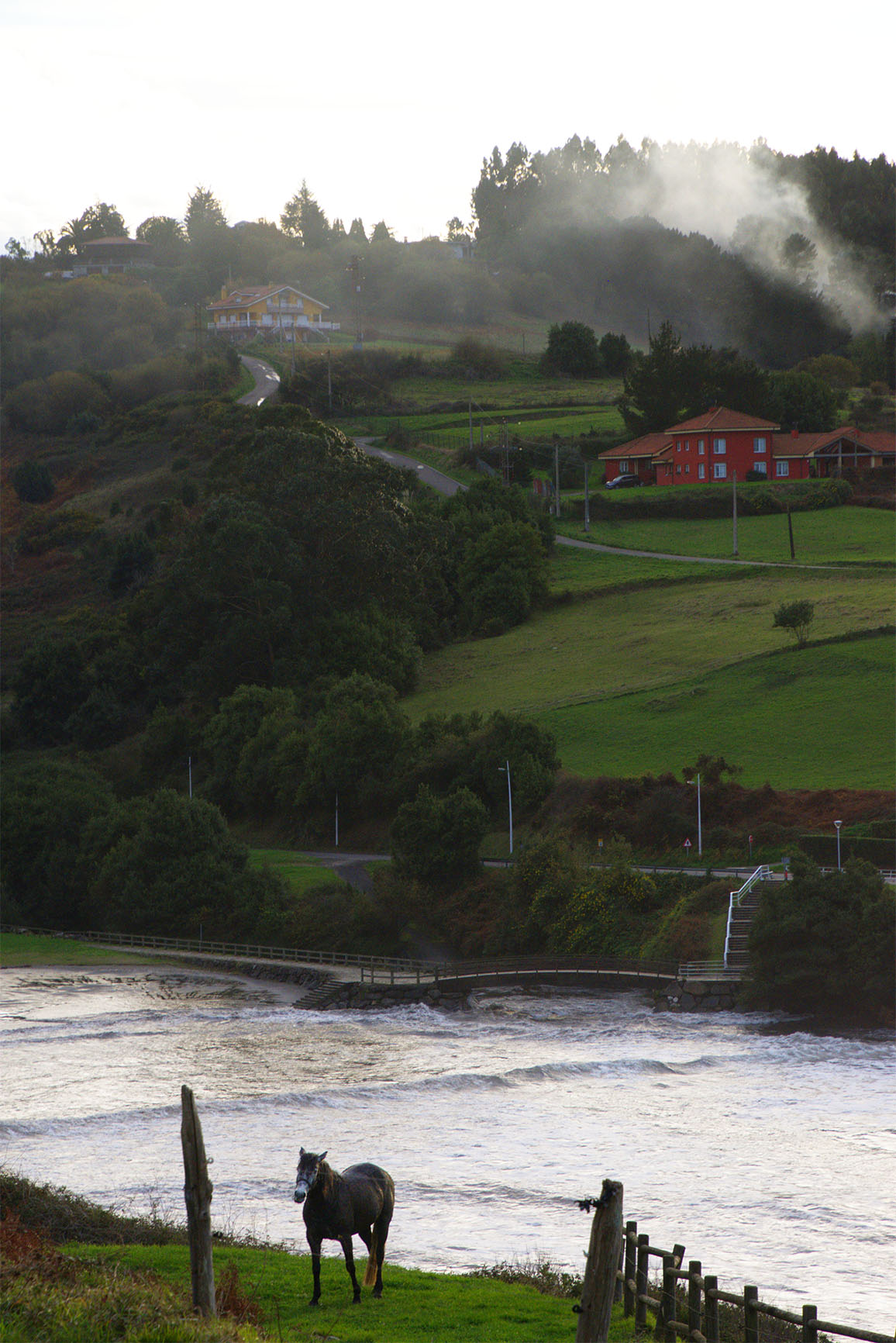
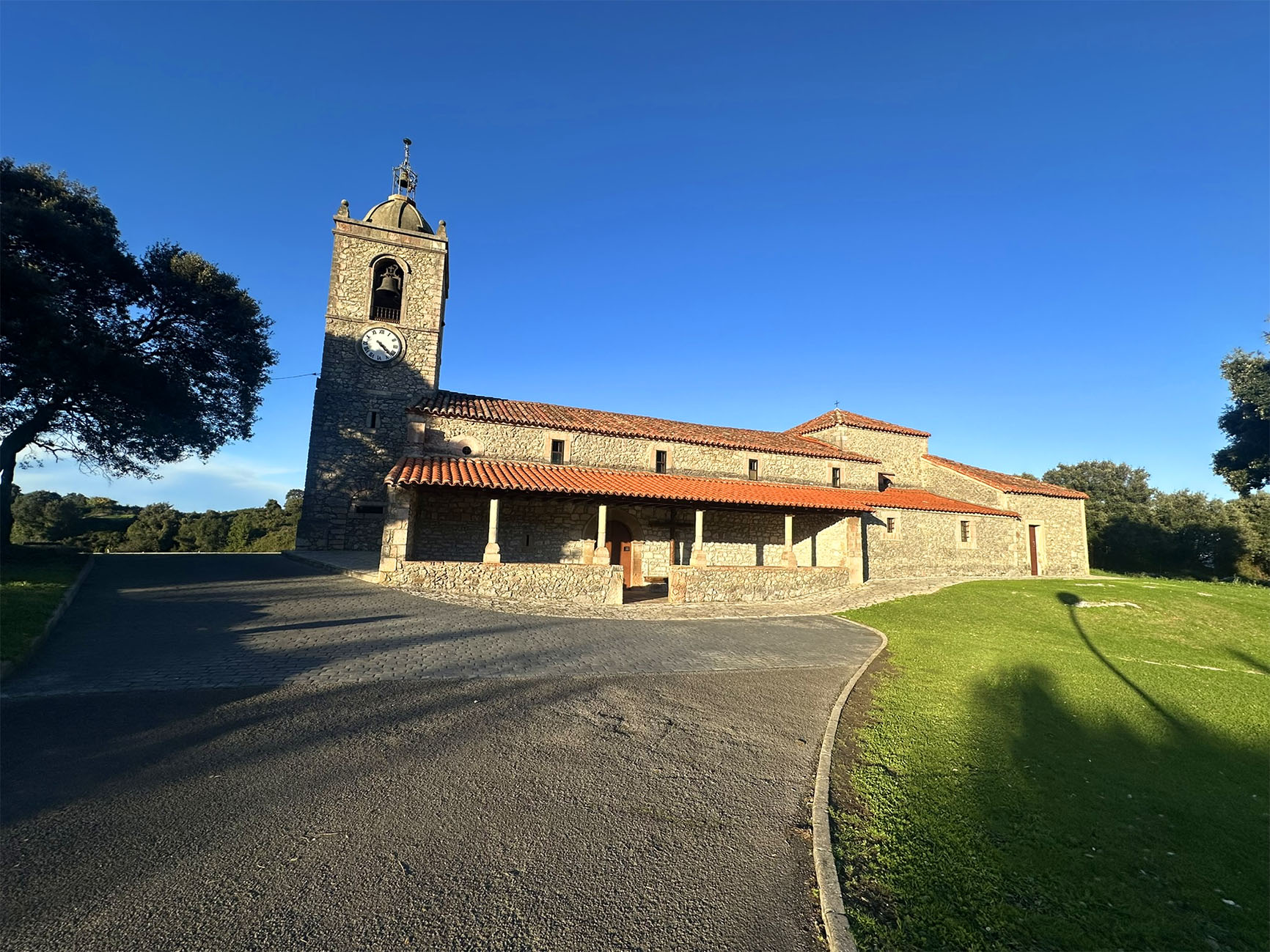
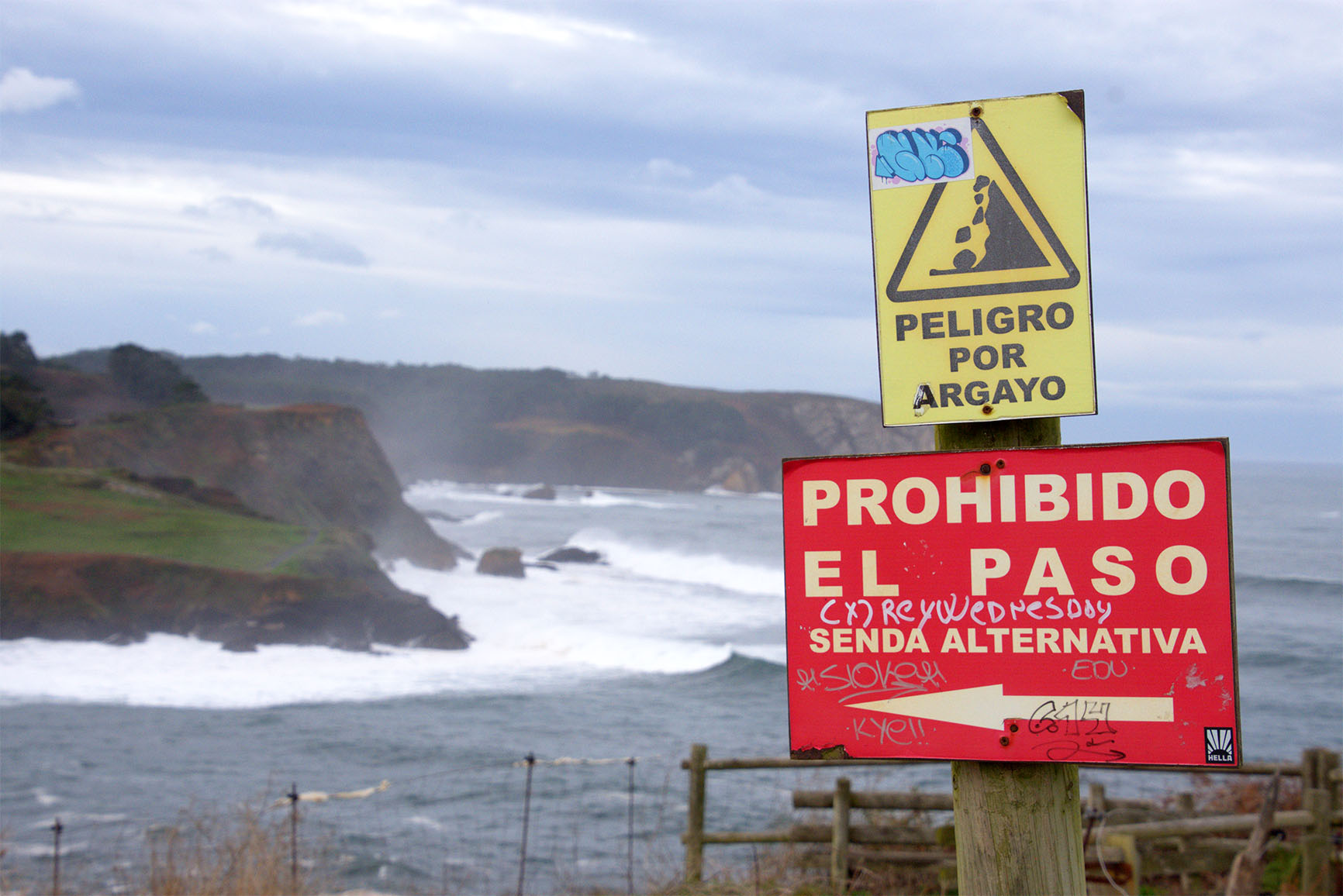
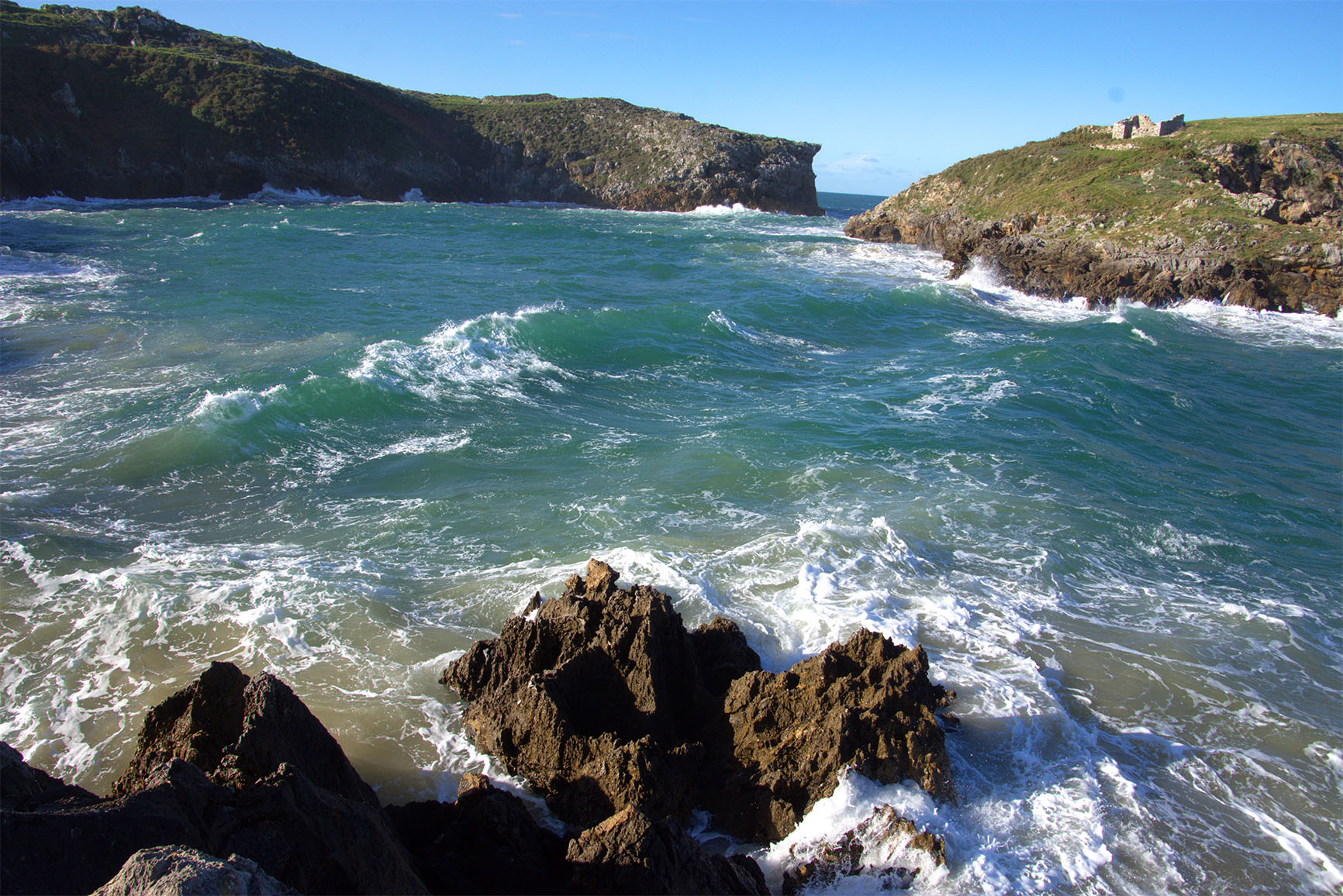
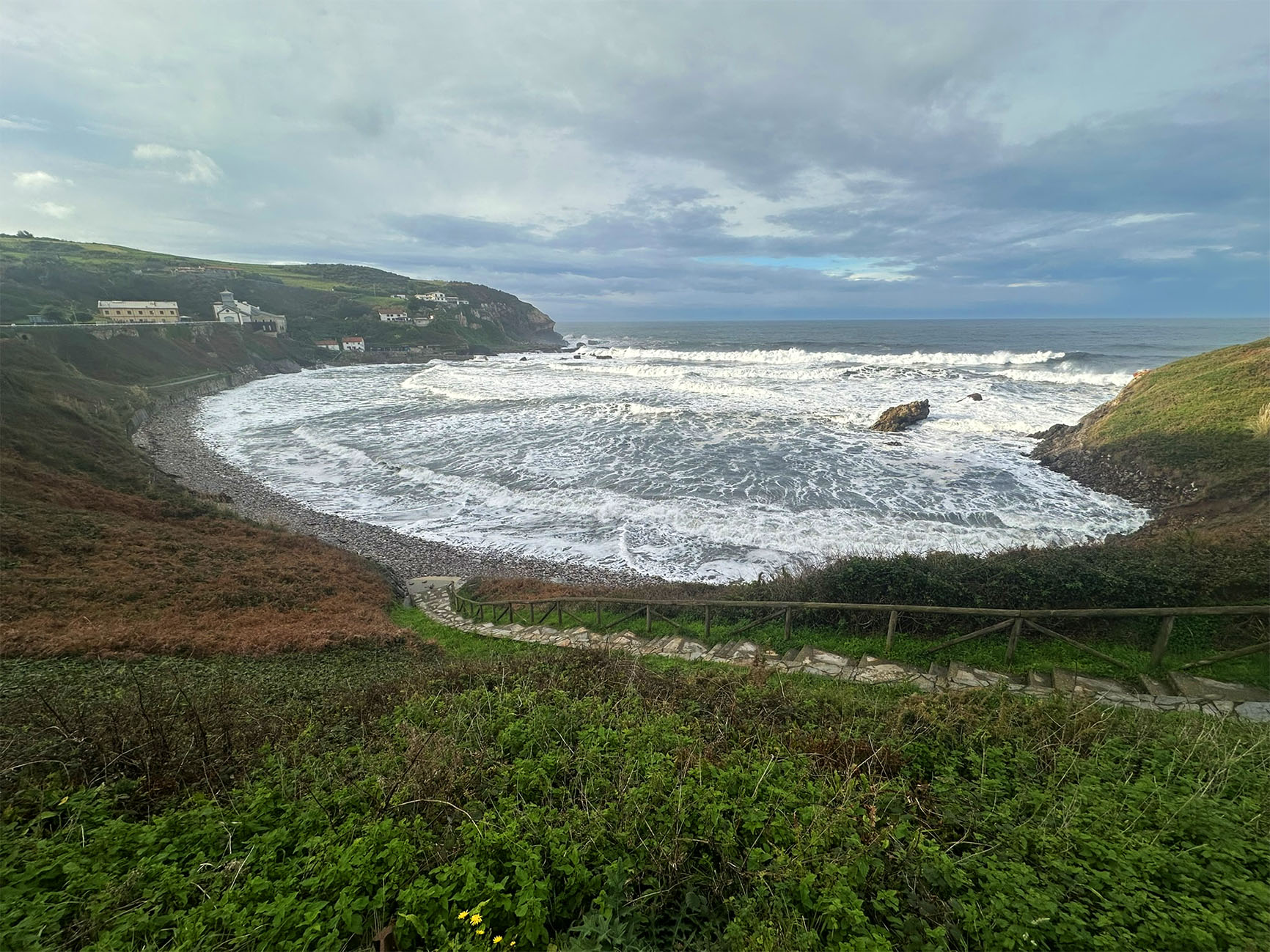
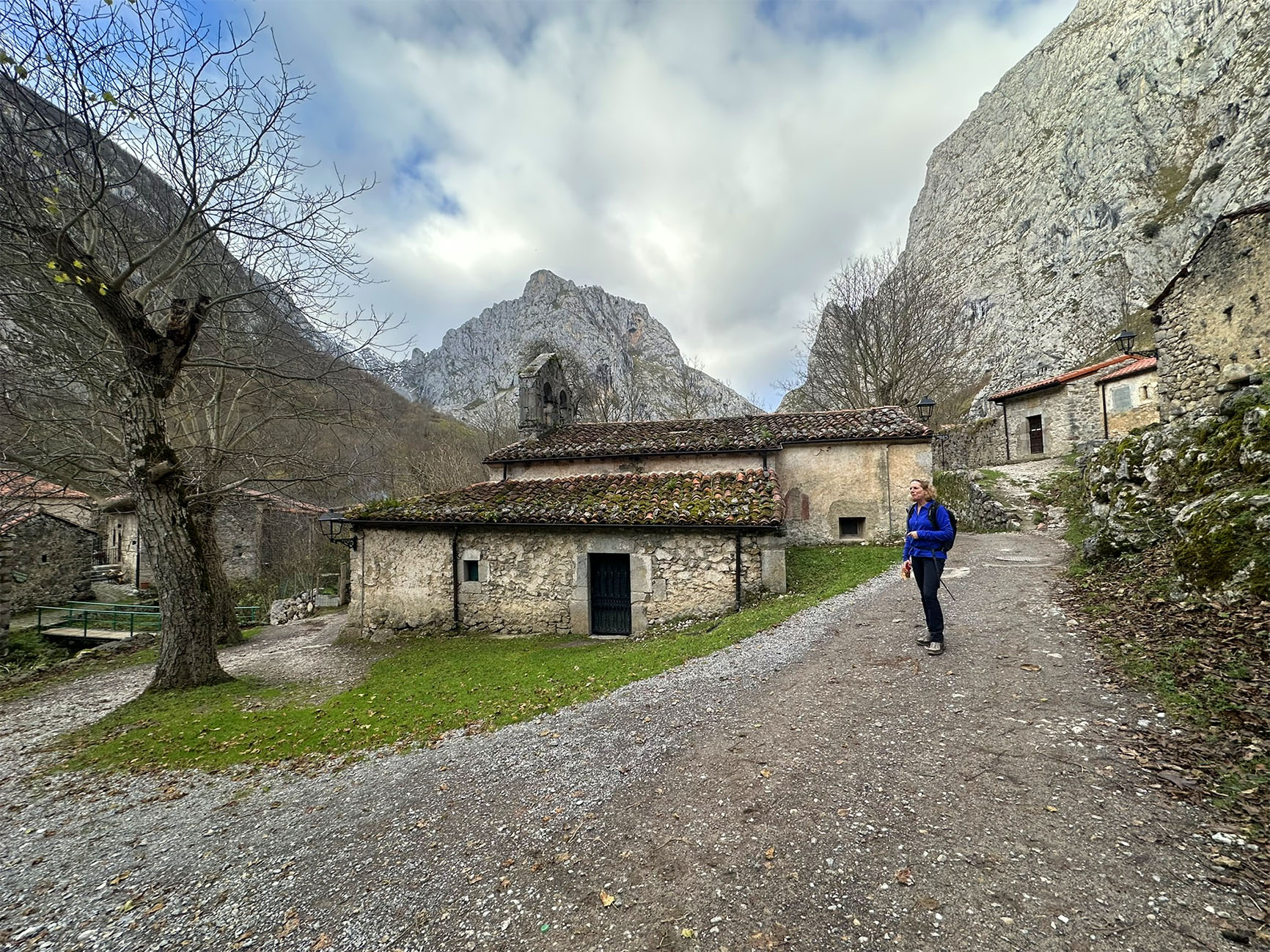
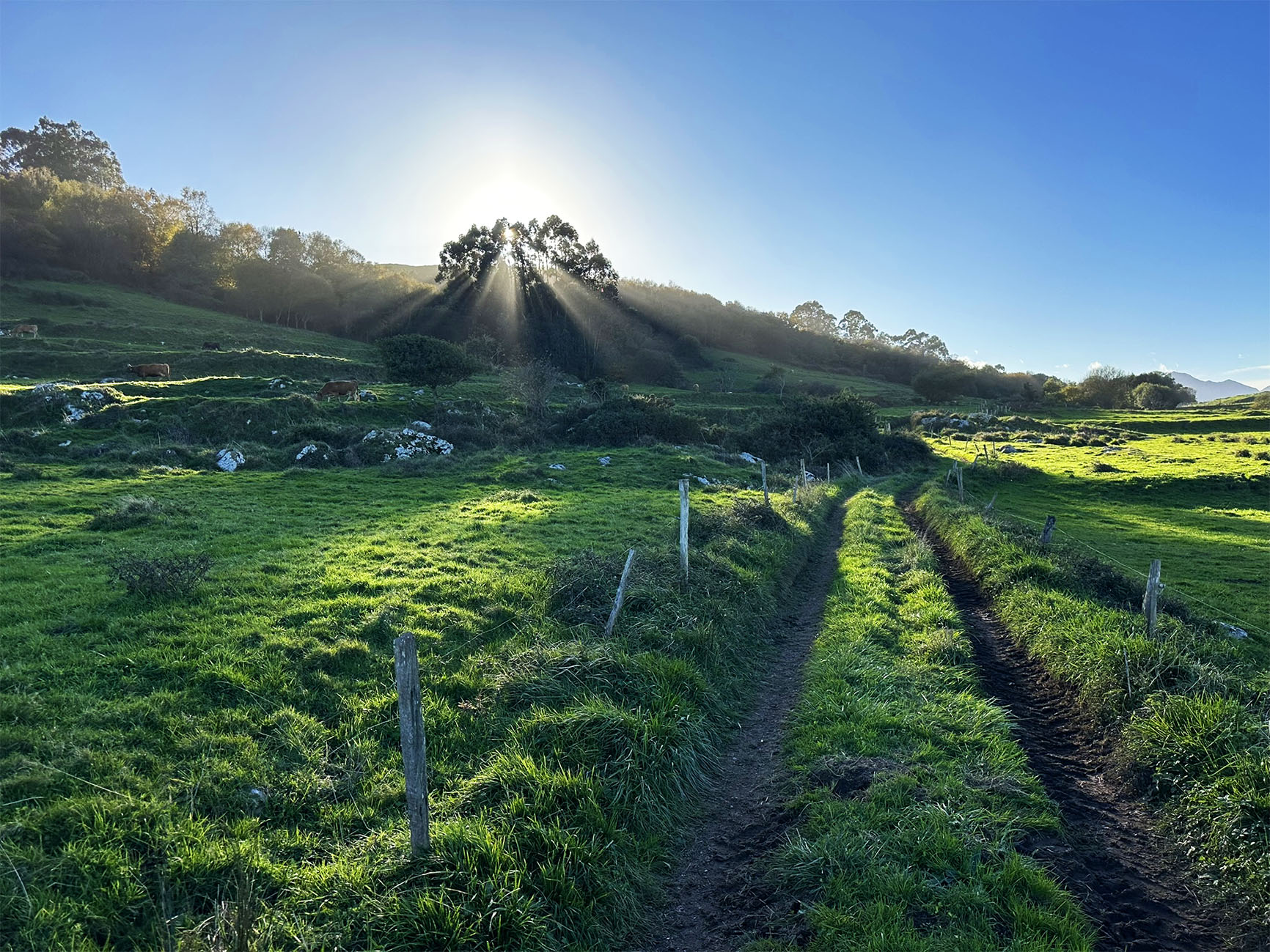
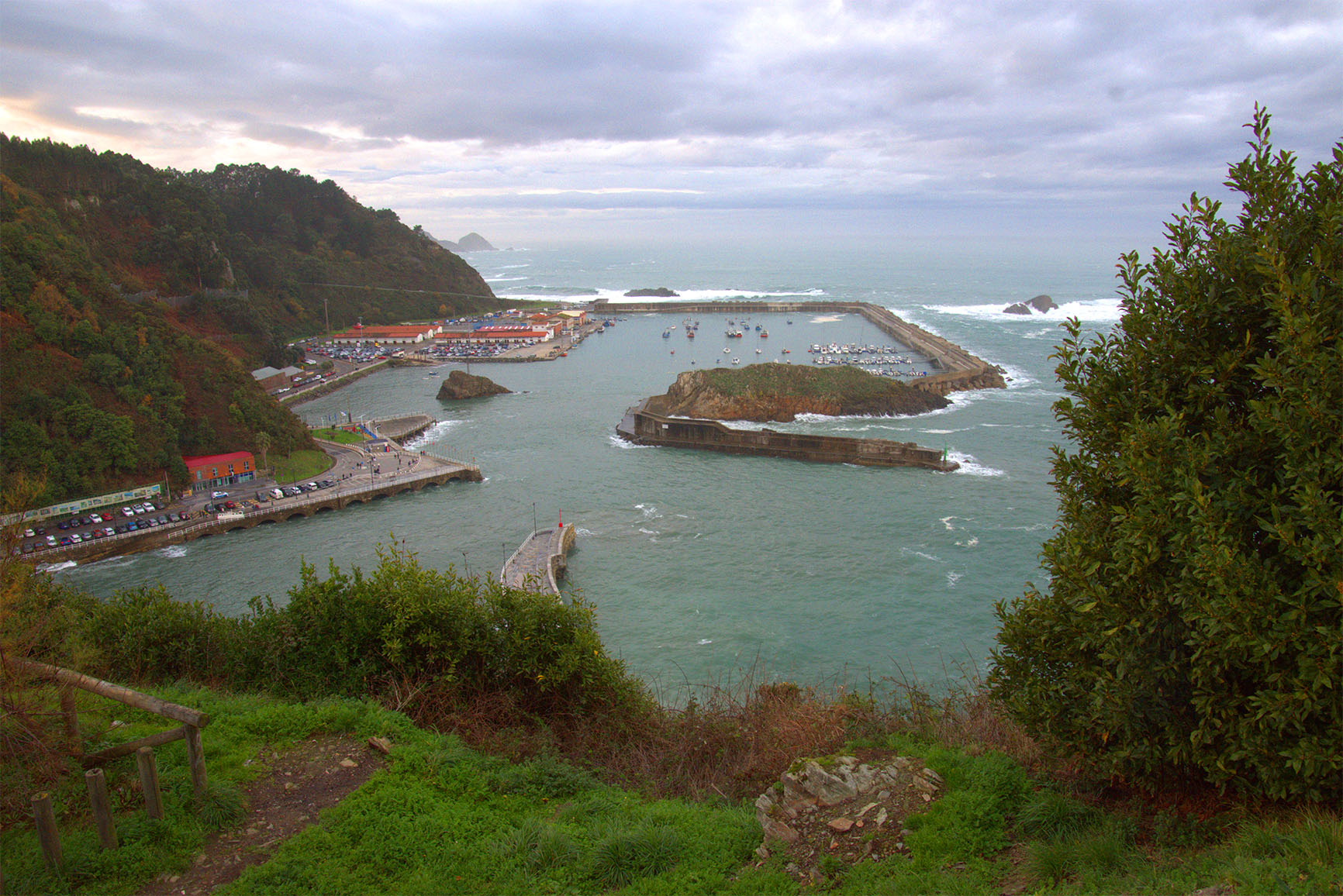
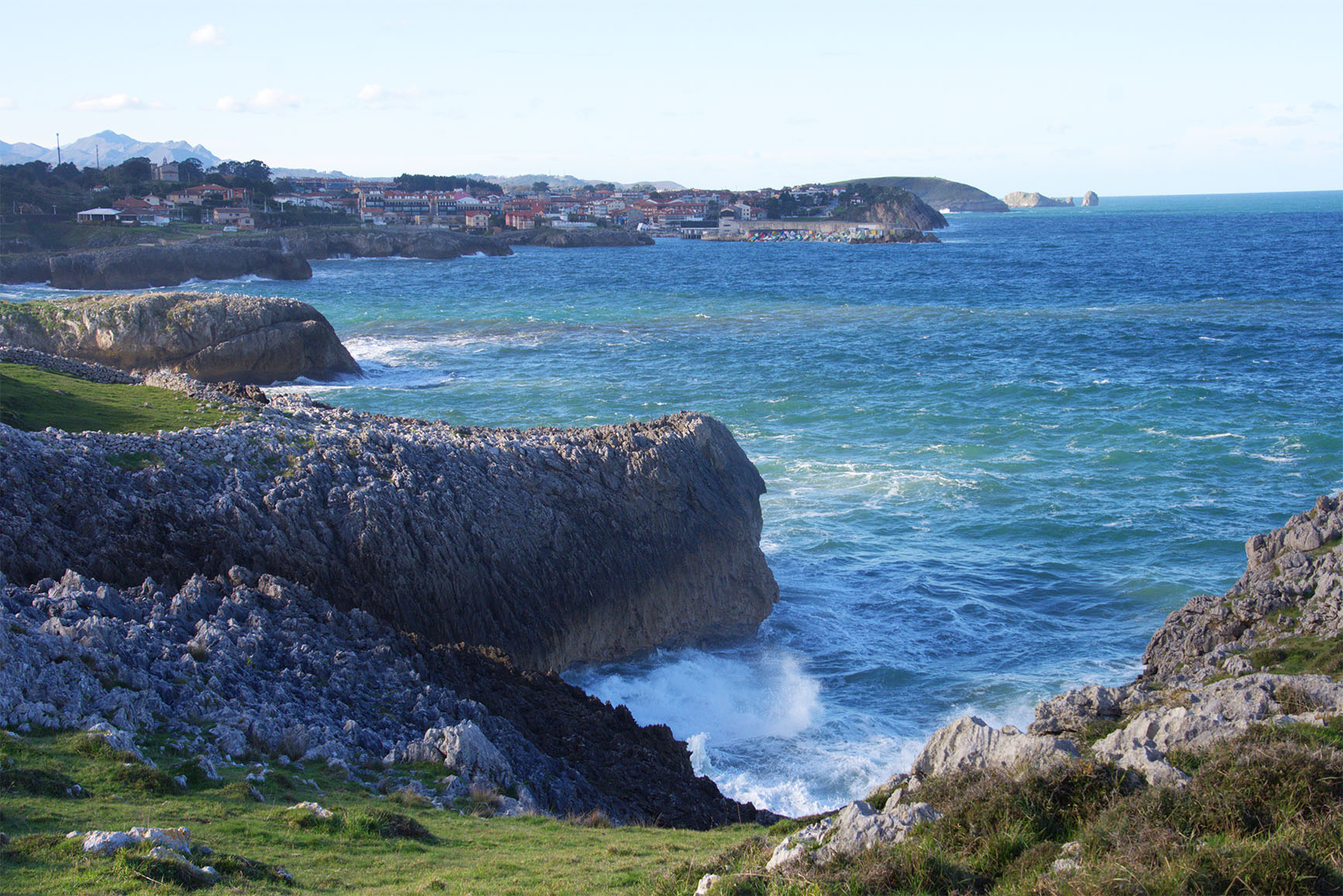
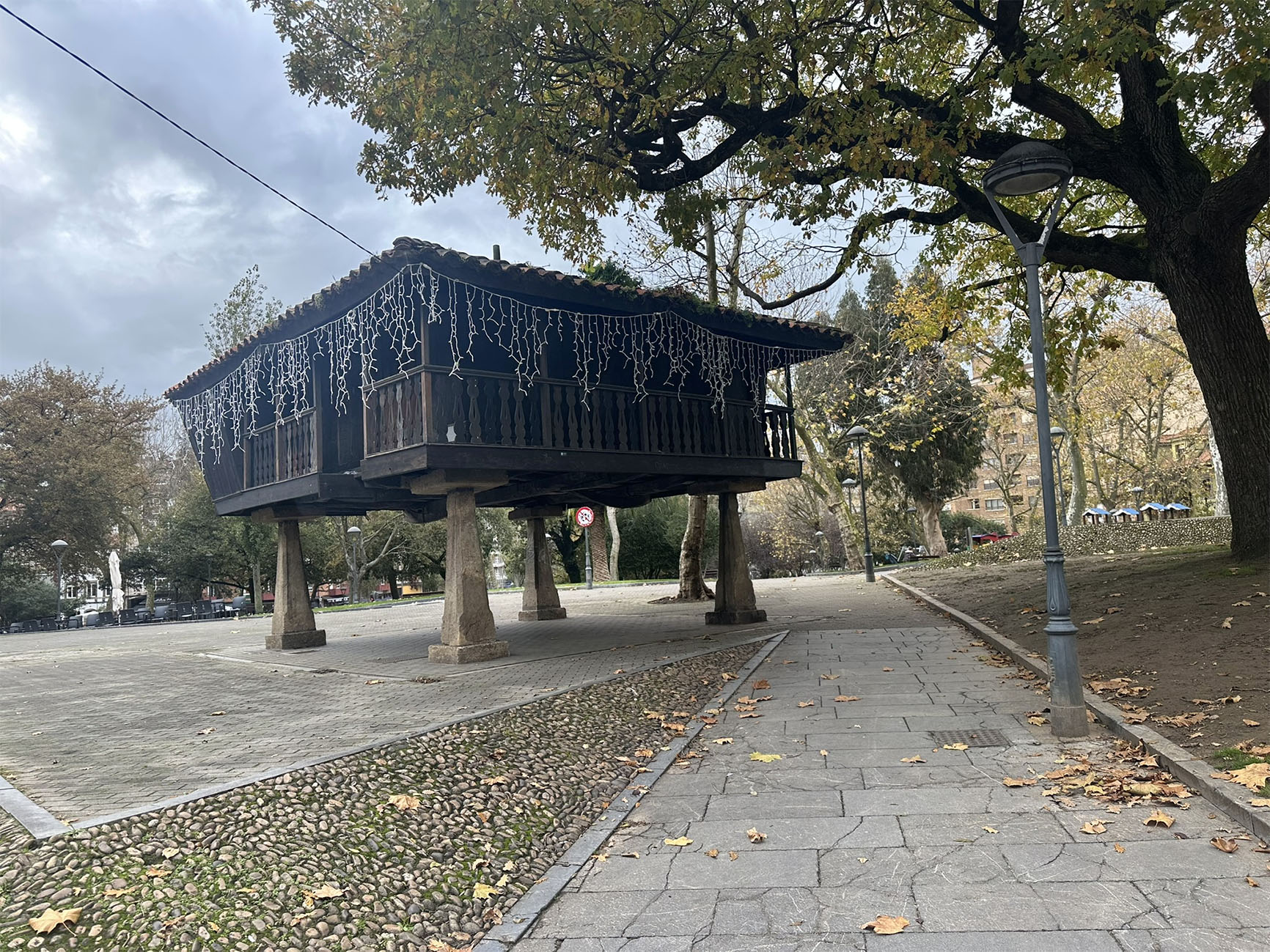
The province’s coastal edge is particularly striking: cliffs, blowholes, narrow inlets and small fishing ports sit along a shoreline that still feels largely undeveloped. Inland from the sea, the scenery changes almost immediately into a patchwork of meadows, small farms, chestnut groves and traditional stone hamlets, all connected by narrow lanes that follow up to the contours of the hills. This rural middle zone is where much of Asturias’ cultural identity is anchored, with horreos, cider houses and long‑established agricultural practices still shaping daily life.
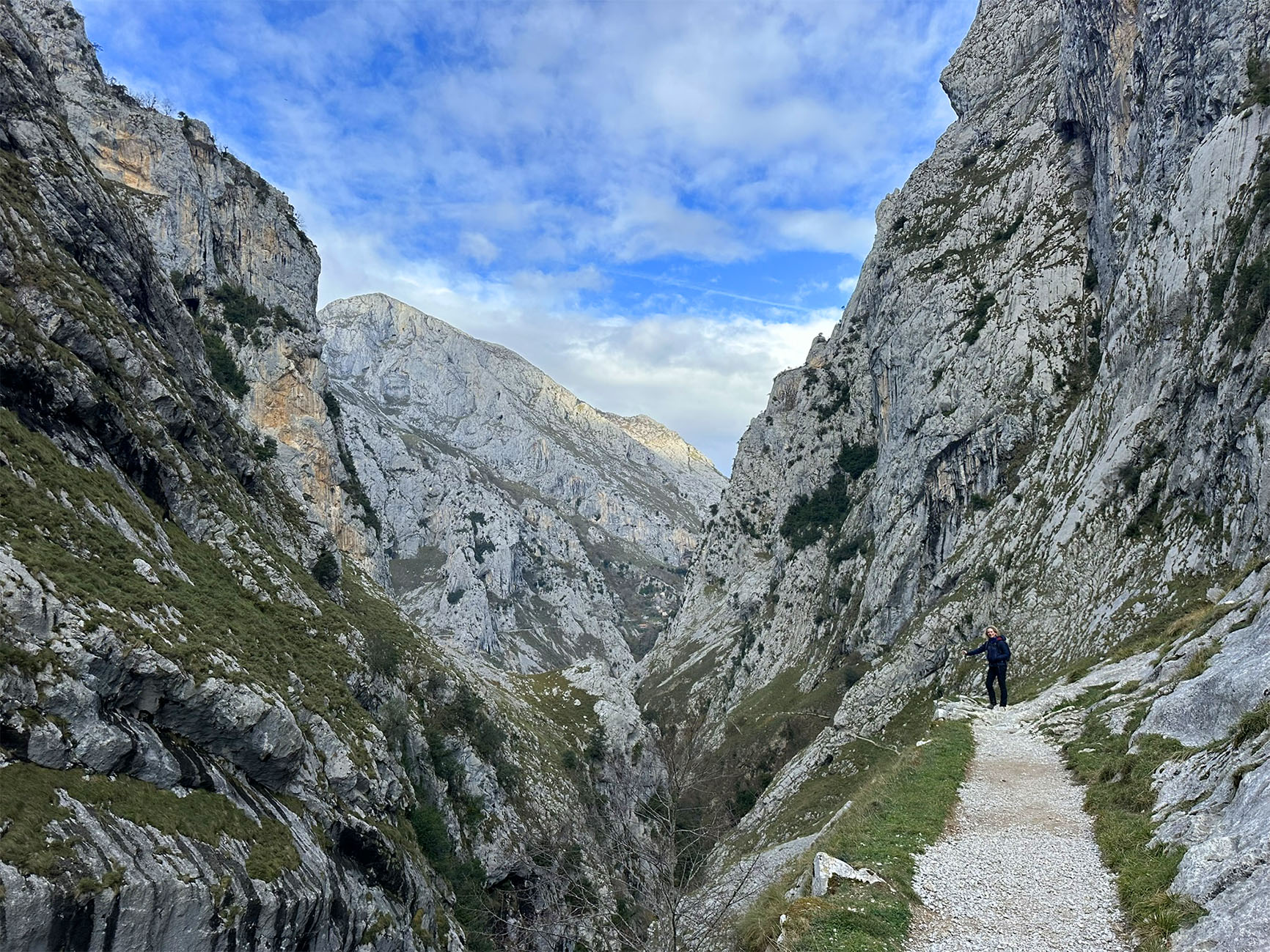
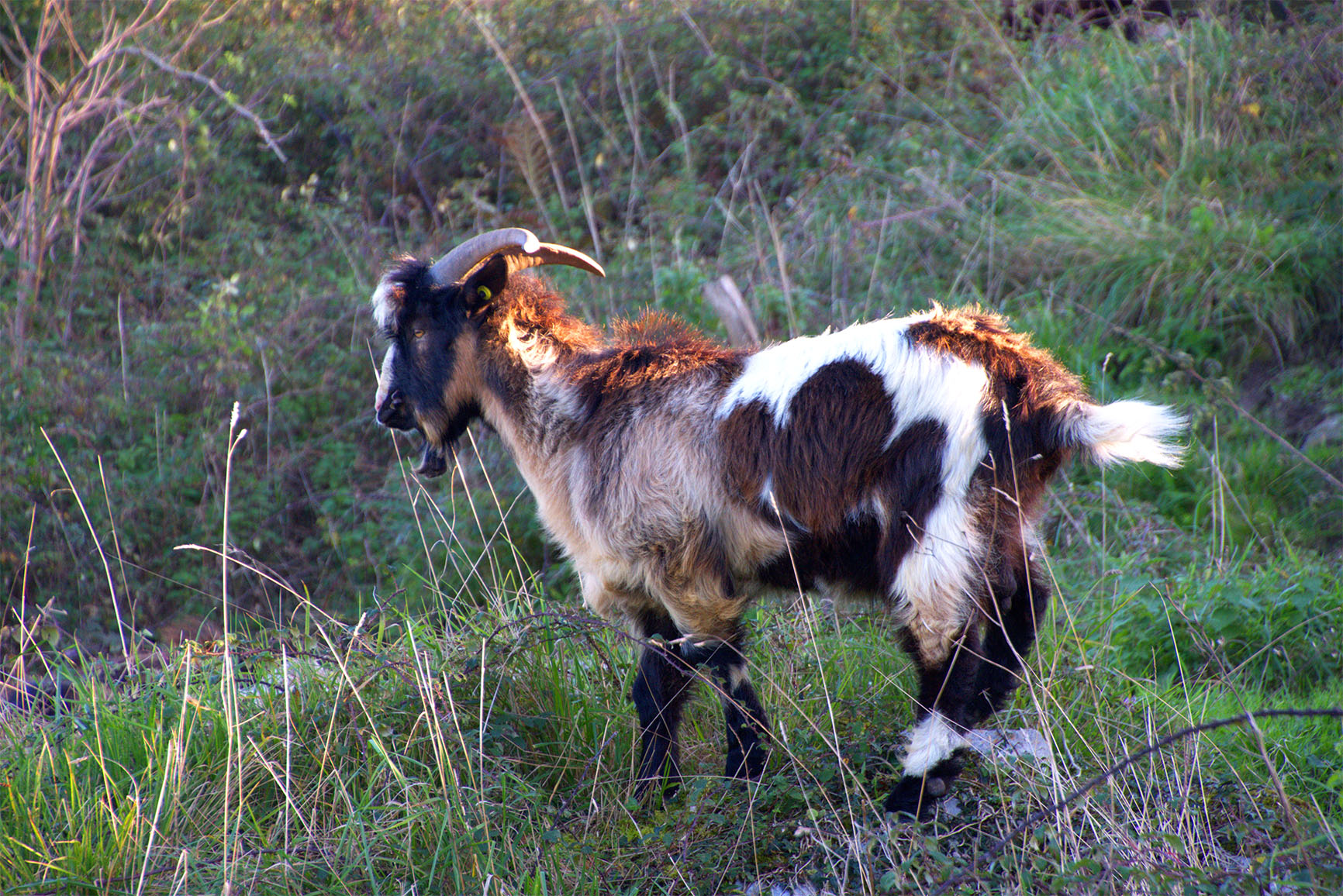
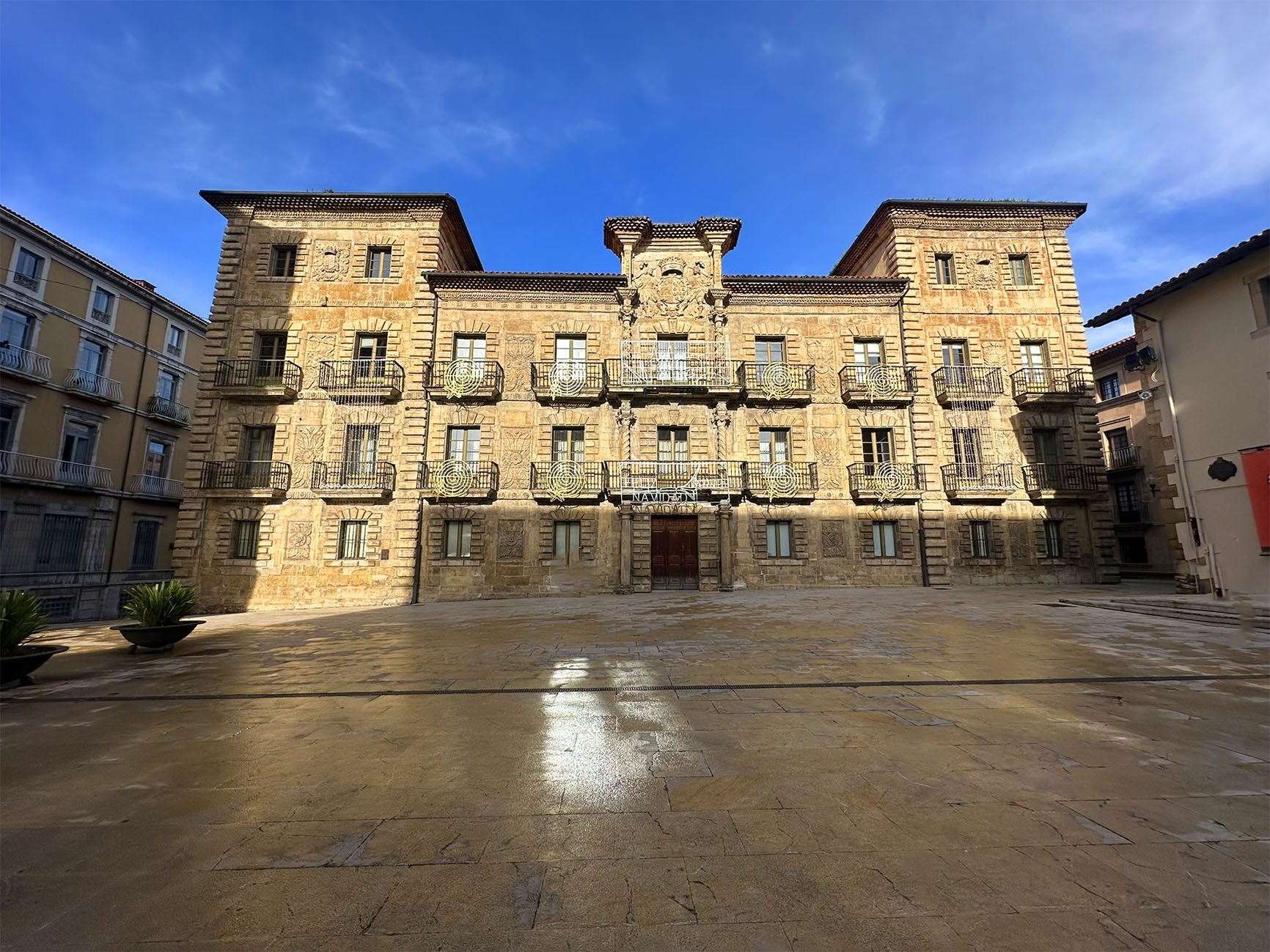
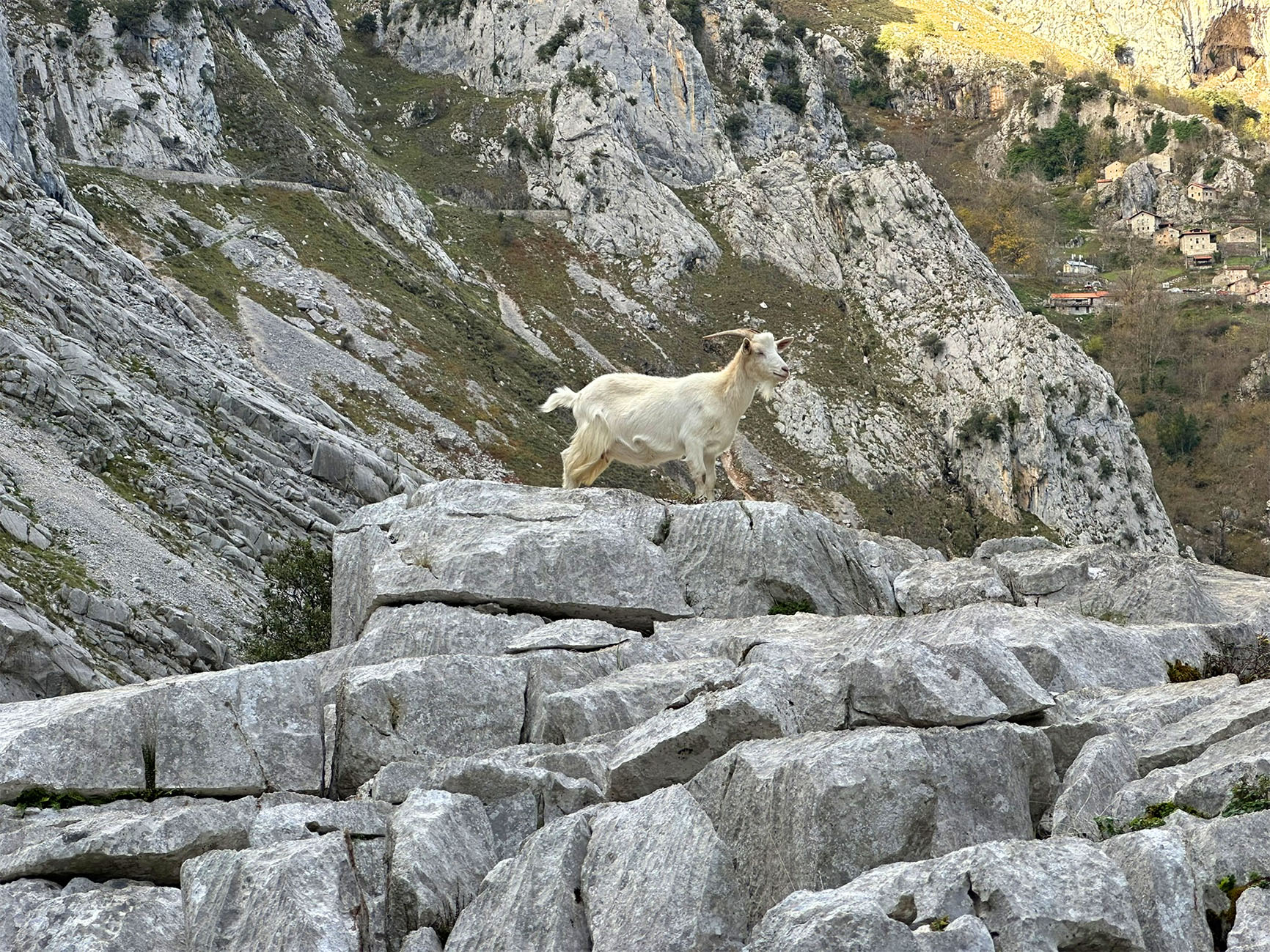
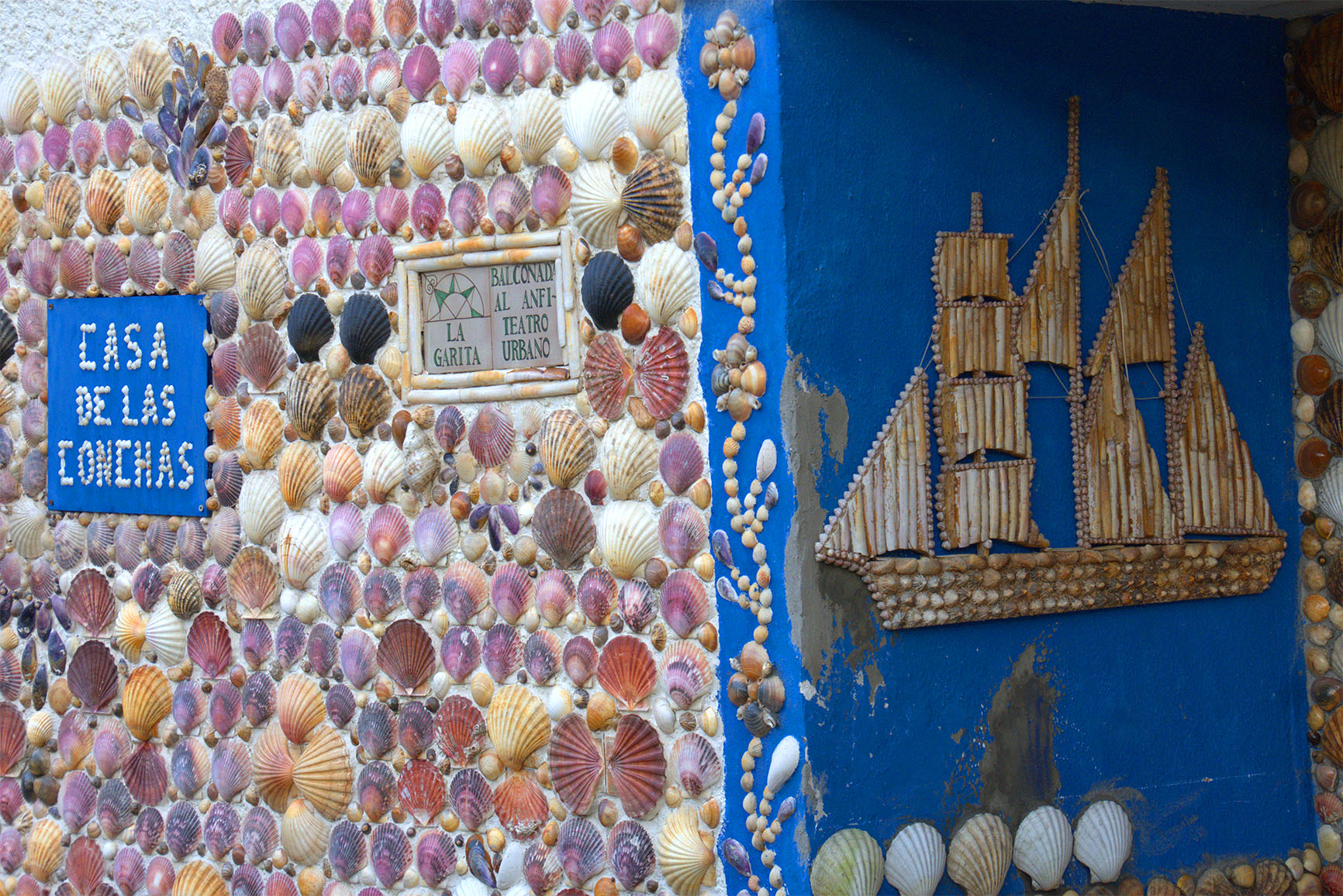
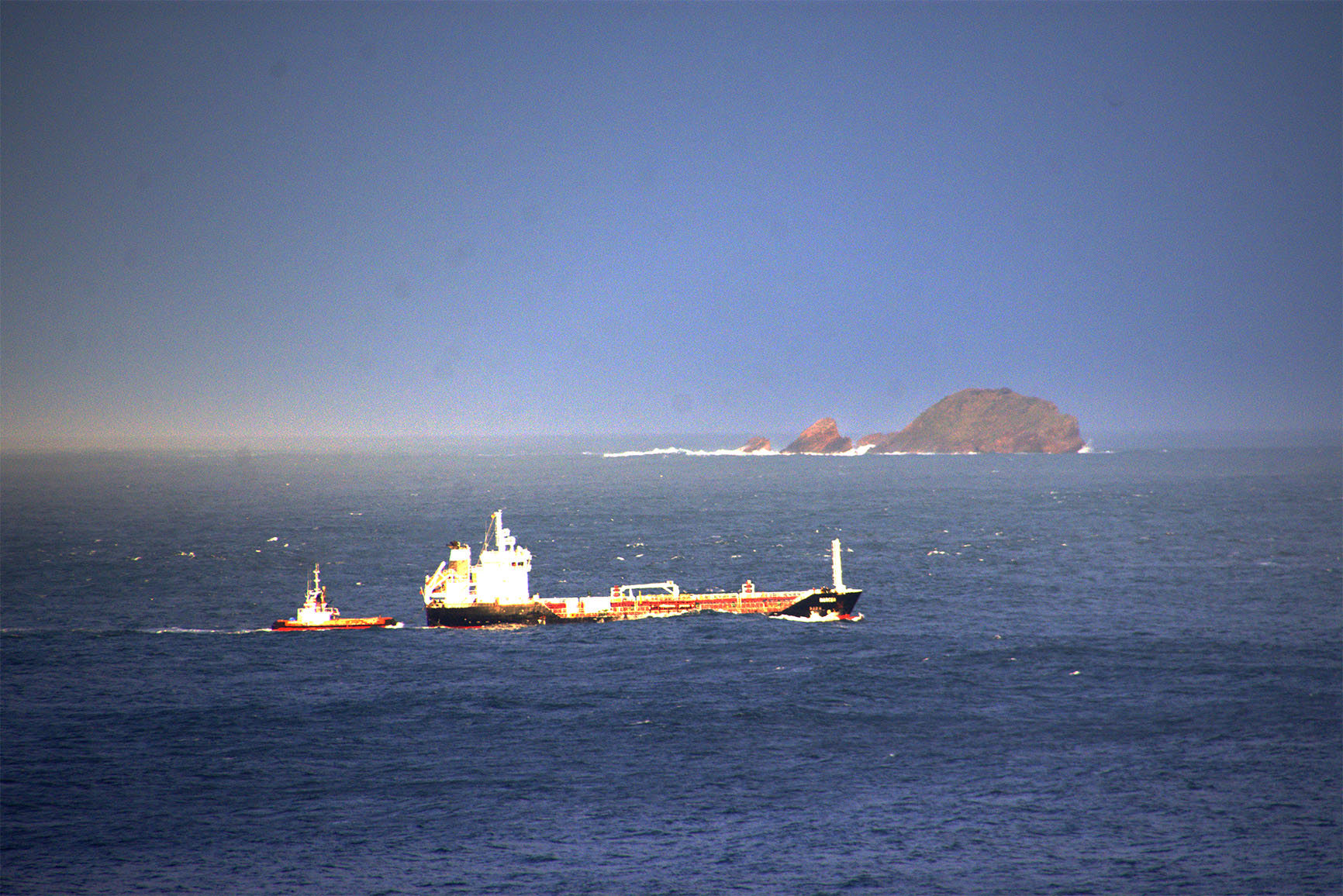
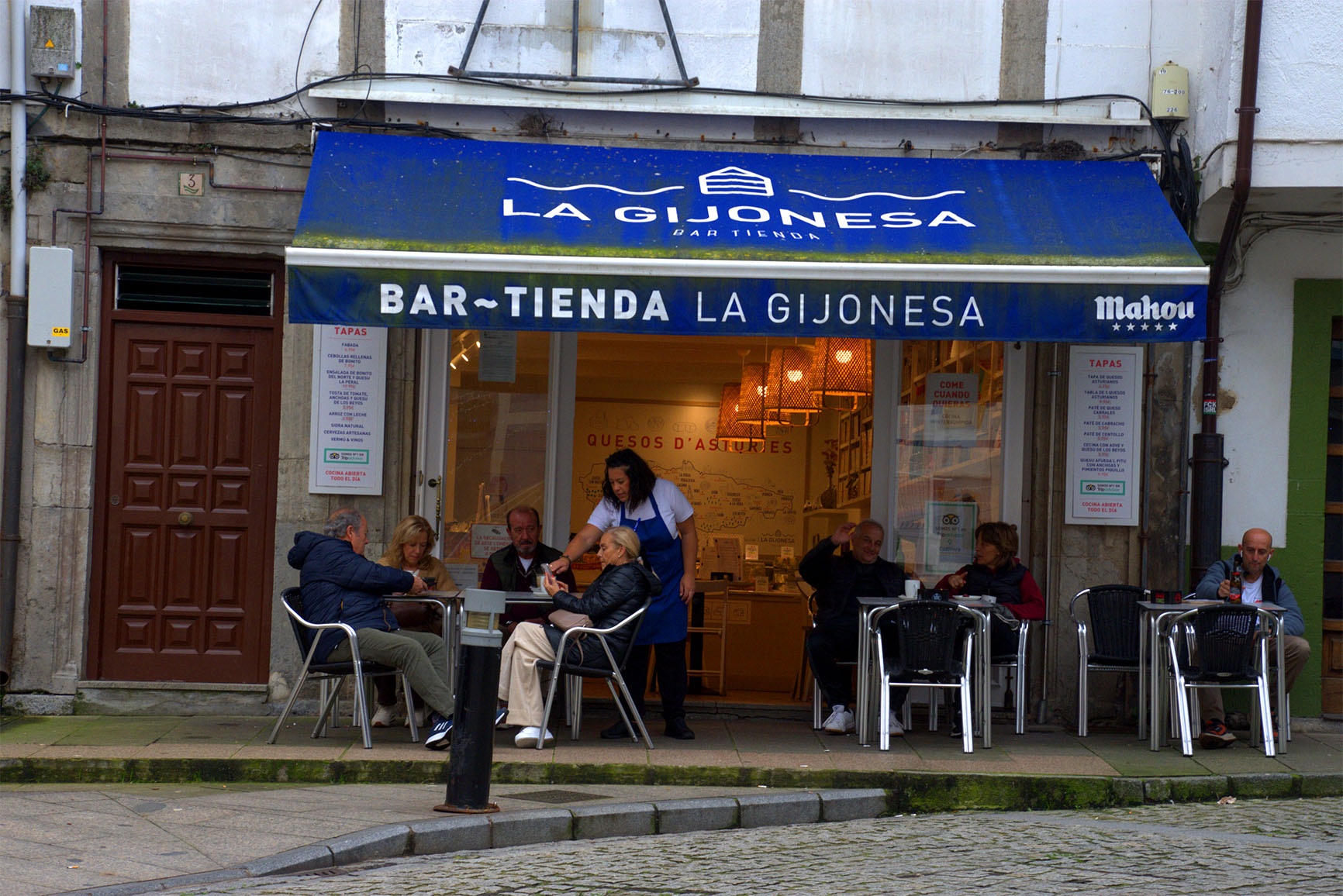
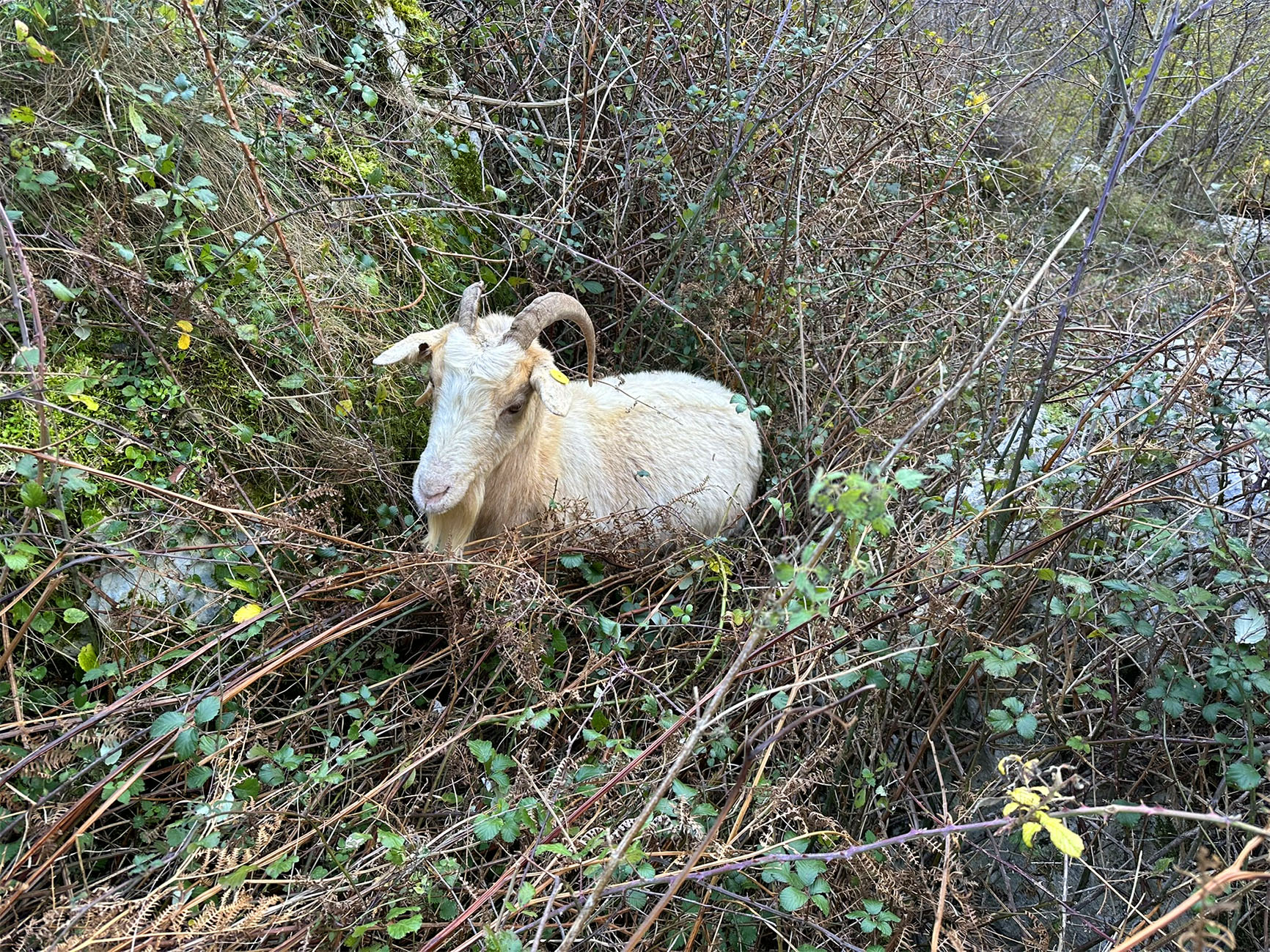
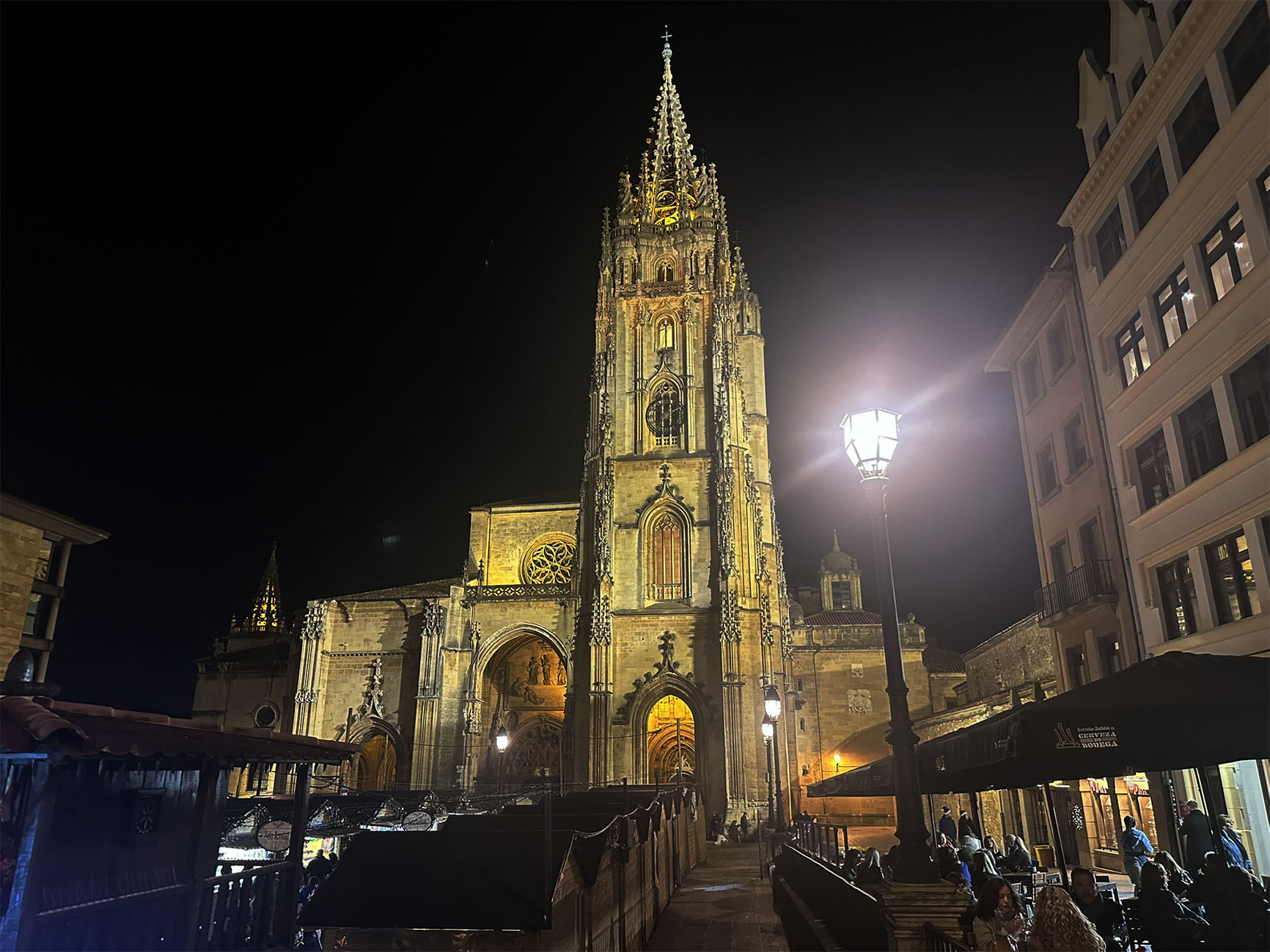
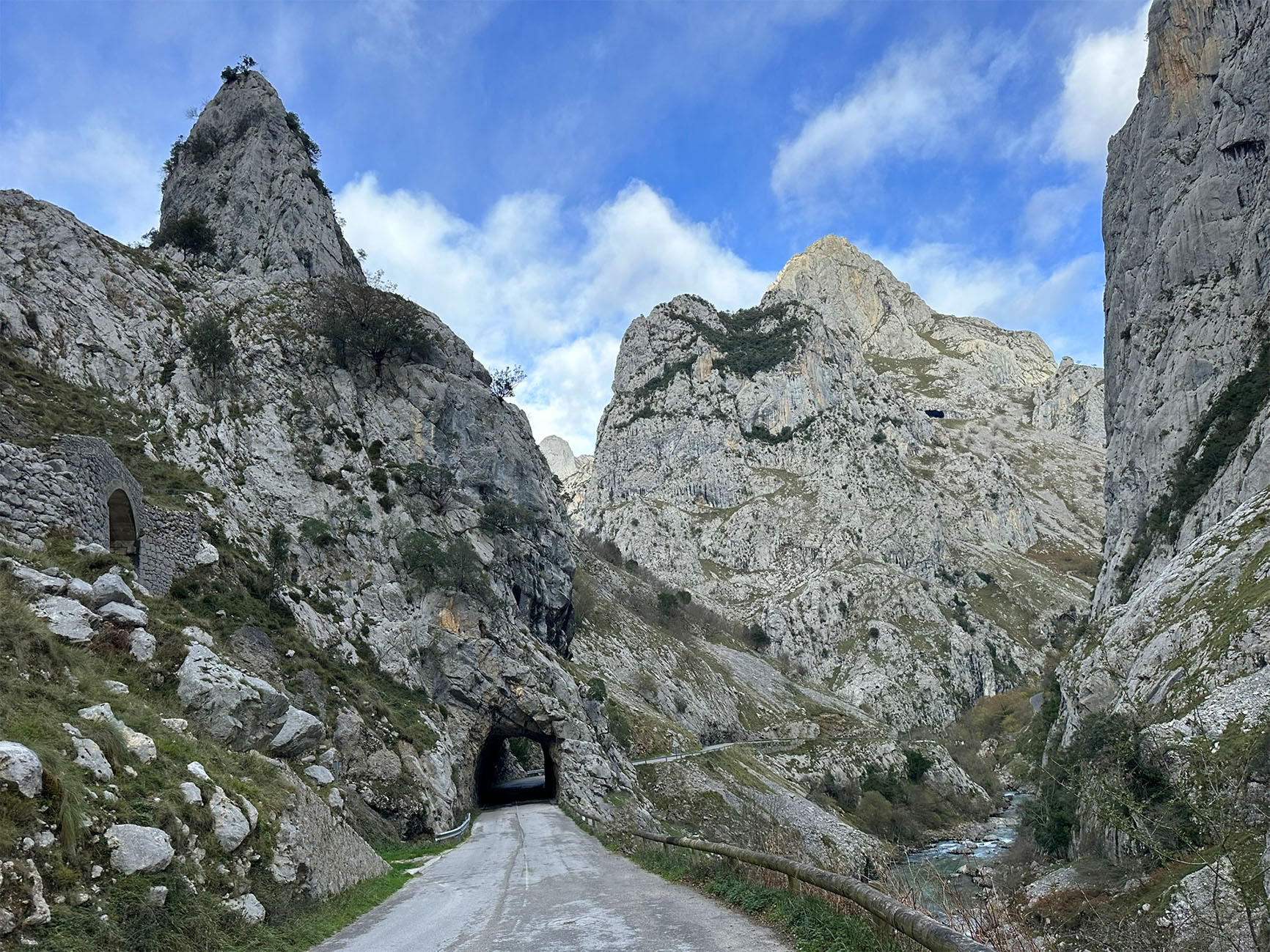
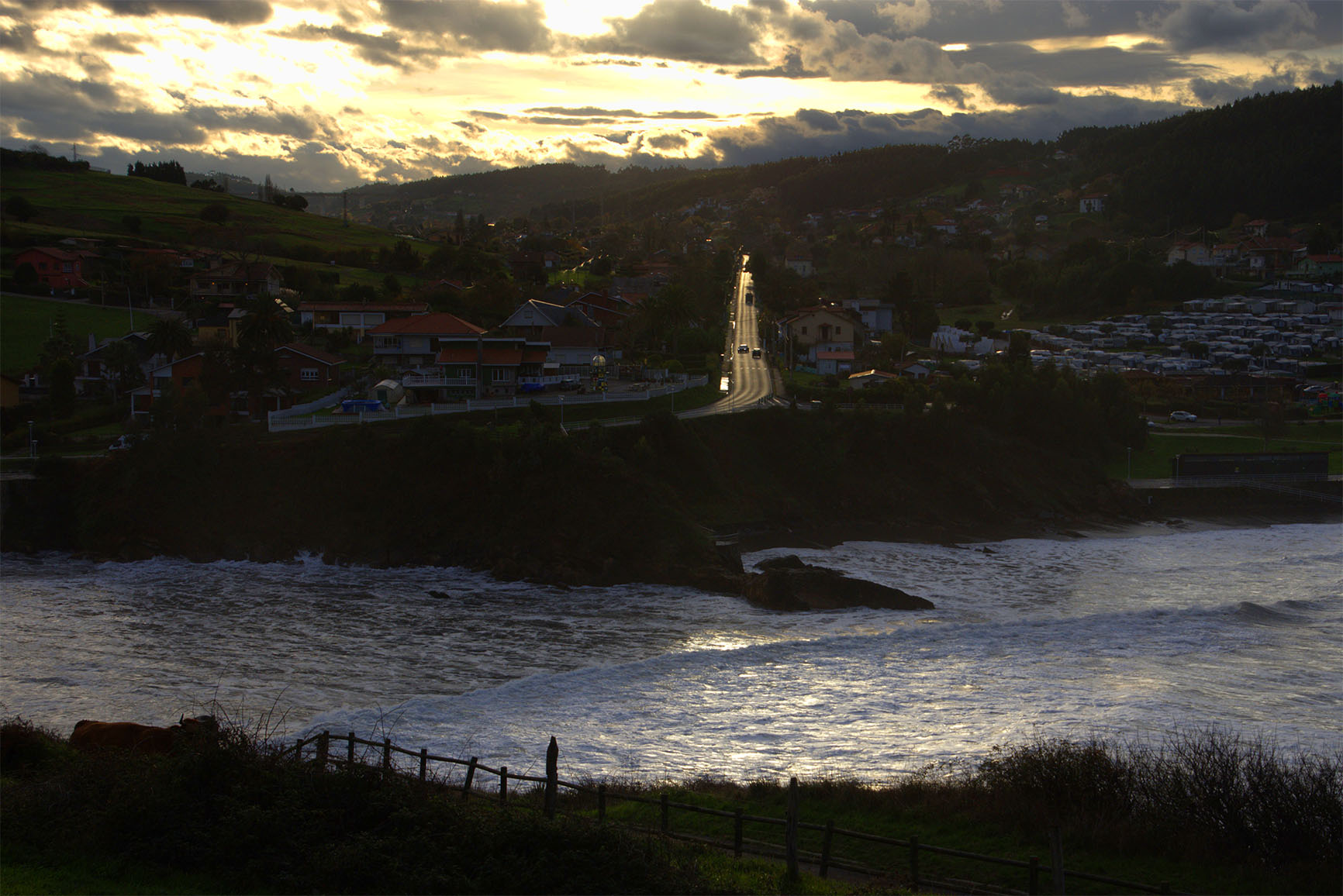
As highlighted in my photos, the scenery is ever-changing. As, further south, the land rises sharply into the Picos de Europa, whose limestone peaks form one of the most dramatic mountain ranges in the Iberian Peninsula. The transition from lowland pasture to high alpine terrain happens quickly: beech and oak forests give way to steep gorges, exposed ridgelines and high meadows used for seasonal grazing. Wildlife moves freely across these zones, with roe deer, wild boar and Iberian wolves inhabiting the forests and uplands, while griffon vultures, golden eagles and peregrine falcons dominate the skies. Along the coast, otters and dolphins add to the region’s ecological diversity.
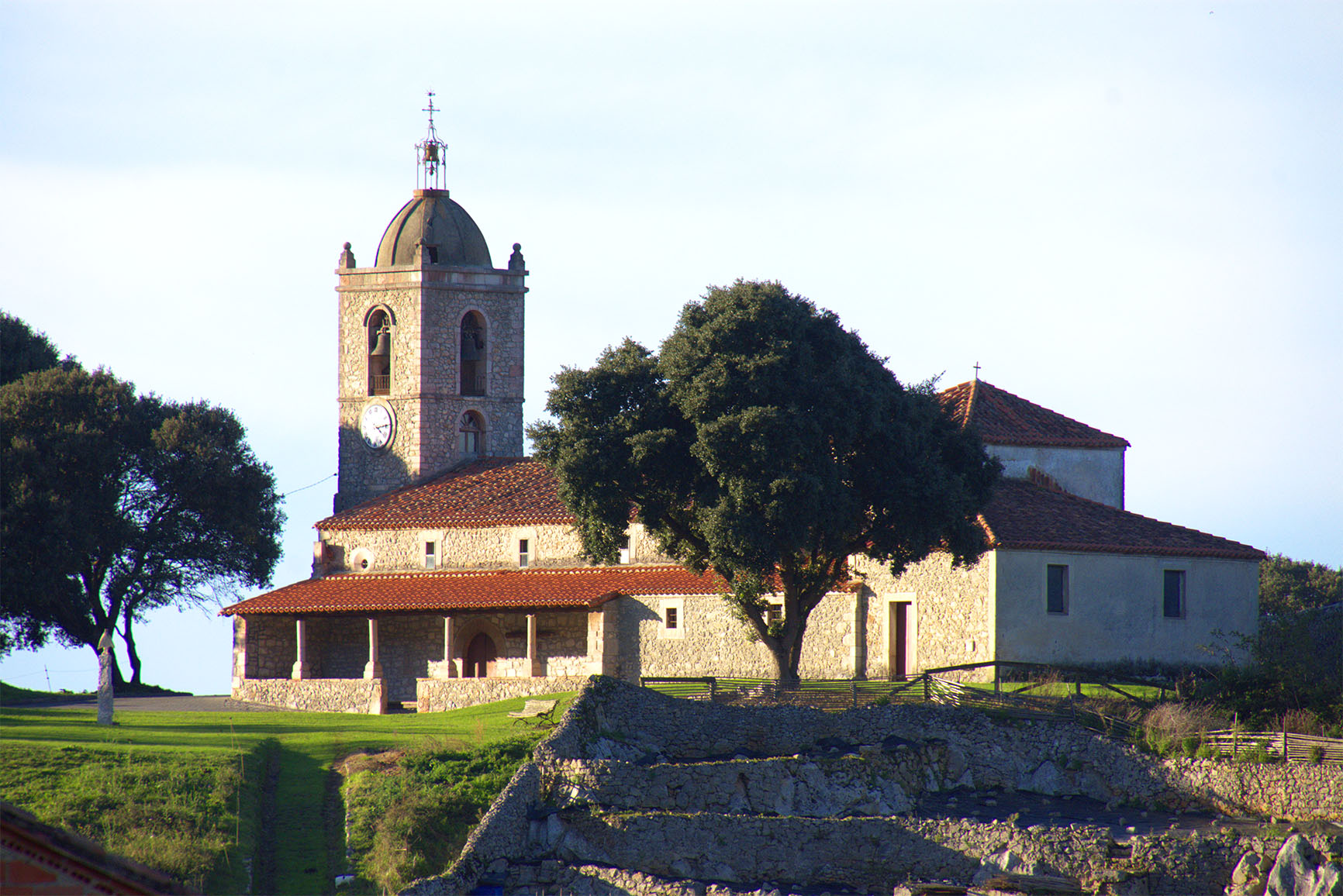
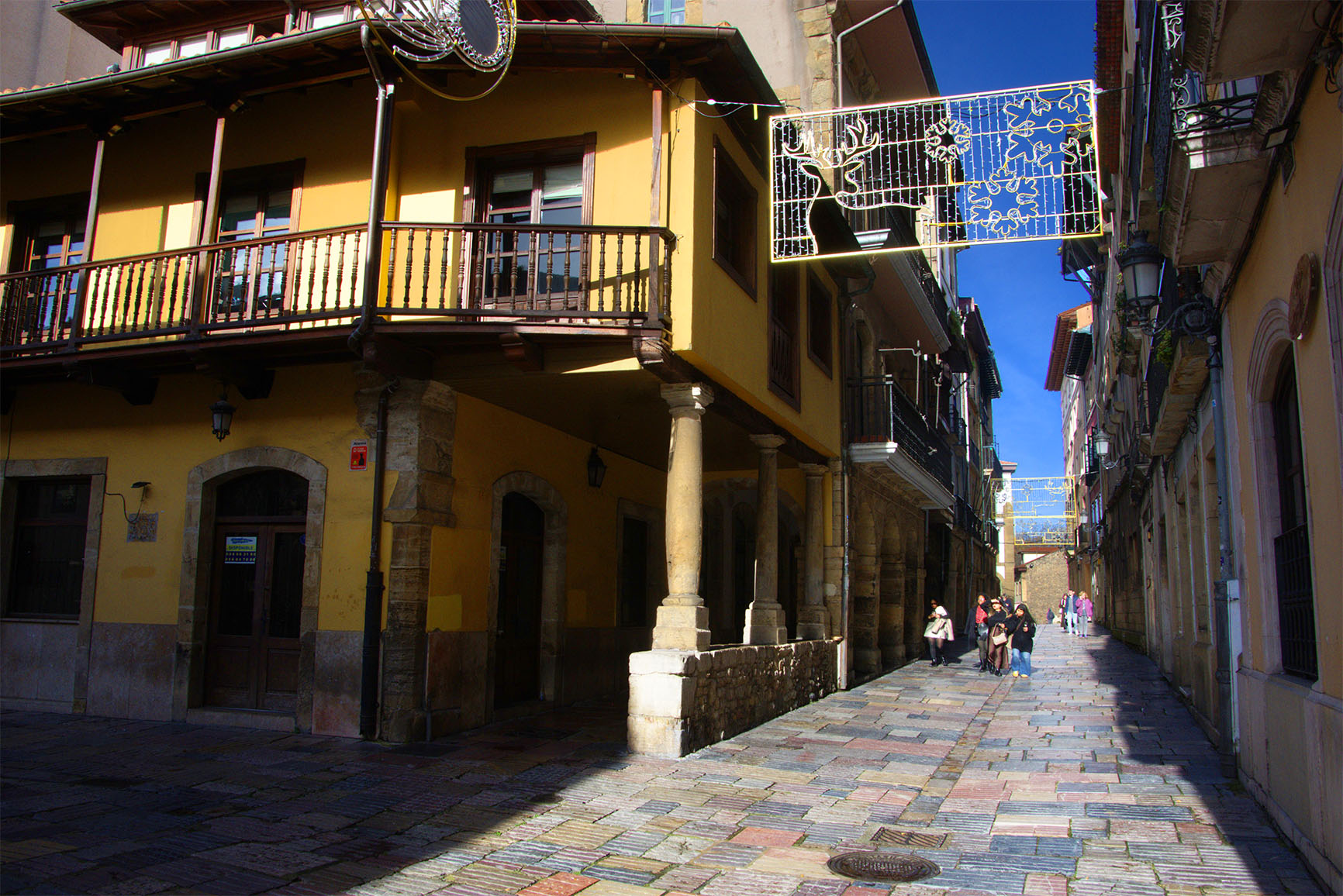
Asturias’ cultural landscape is equally distinctive. The province’s relative isolation has preserved a strong regional identity, visible in its architecture, food traditions and seasonal festivals. Cider production remains central, and many villages still follow long‑standing agricultural rhythms. The combination of rugged coast, rural interior and high mountains gives Asturias a sense of continuity between land and culture that is increasingly rare in western Europe.
This varied setting is also what makes the province such a compelling location for the 12 August 2026 Total Solar Eclipse. Asturias is the only populated region globally positioned to experience the eclipse at its point of maximum totality. For several minutes, the sun will be completely obscured, casting the coastline, countryside and mountain peaks into an unusual and measurable darkness. The province’s low light pollution, open horizons and intact natural scenery make it exceptionally well suited to observing the event.
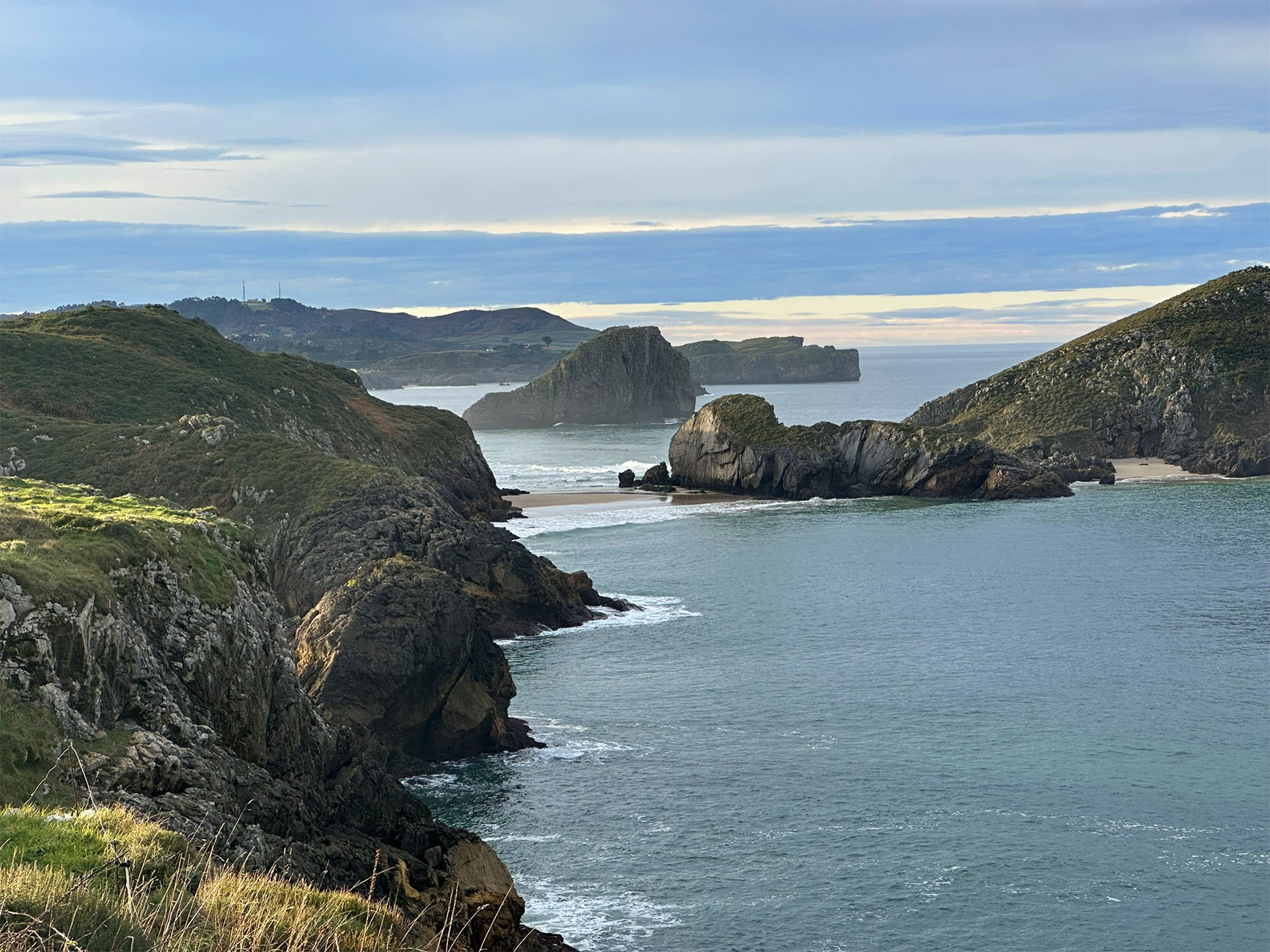
For visitors, the eclipse will unfold across a landscape that already offers exceptional contrasts – from the Atlantic cliffs to the rural valleys and the high Picos summits. Creating a rare combination of astronomical significance and environmental richness.
So, get planning an ‘away from it all’ northern Spanish escape.








Leave a Reply
Want to join the discussion?Feel free to contribute!