
Manhattan, New York – Bird’s Eye Views
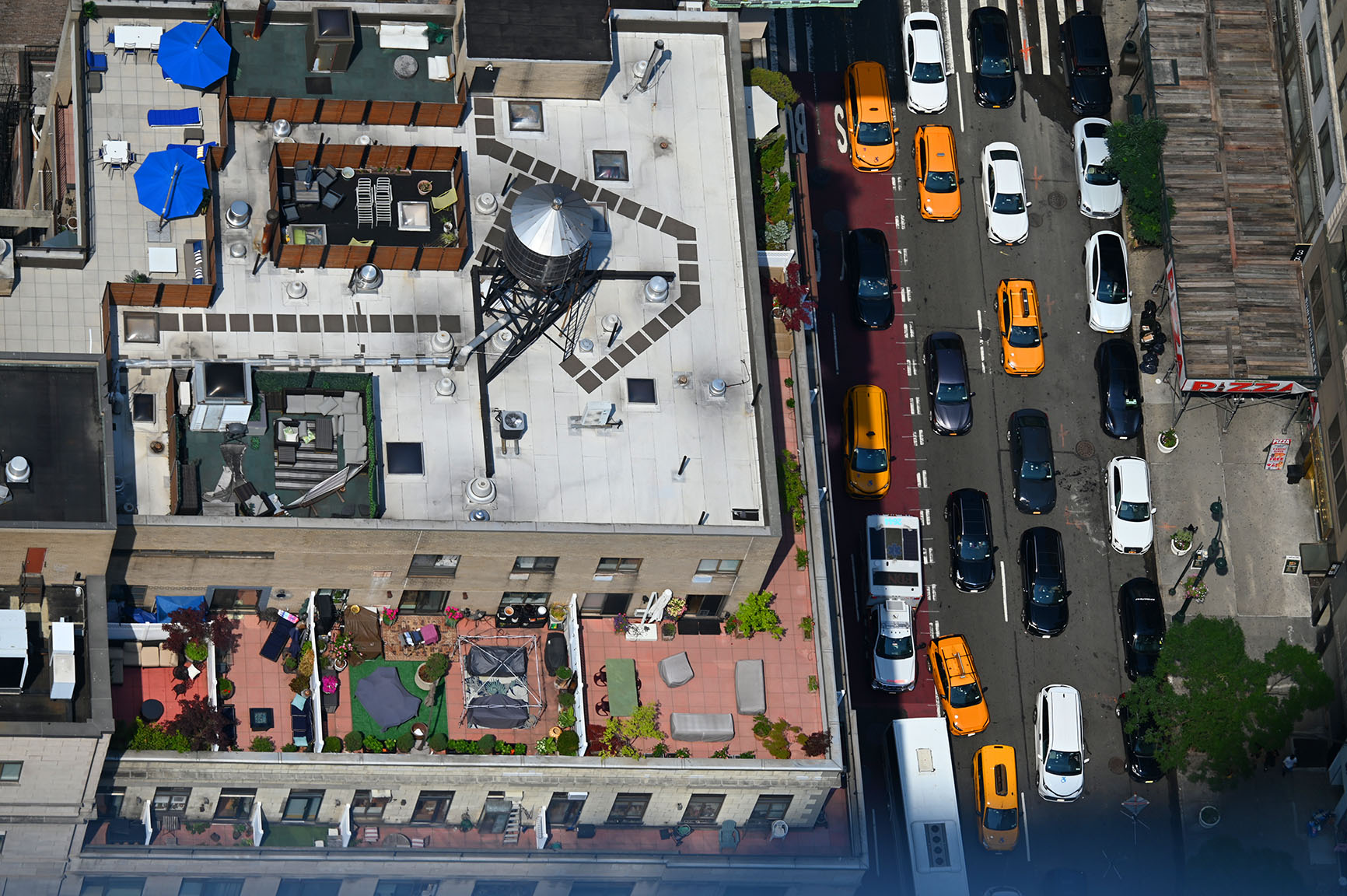
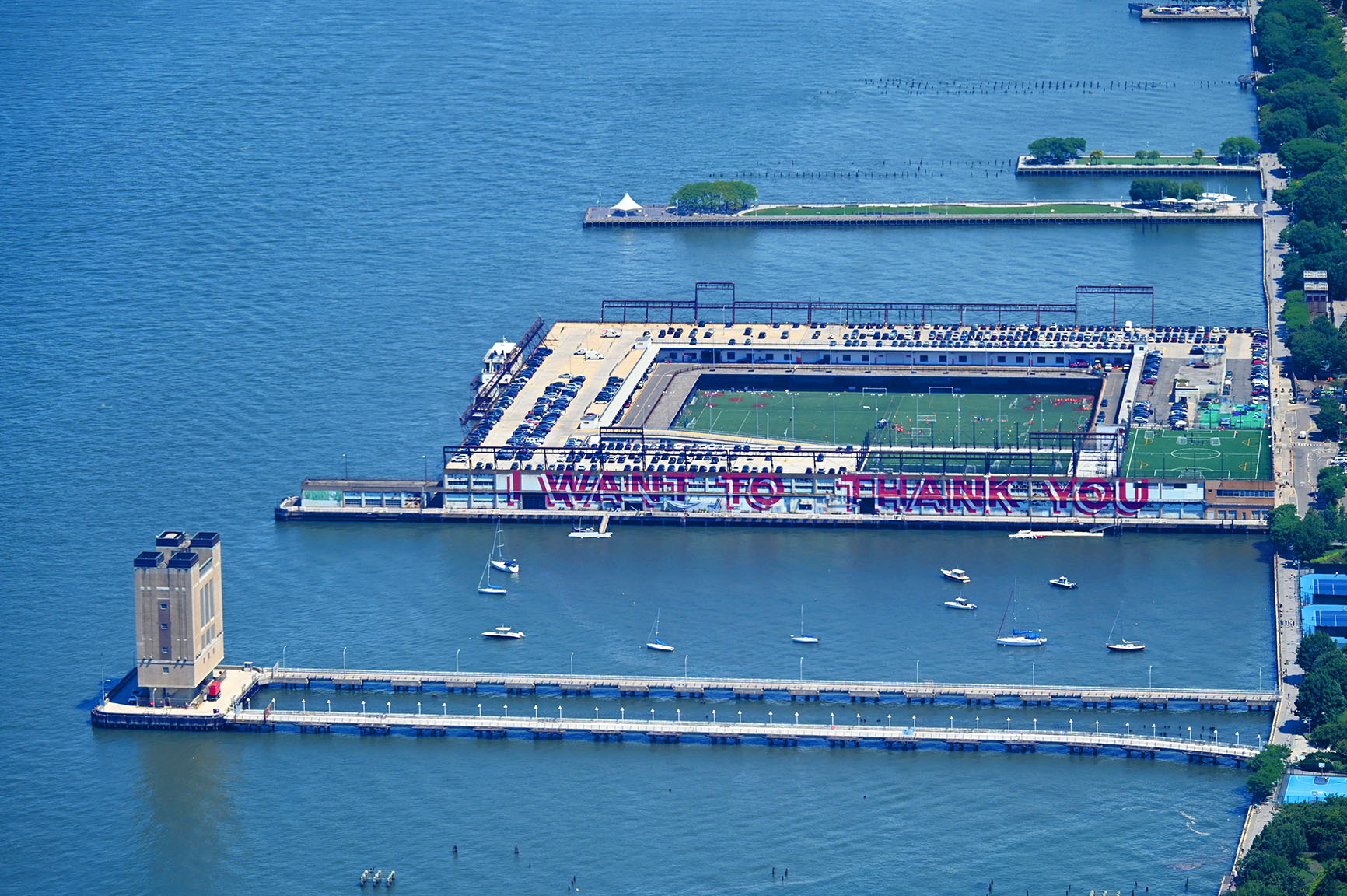
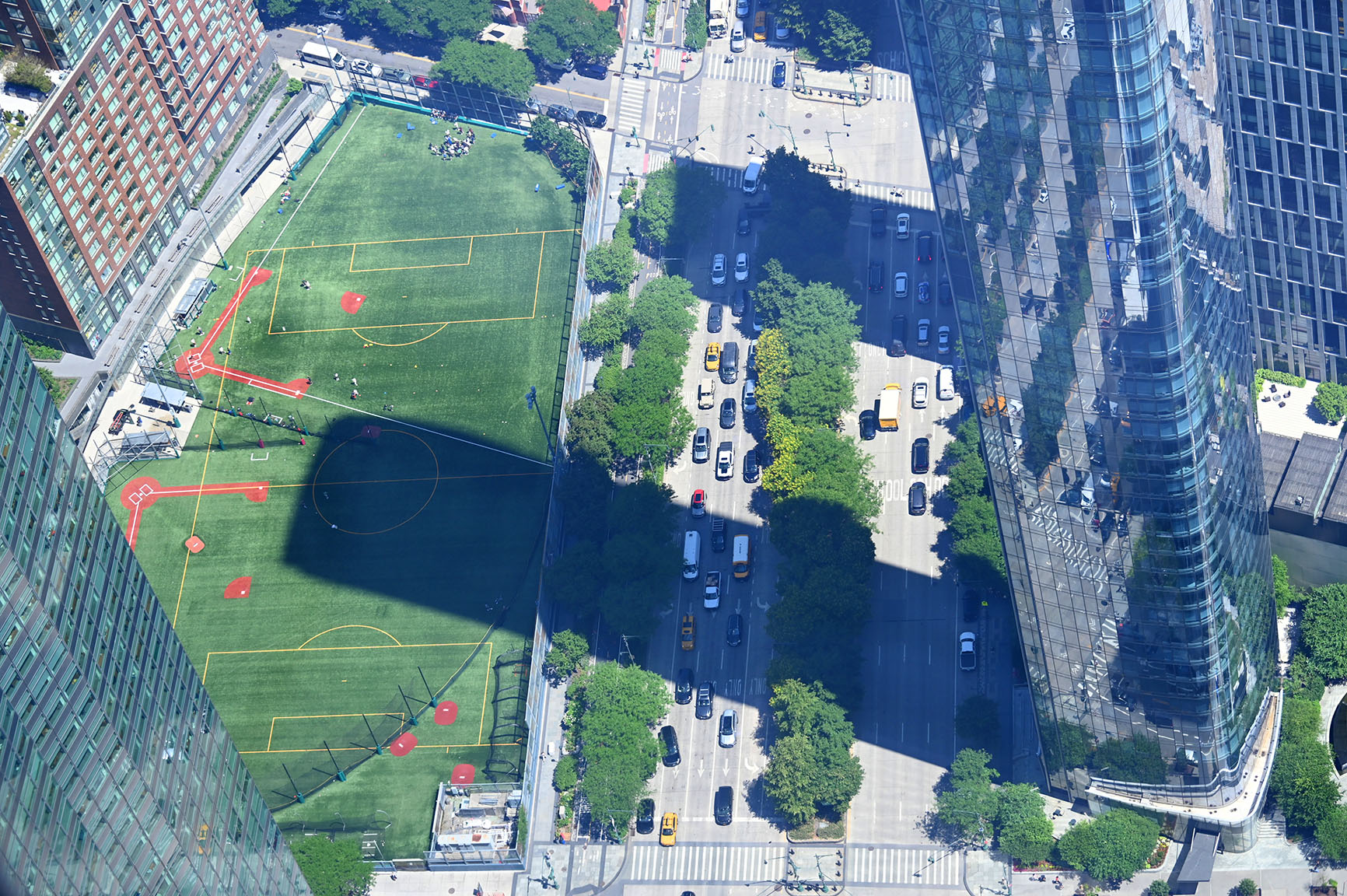
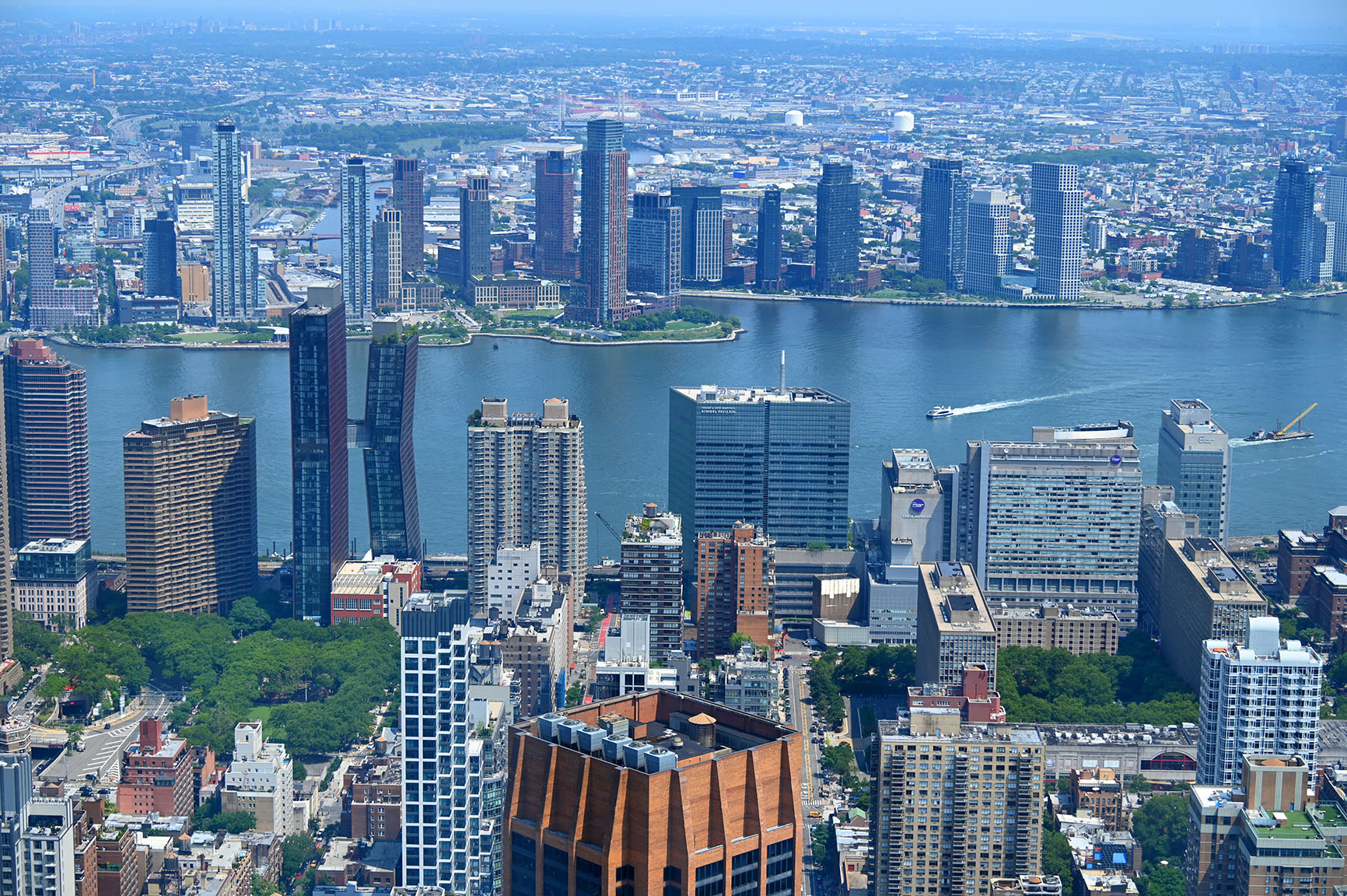
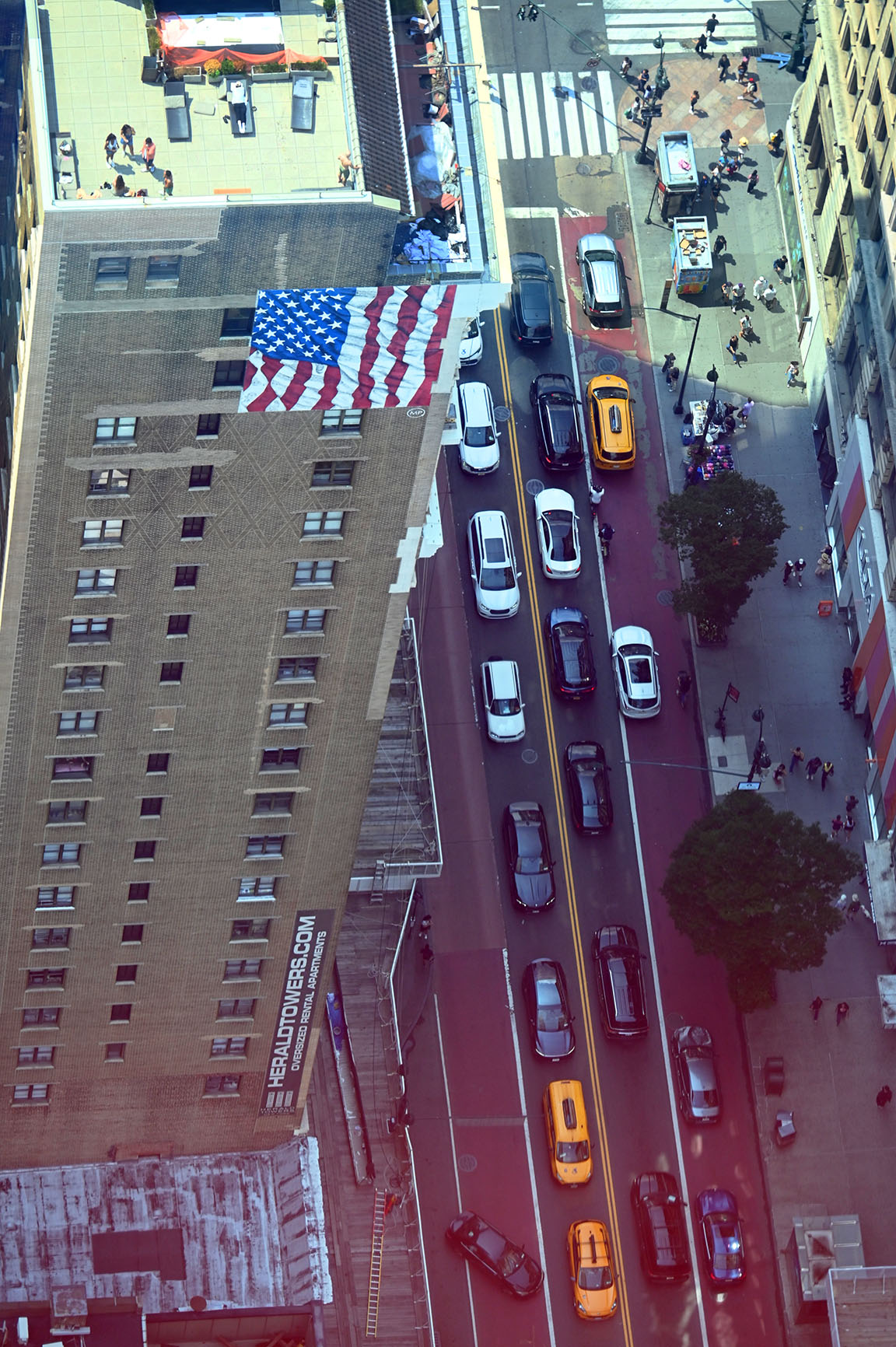
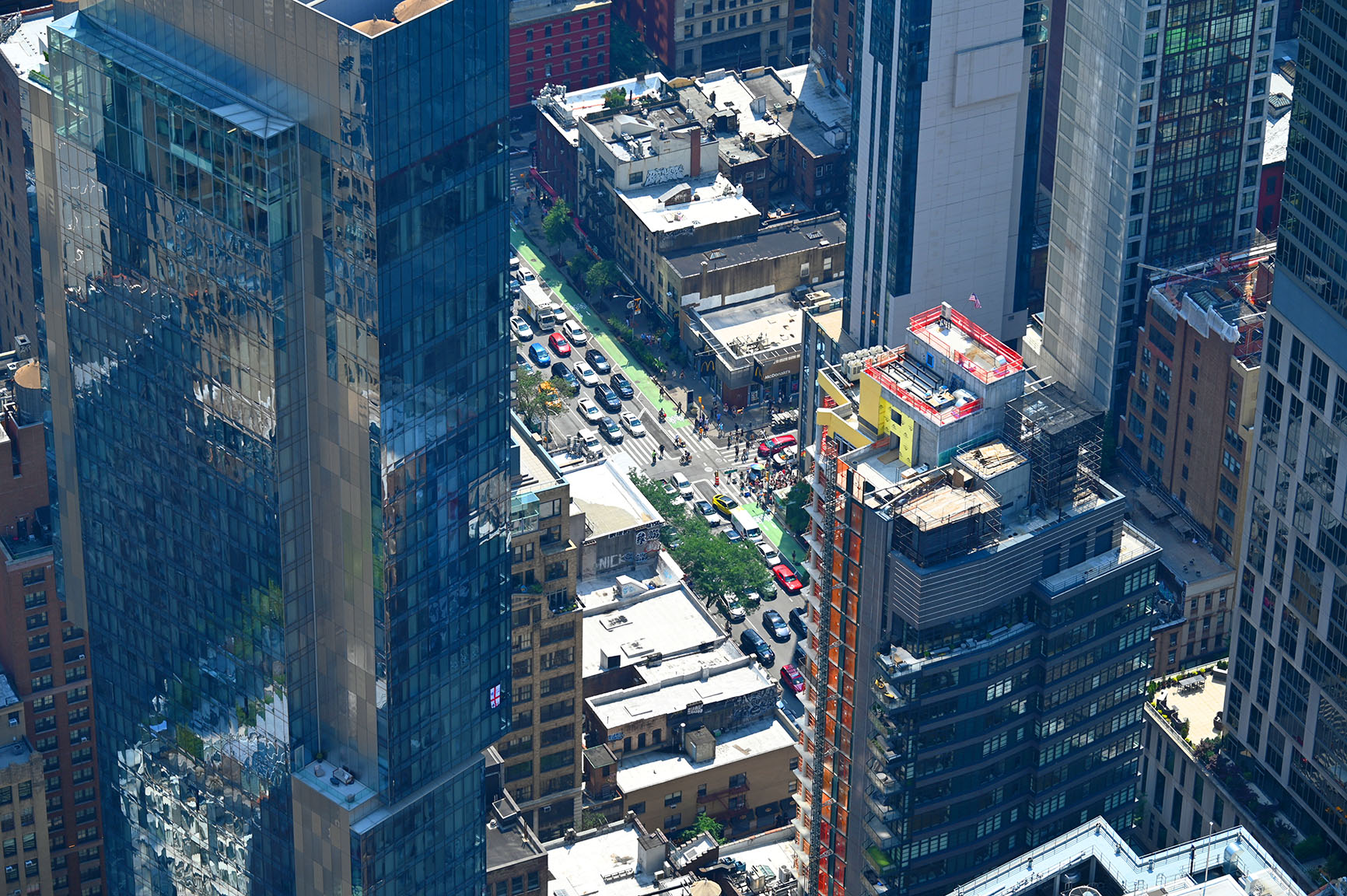
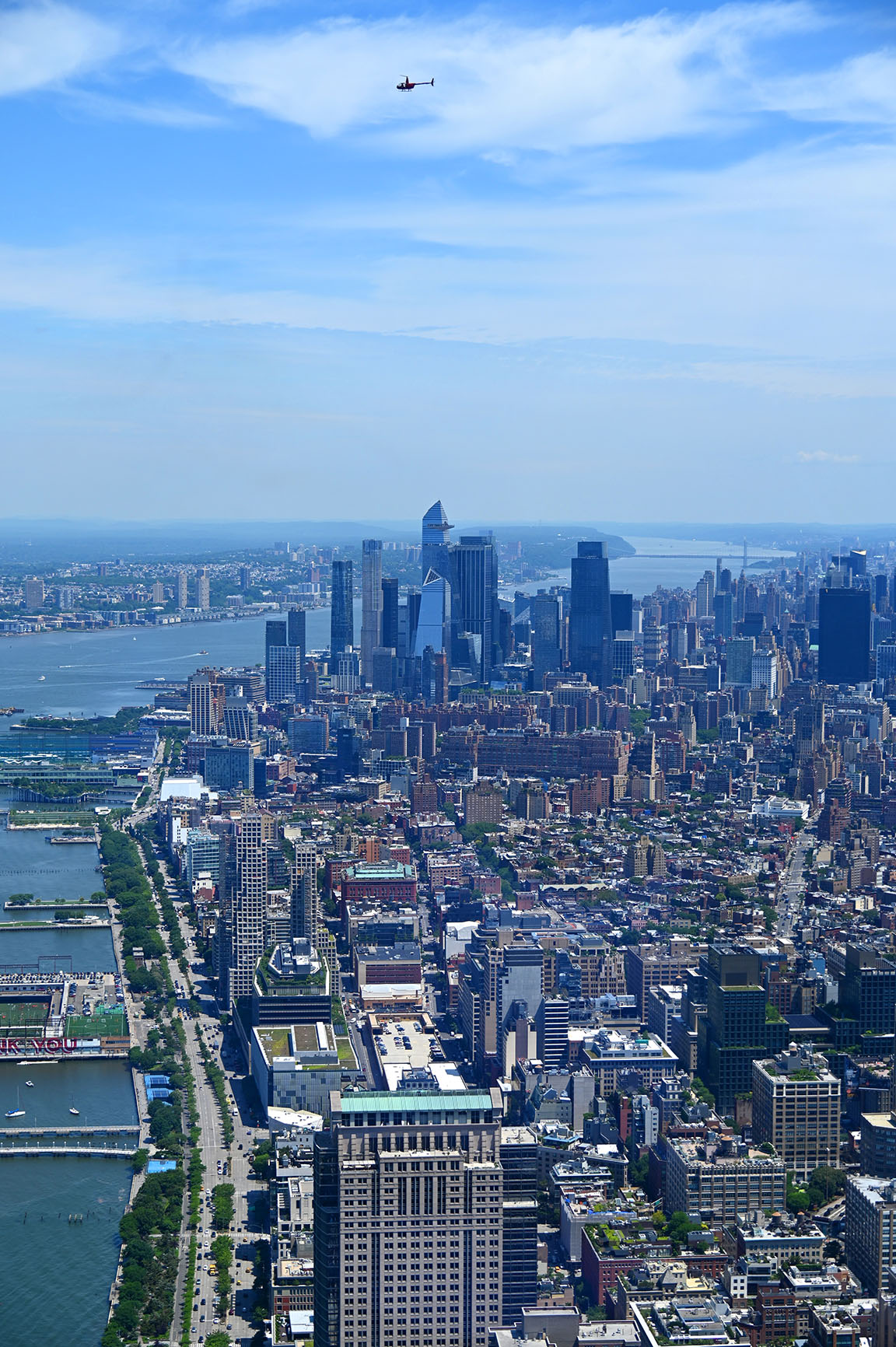
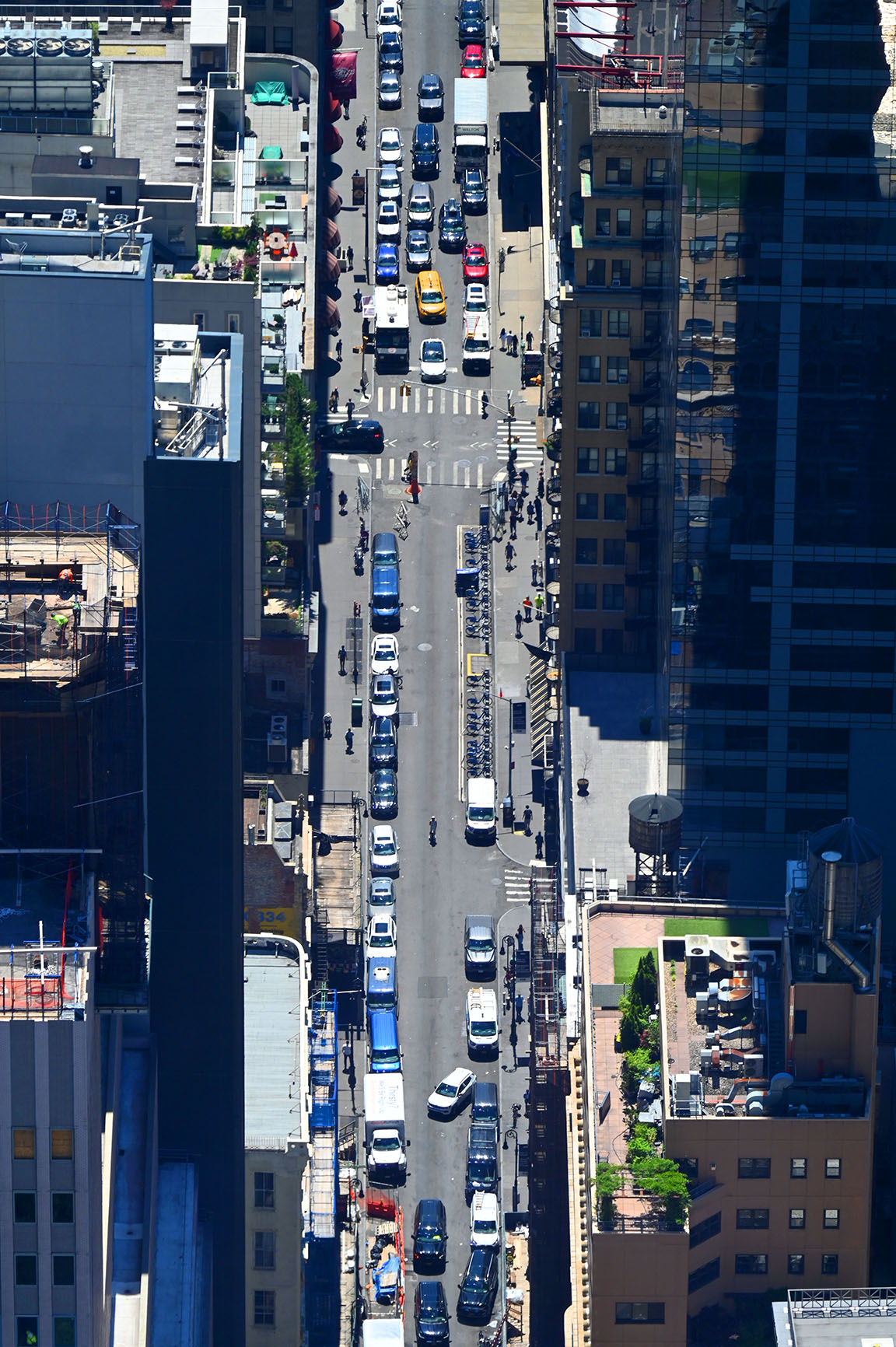
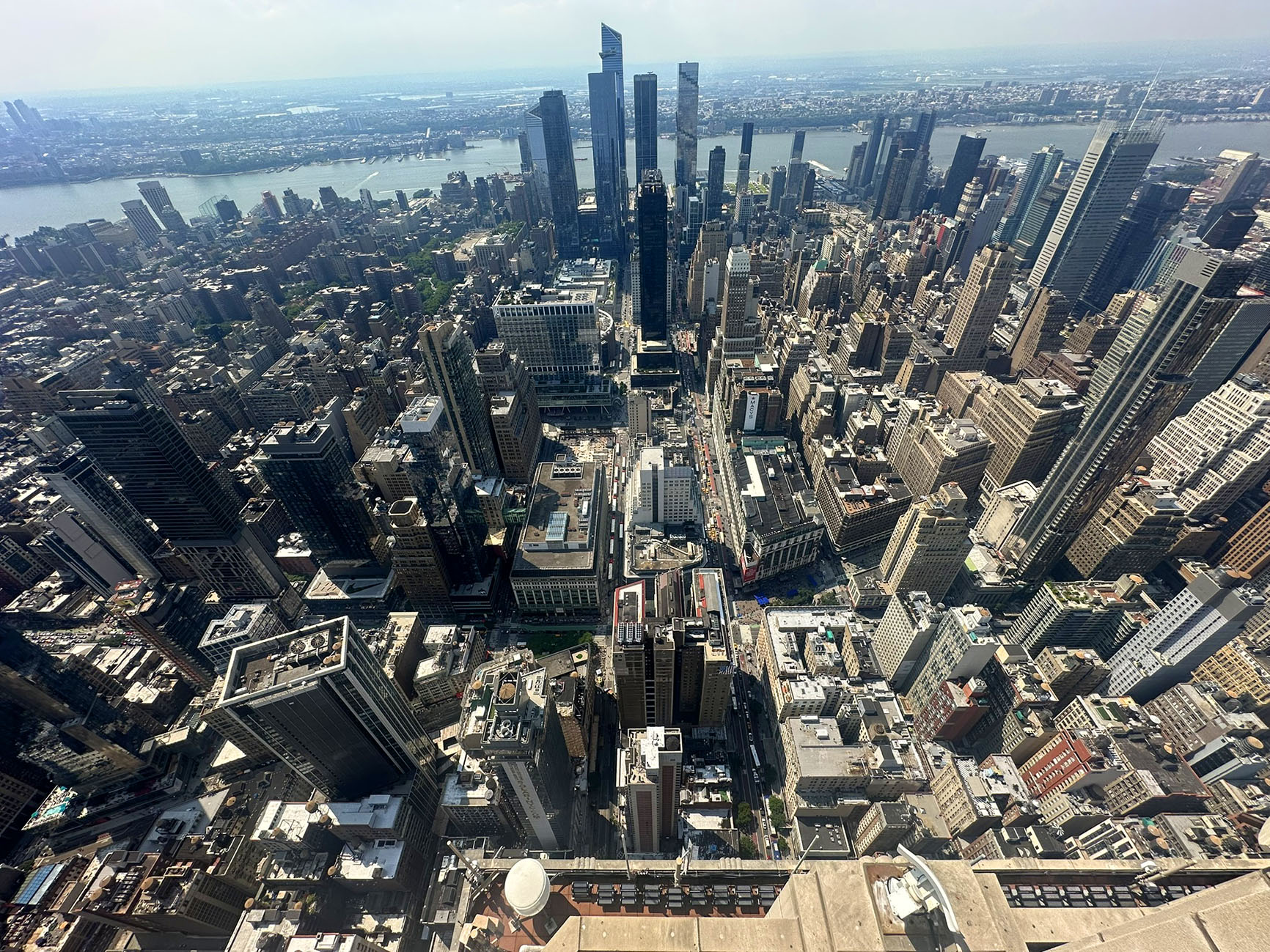
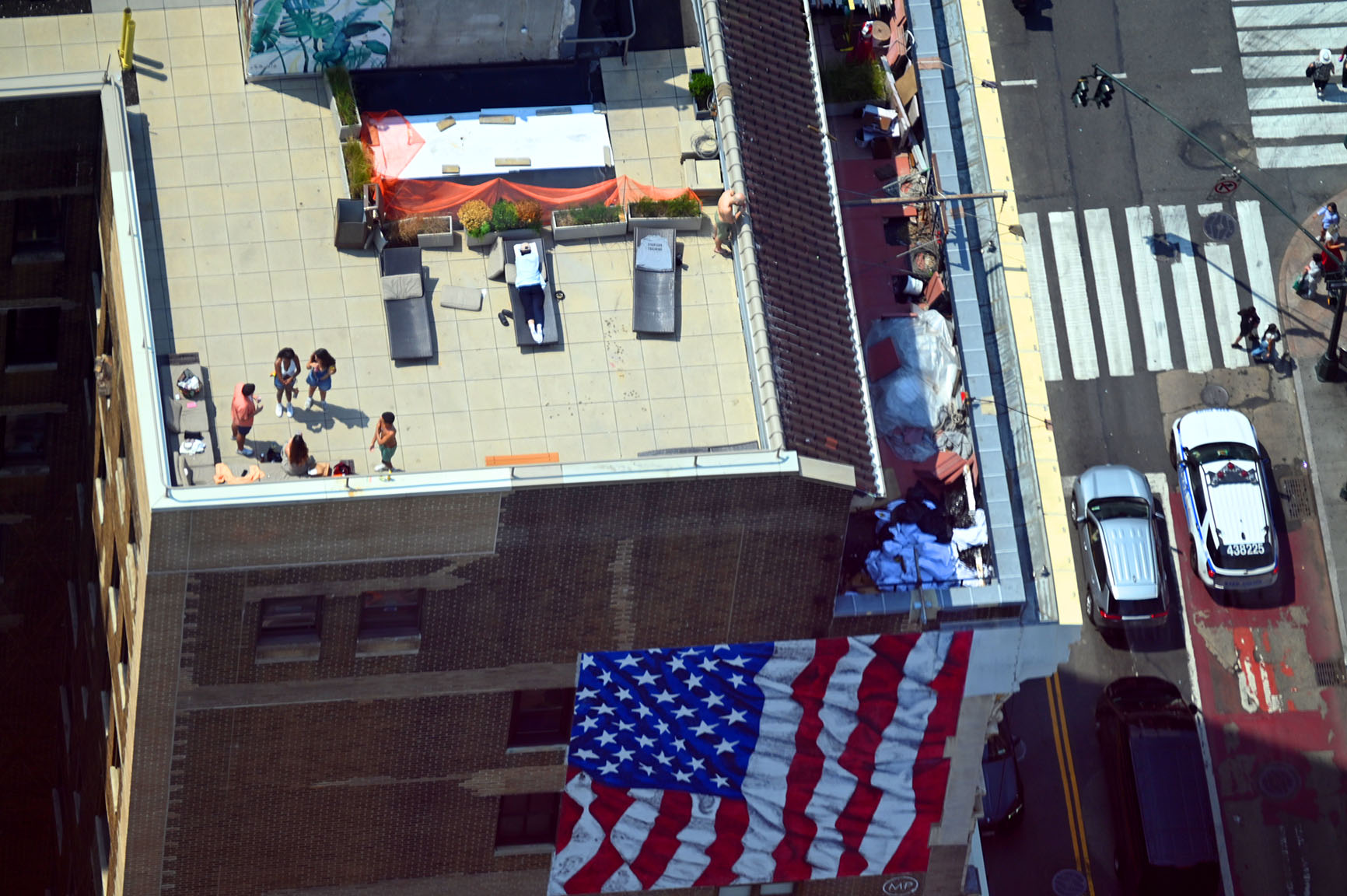
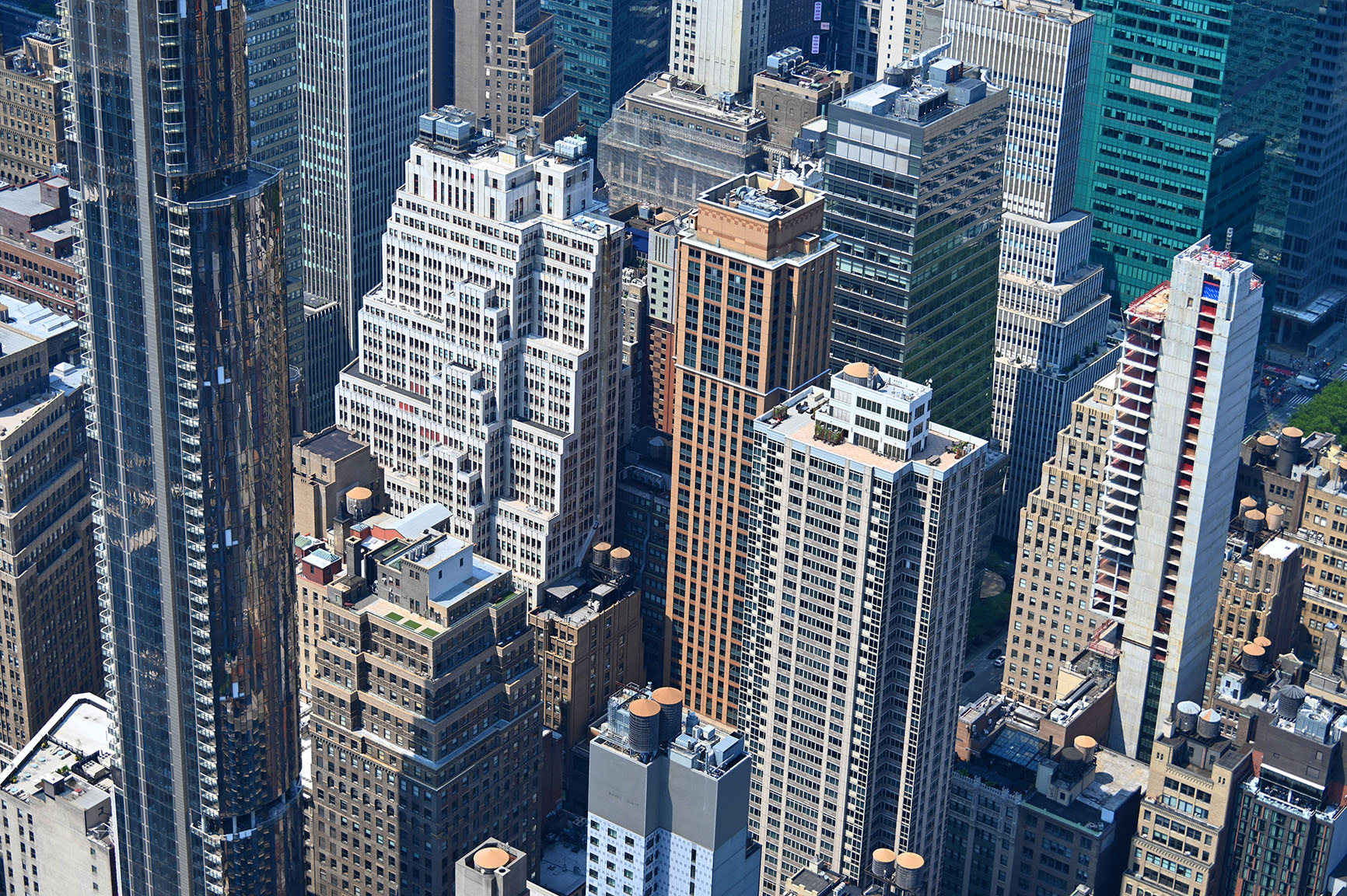
As my recent photos show, nowhere is the evolution of New York’s Manhattan Island more clearly visible than from the two most defining viewpoints – One World Trade Center (Freedom Tower) and the Empire State Building.
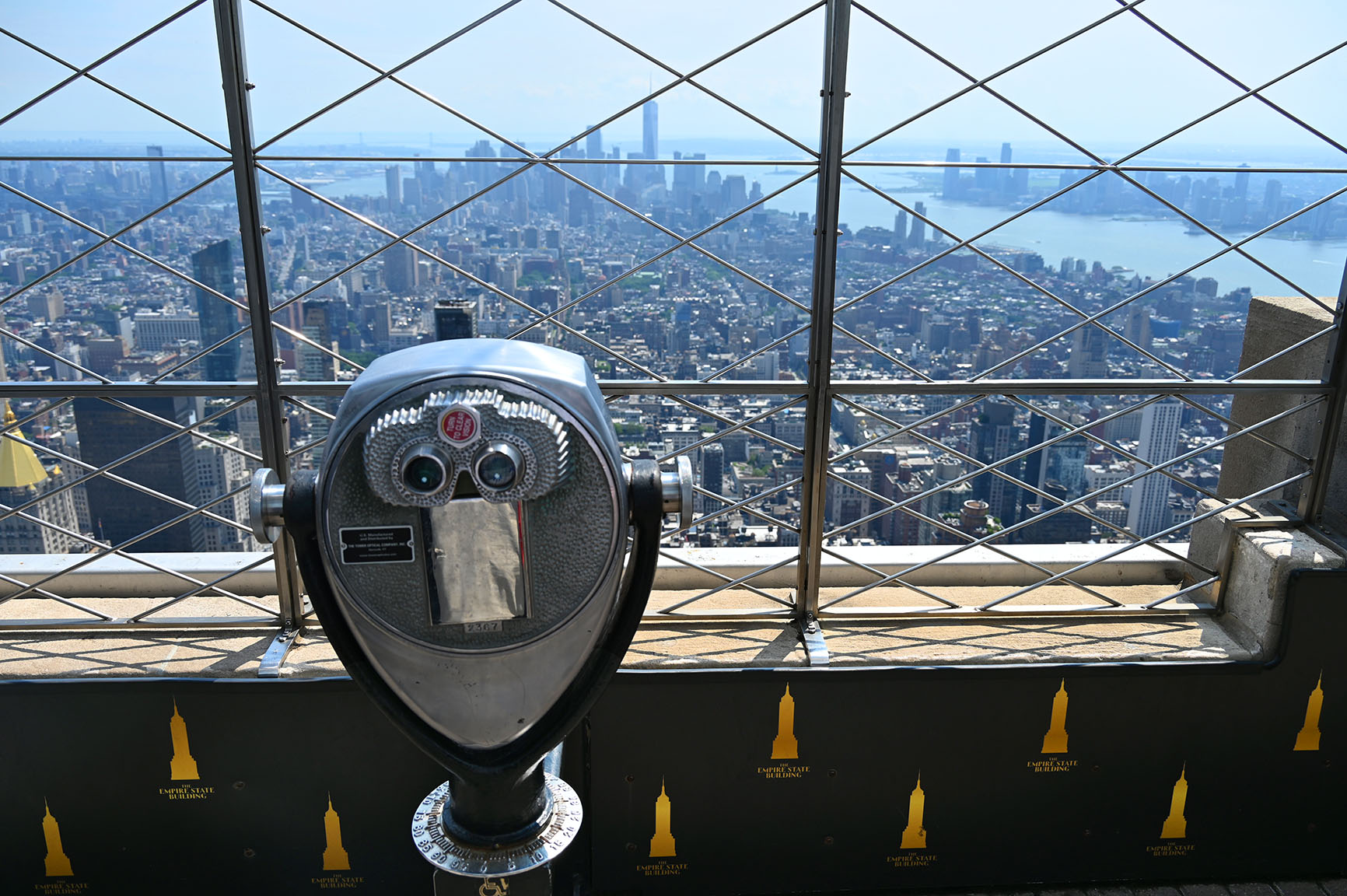
Manhattan is one of the few cities where height becomes a historical lens. Seen from above, the island’s past and present align in a single sweep: the Dutch settlement founded at the southern tip in 1624; the Commissioners’ Plan of 1811 that imposed the rigid grid; the late‑19th‑century rise of steel‑frame construction; the skyscraper race of the early 20th century; the Twin Towers era from 1973 to 2001; and the 21st‑century rebuilding that has reshaped Lower Manhattan.
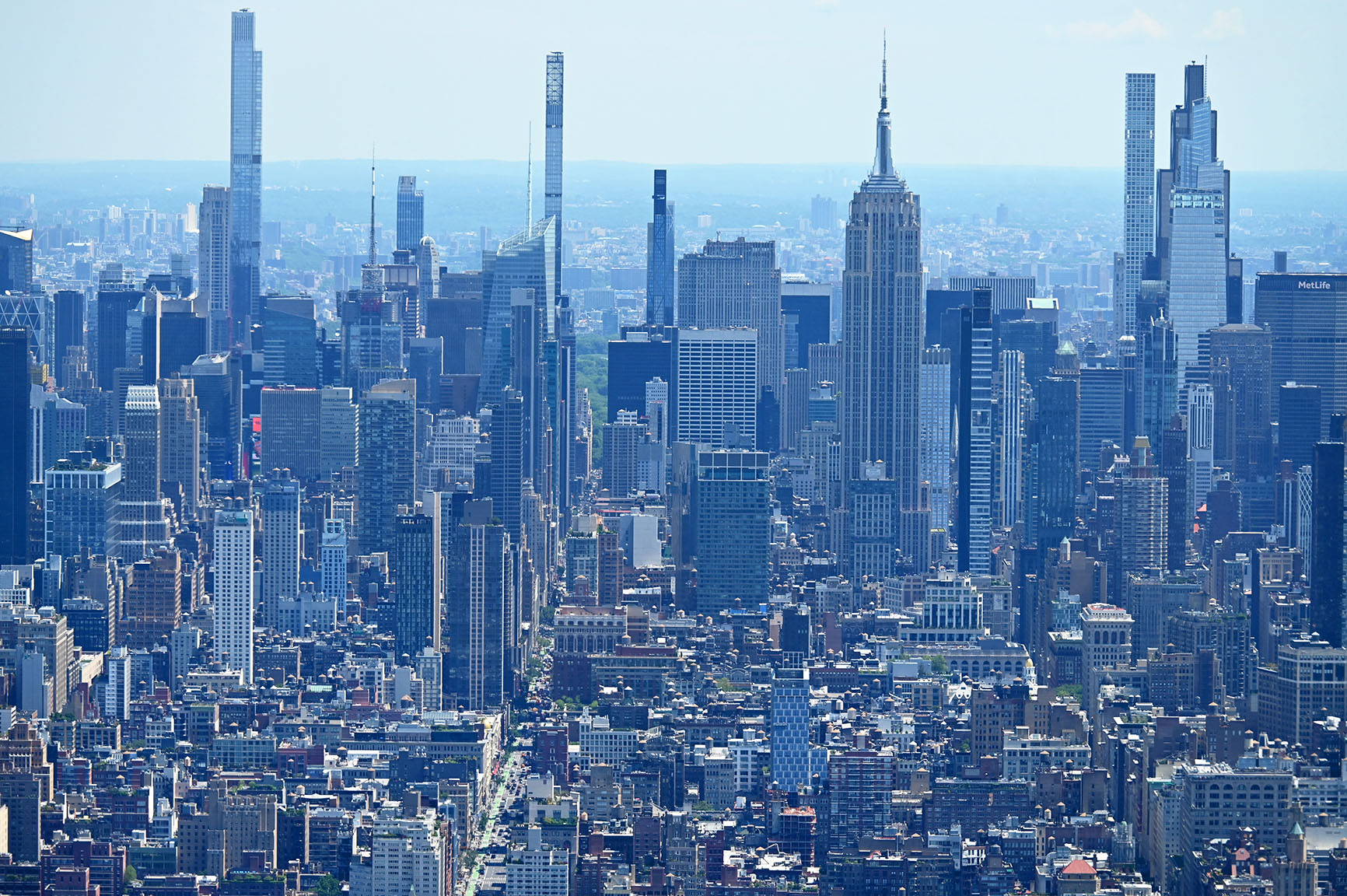
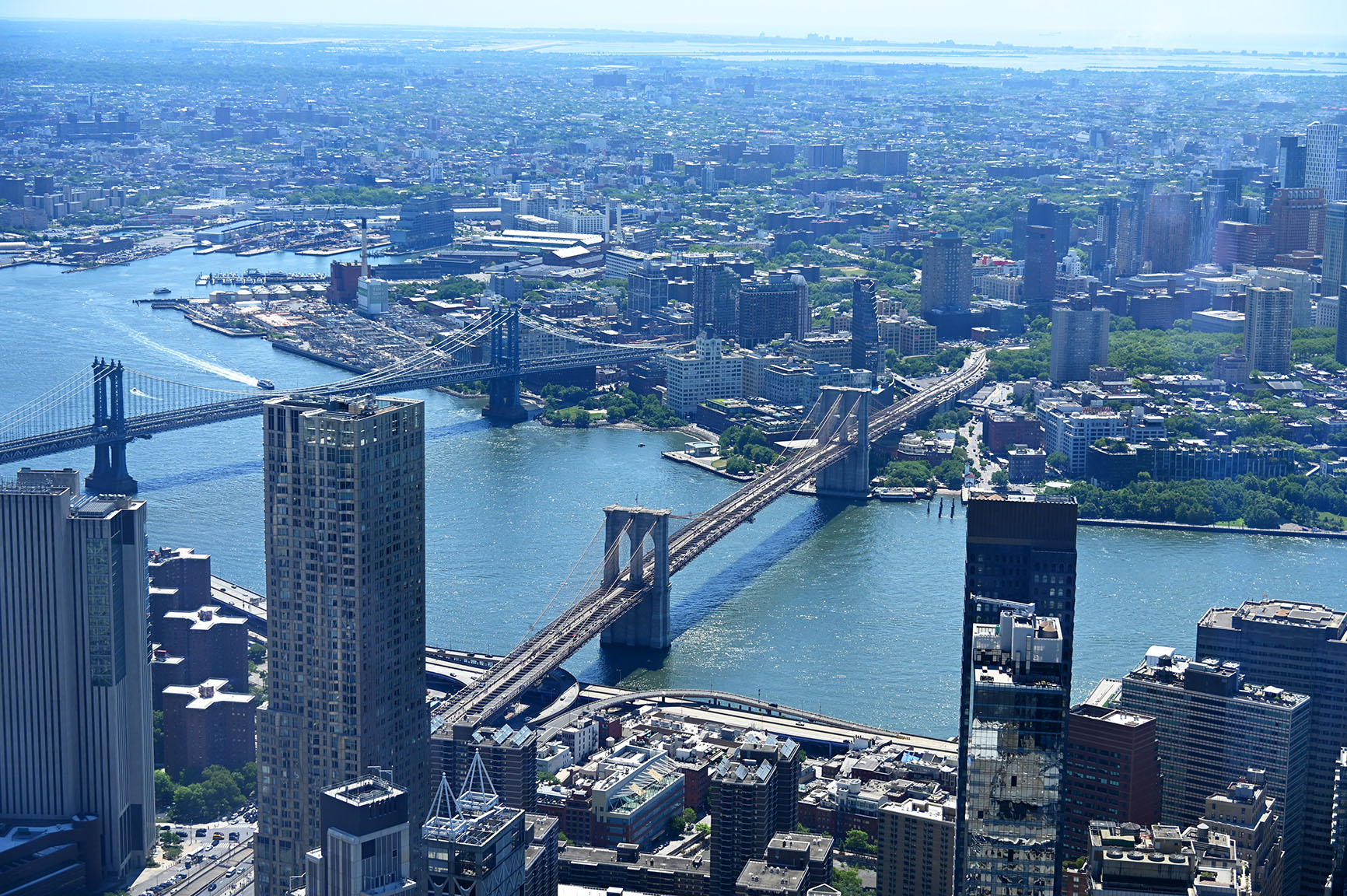
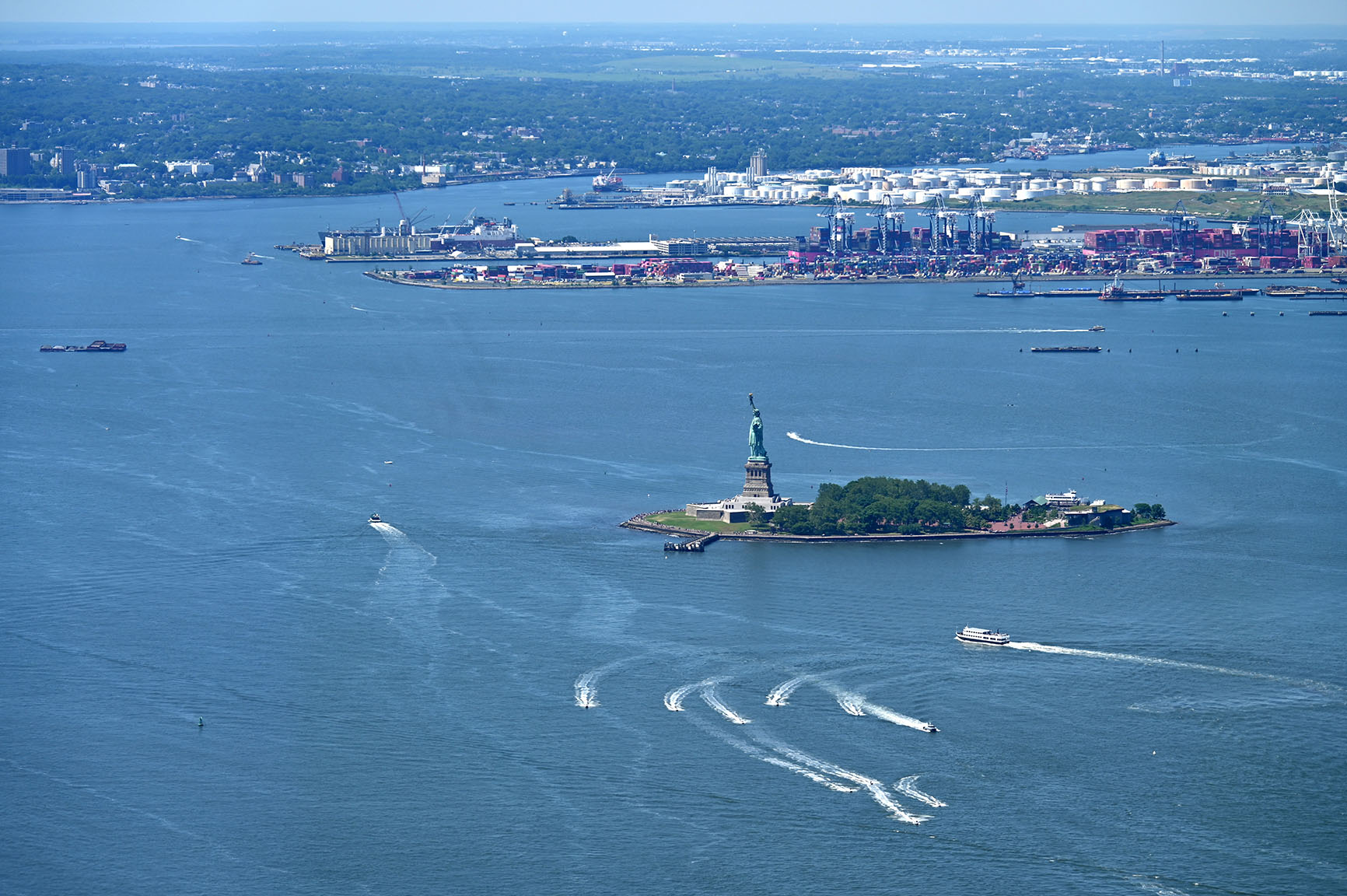
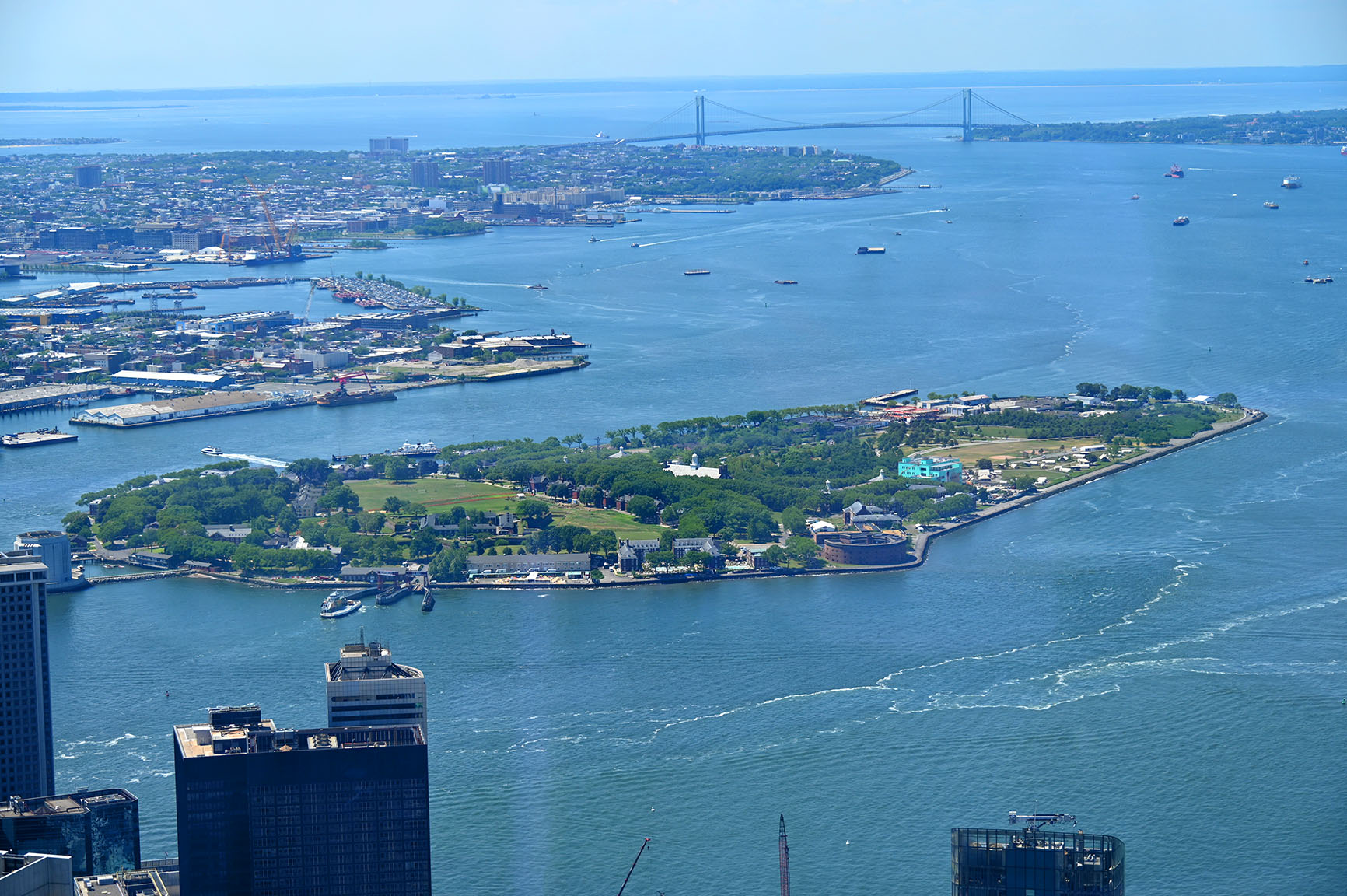
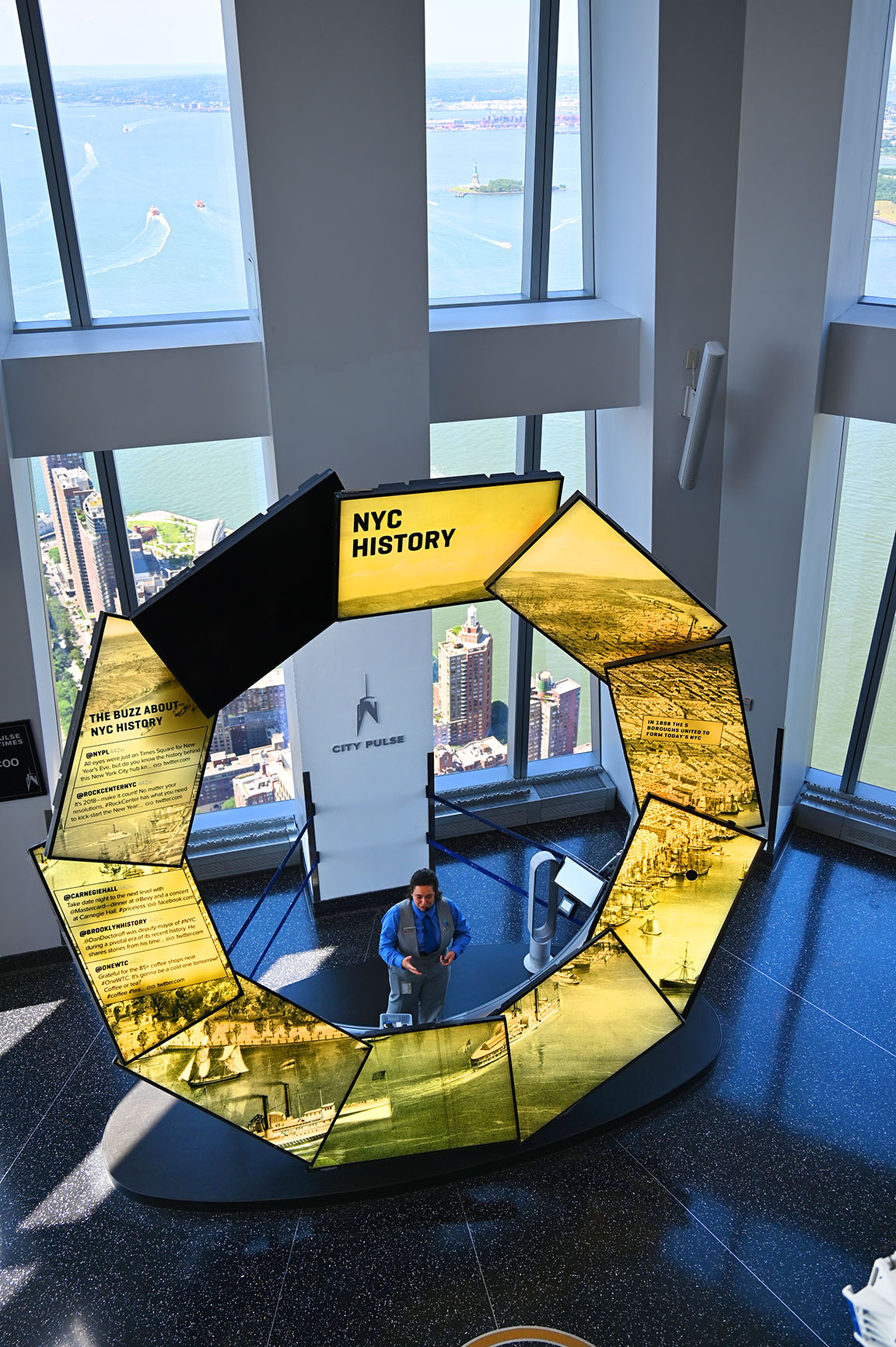
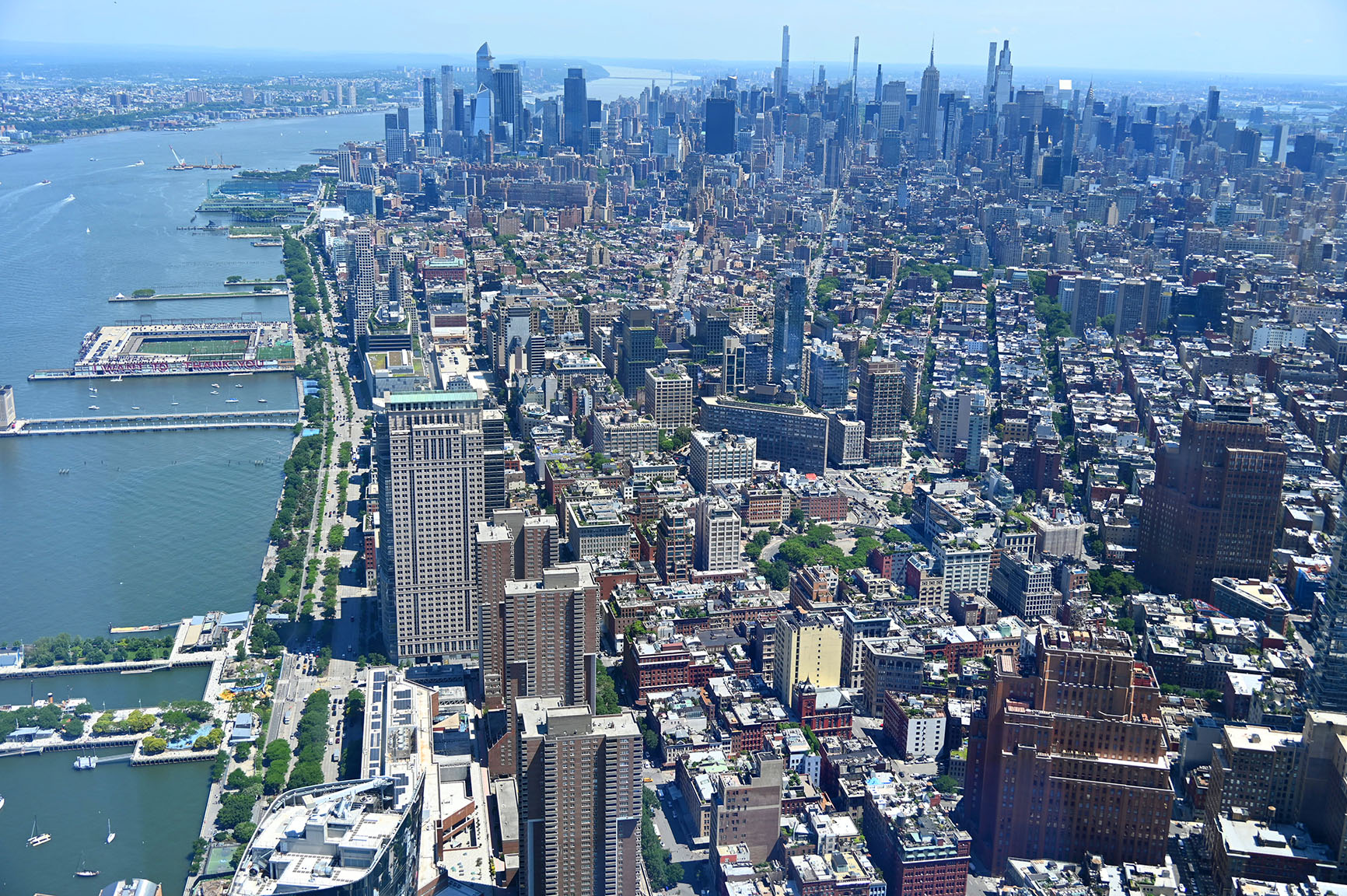
From the top of One World Trade Centre, completed in 2013, Manhattan’s geography and chronology unfold with unusual clarity. The tower stands beside the footprints of the original World Trade Centre, whose Twin Towers opened in 1973 and became global symbols of modern finance before their destruction in 2001. The new tower’s height of 1,776 feet deliberately references the year of American independence, making it the tallest building in the Western Hemisphere. Looking south, New York Harbour spreads out towards Liberty Island and Ellis Island – the latter processing over 12 million immigrants between 1892 and 1954.
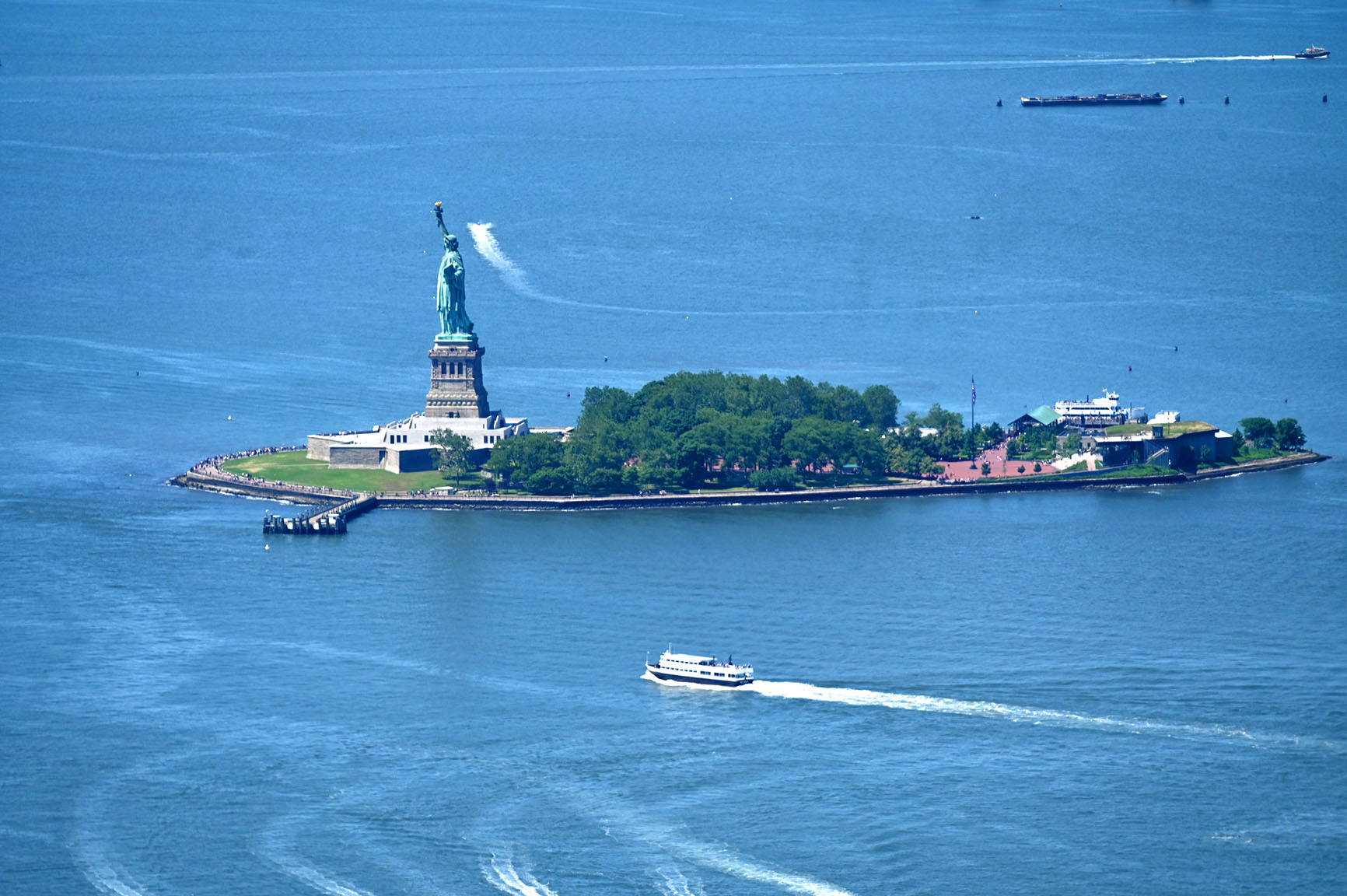
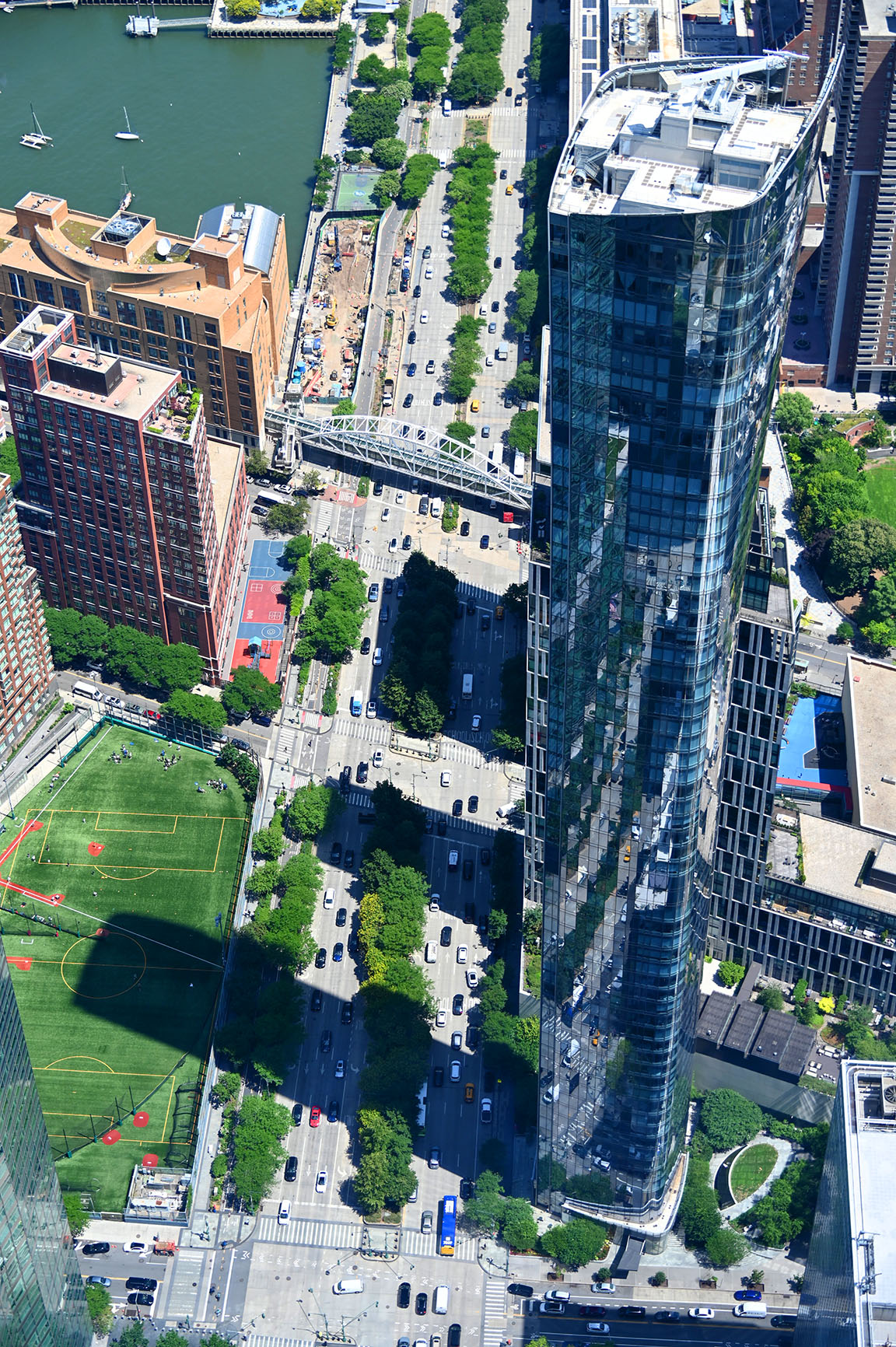
The Statue of Liberty, dedicated in 1886, remains the harbour’s most enduring landmark. To the north, the island’s rectilinear grid – surveyed and approved in 1811 – stretches toward Midtown, revealing how 19th‑century planning shaped today’s urban form. The Hudson River to the west and the East River to the east frame Manhattan’s narrow geography, once vital shipping corridors that powered the city’s 19th‑century industrial expansion. Below, the Financial District marks the earliest European footprint, from the Dutch fort of the 1620s to the dense commercial blocks that rose during the late 1800s. The view from Freedom Tower is unmistakably contemporary: glass façades, new transit hubs, and post-2001 architecture.
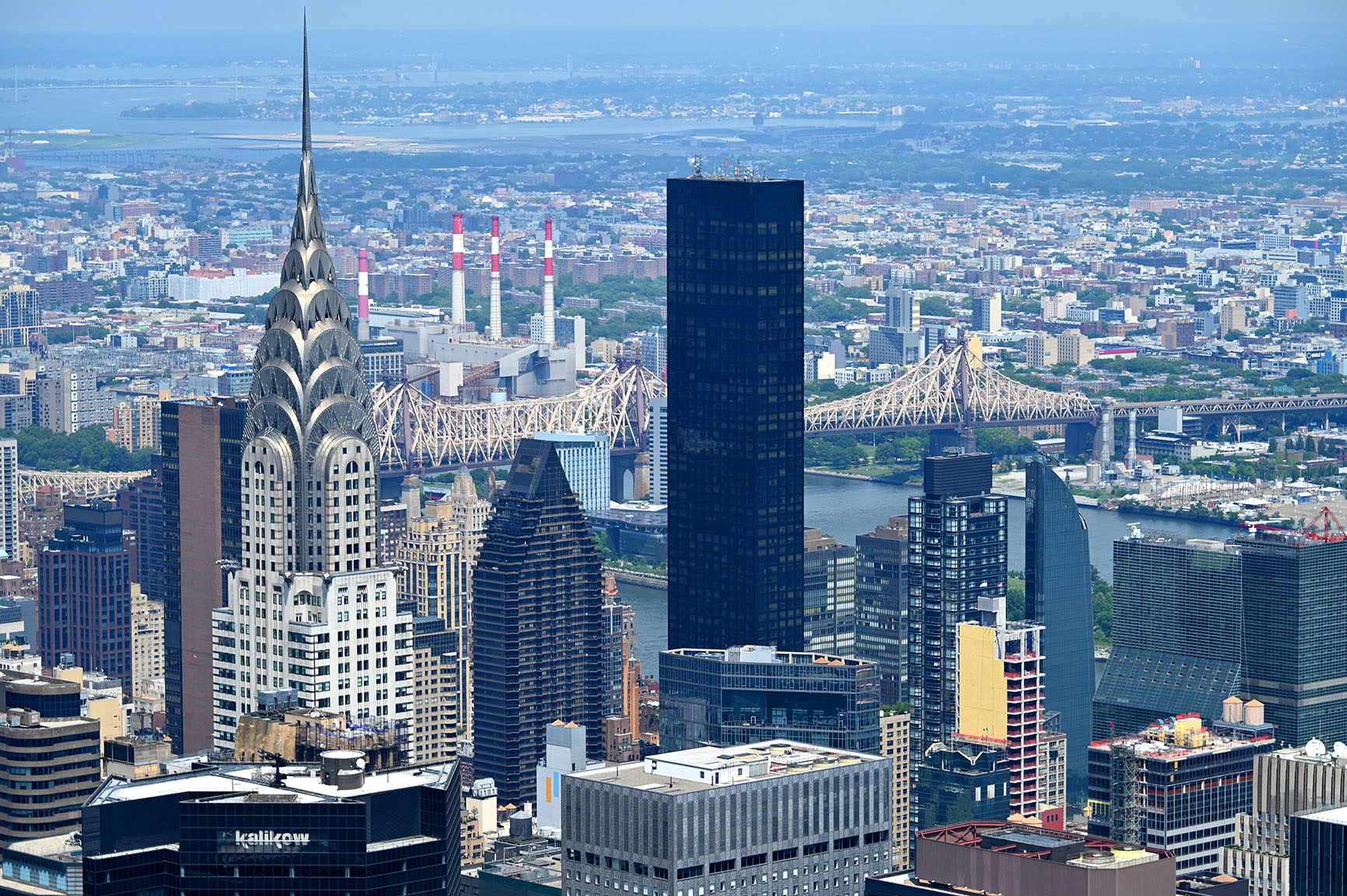
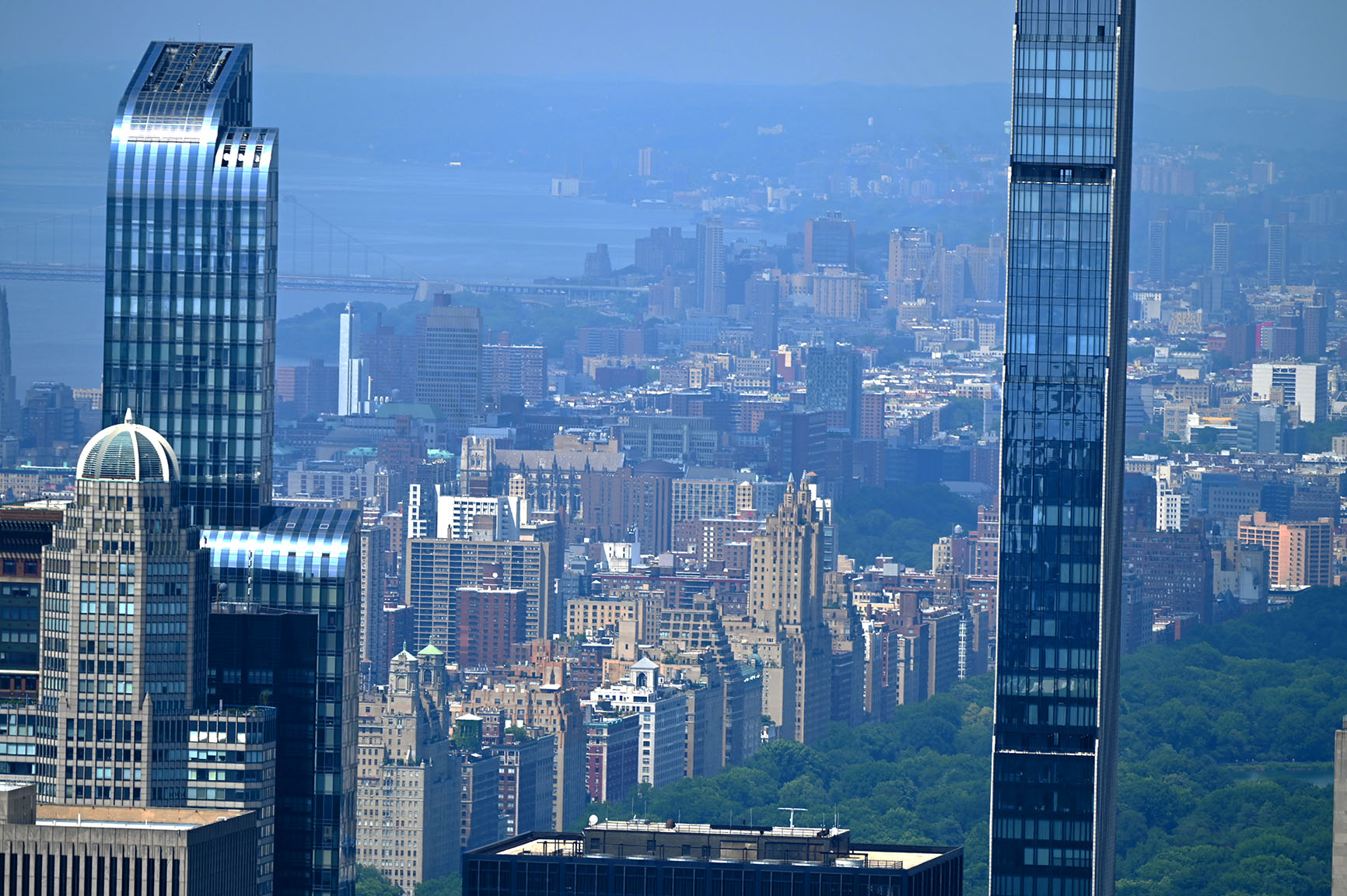
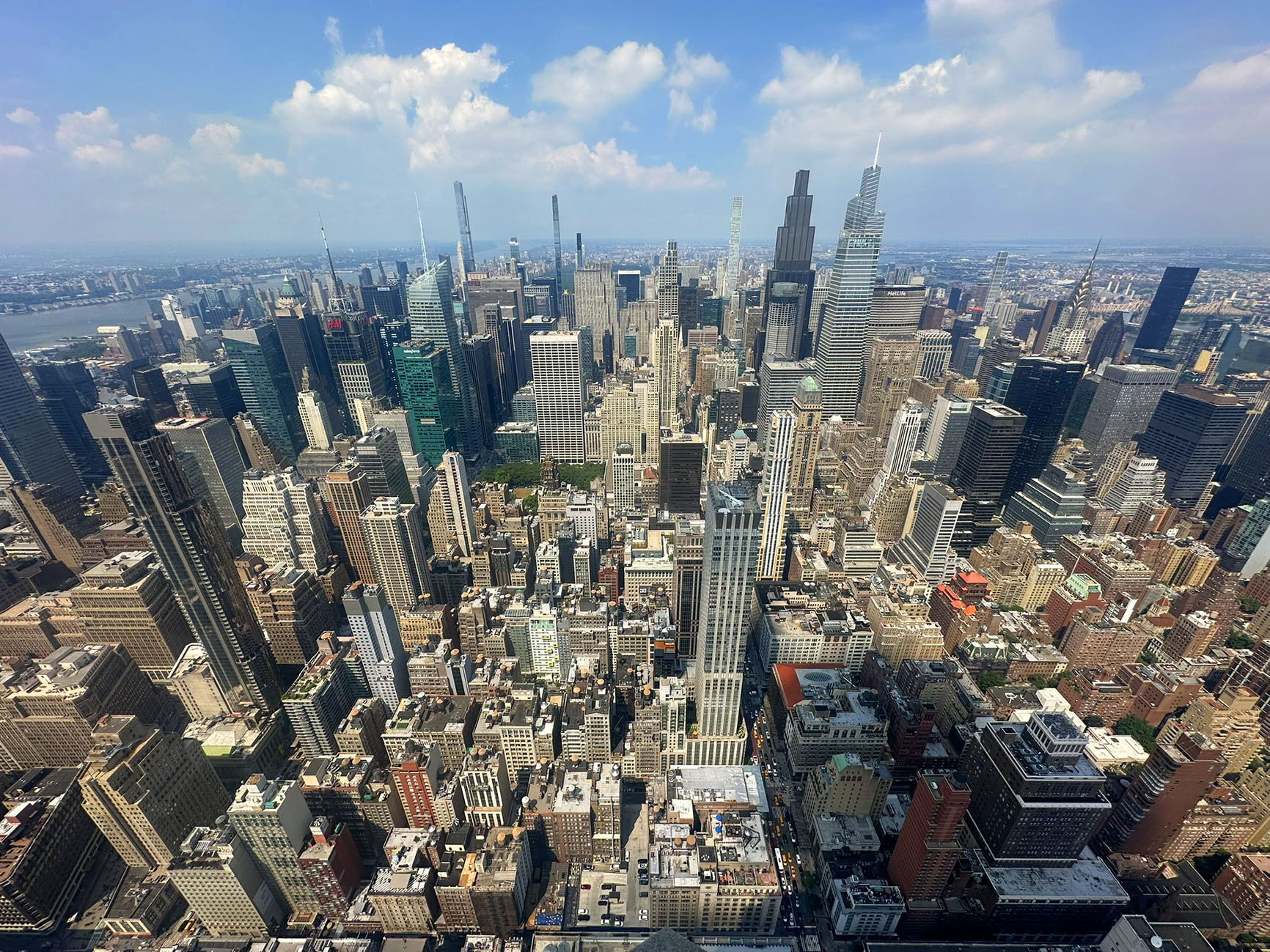
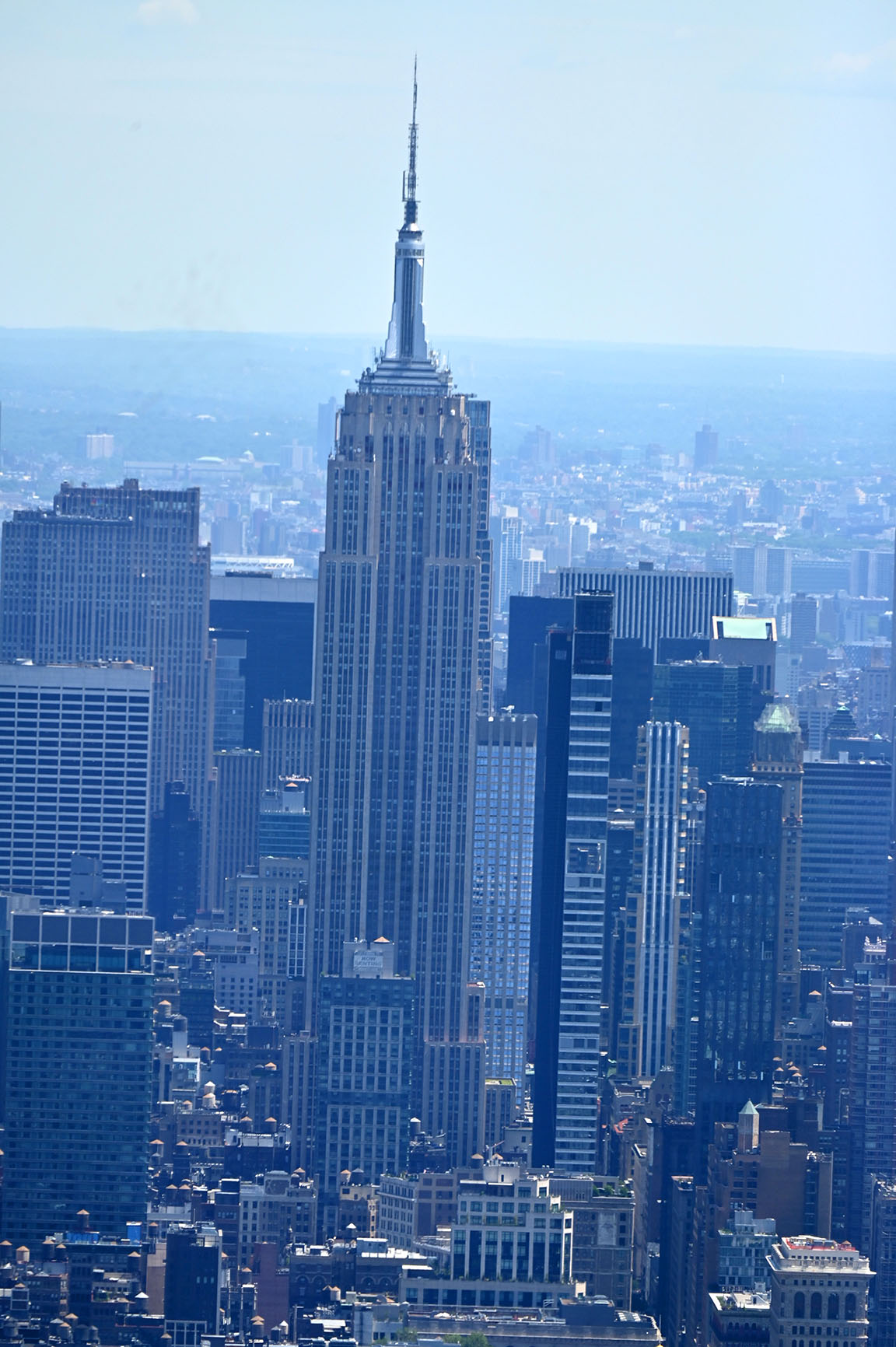
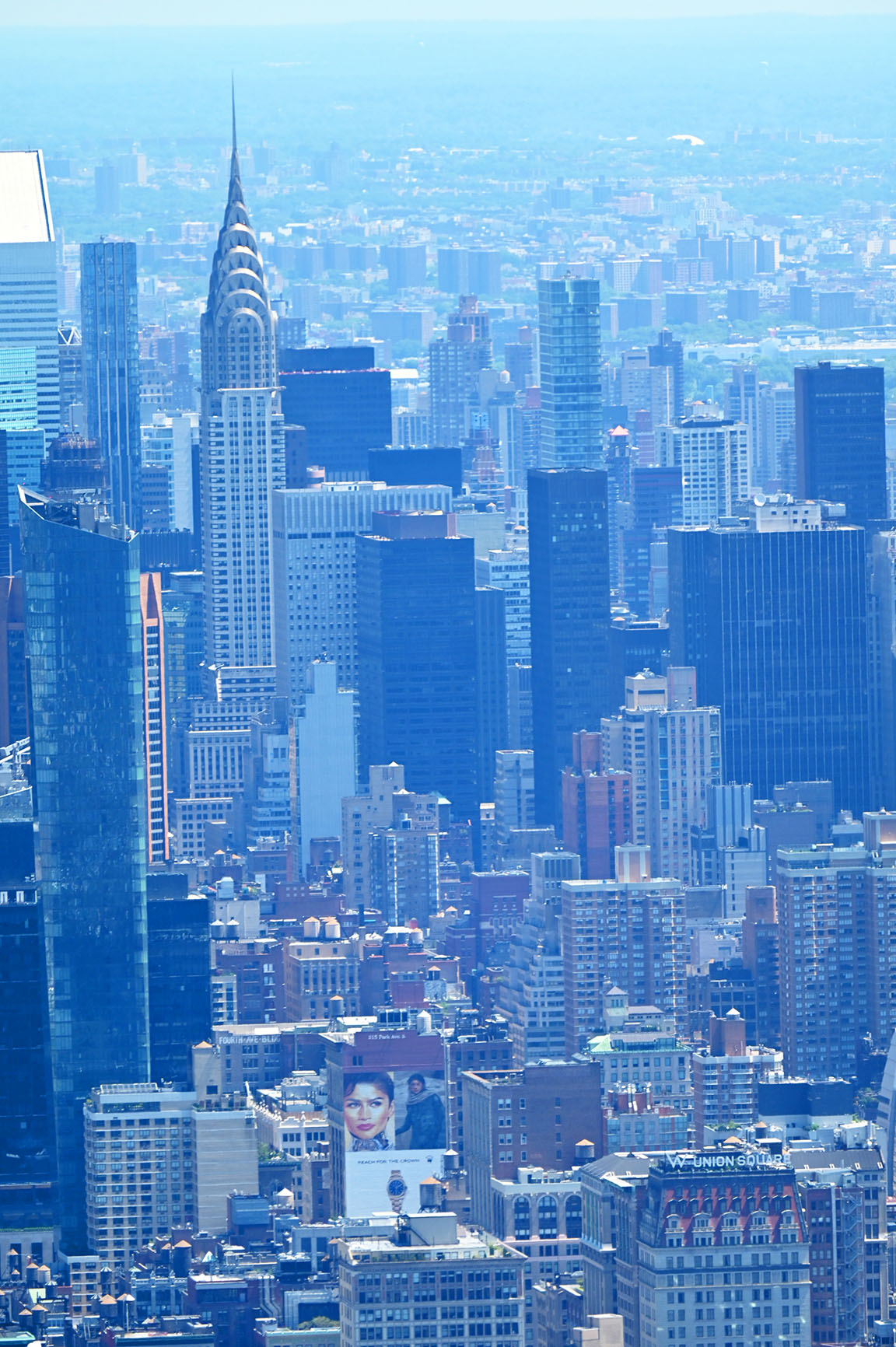
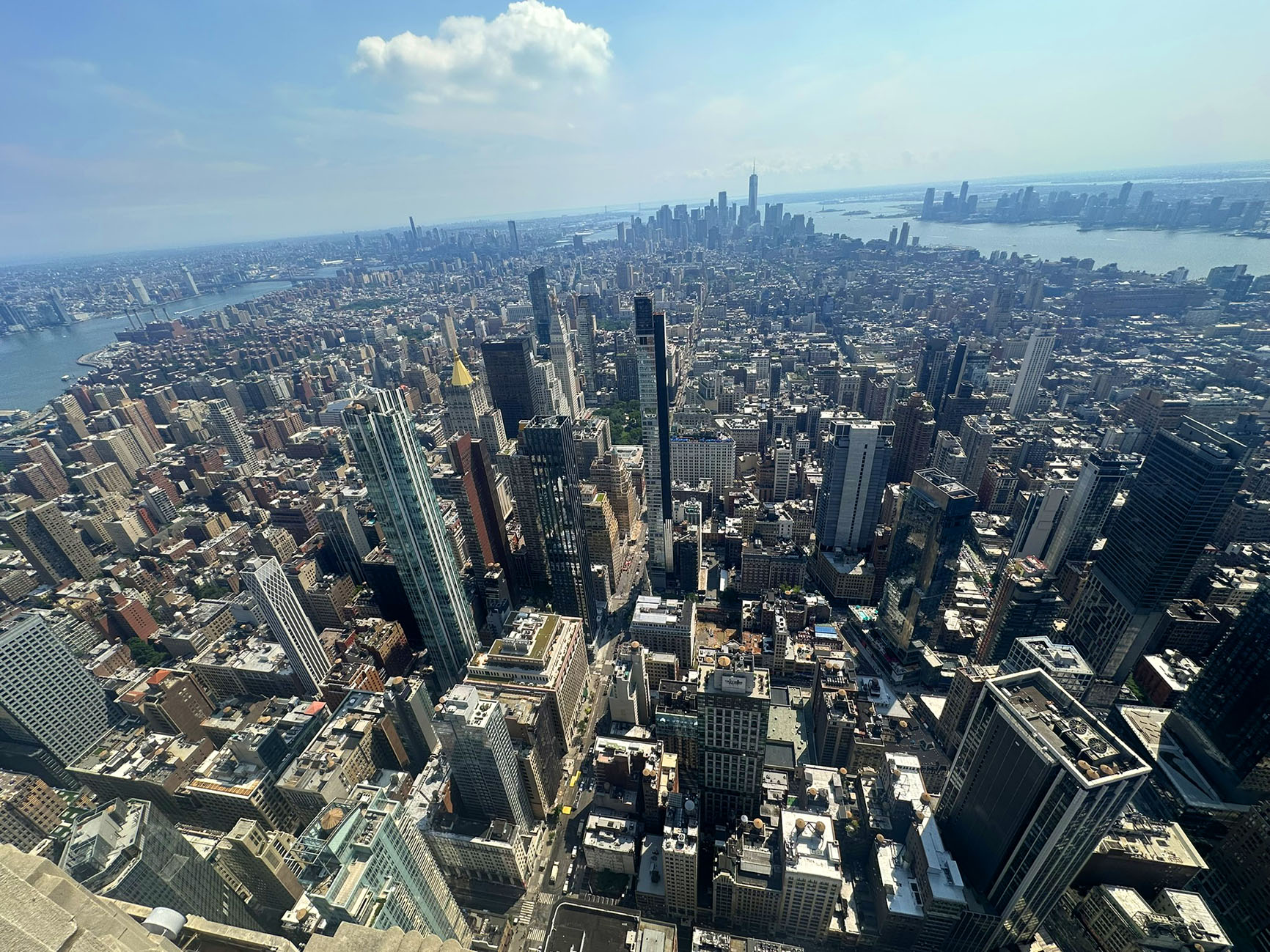
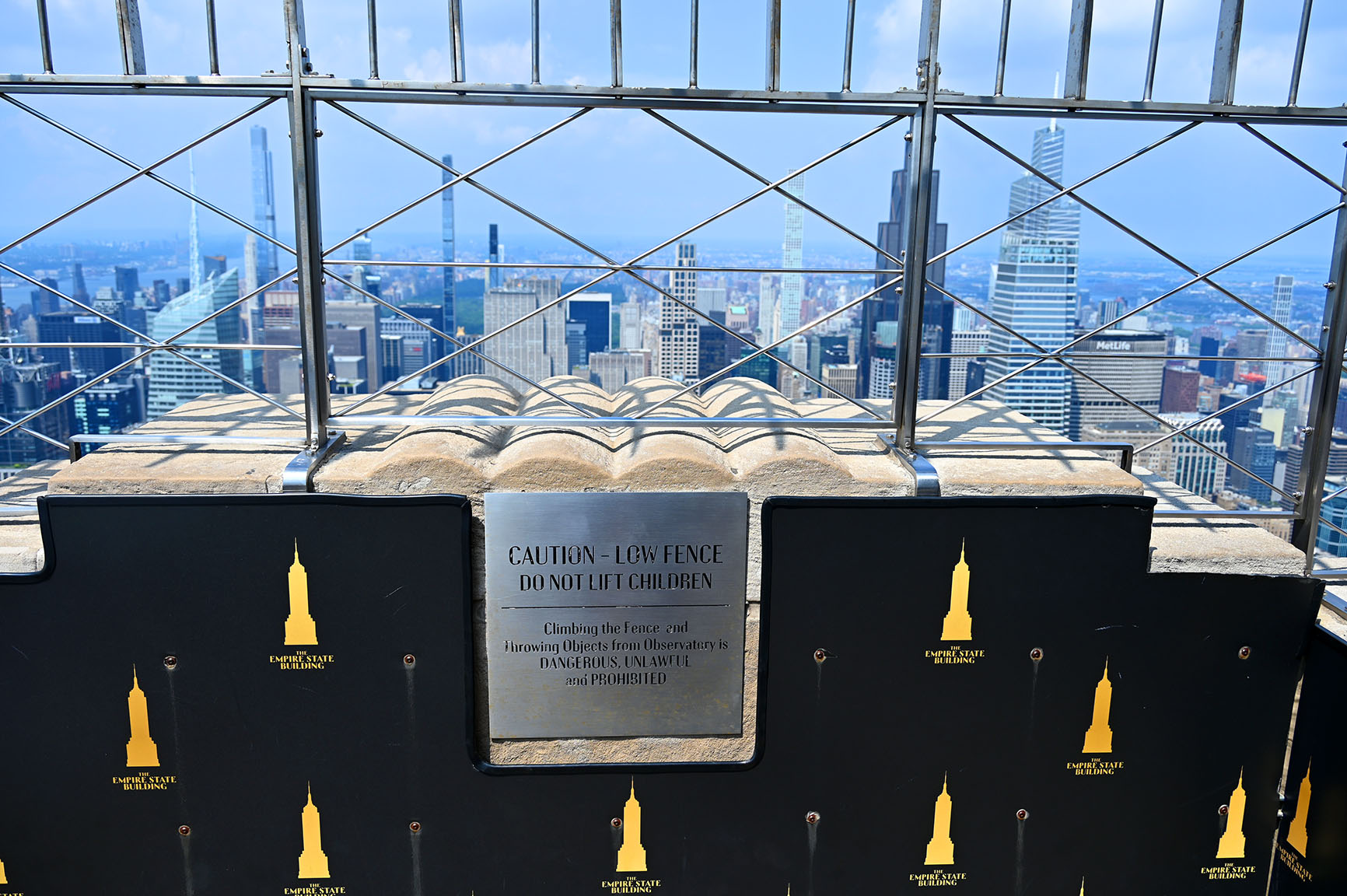
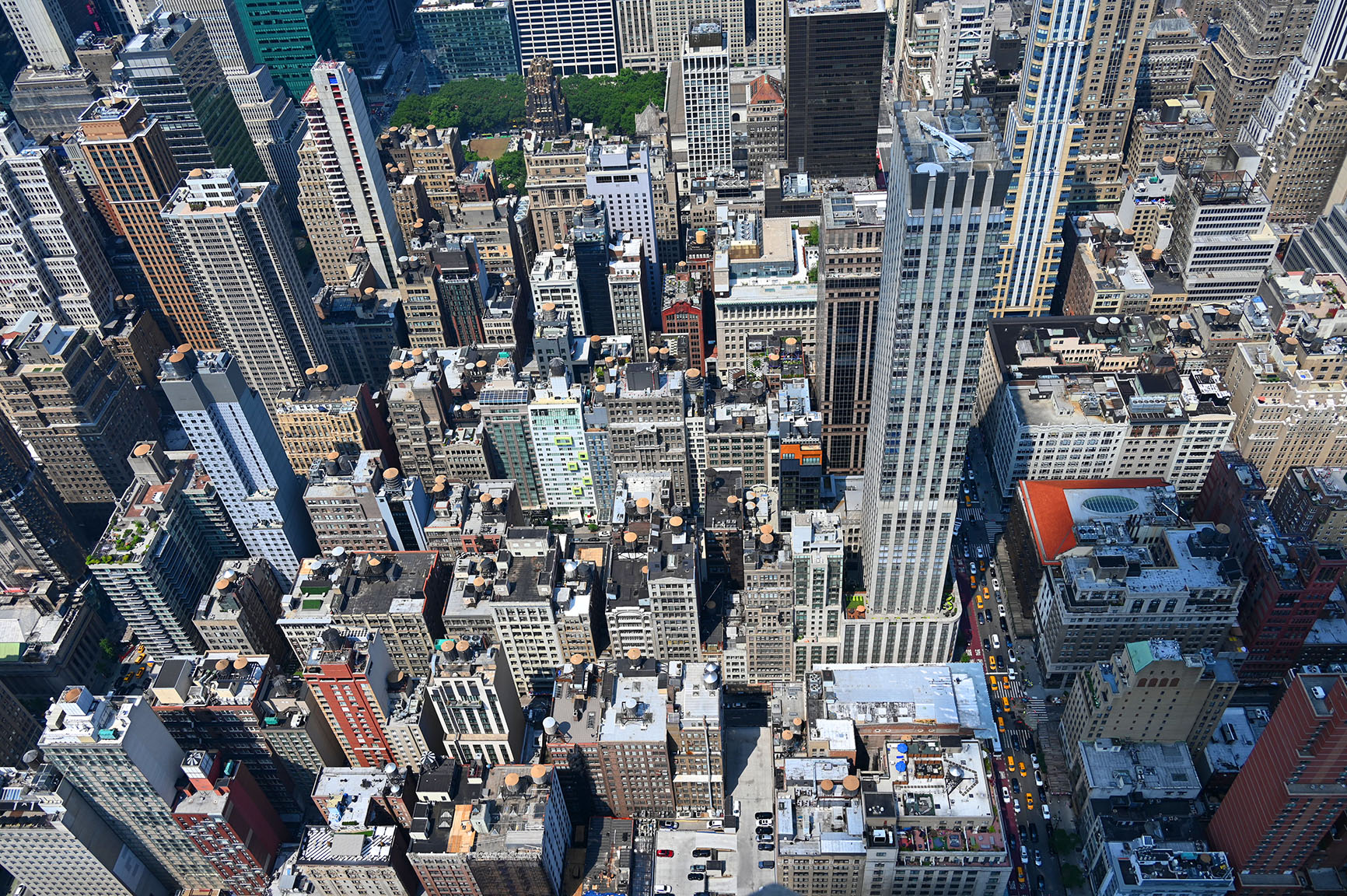
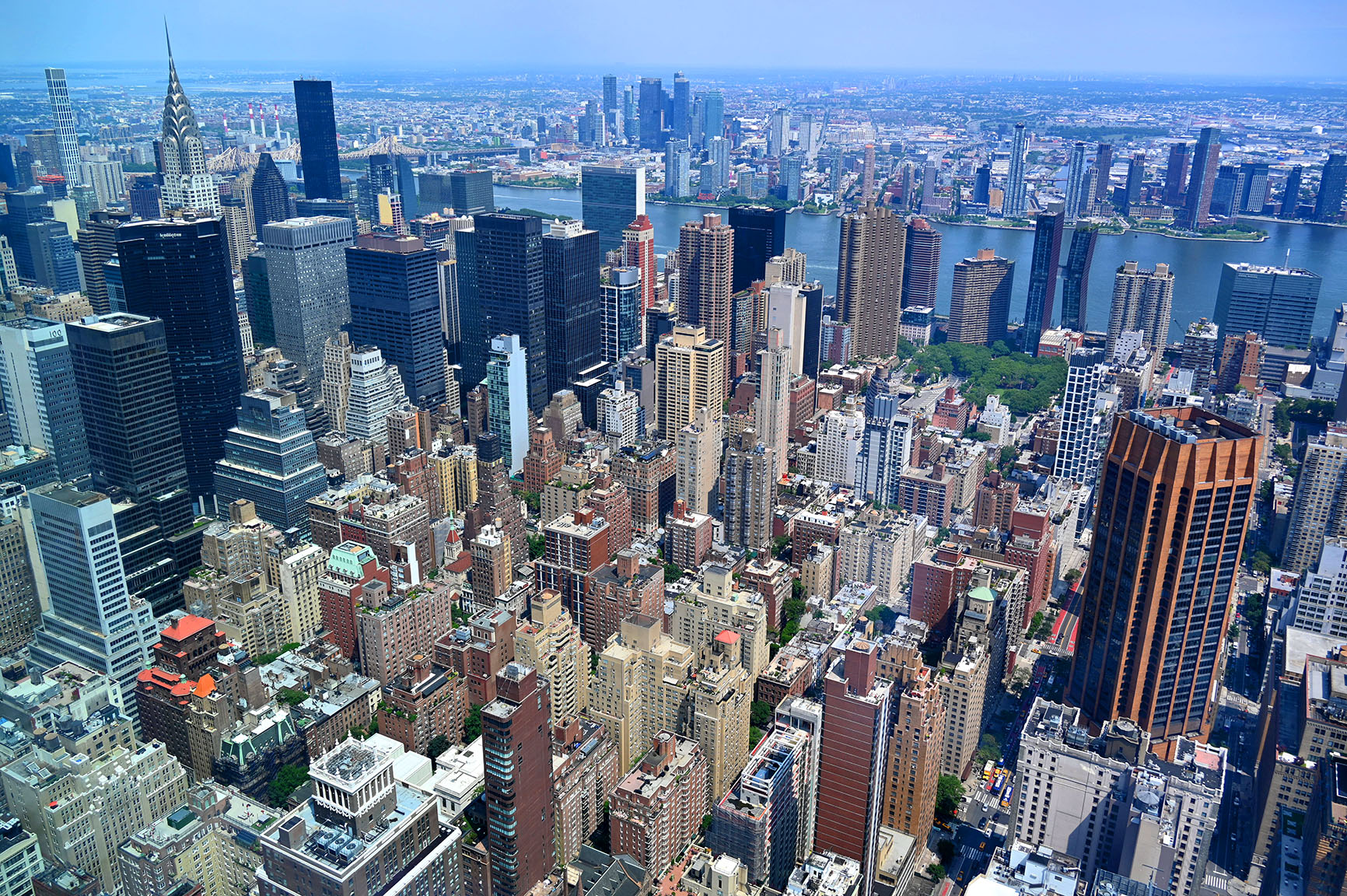
Midtown’s Empire State Building offers a contrasting perspective rooted in the early 20th century. Completed in 1931, during the depths of the Great Depression, it was built in just 410 days and became the world’s tallest building until 1970, when the original World Trade Centre’s North Tower surpassed it. Its Art Deco design reflects the architectural optimism of the era, when New York was competing with cities like Chicago for skyscraper supremacy. From its 86th‑floor observatory, the skyline reads like a catalogue of the city’s vertical development. The Chrysler Building, completed in 1930, displays the stainless‑steel crown that epitomised the Art Deco movement. The Flatiron Building, finished in 1902, stands as one of the earliest steel‑frame skyscrapers. Central Park, created between 1857 and 1876, appears as a vast green rectangle – a deliberate 19th‑century intervention to preserve open space as the city grew.
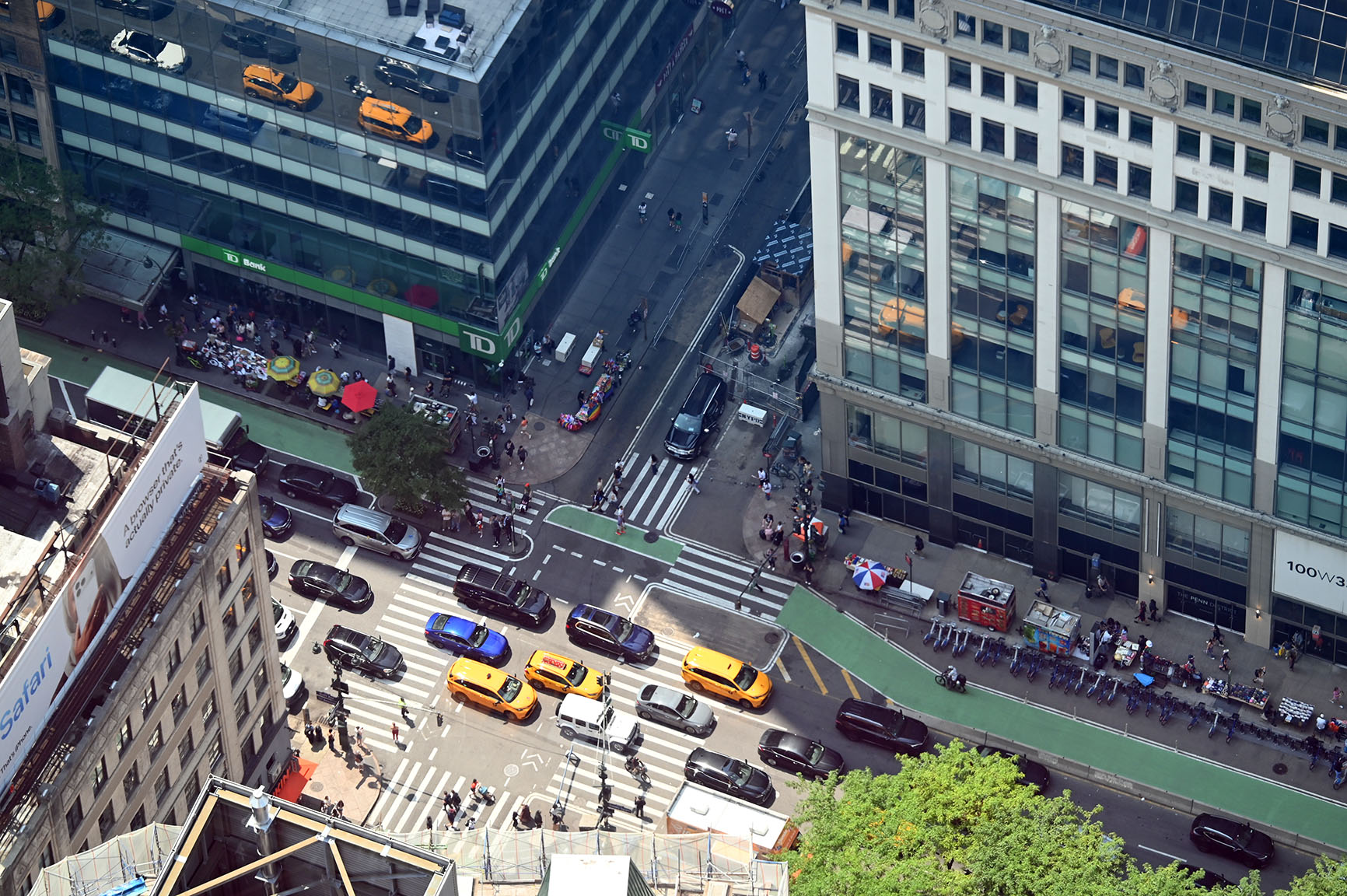
Midtown’s great civic and commercial landmarks – Grand Central Terminal (1913), Rockefeller Centre (1930s), and the later rise of Times Square – reveal how this part of Manhattan became the city’s cultural and commercial engine. Looking south, the Financial District’s towers mark the city’s original colonial footprint, once dominated by low‑rise warehouses before the skyscraper boom of the early 1900s transformed the skyline.
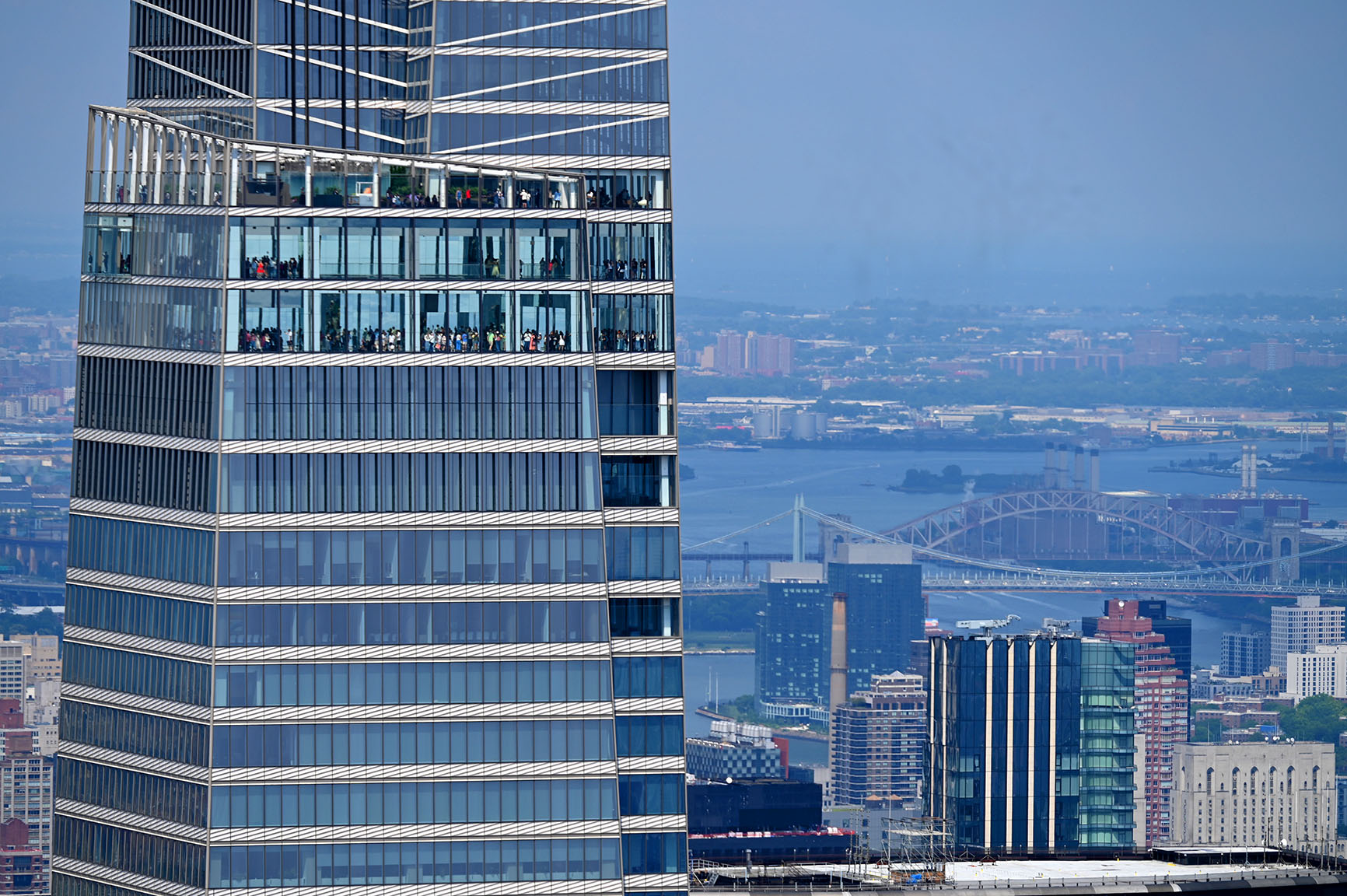
I strongly recommend visits up both buildings, as seen from these two heights, Manhattan’s development becomes a continuous tale. The 17th‑century trading post, the 19th‑century grid, the early skyscrapers of the 1900s, the Art Deco giants of the 1930s, the Twin Towers era from 1973 to 2001, and the 21st‑century rebuilding – all coexist in one panorama.
Freedom Tower offers the newest chapter; the Empire State Building preserves the classic one. Together, they reveal a city that has spent more than four centuries reinventing itself, each generation adding another vertical layer to the skyline that defines New York – the city that never sleeps.







Leave a Reply
Want to join the discussion?Feel free to contribute!