
World Travel Market – 40 Years On
This year marks 40 years since my first visit to World Travel Market (WTM), the annual gathering of the global travel industry in London.
In 1987, I was just starting out as an independent travel organiser, building a business around destinations I had spent the previous eight years exploring. I arrived at Earls Court with plenty of enthusiasm, little forethought and no real idea of what to expect.
That first visit taught me something that remains true today: the travel industry runs on people.
Much has changed since then, but perhaps less than we might imagine.
The way we do business
My first WTM involved arriving with a bag and leaving with heavy boxes of brochures, printed rate sheets and handwritten notes on the backs of business cards. Introductions, marketing and deals were all done face to face, with follow-up by telex, letter or telephone. The fax had yet to arrive.
There were no carefully planned schedules. You simply wandered, discovered stands, started conversations and never quite knew who you might meet. Exhibitions were largely desks covered in maps, with roller-blind posters providing the backdrop.
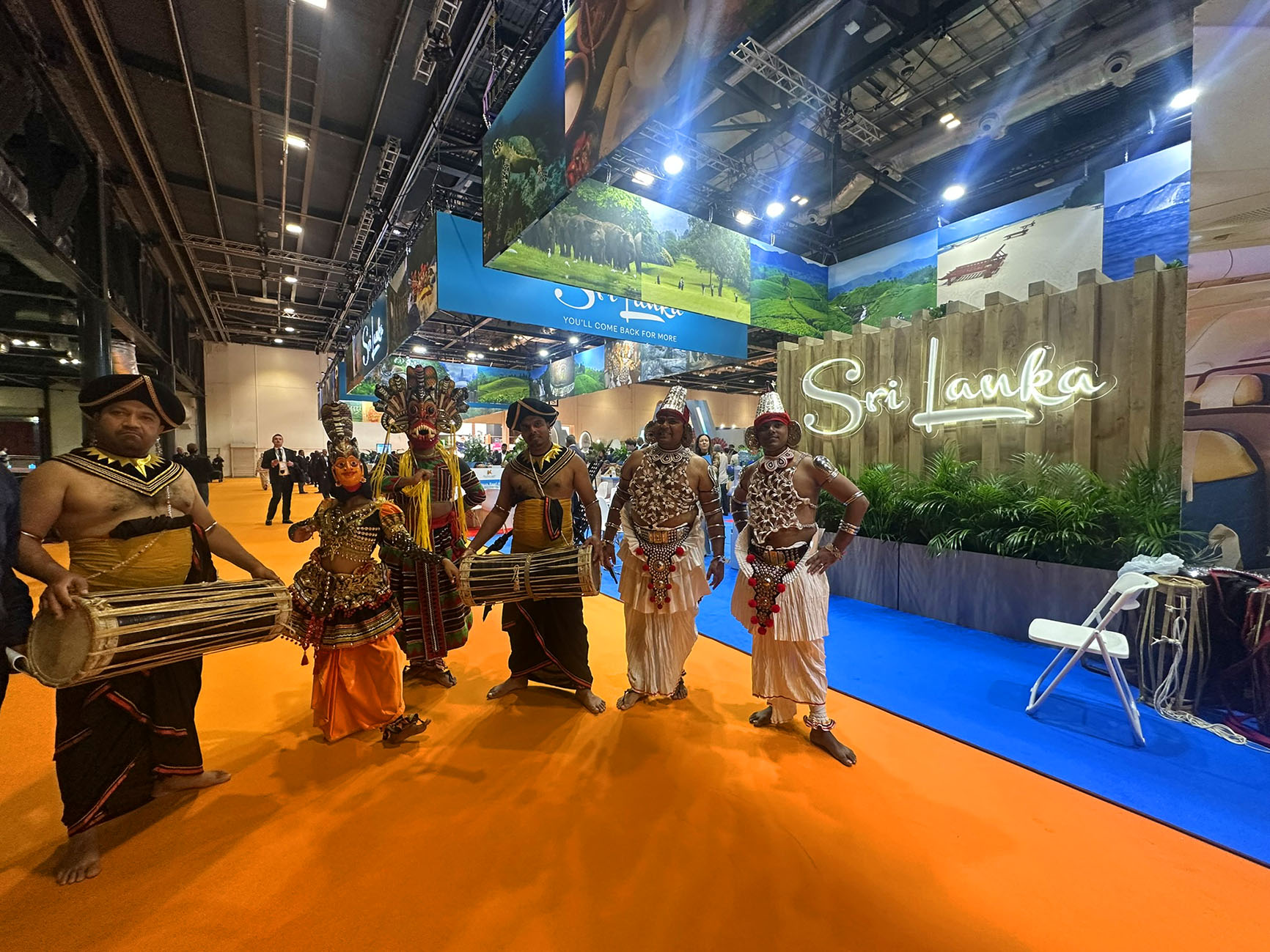
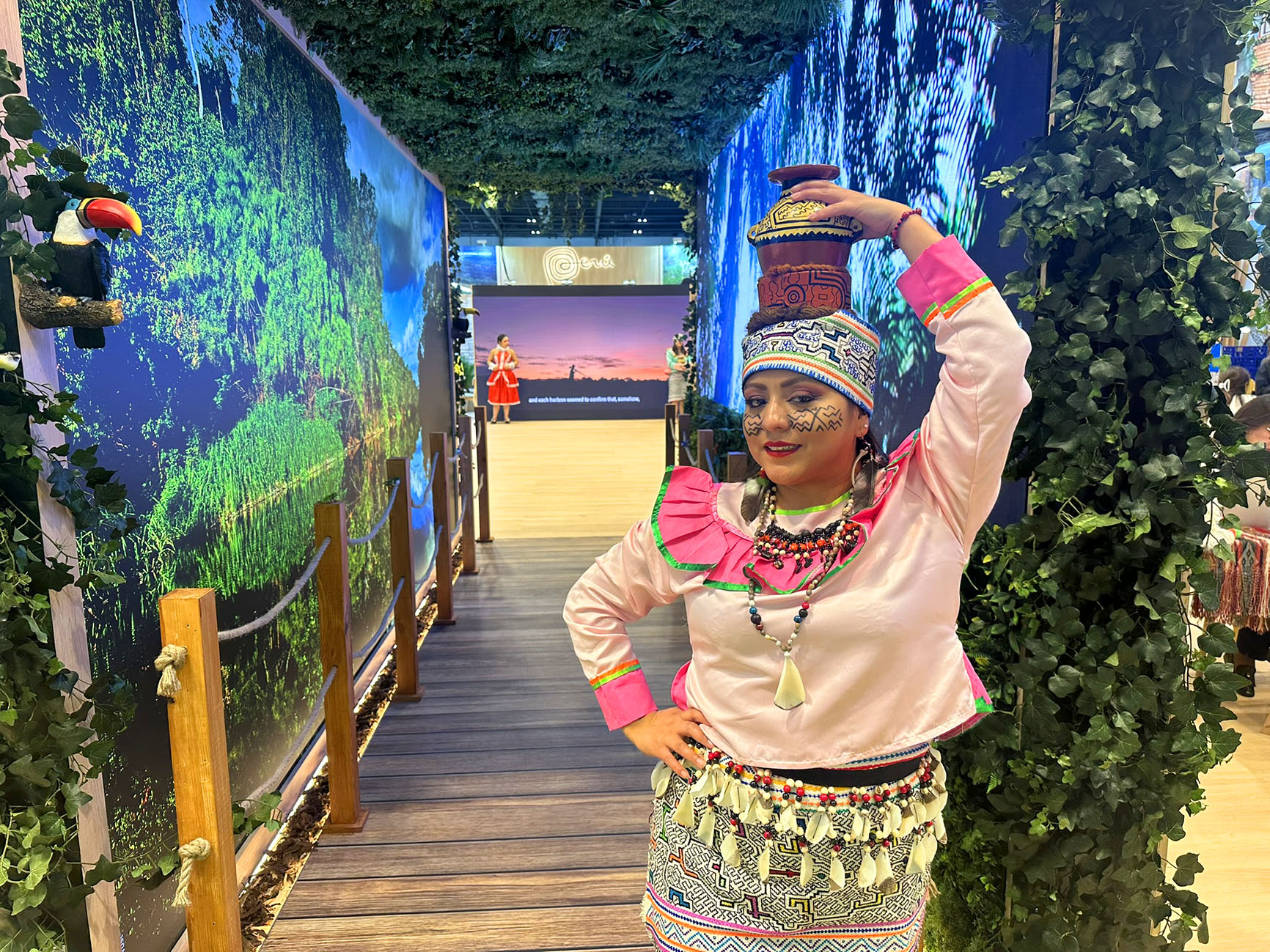
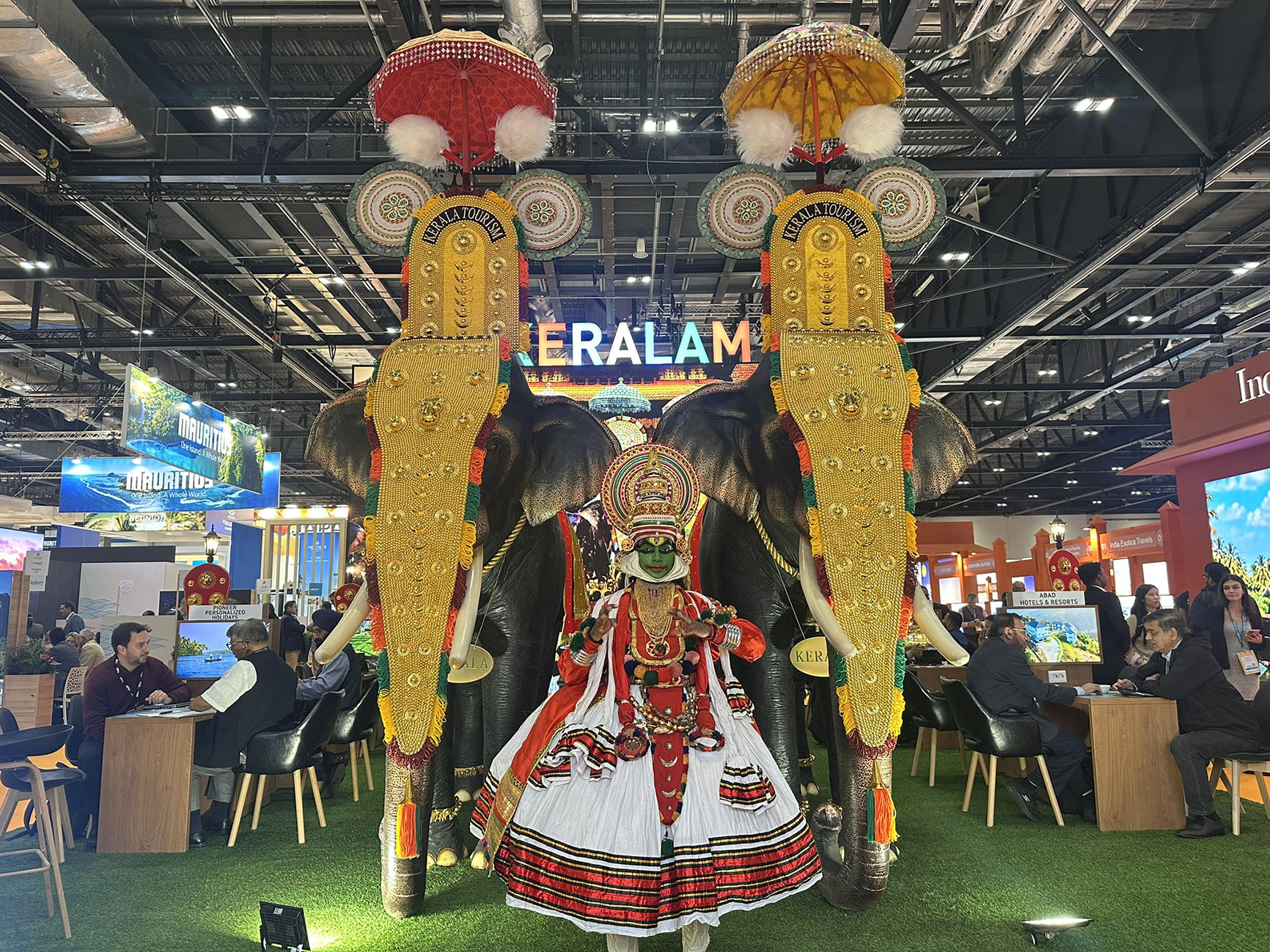
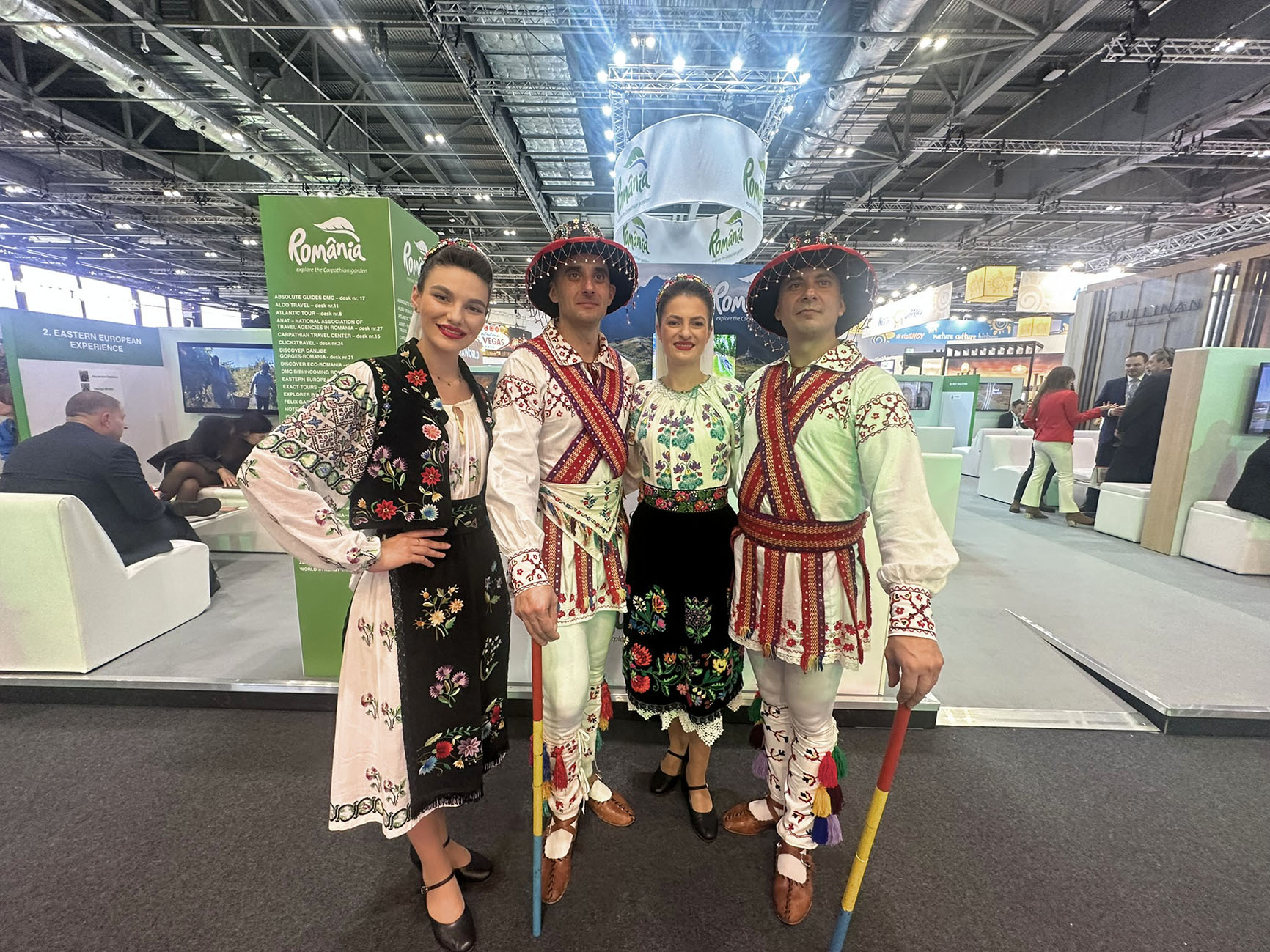
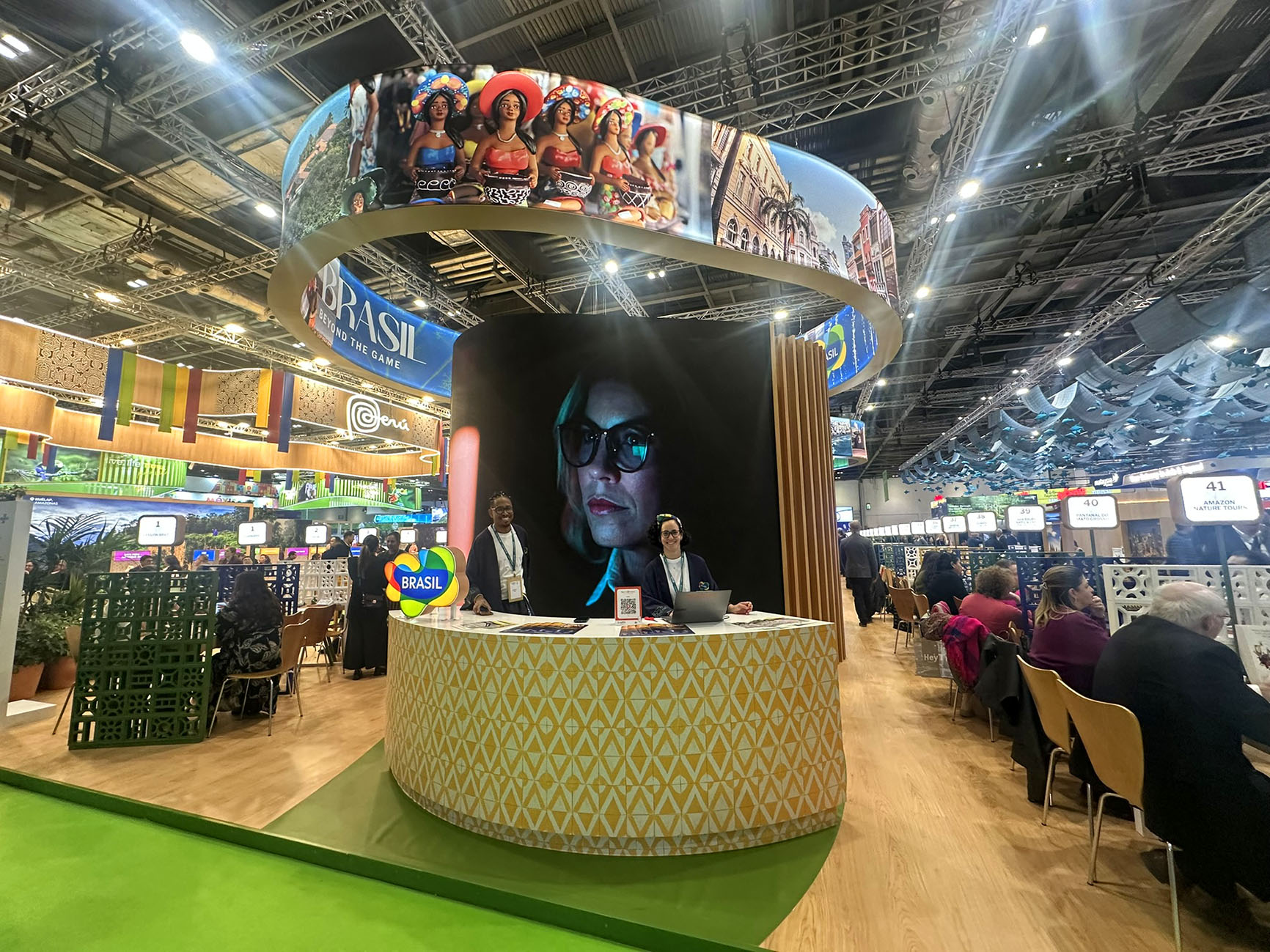
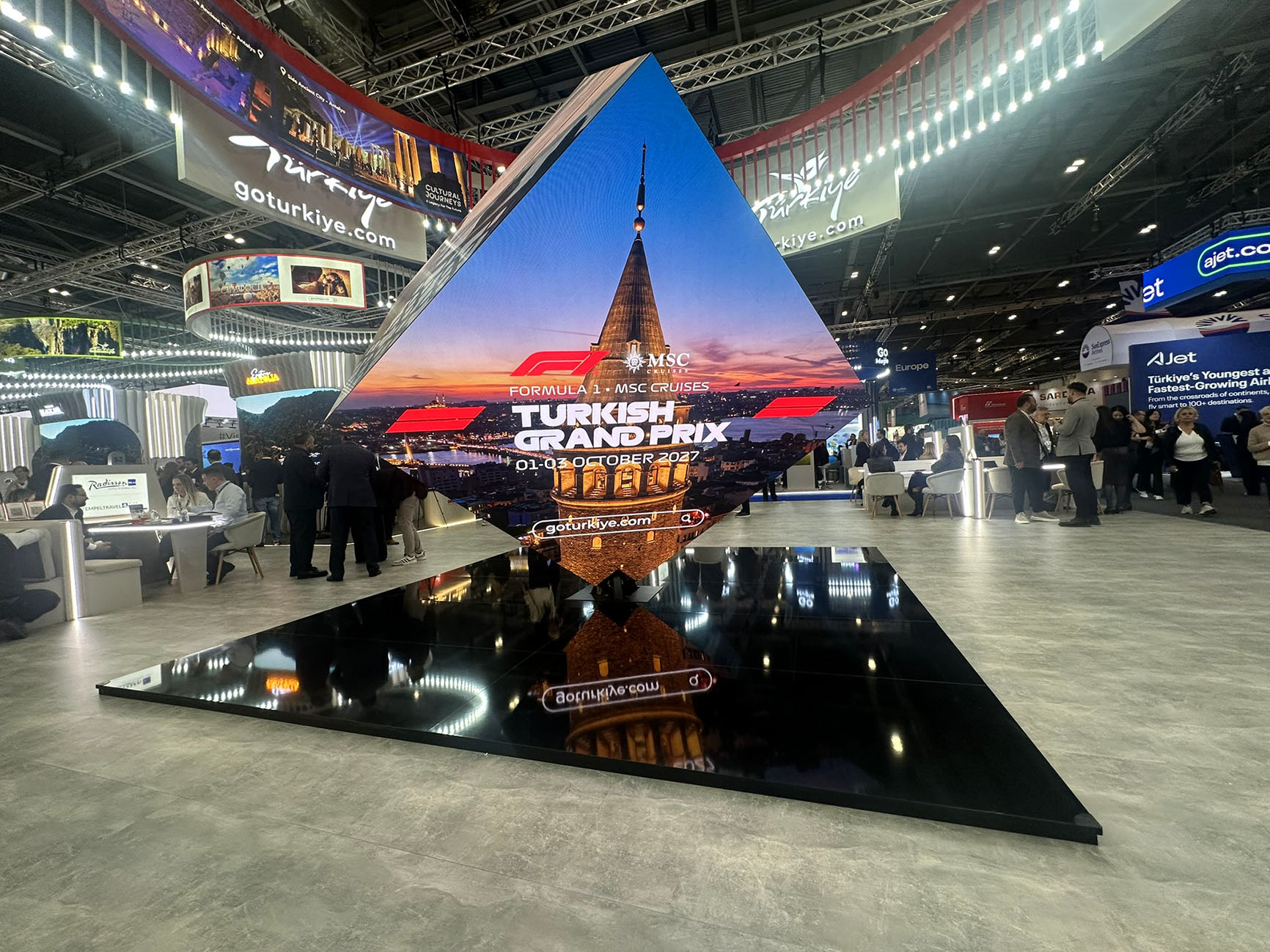
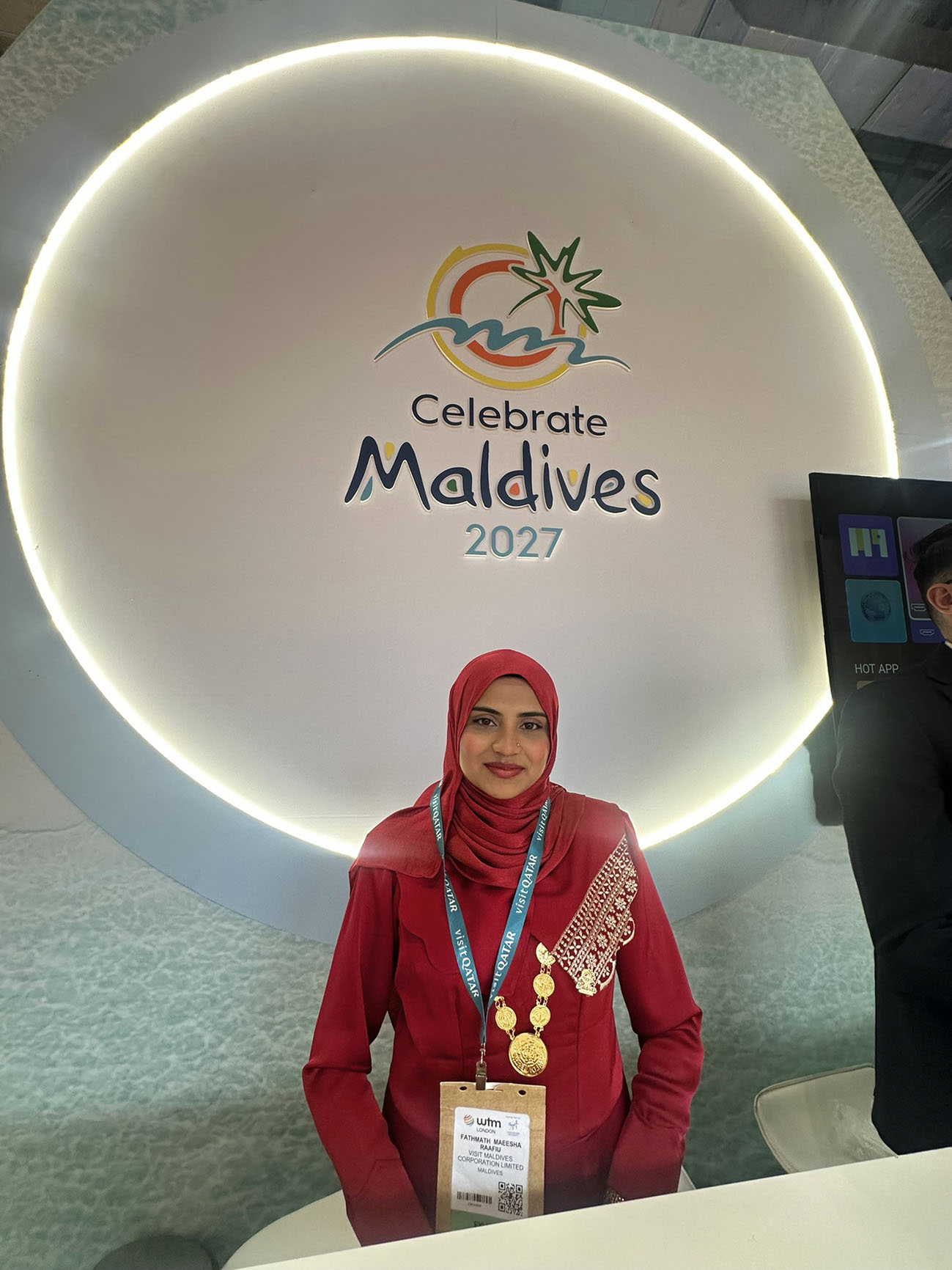
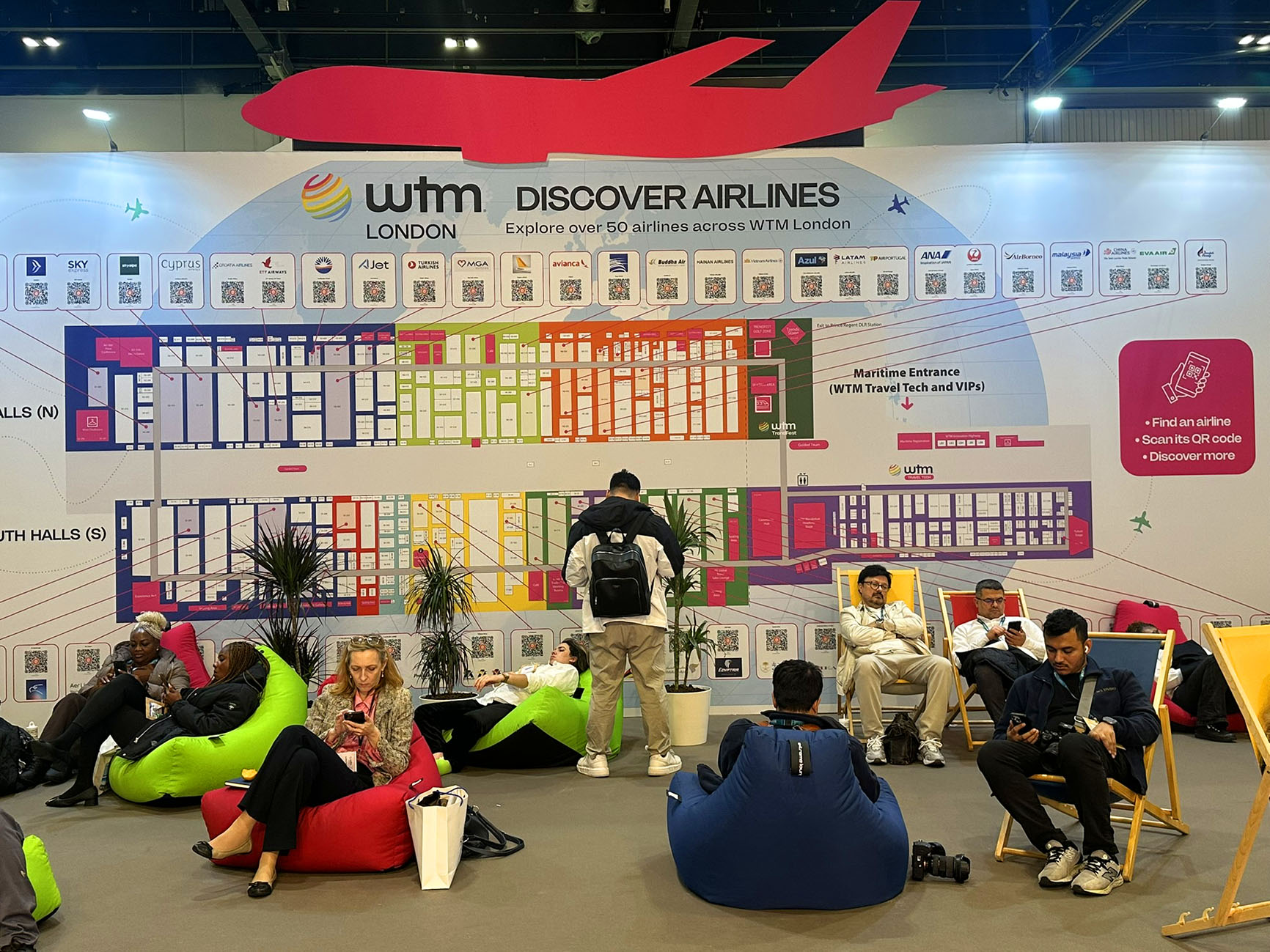
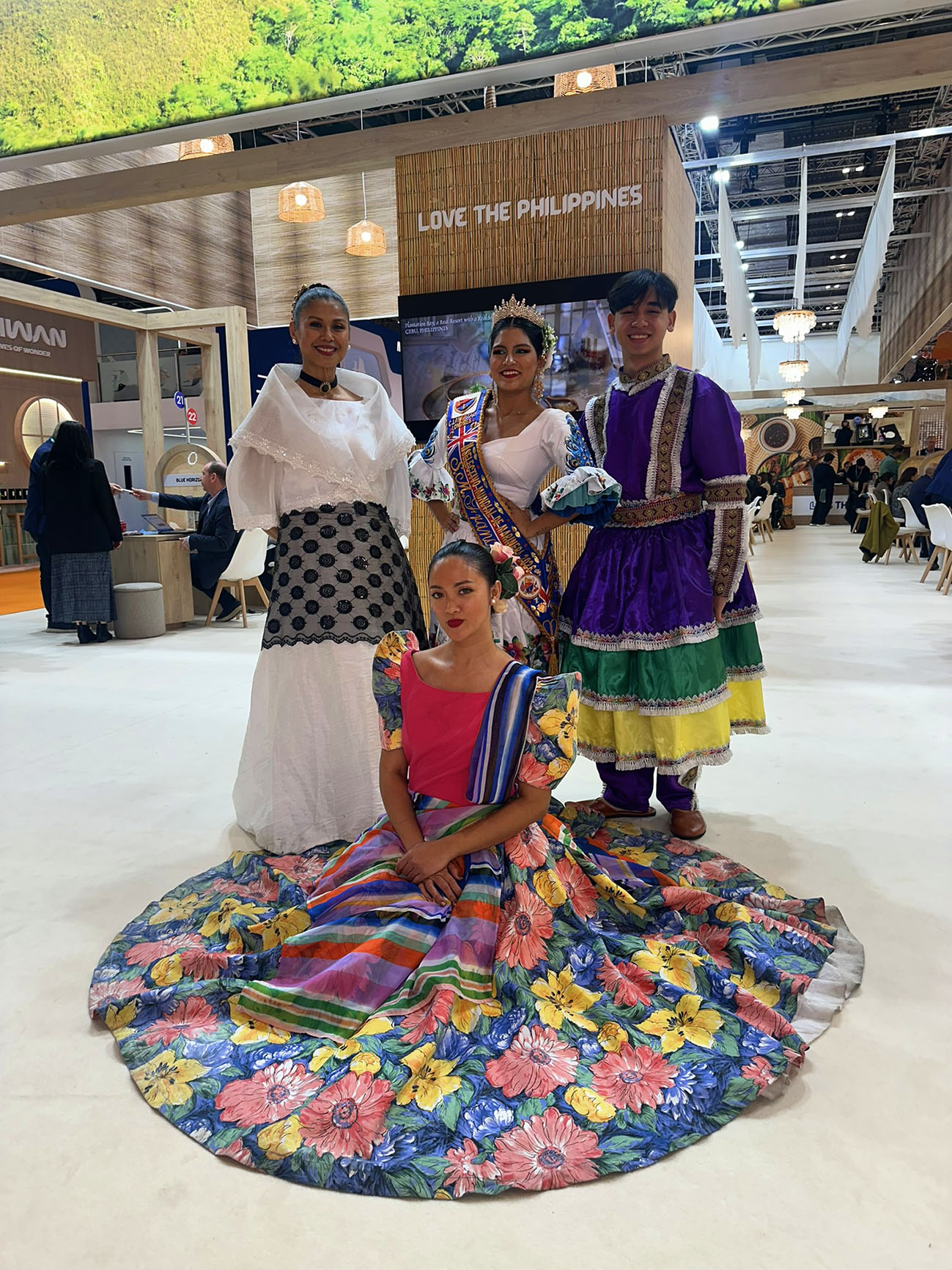
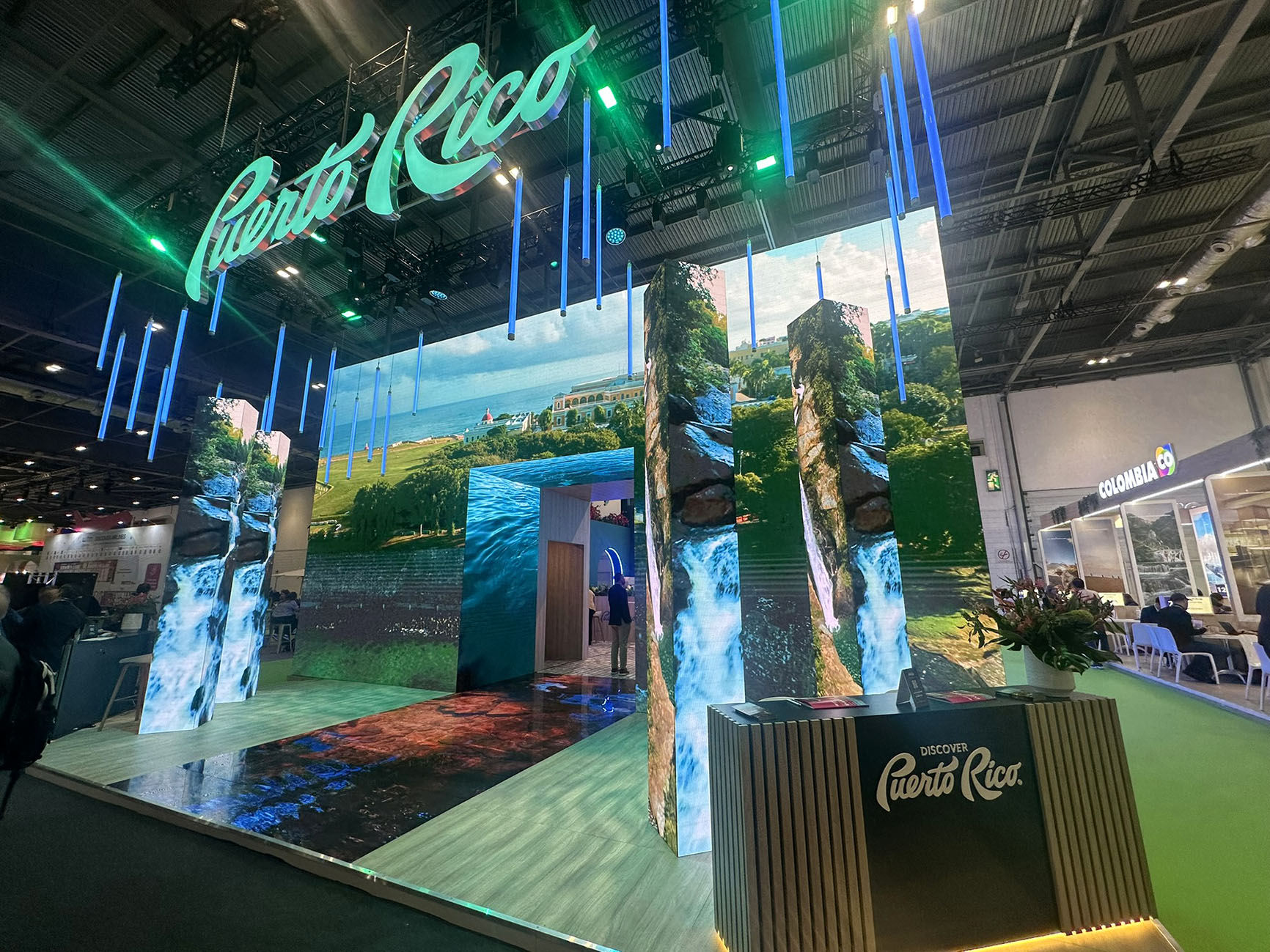
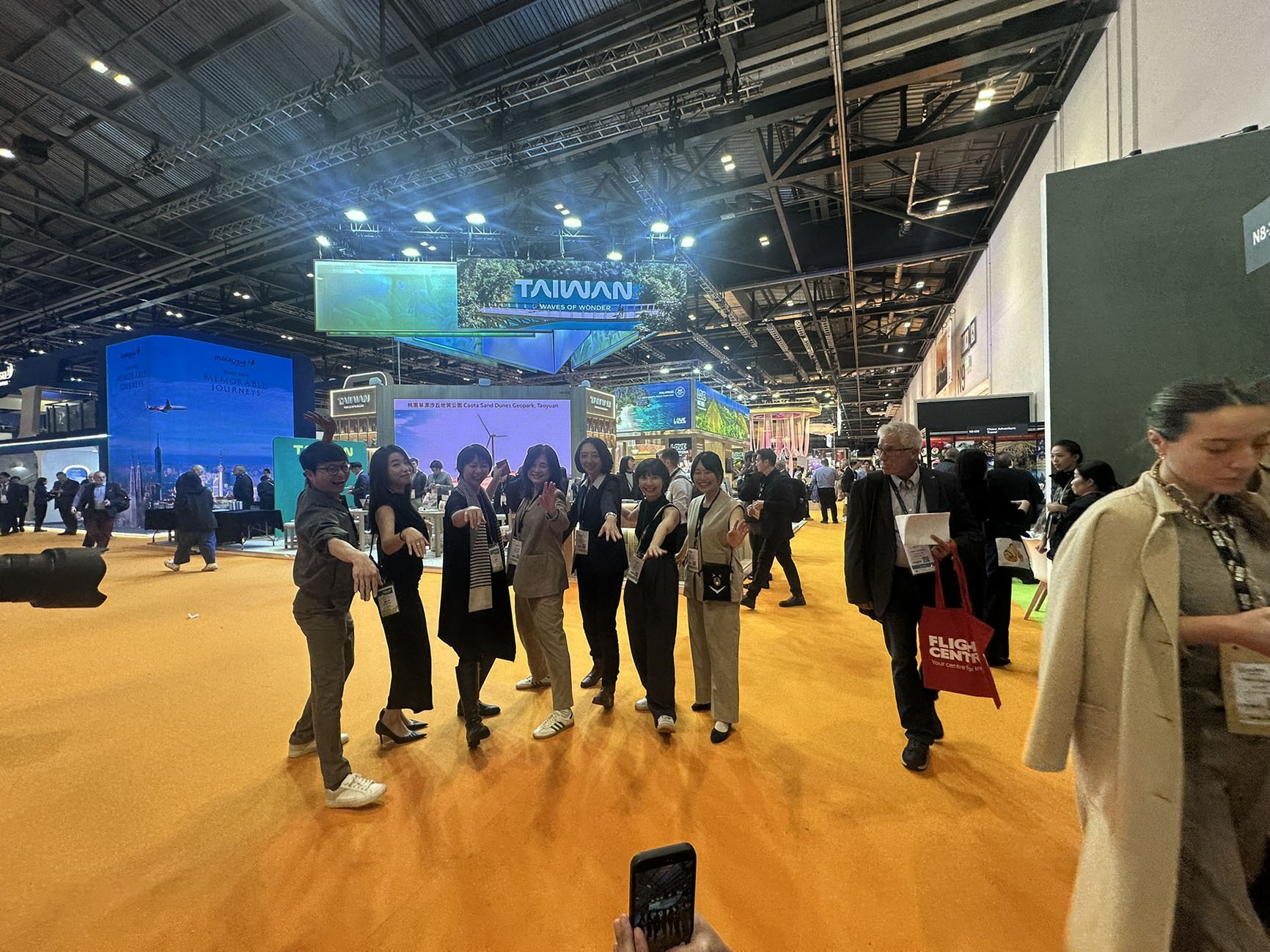
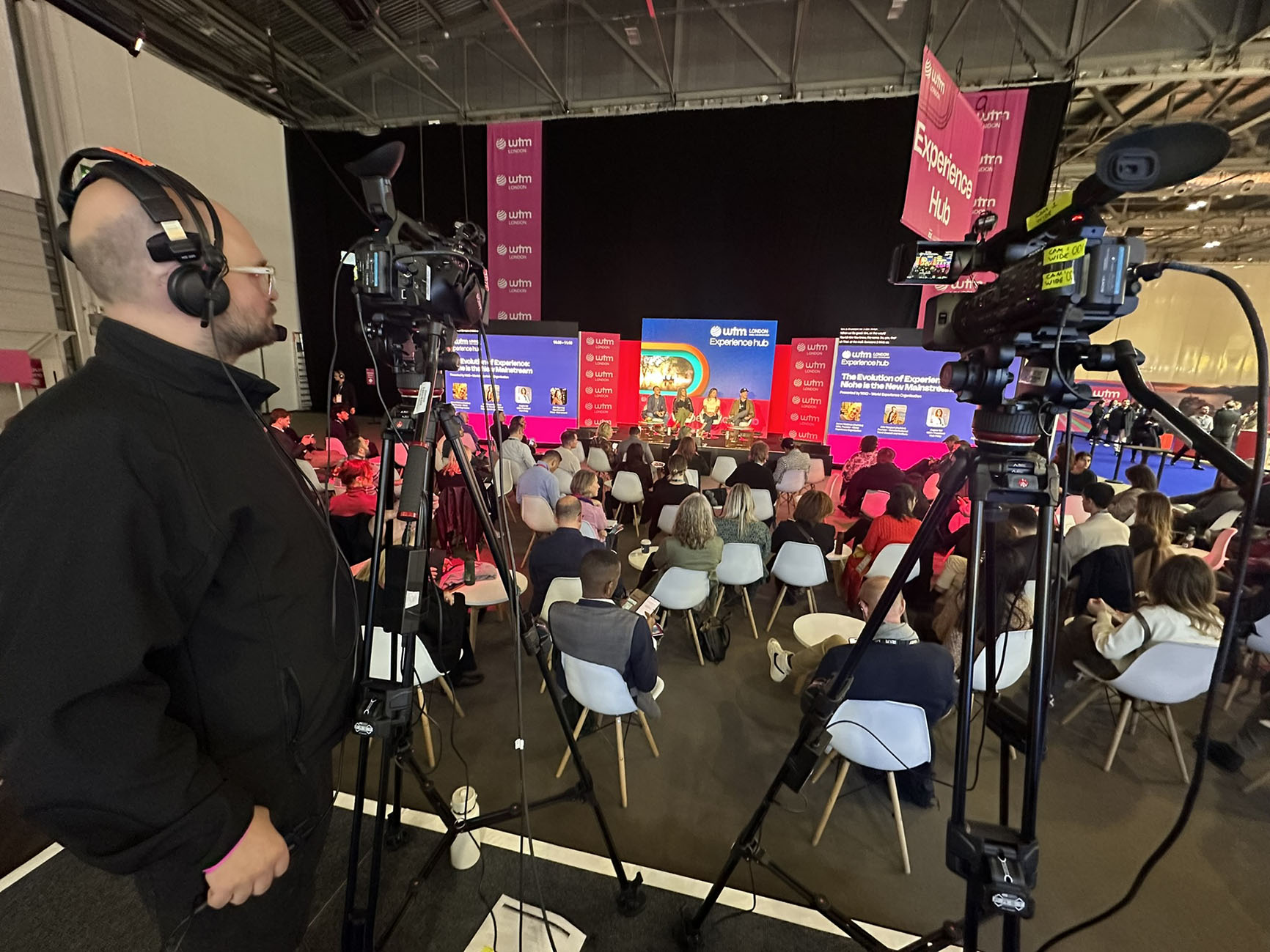
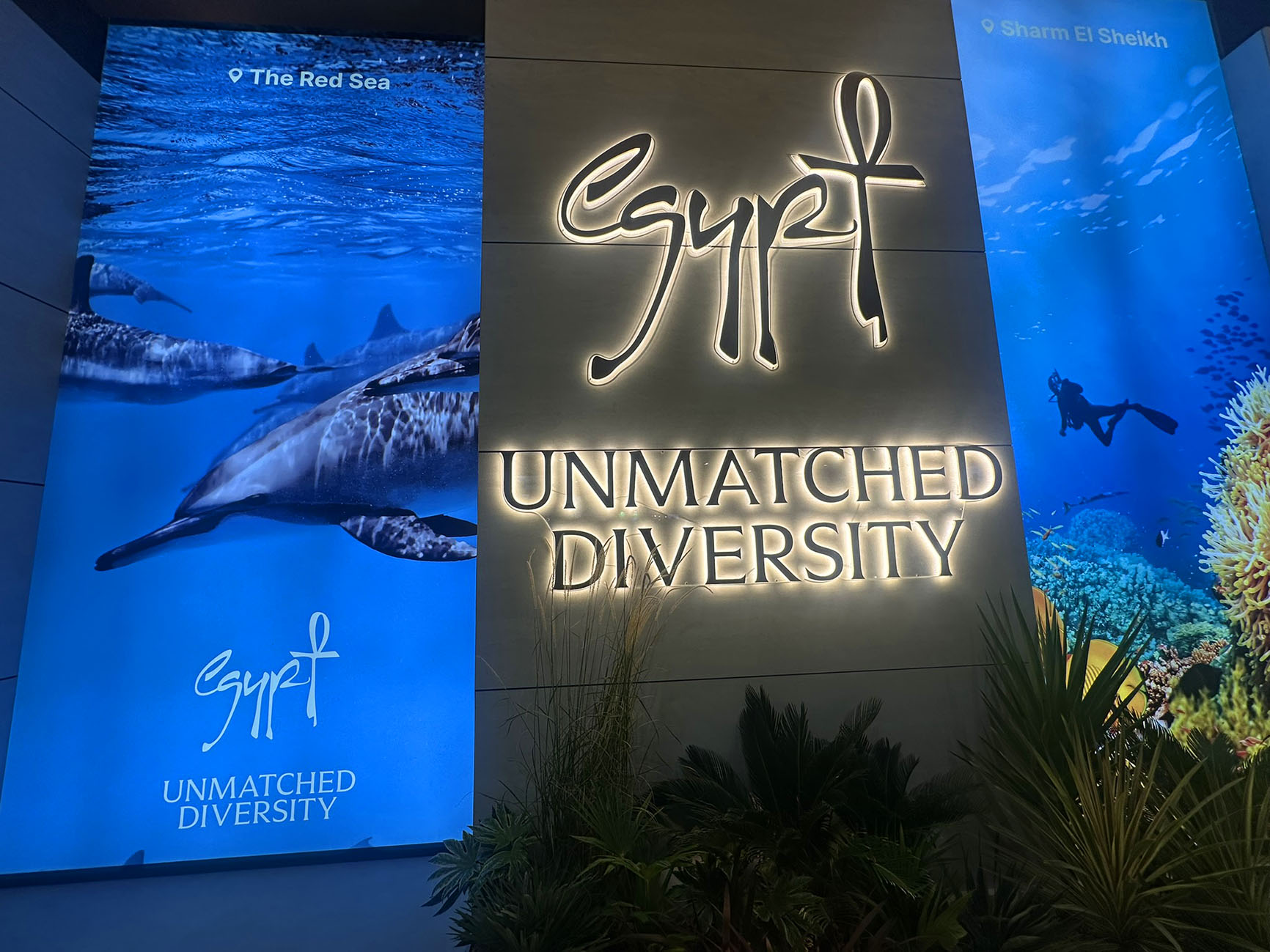
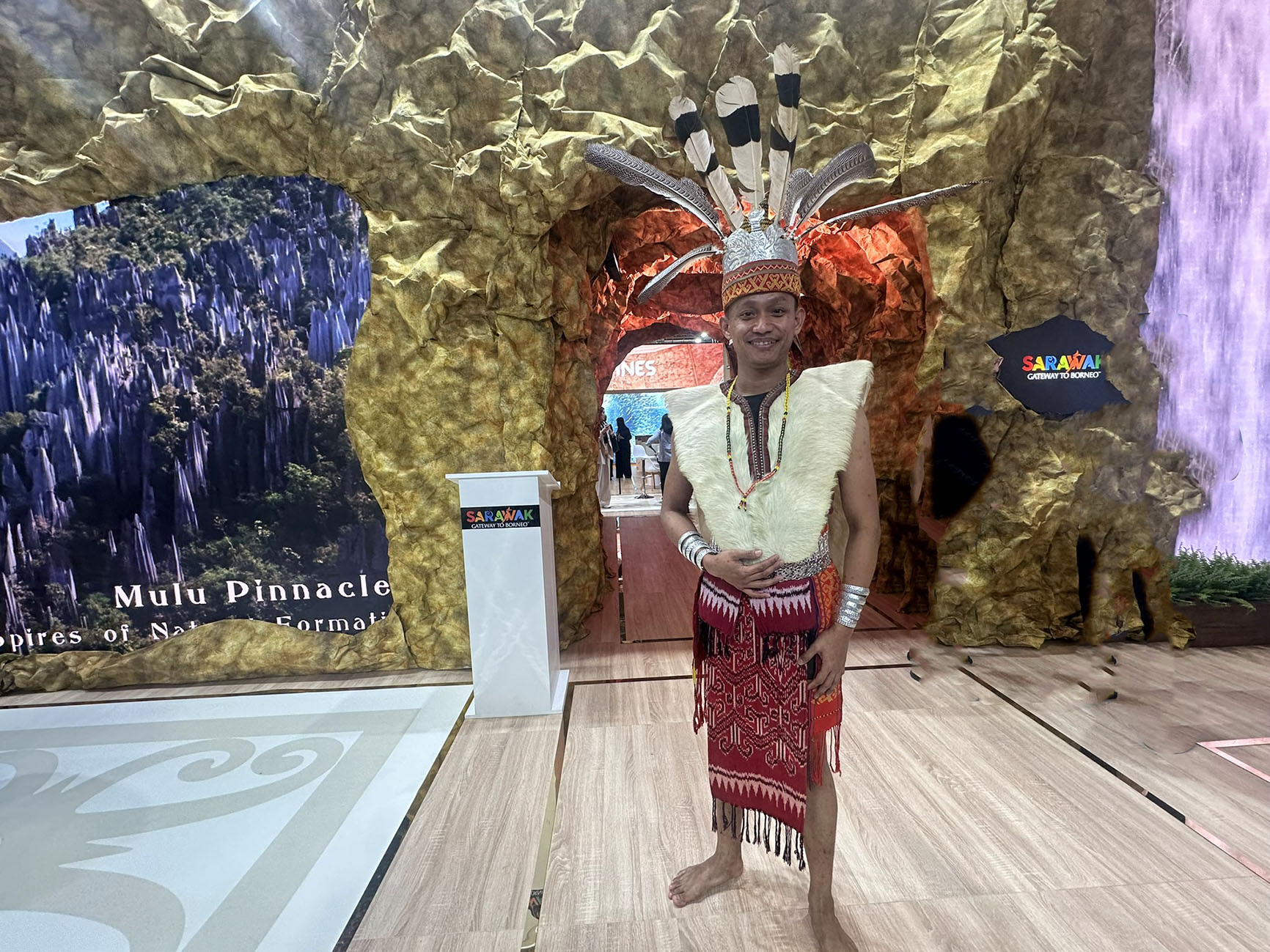
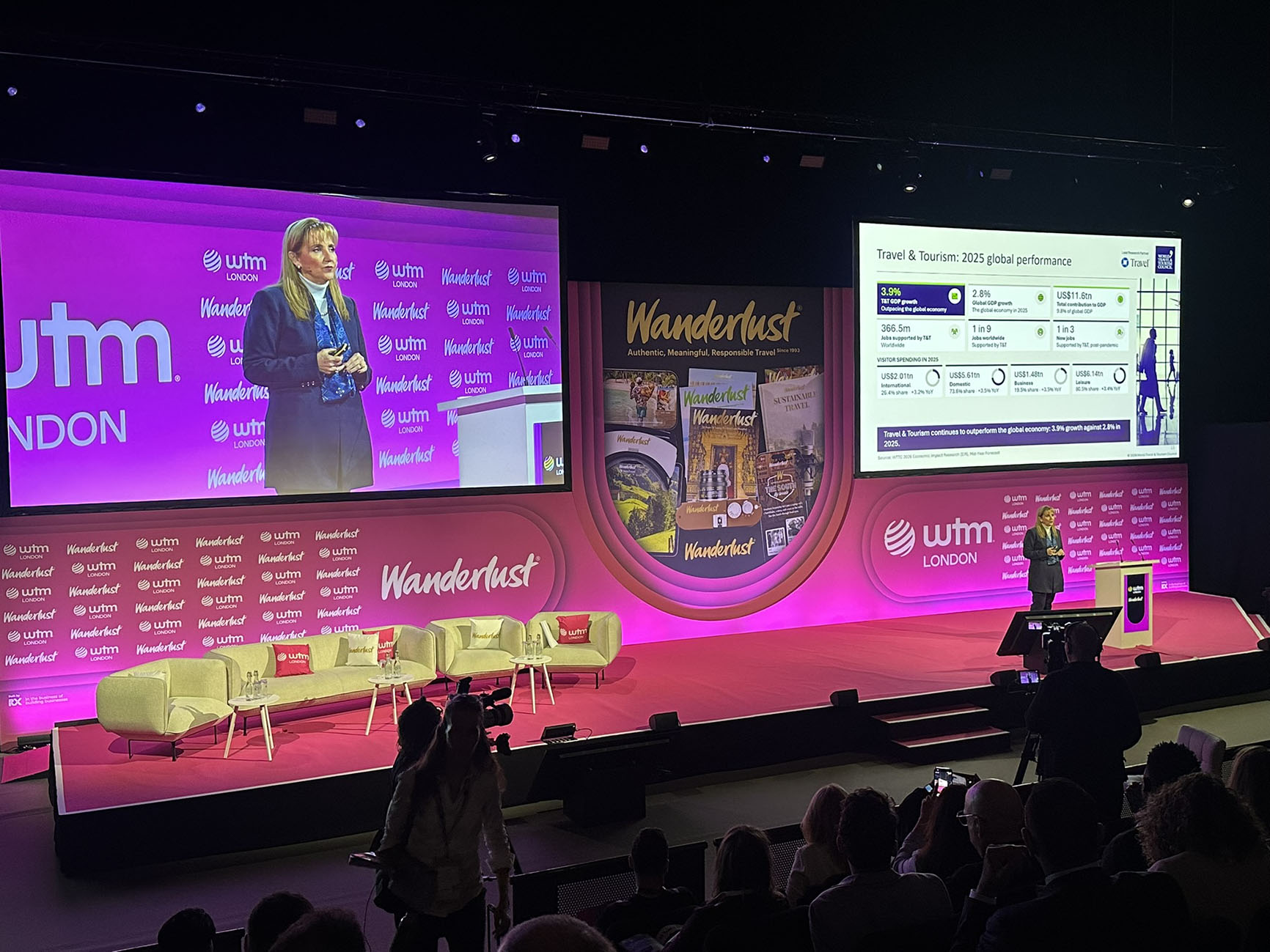
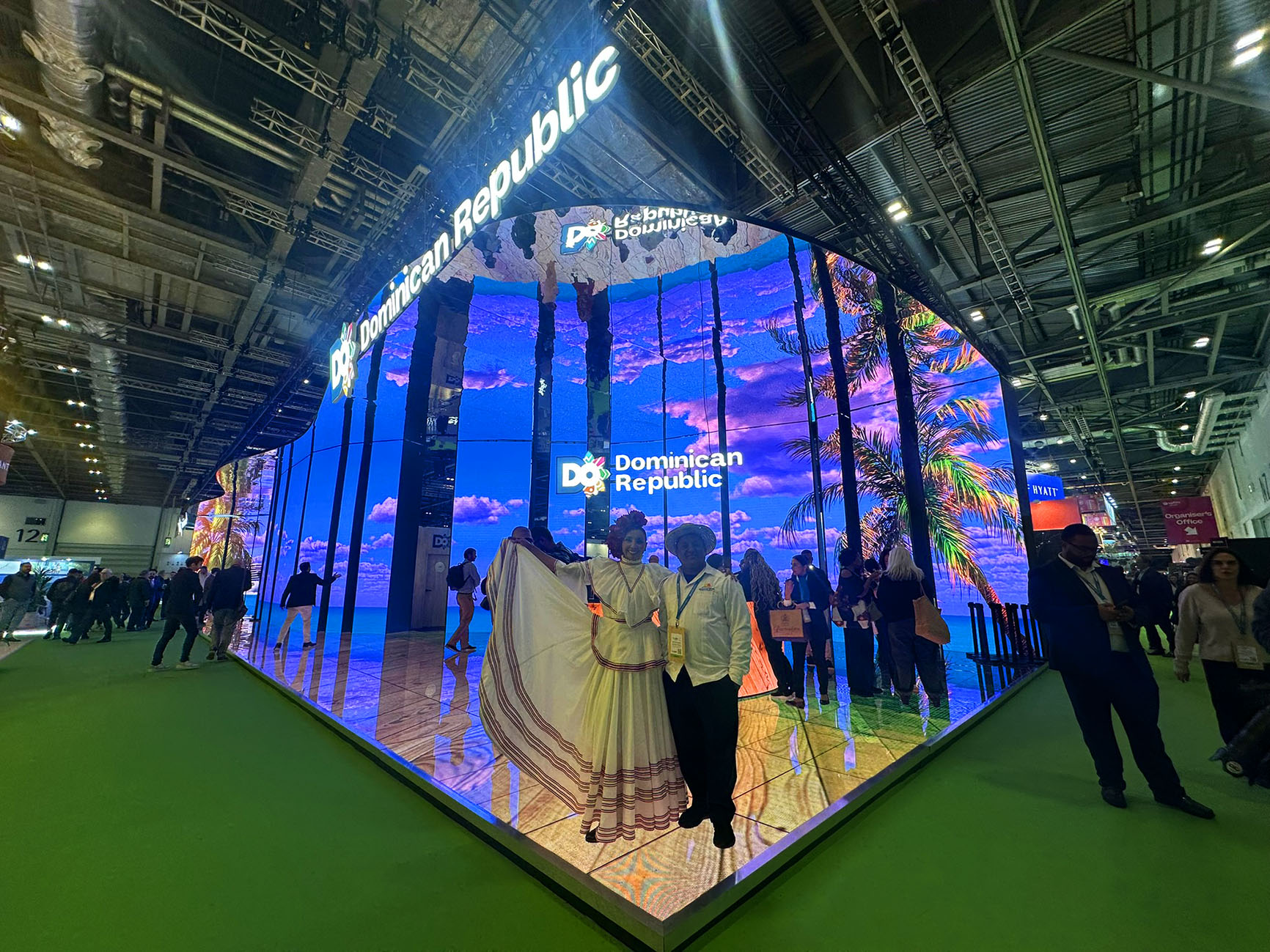
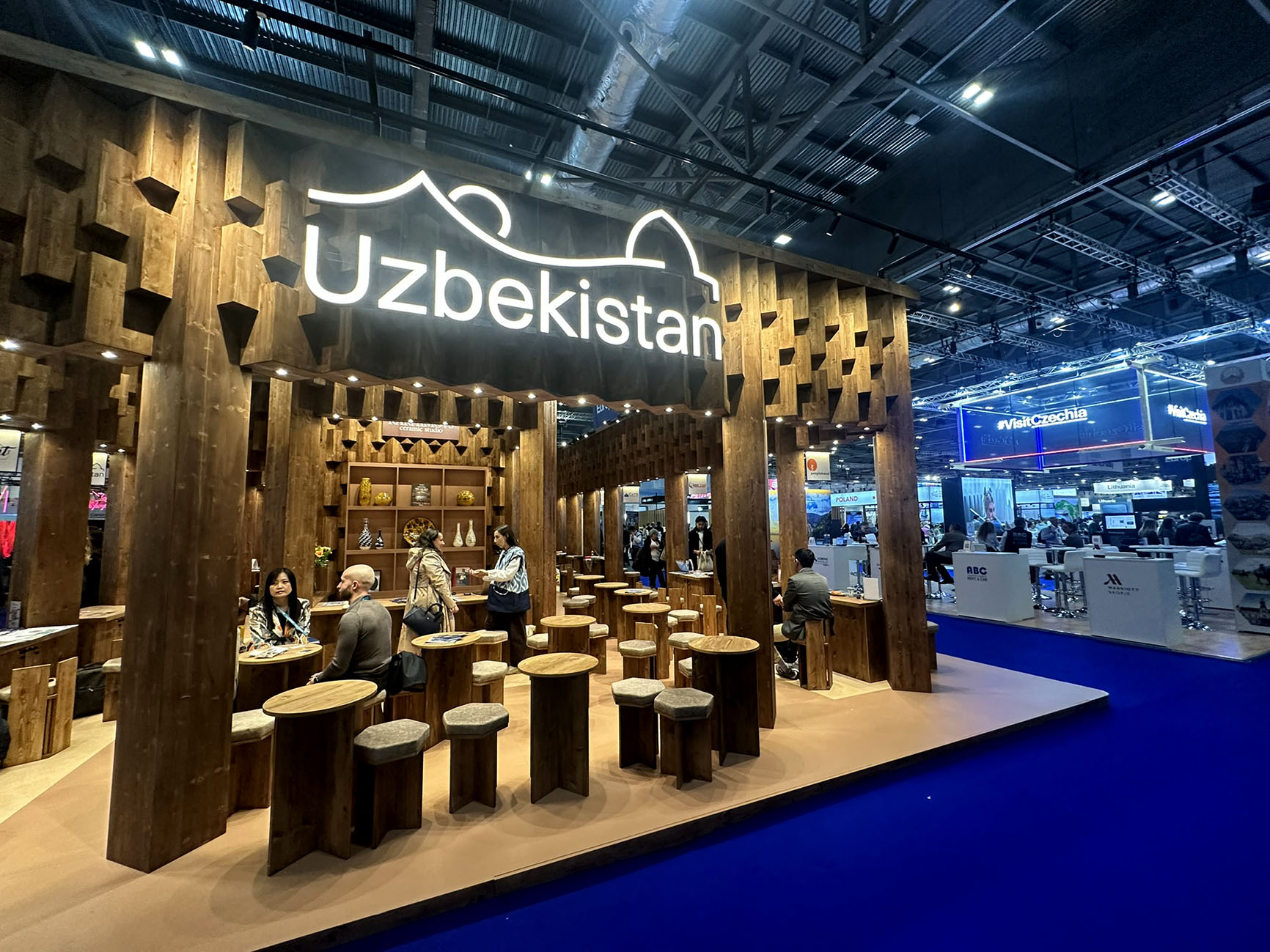
Today’s WTM at Excel Docklands is a very different spectacle. Enormous destination stands, high-definition screens, national costumes, presentations and panel discussions create a much more polished and theatrical event.
It is impressive and informative, but I sometimes miss the old sense of discovery: stumbling across someone who happened to know the remote destination you were hoping to explore.
One particularly rewarding constant has been our relationships with East African ground agents, first met in 1987. Their knowledge of remote wilderness reserves, logistics and getting clients safely in and out has been invaluable. Over the decades, we have navigated renamed countries, redrawn borders and the emergence of new wildlife and wilderness areas together.
What travellers want
In 1987, the mainstream holiday dream was largely a package: sun, sea and a reliable fortnight overseas. For many, simply travelling abroad was an aspiration.
My own proposition was different. I offered somewhere beyond the conventional brochure, drawing on places I had personally visited and come to know.
Today’s travellers are considerably more informed and adventurous. They want to experience a destination rather than simply visit it. Local culture, food, landscapes, wellbeing, activities, wildlife, sustainability and the impact of their journey all feature in their thinking. Some clients arrive having researched a destination more thoroughly than I had when I first discovered it.
This change has reshaped the industry and WTM itself, with sustainable tourism and evolving traveller expectations now central to the conversation.
A different world map
Forty years ago, the world looked very different. Much of Eastern Europe remained behind the Iron Curtain, and the maps we worked from contained considerable gaps. International tourism was dominated by Western Europe and North America, while long-haul travel still felt exciting and relatively undiscovered.
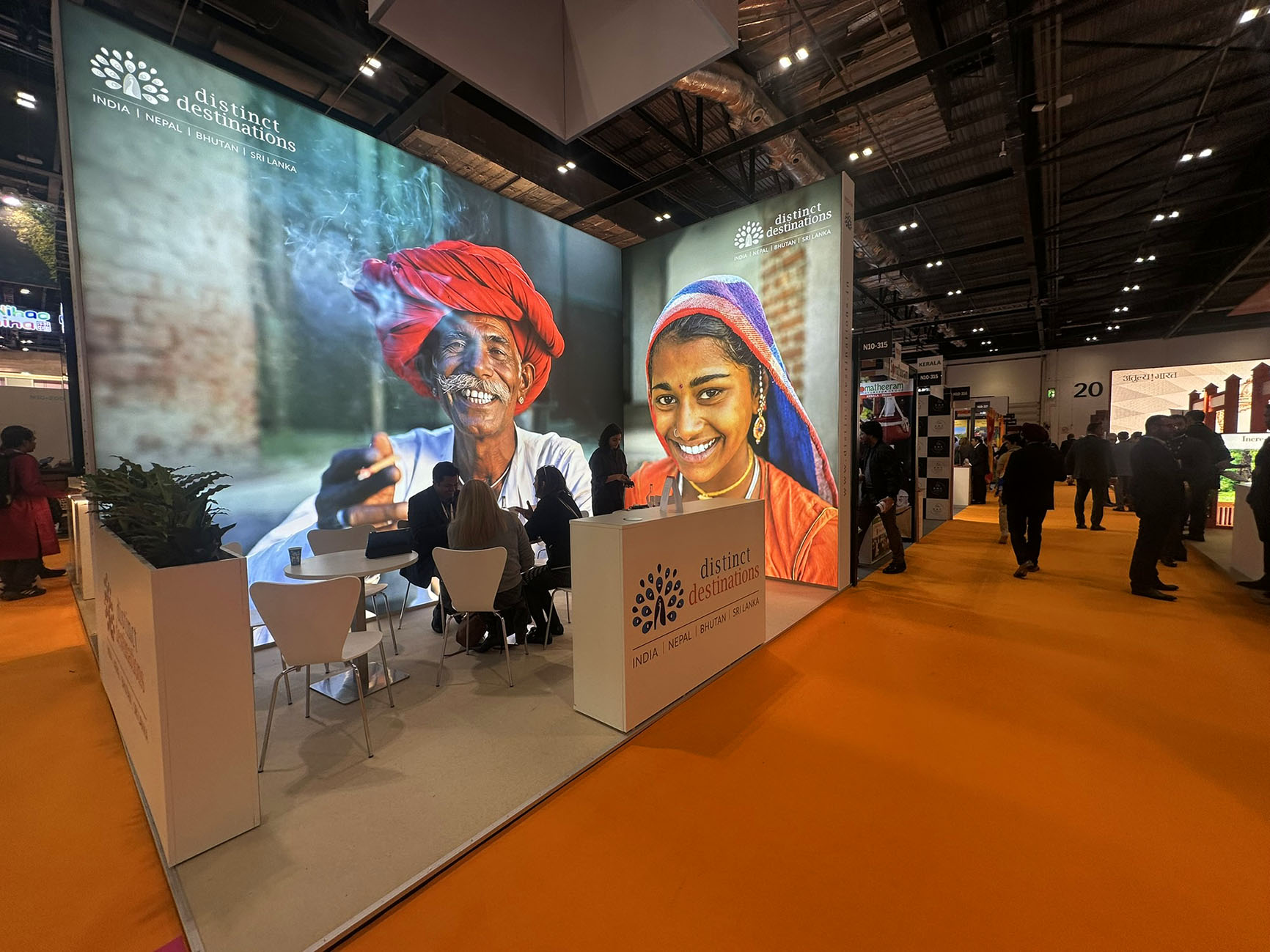
Today, WTM brings together representatives from more than 180 countries, reflecting a much broader global industry. The Gulf, Asia and Africa now carry significant commercial influence, while destinations once considered remote or inaccessible have become established travel markets.
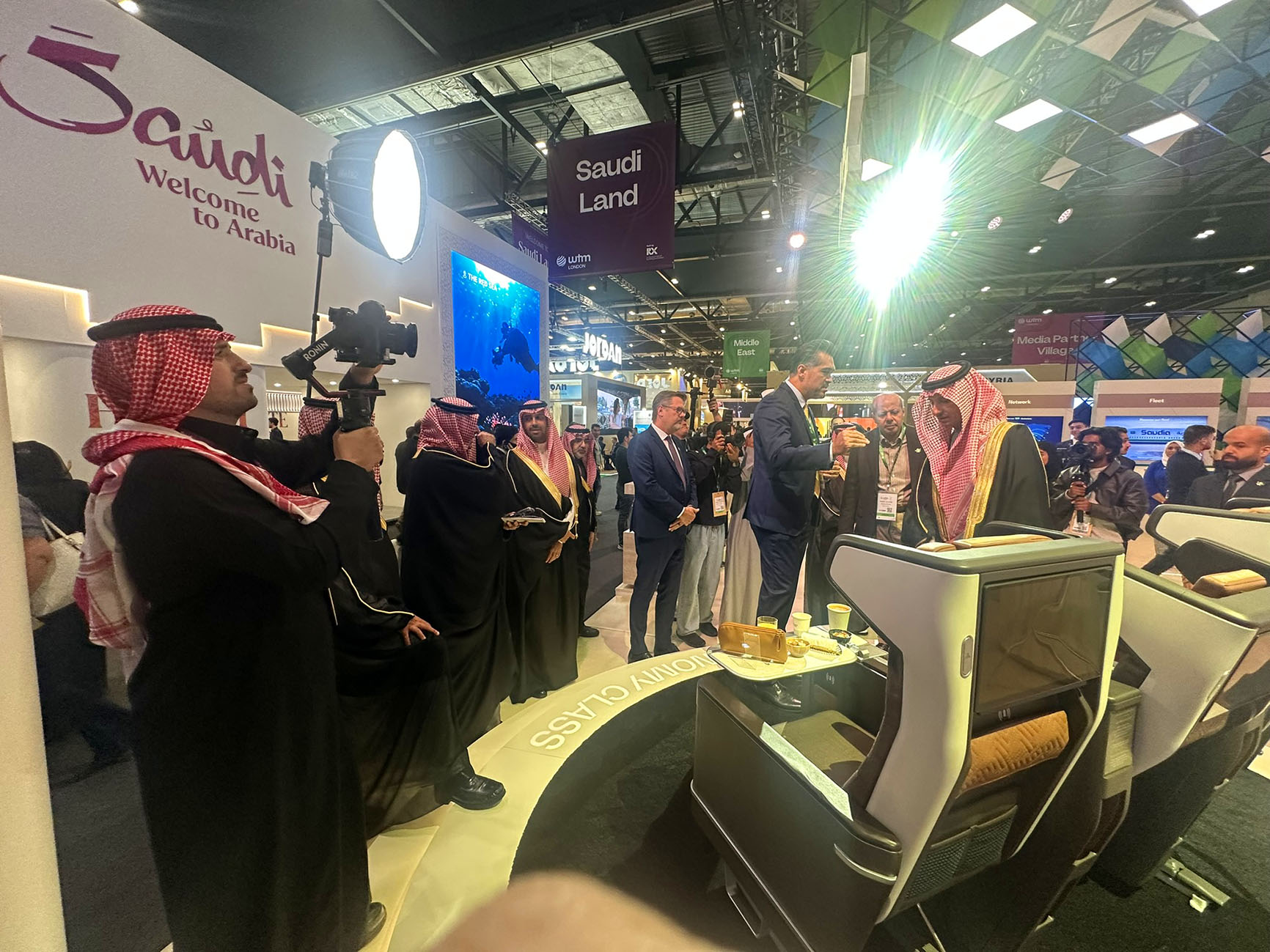
Geopolitics, technology and changing global connections have transformed the way we understand and explore the world. The internet and now artificial intelligence have accelerated that change beyond anything we could have imagined in 1987.
Yet one thing remains remarkably straightforward: people still want a darn good holiday.
More of us, travelling differently
In 1987, there were approximately 360 million international tourist journeys annually. By 2026, that figure is forecast to reach around 1.58 billion.
Travel has become accessible to a much larger proportion of the world’s population, bringing enormous opportunities but also new responsibilities. More destinations are competing for visitors, while the pressure on fragile environments, communities and infrastructure has become increasingly apparent.
The question has gradually shifted. Once, the industry was principally concerned with attracting more visitors. Today, it is increasingly about attracting the right visitors, managing numbers and ensuring that tourism benefits the places people travel to experience.
The changing business model
My original business model was simple and personal. I knew the destinations, understood the people on the ground and brought the two together for clients. Information was scarce, and having first-hand knowledge gave an independent organiser a real advantage.
WTM was an essential source of printed brochures, often supplied by tourism offices and covering destinations, activities and accommodation that were otherwise difficult to research.
That world has disappeared. Online travel agencies, comparison websites, direct booking platforms and loyalty programmes mean clients can access enormous amounts of information independently.
The industry’s commercial focus has shifted towards distribution, data and personalisation. For a small independent travel organiser such as Nomadic Thoughts, this presents both challenges and opportunities. We may no longer have an advantage simply because we can access information others cannot, but we can offer something harder to replicate: experience, judgement, trusted relationships and the detail that comes from having actually been there.
Technology: from Amstrad to AI
In 1987, my technological toolkit consisted of a noisy, largely text-based Amstrad PCW 9512, a telephone and a good address book.
I still remember visiting WTM in the early 1990s and being astonished when seeing a computer displaying images rather than simply MS-DOS coding. It seemed revolutionary, and really cool.
Today, my smartphone does almost everything, while artificial intelligence is becoming an increasingly prominent part of the travel conversation.
I am curious rather than concerned. If technology can take care of routine research and initial planning, it should leave us more time to concentrate on what really matters: personal knowledge, thoughtful advice and the care that goes into creating a memorable trip.
What hasn’t changed
For all the transformation, stepping onto the WTM exhibition floor still feels familiar. People come together to make connections, establish trust, exchange ideas and discover where the industry might be heading.
This year, I met a first-time visitor from China hoping to develop incoming cultural tours, alongside a Finnish ground agent, also attending for the first time, to promote high-end tailor-made travel in Sweden. Different ambitions, different backgrounds, but the same enthusiasm and entrepreneurial spirit I remember from my early days.
Looking back over four decades, the travel industry has undoubtedly changed in scale, technology and opportunity. Yet its foundations remain surprisingly constant. Relationships, local knowledge, trust and a shared enthusiasm for discovering the world still matter enormously.
And perhaps that is the most important lesson from forty years of World Travel Market.
As Hans Christian Andersen famously wrote: “To travel is to live.”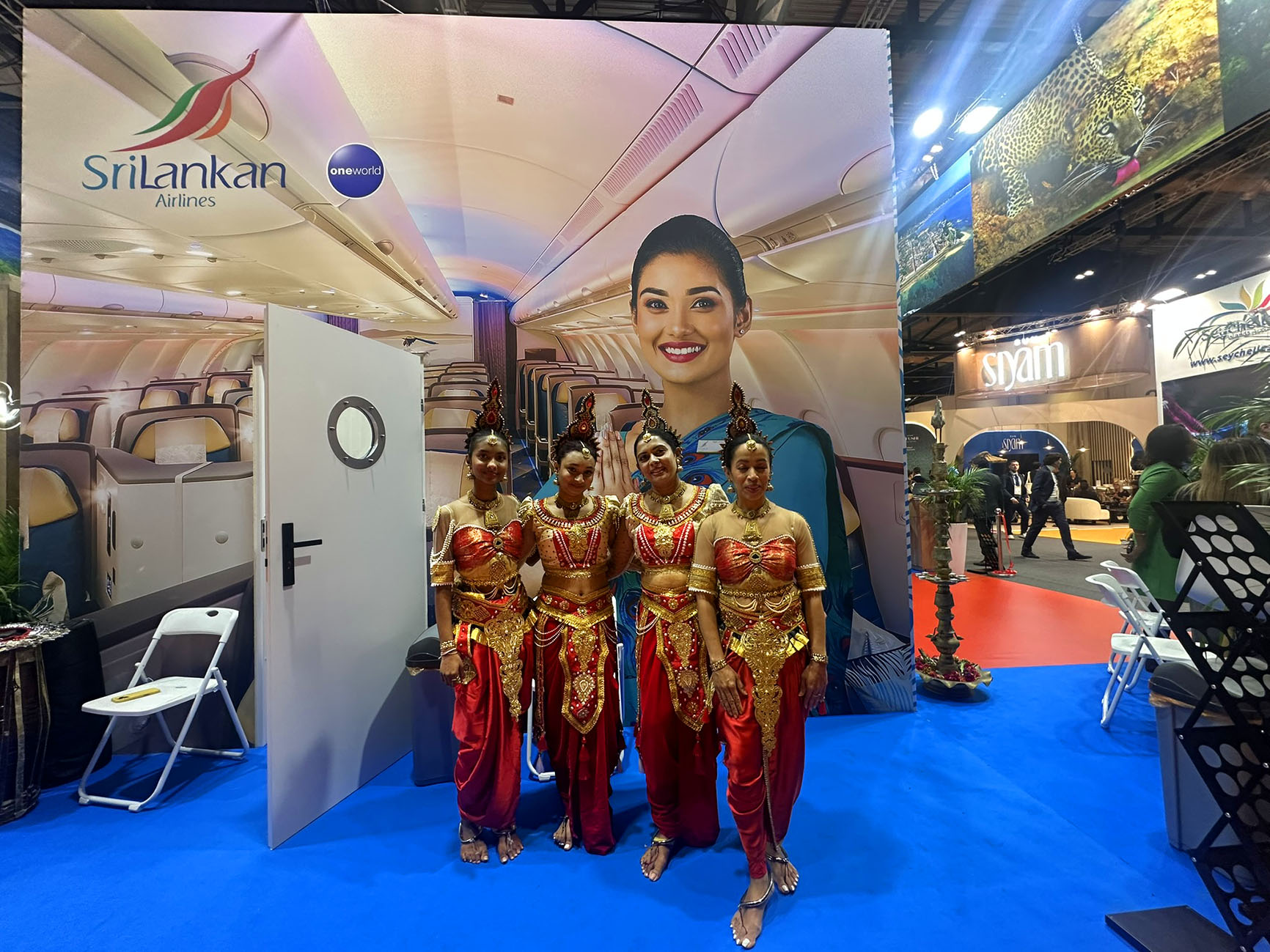






Leave a Reply
Want to join the discussion?Feel free to contribute!