
India’s Animal Street Scene
There are few places where the traffic seems to have been organised by someone who forgot to distinguish between vehicles and livestock. In India, the road belongs to everybody: the motorist, the motorcyclist, the rickshaw driver and, with an air of absolute entitlement, the cow.
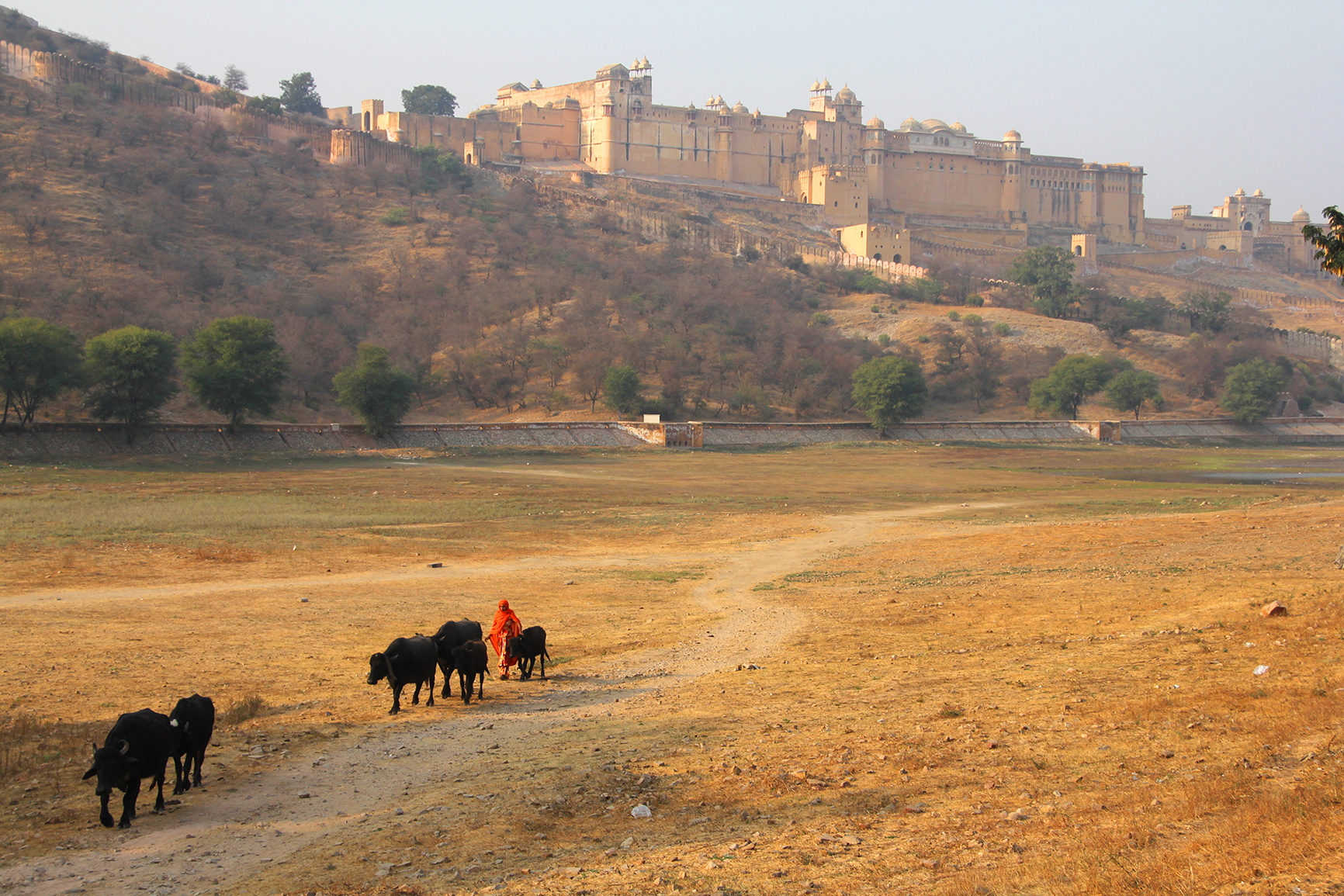
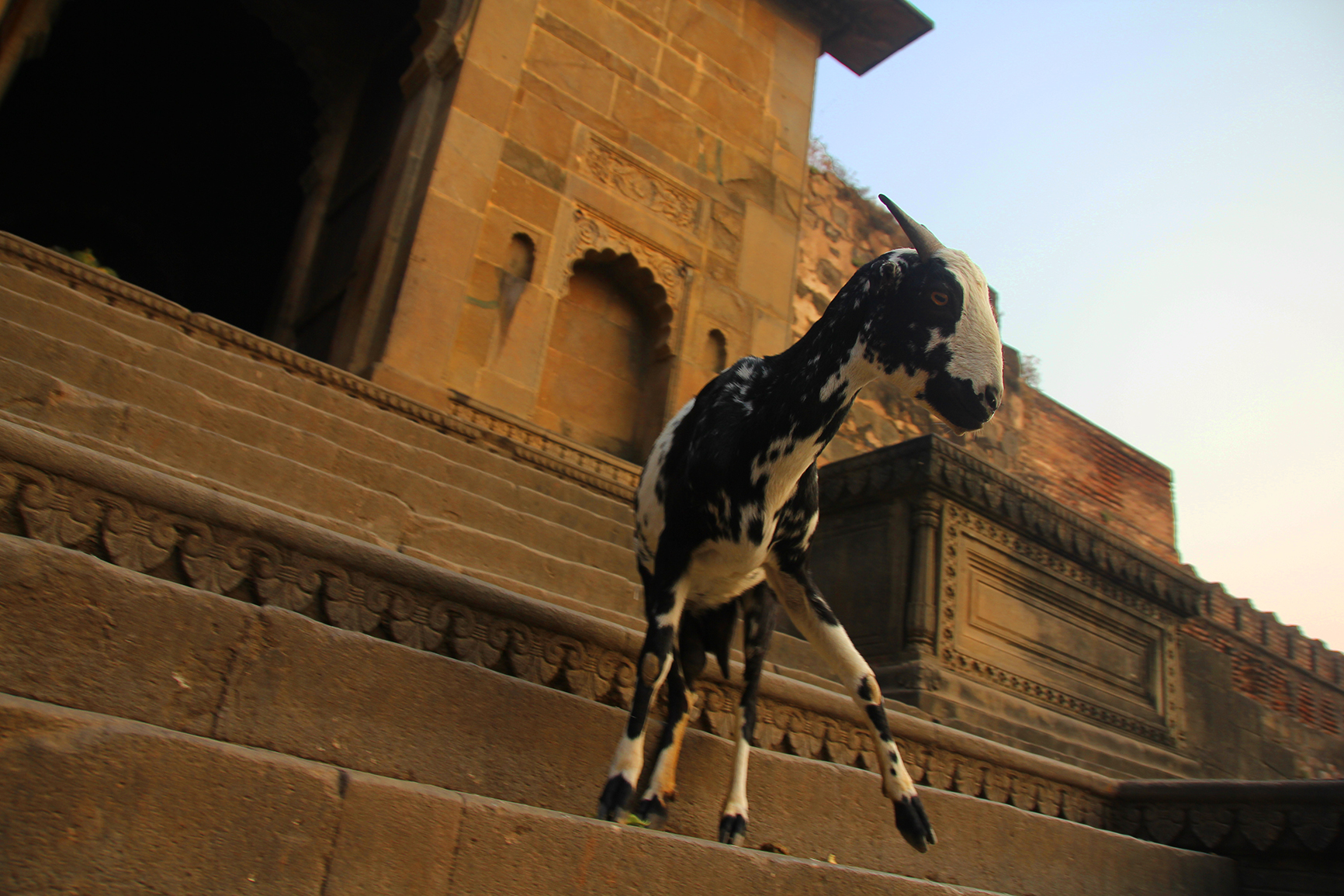
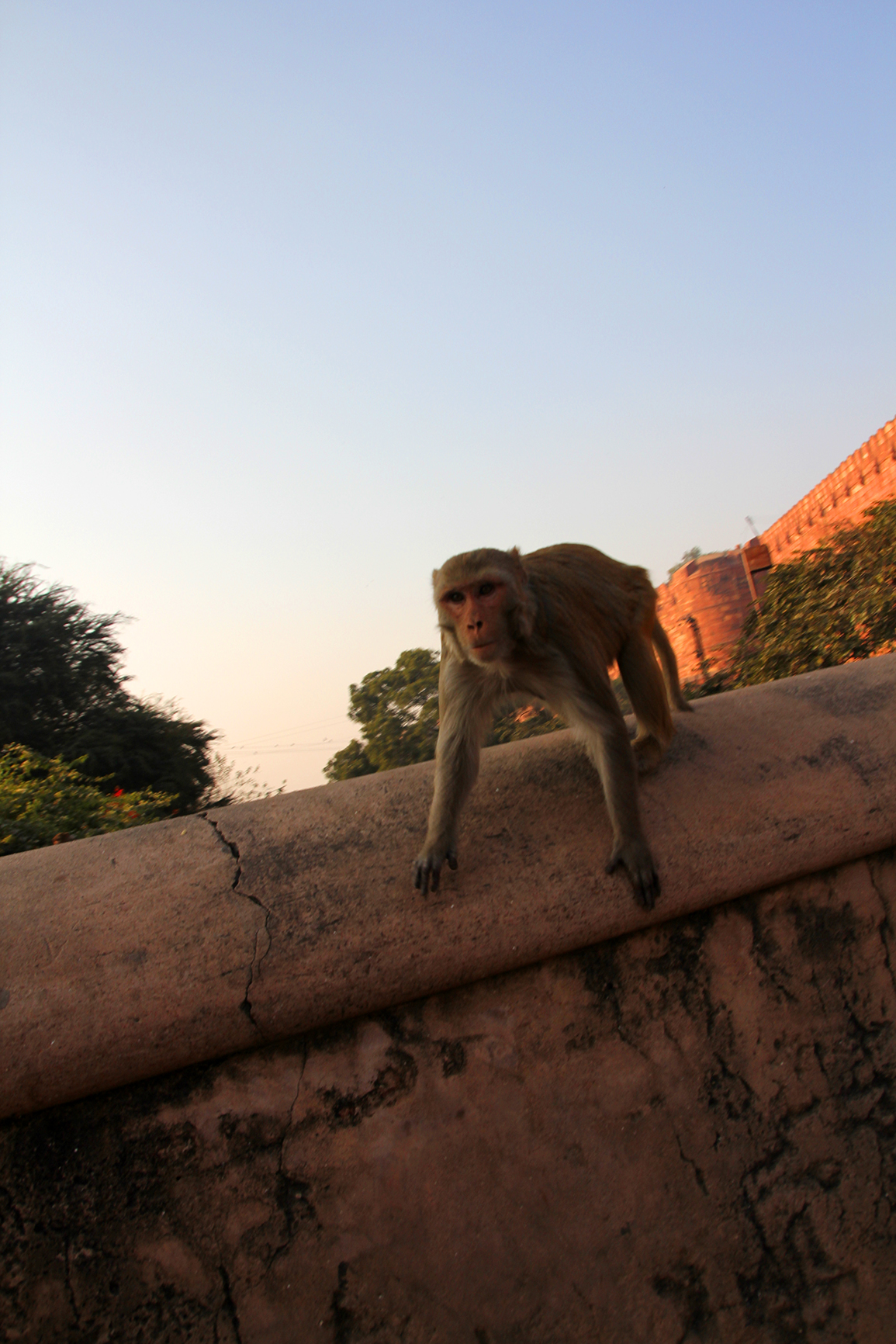
I have always loved that the spectacle is endlessly diverting. A cow occupies the centre of a junction while a hundred impatient drivers negotiate their way around her. A goat investigates a rubbish heap with the concentration of a Michelin-starred chef. Monkeys conduct daylight raids on unsuspecting tourists. And occasionally, an elephant appears, bringing traffic to a standstill and lending the scene an air of improbable grandeur.
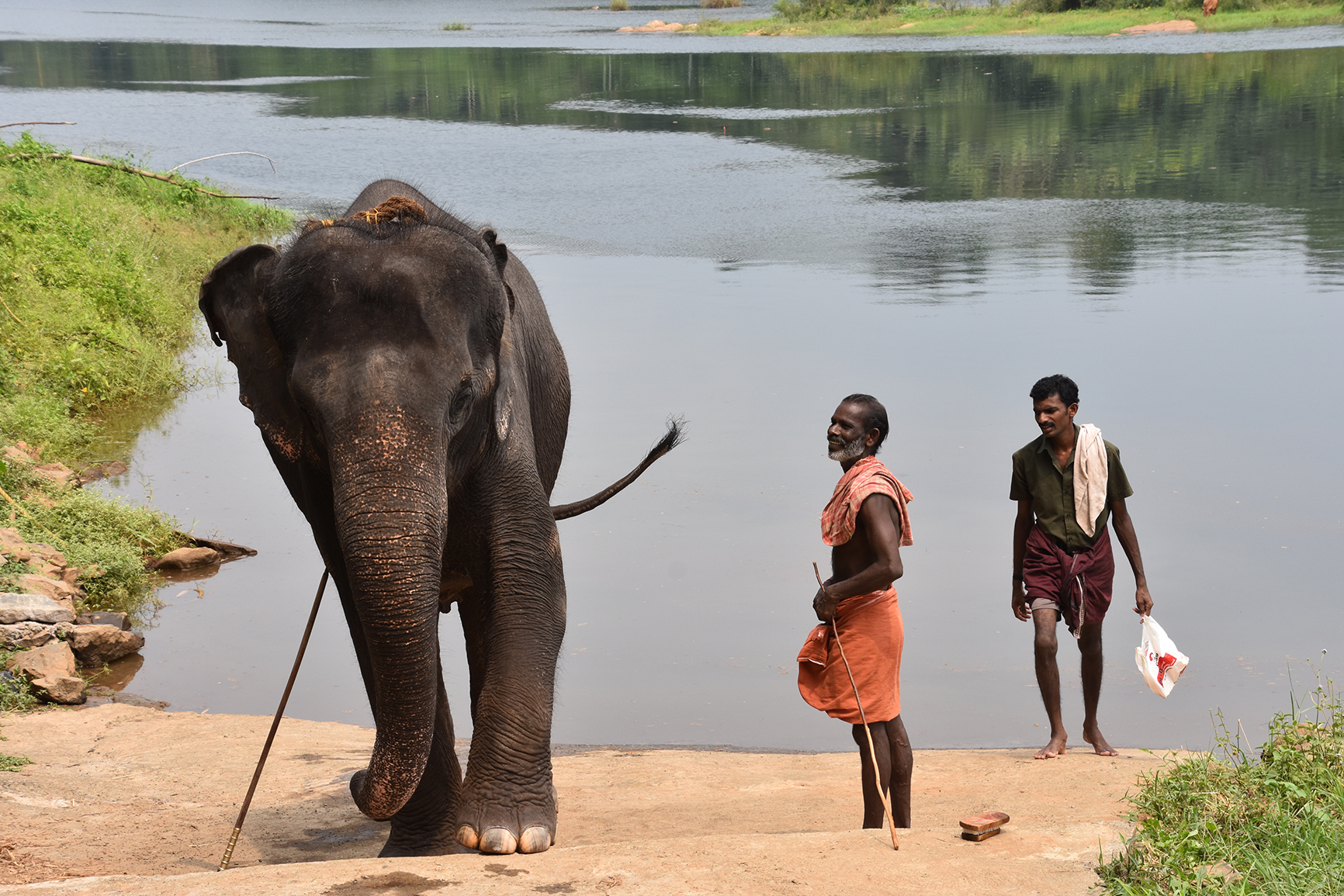
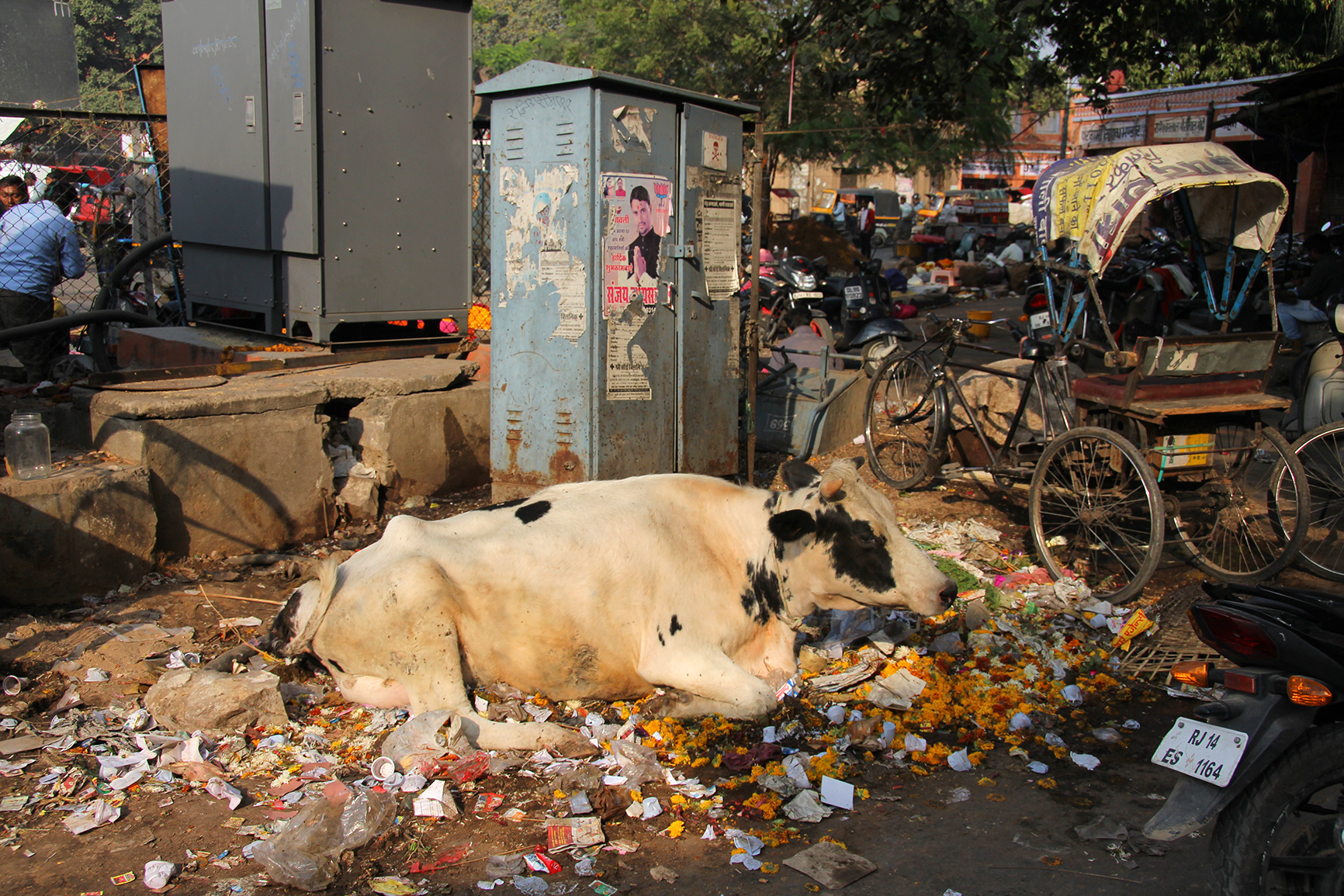
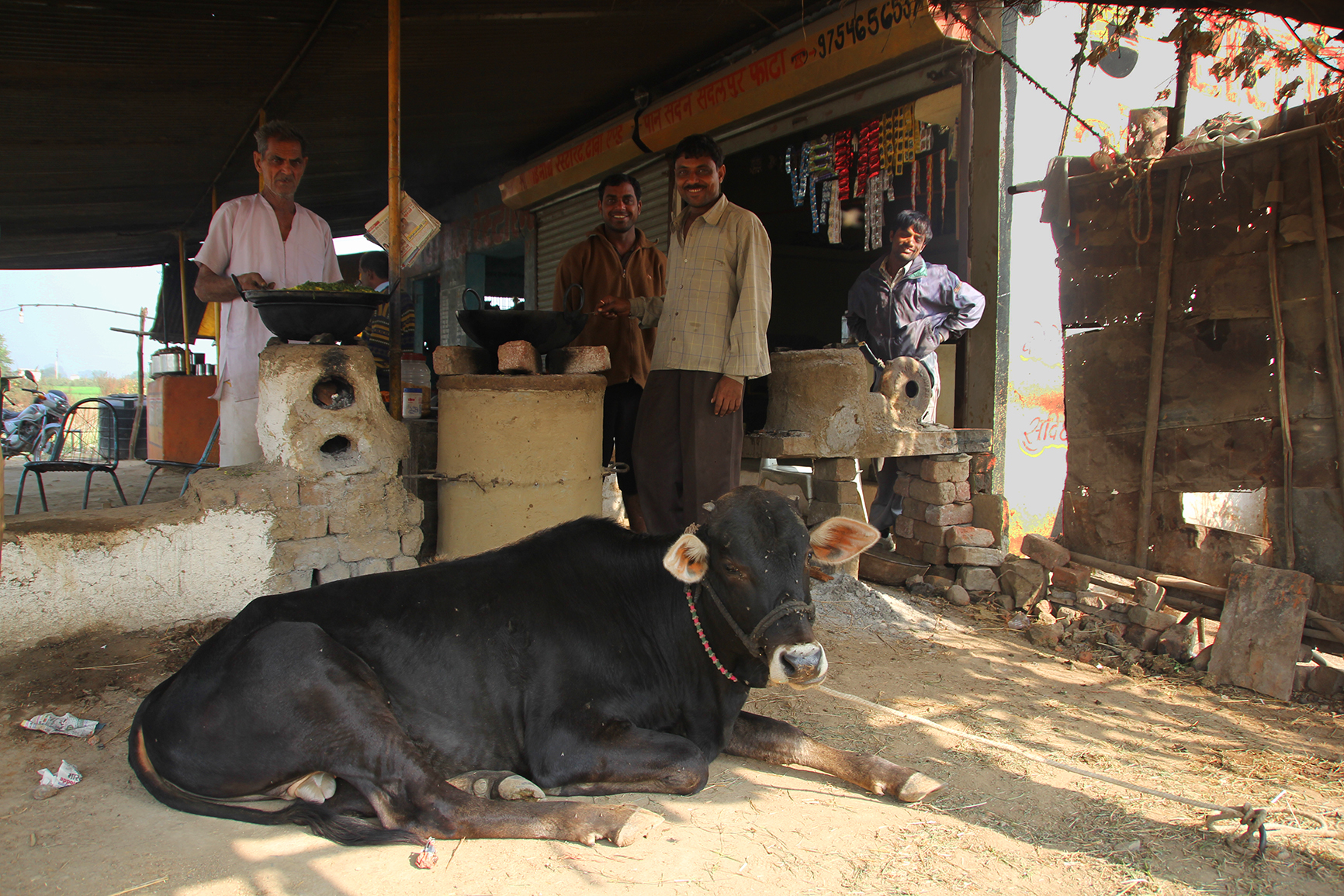
The cow is perhaps the most understandable of these unexpected road users. Revered in Hindu tradition as a symbol of nourishment and motherhood, she enjoys a cultural status that makes her presence unsurprising. She may be hungry, homeless or simply between destinations; whatever the explanation, she rarely appears troubled by the inconvenience she causes. The traffic, after all, is somebody else’s problem.
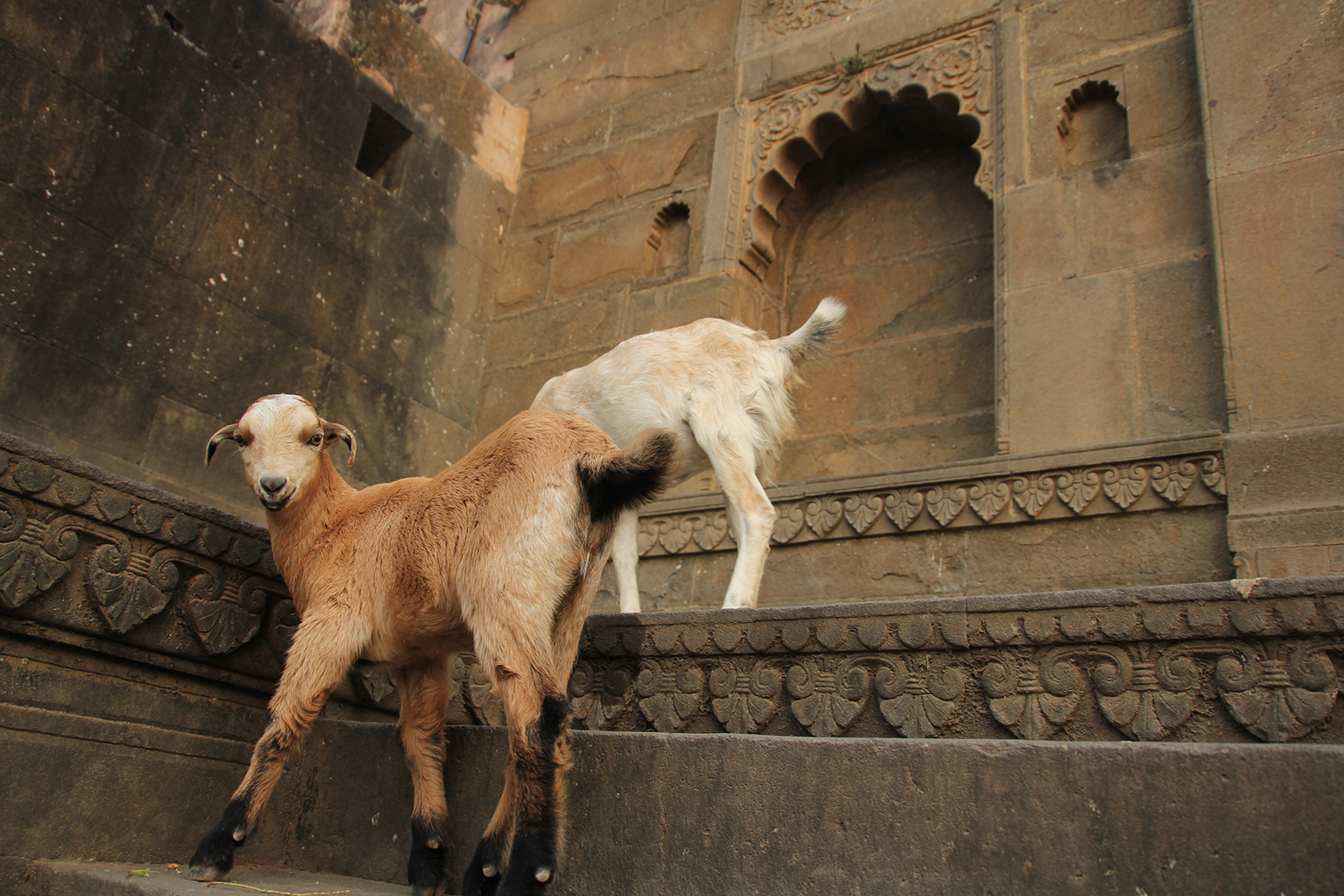
Goats are less philosophical. Hardy and resourceful, they provide milk, meat and income for countless families. Their ability to find nourishment almost anywhere makes the Indian street an all-day buffet. They are not necessarily strays; frequently, they are simply livestock enjoying a remarkably liberal interpretation of the word pasture.
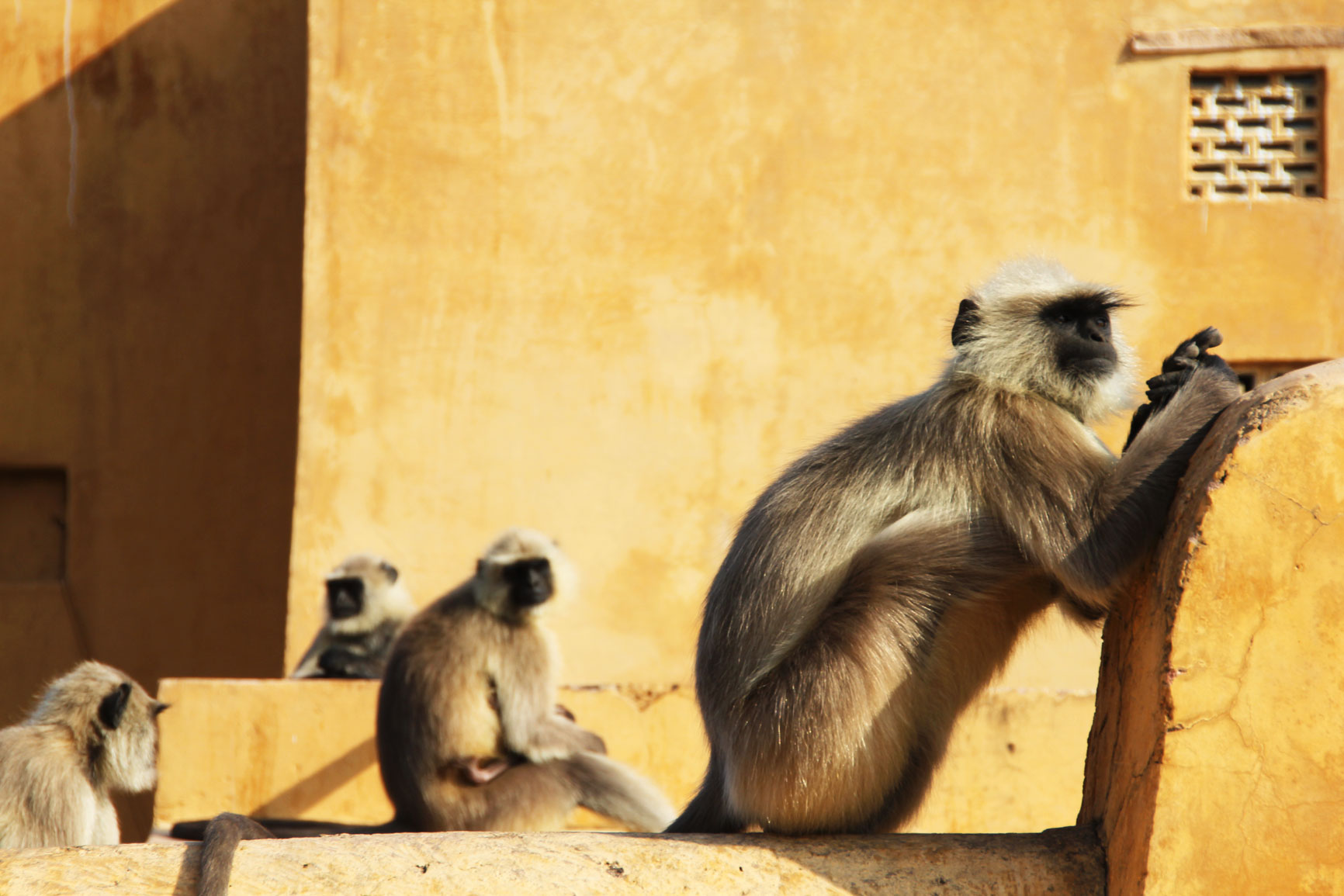
Monkeys have also mastered urban living. Temples, markets and tourists offer food and opportunity, while their association with Hanuman, the Hindu deity celebrated for his strength and devotion, gives them additional cultural significance. It does not, however, appear to have impaired their commercial instincts. A monkey that discovers the contents of a tourist’s shopping bag is unlikely to be distracted by theology.
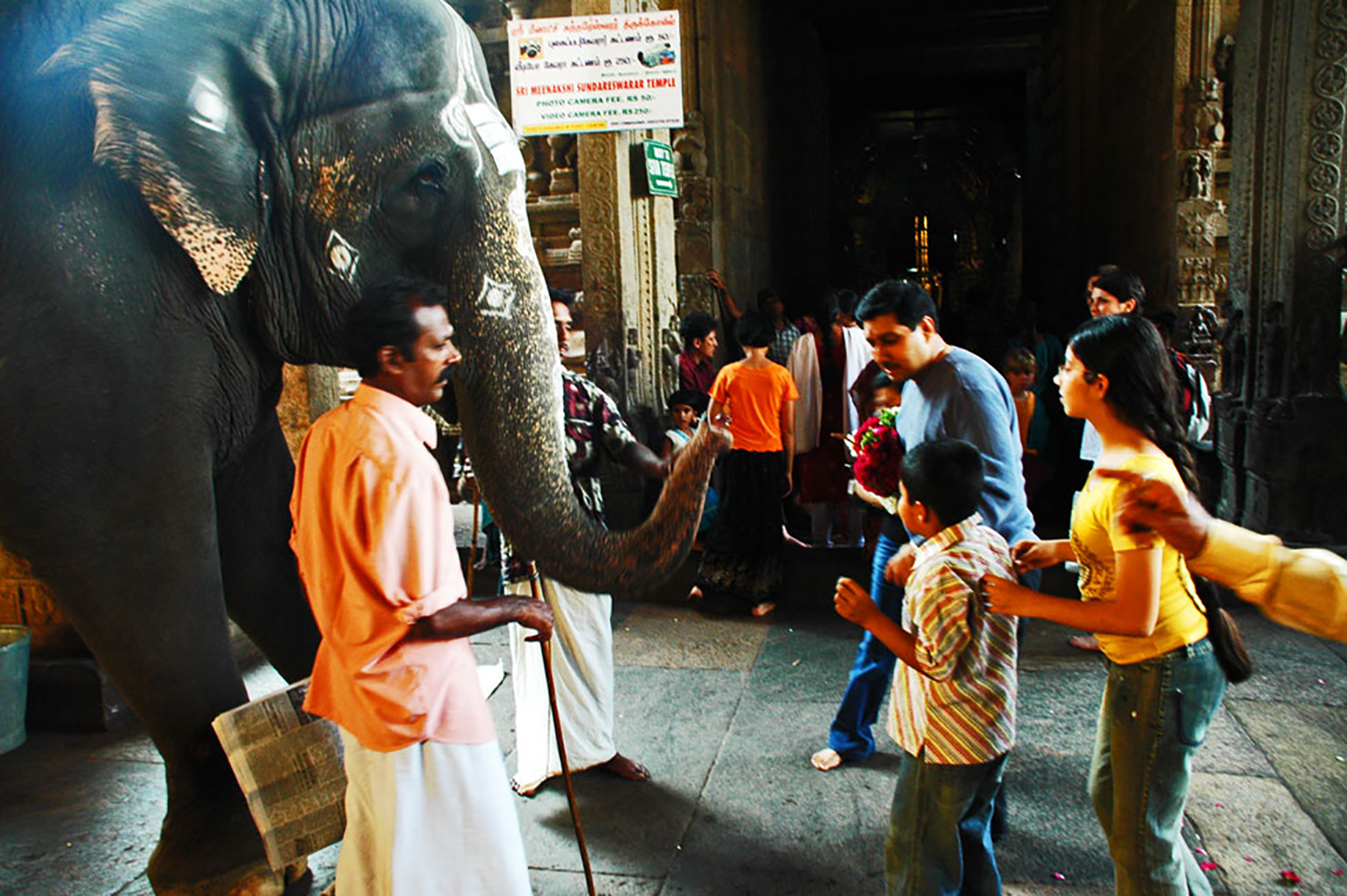
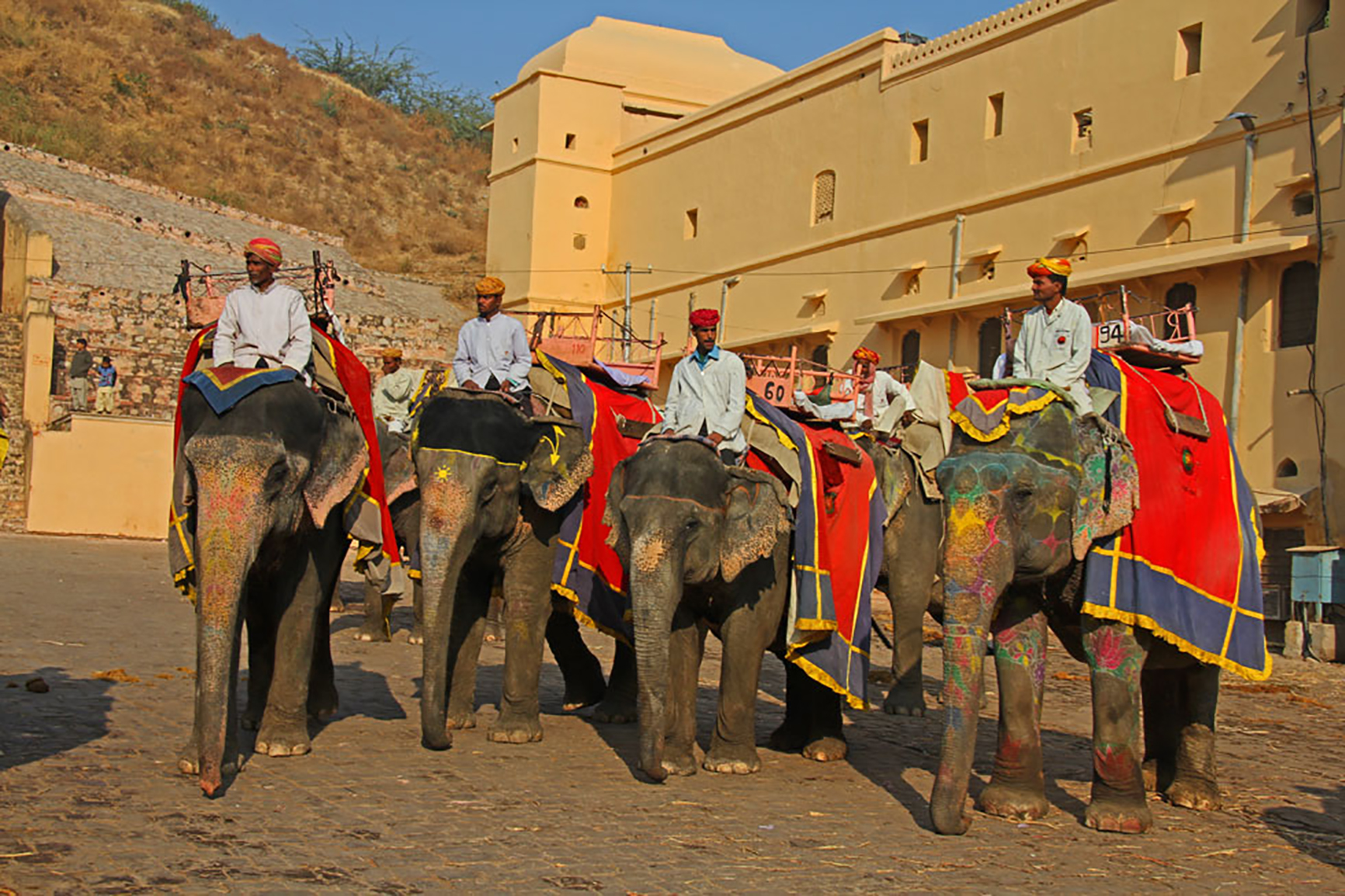
The elephant occupies a different category altogether. Historically associated with royalty, warfare and religious ceremonies, elephants remain an important part of India’s cultural heritage. Encountering one on a public street is a striking reminder that ancient traditions survive alongside rapid modernisation.
And therein lies the explanation for India’s extraordinary animal street scene. The street is not merely a thoroughfare; it is a marketplace, a meeting place and, apparently, somewhere perfectly acceptable to take an afternoon nap.
There is a less romantic side, of course. Free-roaming animals face traffic, hunger, injury and disease, while their presence creates genuine challenges for urban authorities. Yet they remain one of the defining impressions of travel in India.
In Britain, a cow on the High Street would provoke a minor emergency. In India, the traffic simply diverts around her.
Perhaps that is the secret of the whole arrangement. The cow has nowhere urgent to be, the goat is looking for lunch, the monkey is already having yours, and the elephant has never felt the need to hurry.
India, meanwhile, carries on around them – noisily, impatiently and with magnificent disregard for anyone’s timetable.






Leave a Reply
Want to join the discussion?Feel free to contribute!