
Panama Canal
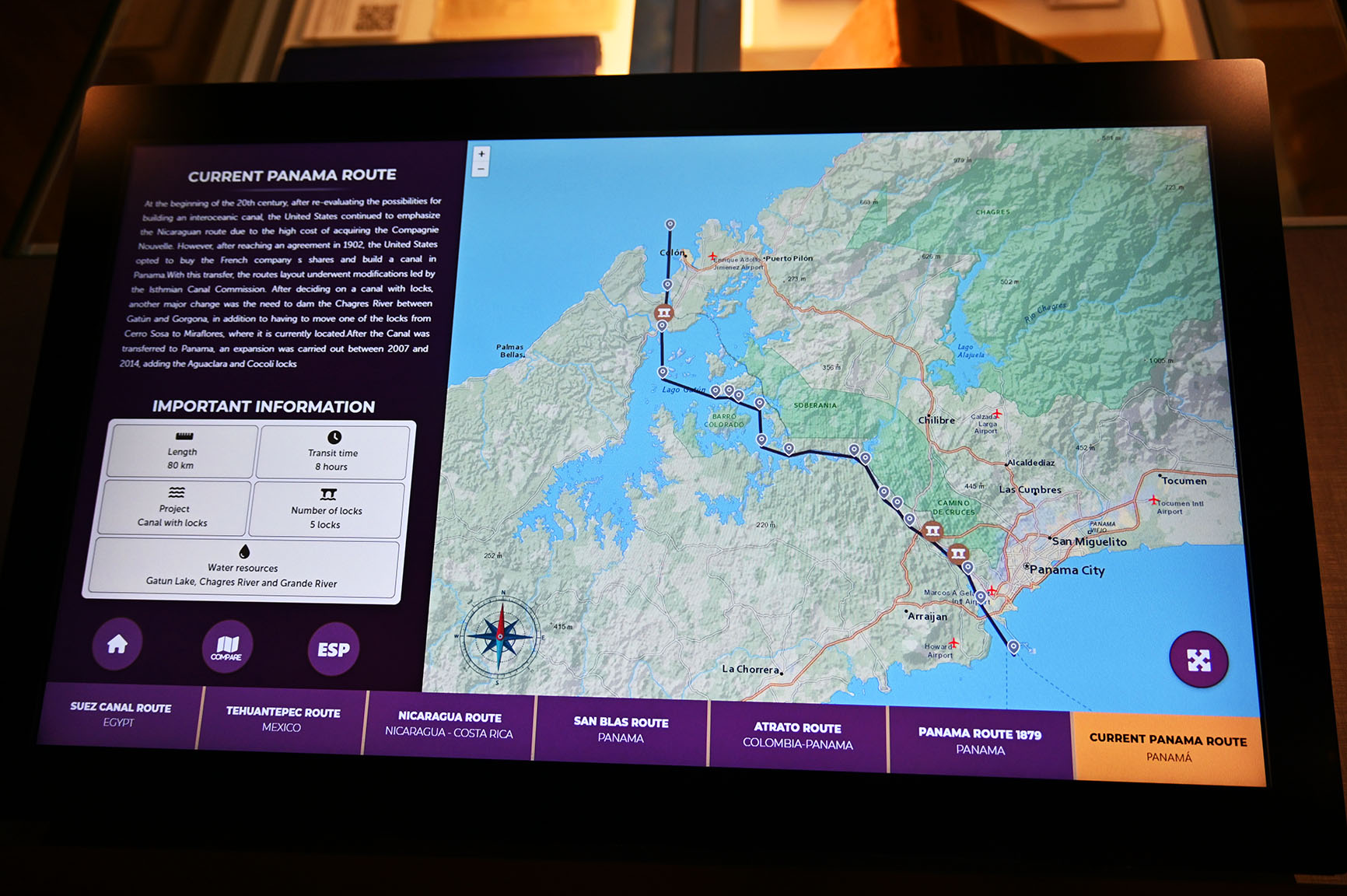
The Panama Canal remains one of the world’s most astonishing feats of engineering: an 82‑kilometre waterway carved through the narrowest point of the isthmus, linking the Caribbean Sea to the Pacific Ocean and reshaping global trade since 1914.
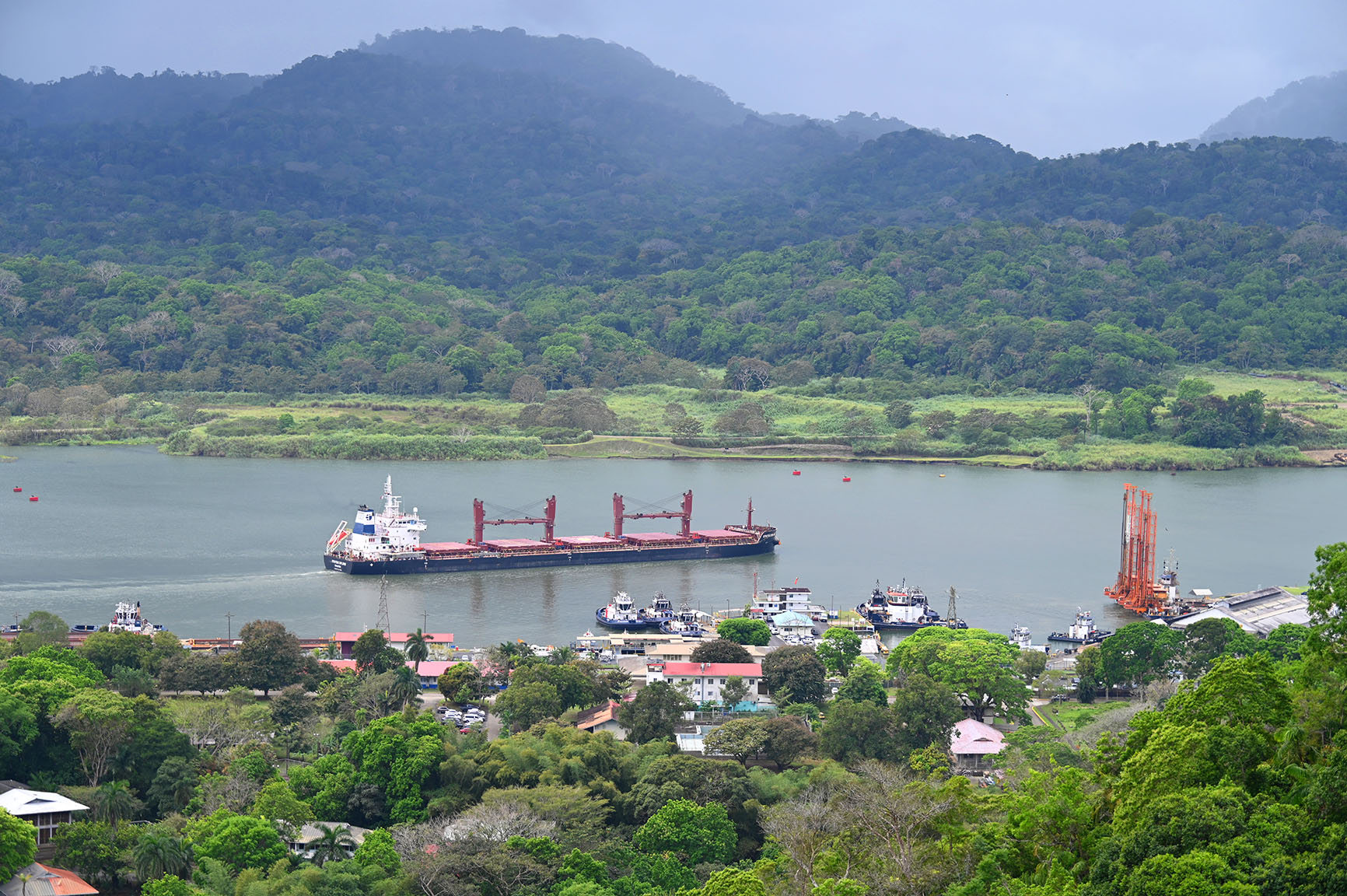
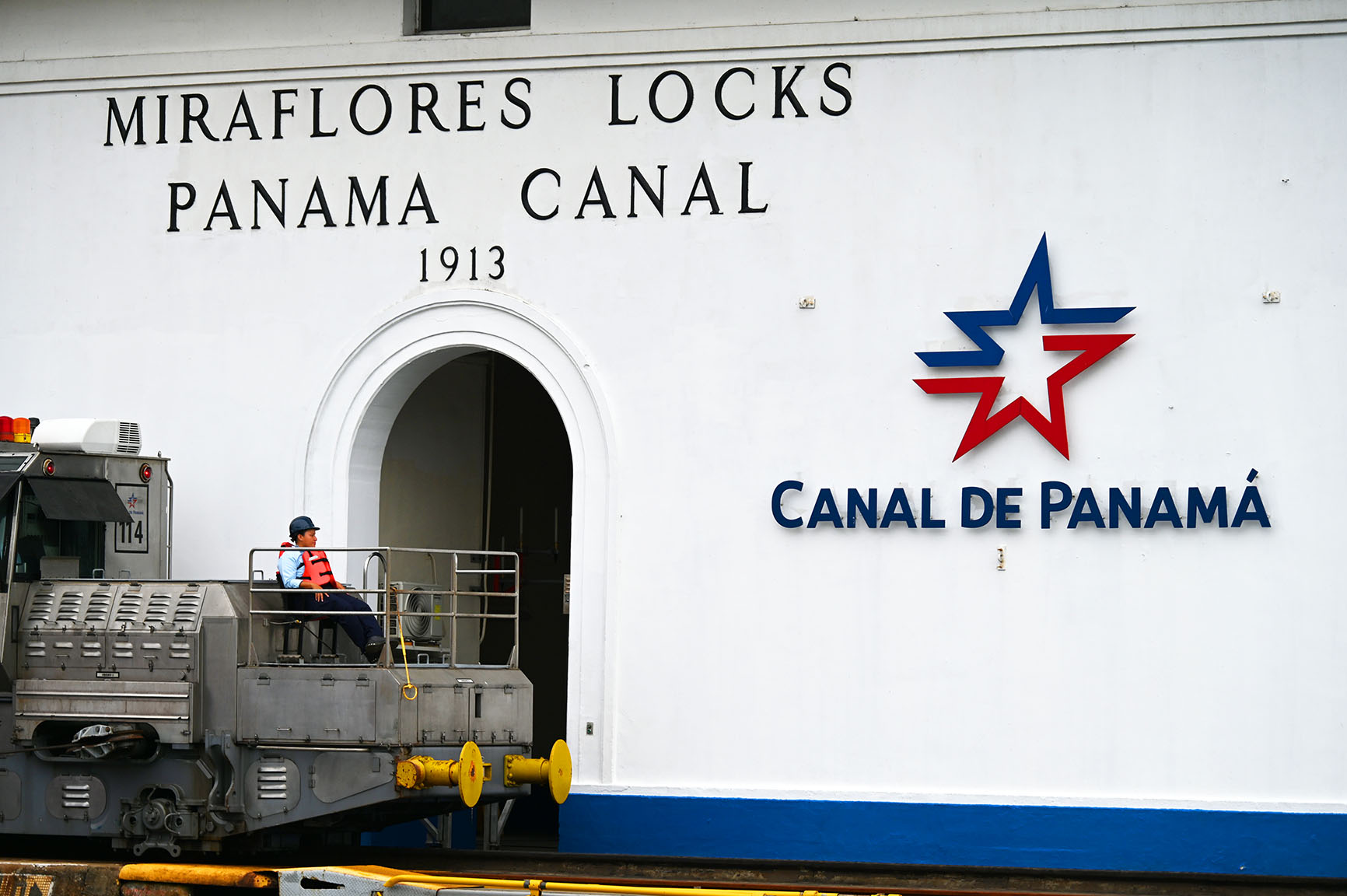
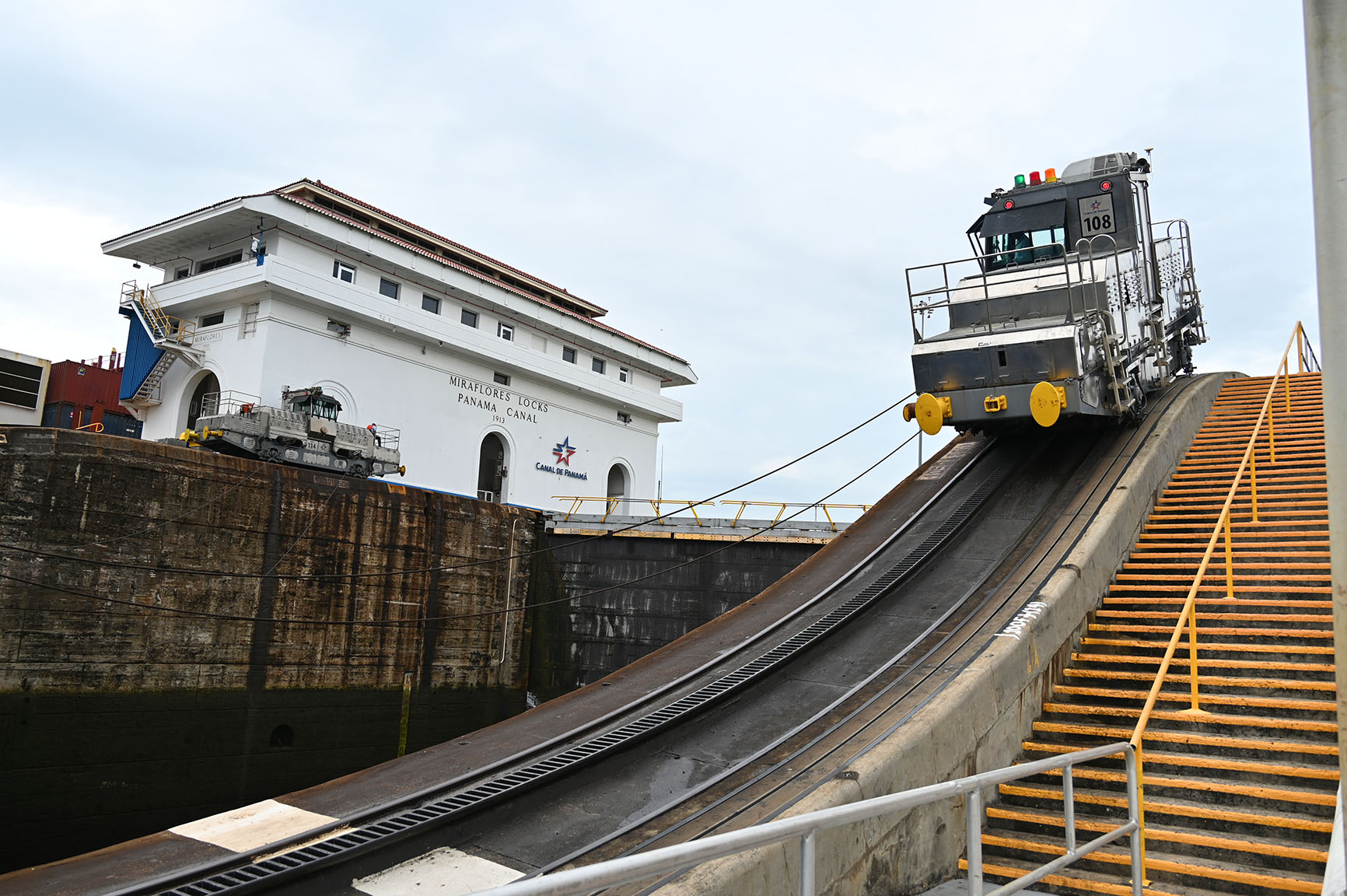
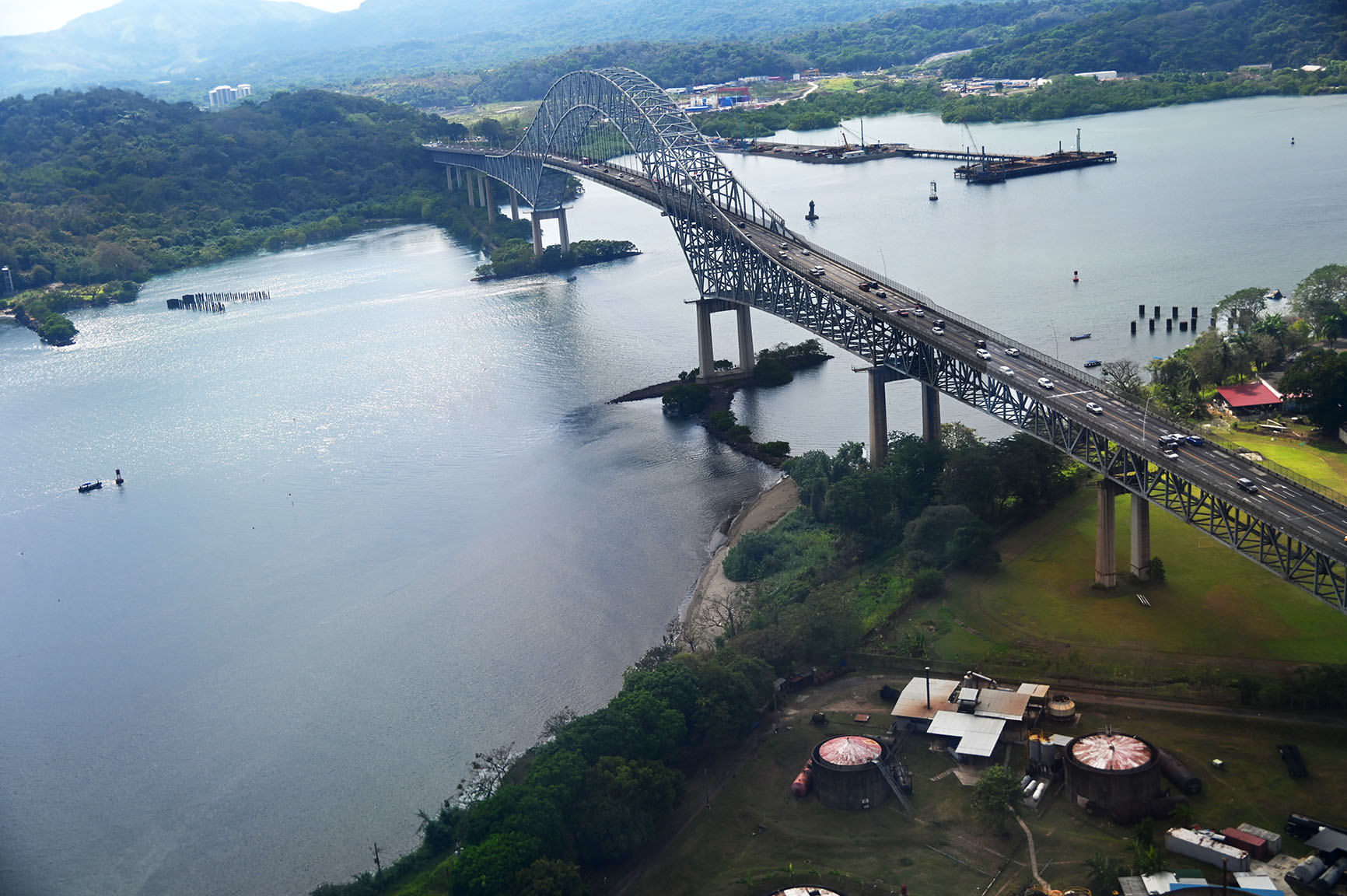
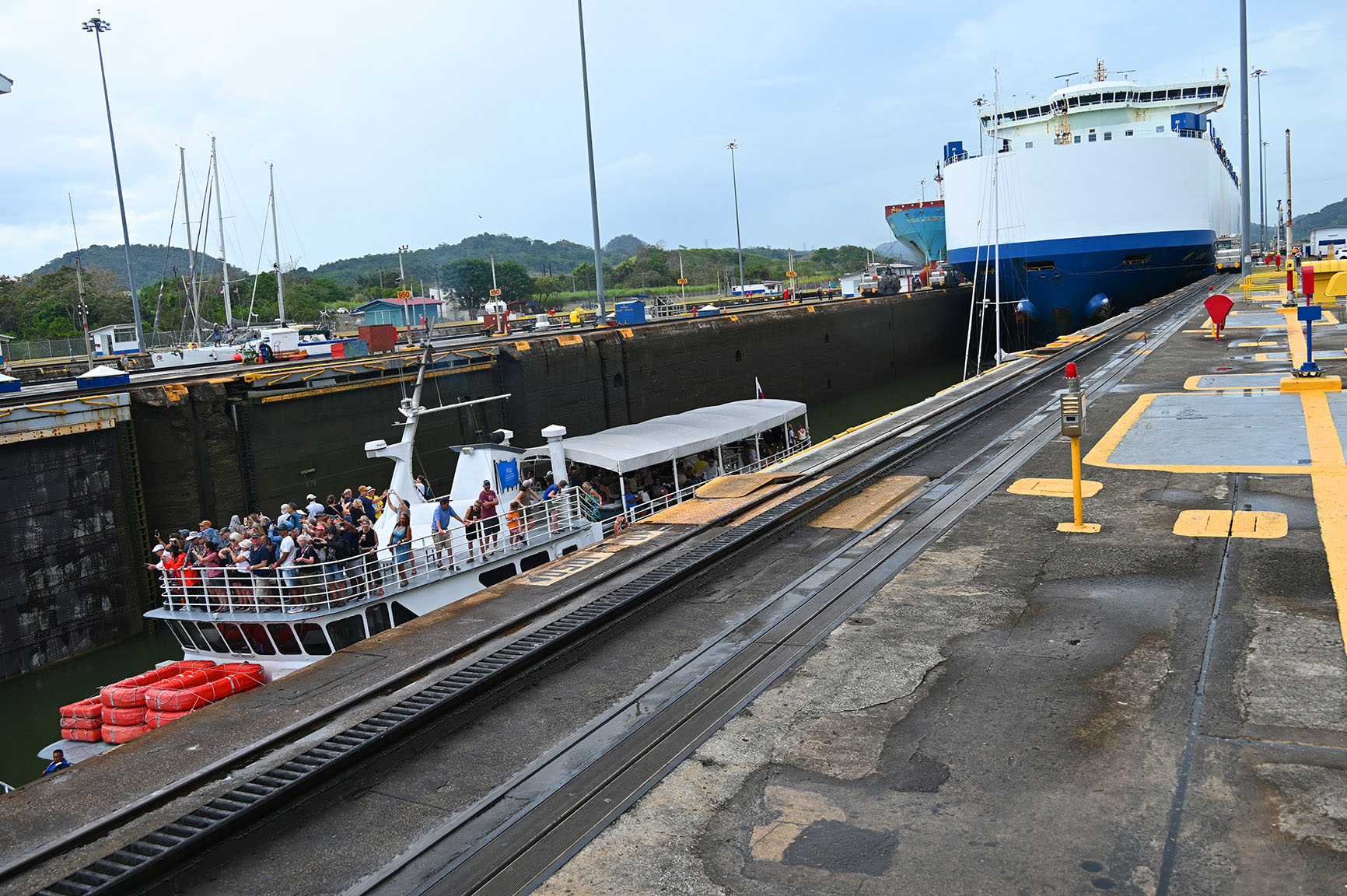
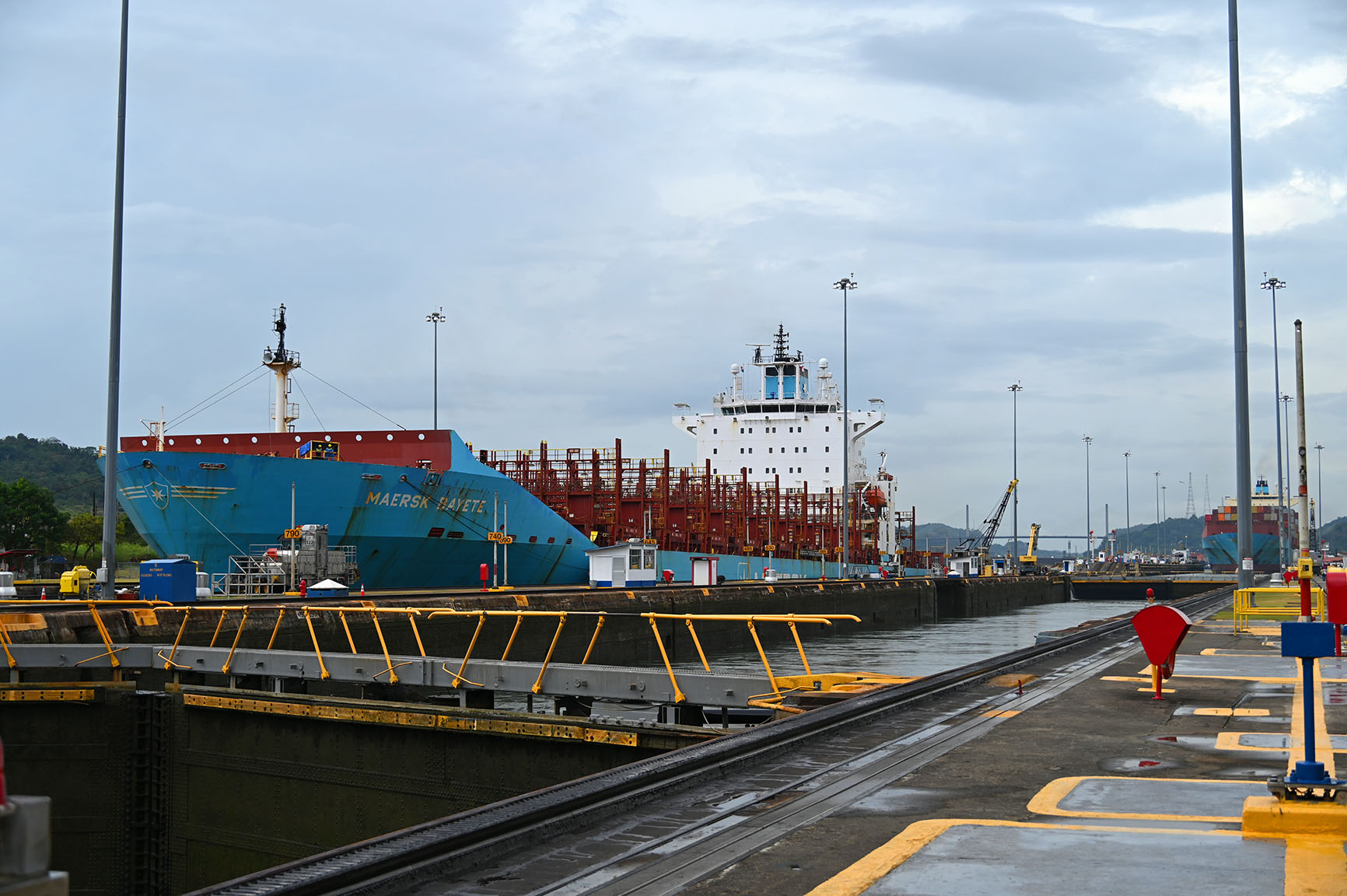
Exploring it from many different angles, landscapes and even upfront at the heart of the famous Miraflores Lock, I loved it.
Although a man‑made structure, the whole canal, offering such an essential lifeblood to Panama feels more like a living system. Continuously convenient and calm as it ferries vessels between the Atlantic and Pacific Oceans. Certainly, a world away from the alternative storm battered Drakes Passage, that flows 7,400 kms south between southern Patagonia and Antarctica.
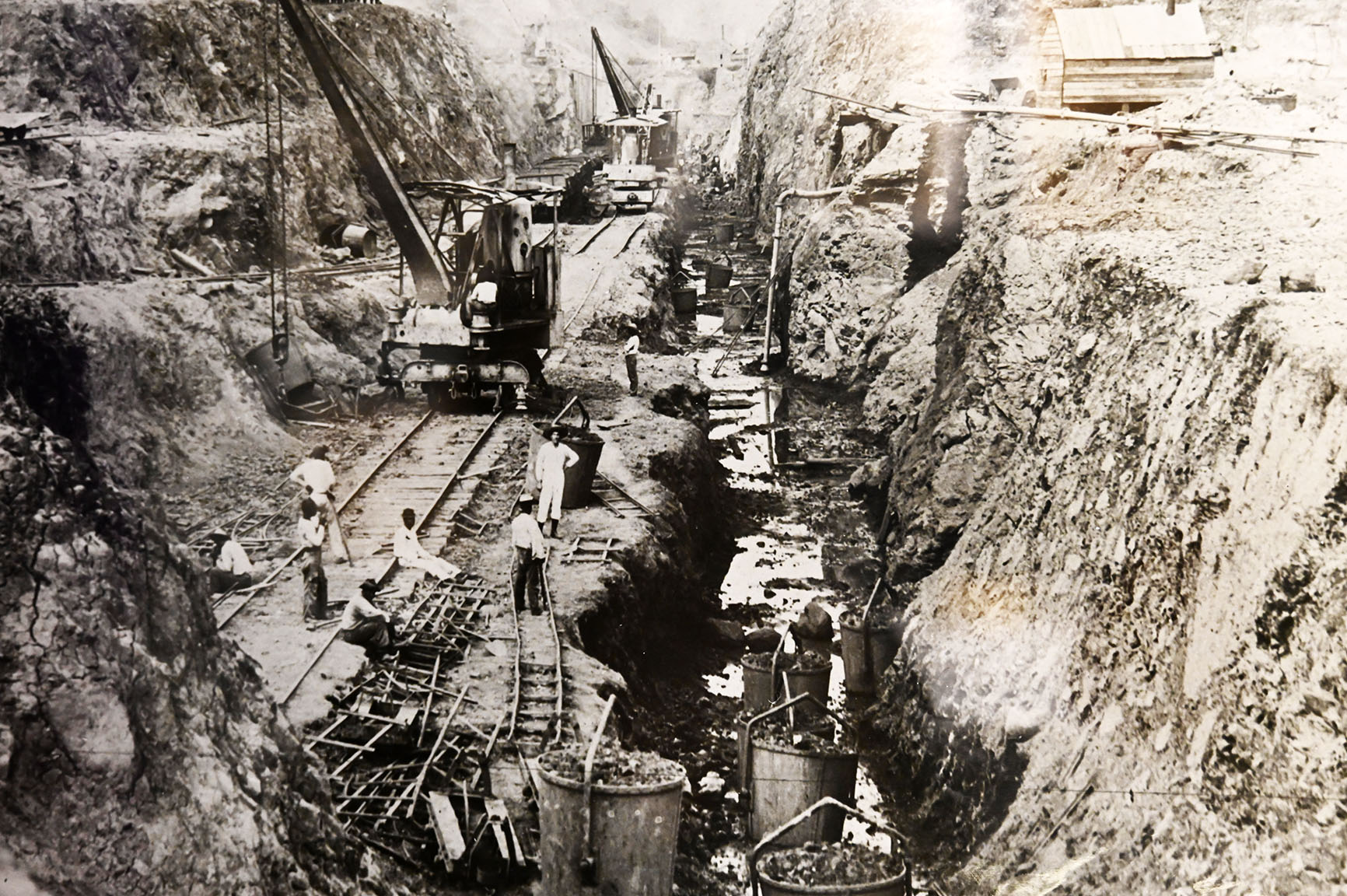
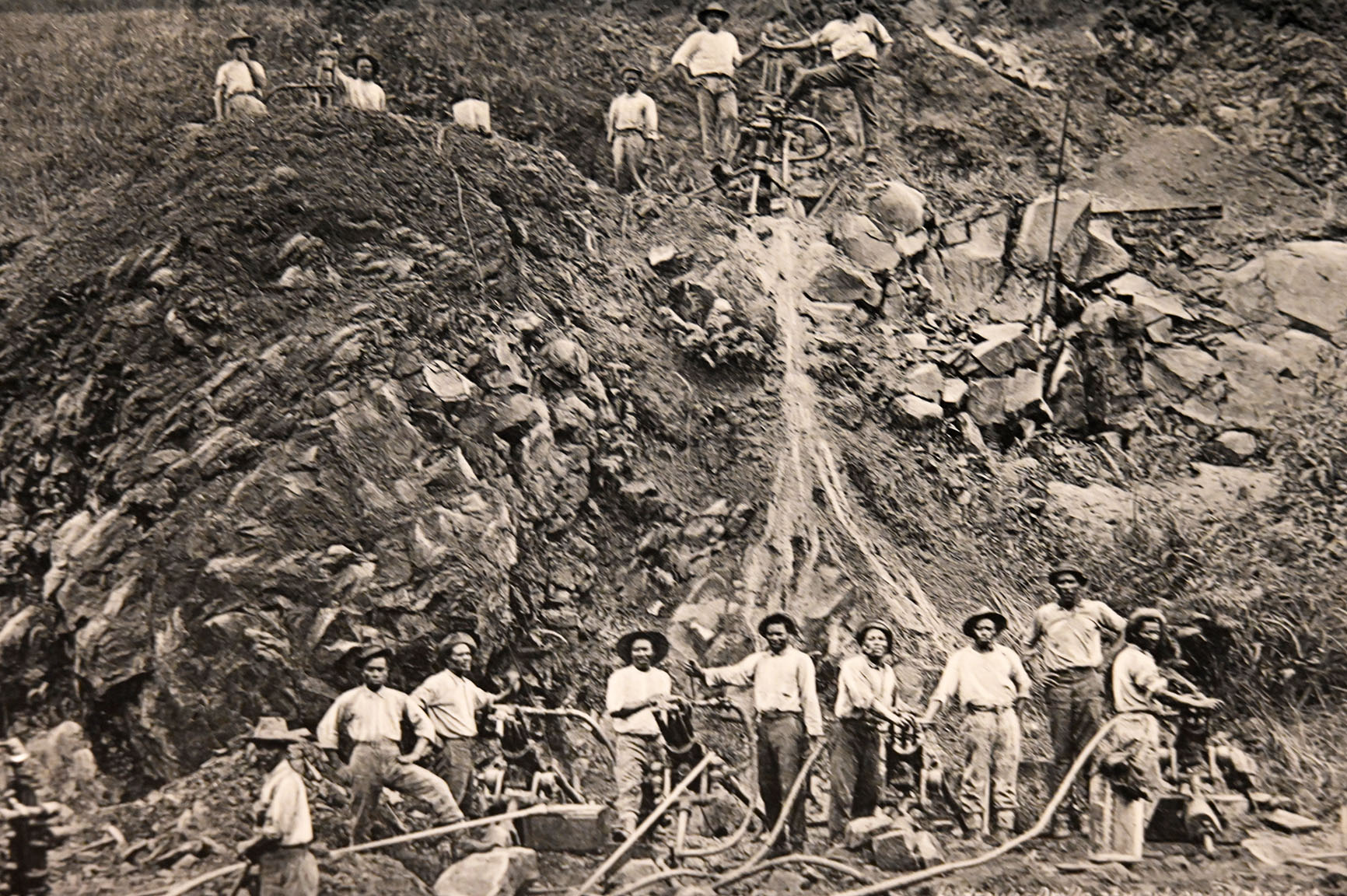
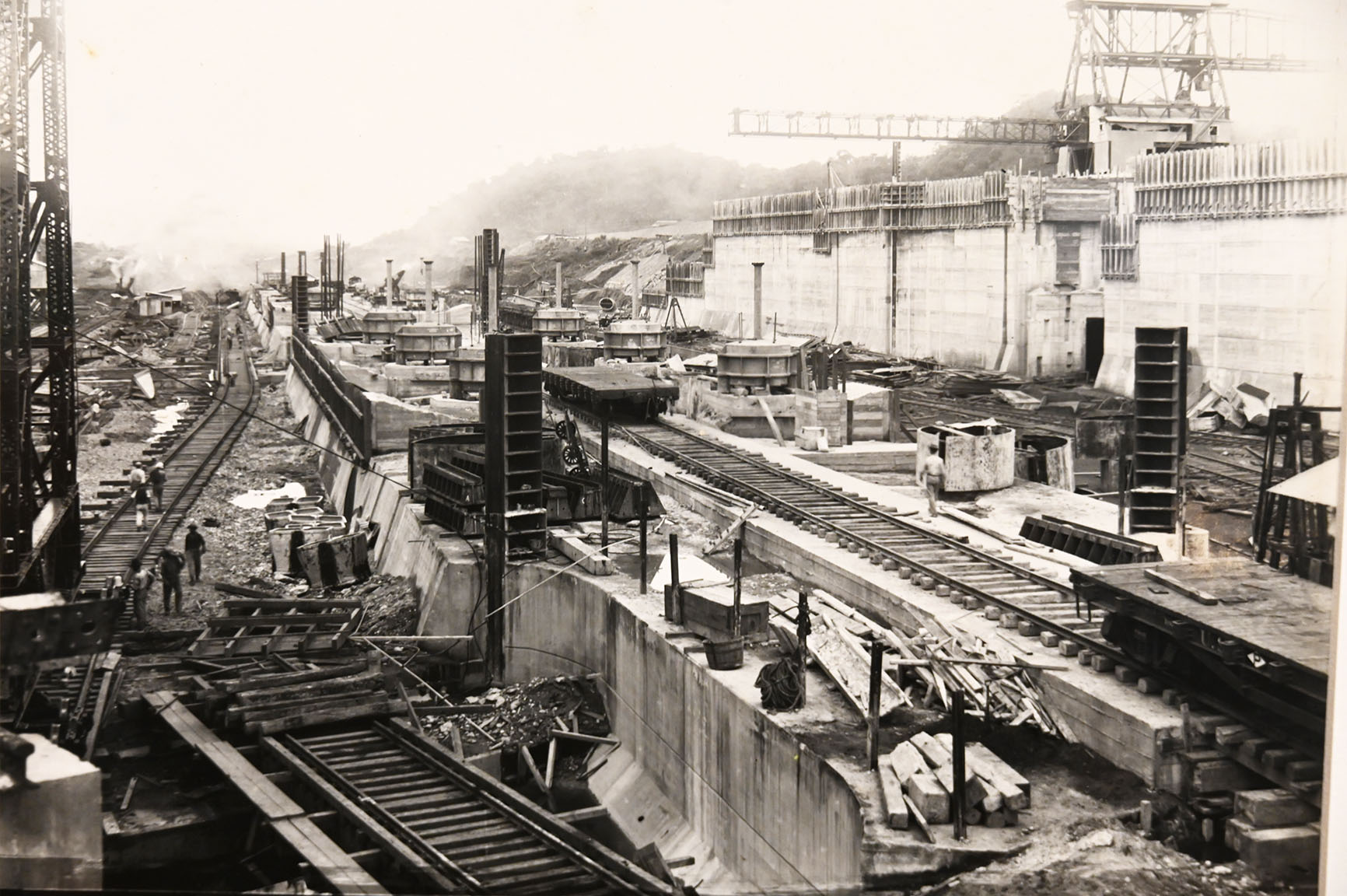
Its story begins long before the first lock was poured. The French, led by Ferdinand de Lesseps fresh from his triumph at Suez, attempted a sea‑level canal in 1881. Disease, landslides and financial collapse defeated them. When the United States took over in 1904, the design shifted to a lock‑based system that would lift ships 26 metres to the level of Gatun Lake before lowering them again on the opposite side. It was an audacious solution to a landscape that refused to be tamed, and when the canal opened in 1914 it stood as one of the most complex engineering projects ever completed.
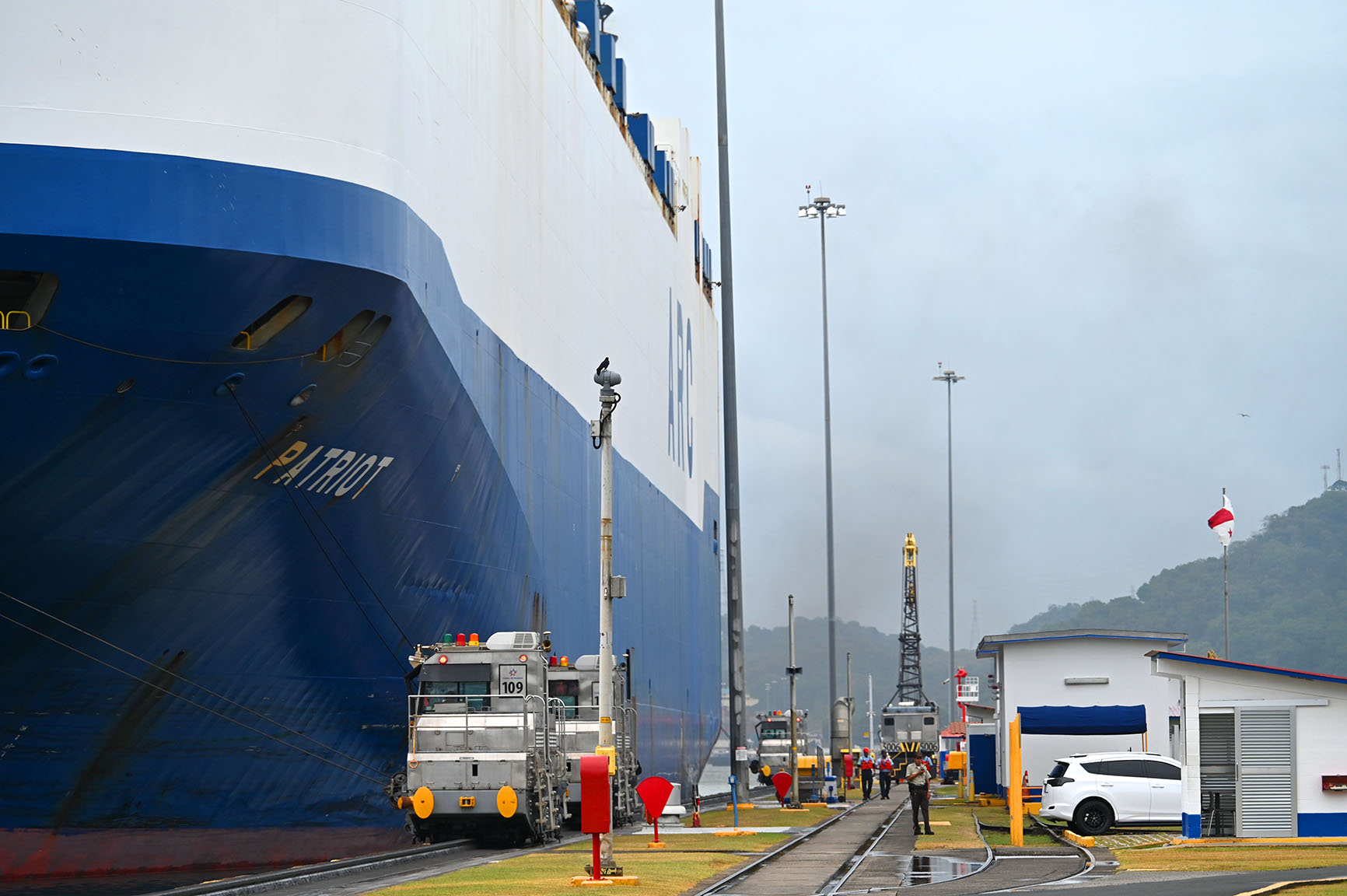
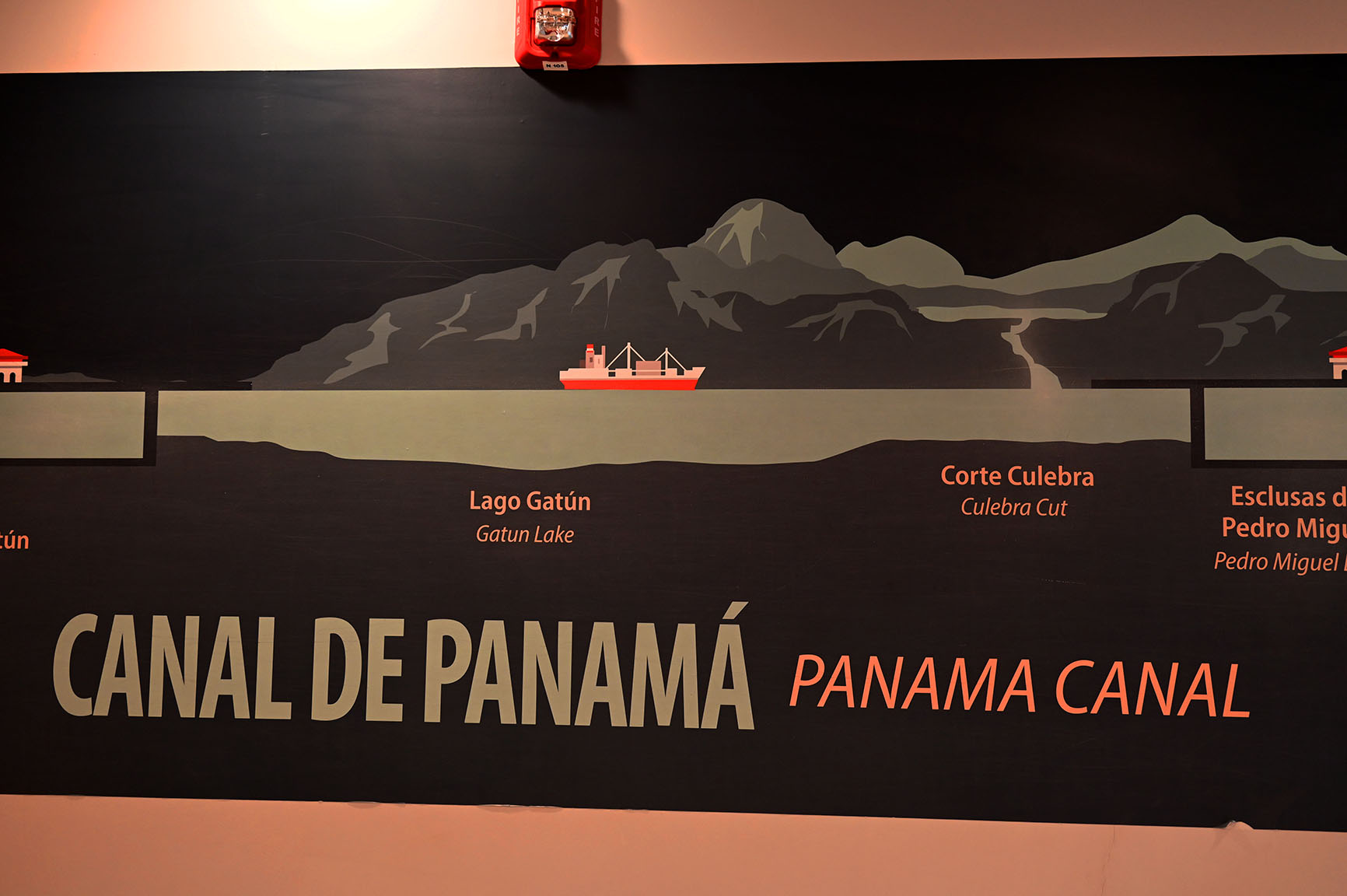
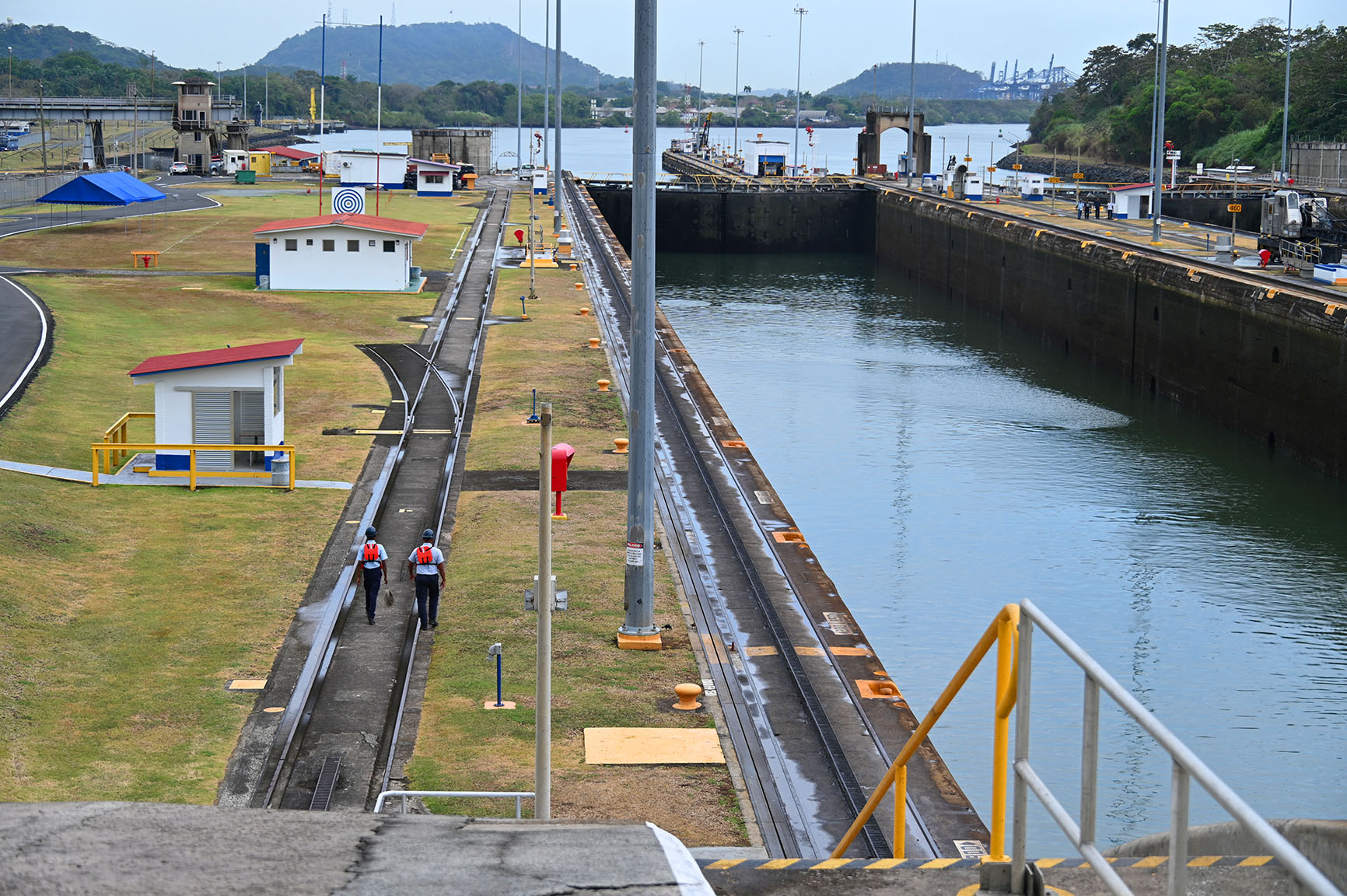
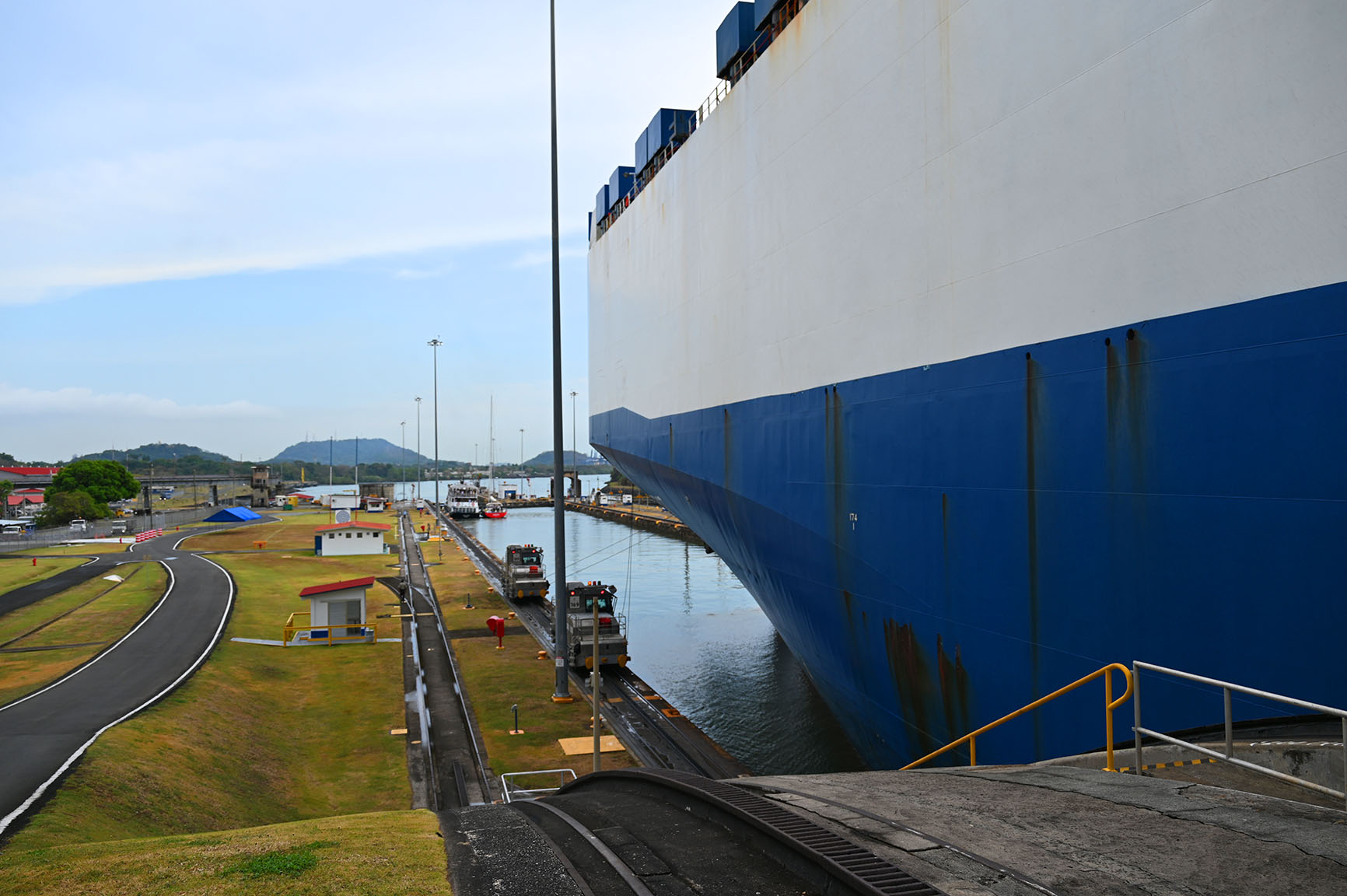
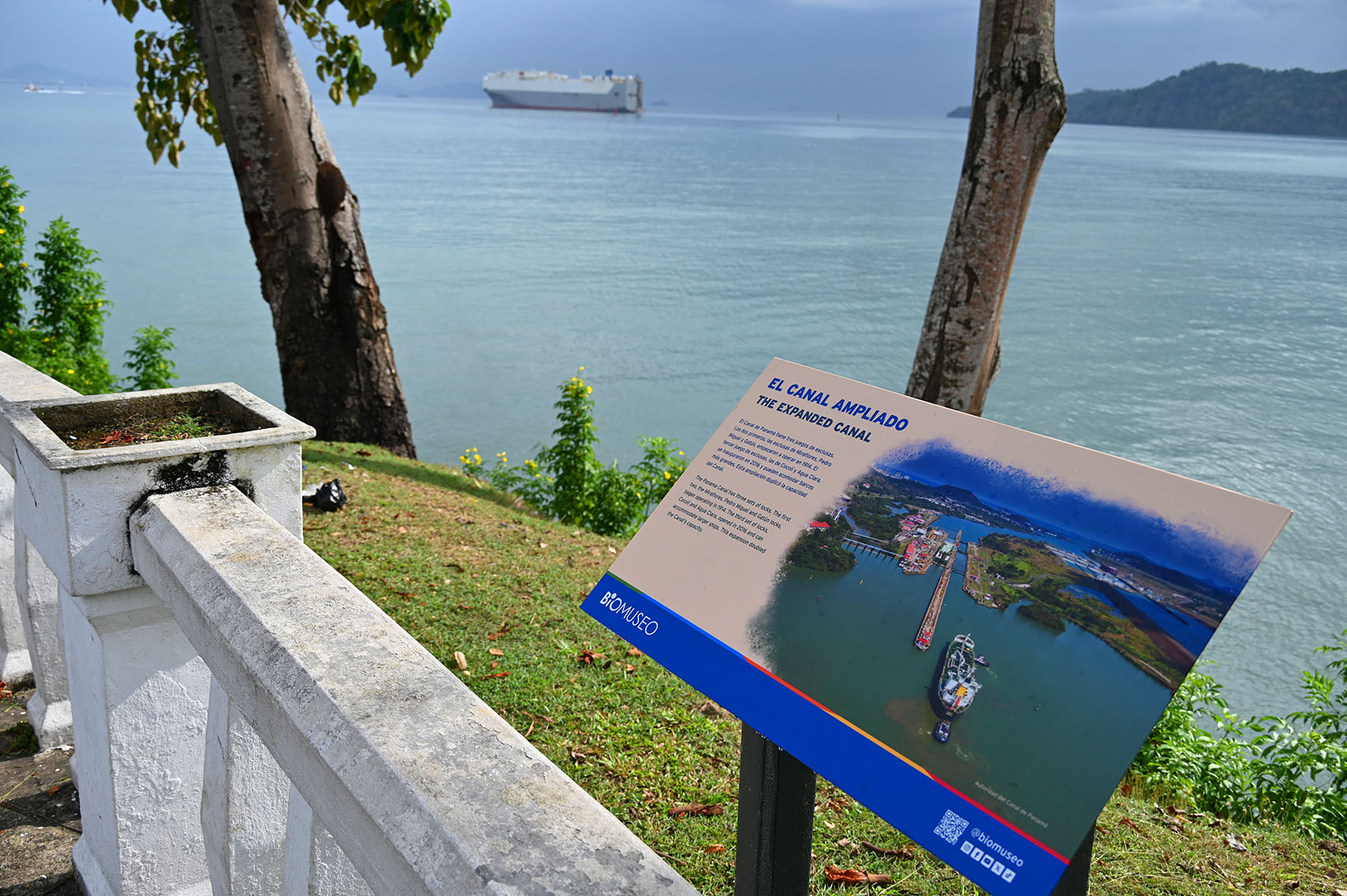
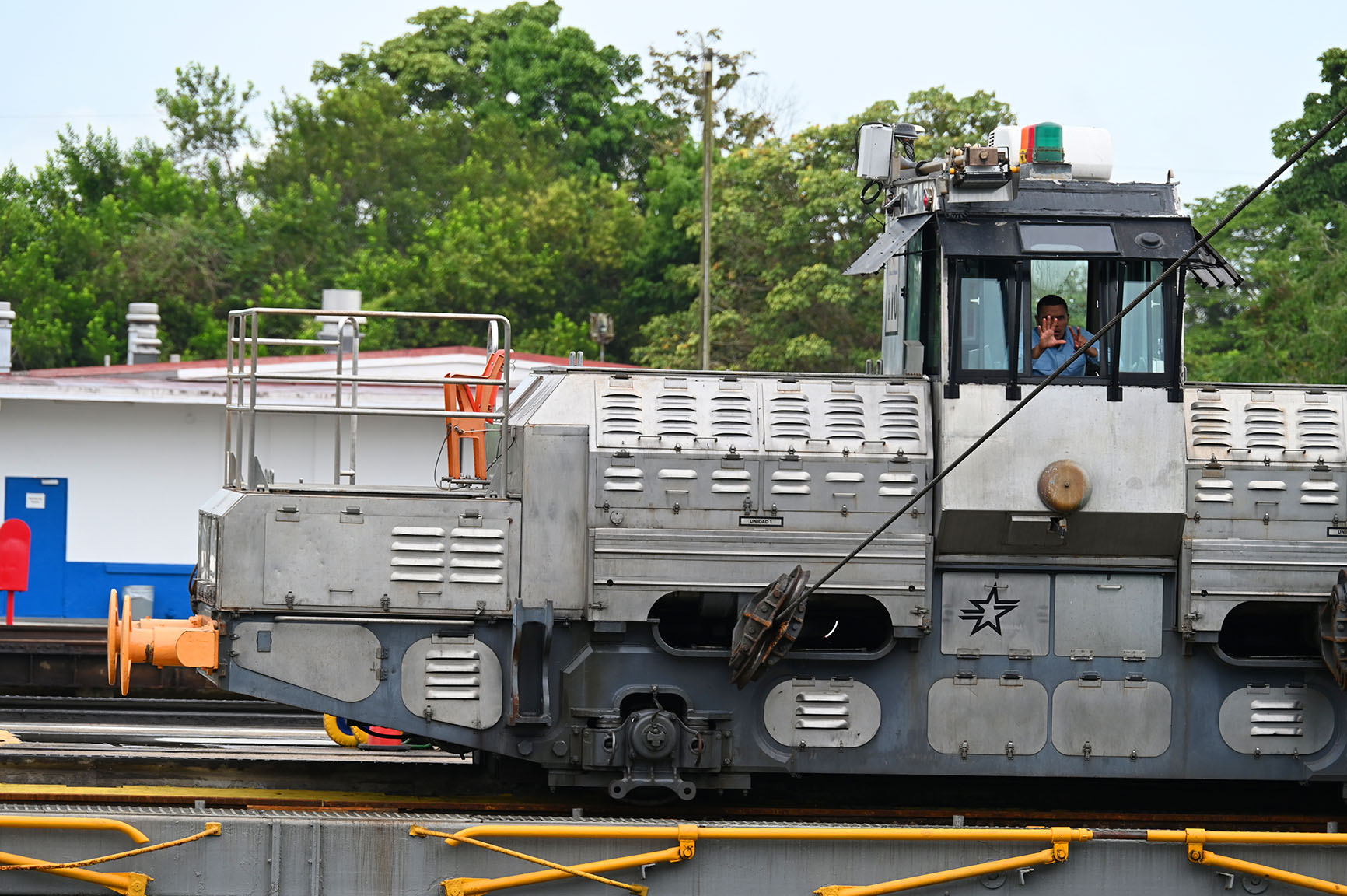
The canal’s genius lies in its choreography of locks, lakes and gravity. Three sets of locks on each side raise and lower vessels through the freshwater interior, with each transit using vast quantities of lake water released purely by gravity. For a century, the original 33.5 metre‑wide locks defined the “Panamax” class of ships. Then, in 2016, the expanded locks opened – wider, deeper and capable of handling the enormous Neopanamax vessels that now dominate global shipping. Today, more than thirteen to fifteen thousand ships pass through the canal each year, moving in a carefully timed sequence that feels almost tidal.
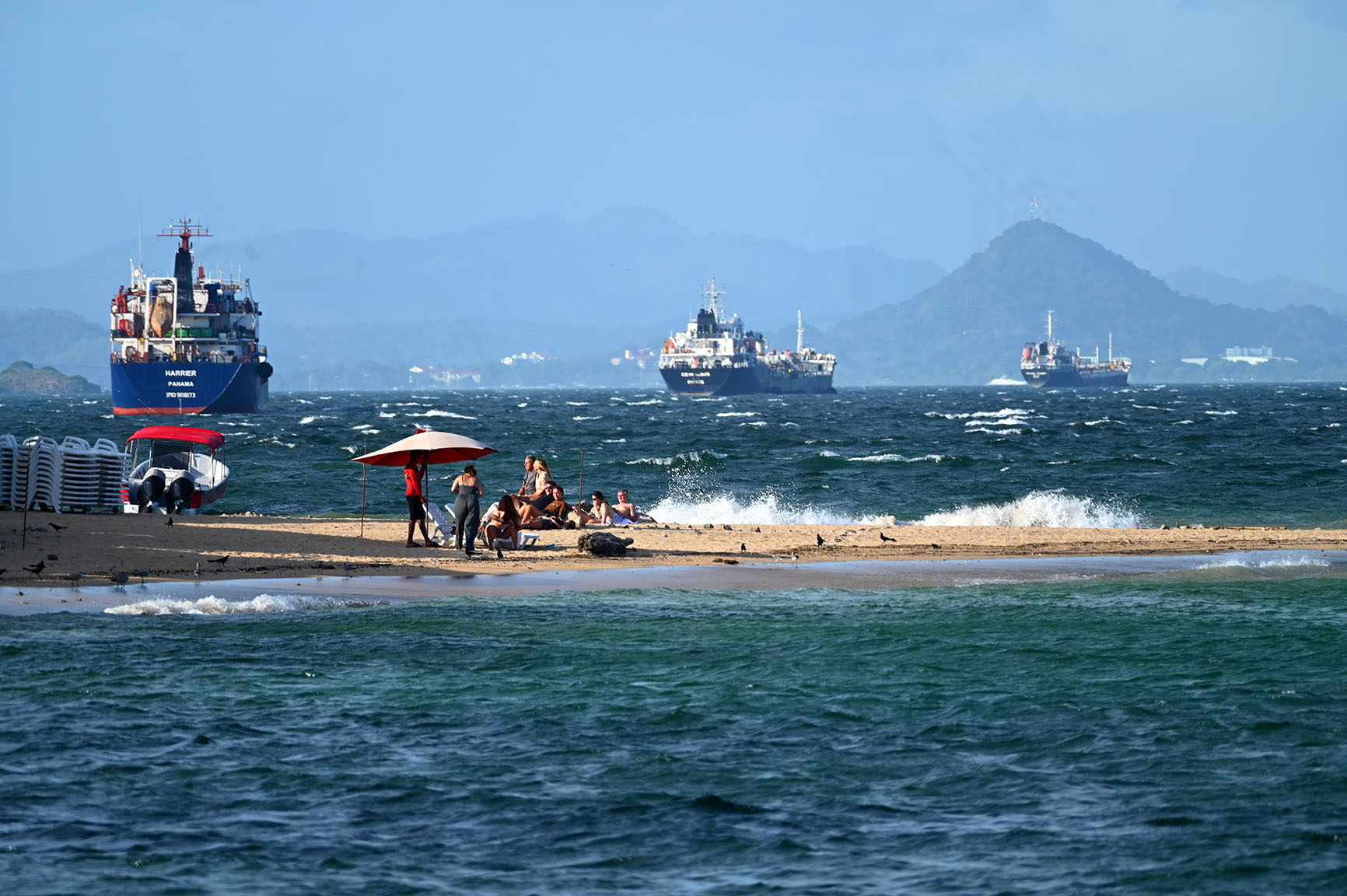
For a block of hours, vessels travel in one direction; then the flow reverses. This one‑way‑then‑the‑other rhythm keeps the narrow corridors working at capacity and allows the canal to function as a kind of maritime metronome for world trade. A full transit typically takes eight to ten hours, depending on vessel size and traffic.
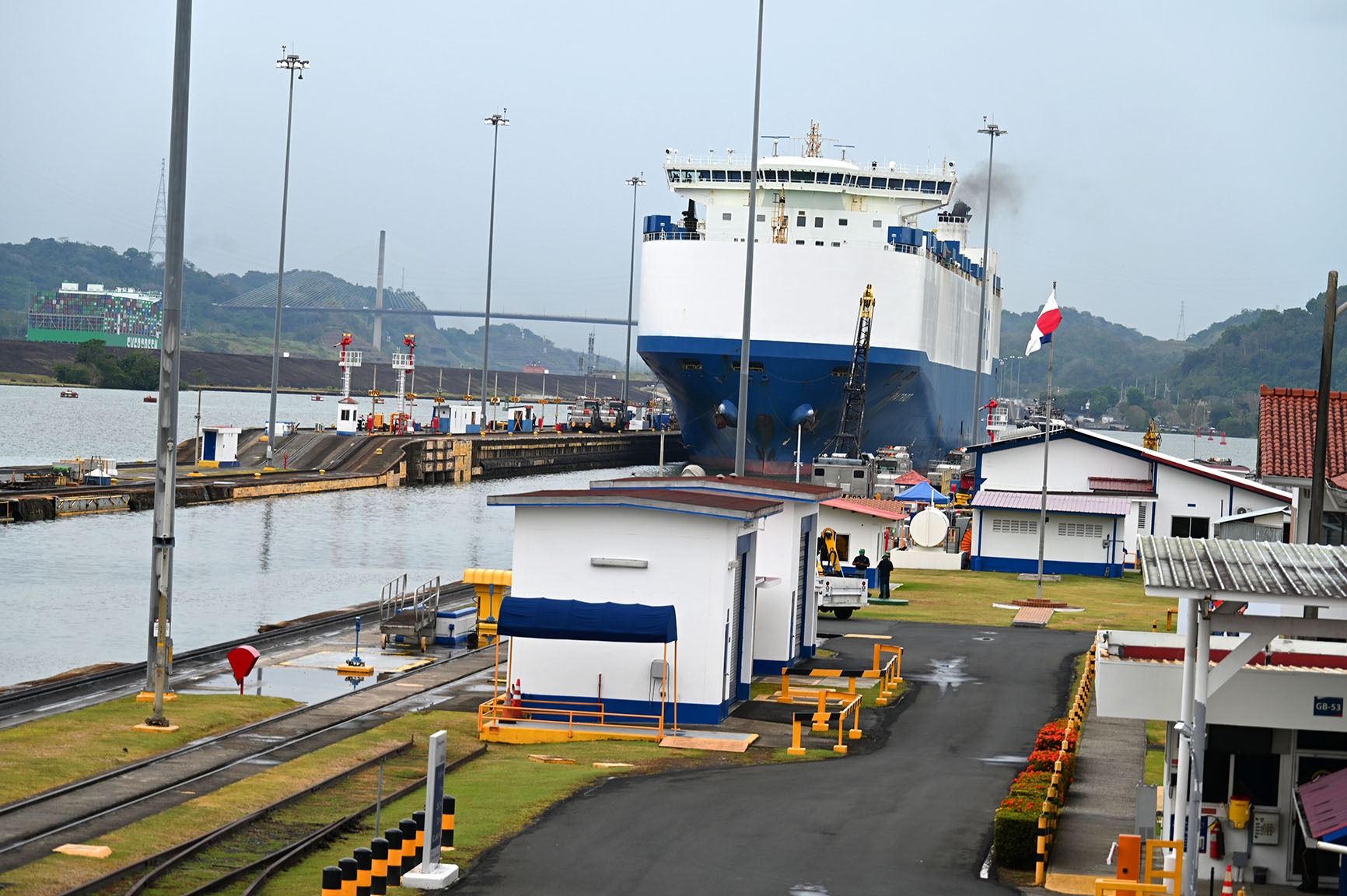
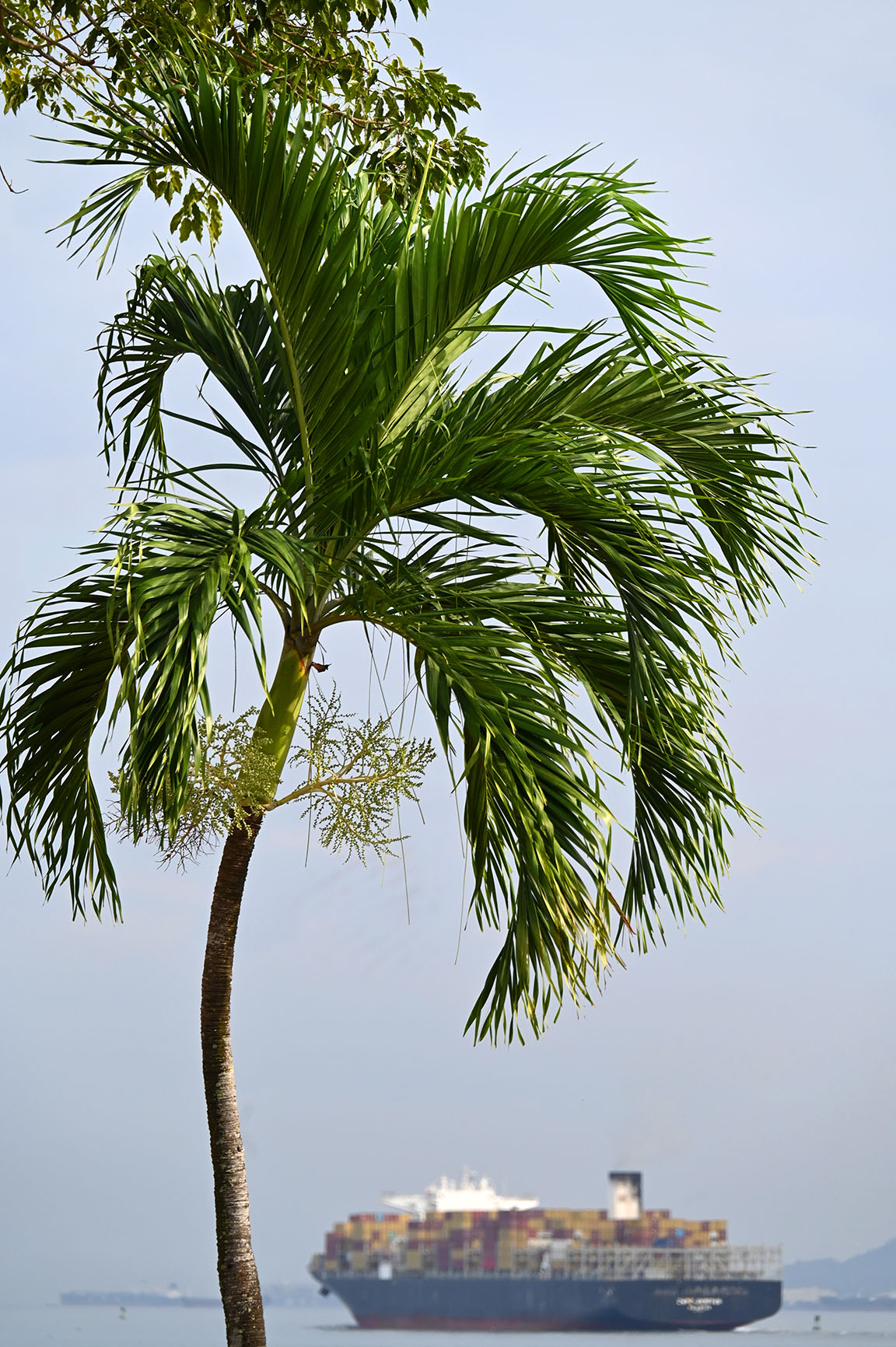
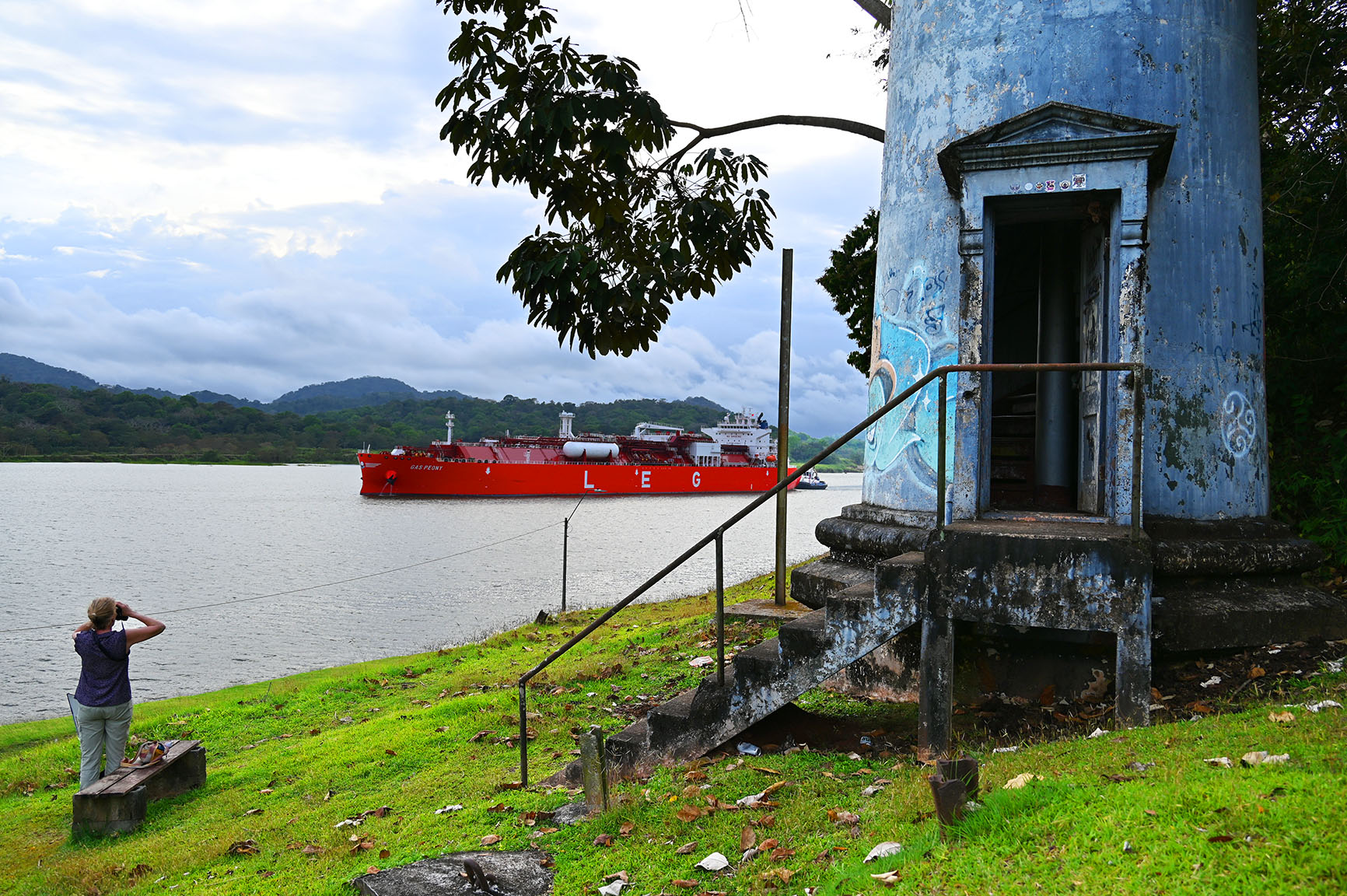
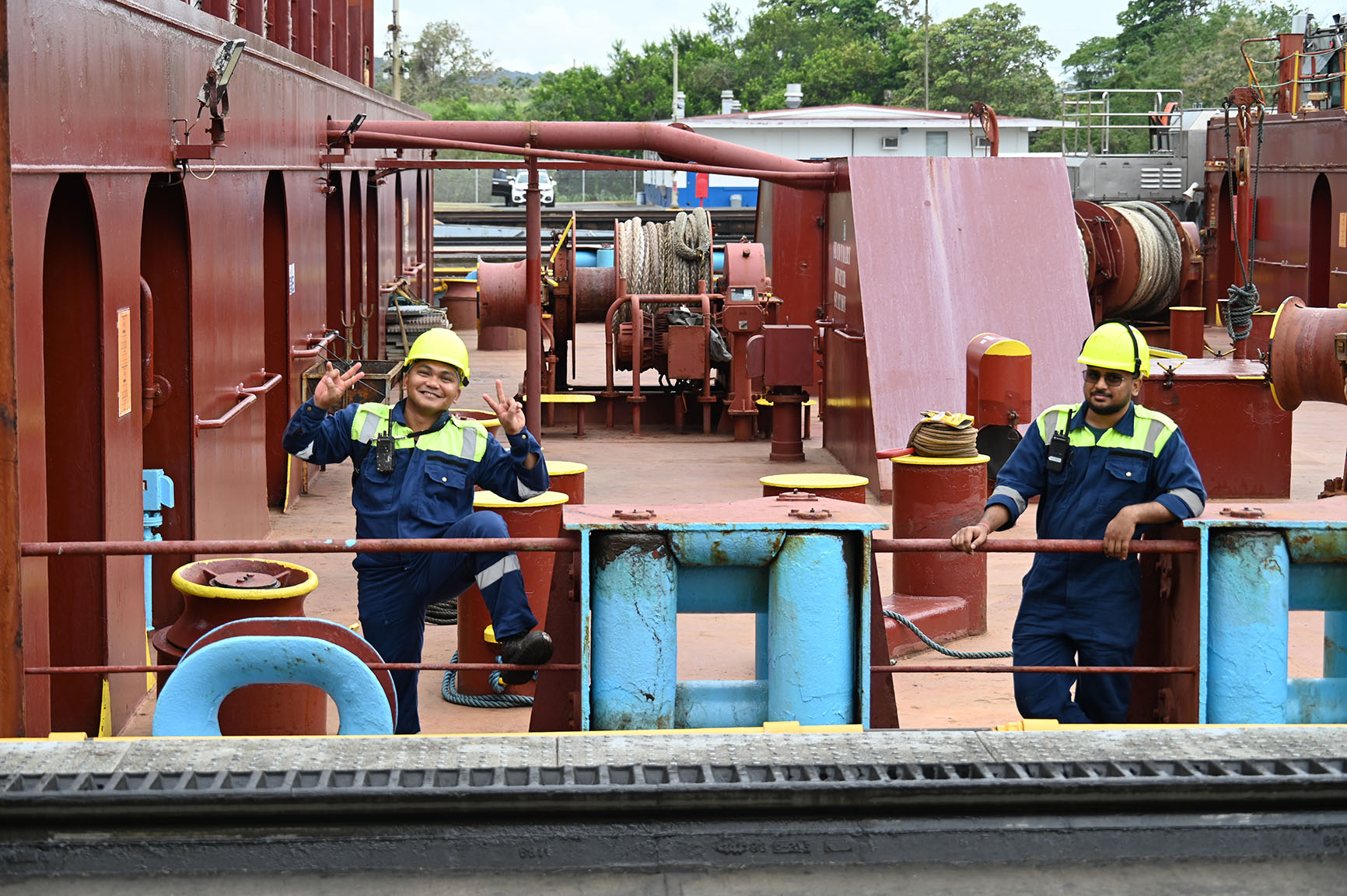
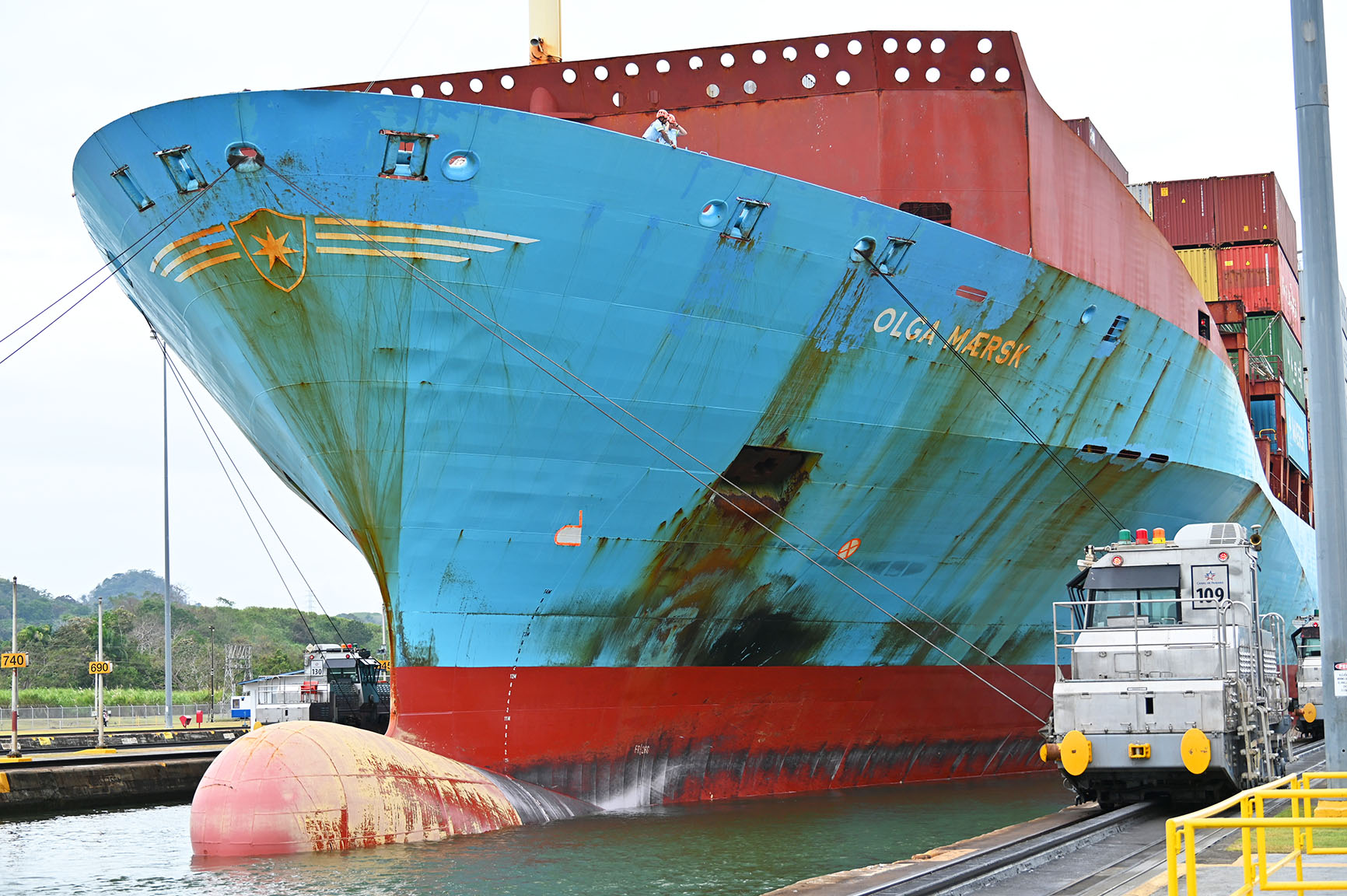
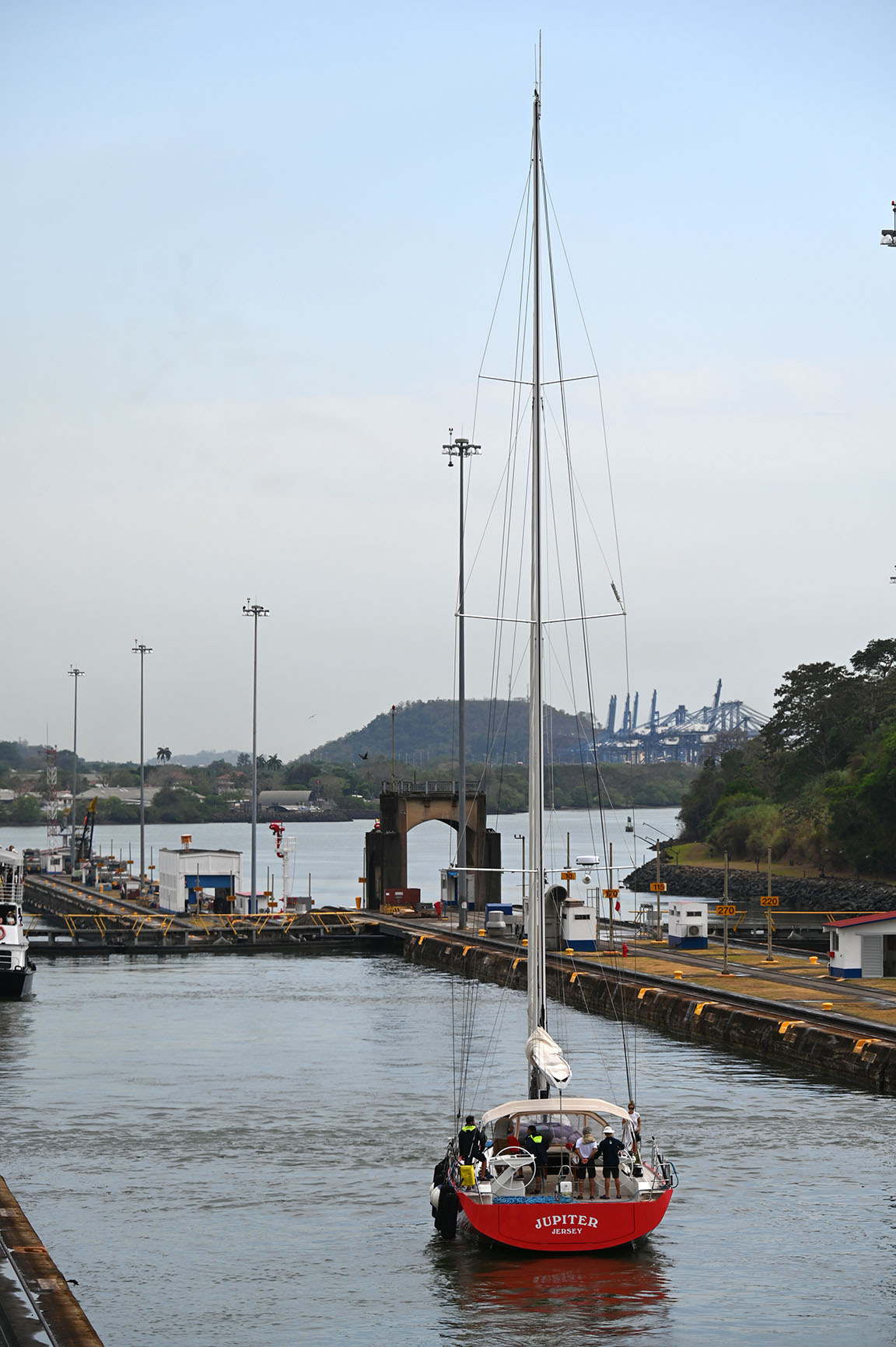
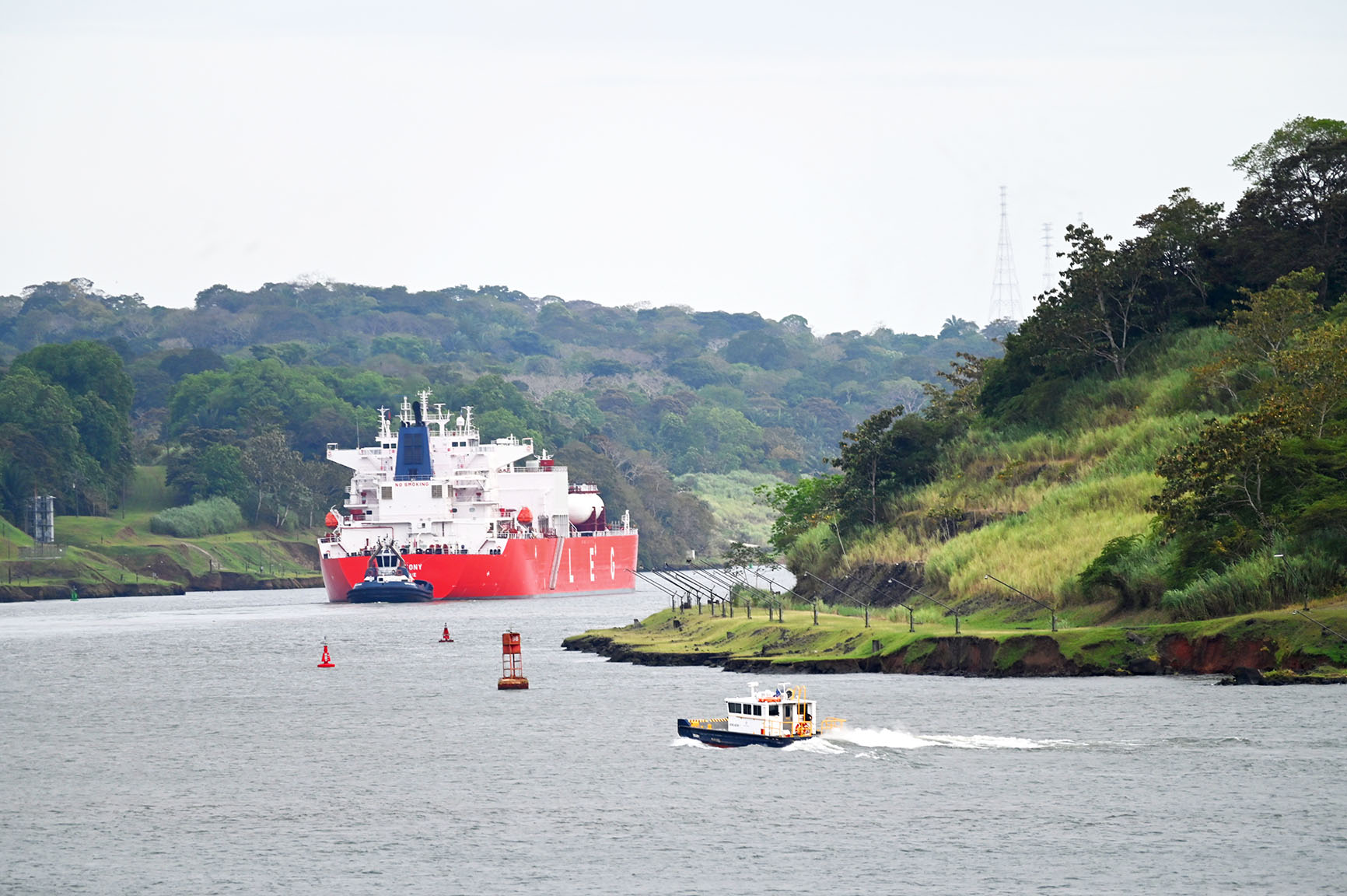
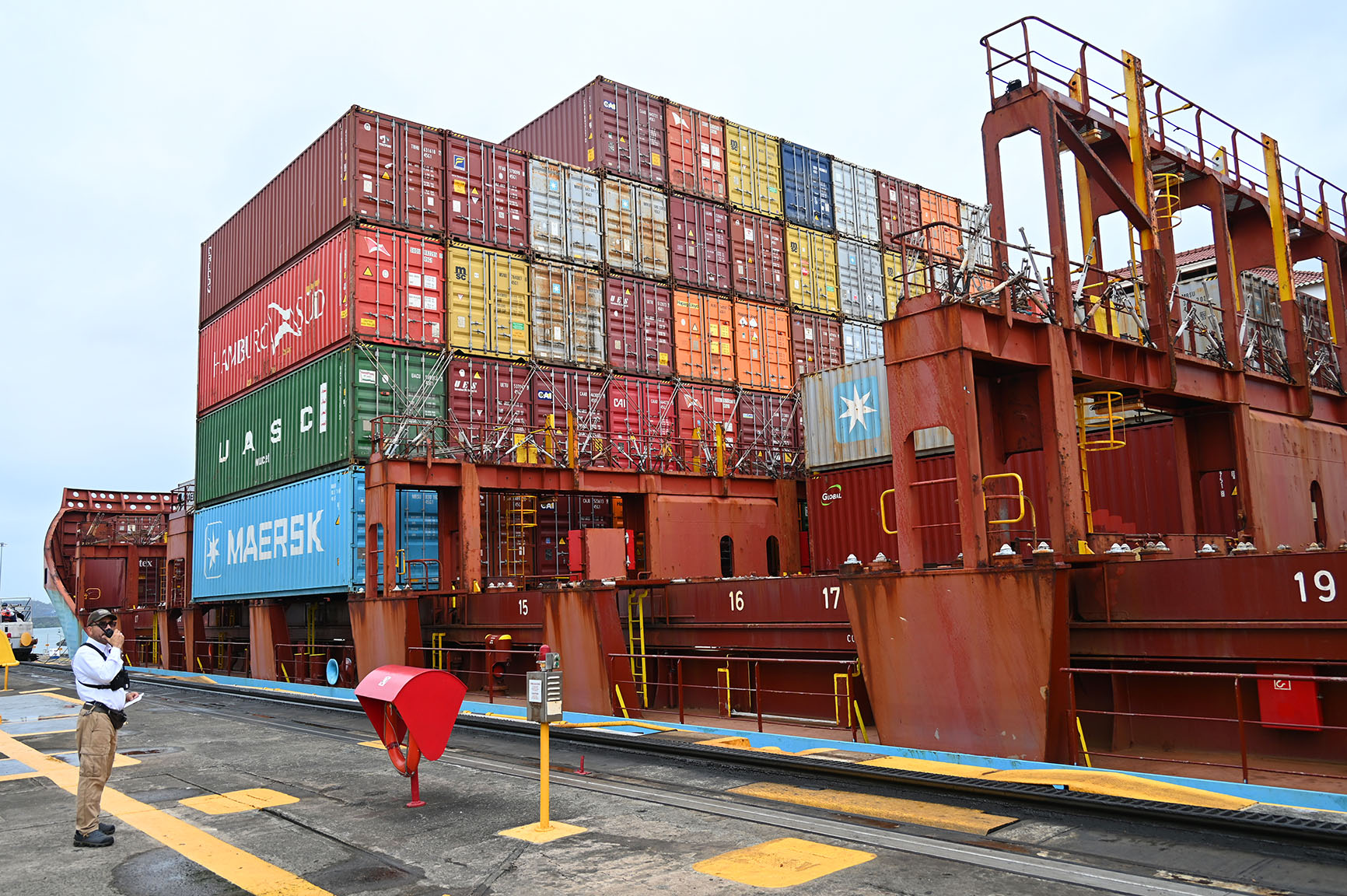
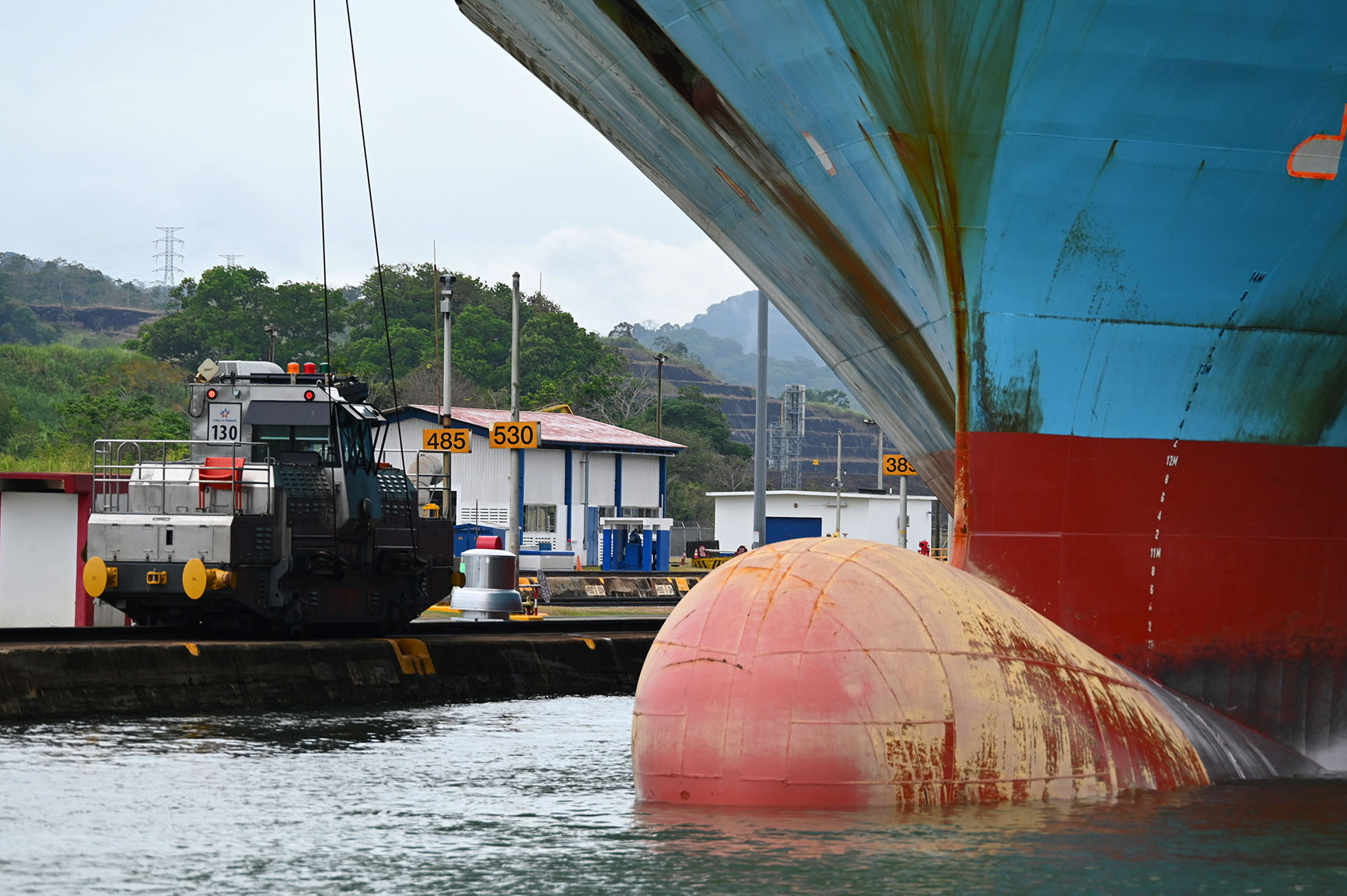
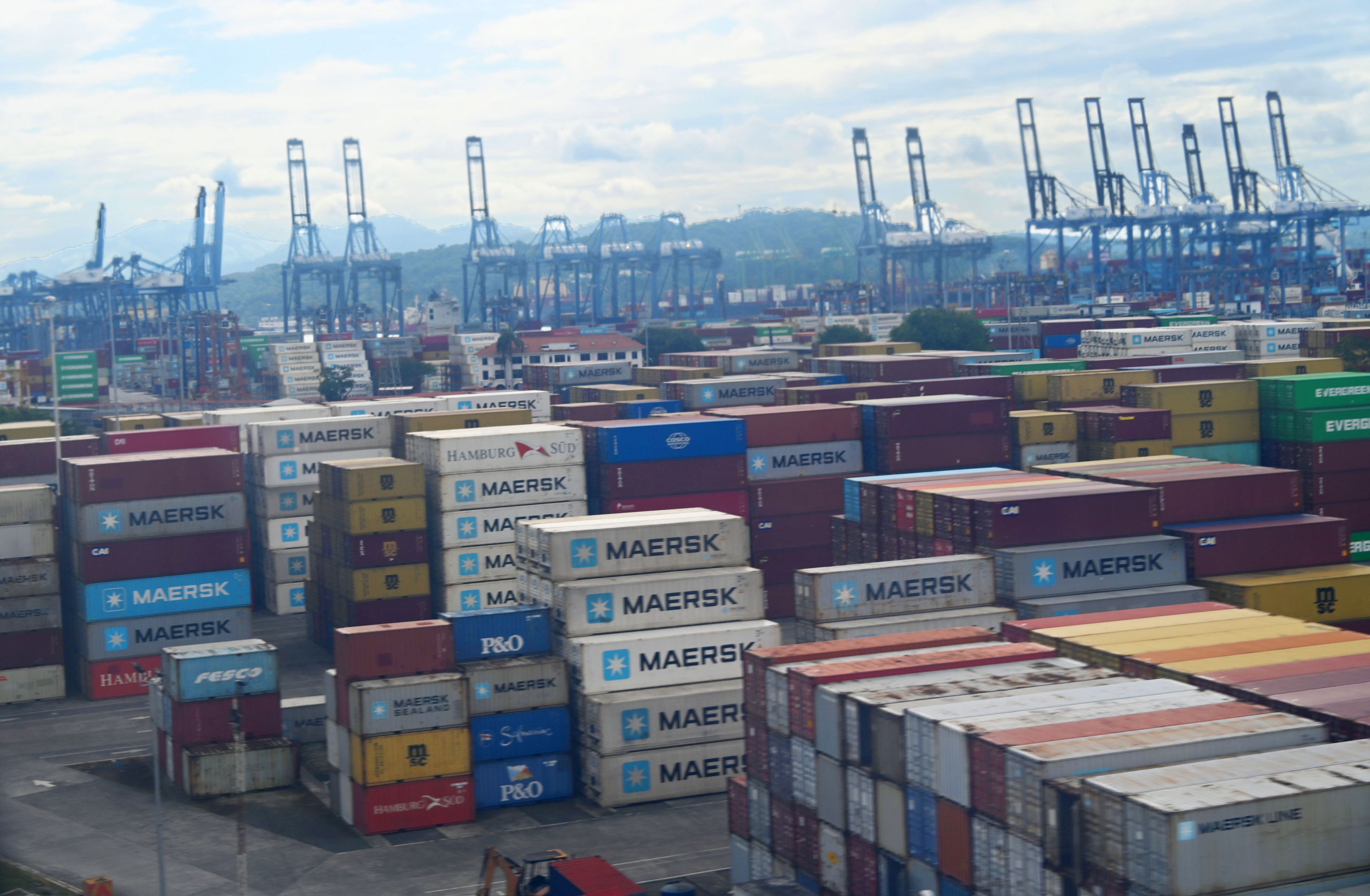
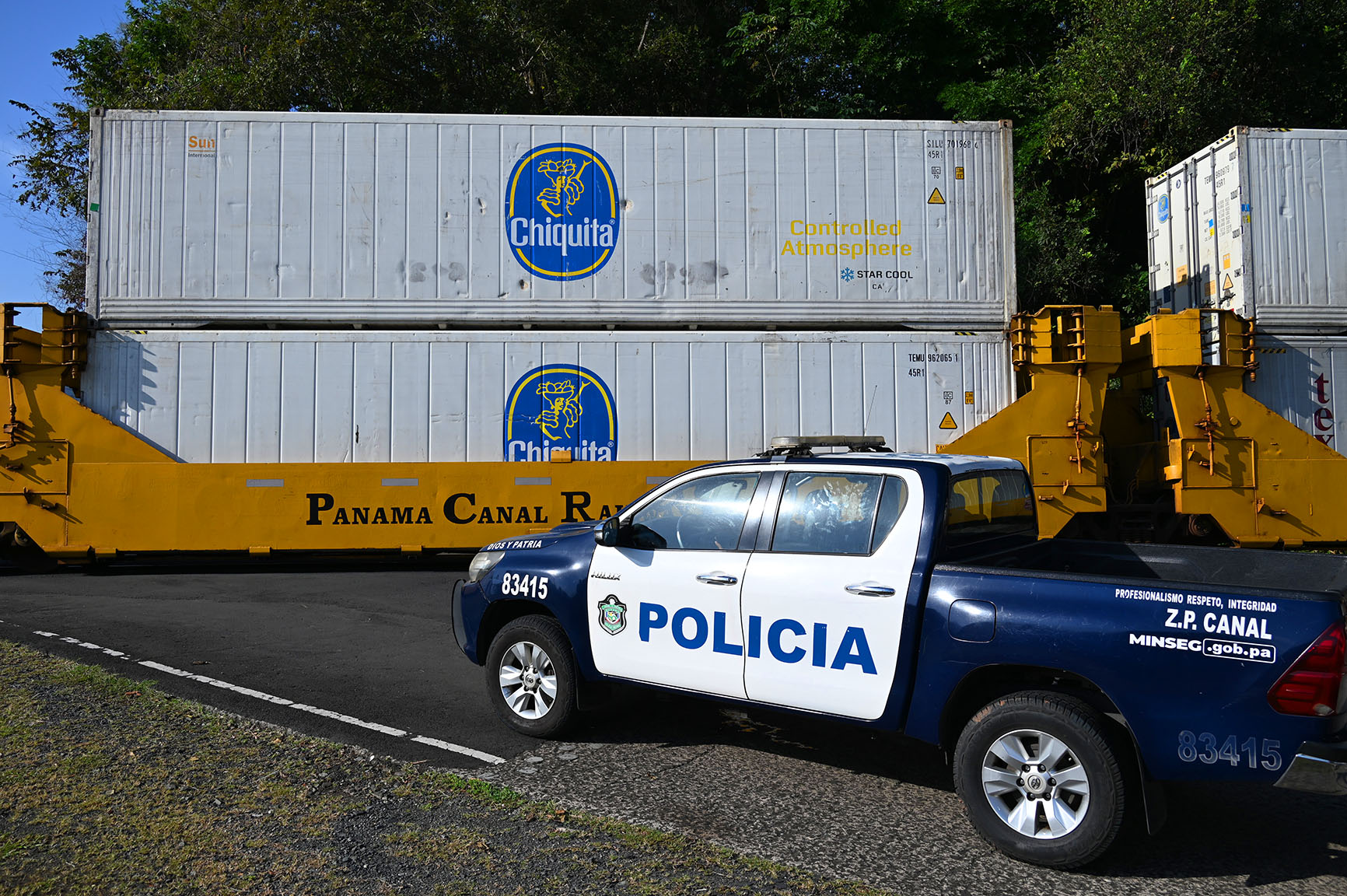
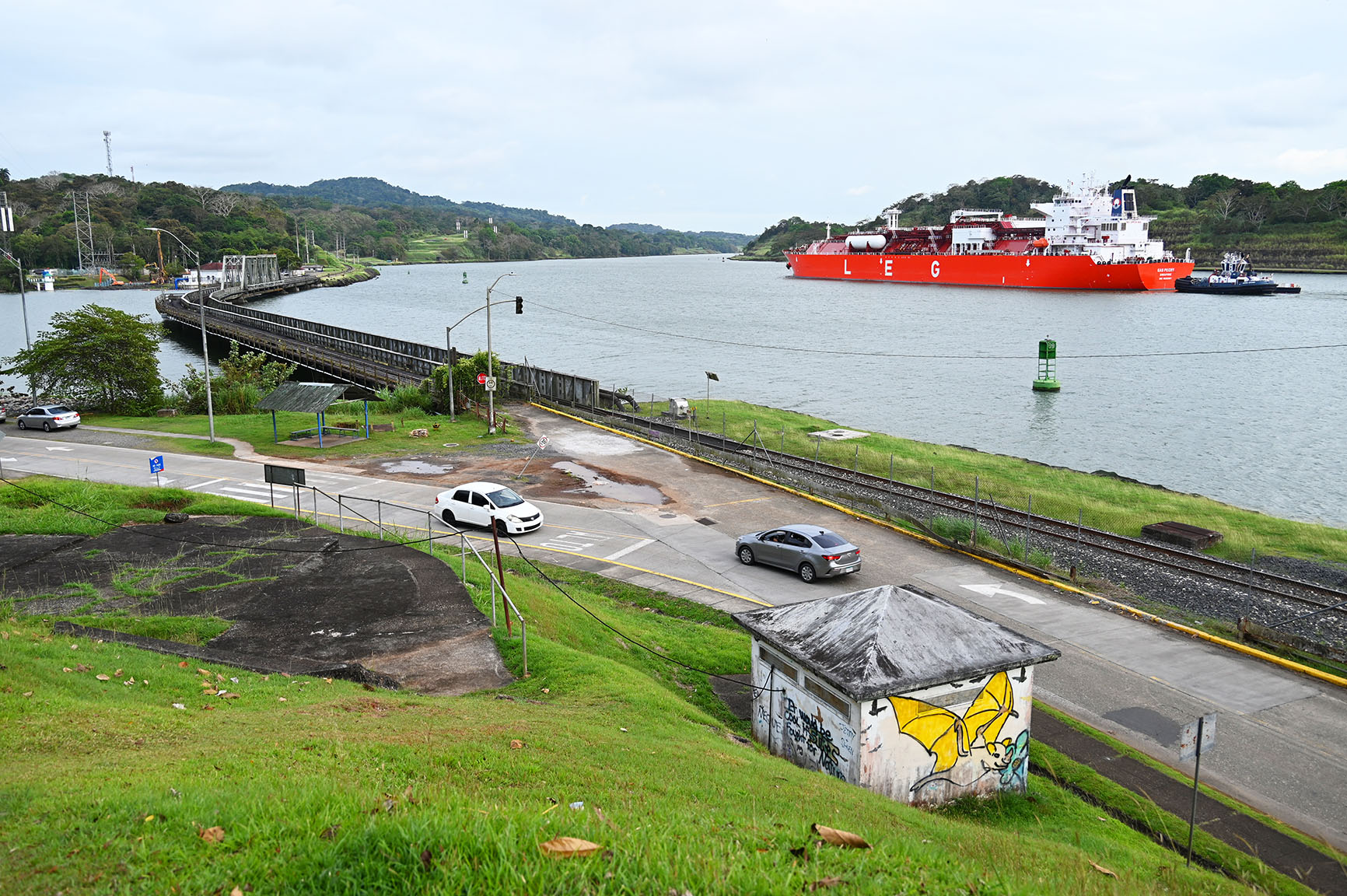
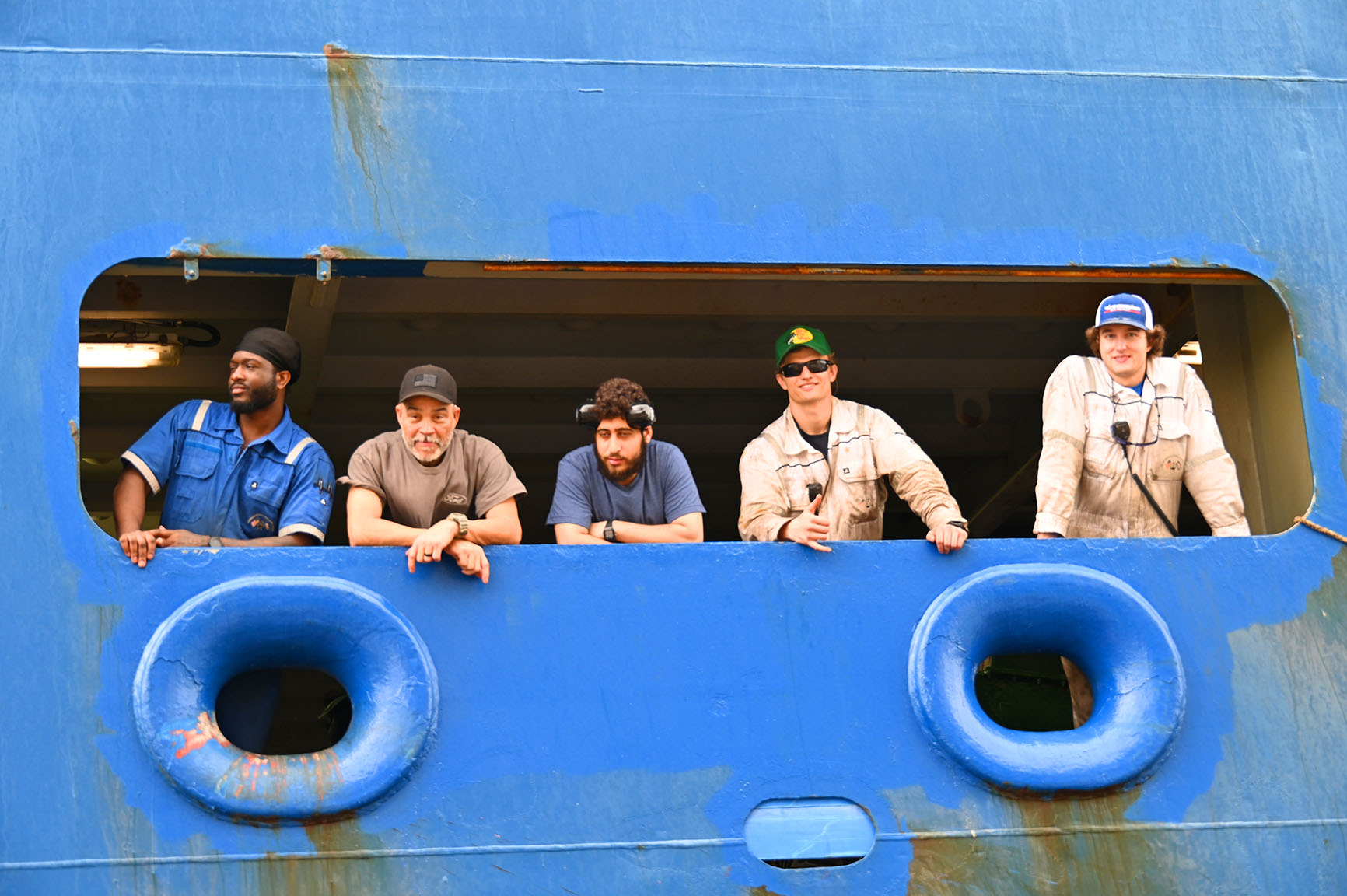
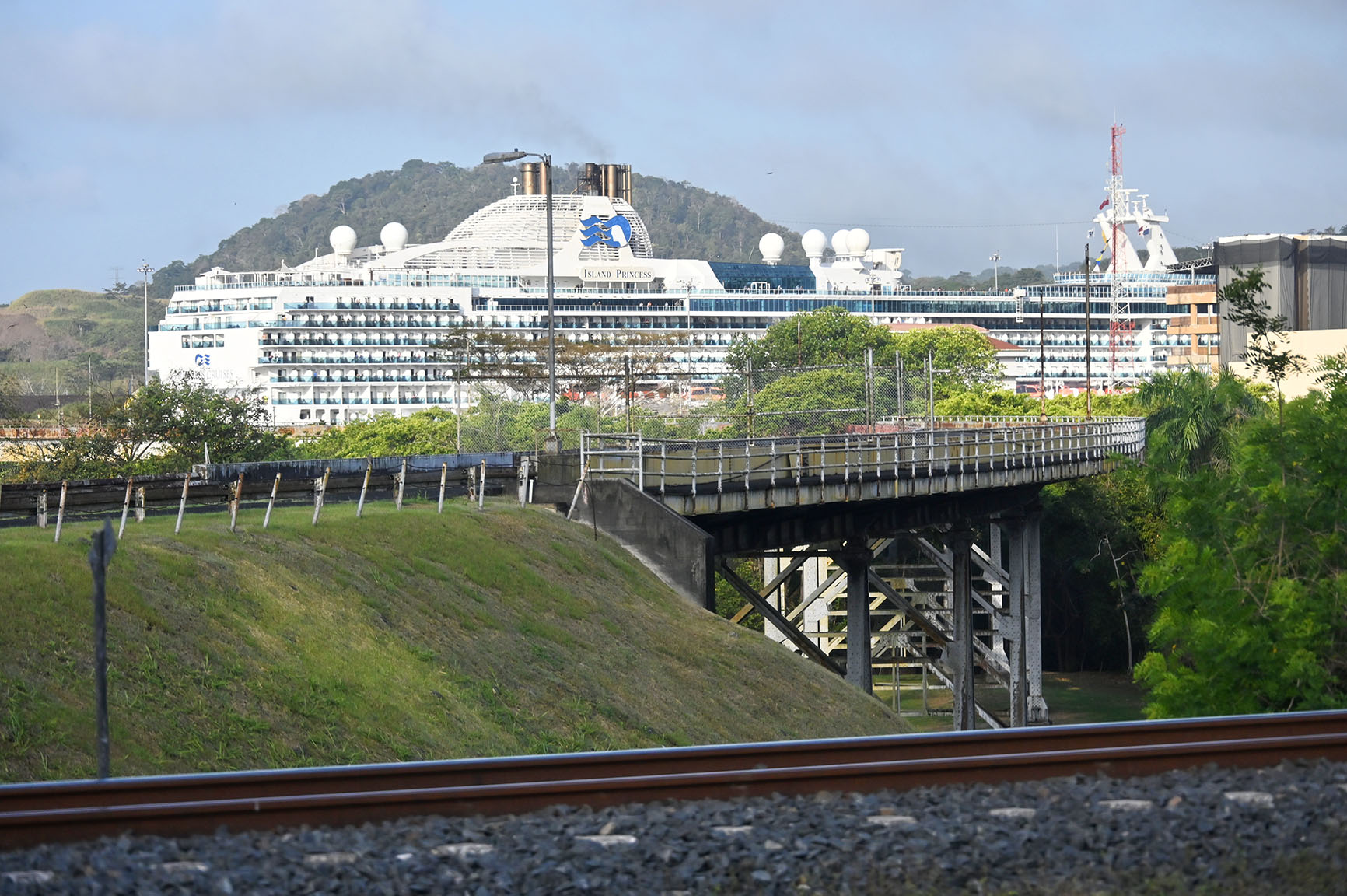
Whether viewing from the nearby jungle, or more close at hand on at one of locks, I was surprised at the sheer range of vessels that join this daily procession.
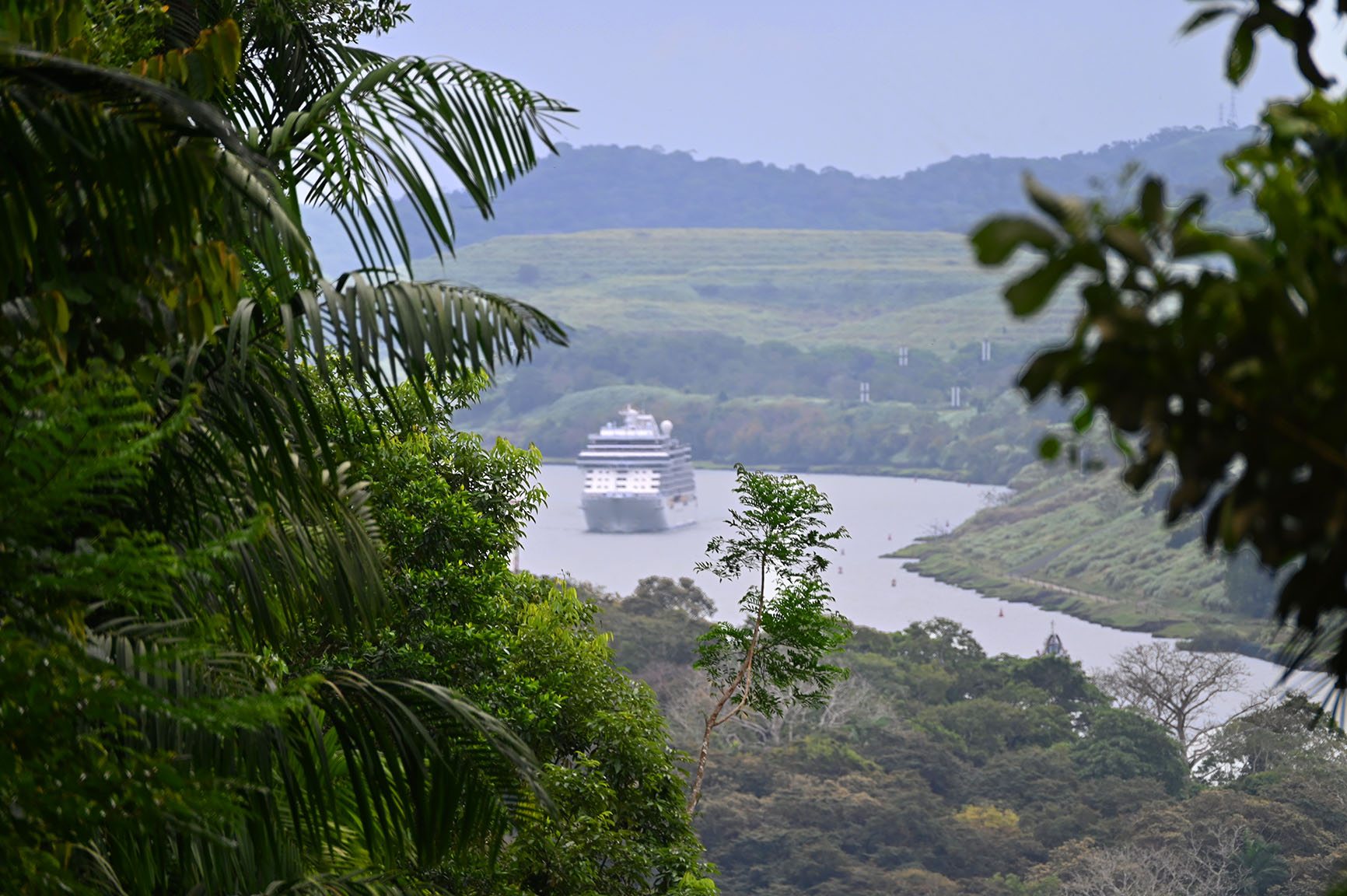
For the largest merchant ships, especially the Neopanamax giants using the expanded locks, transit fees routinely climb into the hundreds of thousands of dollars. These figures reflect vessel size, cargo type and the lock lane chosen, and while eye‑watering, they mirror the scale of the ships themselves. At the opposite end of the spectrum, small private sailing yachts pay a fraction of that sum. Typically hundreds to low thousands of dollars depending on length and category.
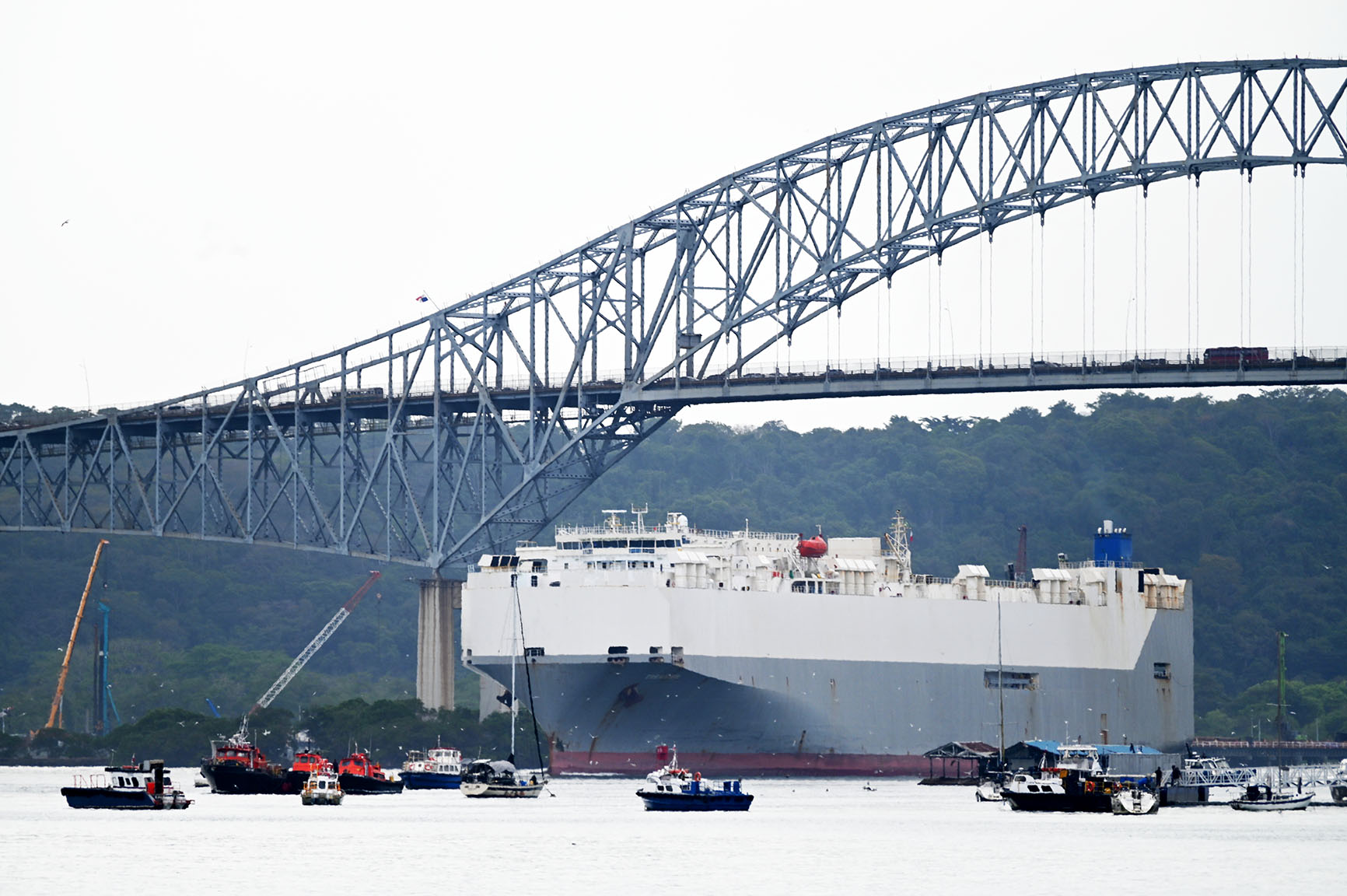
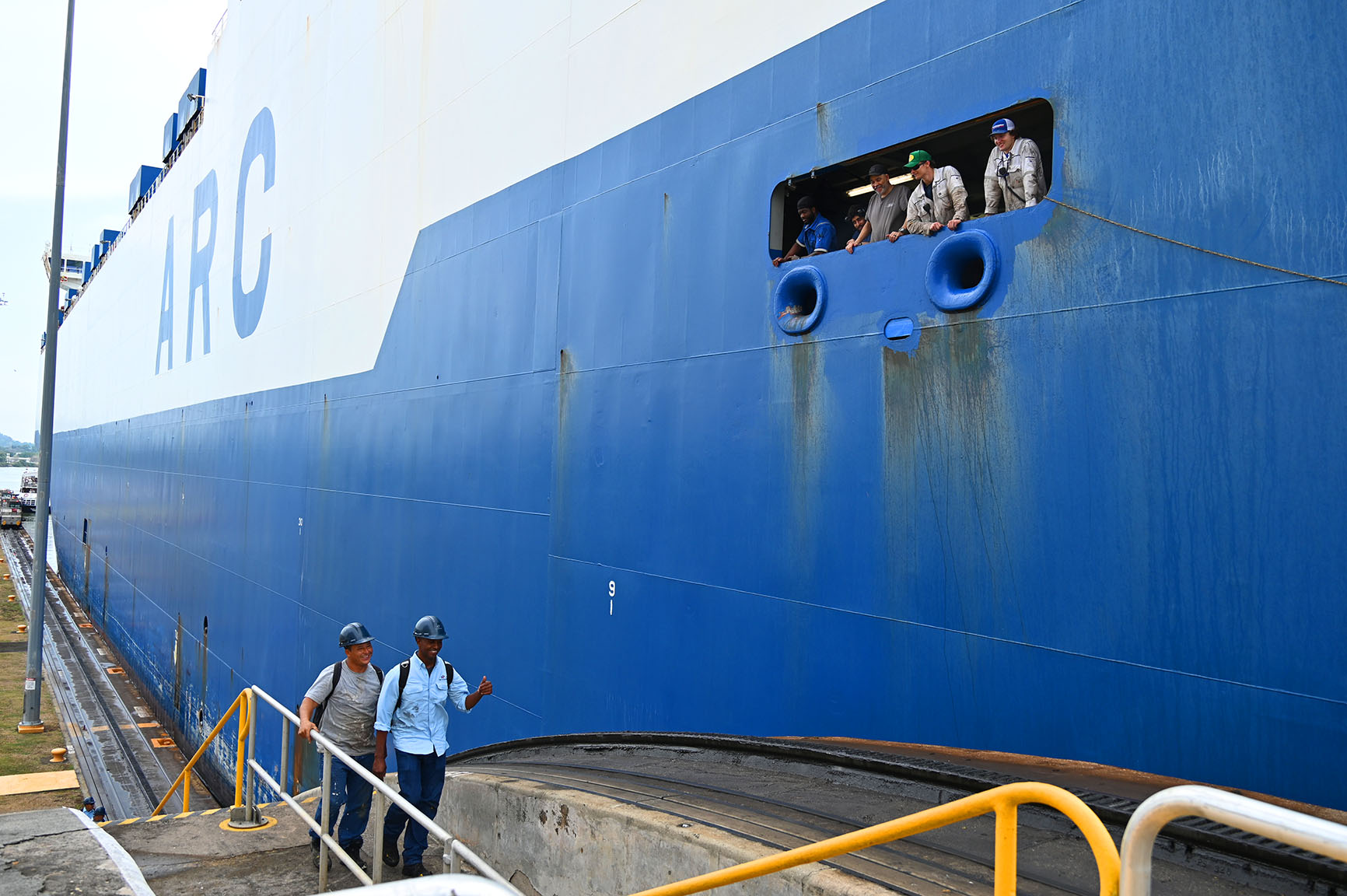
Standing beside the locks, the contrasts are striking. A Neopanamax leviathan inches through the expanded lane, whilst a 40‑foot sailing yacht kisses up to the giant hull nearby. Yet both rely on the same gravity‑fed engineering, the same freshwater lakes, and the same alternating flow that has defined the canal’s daily pulse for more than a century. It is this blend of scale, precision and quiet routine that makes the Panama Canal so compelling.
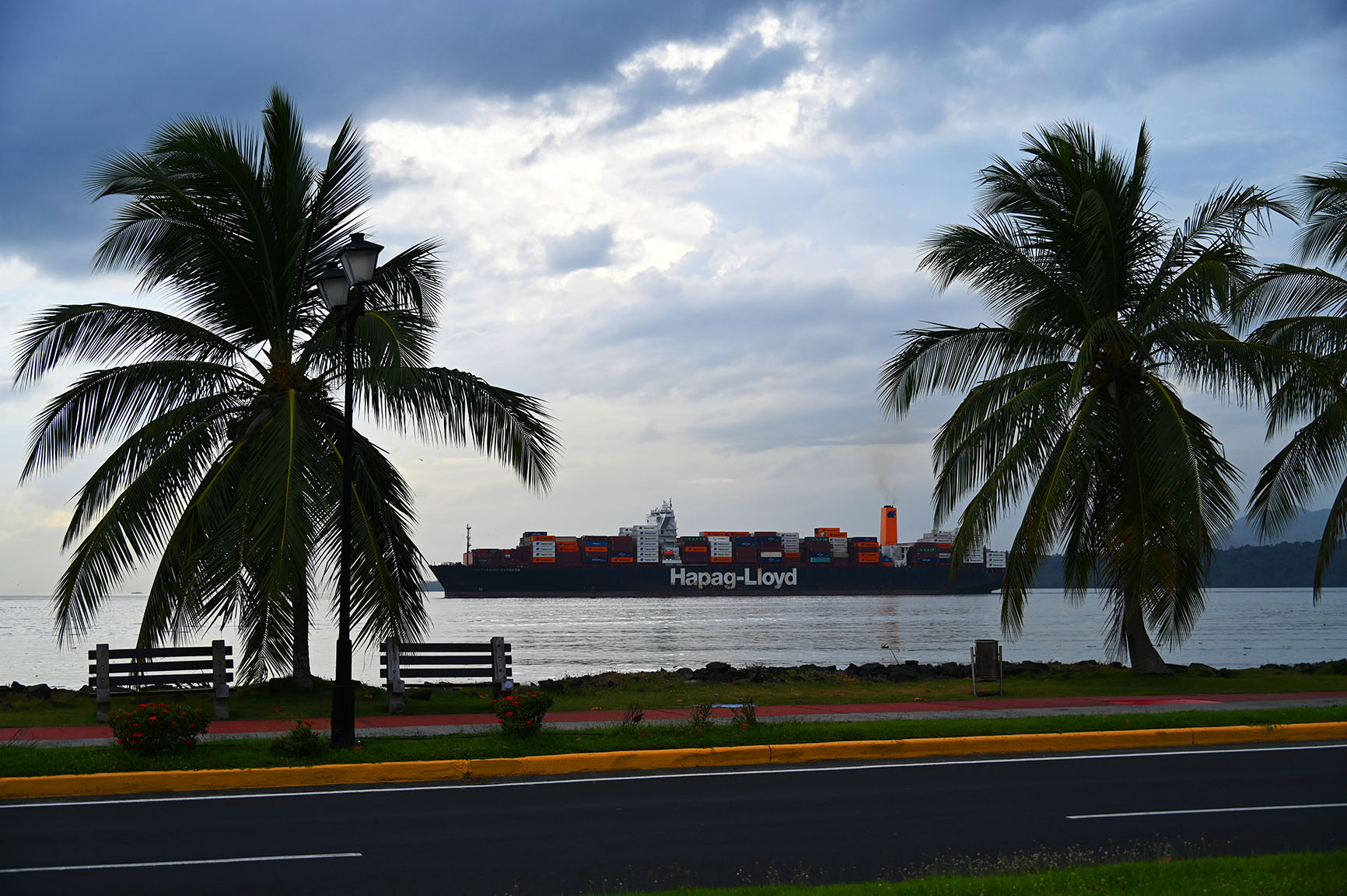
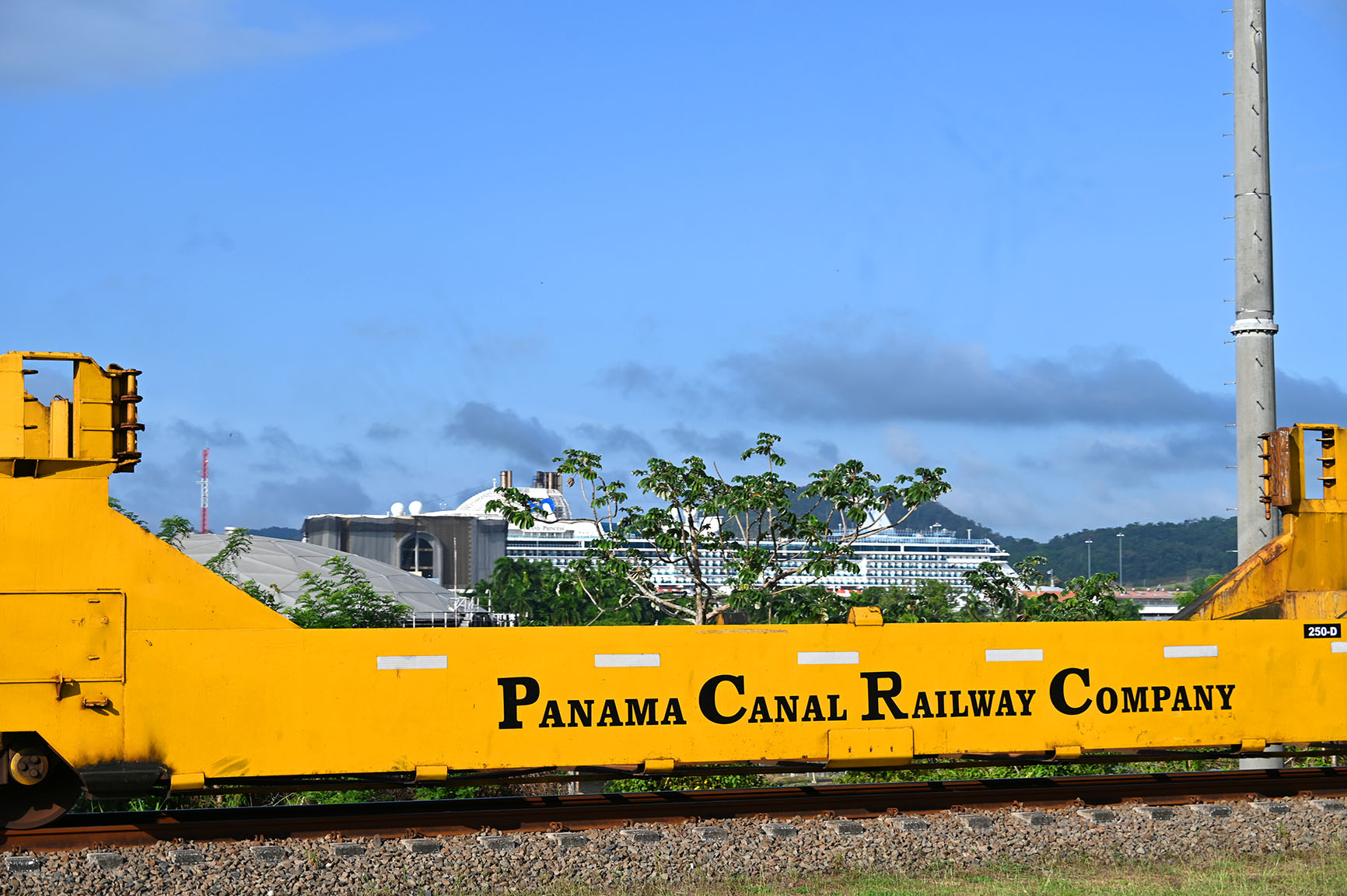
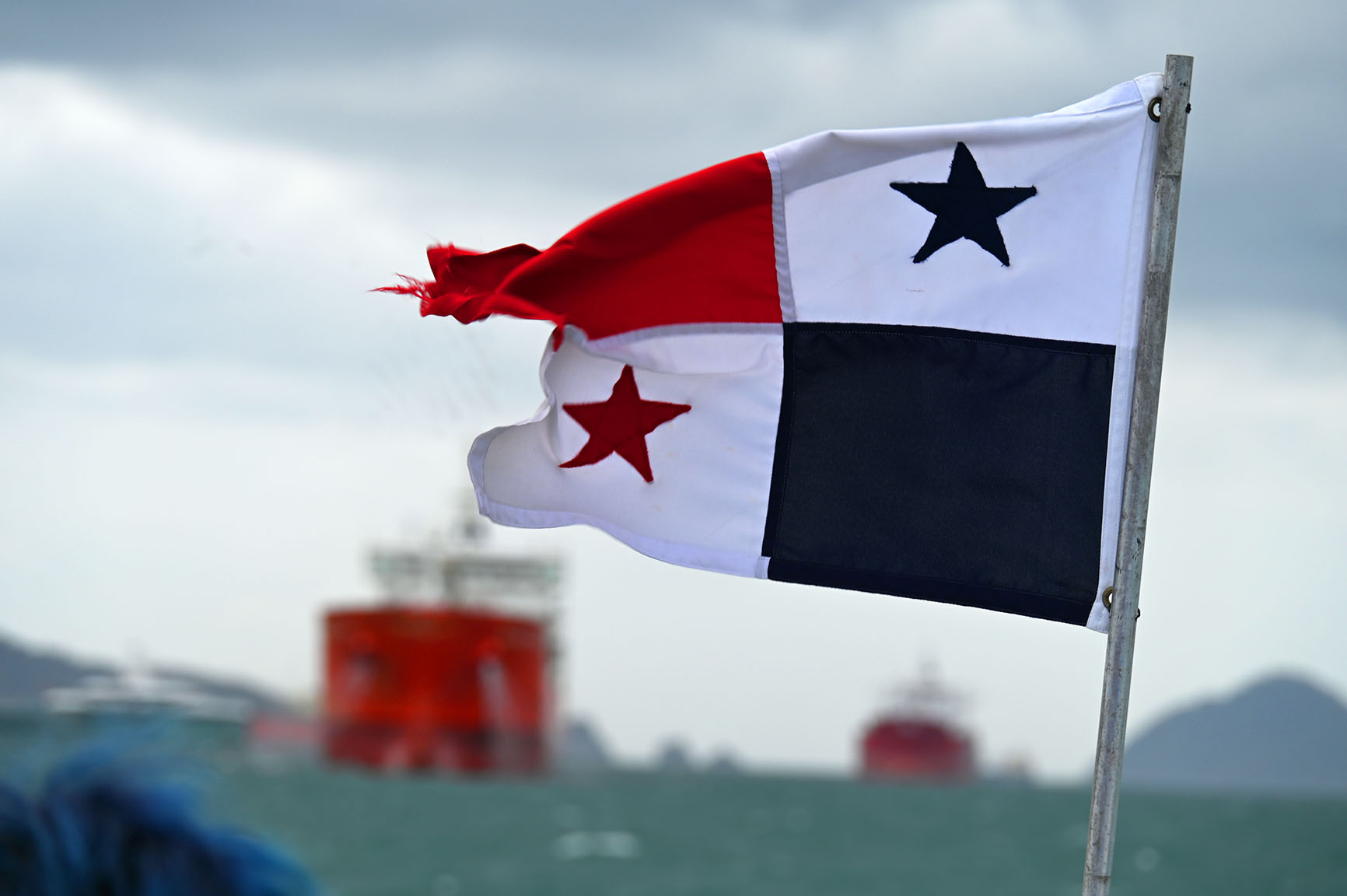
A place where continents were cut and oceans connected, and where the world still moves to a steady, deliberate rhythm. As my photos show, it is endlessly fascinating and an essential experience for any visitor to Panama, whether you follow it on foot, by bike, car, bus, truck, train, plane or sailing vessel.







Leave a Reply
Want to join the discussion?Feel free to contribute!