
Middle Eastern Adventure – Beyond Sun & Sand
There was a post-1980s time when traveling to the Middle East meant luxurious beach resorts and swimming pools stretching to the horizon. Today, that notion had altered substantially. The deserts, mountains, and rugged coastlines of this region are no longer mere backdrops, they are the main stage, alive with exploration, innovation, and the promise of new adventure experiences. Countries across the Middle East are redefining themselves, investing in adventure tourism and crafting experiences that pull travellers out of their comfort zones and into landscapes both epic and intimate.
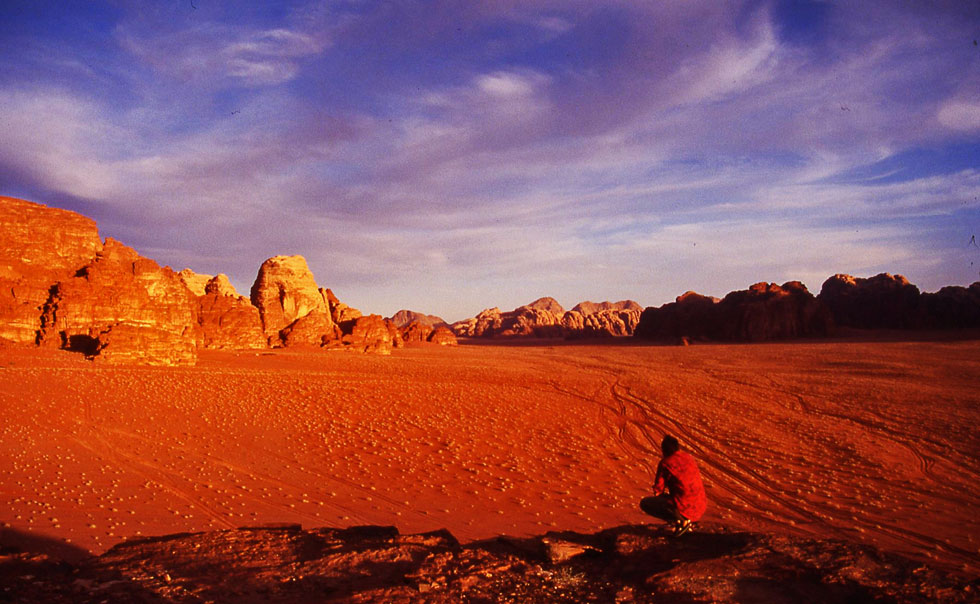
As a regular visitor to the Middle East over the decades, I have loved watching and experiencing this evolution. Which now means that we can factor in a multitude of activities into client itineraries.
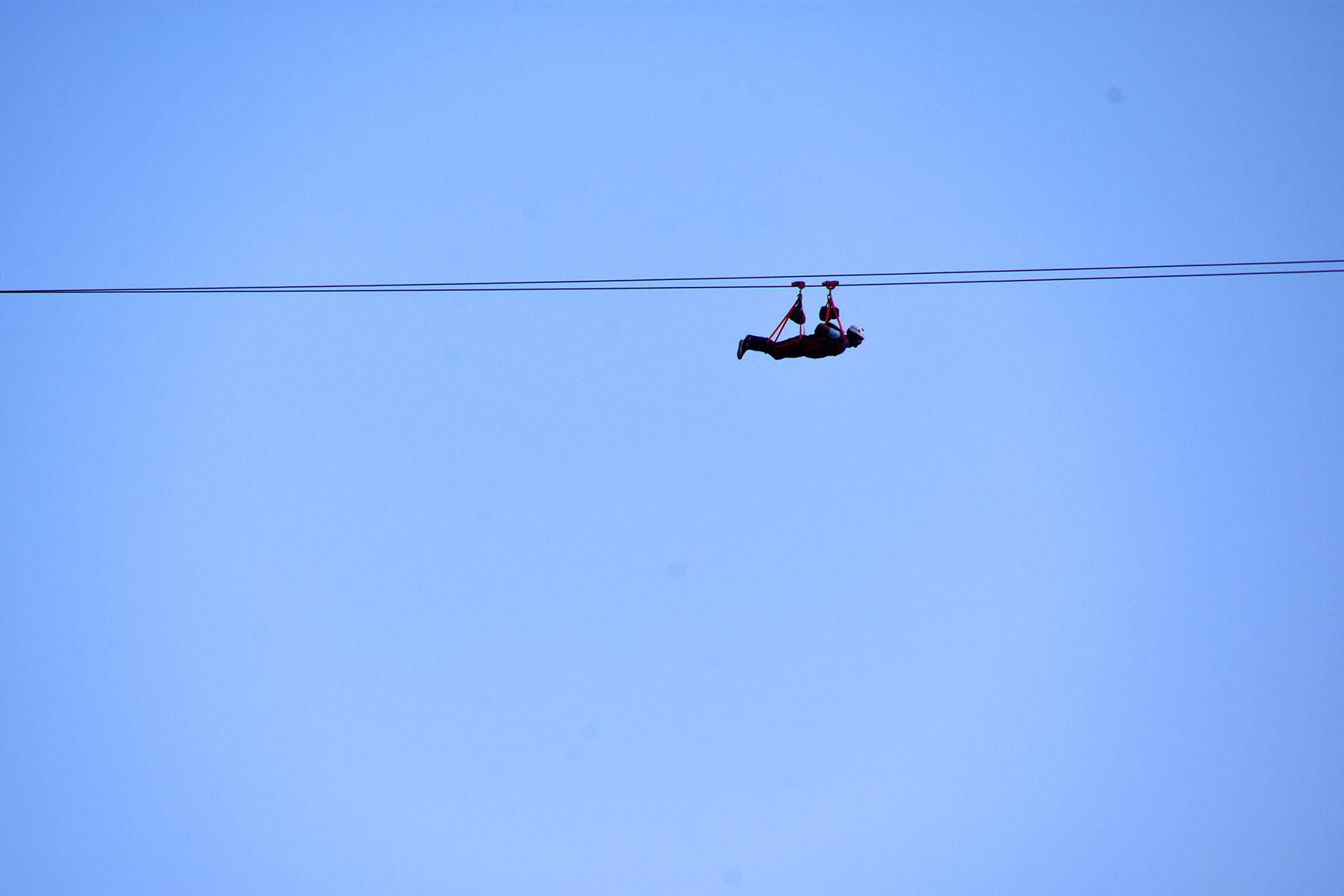
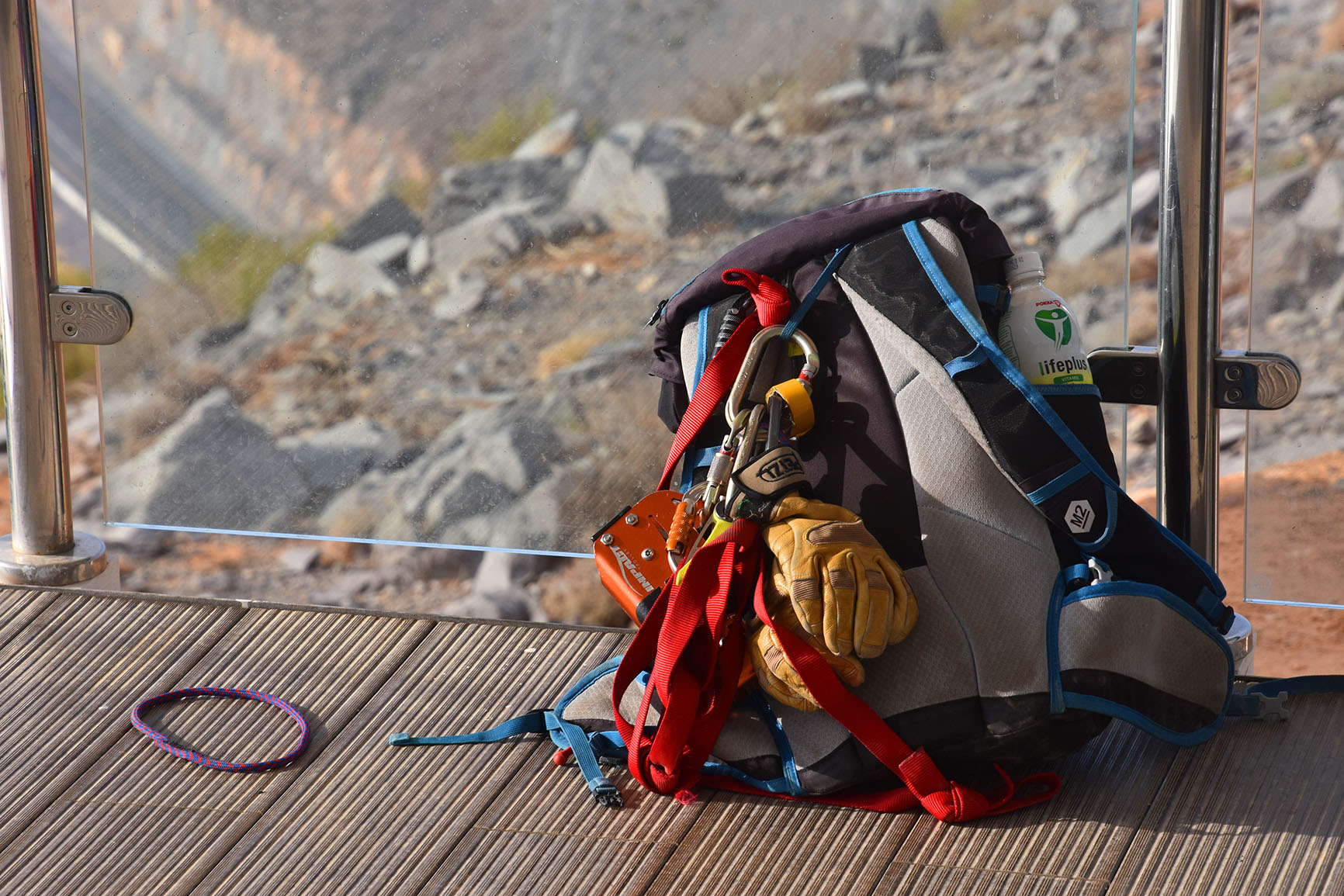
In Ras Al Khaimah, the hushed desert and mountains I first visited are no longer silent witnesses to a holiday. They are instruments of exhilaration. The Hajar Mountains rise like a sculpted amphitheatre, and at their peak, as I previously blogged on, the Jebel Jais Flight, the world’s longest zipline, stretches 2.83 kms across canyon walls, propelling riders at speeds approaching 150 km/h (best time: October–April; bring windproof layers, gloves, and helmet; always use certified operators).
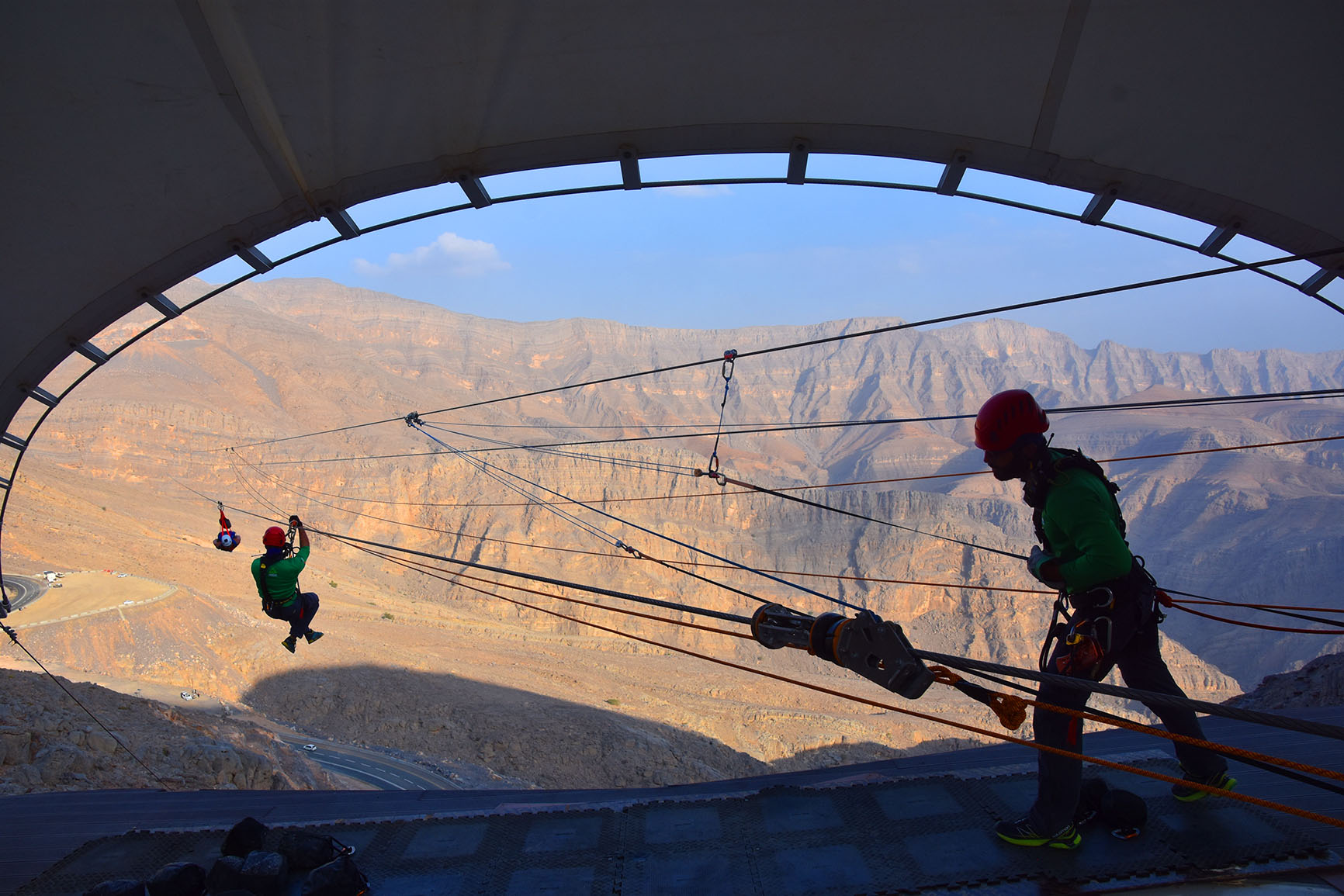
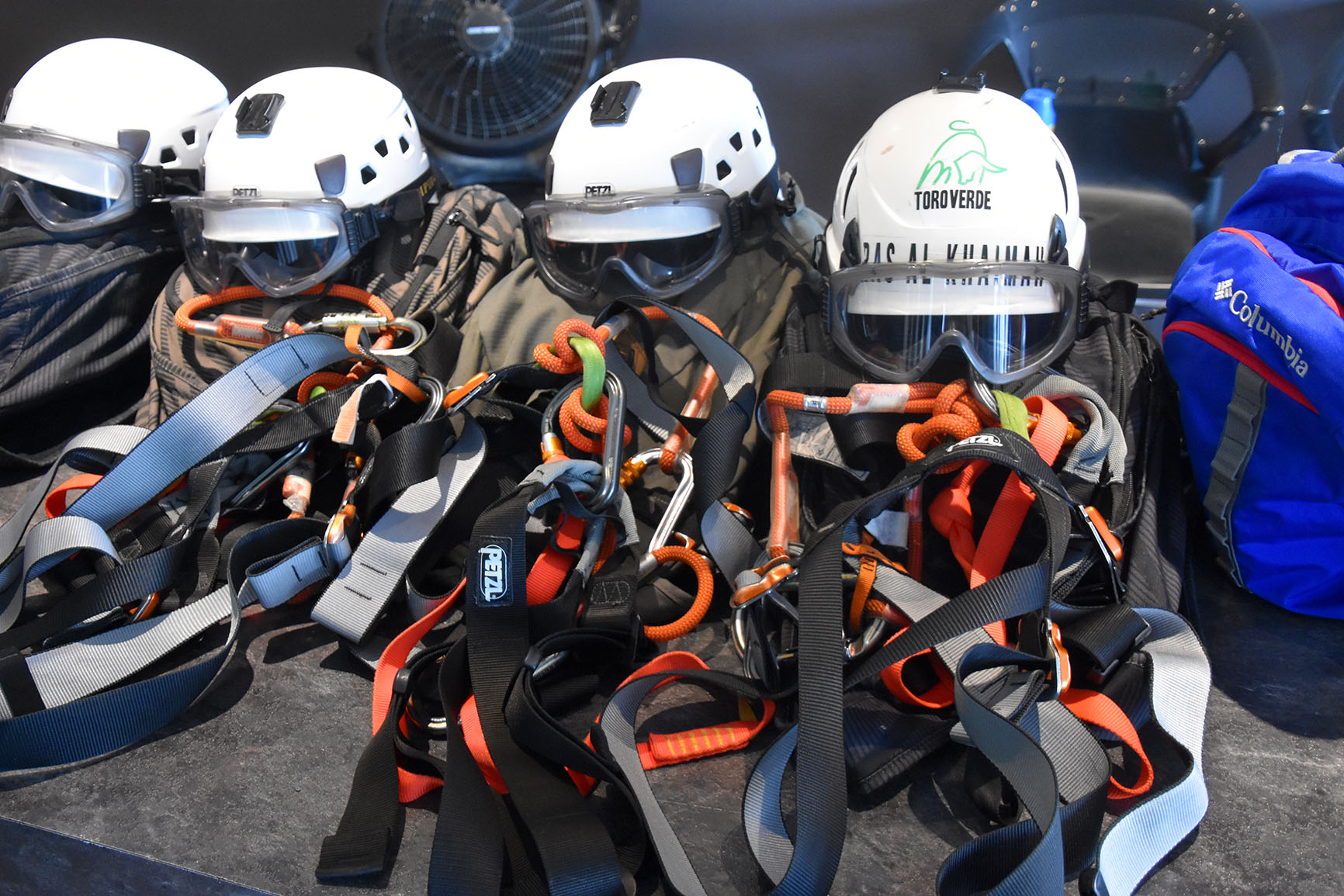
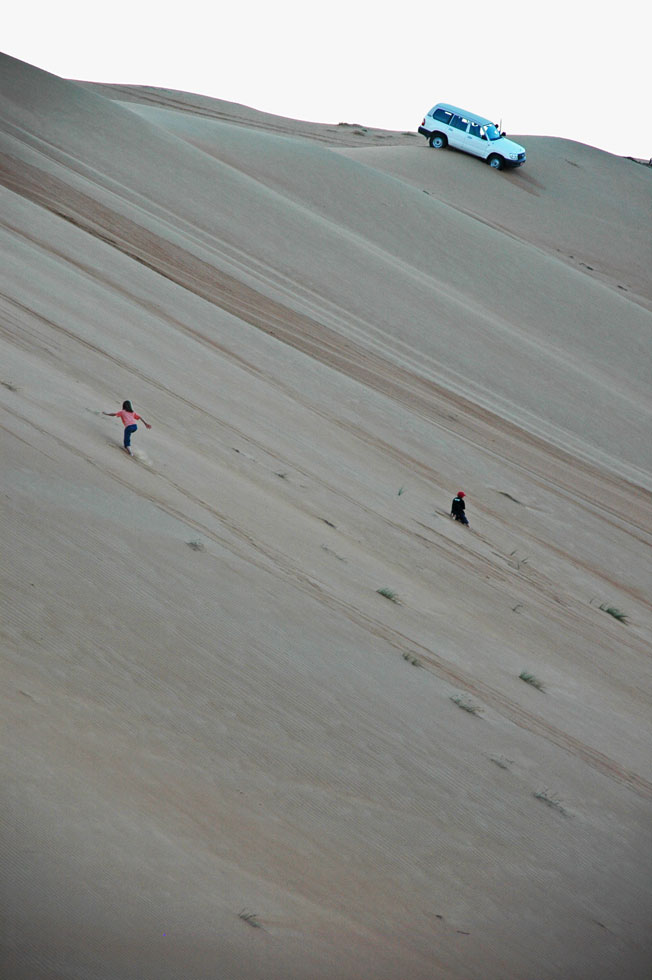
Furthermore, there are climbing routes etched along the mountainside, via ferrata courses that test grip and nerve (good climbing shoes and harness required; guides provided), and sprawling desert safaris where 4x4s carve paths across golden dunes, punctuated by sandboarding descents and quiet nights in Bedouin-style camps under an unending canopy of stars (bring sun protection, water, and closed-toe shoes; guides are essential). Ras Al Khaimah’s tourism authorities have purposefully transformed the emirate from a quiet desert fringe into a destination synonymous with adventure, proving that the UAE has more to offer than skyscraper skylines and beach resorts.
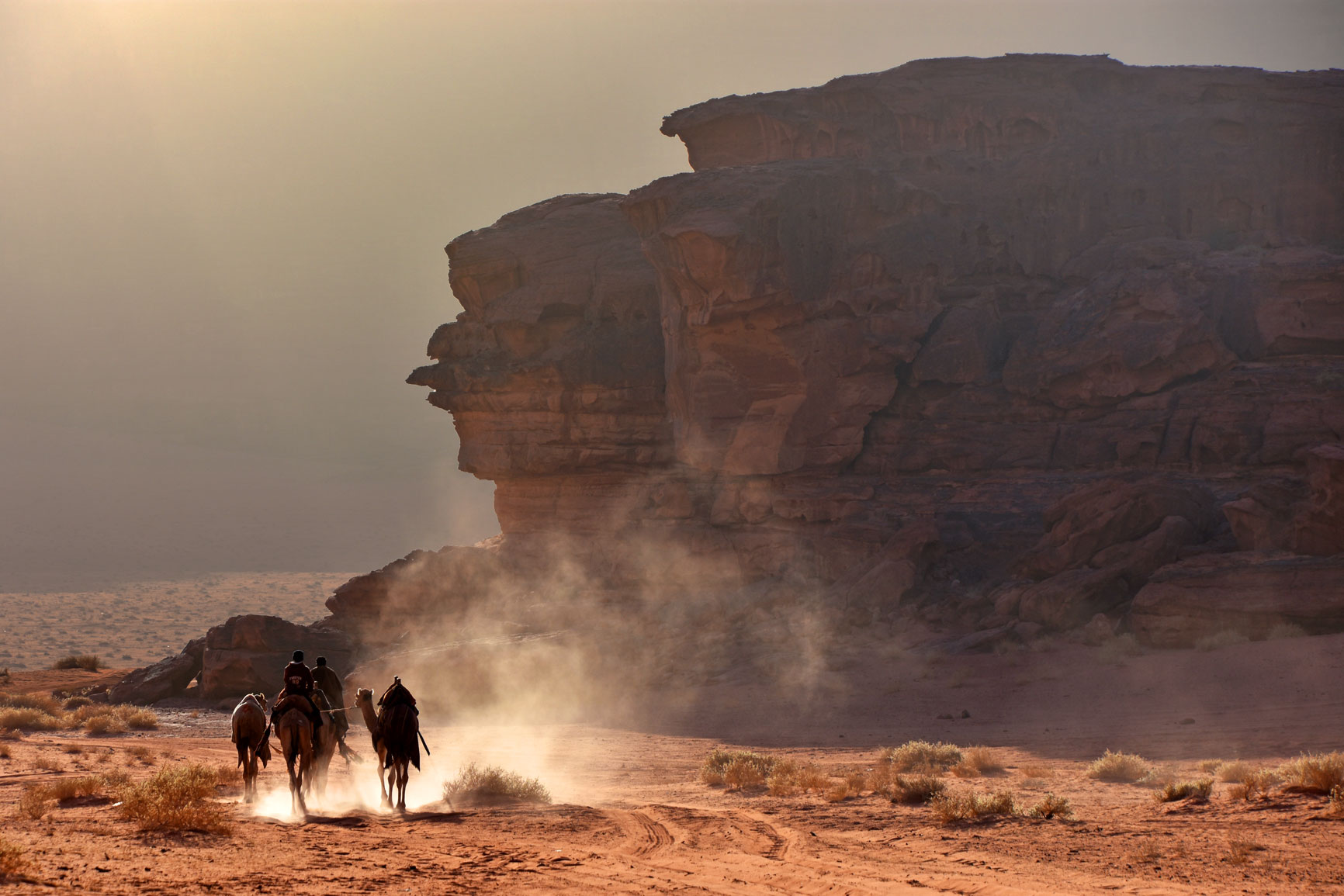
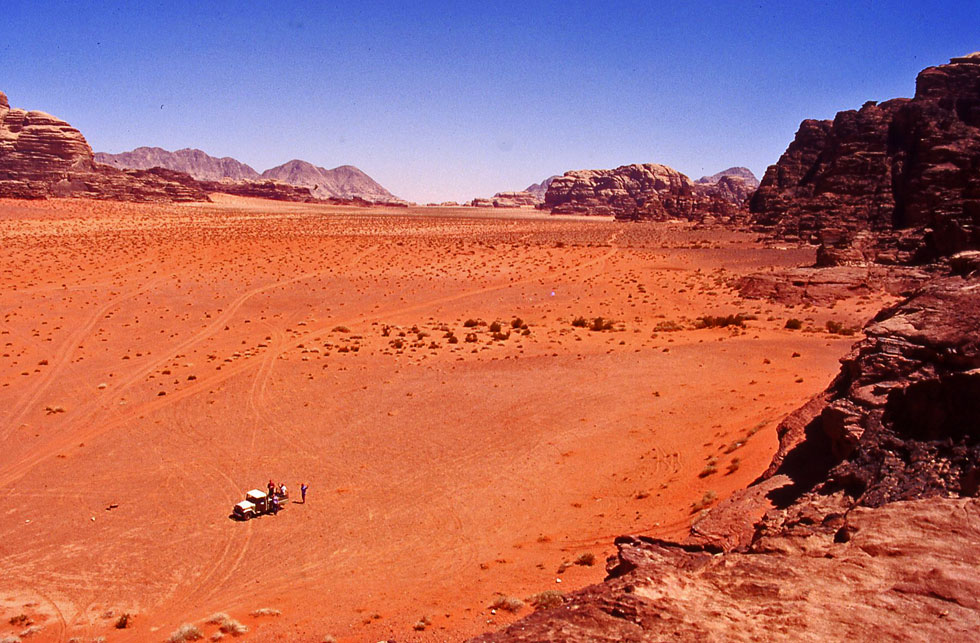
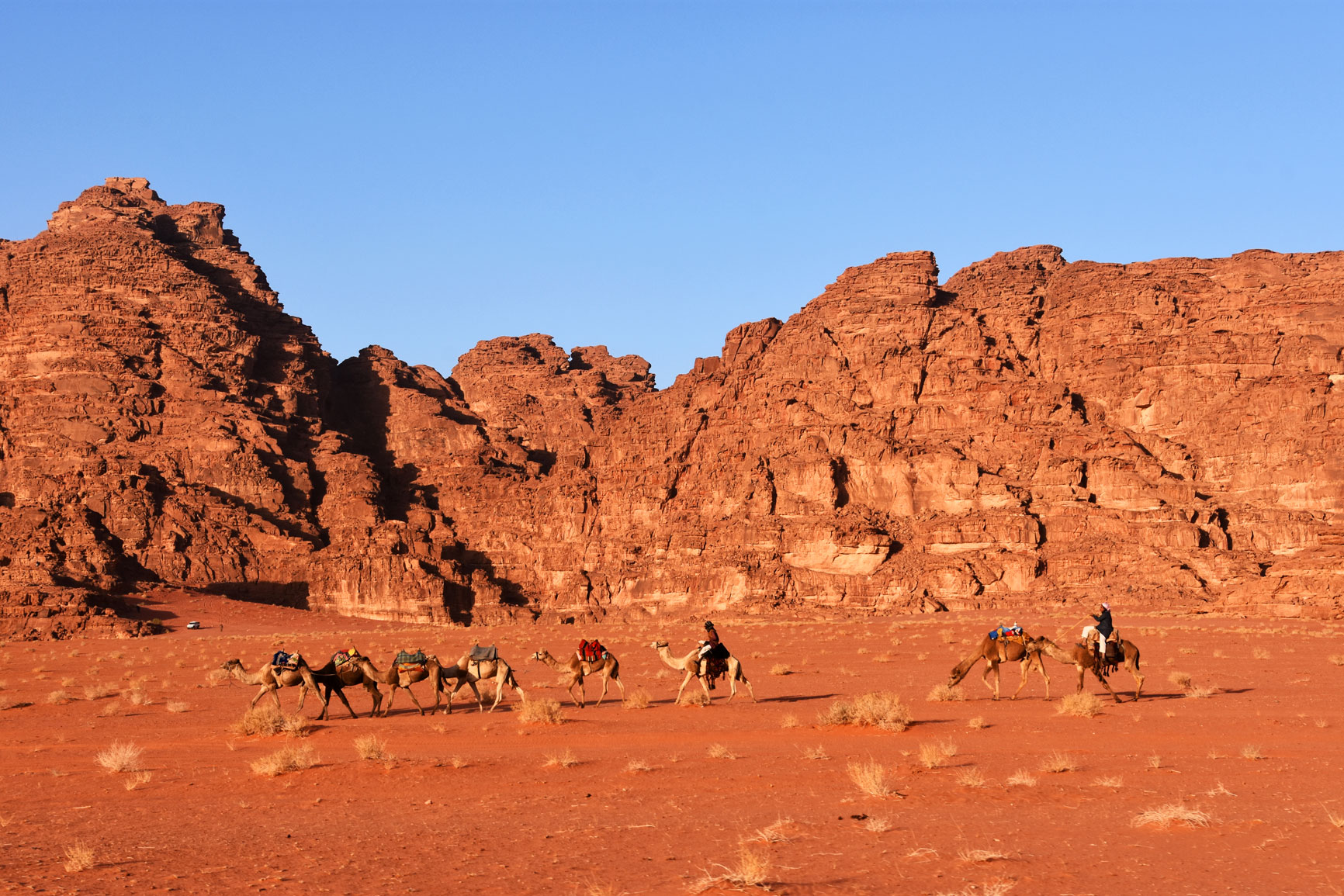
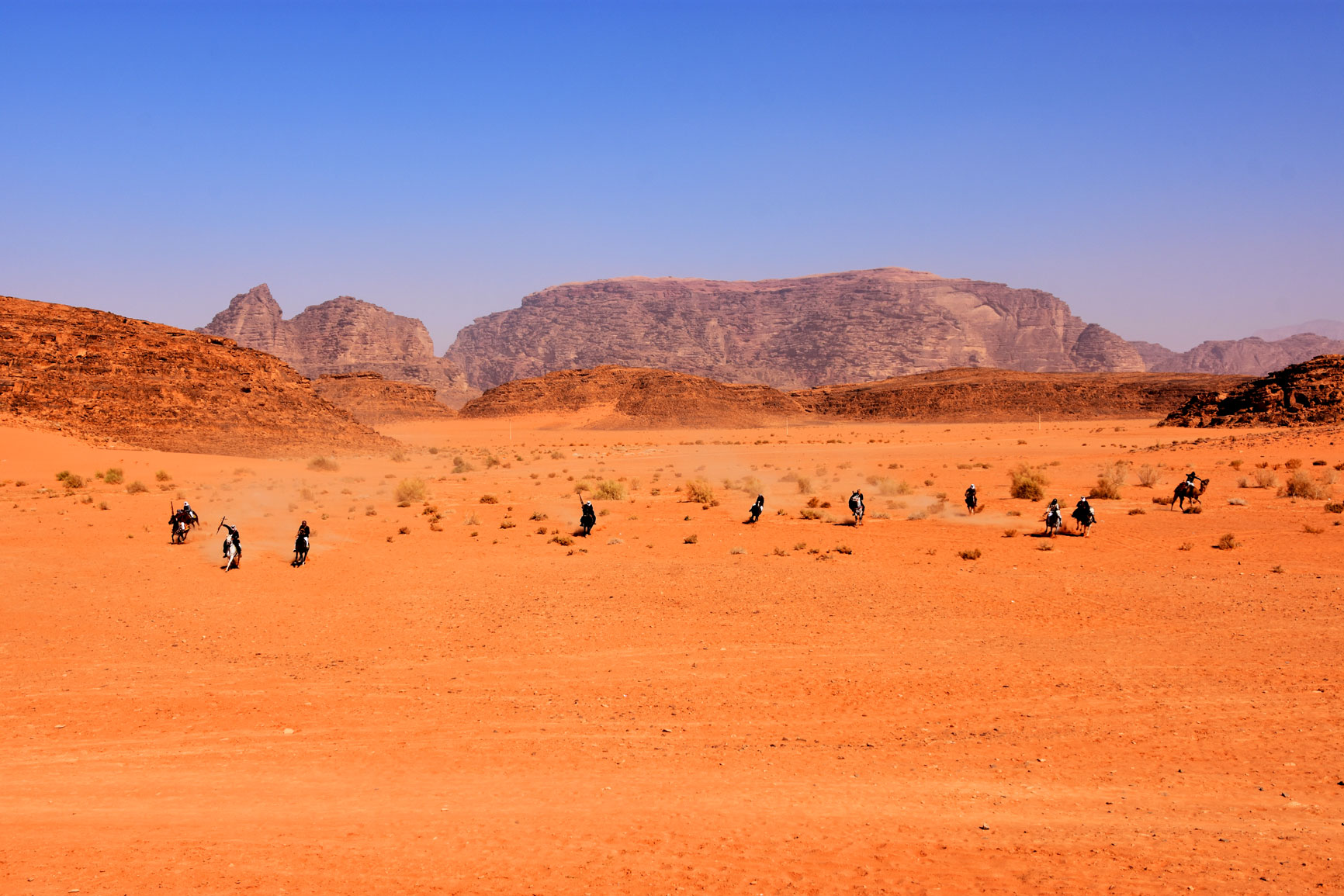
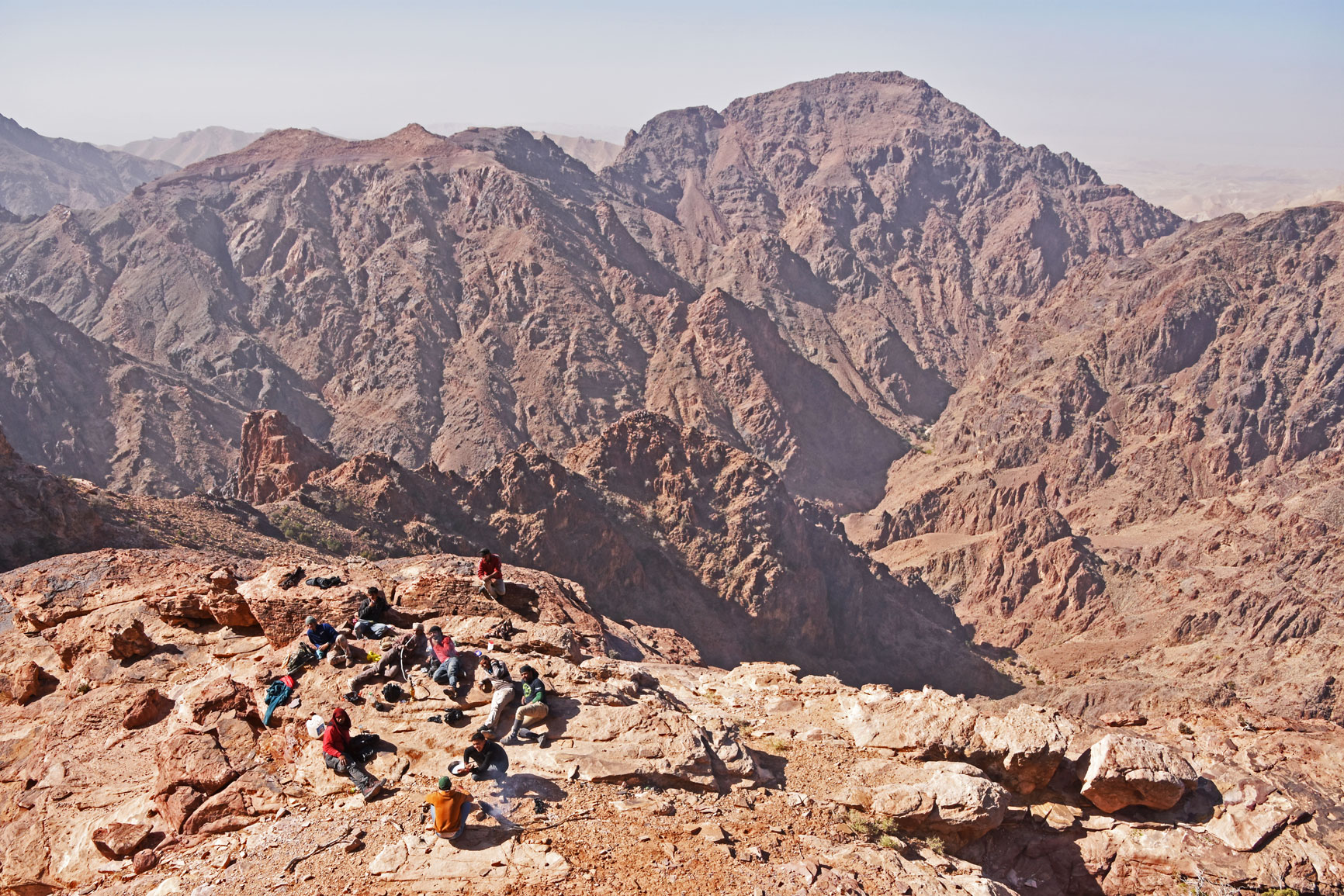
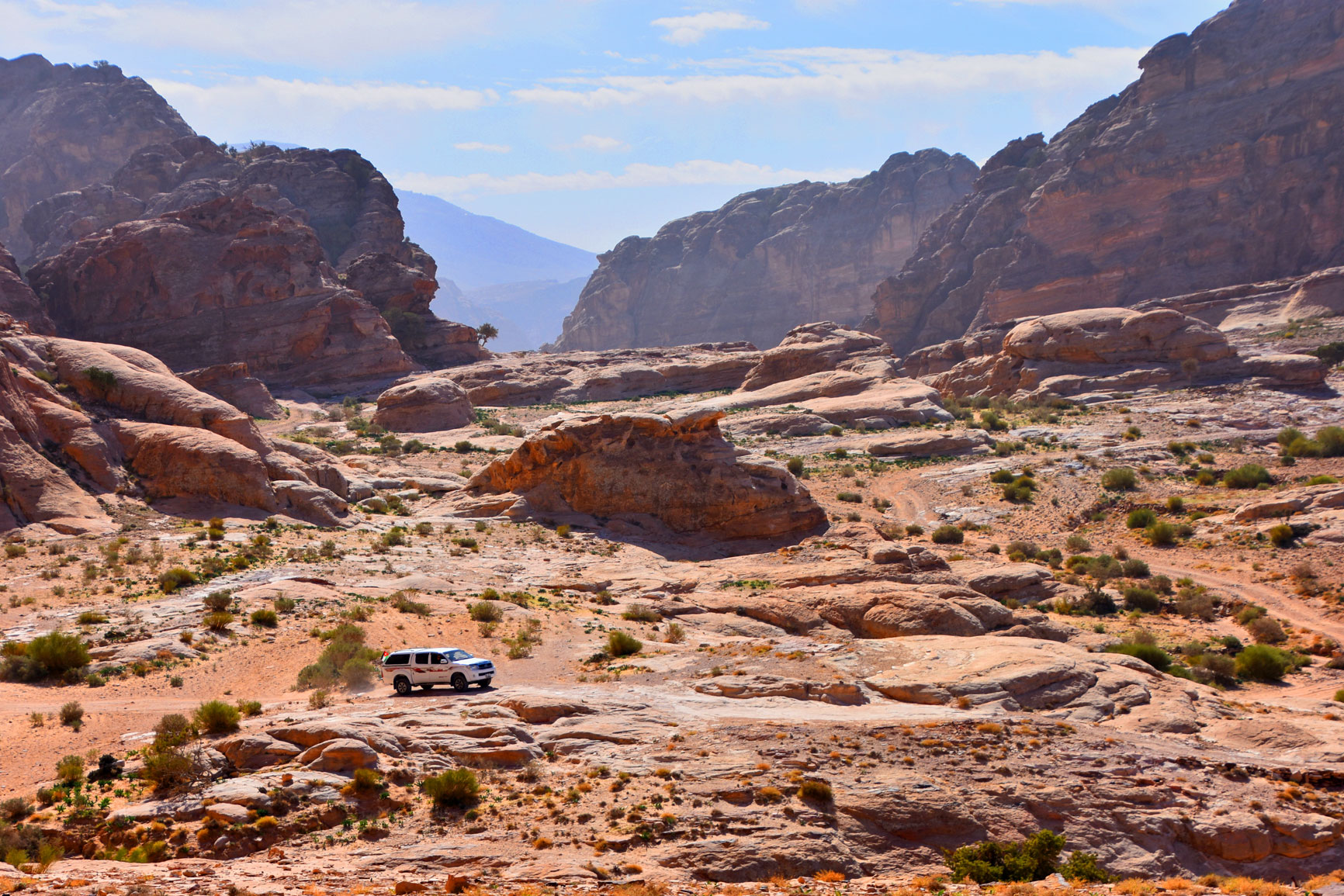
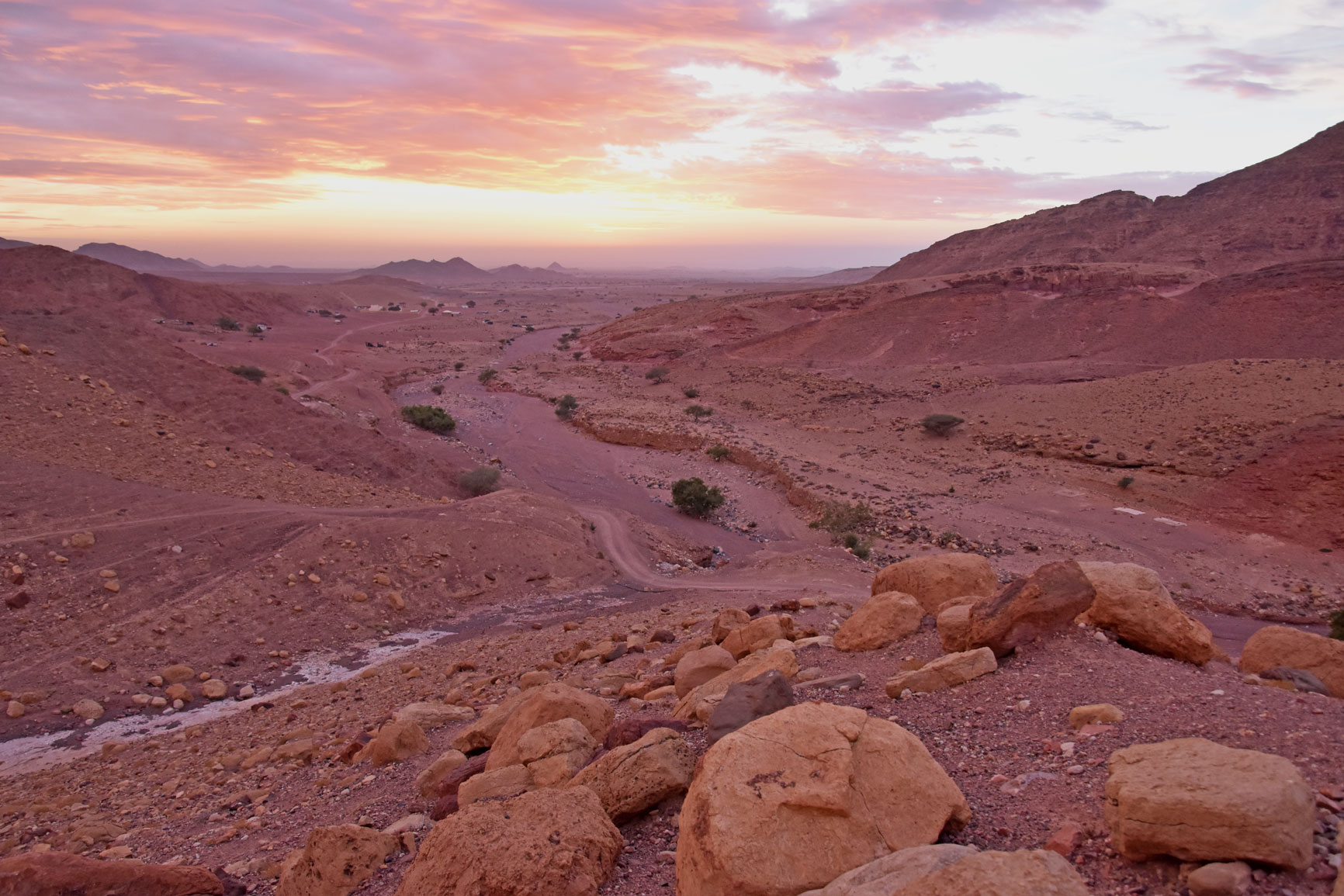
Crossing into Jordan, the desert deepens in both scale and legend. Wadi Rum (as previously blogged) is one of my favourites, with its ochre sands and towering sandstone cliffs. Although, it has long been a stage for cinematic epics, modern travellers seek more than photography. As previously mentioned in my blog, guided treks through narrow canyons, multi-day hikes across the Jordan Trail, and camel journeys along silent desert paths offer encounters with both geography and culture (best seasons: March–May and September–November; hiking boots, layered clothing, and water are essential; local Bedouin guides highly recommended).
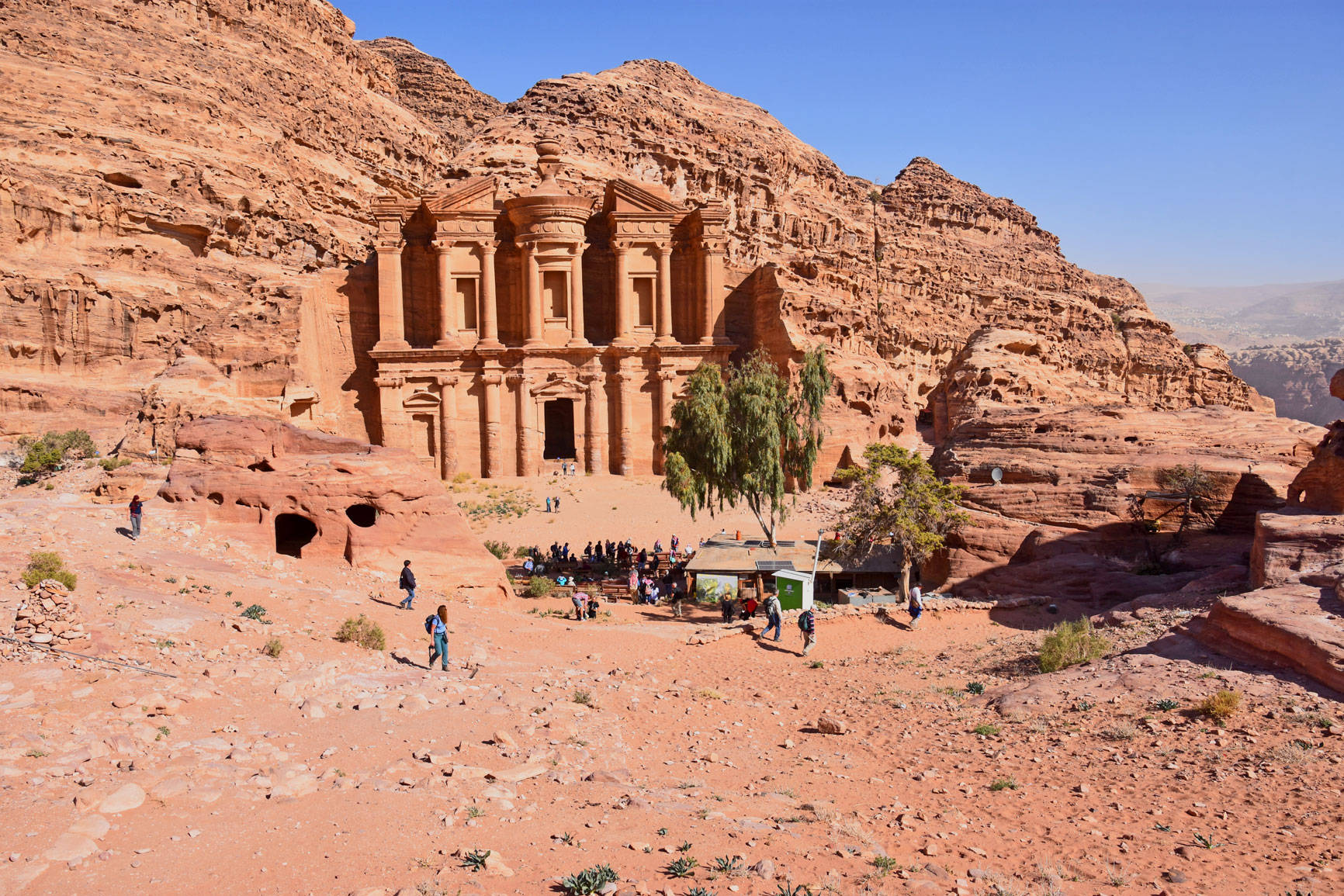
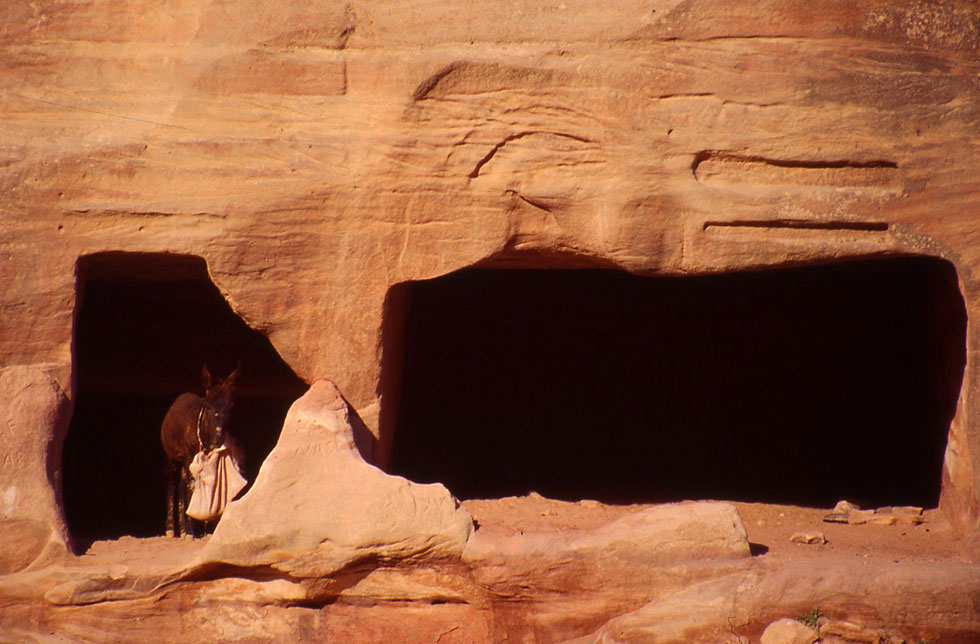
Travellers can explore high ridges, find hidden waterholes, and even retrace portions of Lawrence of Arabia’s storied desert routes. Aqaba on the Red Sea provides a contrasting rhythm: from desert adventure to underwater exploration, snorkelling among coral gardens or sailing into a sunset that bleeds into the horizon (reef-safe sunscreen, water shoes, and snorkel gear recommended). Jordan’s tourism authorities have deliberately nurtured adventure experiences, expanding beyond Petra and the Dead Sea, encouraging visitors to explore landscapes that are as demanding as they are magnificent.
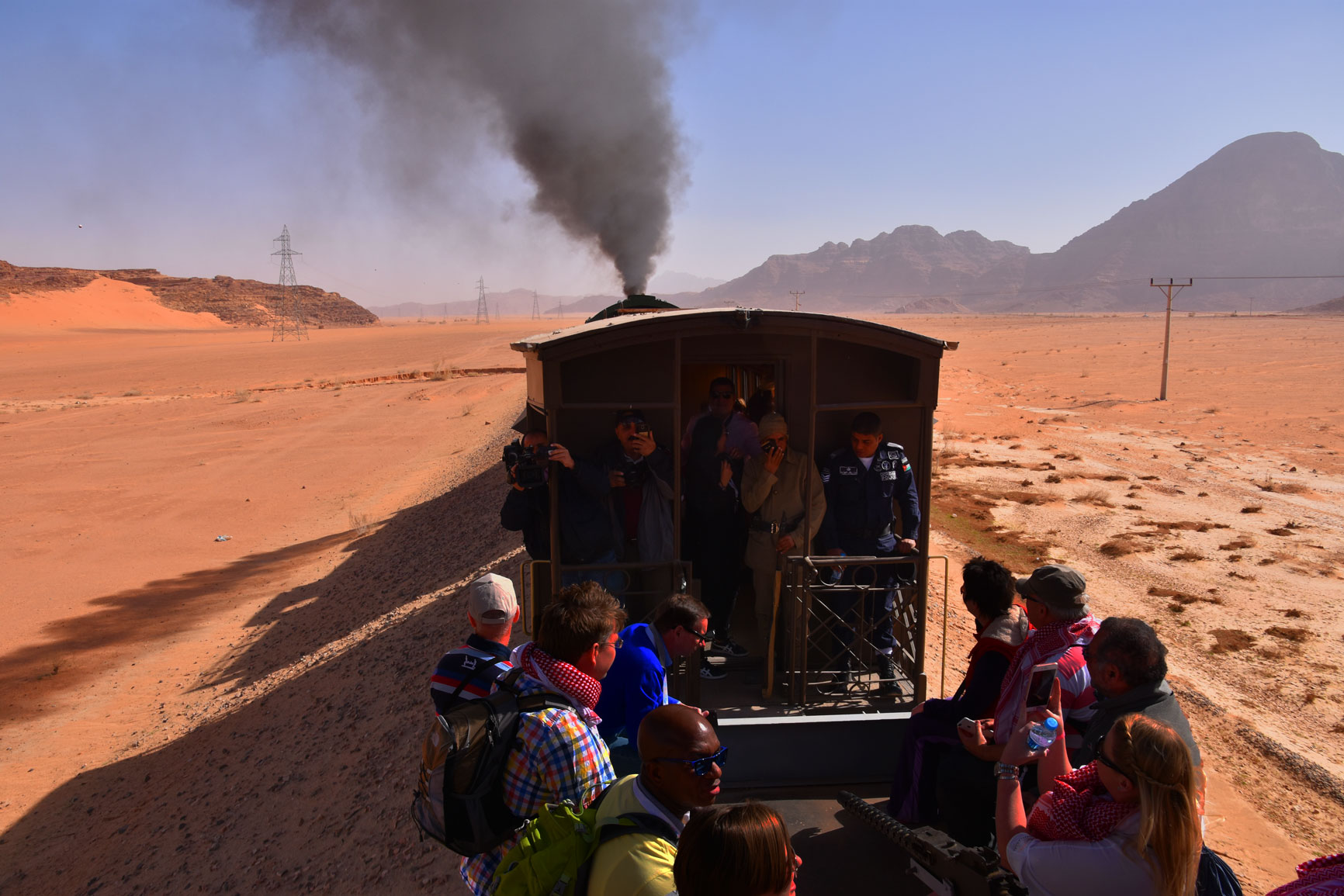
As previously referenced in my past blogs, from the historic Hejaz Desert Railway to the quieter wadi and mountain tops I have found the desert scenery is utterly mesmeric. With Desert Survival as relevant as the local flora an faun magic.
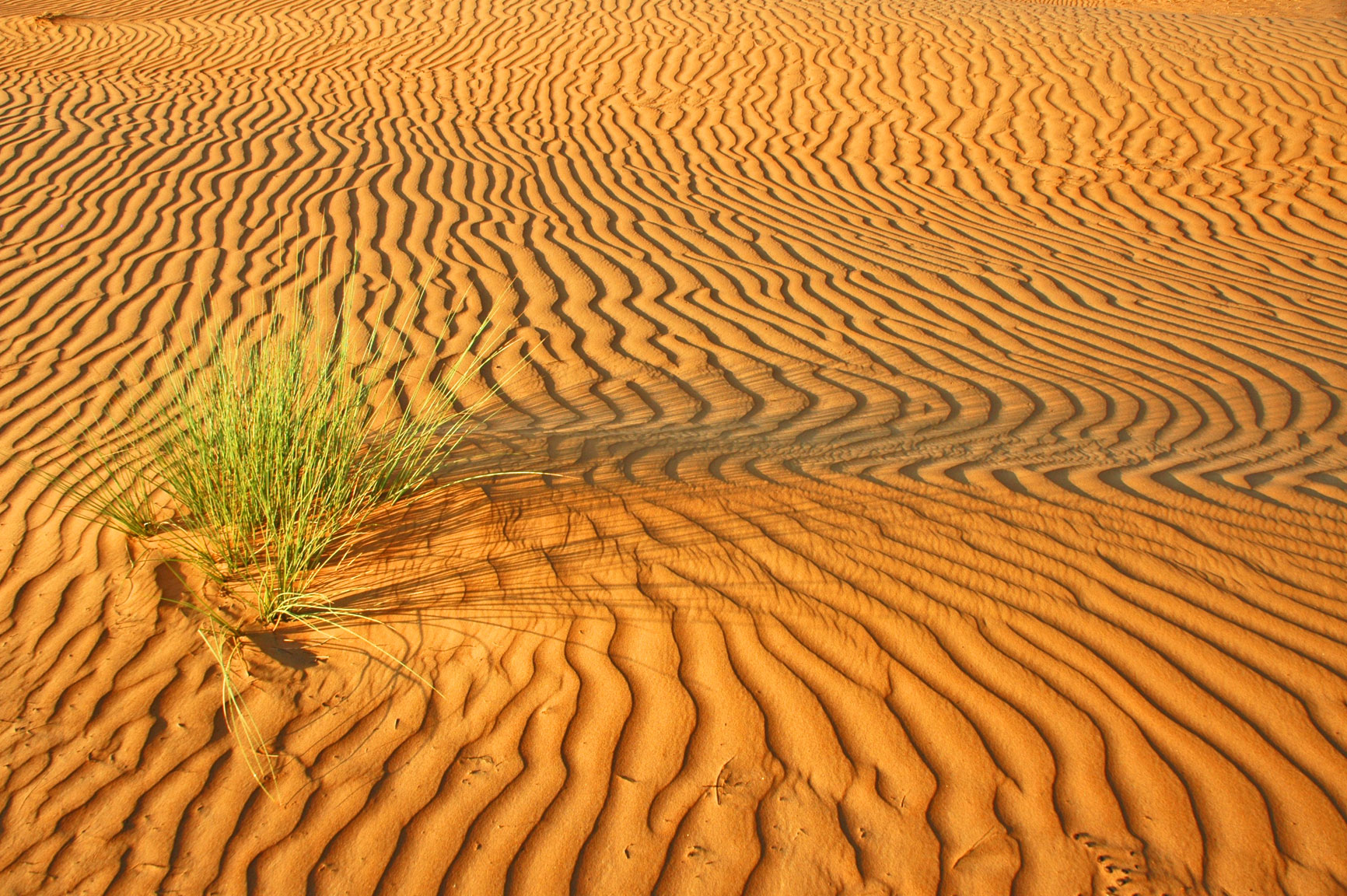
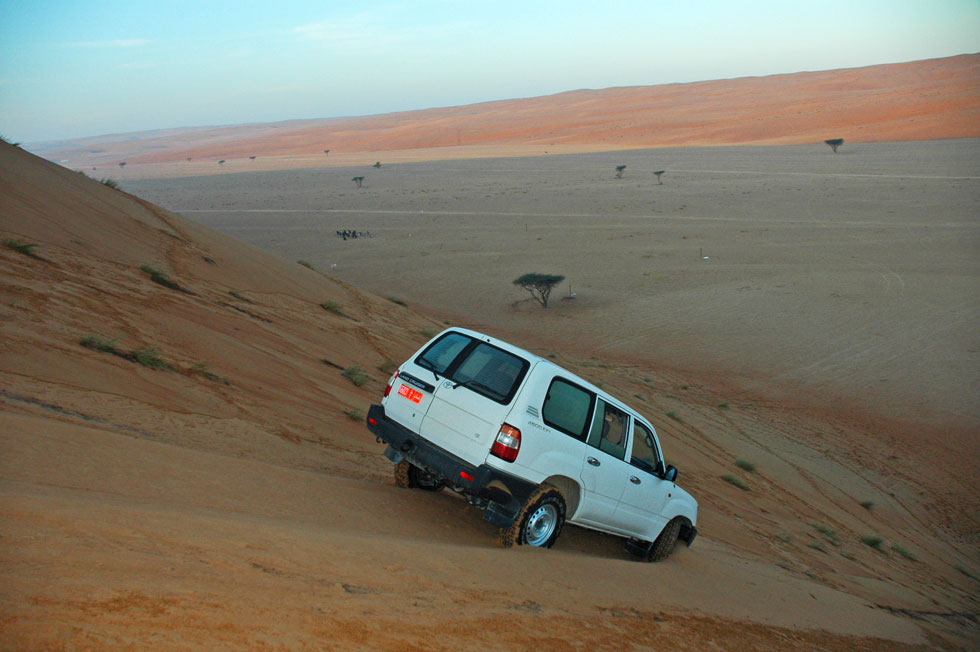
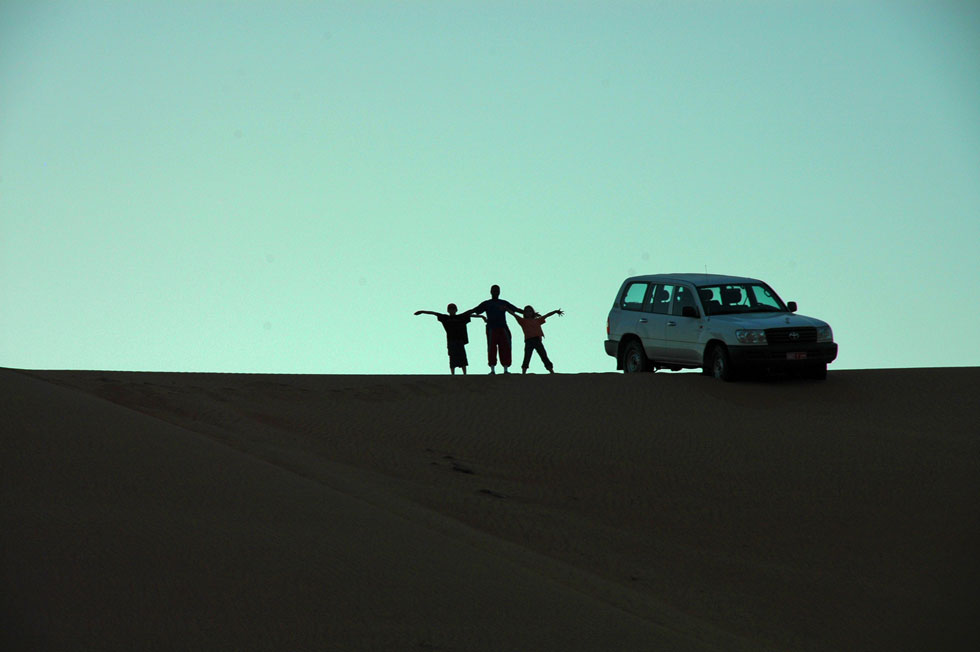
In Oman, I have also previously blogged on where the mountains meet deserts and coastlines in a seamless geography that invites exploration. The Wahiba Sands ripple outward, endless dunes that glimmer golden under the sun, while the Al Hajar Mountains rise abruptly, jagged and raw, offering trails that wind between wadis, cliffs, and hidden springs. Hiking through Wadi Bani Khalid or ascending Jebel Shams delivers both exertion and awe (best months: November–March; trekking poles, water shoes, and layered clothing advised; travel with licensed guides), while coastal excursions allow for kayaking or snorkelling in remote waters where the sea meets desert in startling contrast.
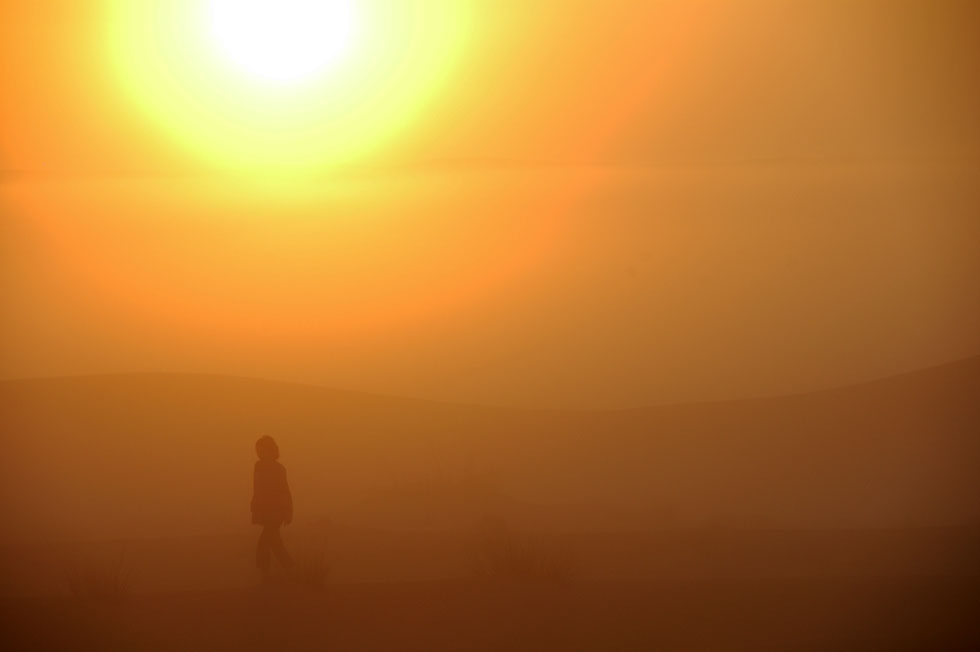
Oman’s safety regulations for adventure operators are strictly enforced, reflecting the country’s commitment to authentic and safe adventure experiences. The Sultanate is increasingly positioning itself as a destination where adventure is central, not optional, inviting travellers to move from mountains to deserts and coasts without losing a sense of the journey’s rhythm.
Egypt’s deserts and mountains offer a dual promise of scale and intimacy. The White Desert’s chalk formations and the sweeping Great Sand Sea provide landscapes both surreal and humbling, traversable via 4×4 expeditions and camel treks that take travellers far from the tourist trail (best months: October–April; sun protection, water, boots, and layered clothing recommended; guided tours essential). In Sinai, Mount Sinai and surrounding ranges offer sunrise hikes that reward effort with vast panoramas, while the Red Sea’s coral reefs beckon divers and snorkelers into a vibrant underwater world (reef-safe sunscreen and snorkel gear advised; dive tours with certified operators). Egypt has recognized the appeal of active, multi-dimensional travel, promoting adventure tourism alongside its historical draws, ensuring visitors are not just spectators but participants in a living landscape.
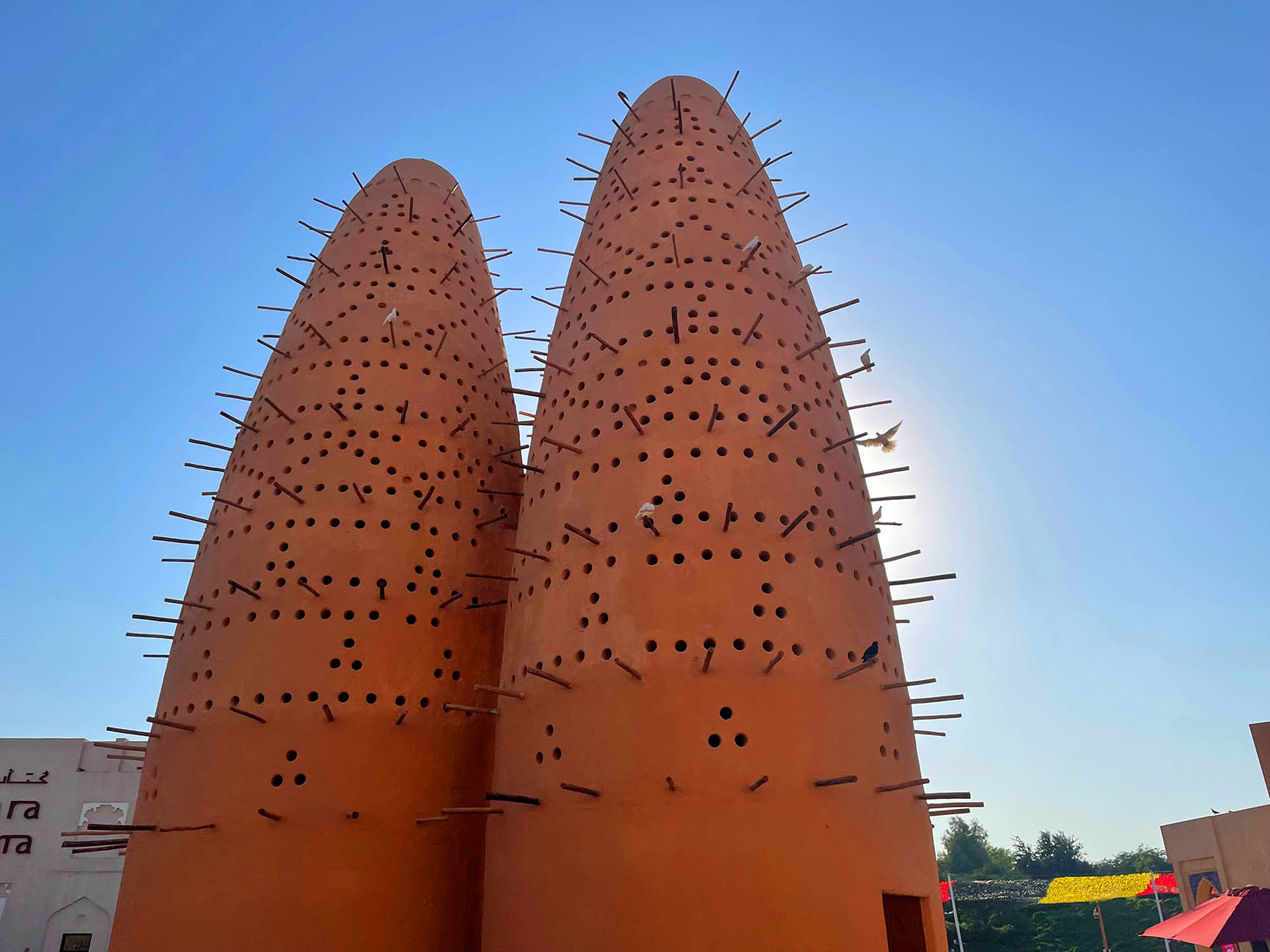
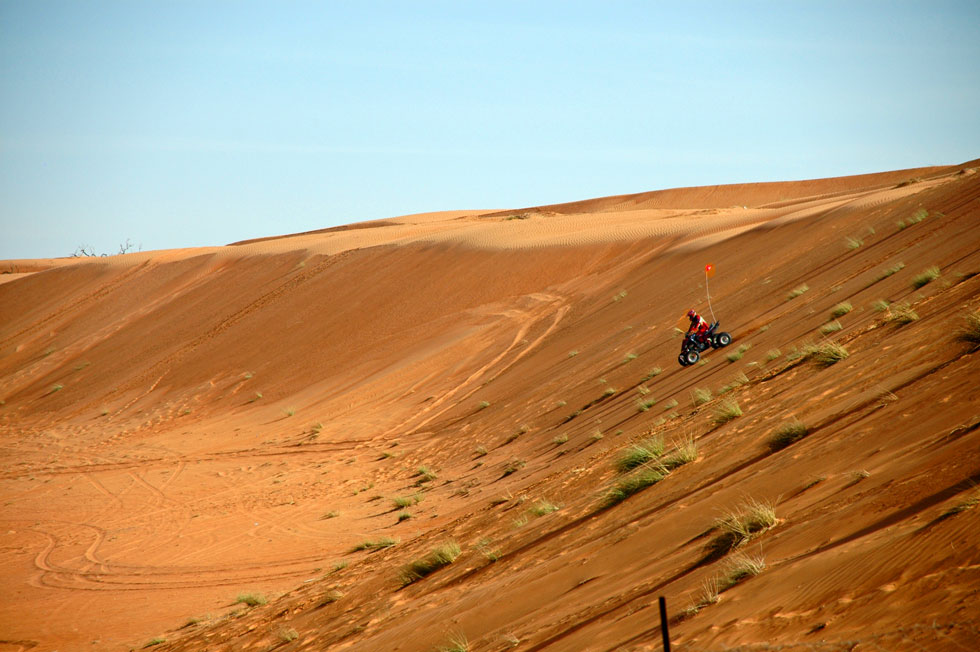
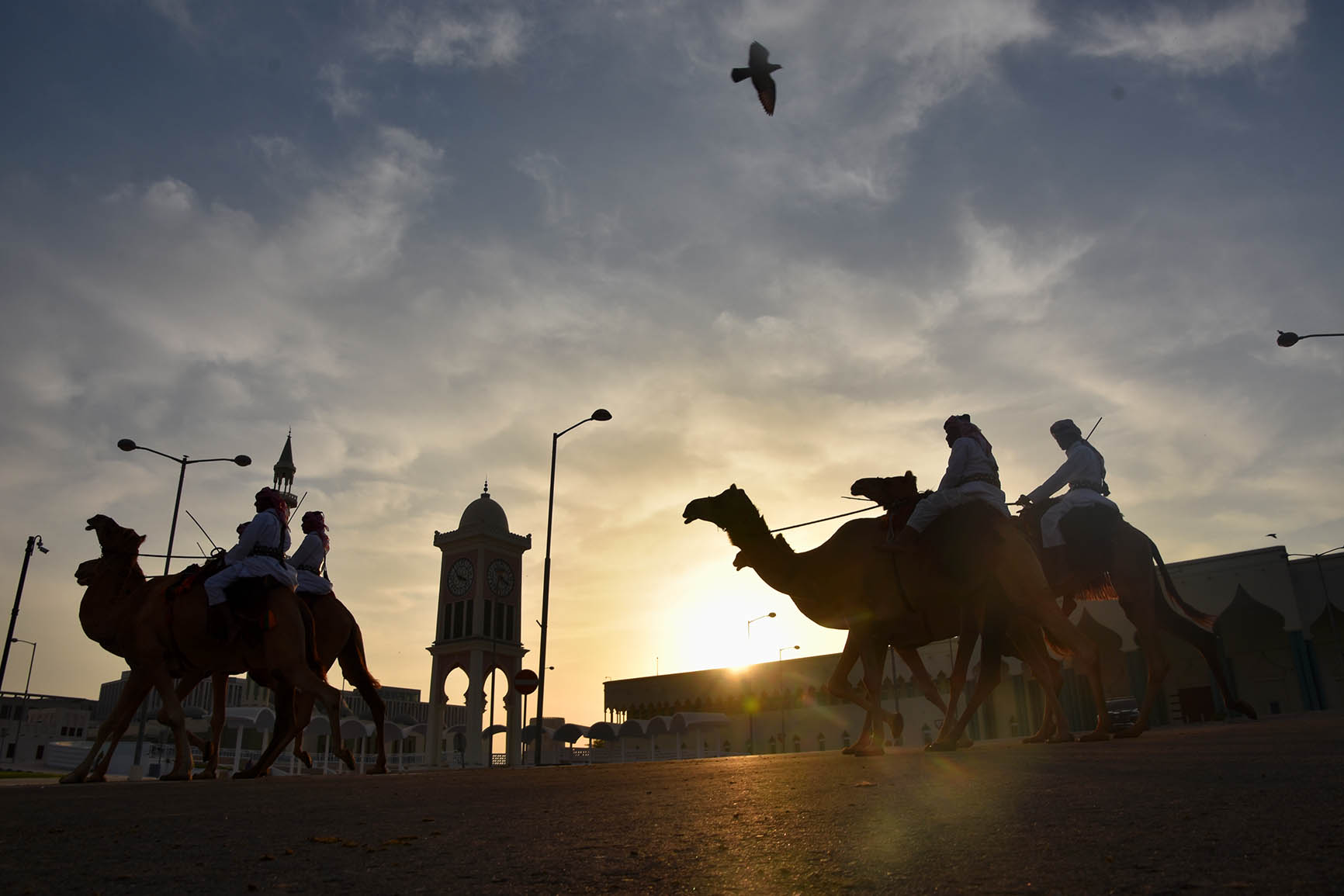
Even Qatar, often associated with city skylines, is post-2022 World Cup crafting a desert narrative of its own. From the red dunes outside Doha, 4×4 safaris and sandboarding adventures offer kinetic exhilaration, while overnight starlit camps introduce calm, cultural reflection (best season: November–March; bring layered clothing for cooler nights, sun protection, and sturdy shoes; licensed guides required). As Qatar builds out its tourism infrastructure, niche adventure services are thriving alongside traditional offerings, drawing adventurers beyond the urban skyline into the desert itself.
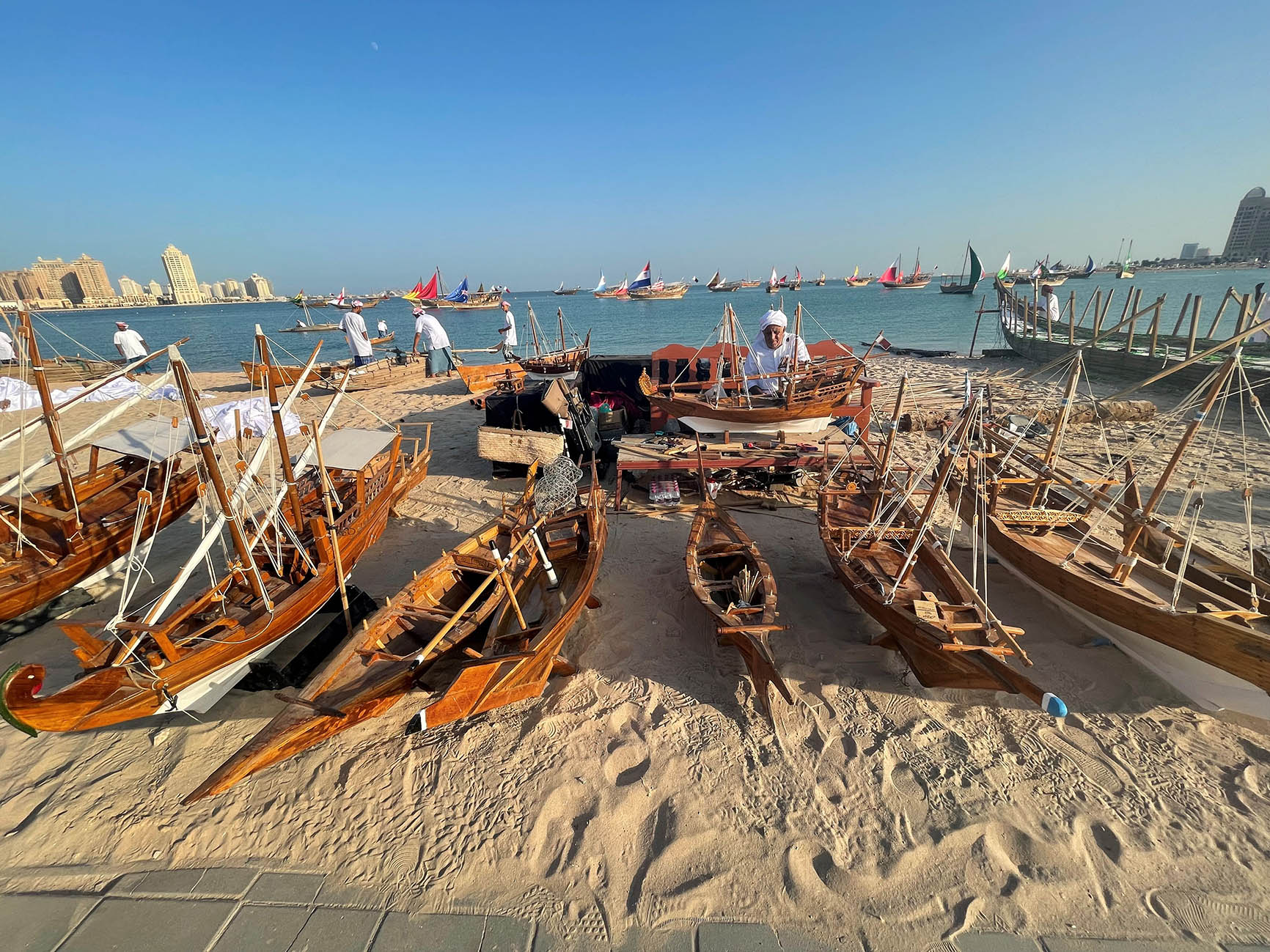
What binds these experiences, from the dizzying heights of Ras Al Khaimah’s ziplines to Jordan’s endless dunes, Oman’s wadi trails, Egypt’s desert-reef combos, and Qatar’s kinetic sands, is the intentional evolution of the region itself. Adventure tourism is no longer an afterthought; it is a deliberate pivot, a narrative thread connecting landscapes, cultures, and adventure seekers’ senses. The Middle East is no longer just a destination to visit. More, it is a destination to venture, to feel, to move through, and ultimately, to be transformed by.
Here’s a Quick Adventure Travel Guide summarising the essentials for each destination:
| Destination | Best Season | Top Adventure Activities | Essential Gear | Safety Tips |
| Ras Al Khaimah, UAE | Oct–Apr | Jebel Jais Flight, mountain climbing, via ferrata, desert safaris, sandboarding, Bedouin-style camping | Windproof layers, gloves, helmet, climbing shoes, closed-toe shoes | Use certified guides for zipline/climbing; stay hydrated; sun protection |
| Jordan | Mar–May, Sep–Nov | Wadi Rum 4×4 & trekking, multi-day Jordan Trail hikes, camel treks, Aqaba snorkeling/diving | Hiking boots, layered clothing, water, sunhat, snorkeling gear | Travel with local guides; carry ample water; desert navigation guidance essential |
| Oman | Nov–Mar | Wahiba Sands desert 4×4 & camping, Al Hajar mountain hikes, Wadi Bani Khalid exploration, coastal kayaking/snorkelling | Trekking poles, water shoes, breathable layers, sun protection | Travel with licensed guides; adhere to safety protocols; watch for temperature shifts |
| Egypt | Oct–Apr | White Desert & Great Sand Sea 4×4/treks, Sinai mountain hikes, Red Sea diving/snorkelling | Sturdy boots, layered clothing, sun protection, reef-safe sunscreen, snorkel/dive gear | Guided tours recommended for desert and reef; hydration essential; protective gear for sun & sand |
| Qatar | Nov–Mar | Red dune 4×4 safaris, sandboarding, overnight desert camps, stargazing | Layered clothing for nights, sun protection, sturdy shoes | Licensed guides only; follow dune flag routes; carry water and emergency kit |







Leave a Reply
Want to join the discussion?Feel free to contribute!