
Samurai – Japan’s Enduring Warrior Legacy
Whenever I travel in Japan, I am constantly reminded that the country’s cultural identity is inseparable from the enduring image of the samurai: disciplined, loyal, and guided by an unwavering moral code.
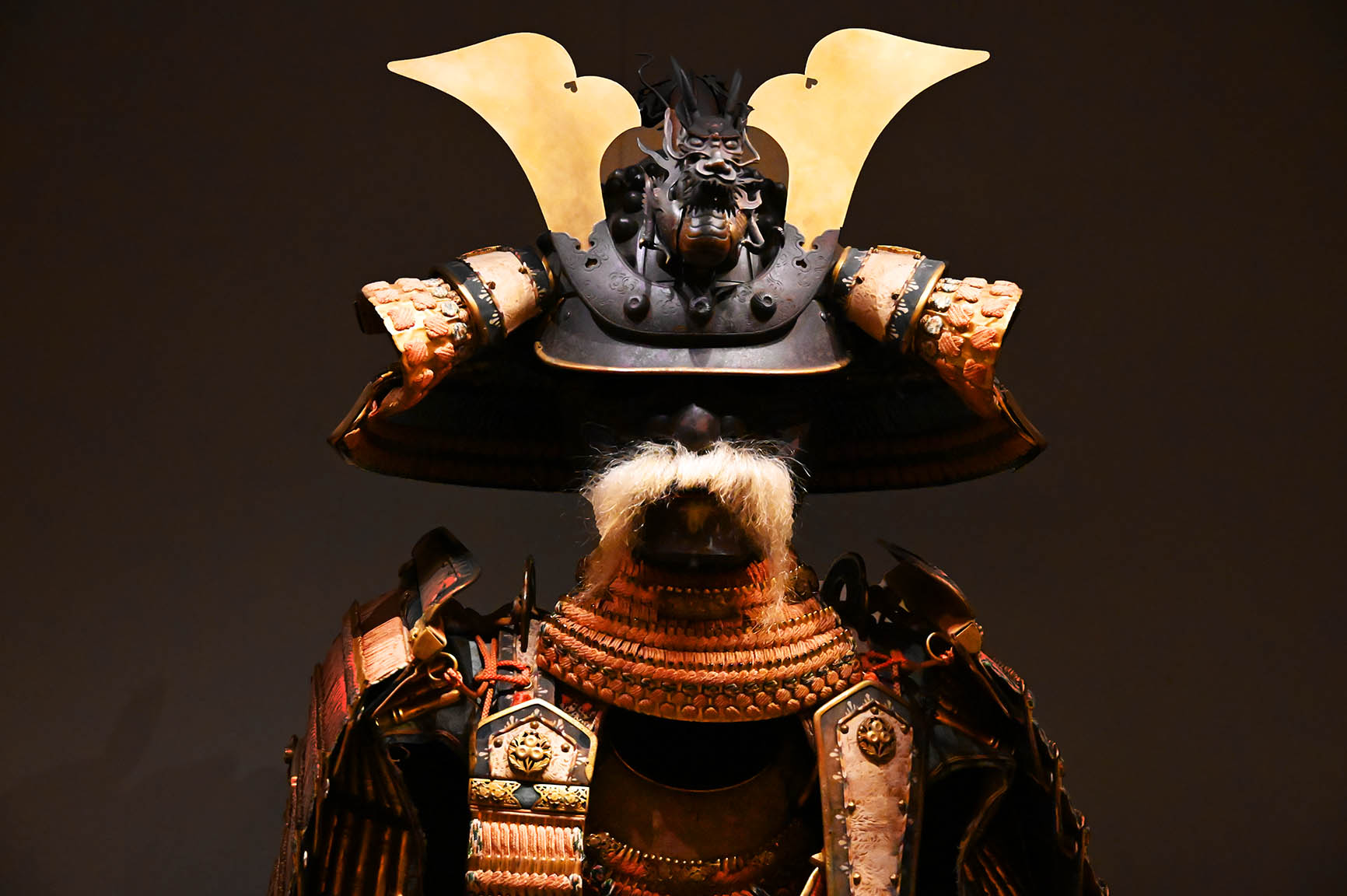
As, though their era has long since passed, the legacy of the samurai continues to shape Japan’s society, aesthetics, and the experiences offered to travellers today. From historic battlefields to refined modern-day artistic traditions, the spirit of the samurai remains vividly alive across the country.
The origins of the samurai can be traced back to the late Heian period, when regional clans began to employ skilled warriors to protect land and assert power. By 1185, following the decisive Genpei War, the rise of the warrior class culminated in the establishment of Japan’s first shogunate under Minamoto no Yoritomo. This marked the beginning of a feudal system where samurai served as both military and administrative elites.
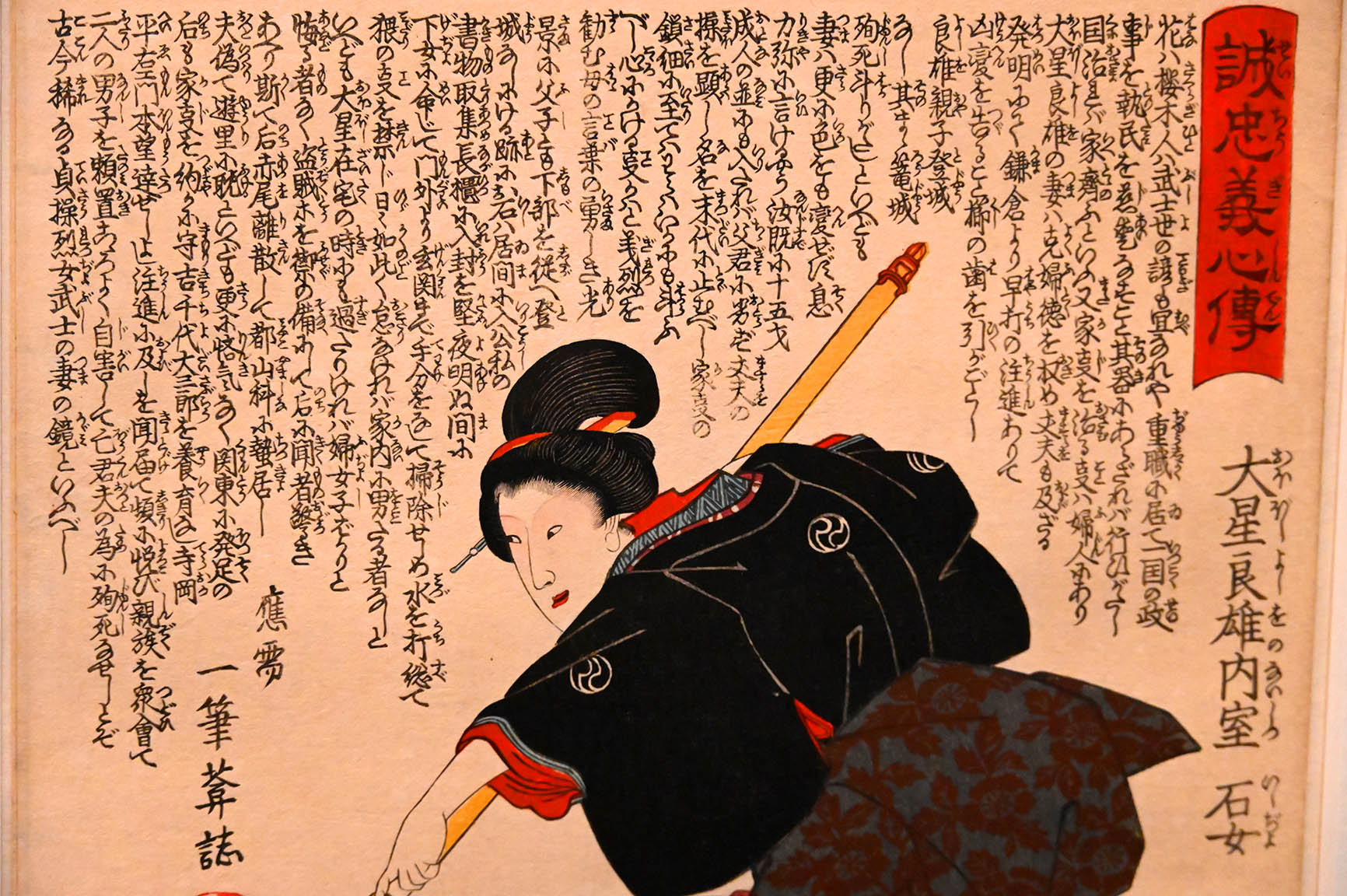
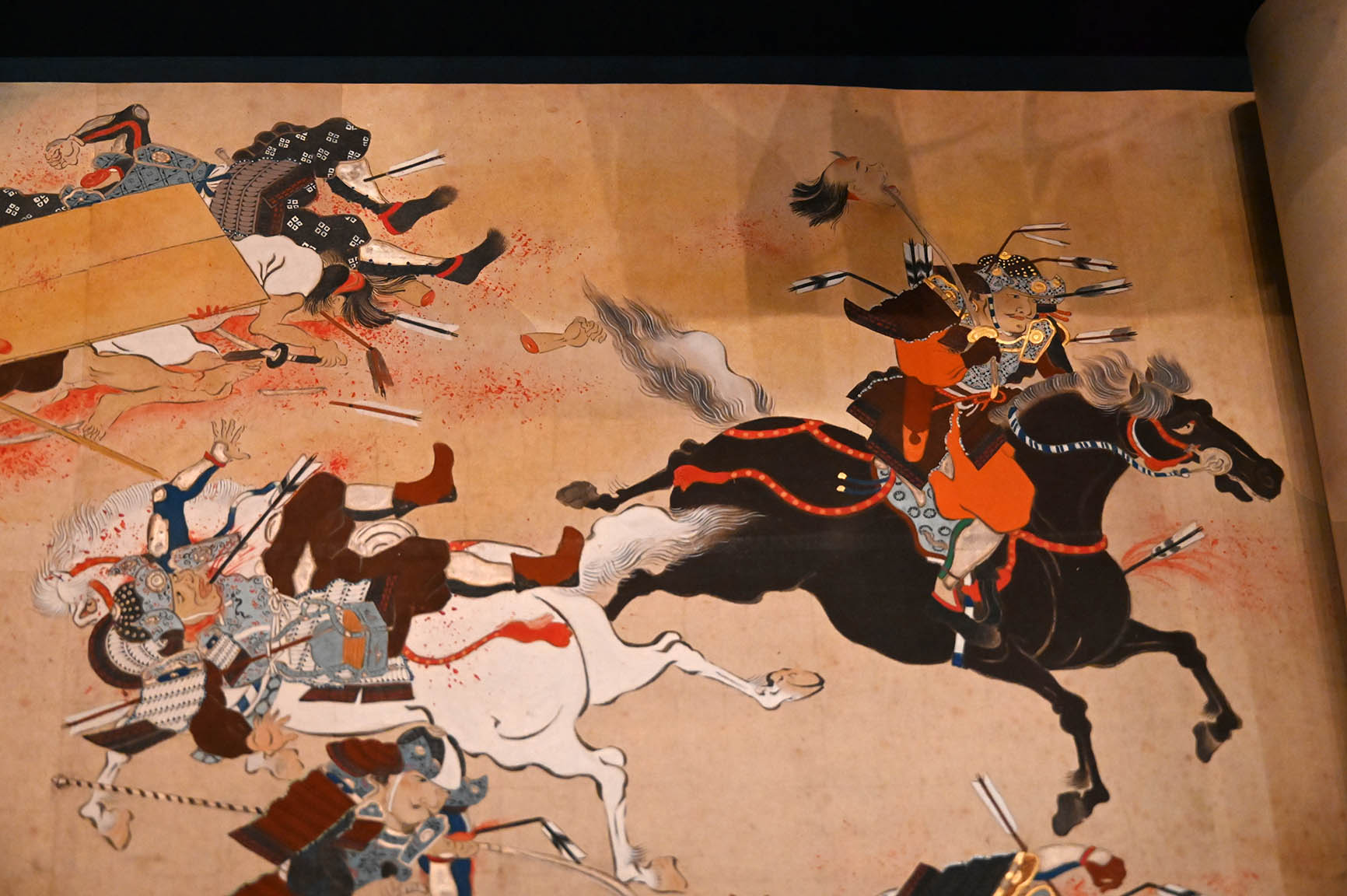
Over the centuries, the role of the samurai evolved. During the Kamakura and Muromachi periods, they were defined by warfare and political upheaval. The subsequent Sengoku period – often called the “Age of Warring States” – saw powerful figures such as Oda Nobunaga and Tokugawa Ieyasu reshape the nation through conquest and unification.
Peace arrived with the Edo period, when samurai transitioned from warriors to administrators, scholars, and cultural patrons. Their guiding philosophy, Bushidō, emphasised honour, loyalty, discipline, and self-sacrifice. With the sweeping reforms of the Meiji Restoration, the feudal system was dismantled and the samurai class formally abolished. Yet their influence endured far beyond their political role.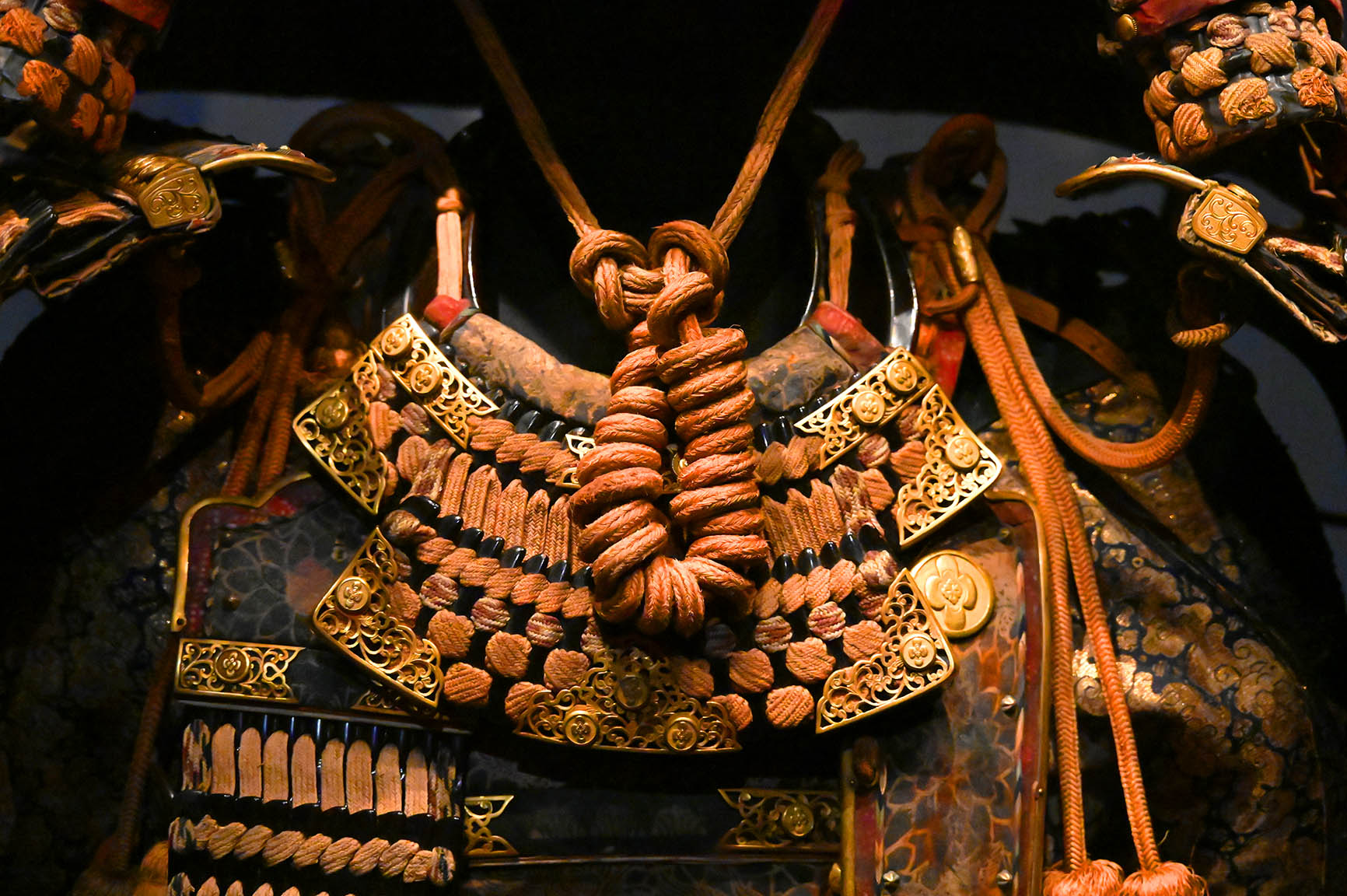
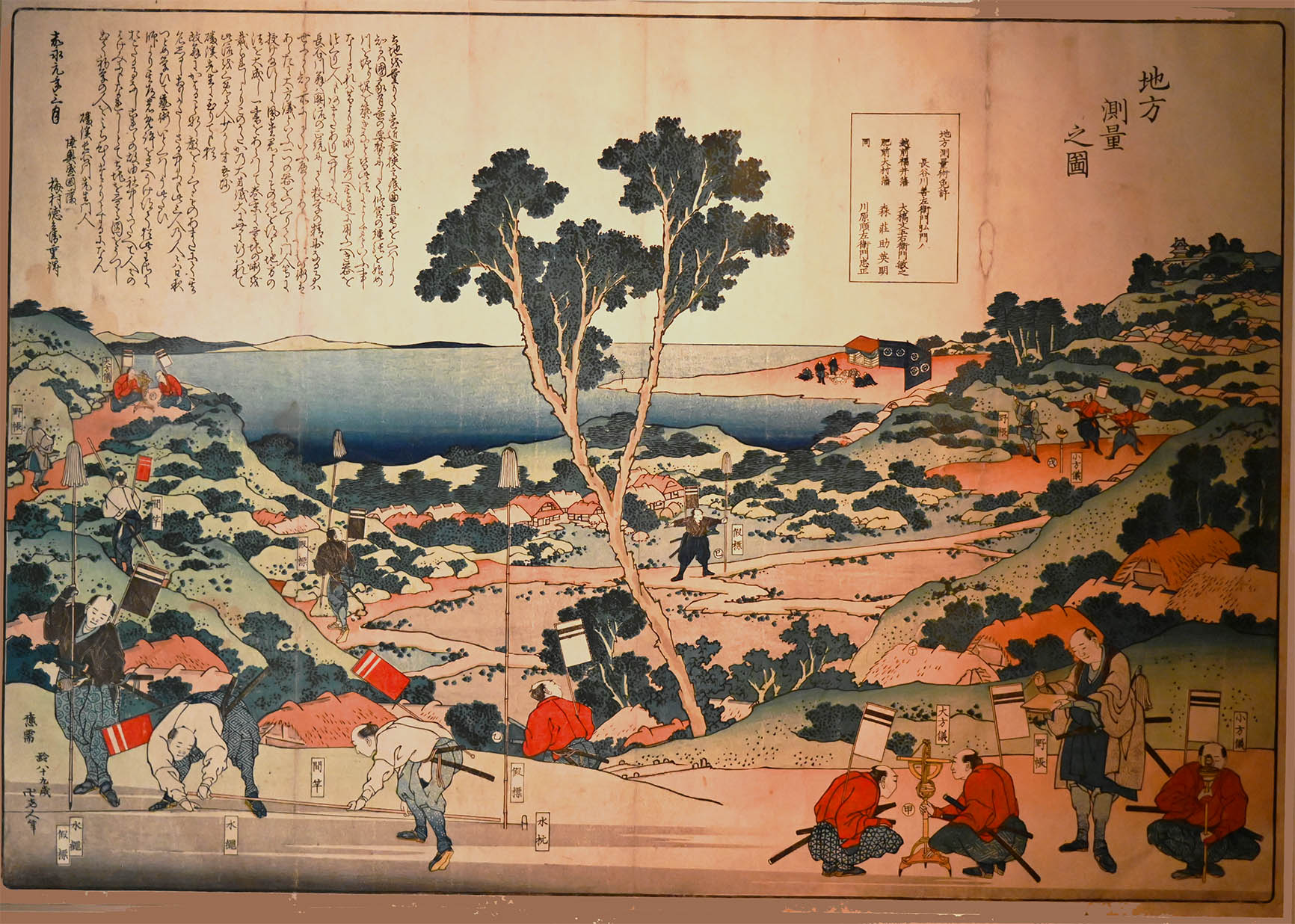
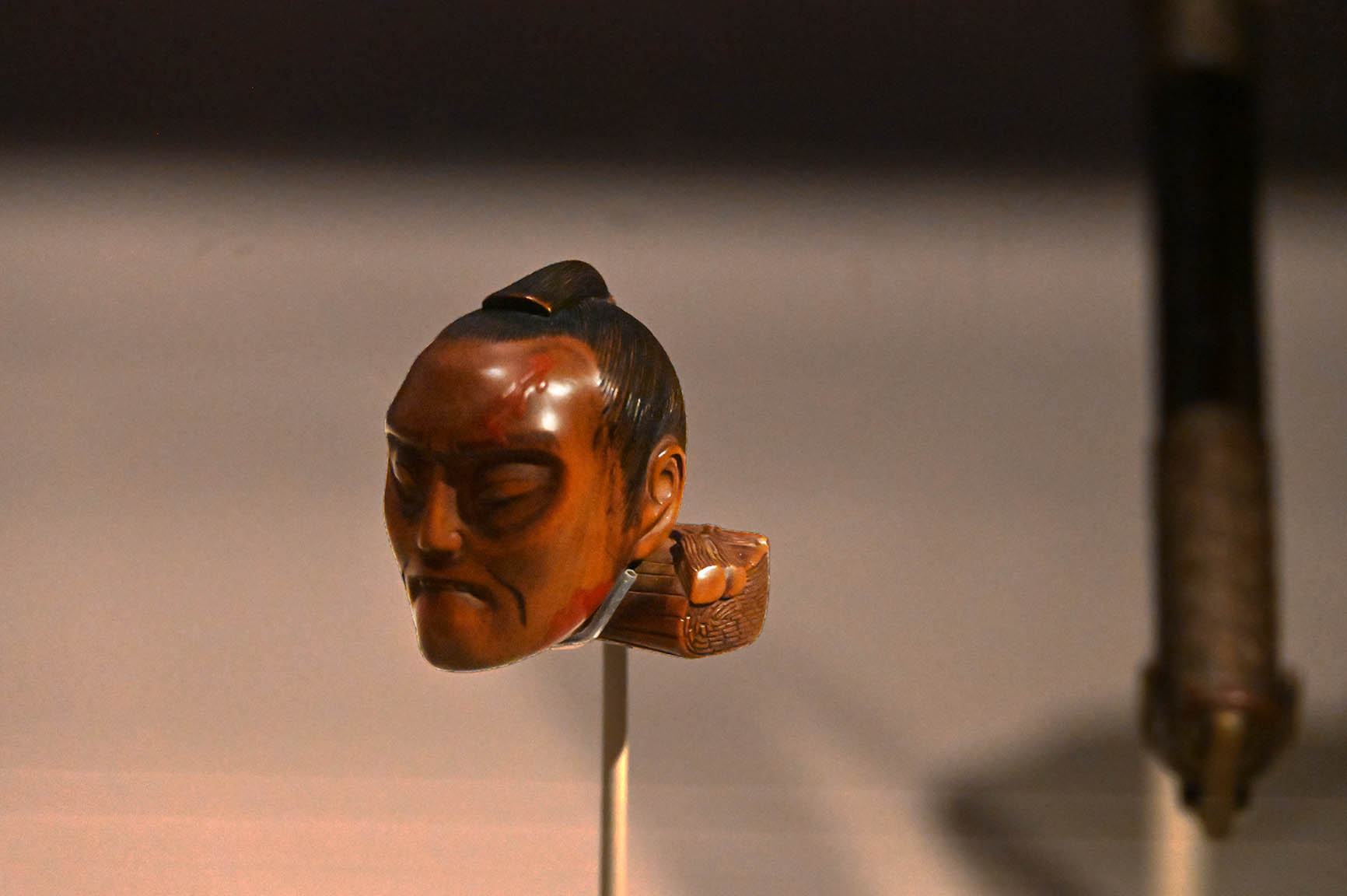
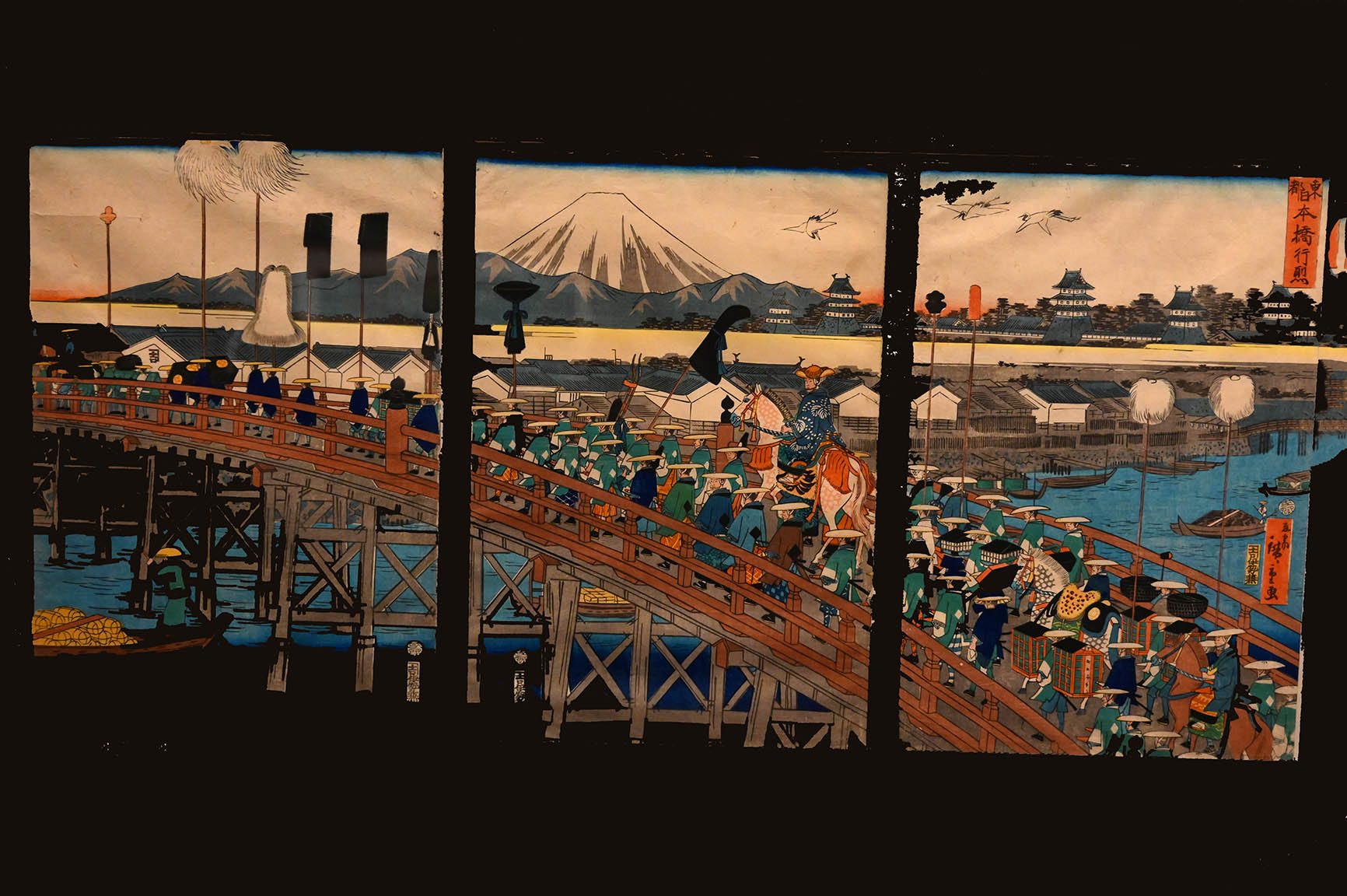
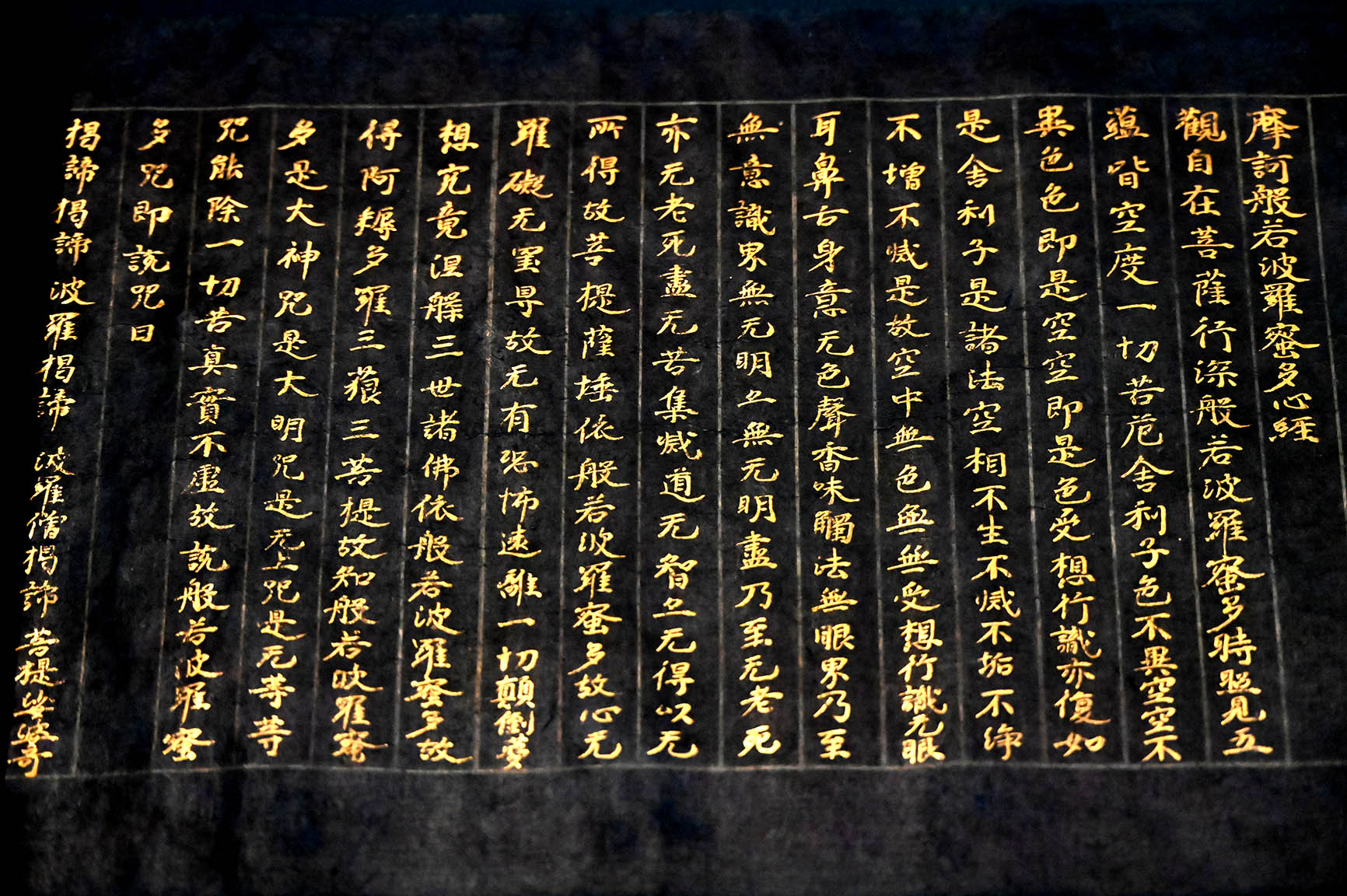
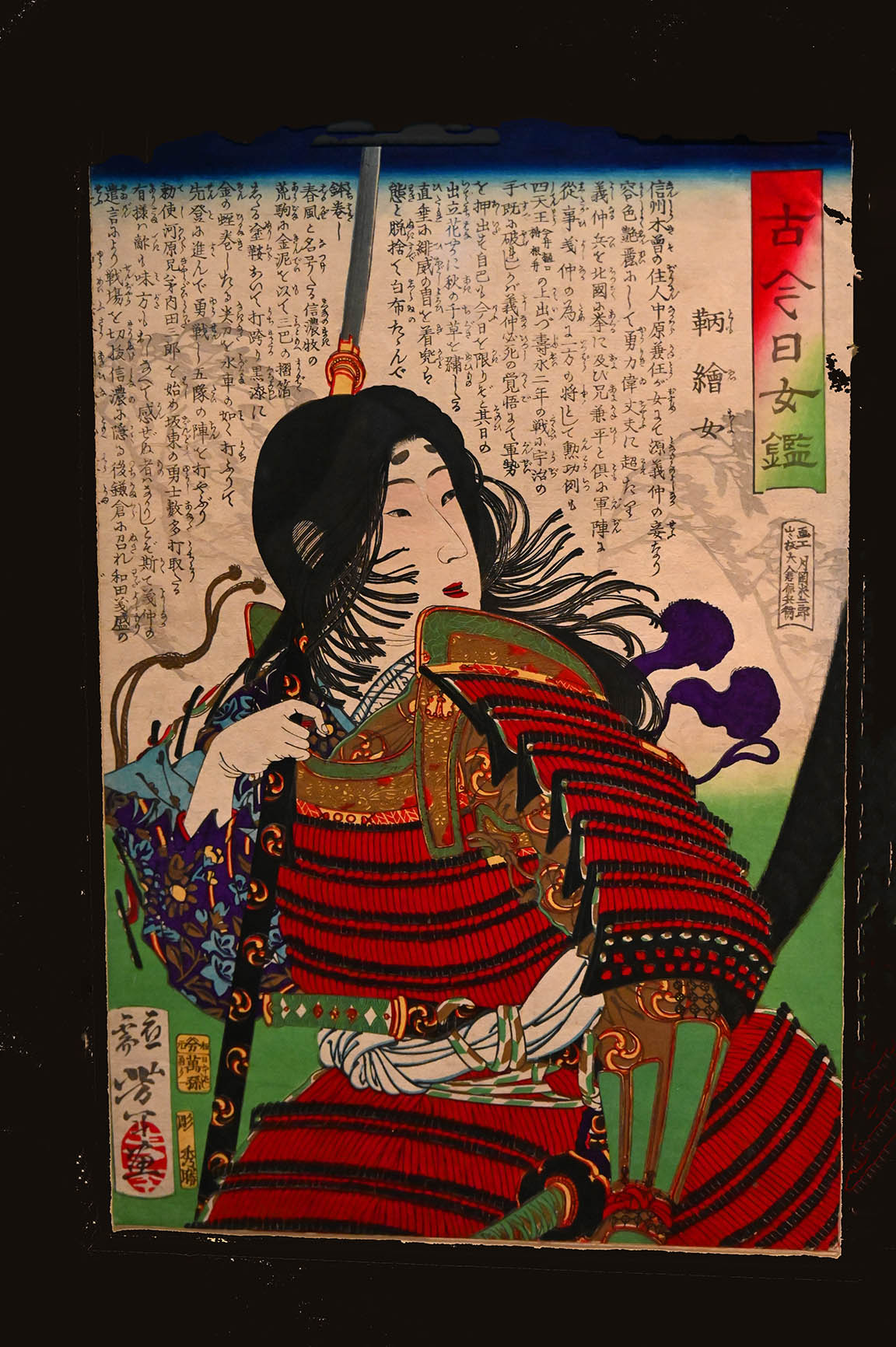
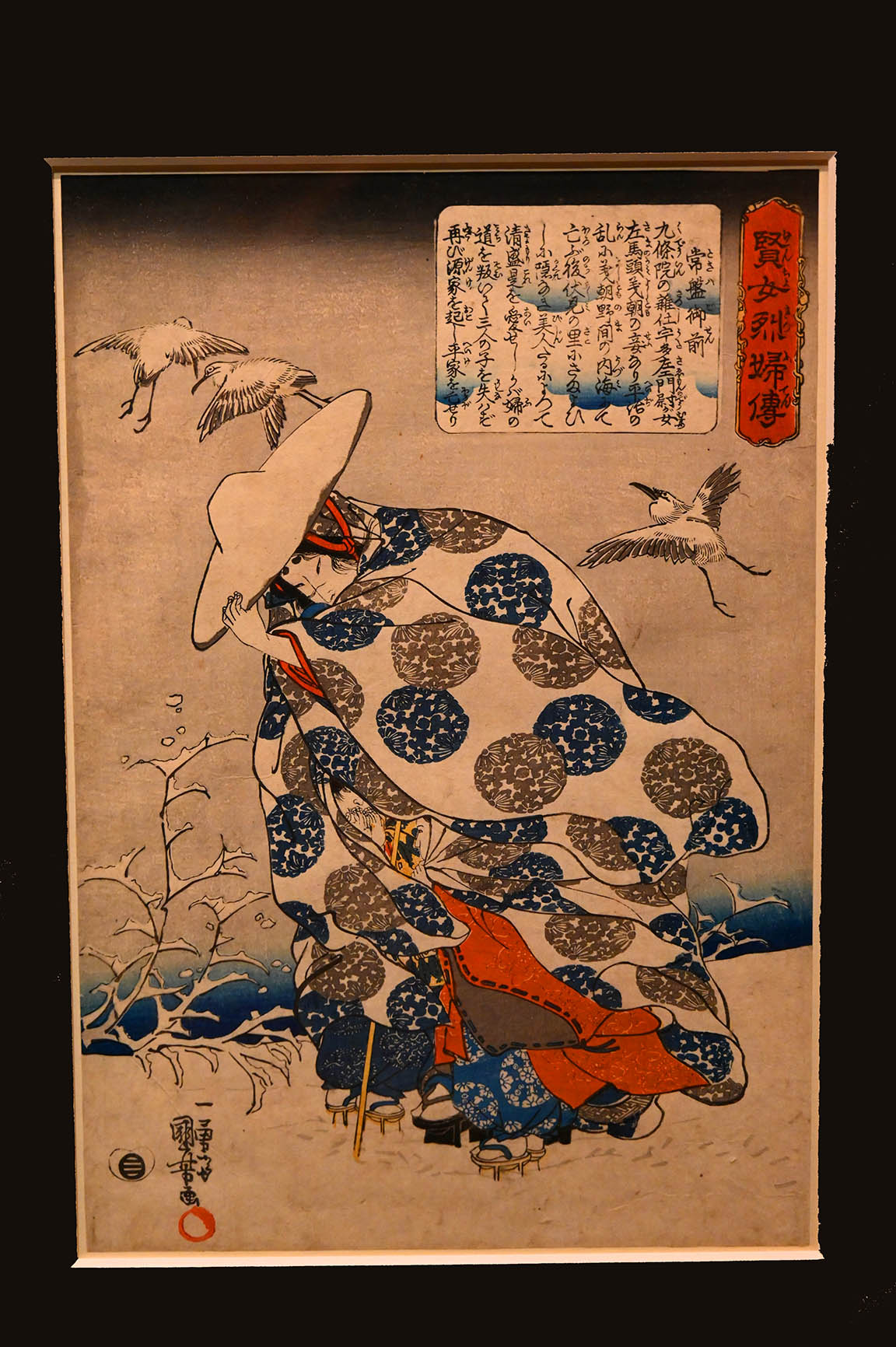
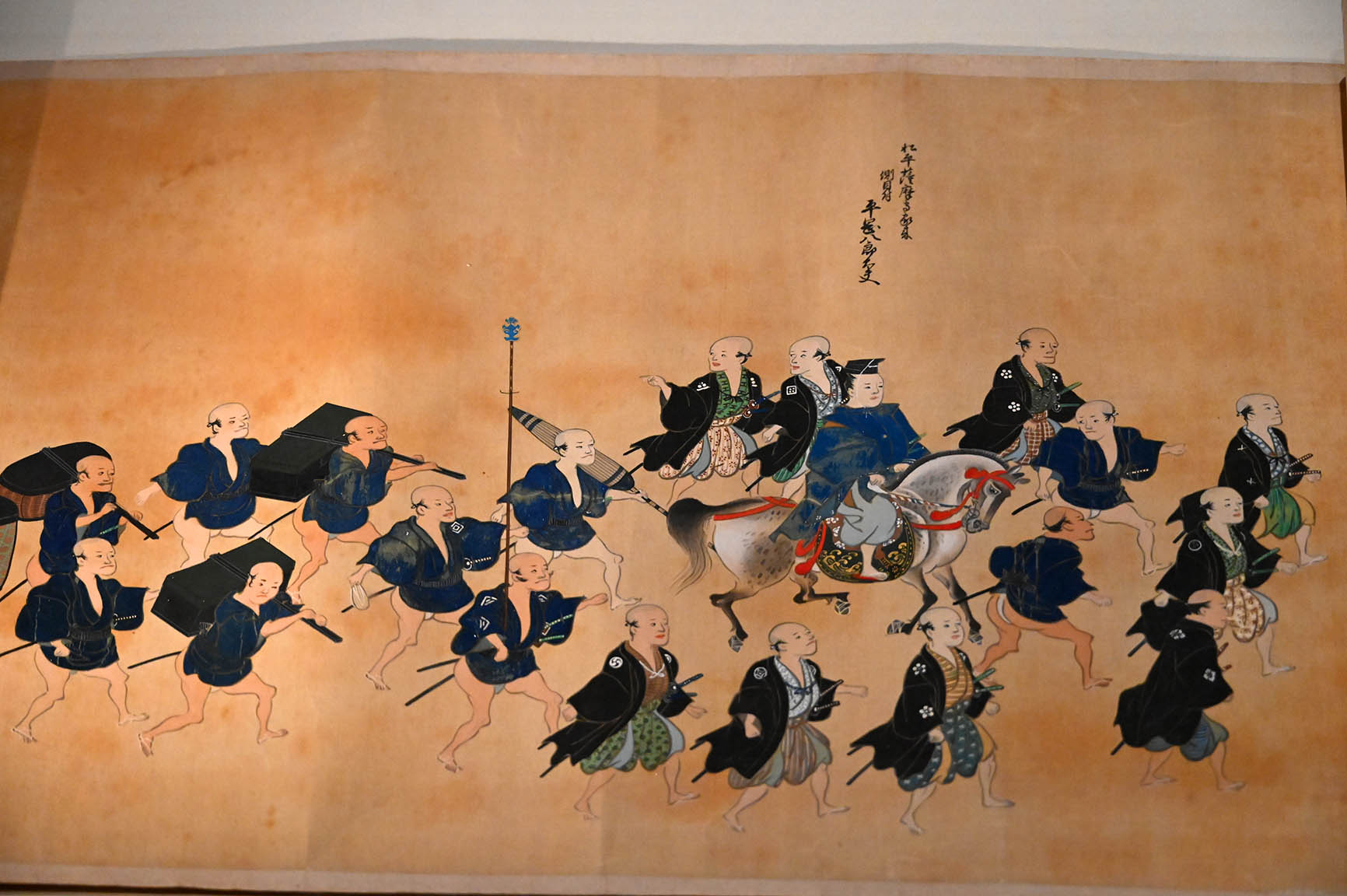
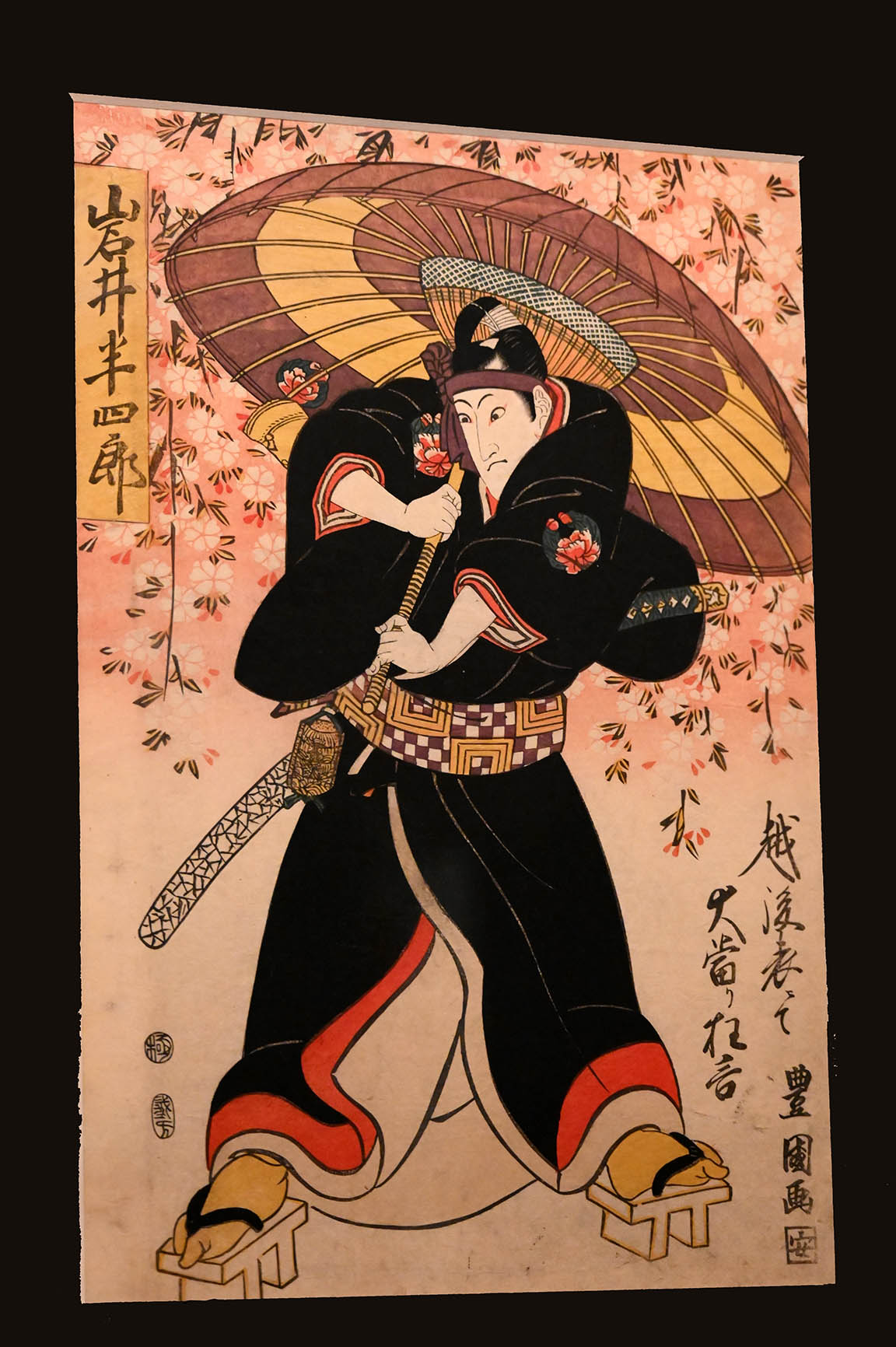
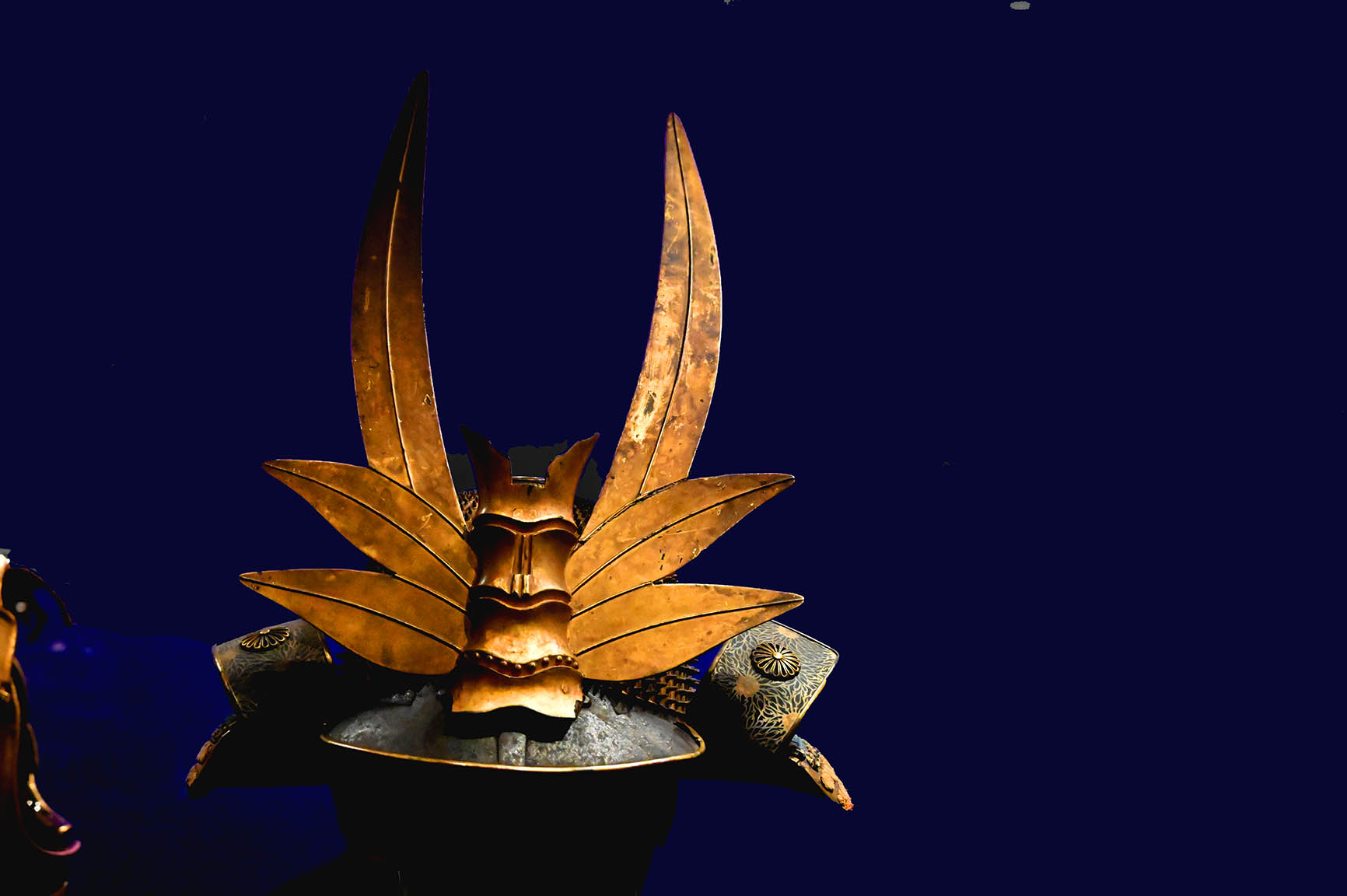
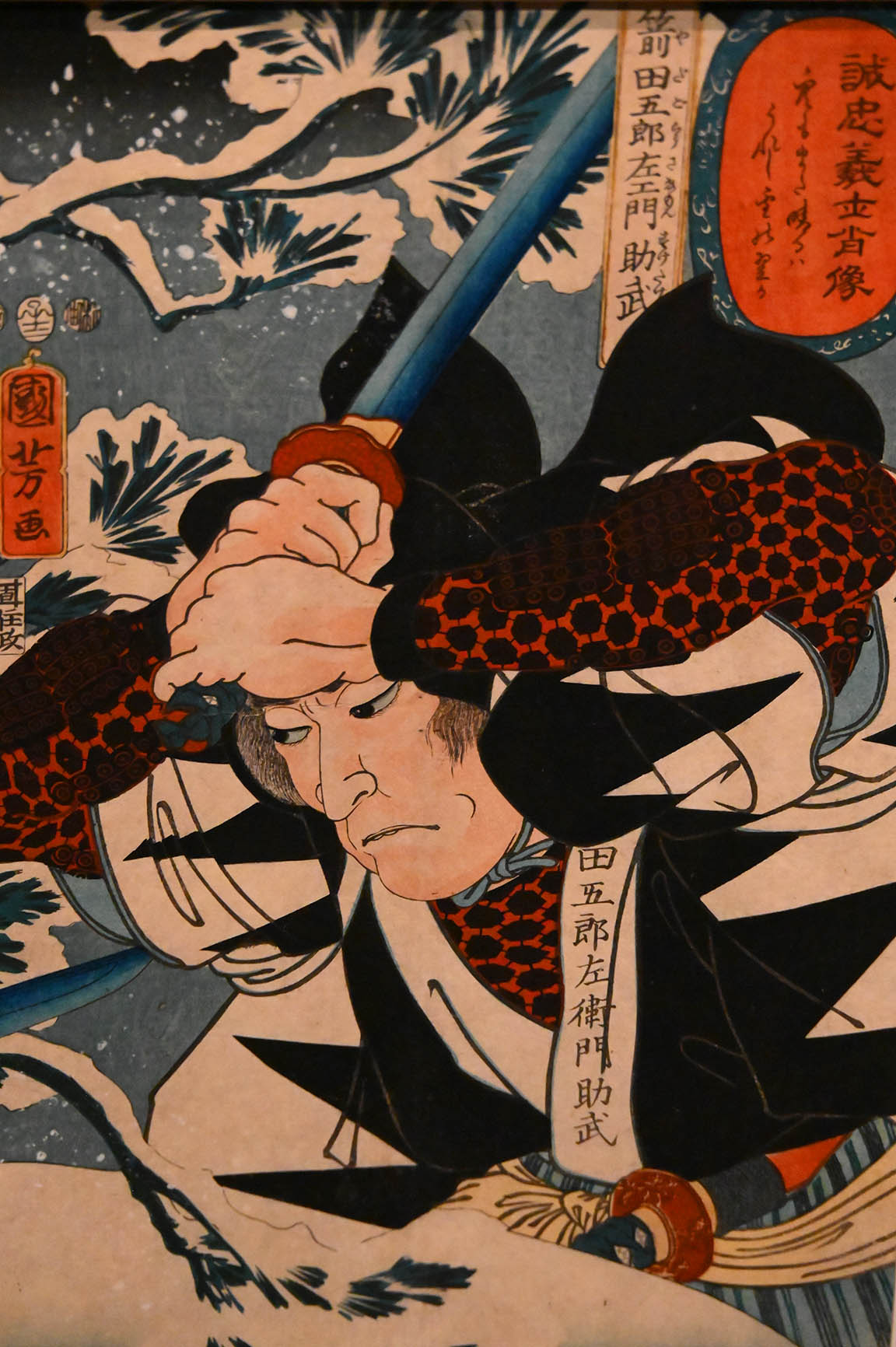
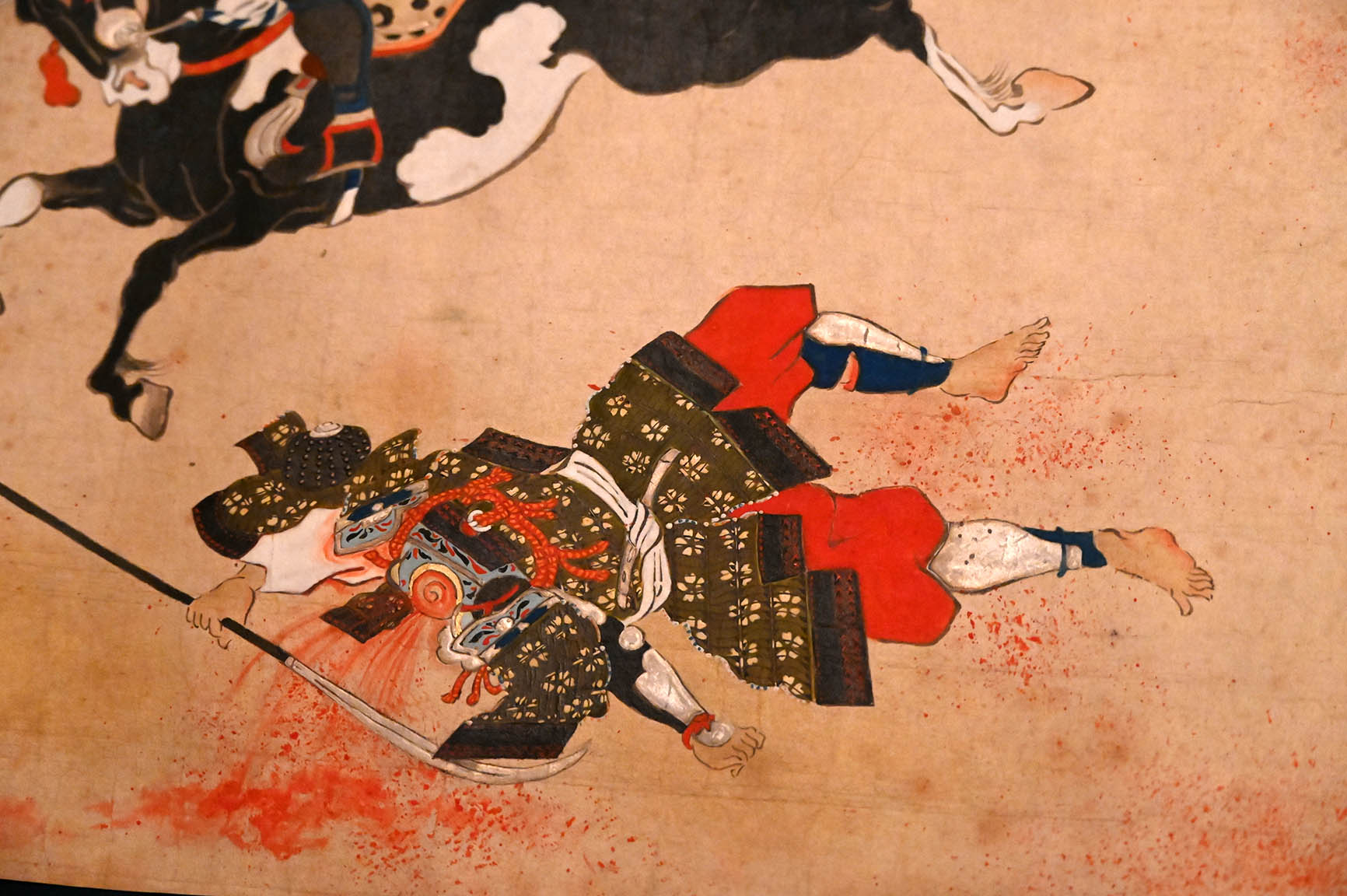
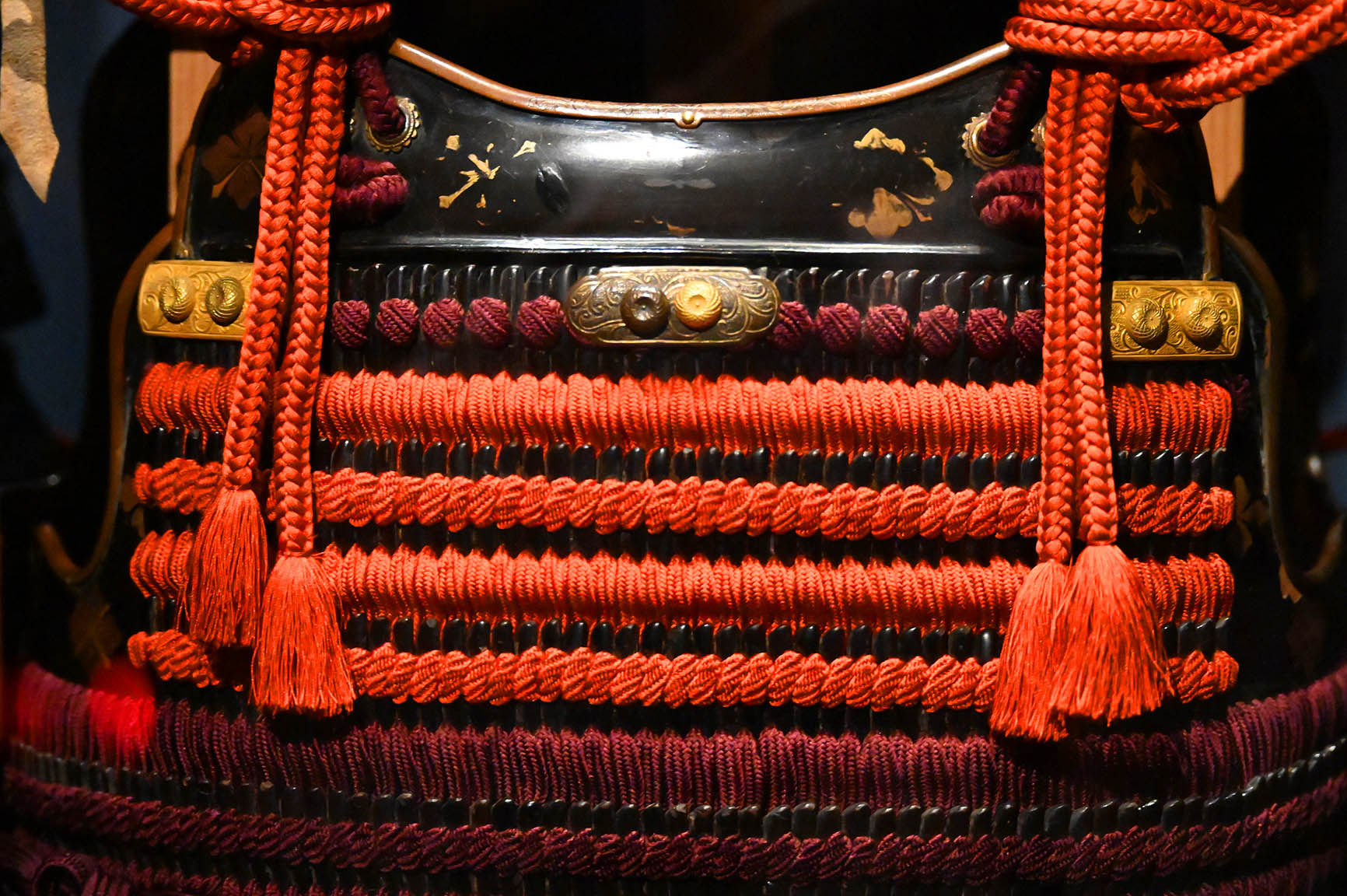
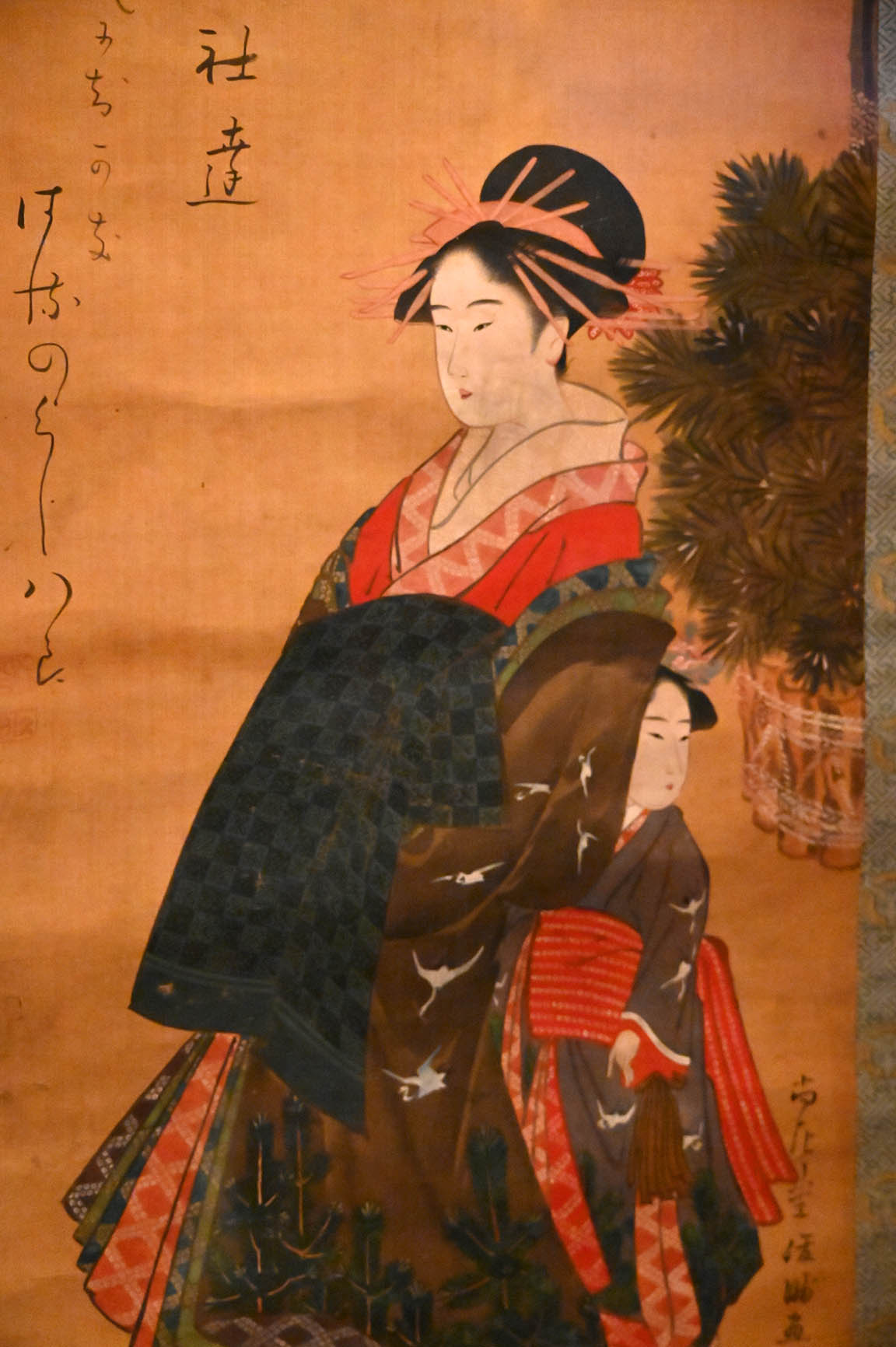
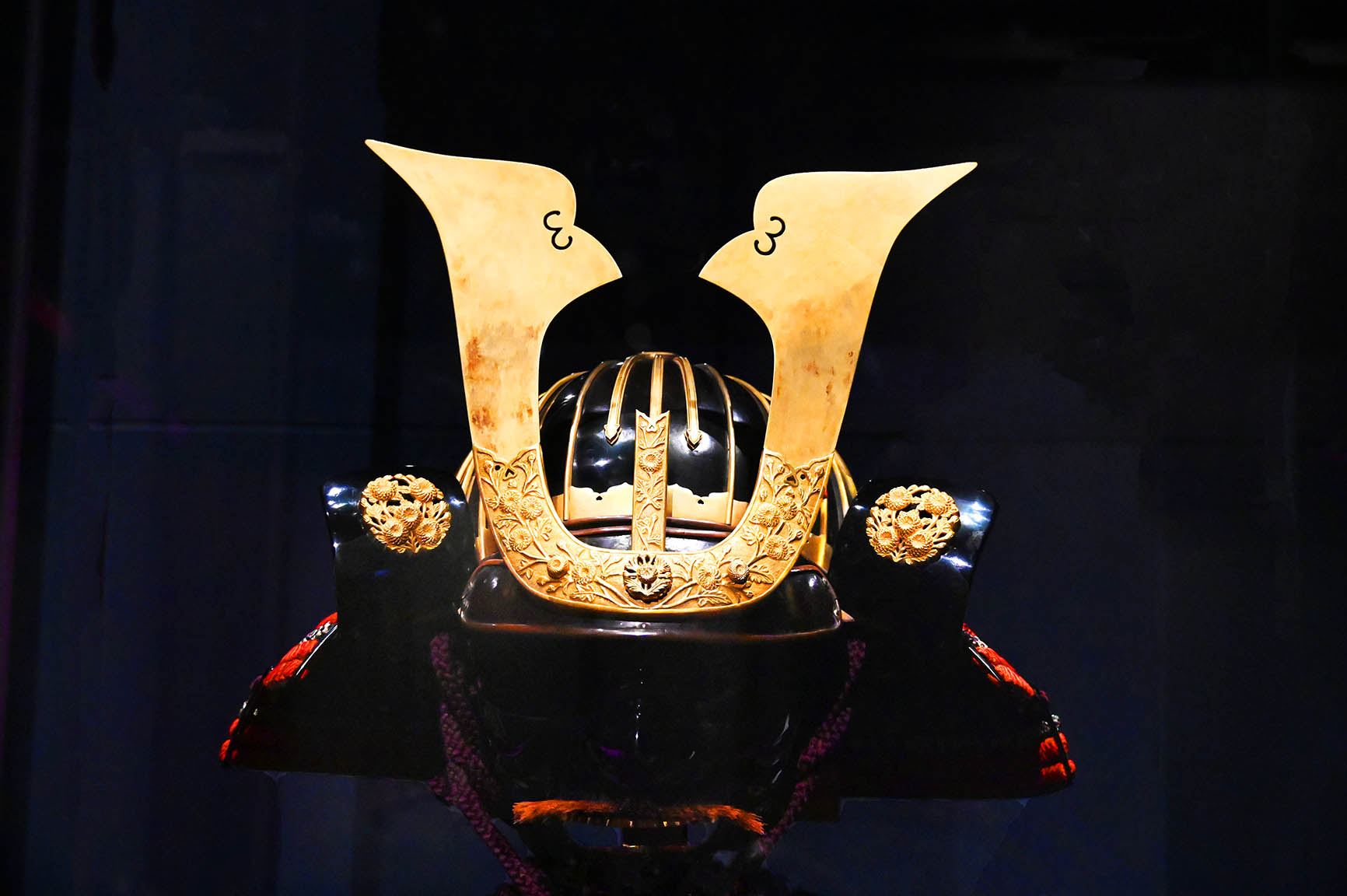
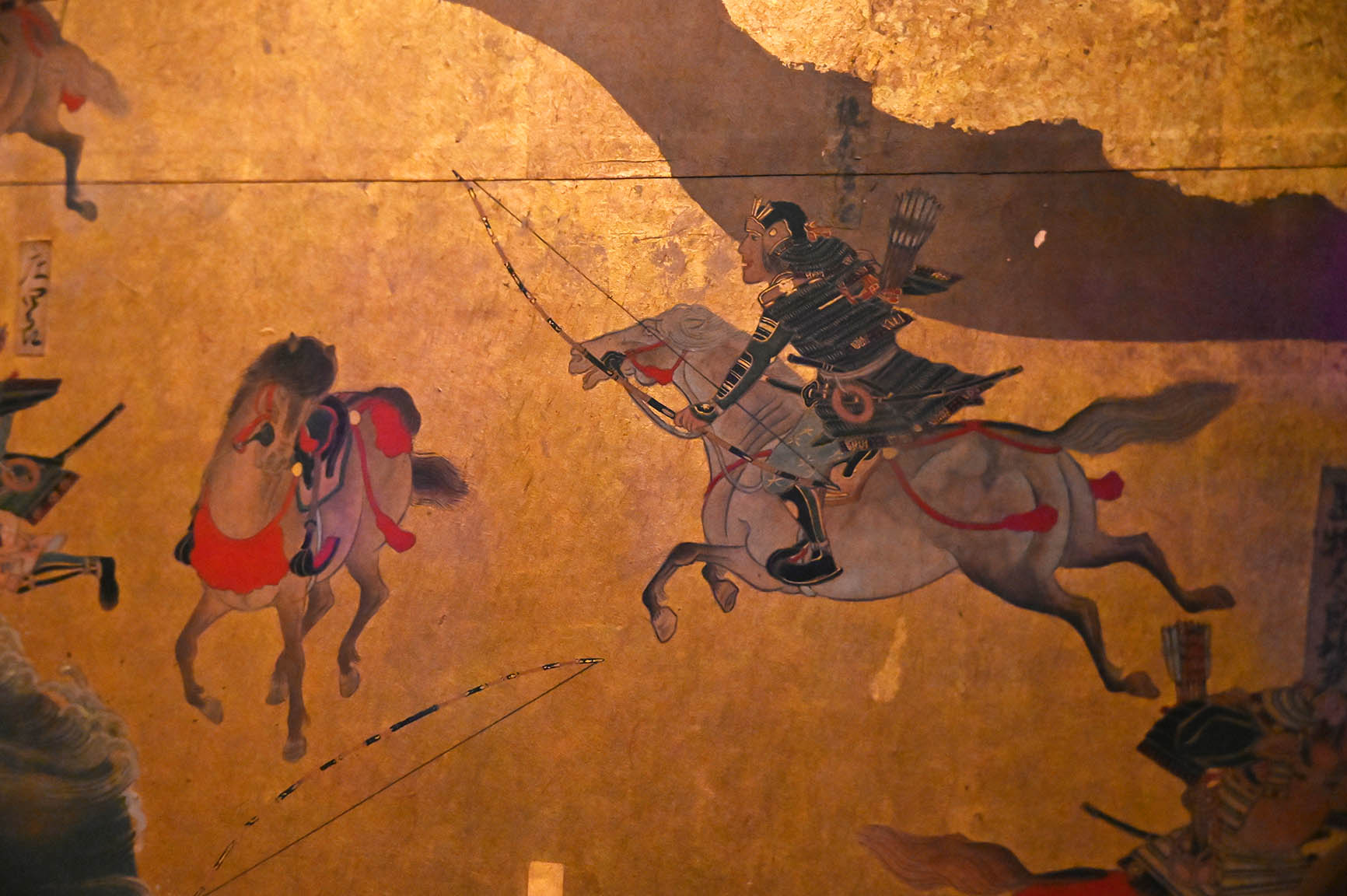
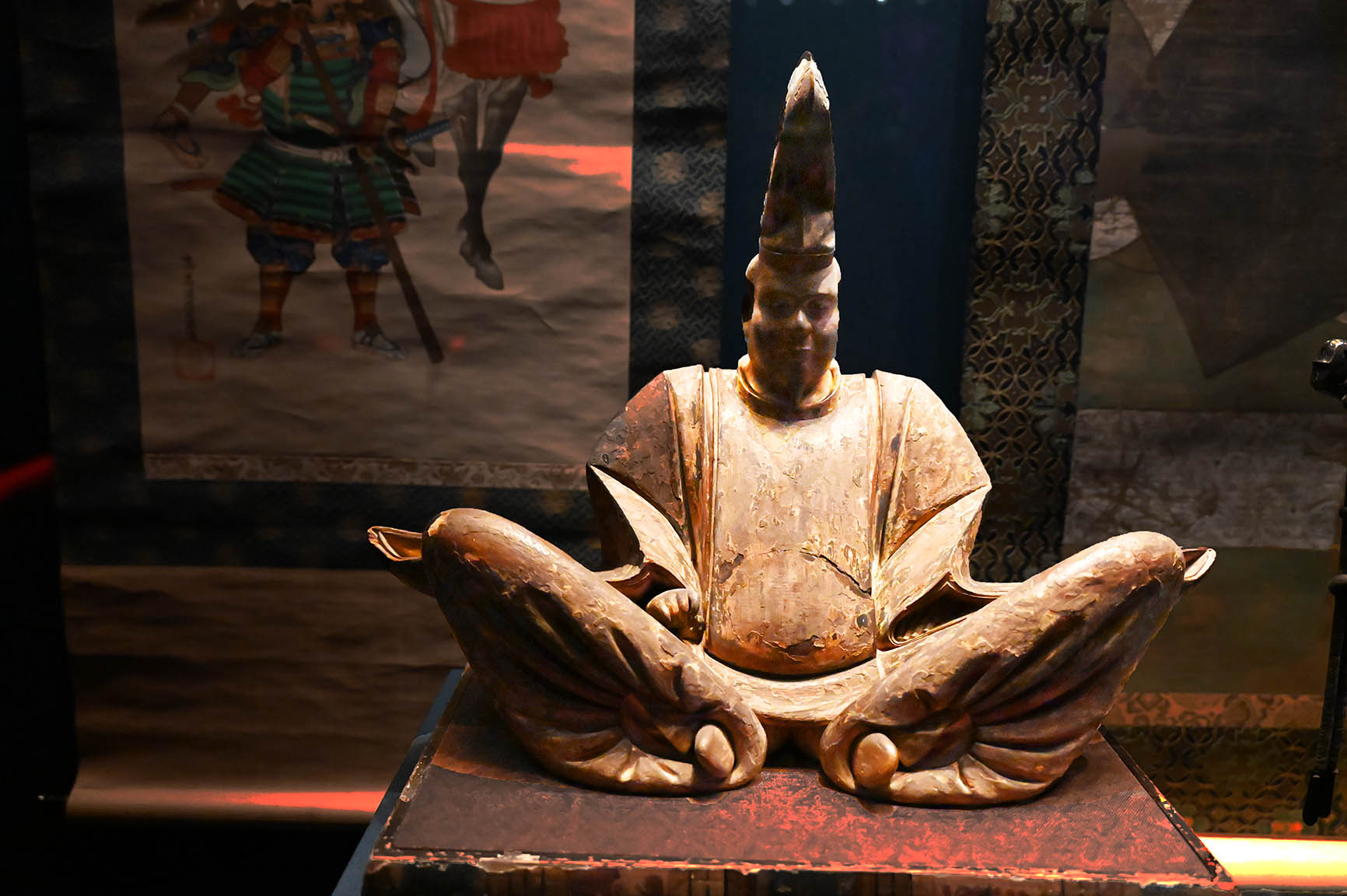
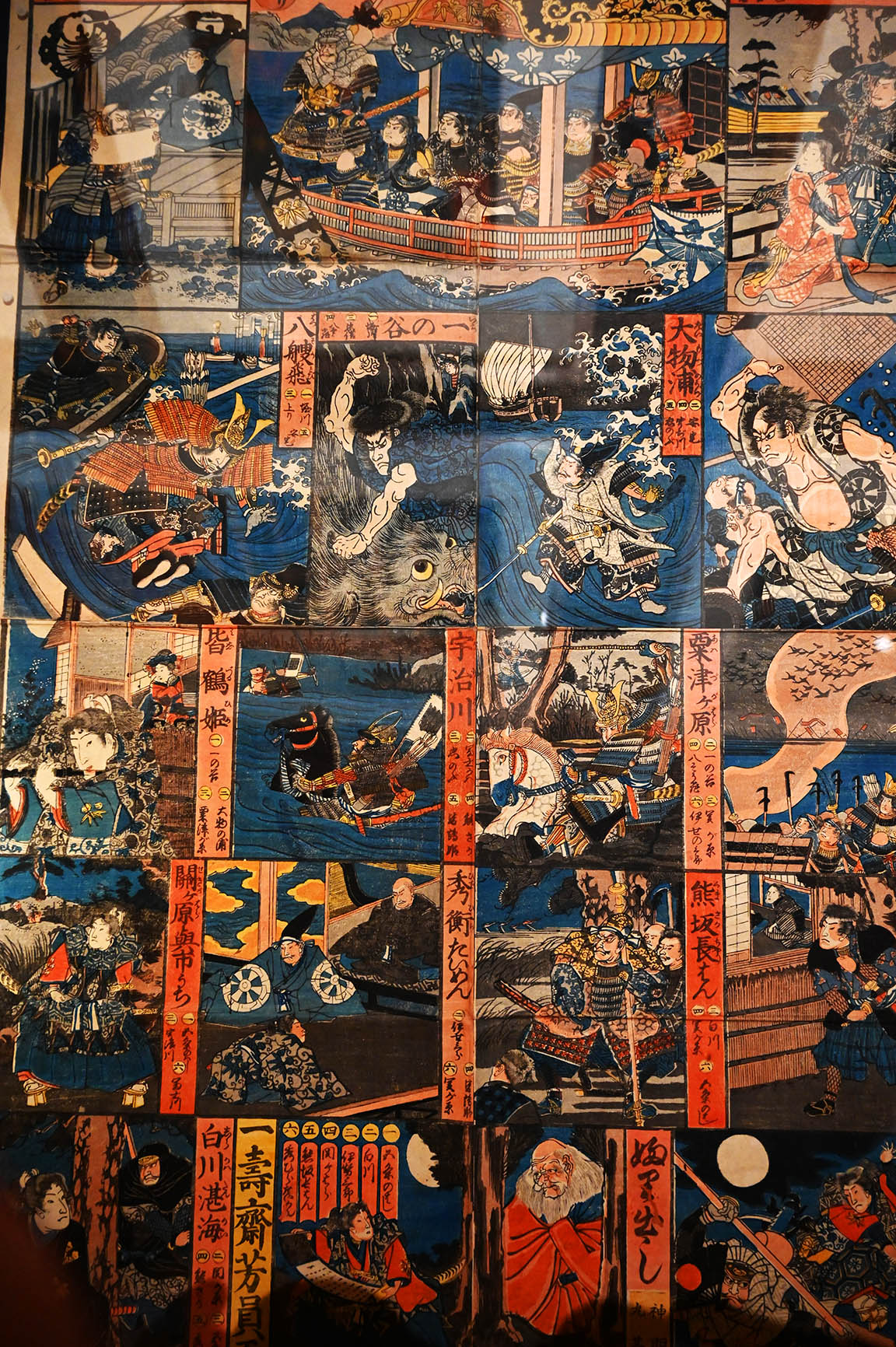
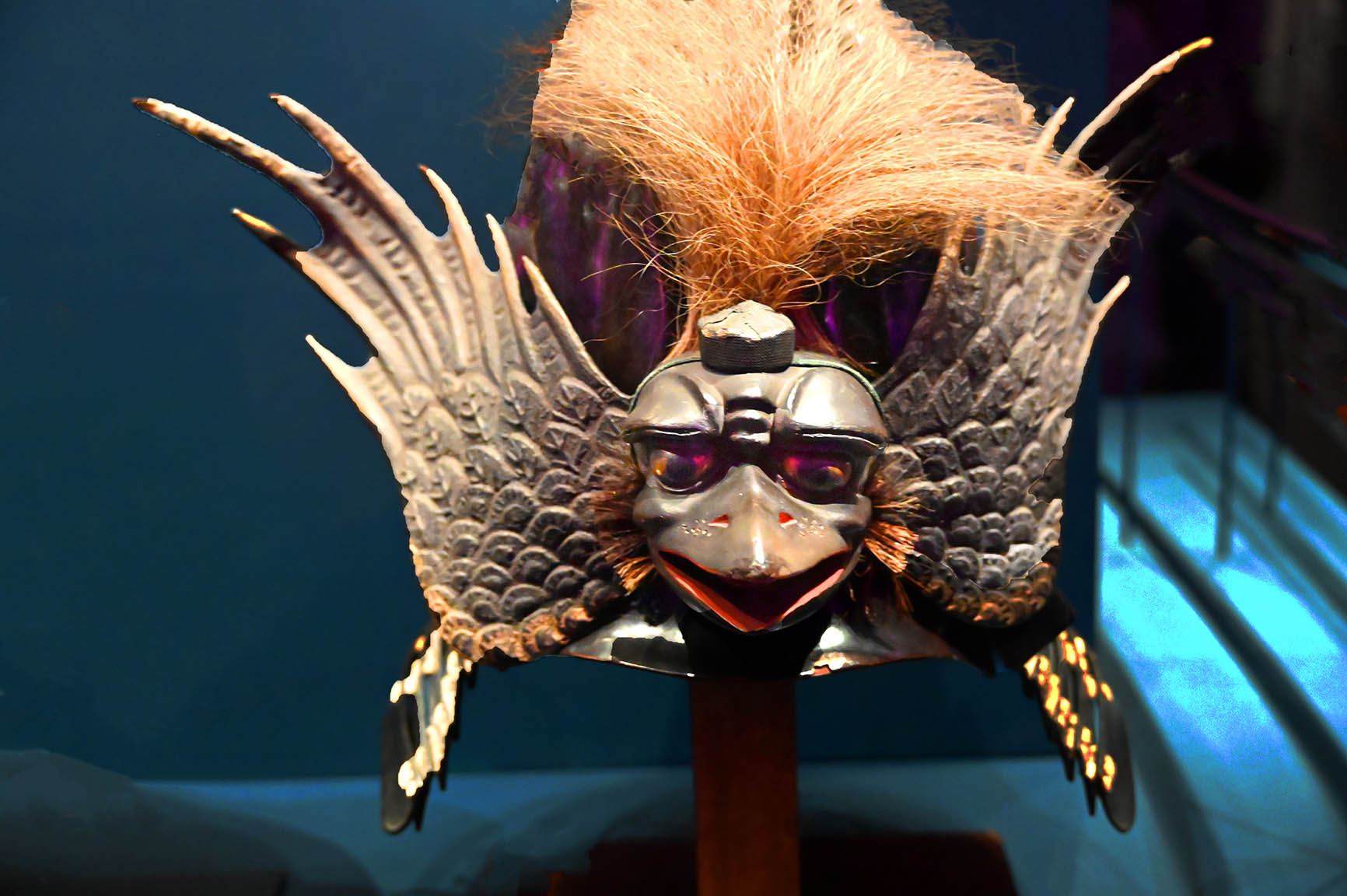
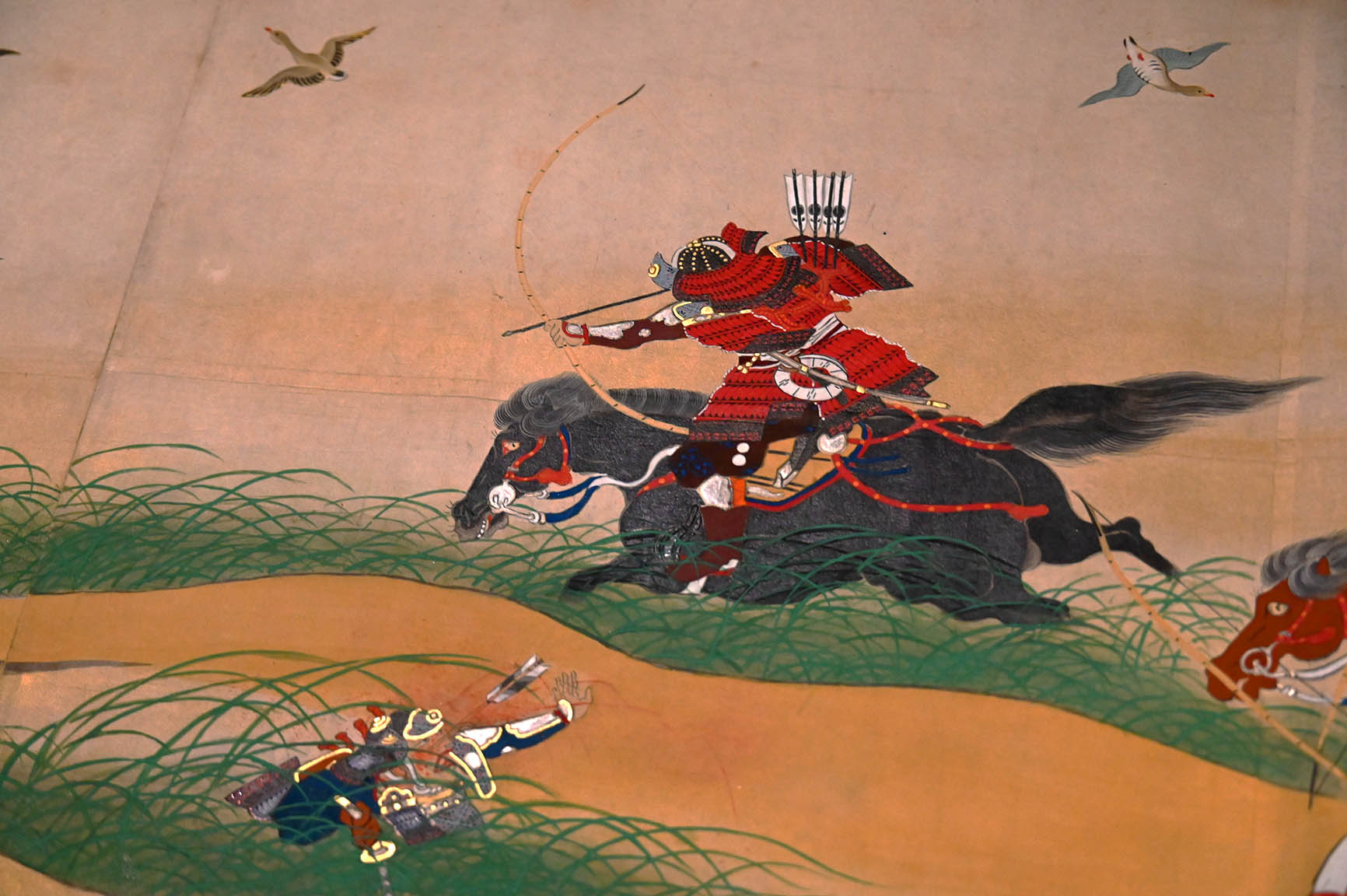
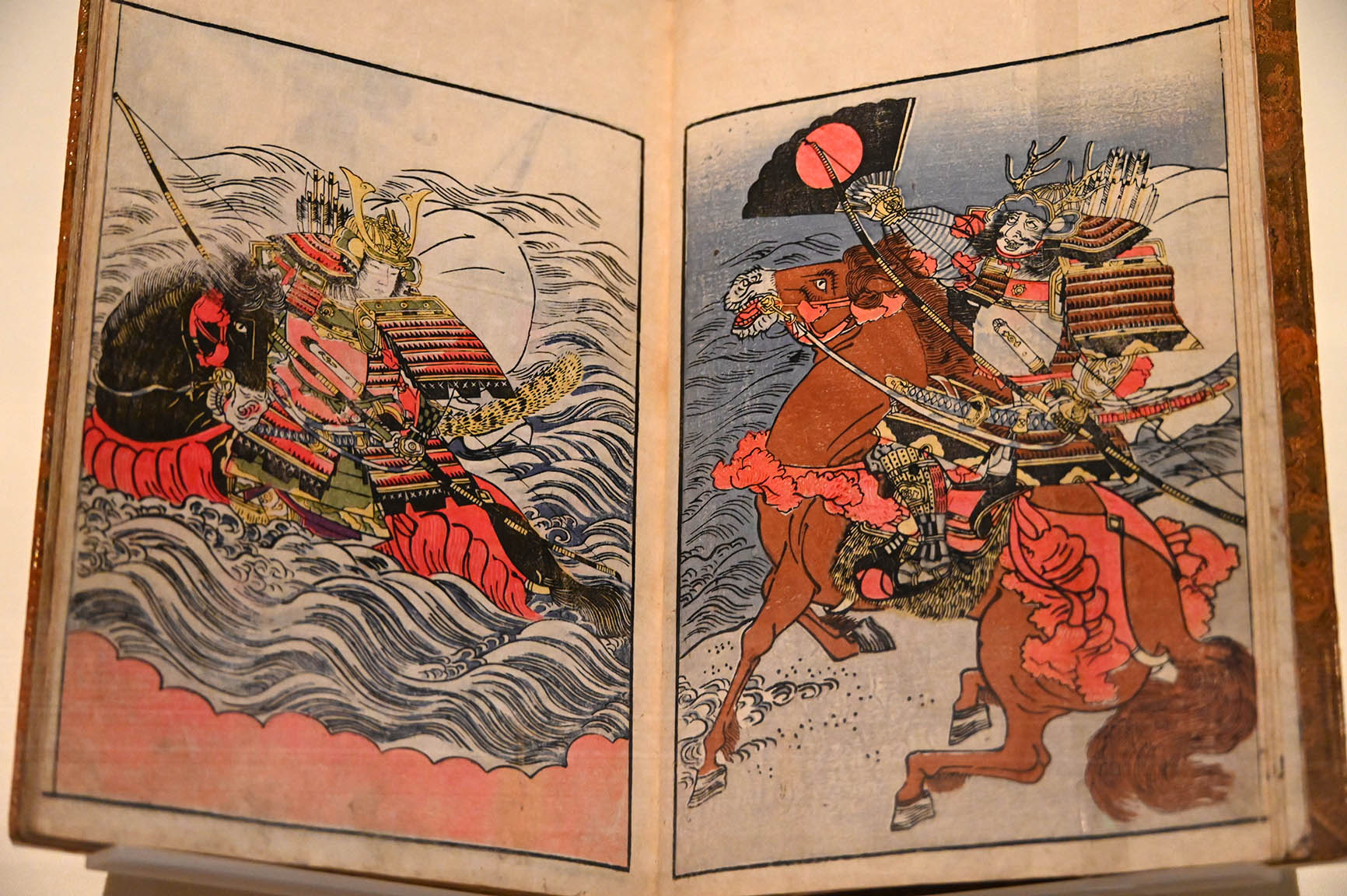
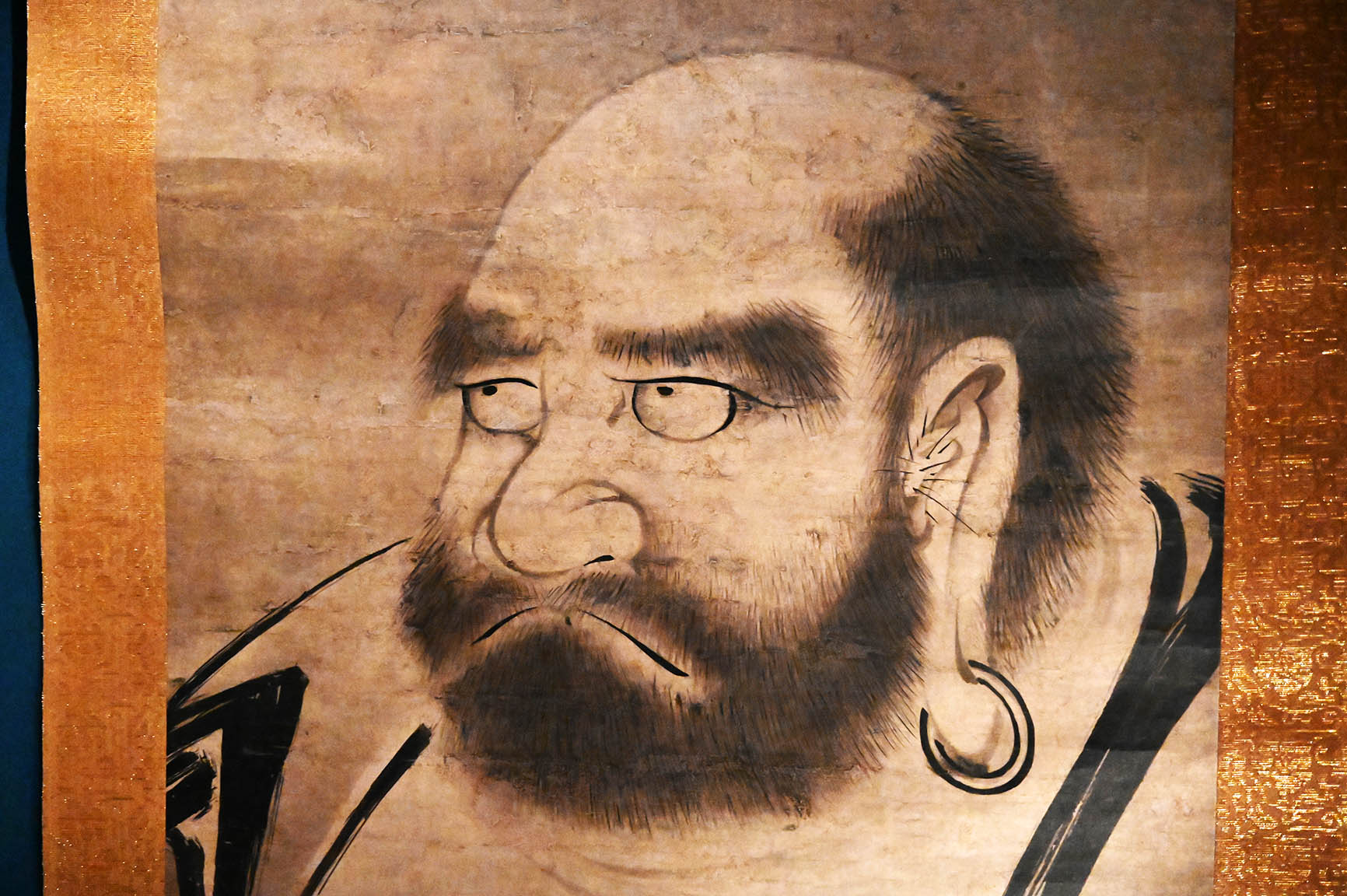
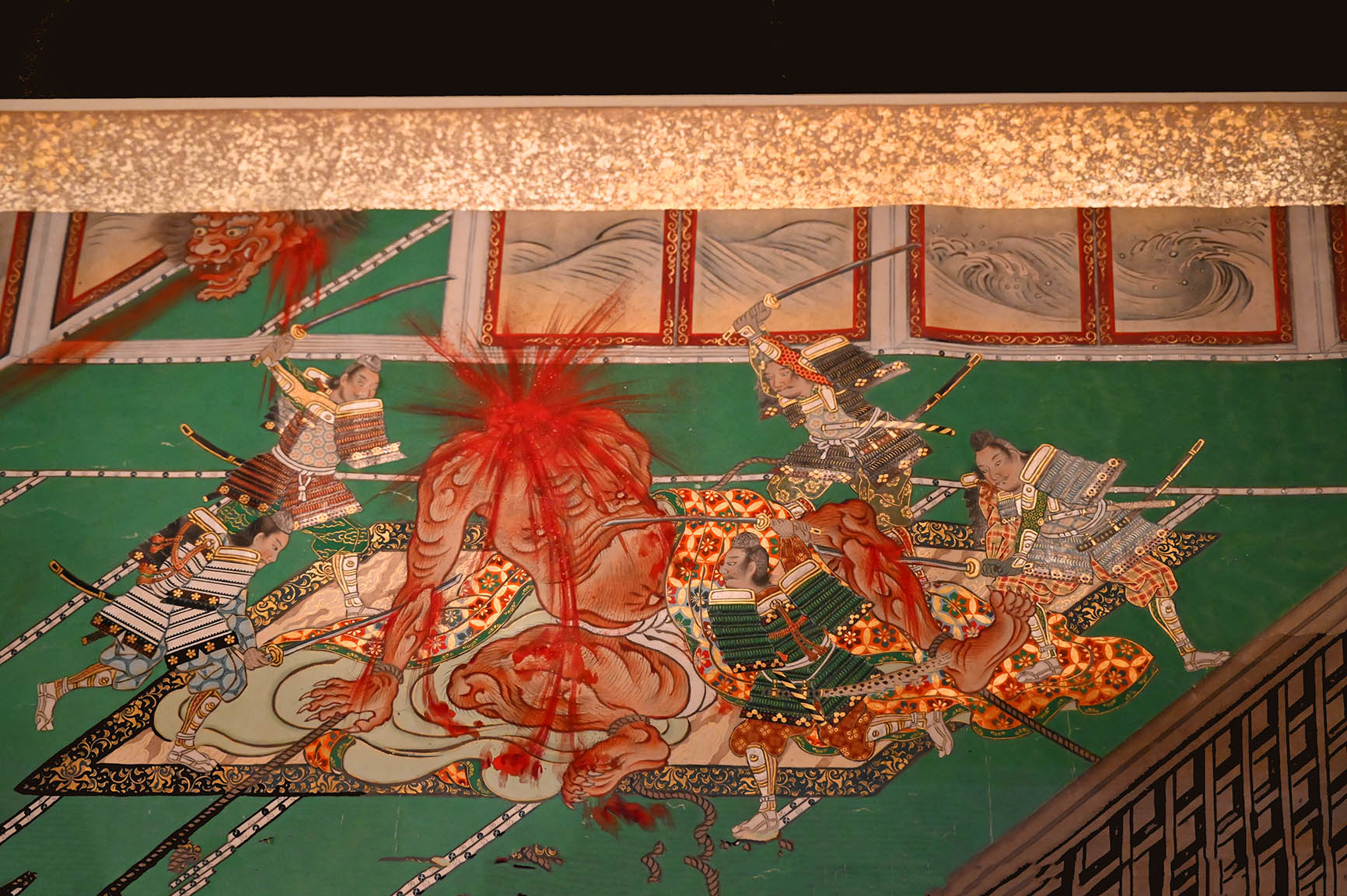
Today, the legacy of the samurai remains ever-present. As when visiting Japan’s museums, temples, and preserved homes, I am constantly surprised to find such an extraordinary body of artistic and everyday objects that reveal the refined world of the warrior class. Intricately painted screens and scrolls depict battles, seasonal landscapes, and scenes of courtly life, reflecting both martial pride and aesthetic sensitivity. Sculptural works, ranging from finely cast armour to carved wooden figures, are as important in their artistry and in their symbolism.
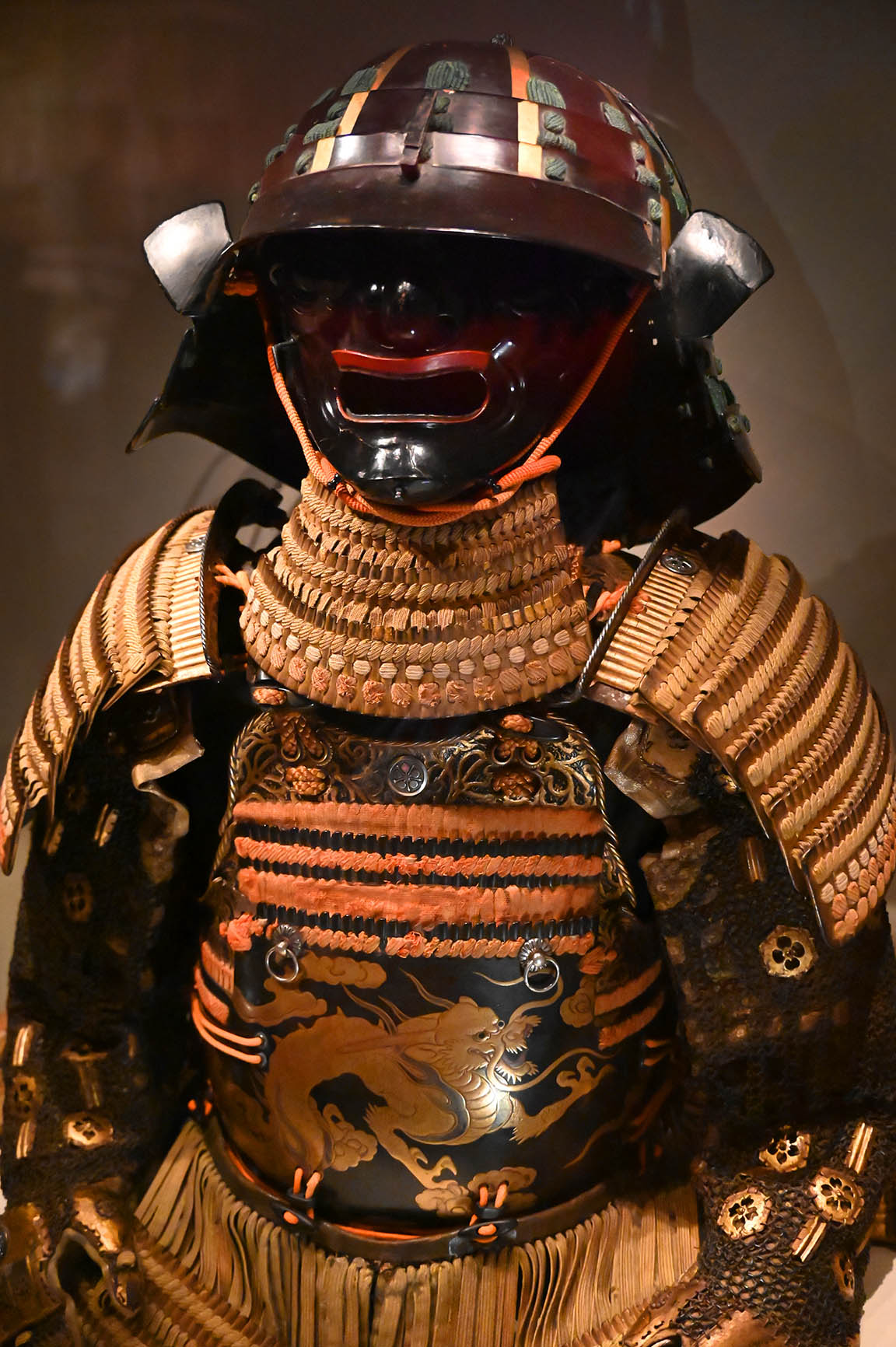
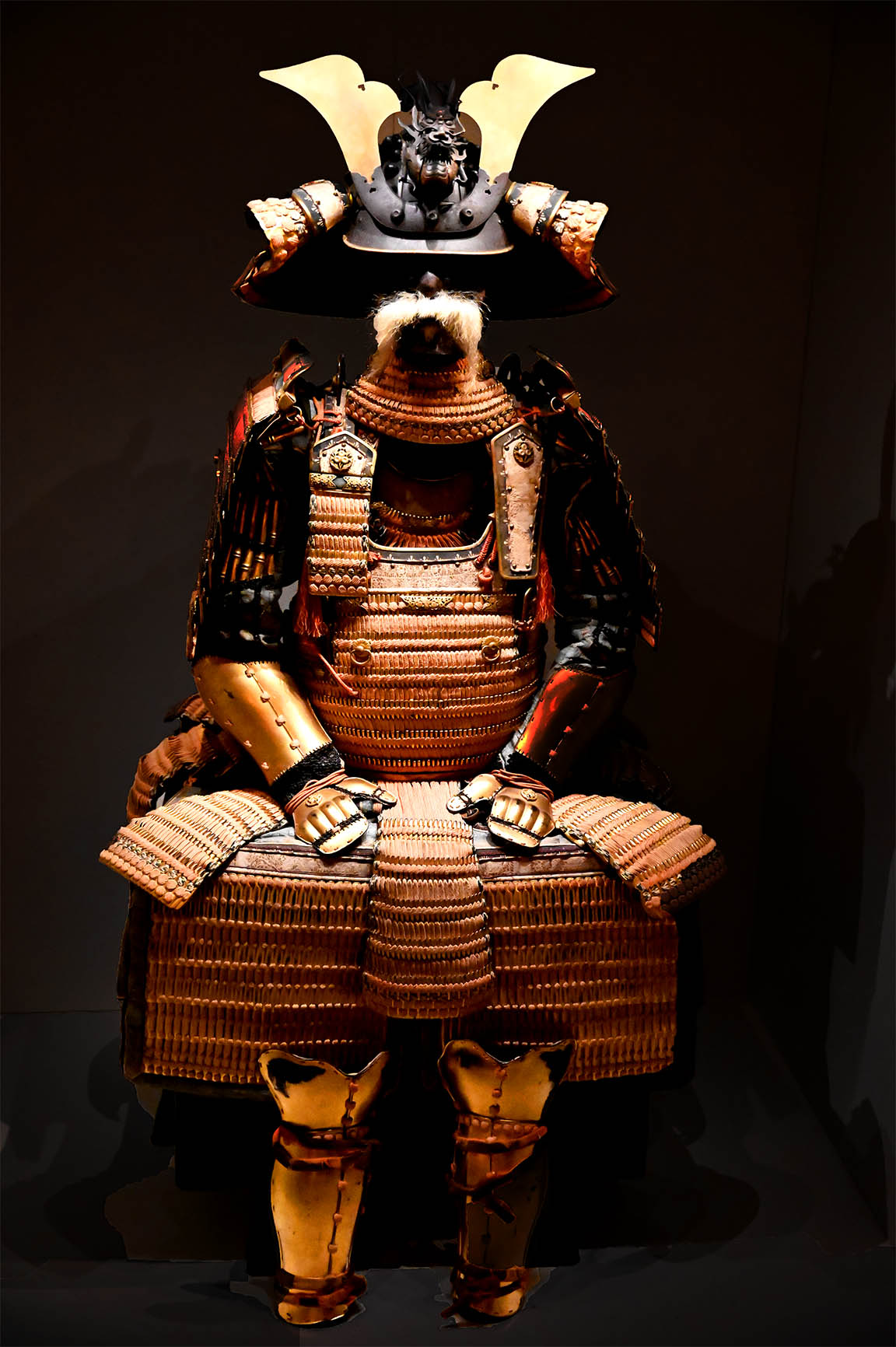
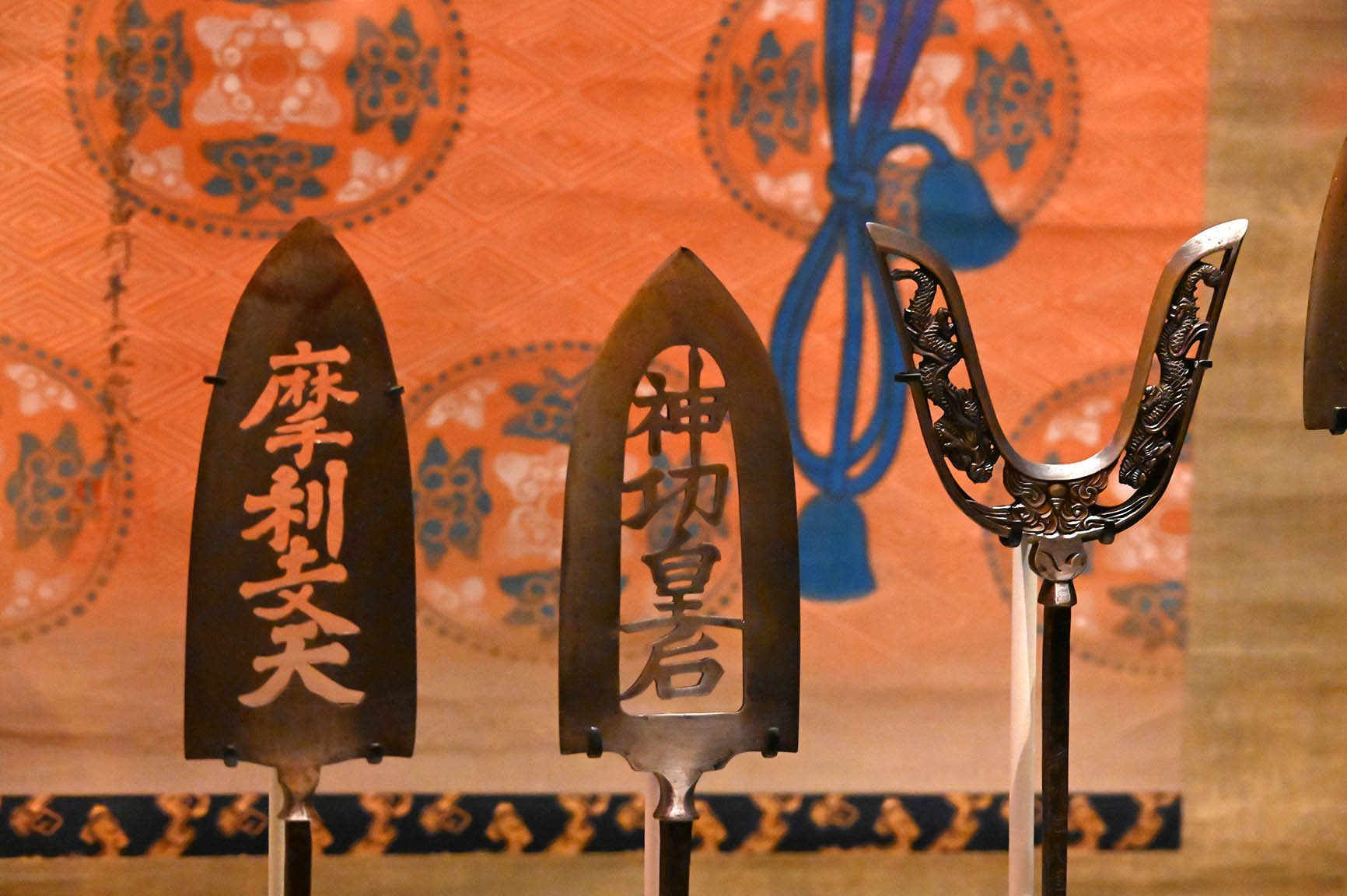
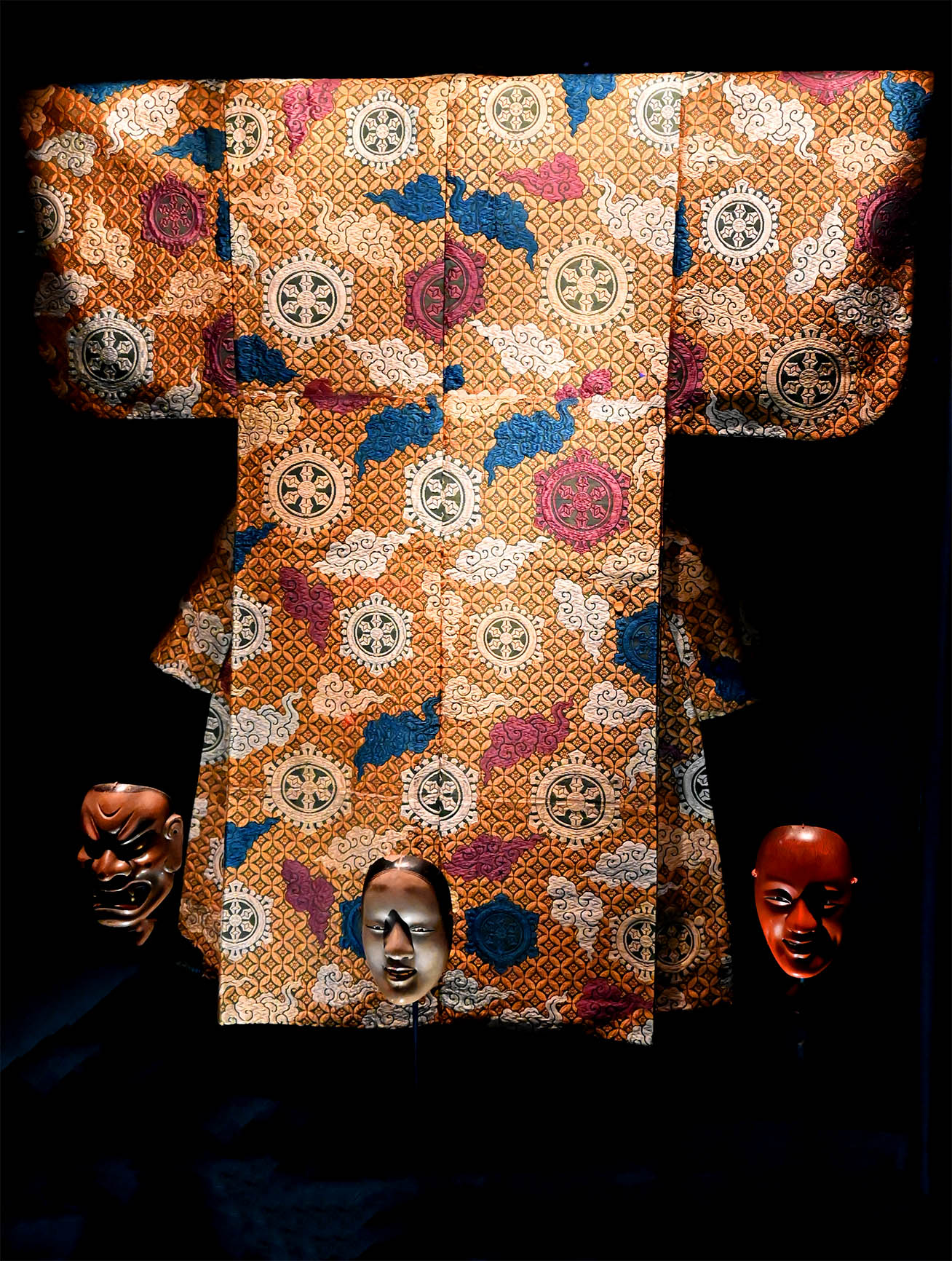
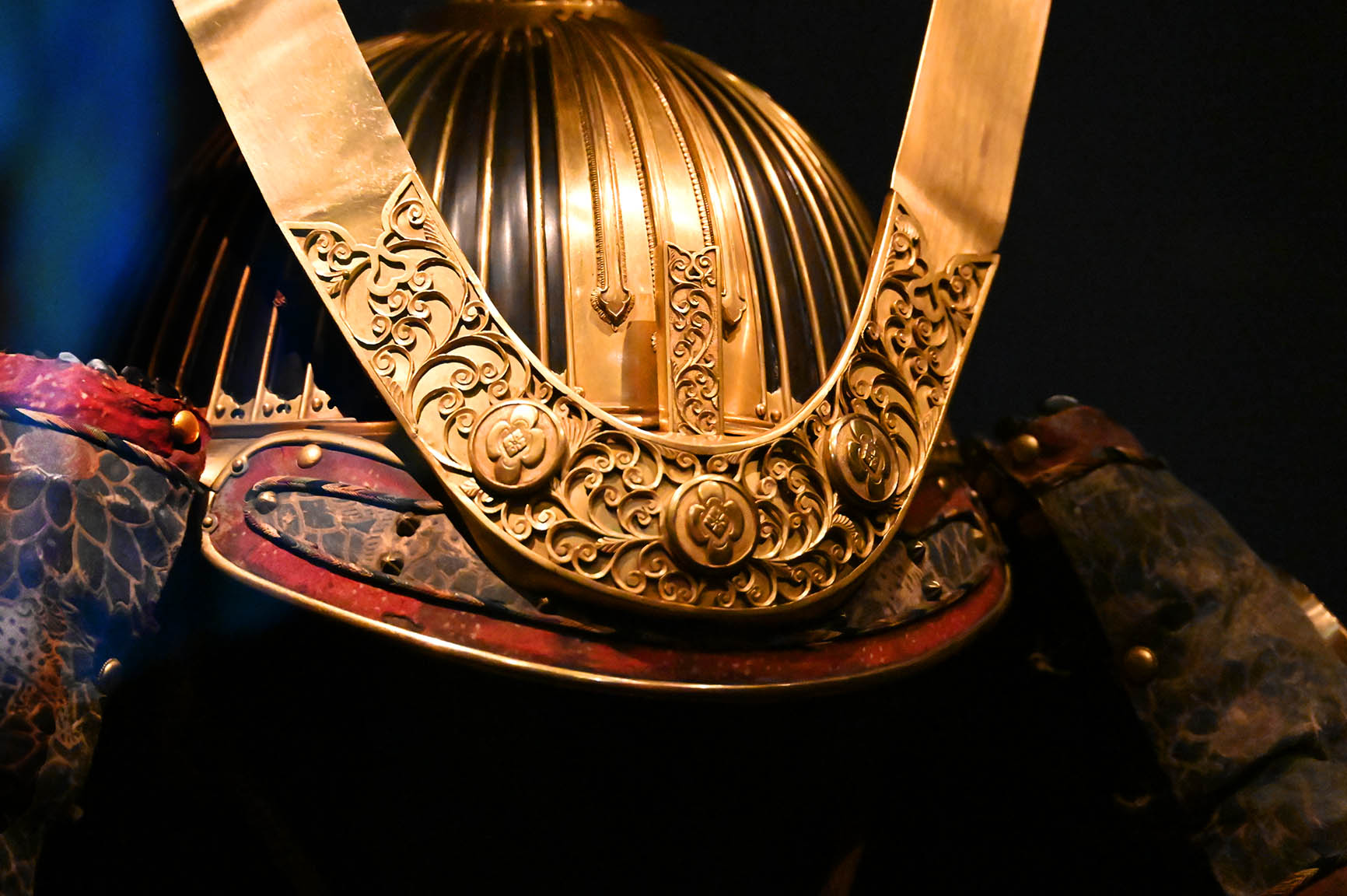
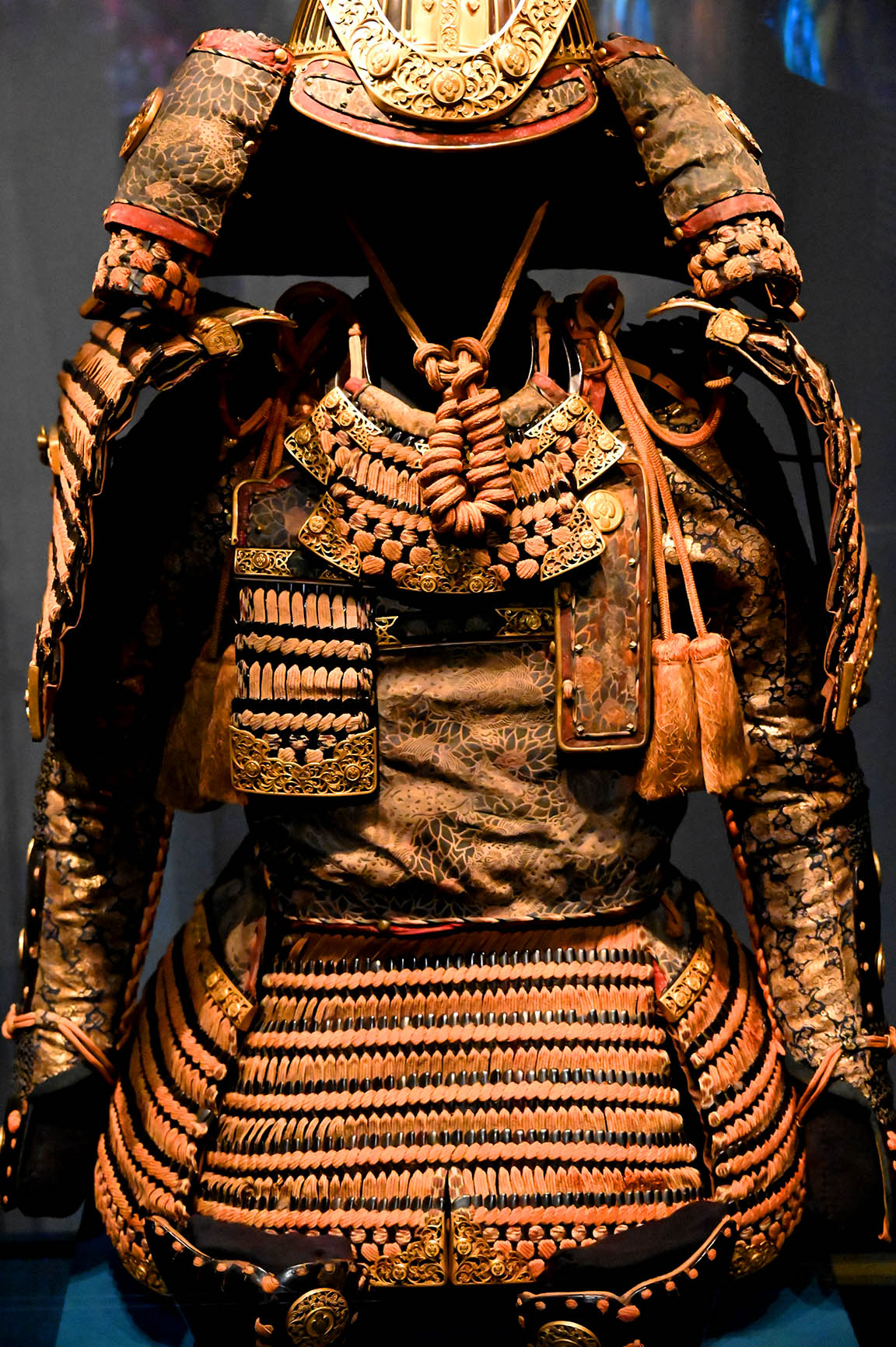
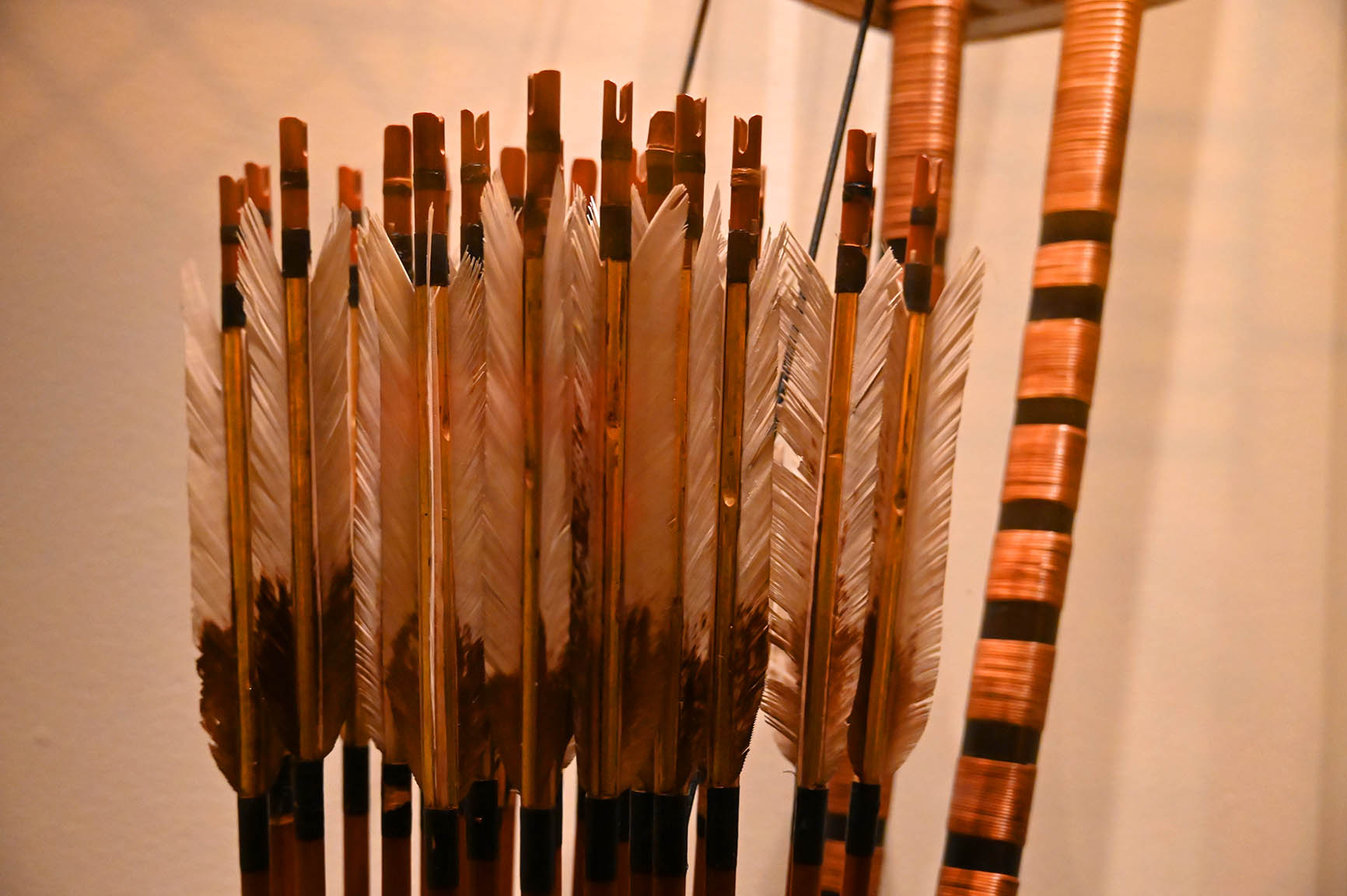
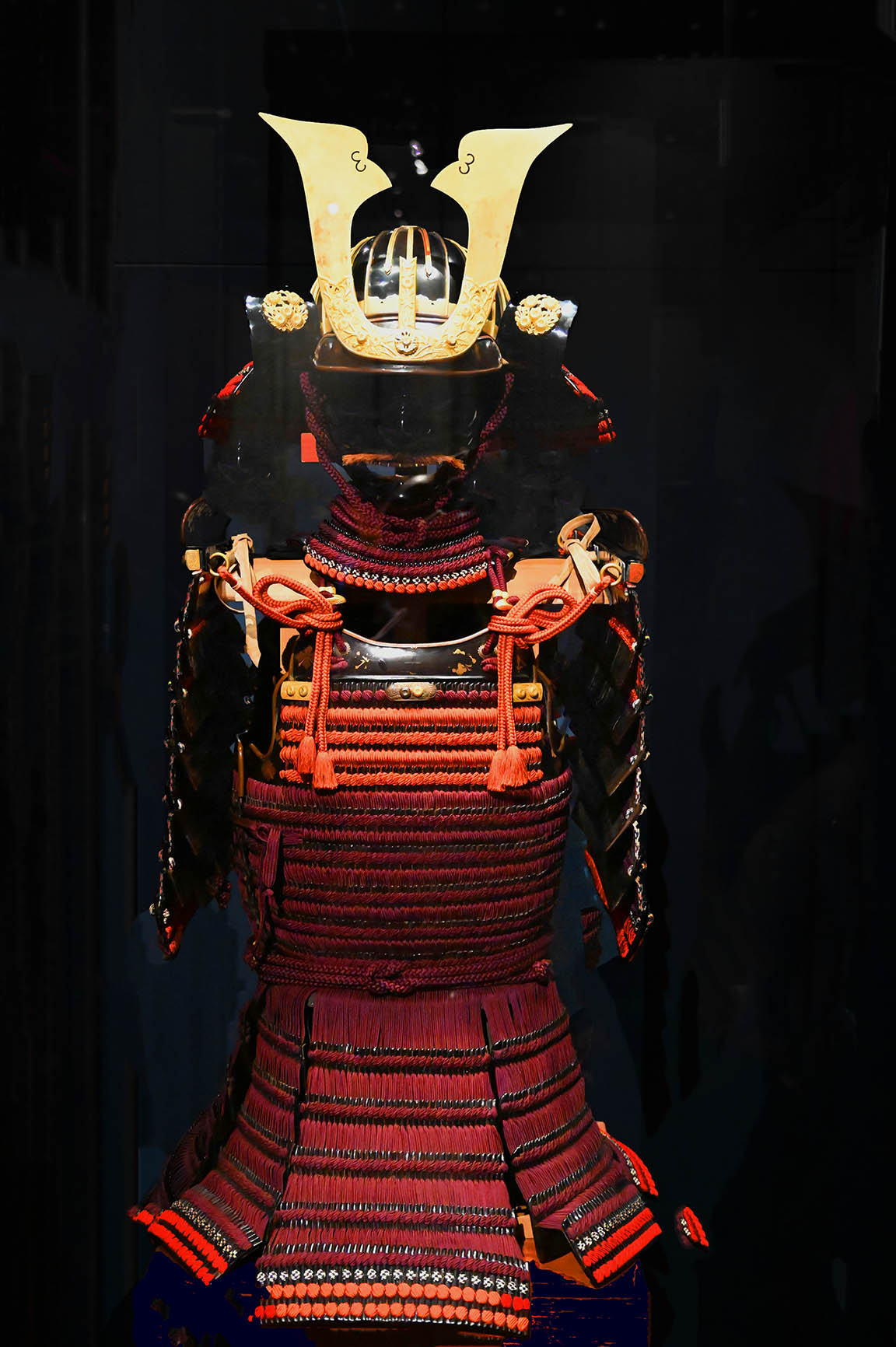
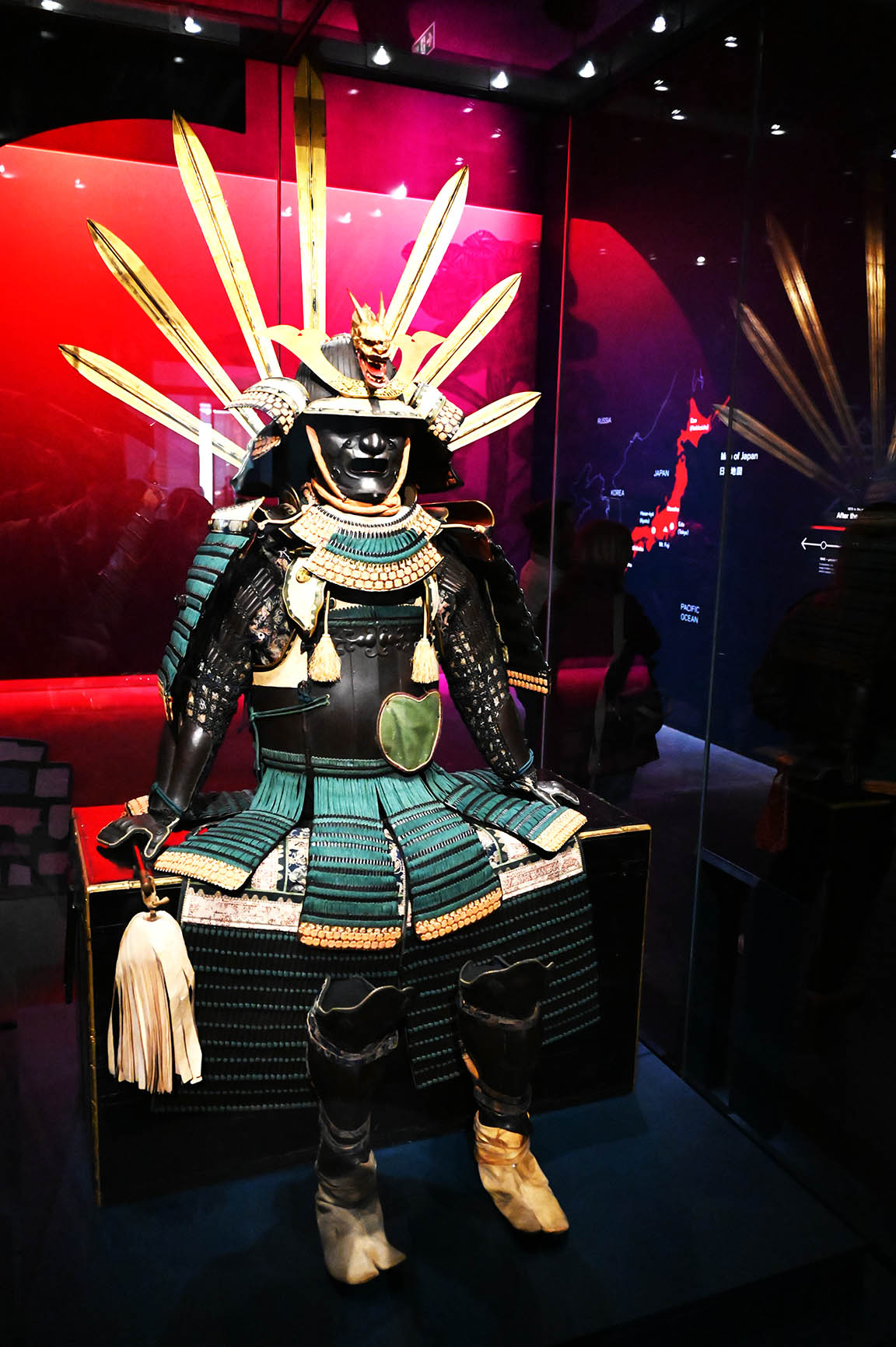
As my photos show, samurai clothing itself was a statement of identity and artistry. Elaborately constructed armour, or ō-yoroi, combined functionality with striking design, featuring lacquered plates, silk lacing, and family crests. Beneath the armour, garments such as the kimono and hakama expressed rank and taste through subtle patterns and textiles. Even the smallest details carried meaning: sword fittings, known as tsuba, were often miniature works of art, decorated with motifs drawn from nature, mythology, or clan heritage.
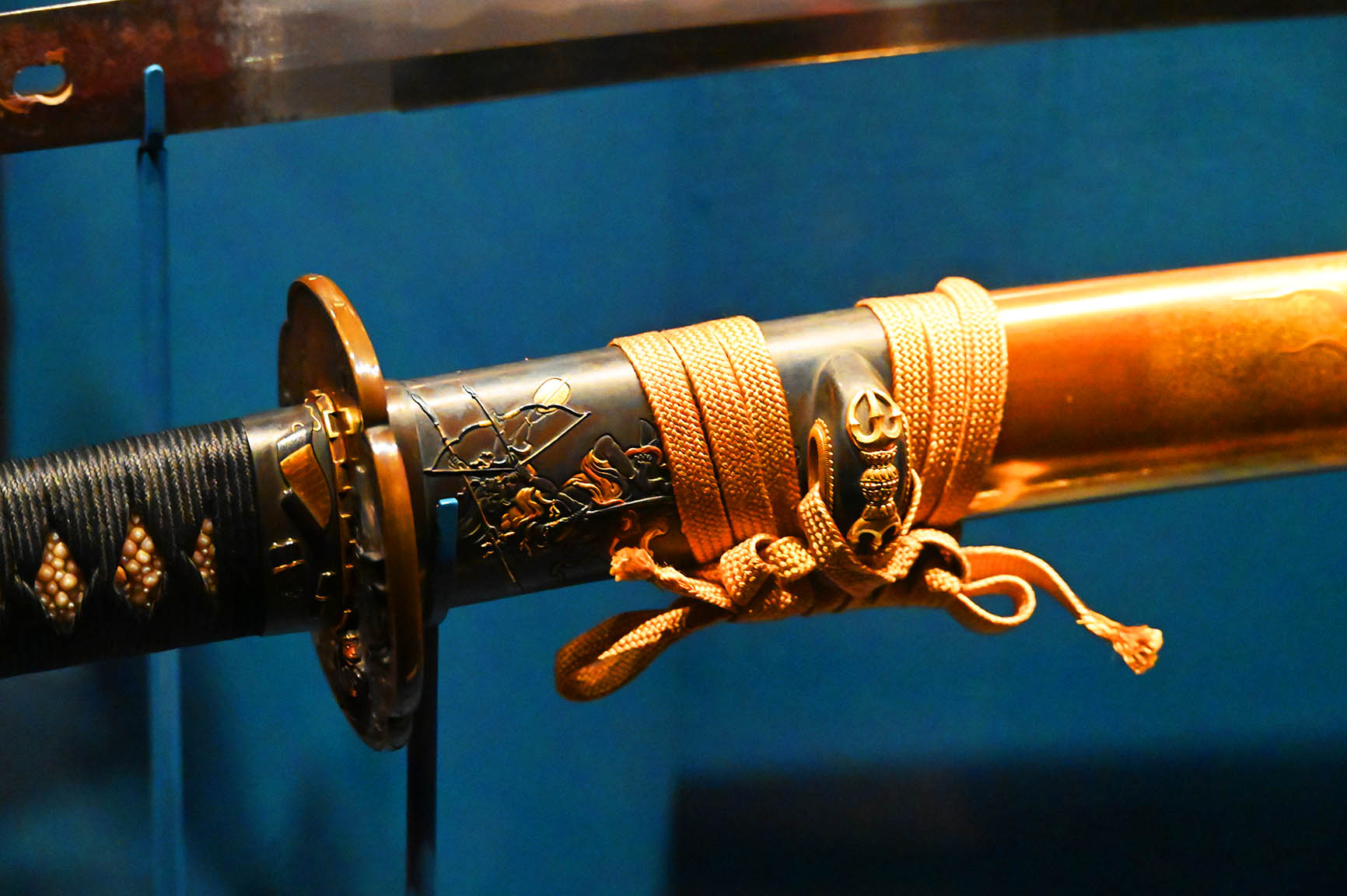
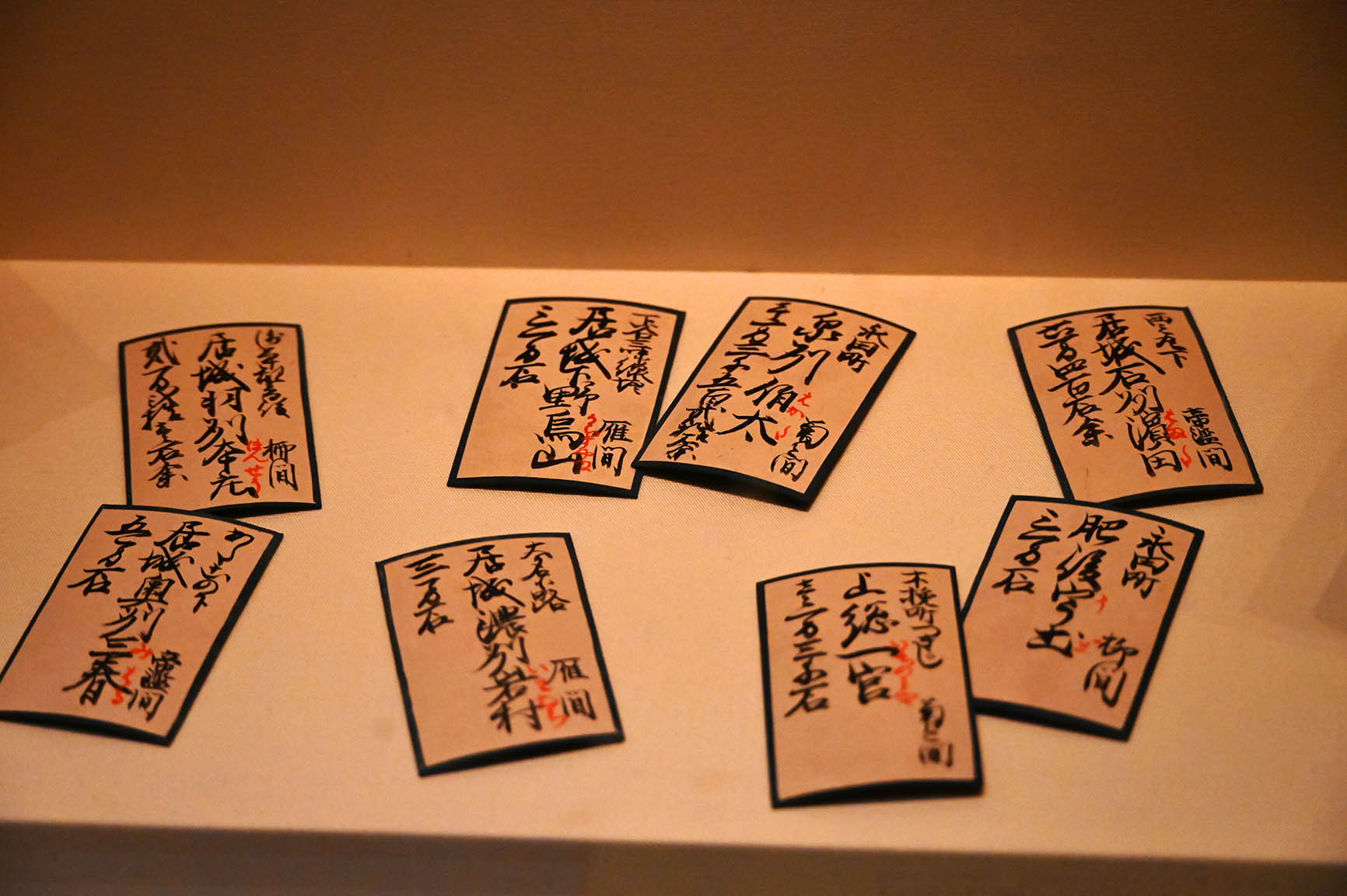
Equally fascinating are the objects of everyday samurai life. Writing sets, calligraphy tools, and personal ornaments reveal a class that valued education and refinement alongside martial skill. Tea utensils used in ceremonies influenced by Zen Buddhism highlight the importance of ritual and contemplation, while lacquerware boxes and household items showcase the meticulous craftsmanship that defined the era.
These artistic traditions continue to influence modern Japan. The minimalist elegance seen in contemporary design – whether in ceramics, architecture, or fashion – echoes the disciplined aesthetic cultivated by the samurai. Traditional practices such as Kendo and Iaido preserve not only physical techniques but also an appreciation for precision and form that borders on artistry.
Samurai influences also extend into today’s creative and youth culture. Through anime, film, and gaming, the figure of the samurai is continually reinterpreted for new generations. Stories of honour, conflict, and personal duty resonate in works like Rurouni Kenshin and immersive experiences such as Ghost of Tsushima. In fashion and streetwear, elements inspired by samurai armour, silhouettes, and symbolism are reimagined with modern flair, bridging past and present.
Internationally, characters like Darth Vader from Star Wars (1977) reflect how far the influence of traditional samurai has reached, even shaping the aesthetic of the Galactic Empire.
Across Japan today, entire towns preserve the physical environment in which samurai once lived. When arranging client trips to Kanazawa, the Nagamachi district offers a glimpse into former samurai residences, while Kakunodate is renowned for its beautifully preserved samurai houses. The striking Himeji Castle in Himeji stands as a powerful symbol of feudal authority and architectural brilliance.
Today visitors can don traditional armour, practise sword techniques, and explore historic districts where time seems to stand still. In cities such as Tokyo and Kyoto, cultural centres and workshops allow guests to engage directly with samurai traditions – whether through martial arts, calligraphy, or tea ceremony.
More intimate encounters are also possible. Staying in restored samurai residences, participating in traditional arts, or handling replicas of historical objects provides a deeper appreciation of how the samurai lived – not just as warriors, but as custodians of culture and creativity.
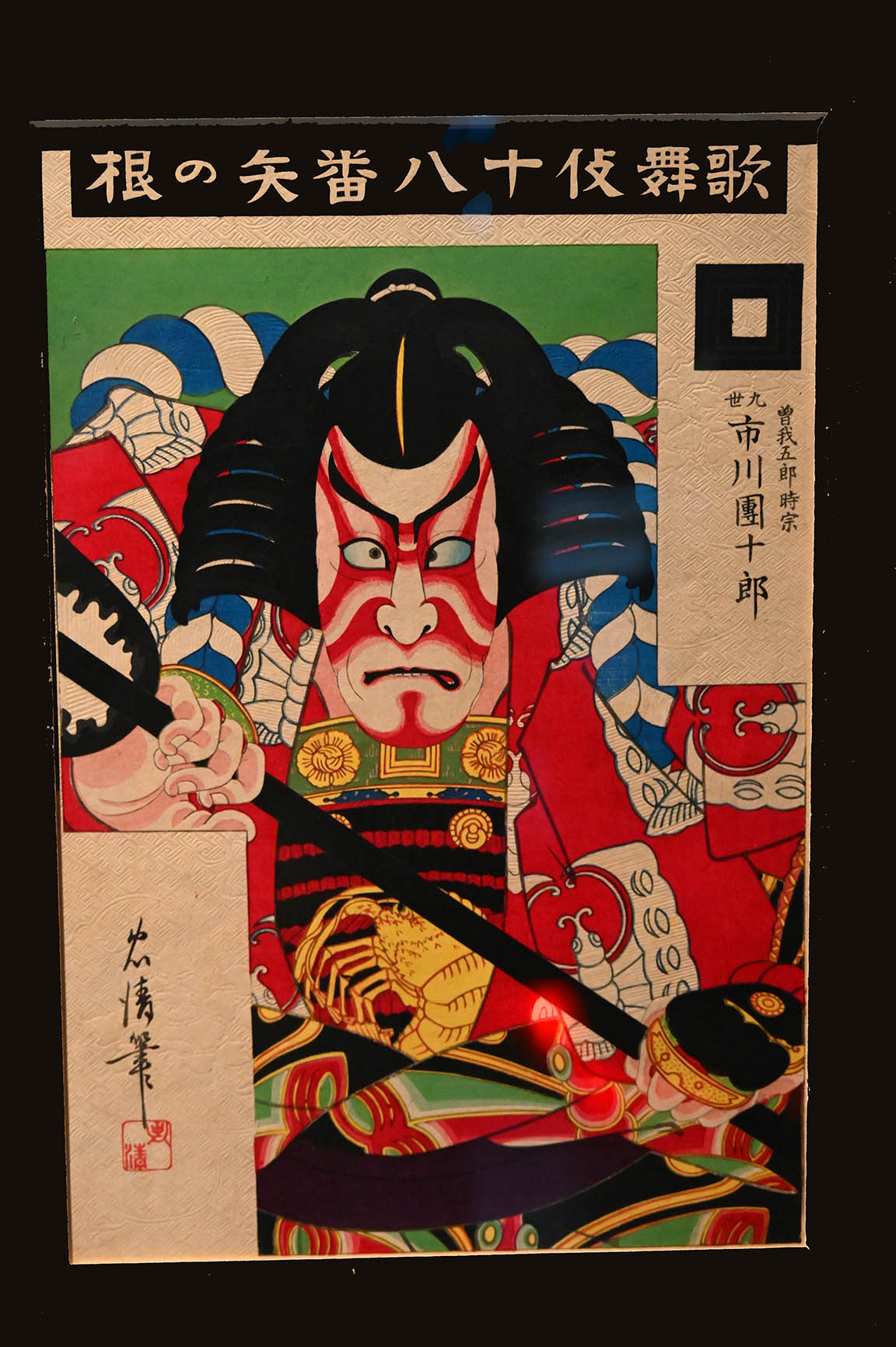
I have found that what makes the samurai legacy so compelling is its seamless blend of history and tradition, along with modern day street-culture and fashion. It is found not only in stories of battle, but in the brushstrokes of a painting, the curve of a blade, the weave of a garment, and the quiet discipline of daily ritual. For visitors, exploring this legacy is an opportunity to connect with a culture where art and life, beauty and purpose, were inextricably linked.
I love the fact that although their swords may be sheathed, their influence endures – in Japan’s artistic heritage, its contemporary creativity, and in the experiences that continue to captivate all those who visit the land of the rising sun.







Leave a Reply
Want to join the discussion?Feel free to contribute!