
Manhattan Street Scene – New York
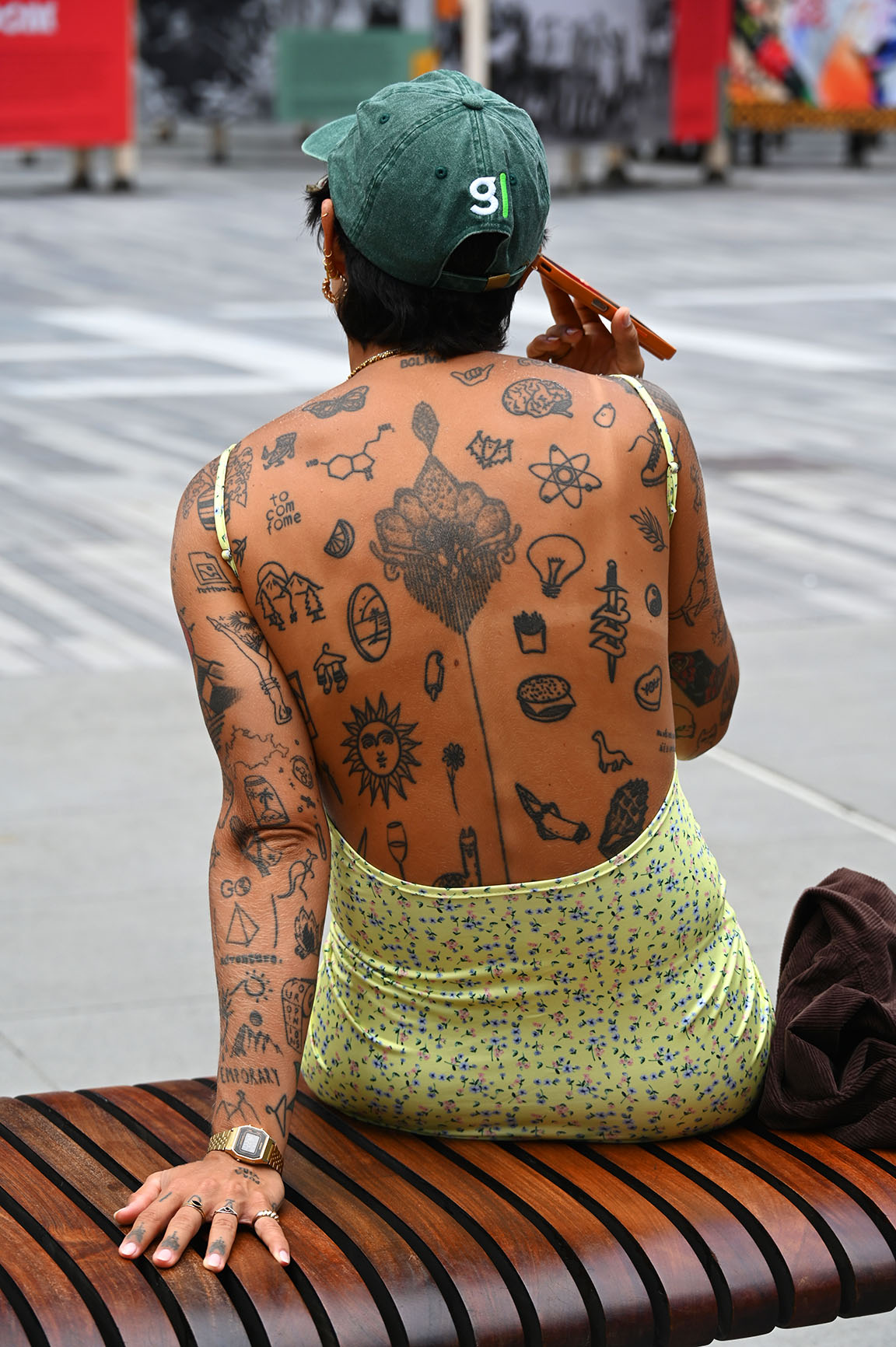
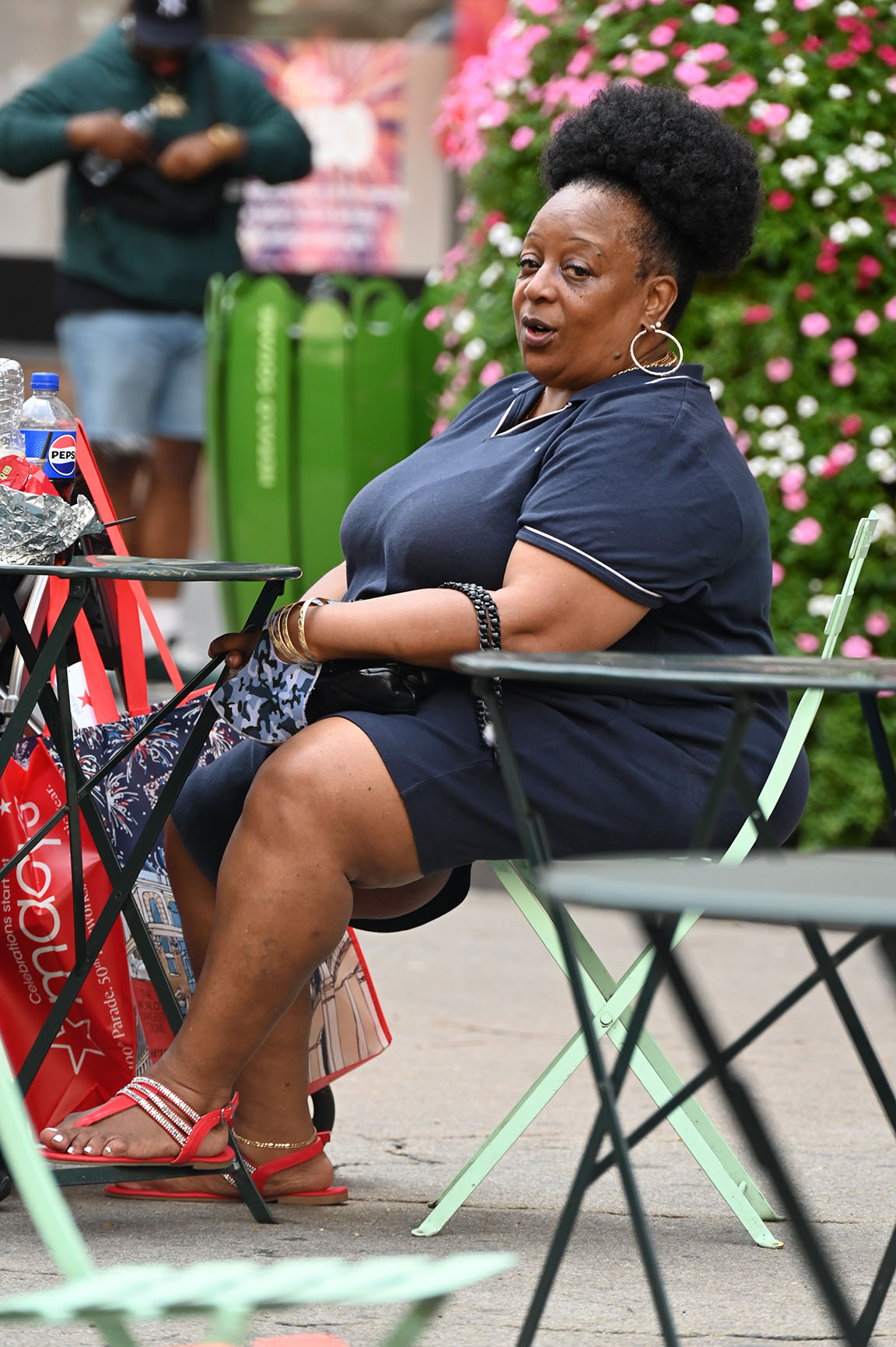
Manhattan has always been a city best read at pavement level. Twenty‑five years on from 9/11 – and 45 years since I first lived there for 4 months in 1981 – its streets still hum with that unmistakable New York vibrancy.
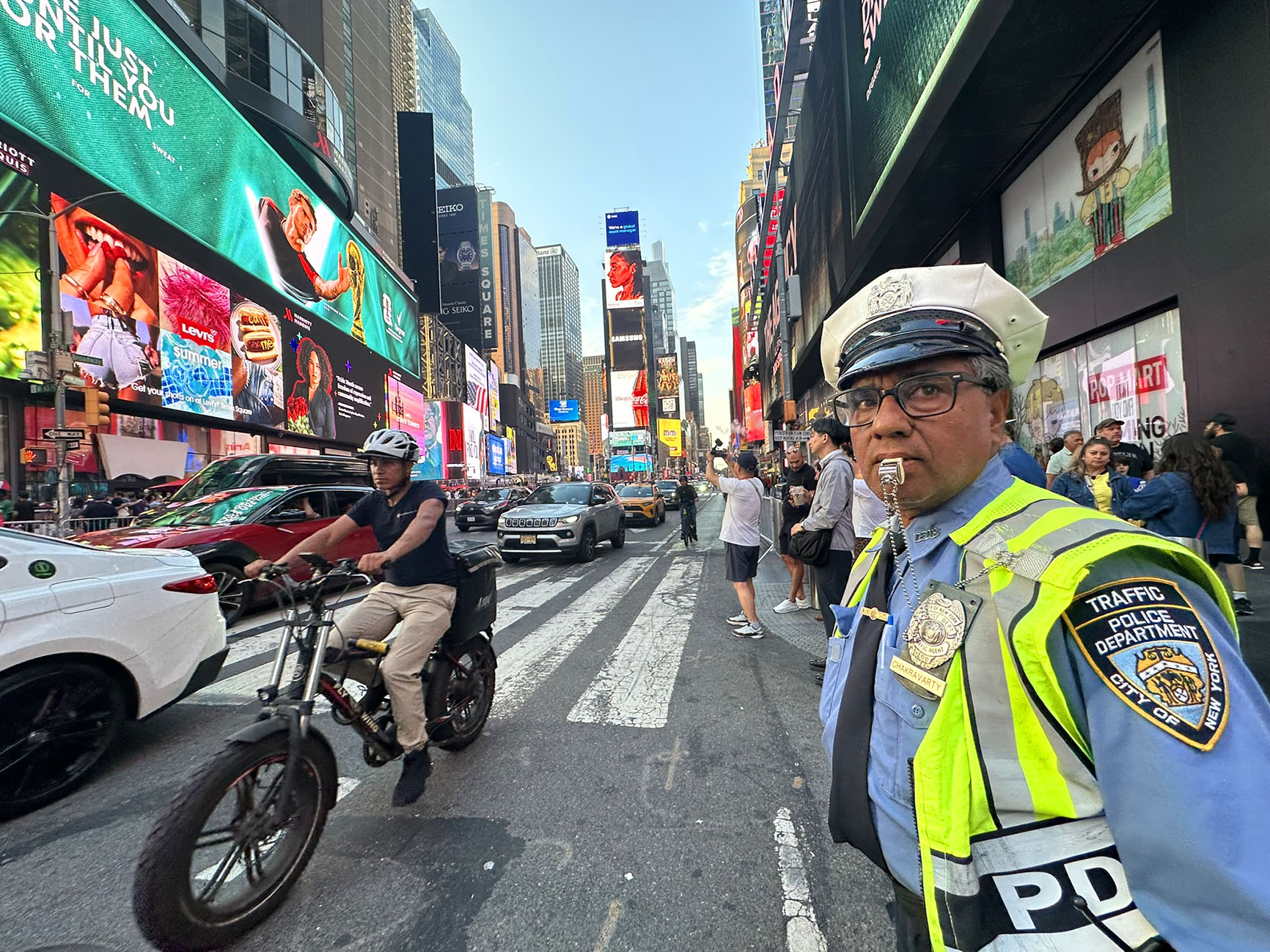
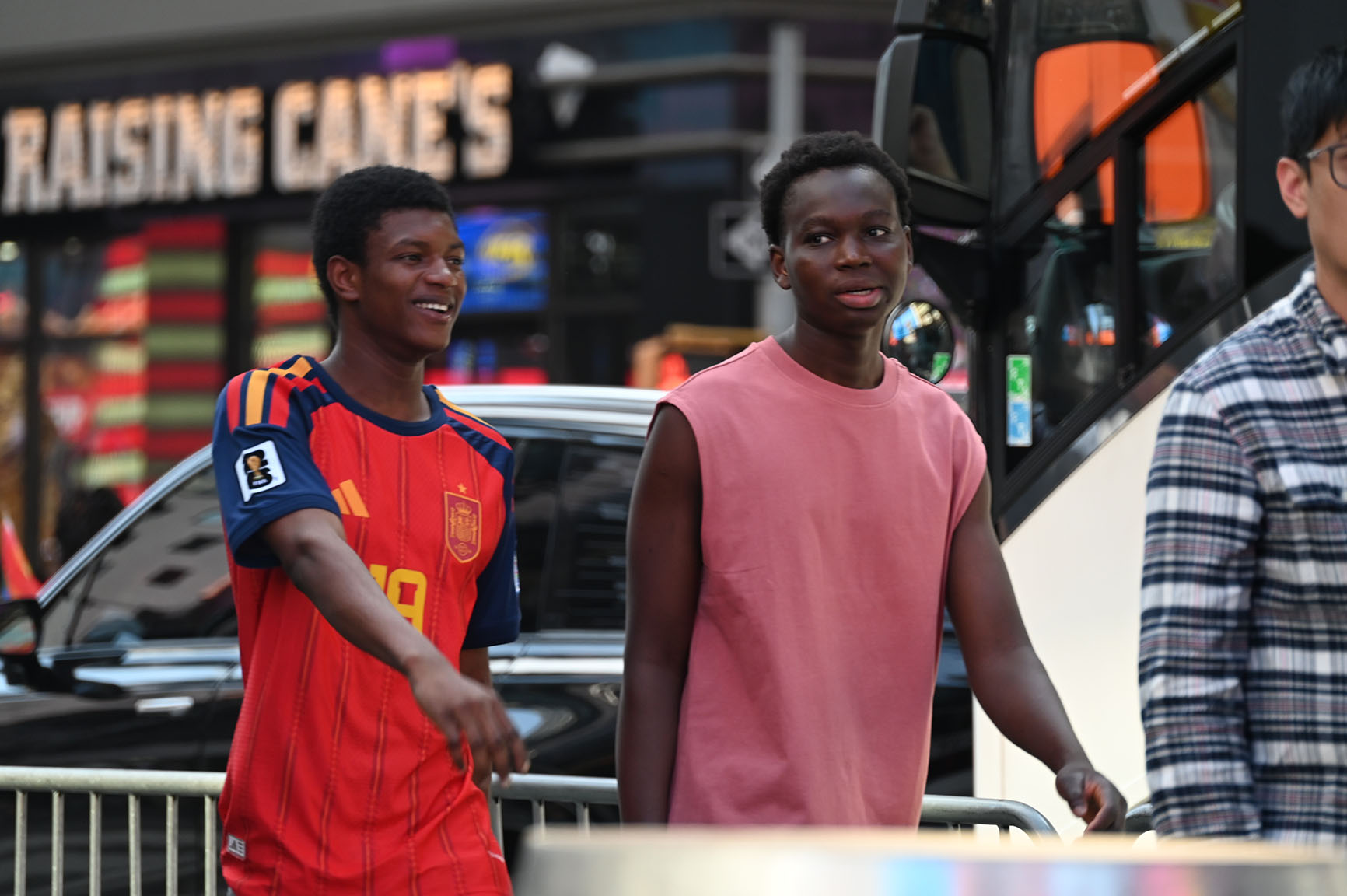
Offering a thrilling blend of pace, personality and multi‑cultural rhythm that seems to rise from the streets themselves. Walk any avenue, turn any corner, and you feel it: the city’s refusal to stand still, its instinct to gather, rebuild, reinvent and keep moving forward.
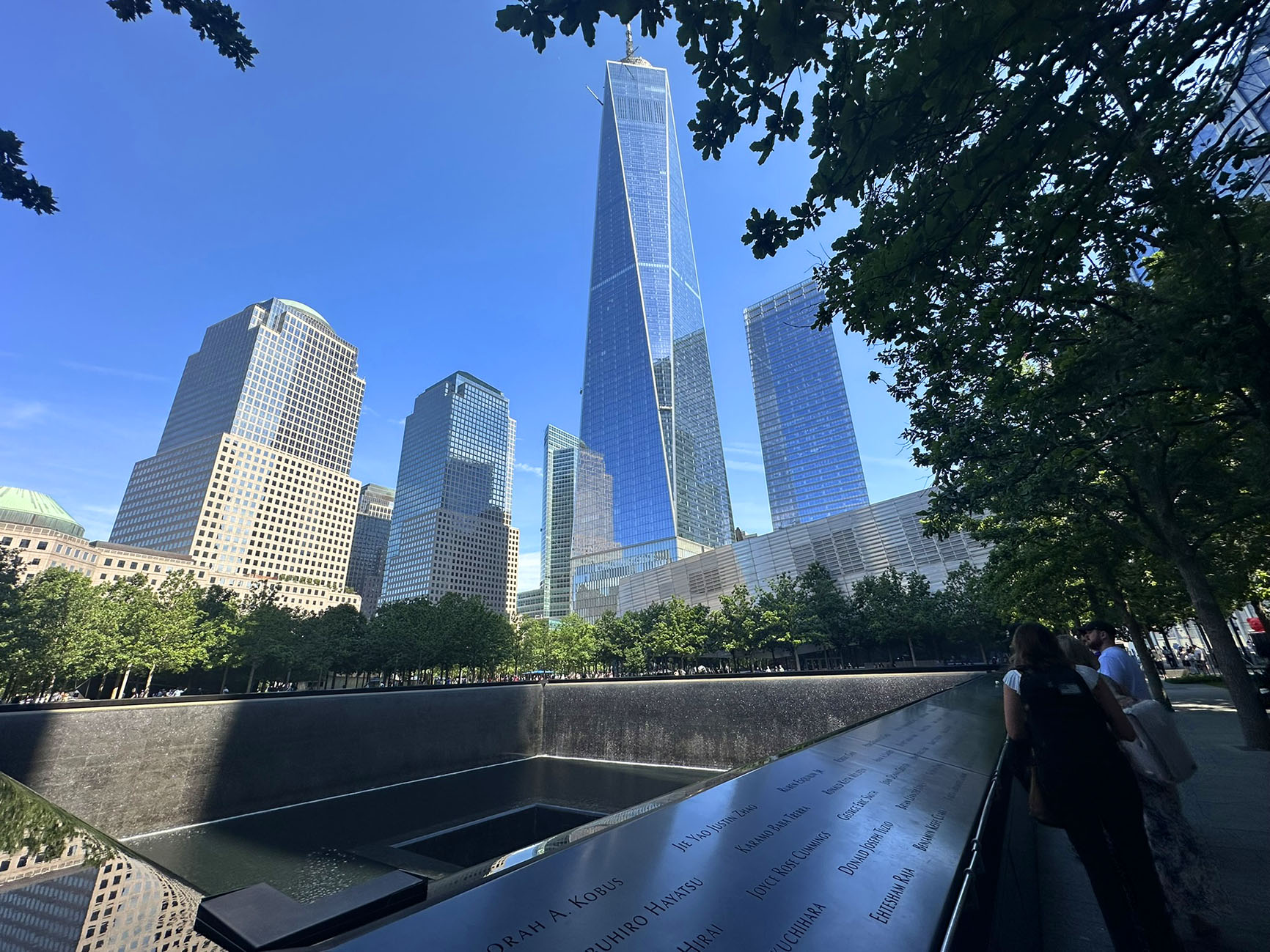
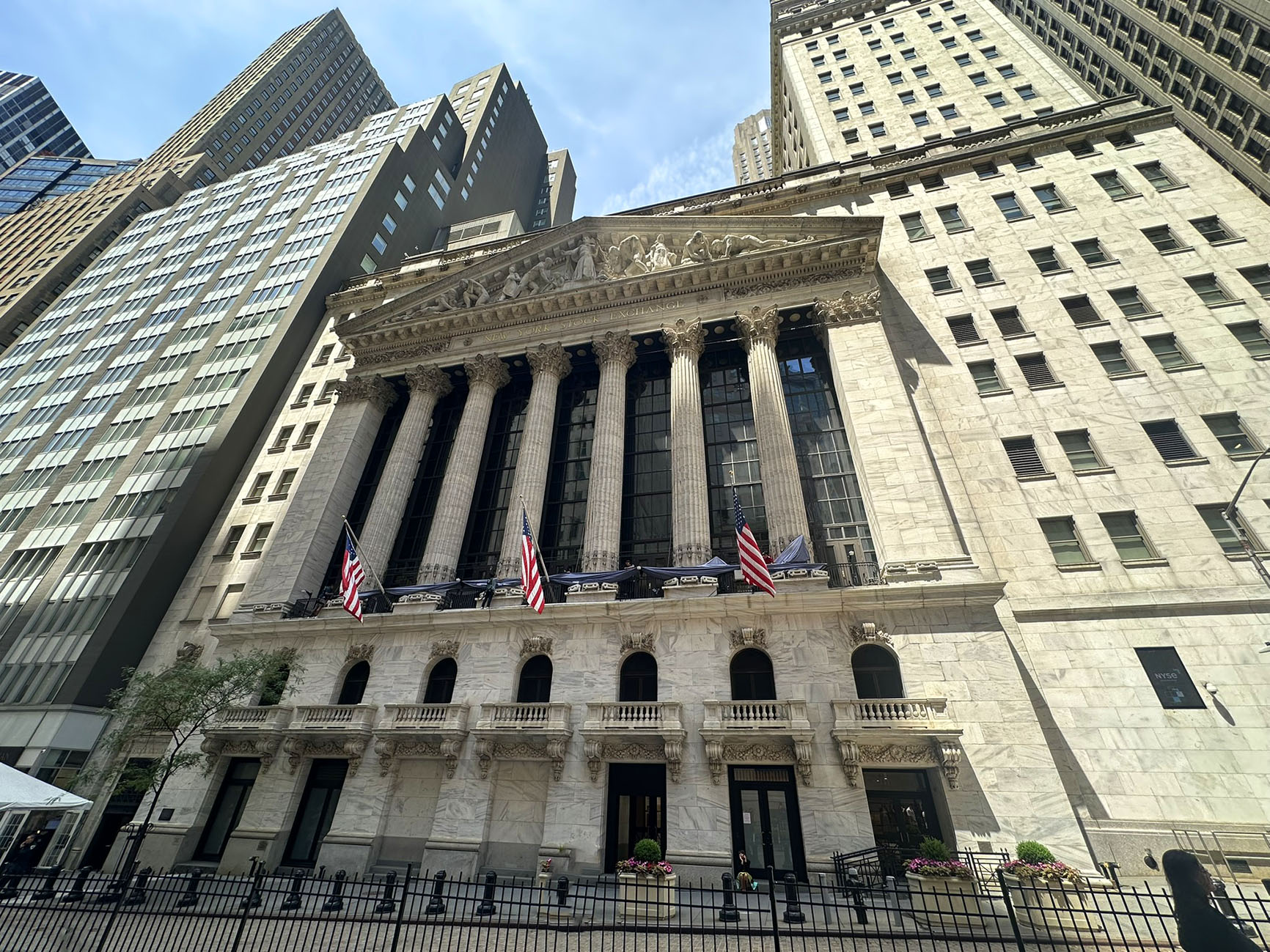
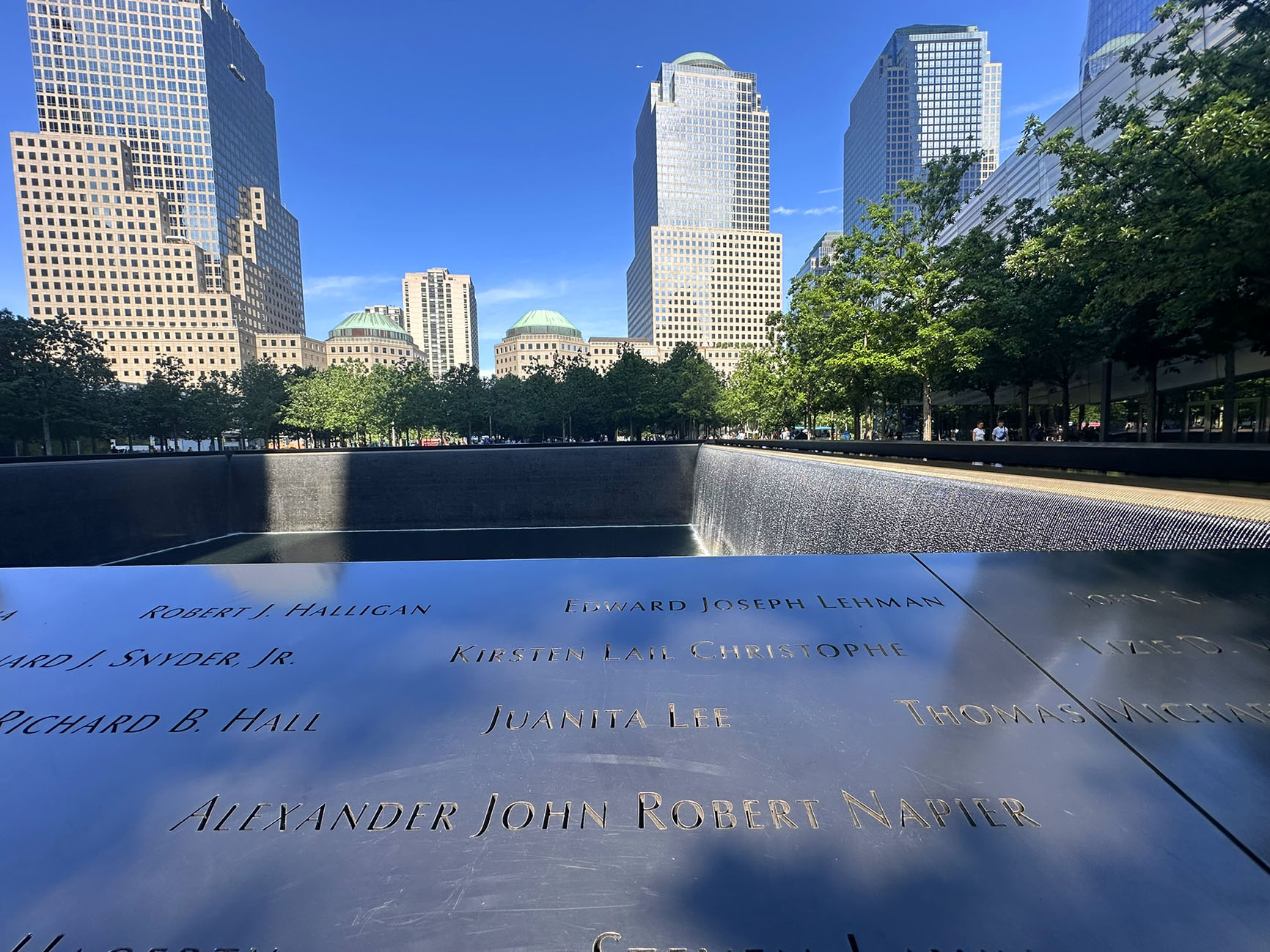
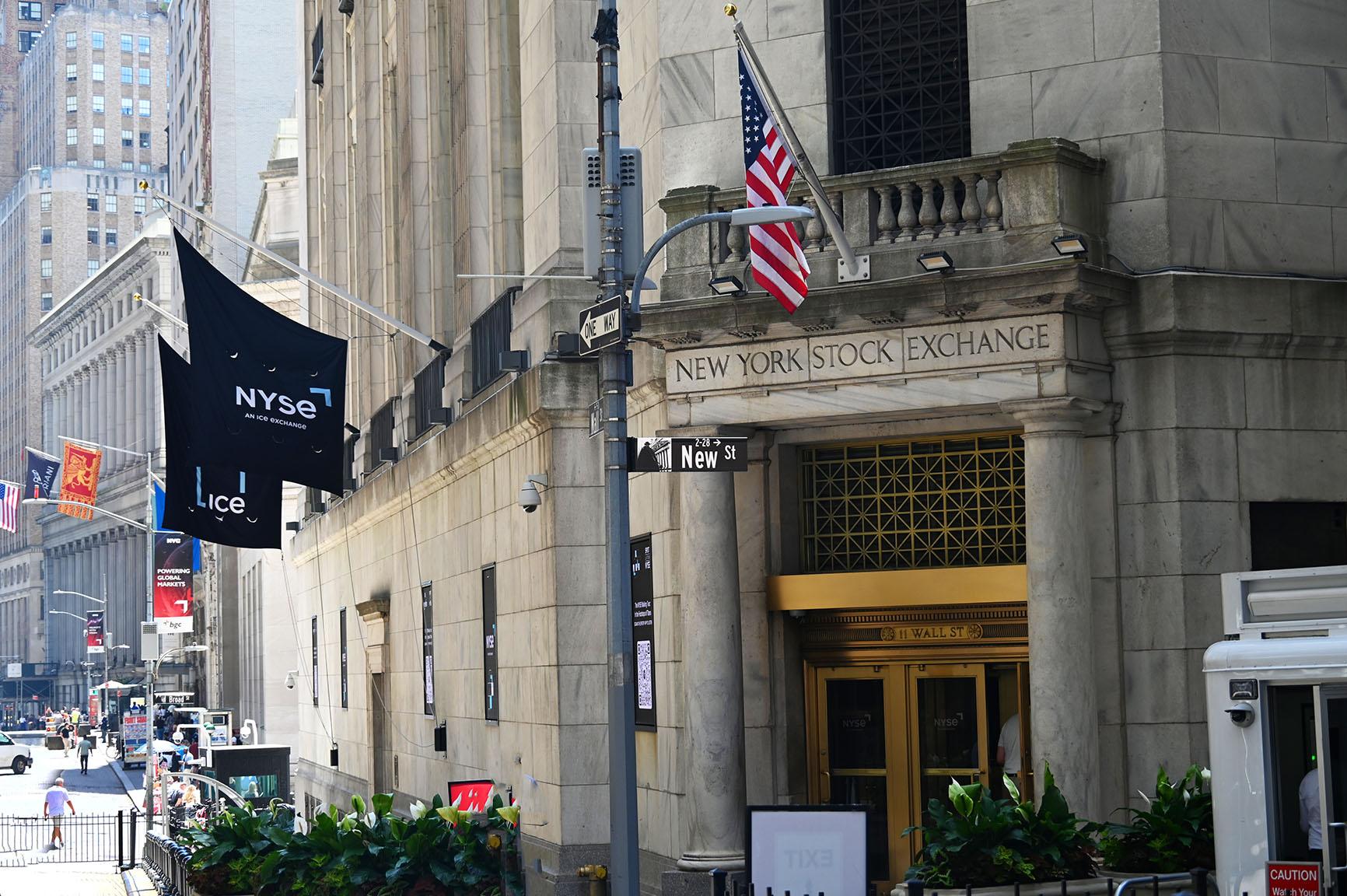
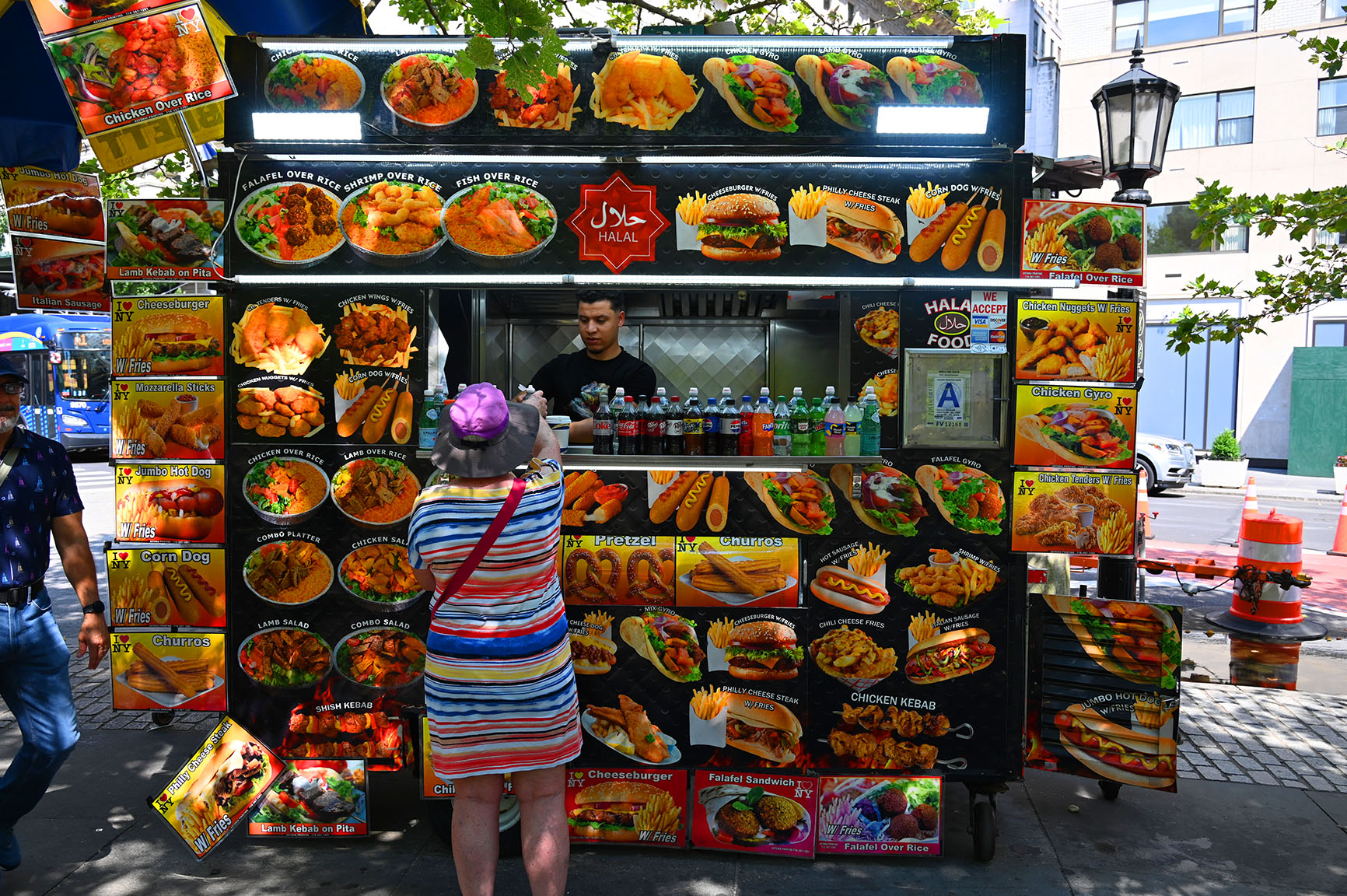
Downtown remains the emotional anchor. Around the 9/11 Memorial, where cascading water softens the memory of unimaginable loss, the surrounding streets feel defiantly alive. Office workers stream towards the Financial District, food vendors serve queues of regulars, and visitors pause to absorb the quiet dignity of the site.
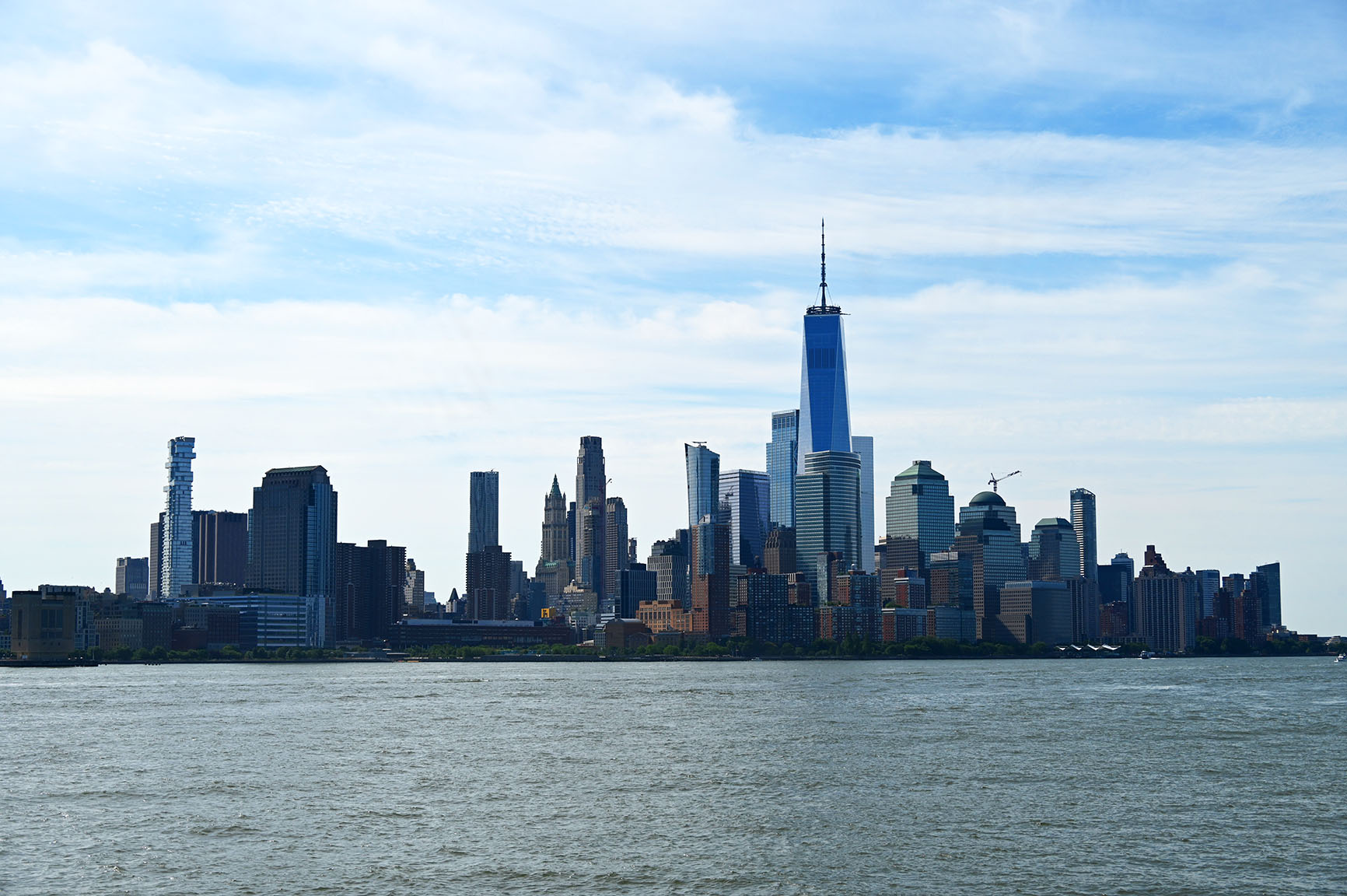
Freedom Tower rises above it all – a modern lookout – but it’s the people at ground level who give the area its pulse. Having recently re-visited, twenty‑five years on from 9/11, the neighbourhood’s energy feels like the city’s own tribute: a daily, lived‑in reminder that New York’s spirit endures.
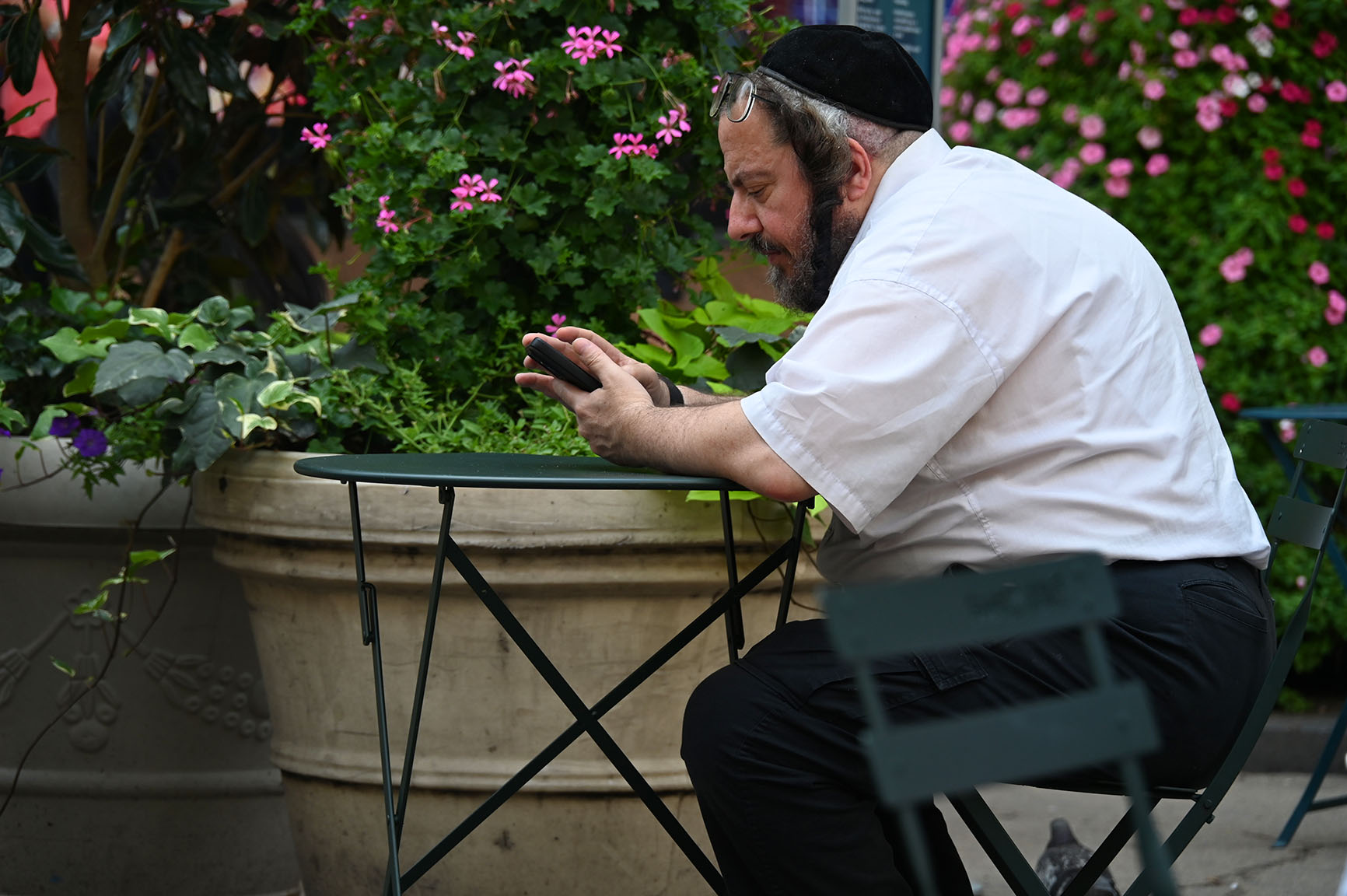
Head north and the mood shifts, as Manhattan always does. Greenwich Village still carries its bohemian heartbeat – stoops draped in ivy, jazz notes drifting from basement bars, independent cafés serving regulars who have been arguing about politics, poetry and pizza toppings for decades. The Village’s multi‑cultural tapestry remains one of the city’s great constants: students, artists, long‑time locals and newcomers sharing the same narrow streets, each adding a thread to the neighbourhood’s character.
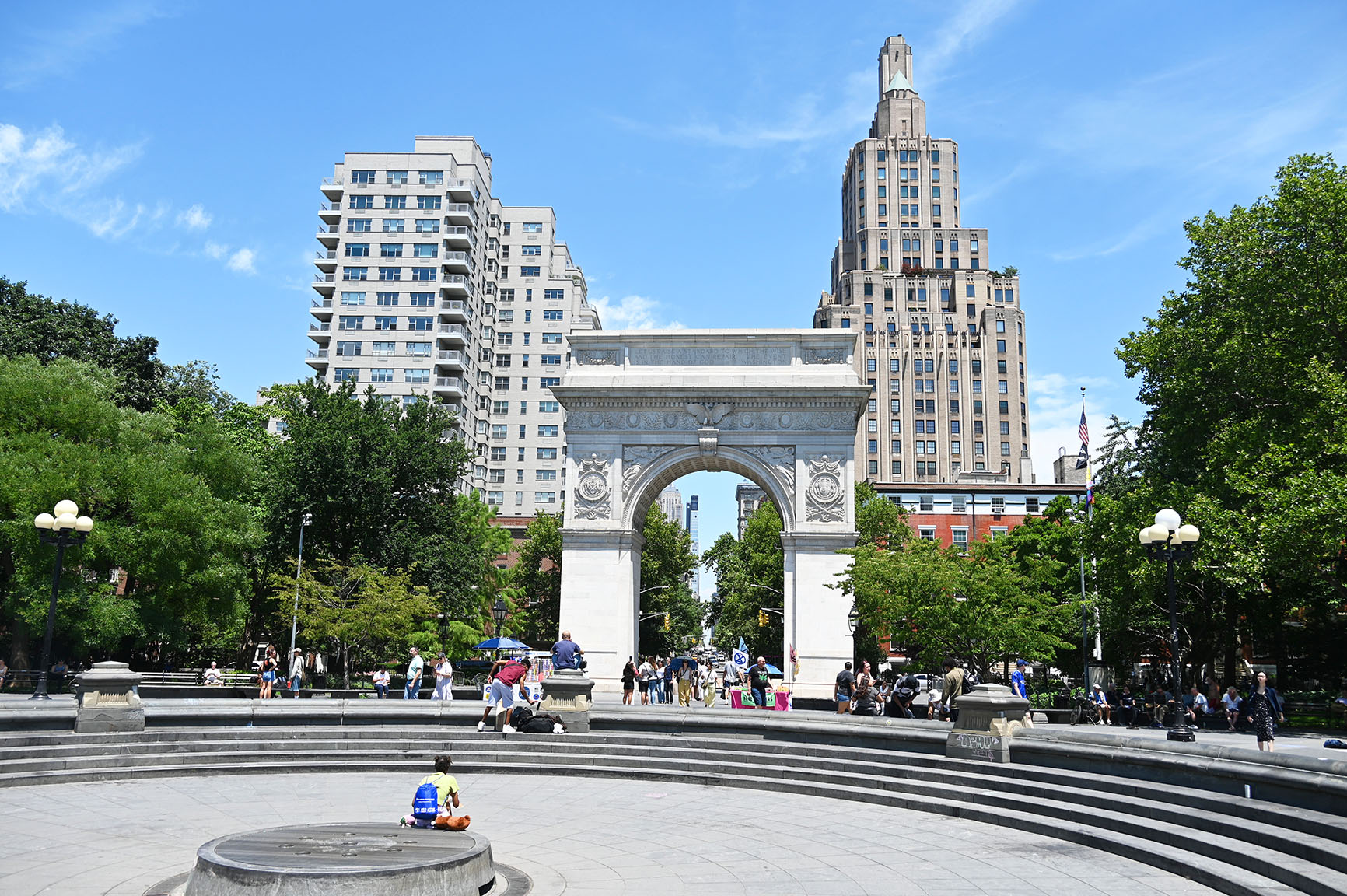
Washington Square Park, where I was based in 1981, has not changed an iota.
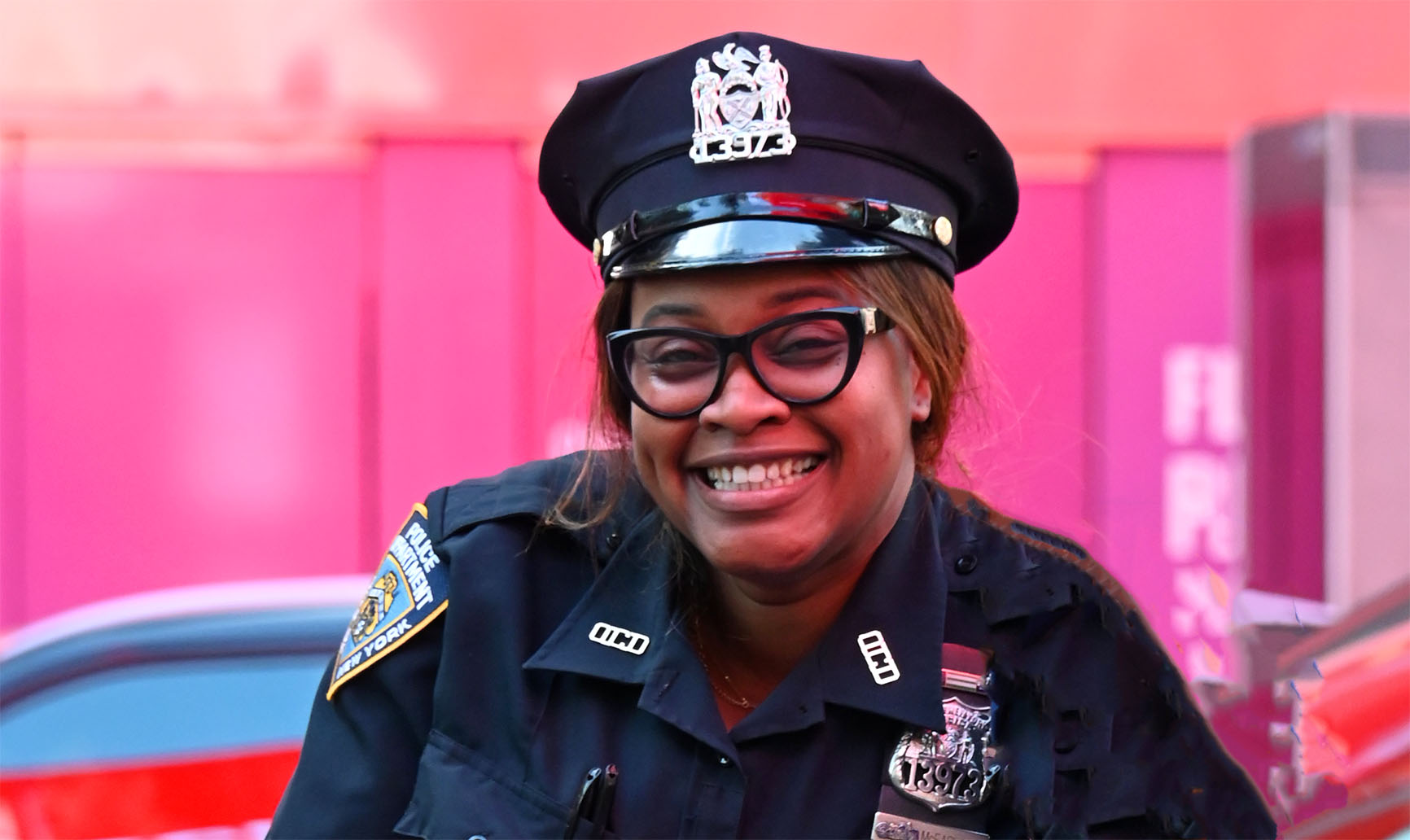
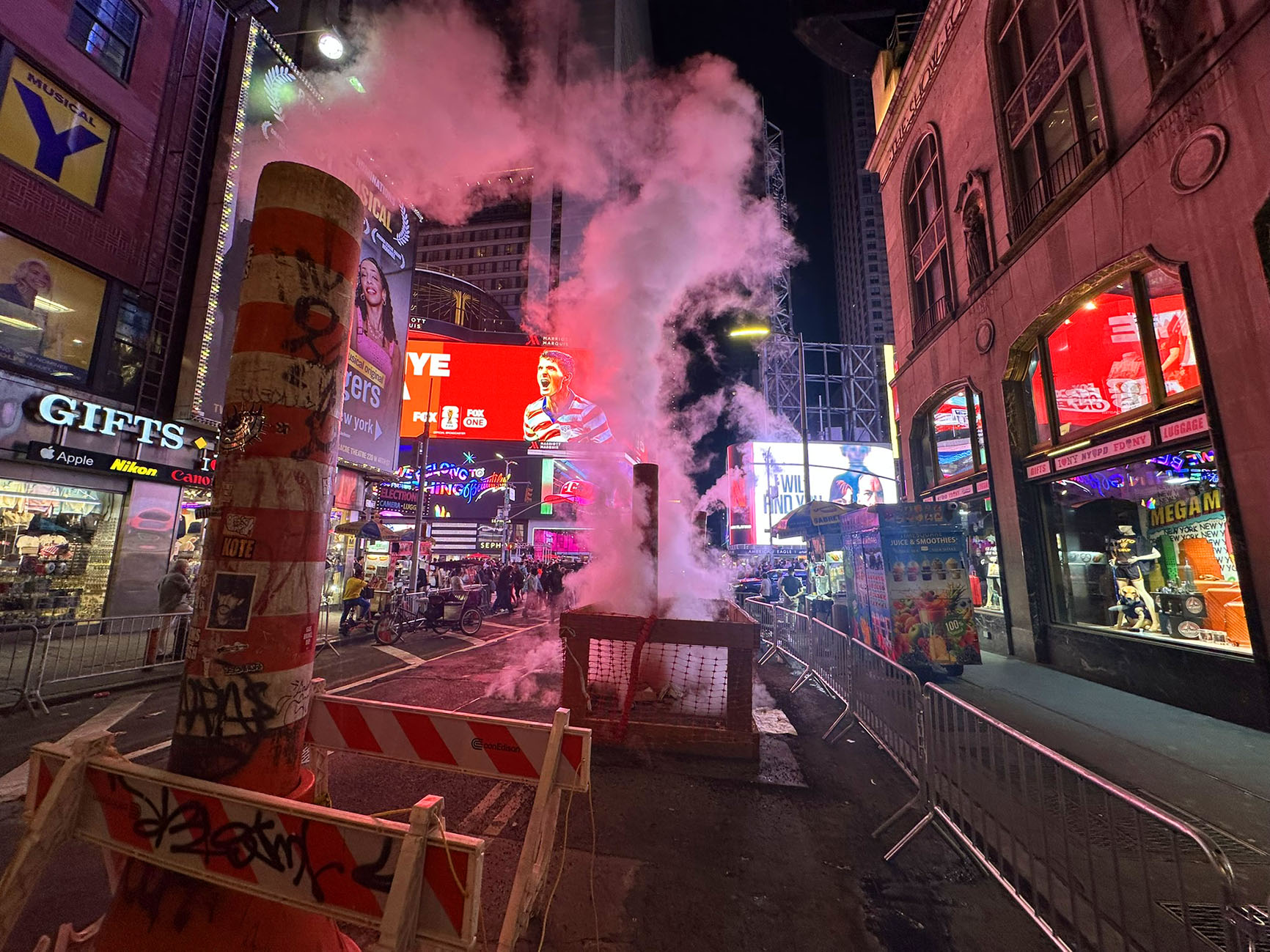
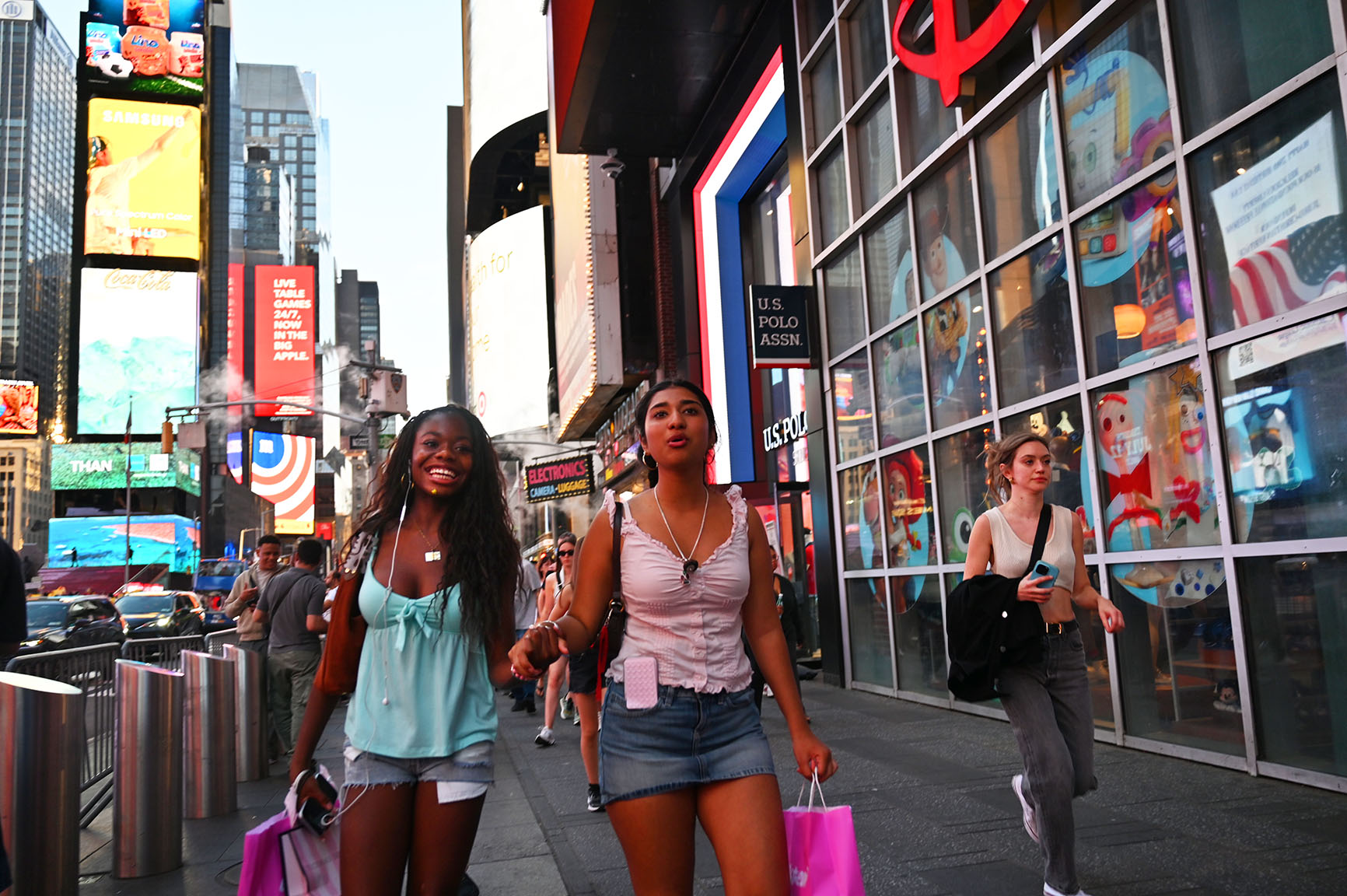
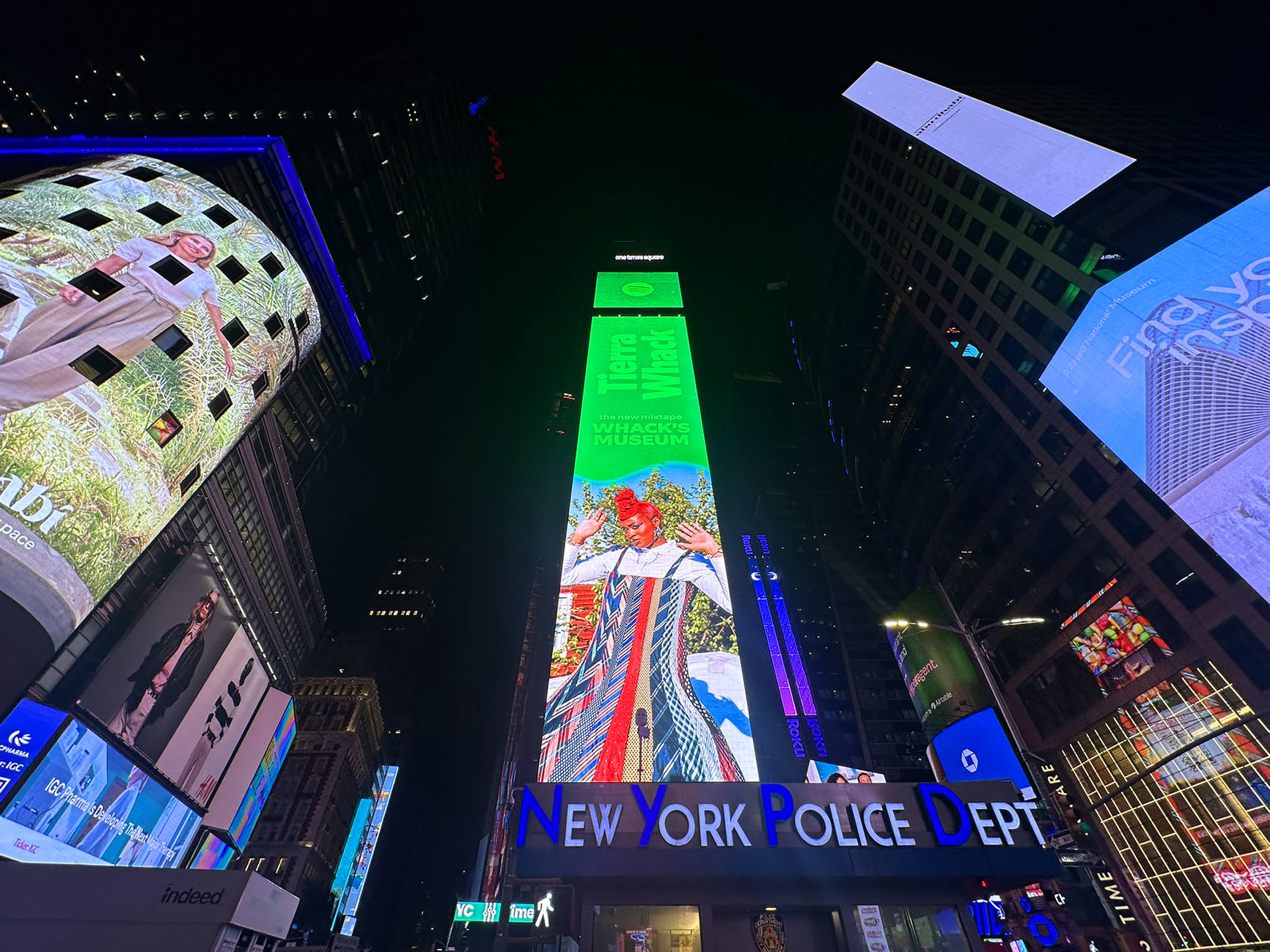
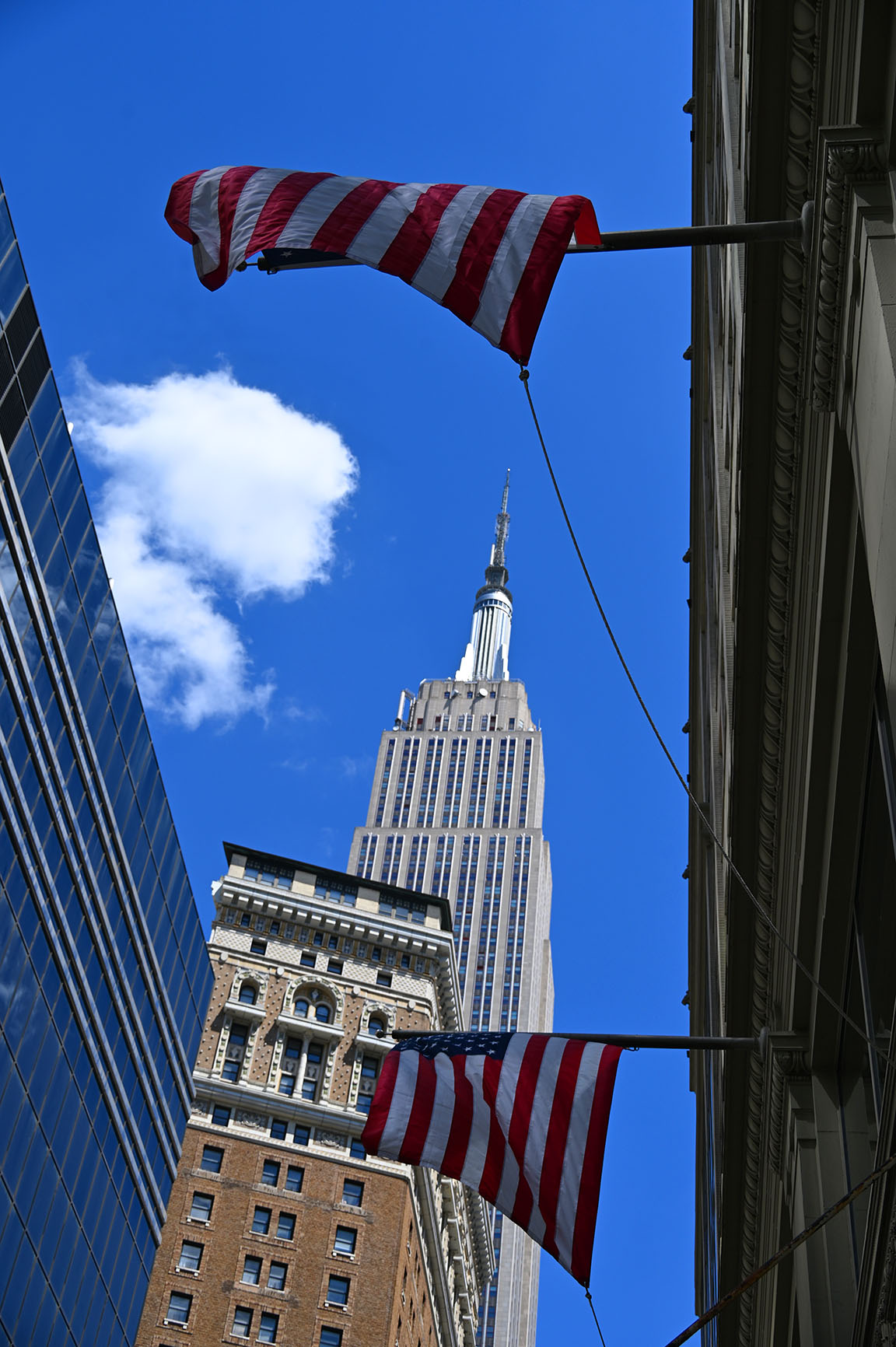
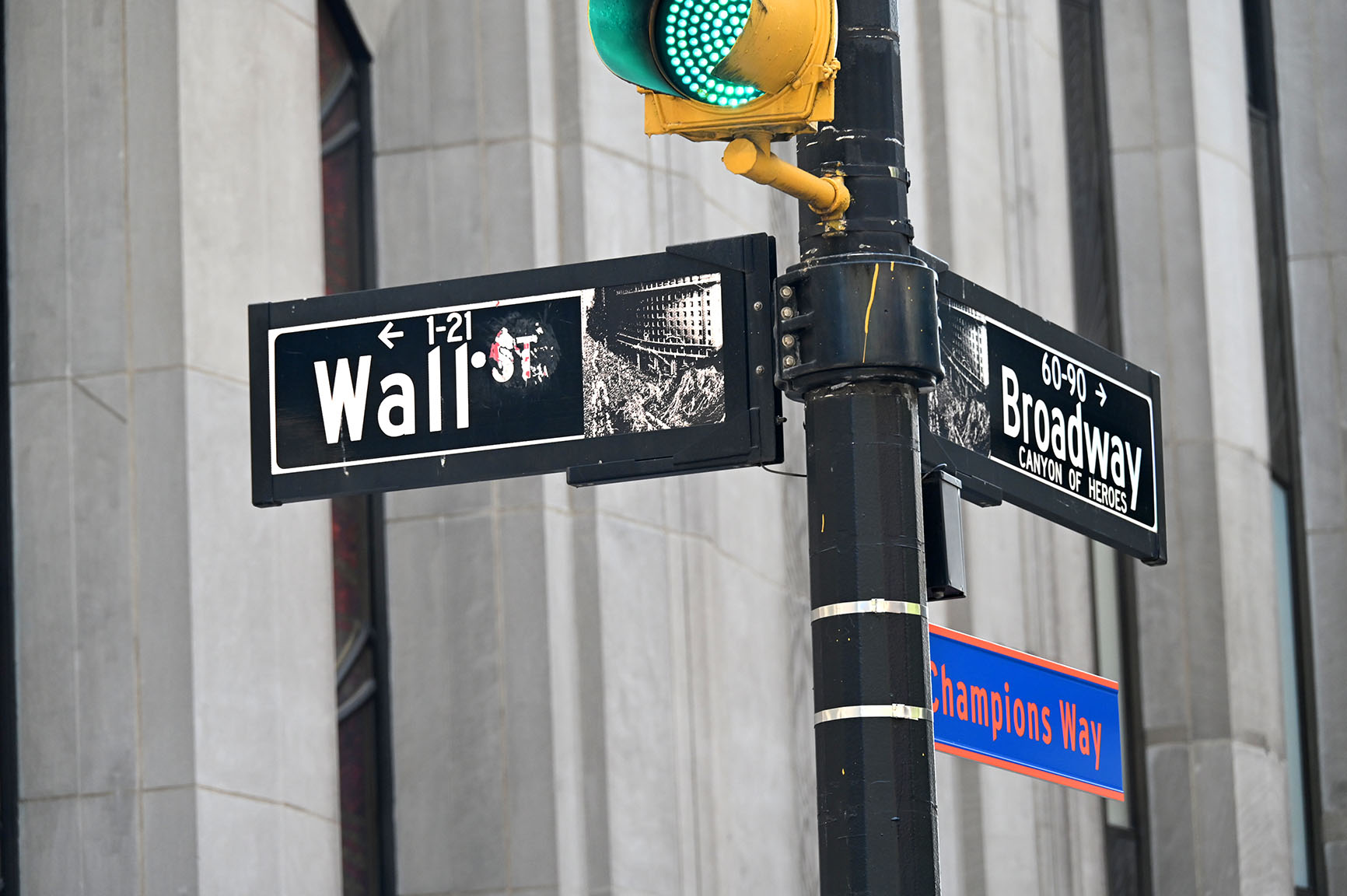
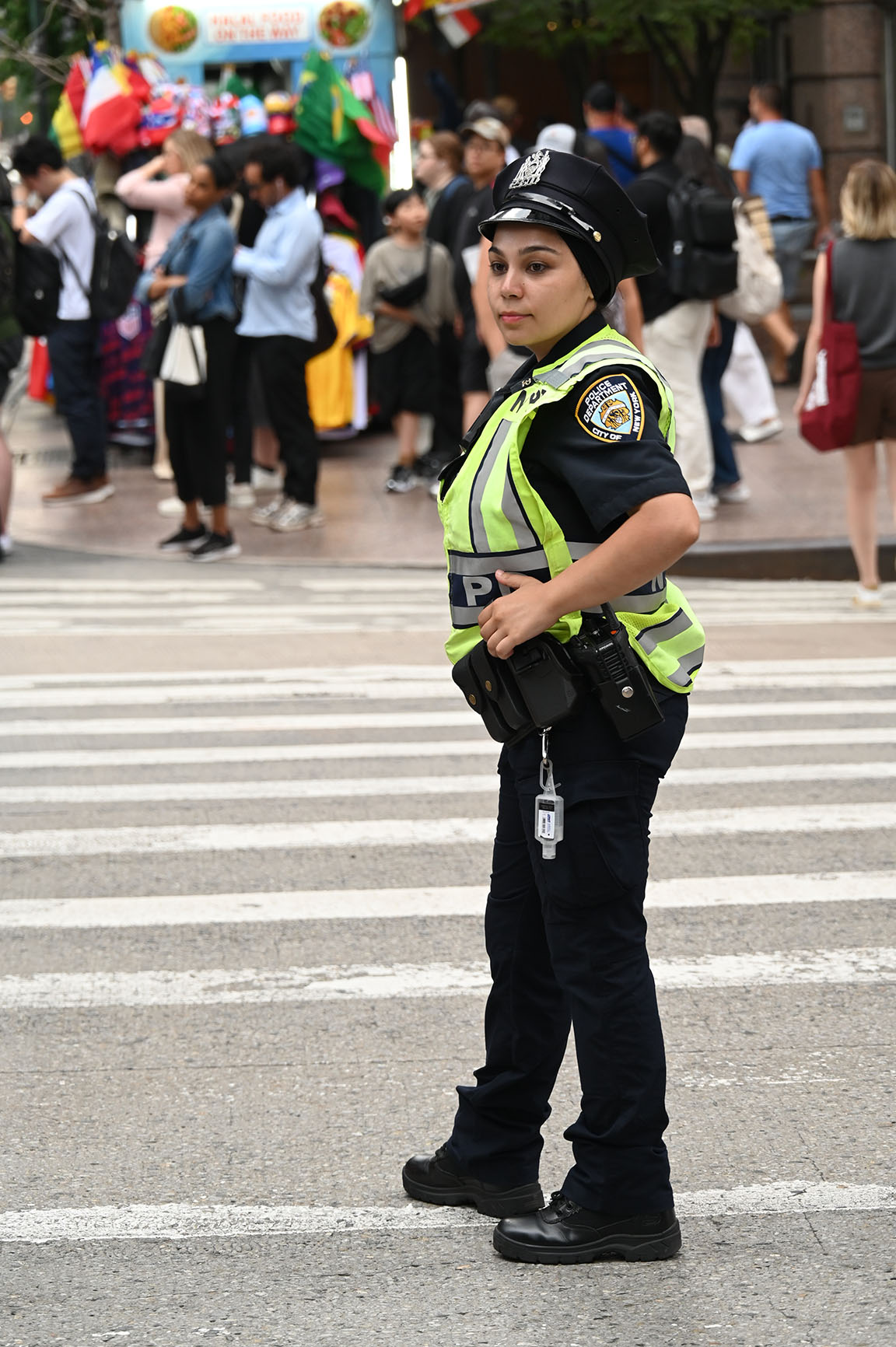
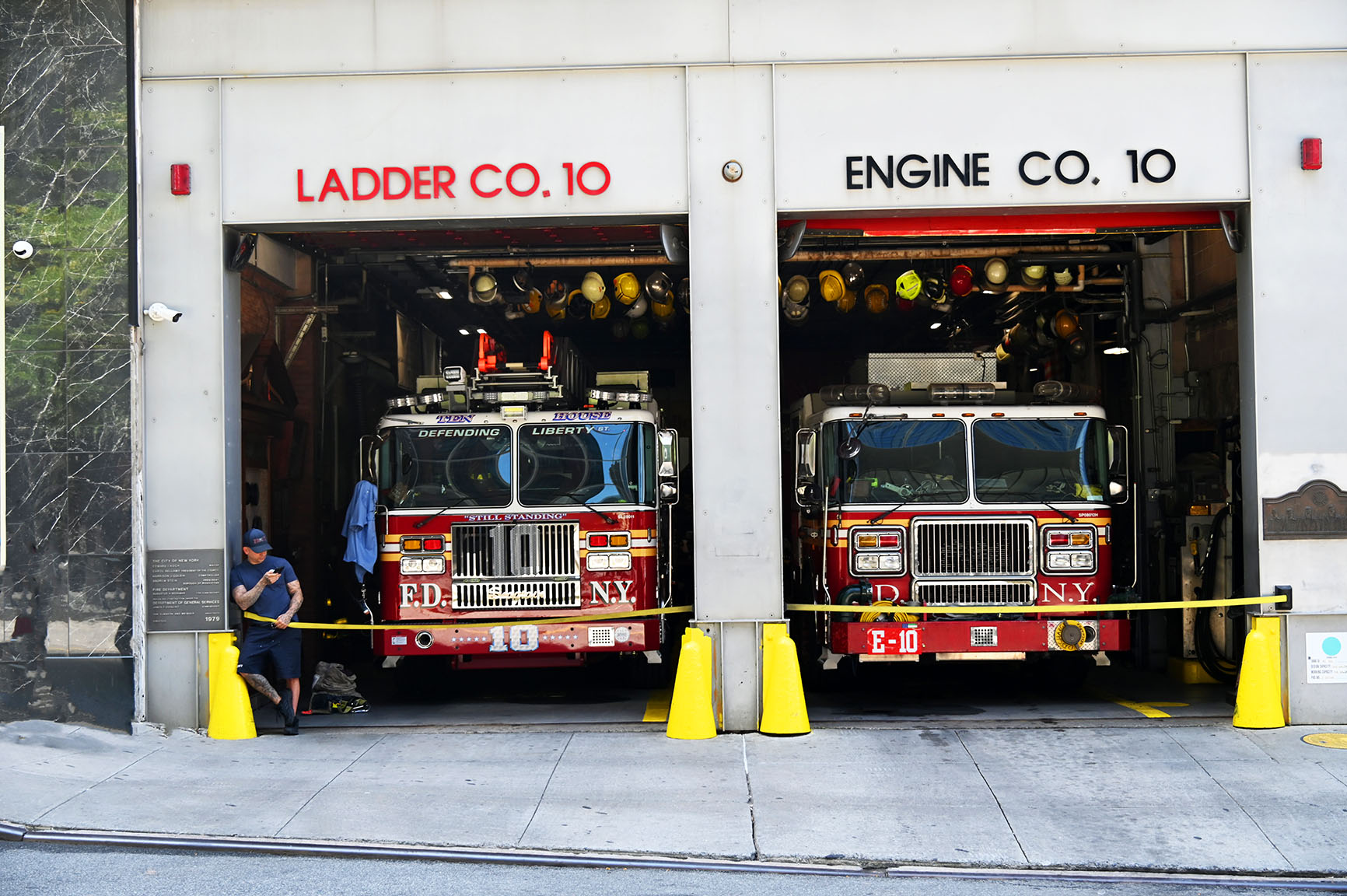
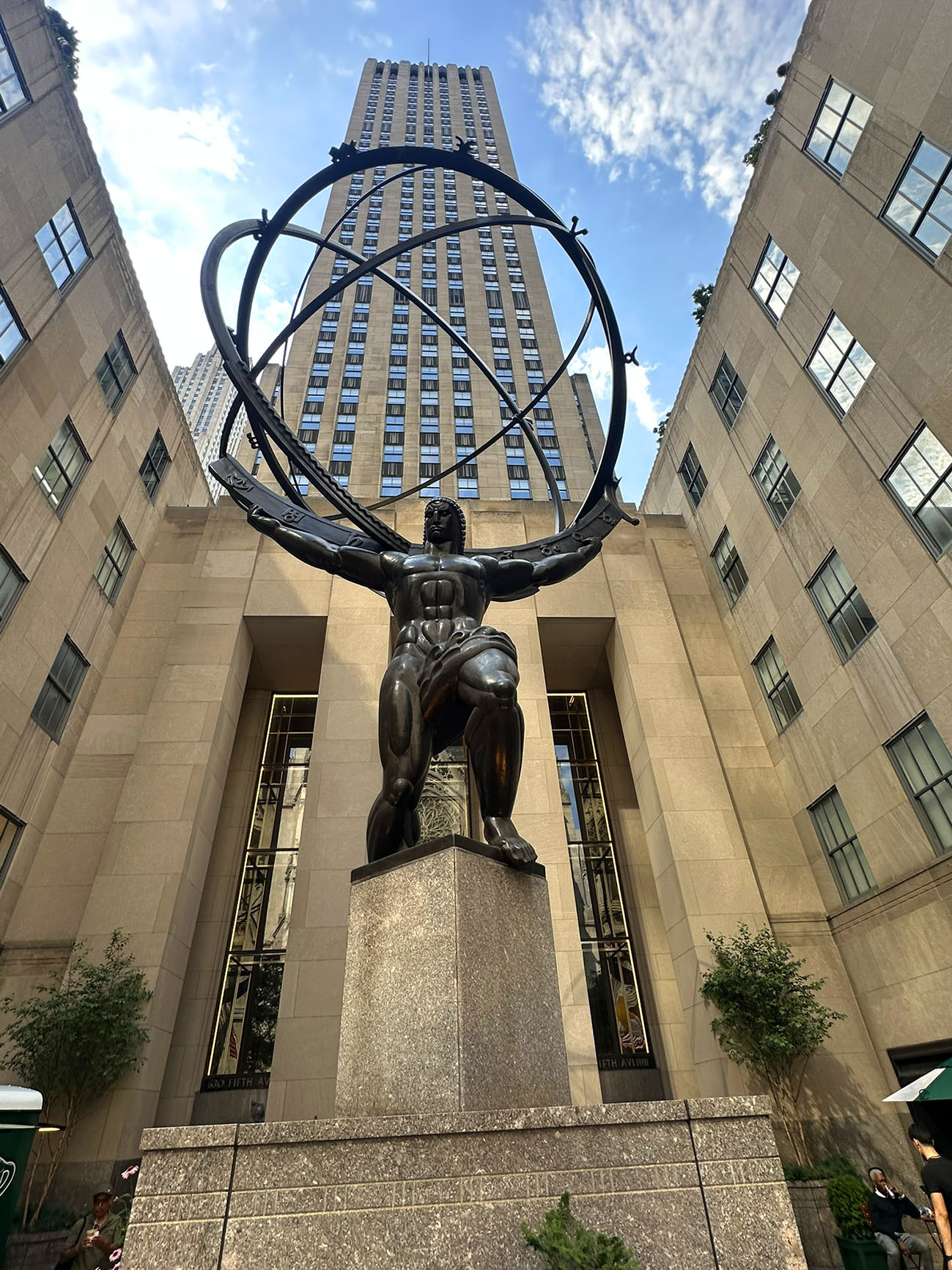
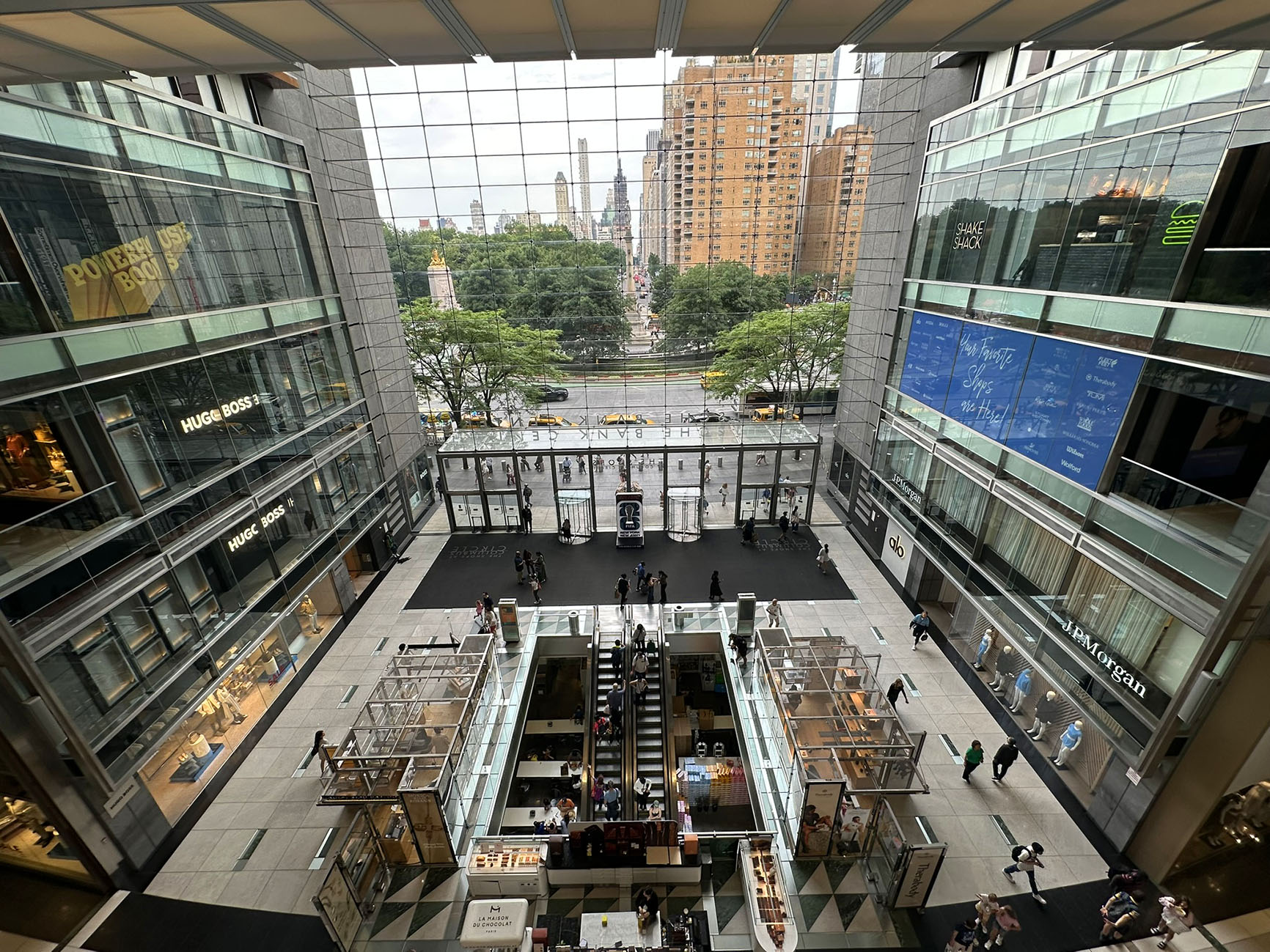
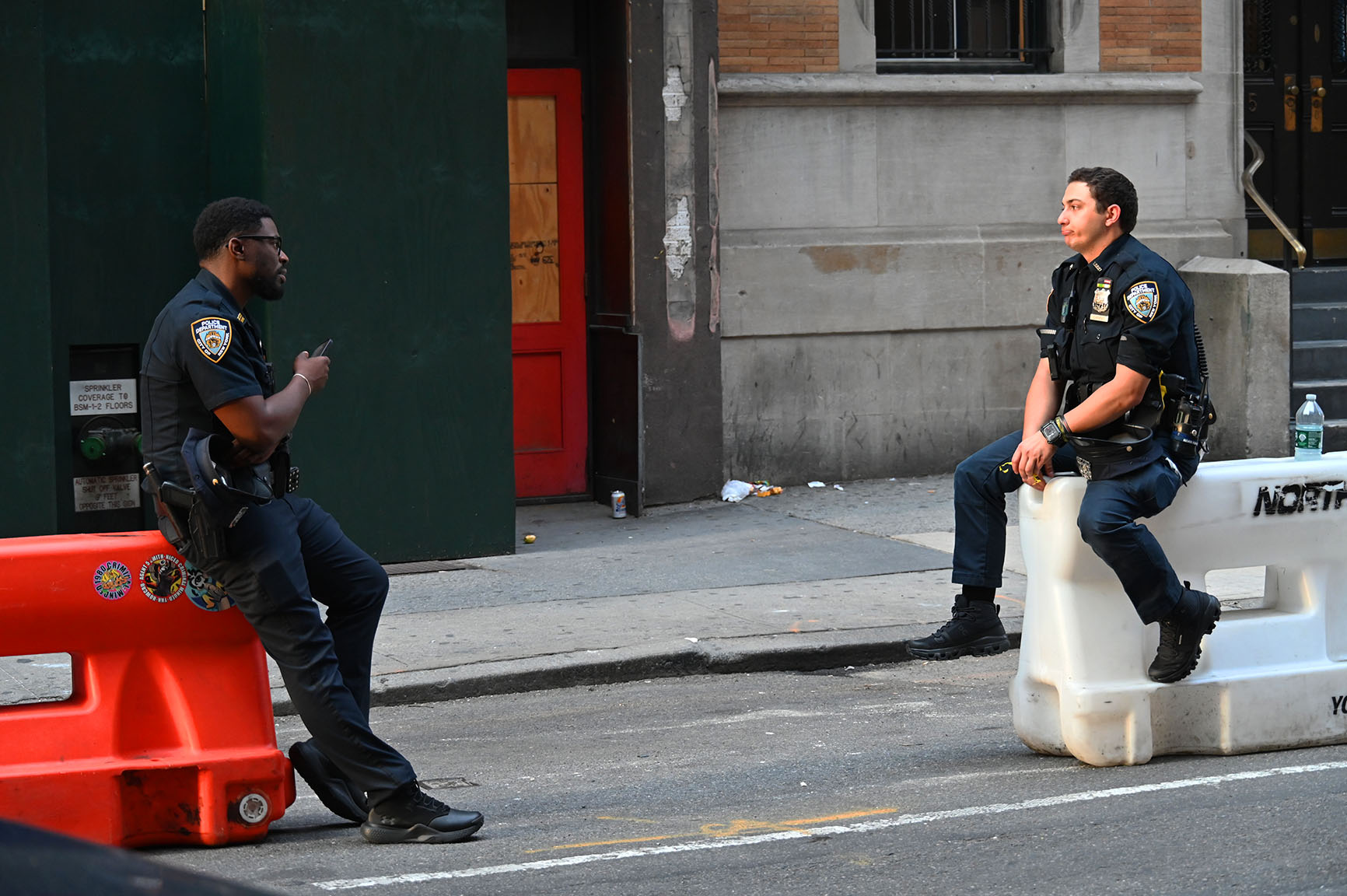
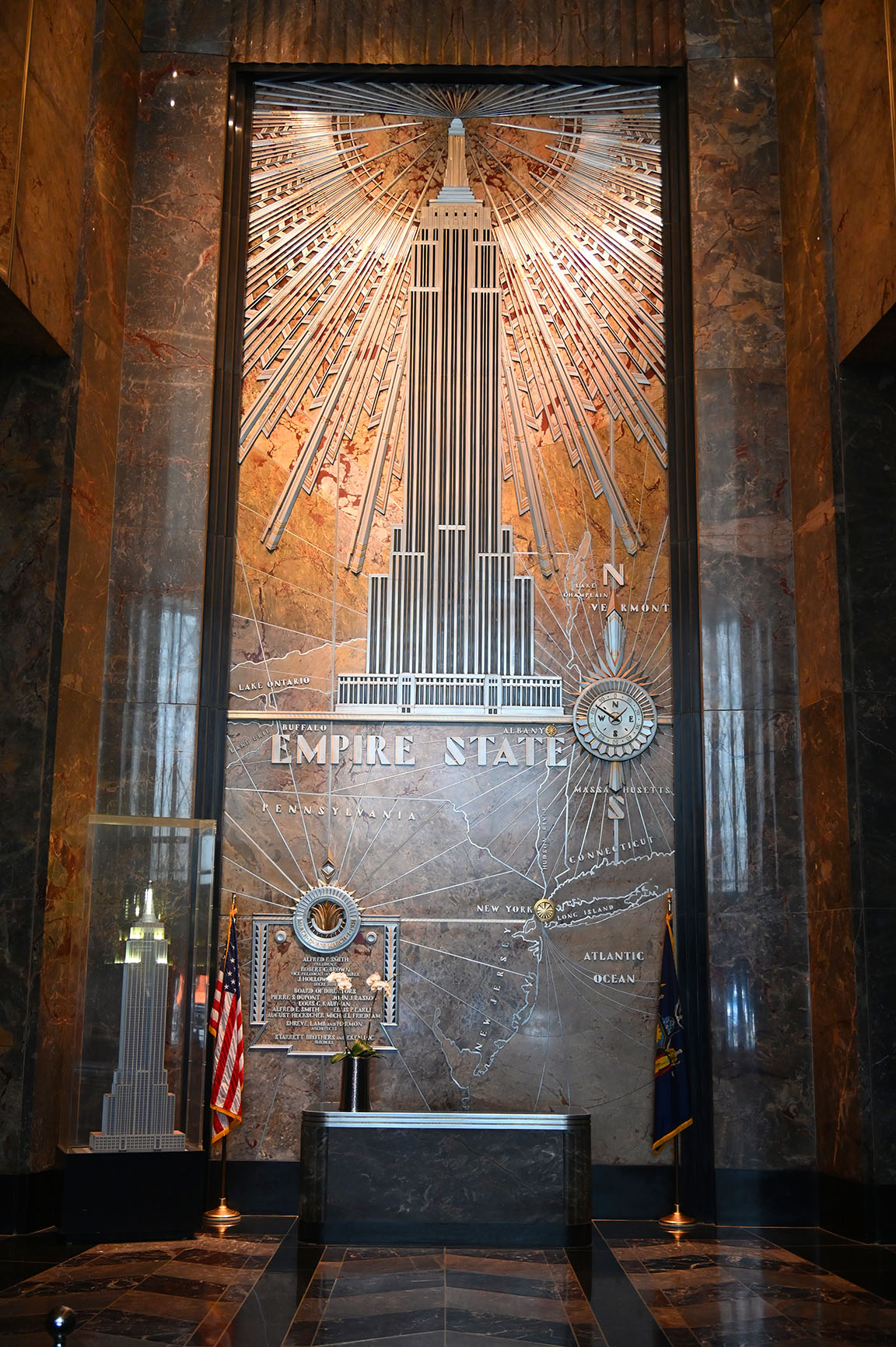
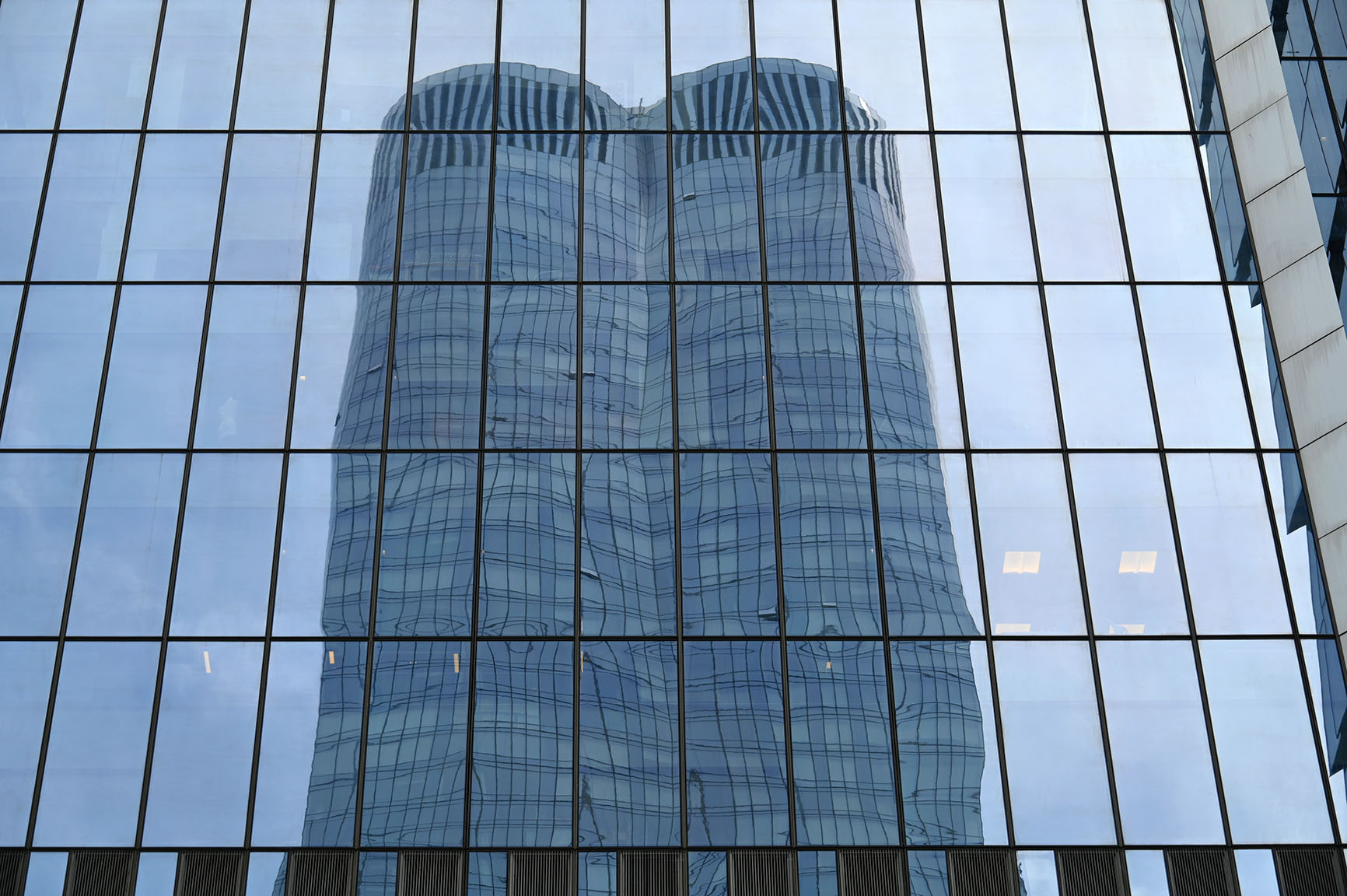
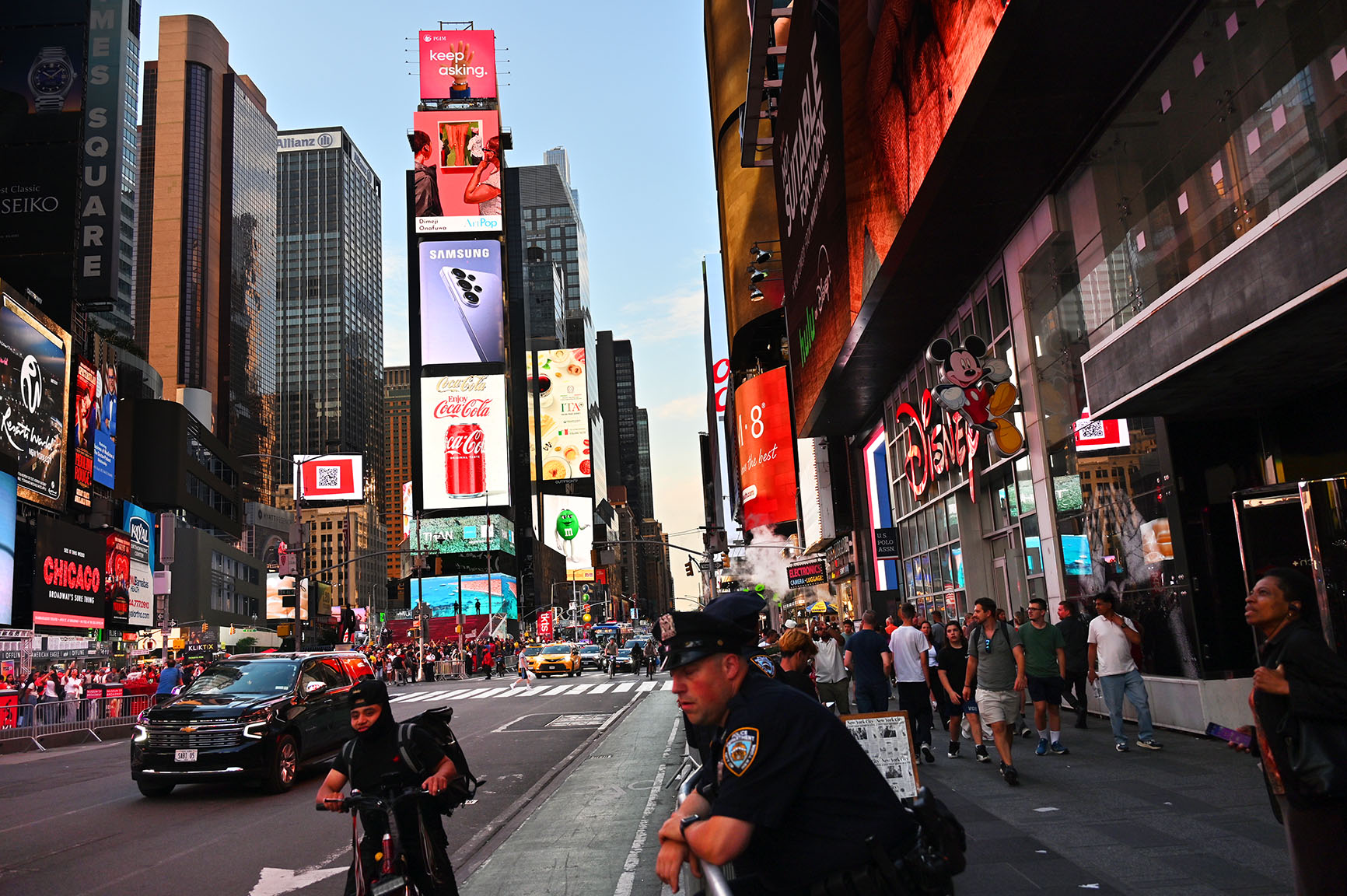
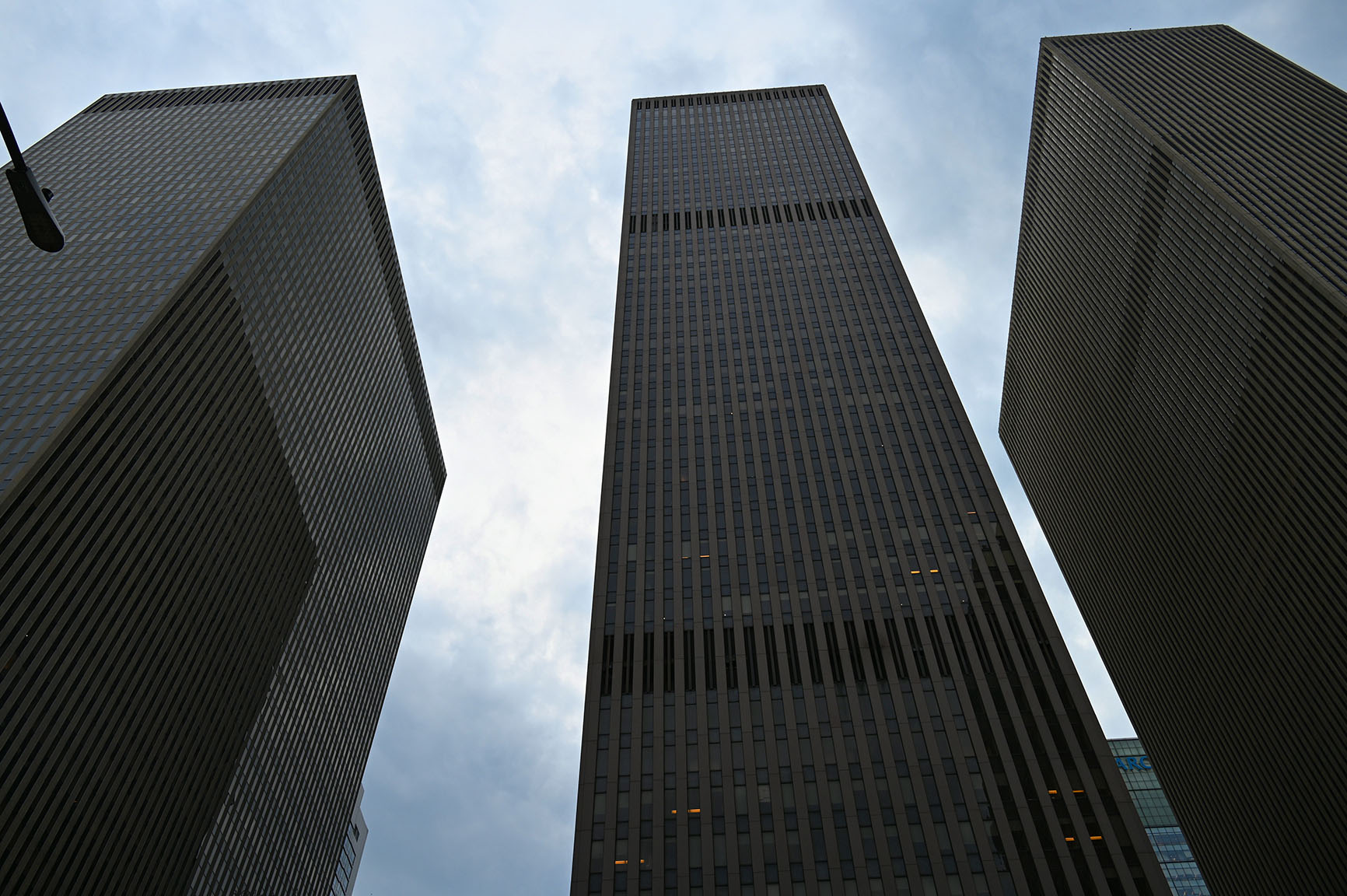
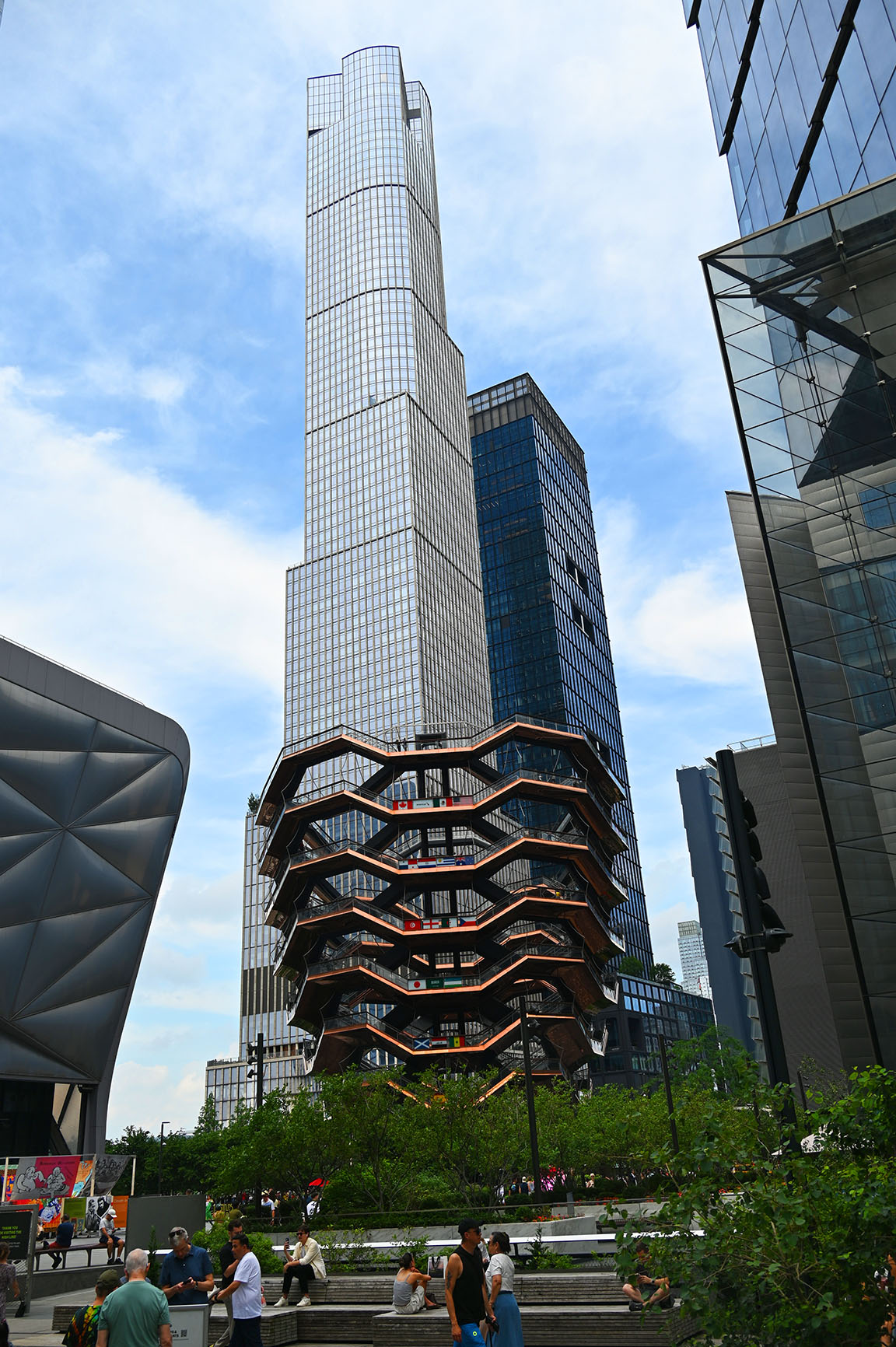
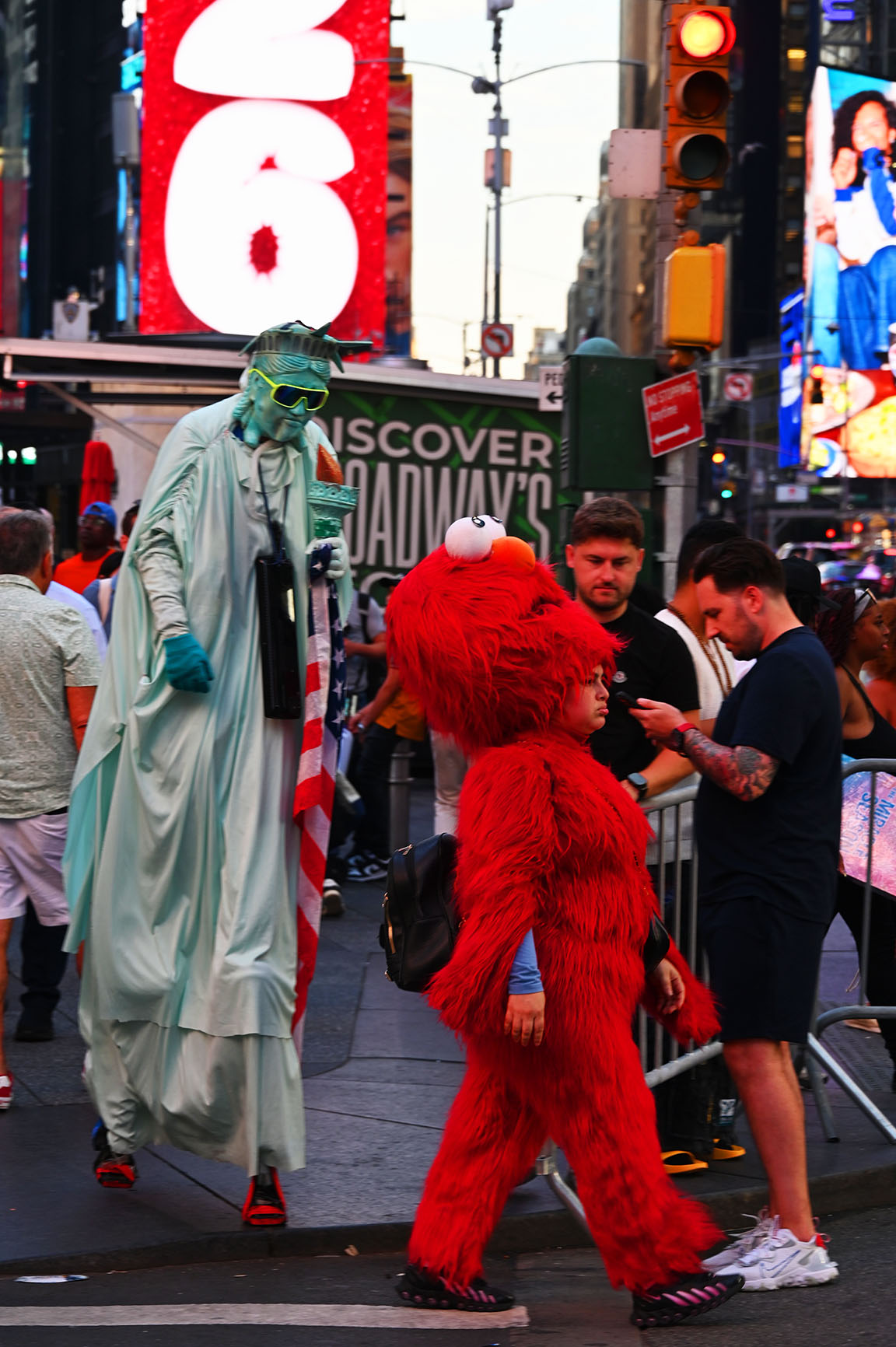
Midtown, by contrast, is pure theatre. Broadway marquees flash their nightly invitation, yellow cabs weave through the grid with balletic precision, and the NYPD and fire service move through the crowds with the familiar authority of institutions woven into the city’s DNA. Skyscrapers rise like exclamation marks, each one a reminder of Manhattan’s architectural ambition.
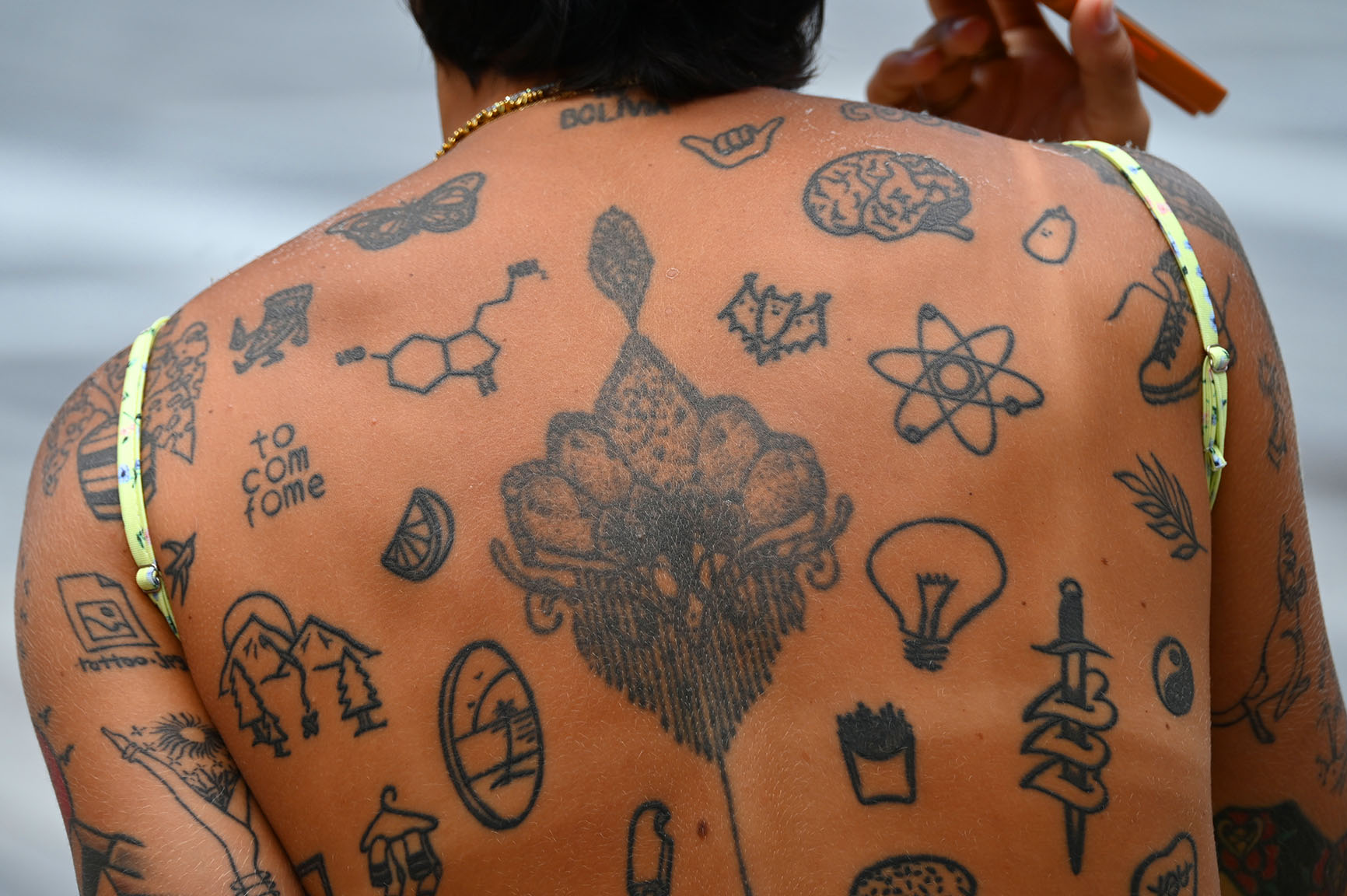
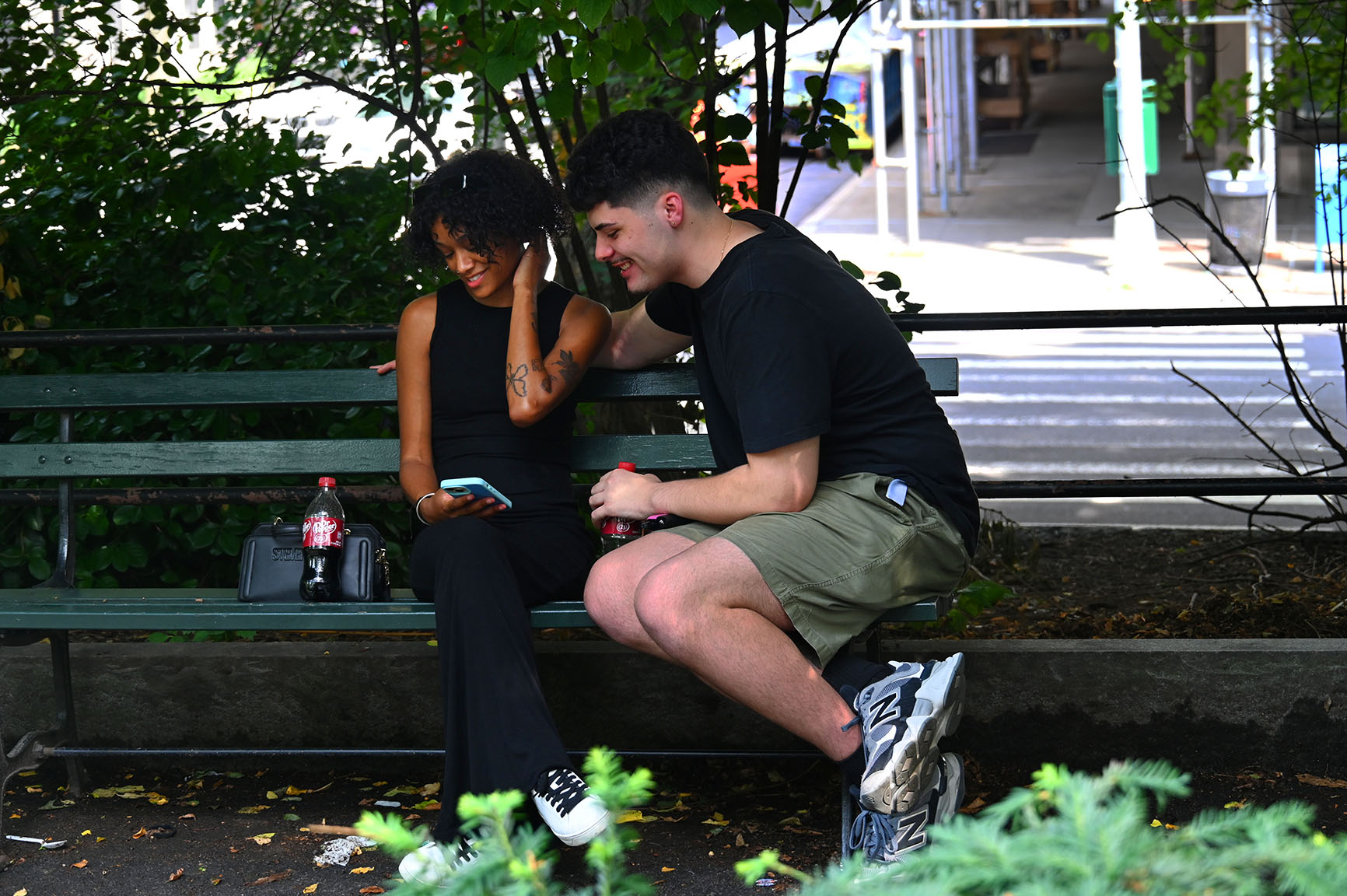
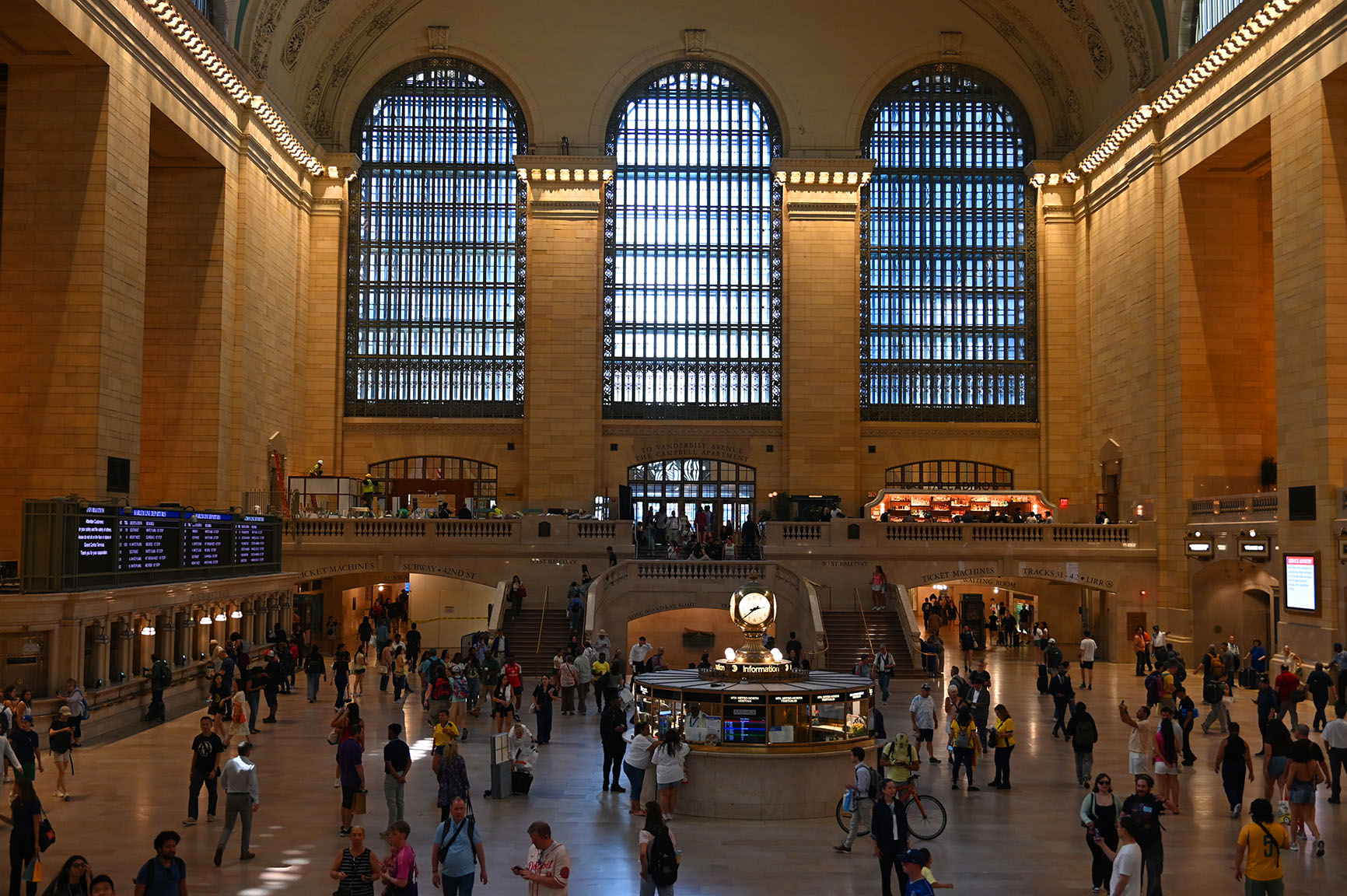
Between them, the street scenes – hot‑dog carts, hurried commuters, tourists craning upwards – create a choreography that feels both chaotic and perfectly timed.
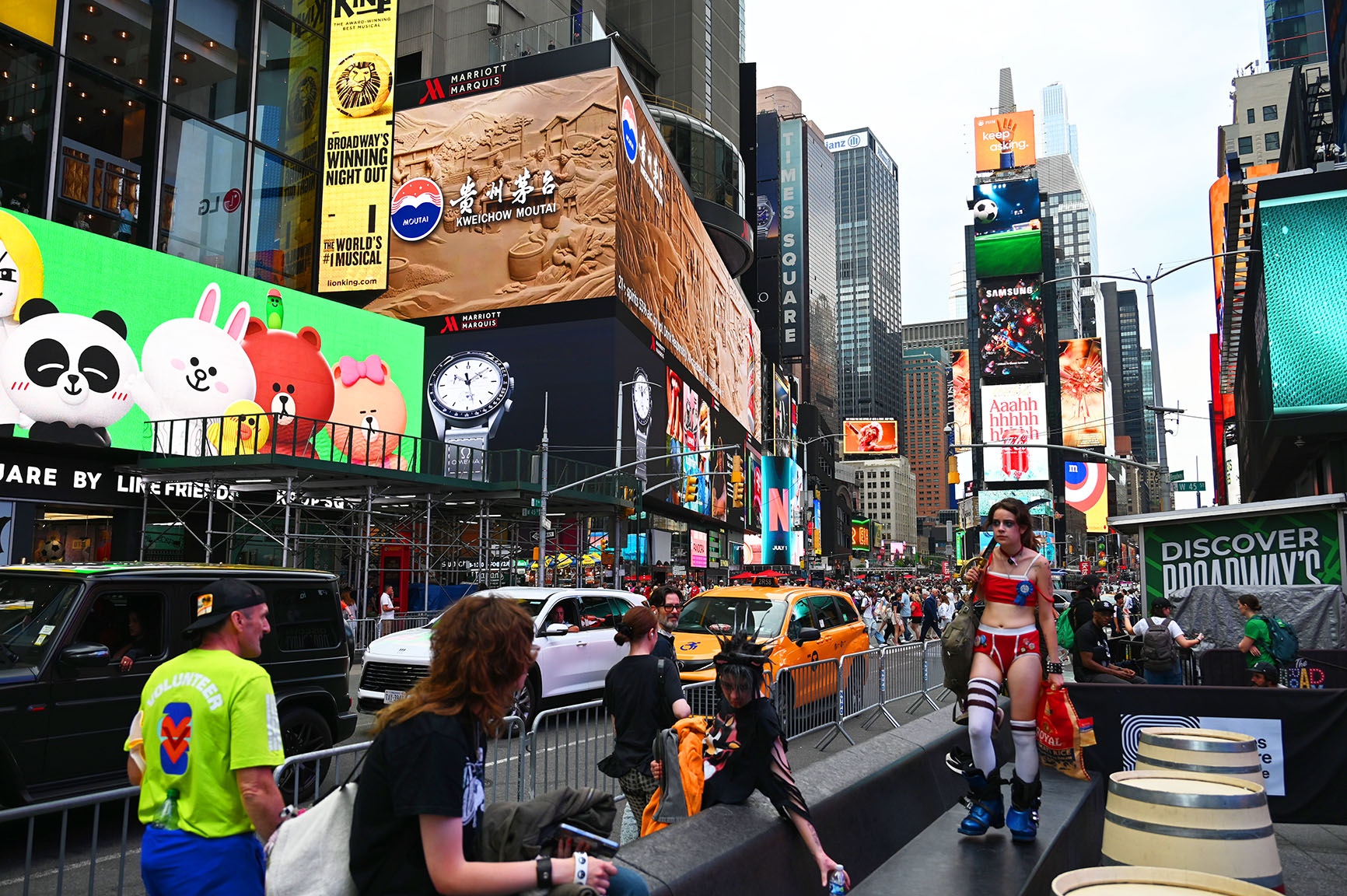
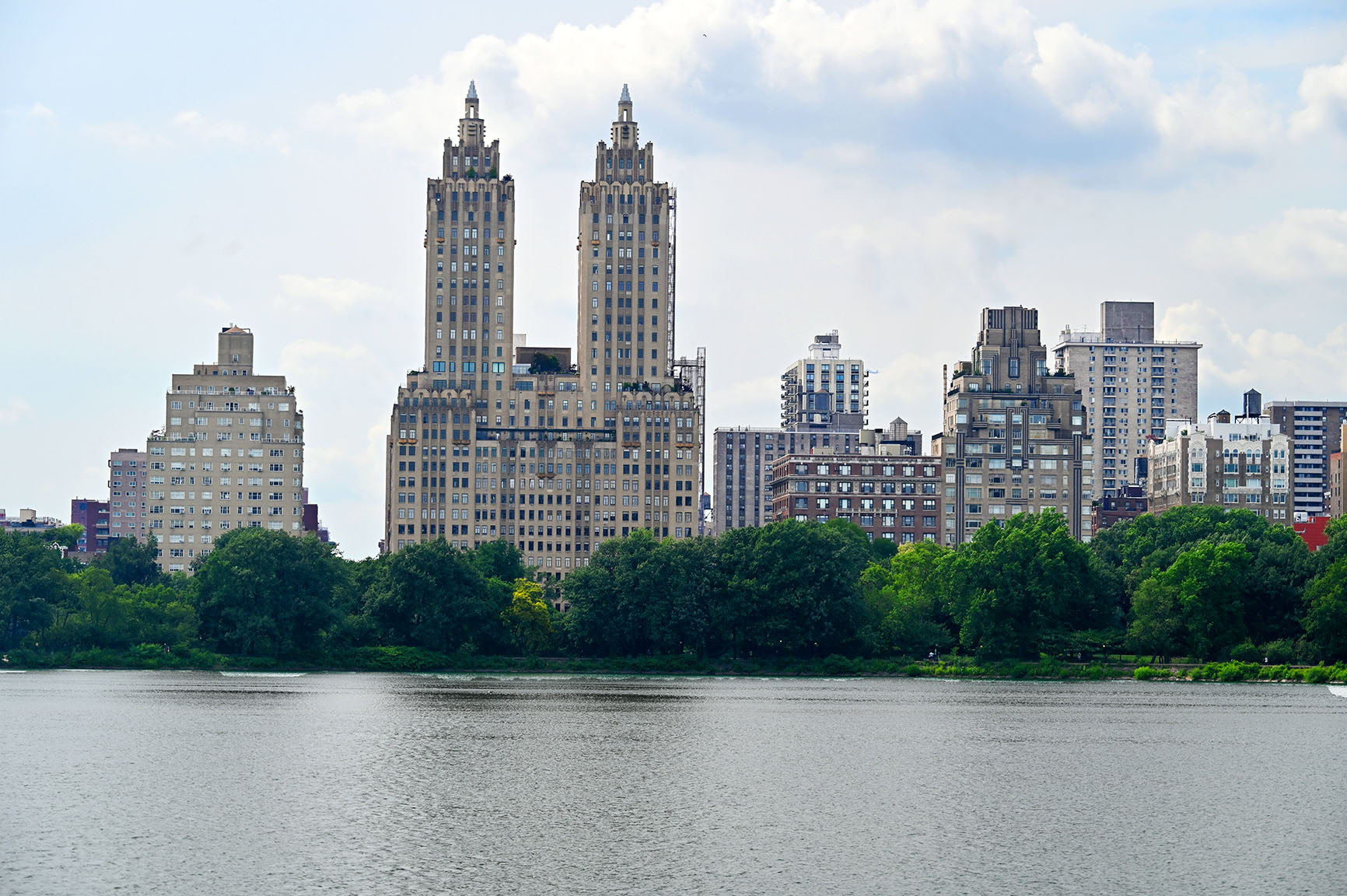
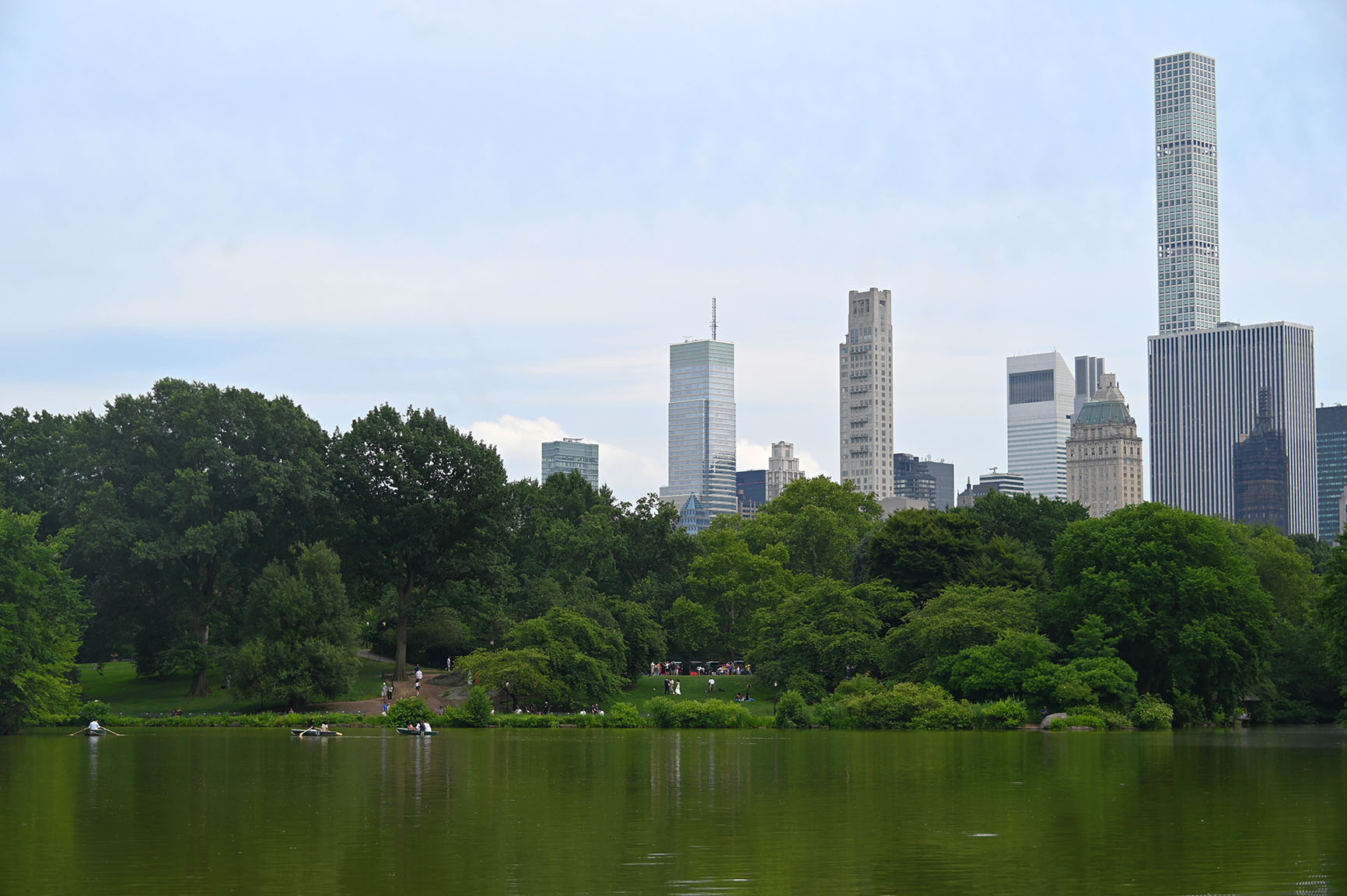
Further uptown, the avenues broaden and the pace relaxes. Brownstones stand shoulder‑to‑shoulder, Central Park breathes green calm into the city’s vertical drama, and neighbourhoods from Harlem to Washington Heights showcase the cultural richness that has shaped New York for generations. Here, too, the diversity is unmistakable – Dominican bakeries beside soul‑food institutions, gospel churches near jazz clubs, families chatting on the pavement as evening settles over the Hudson.
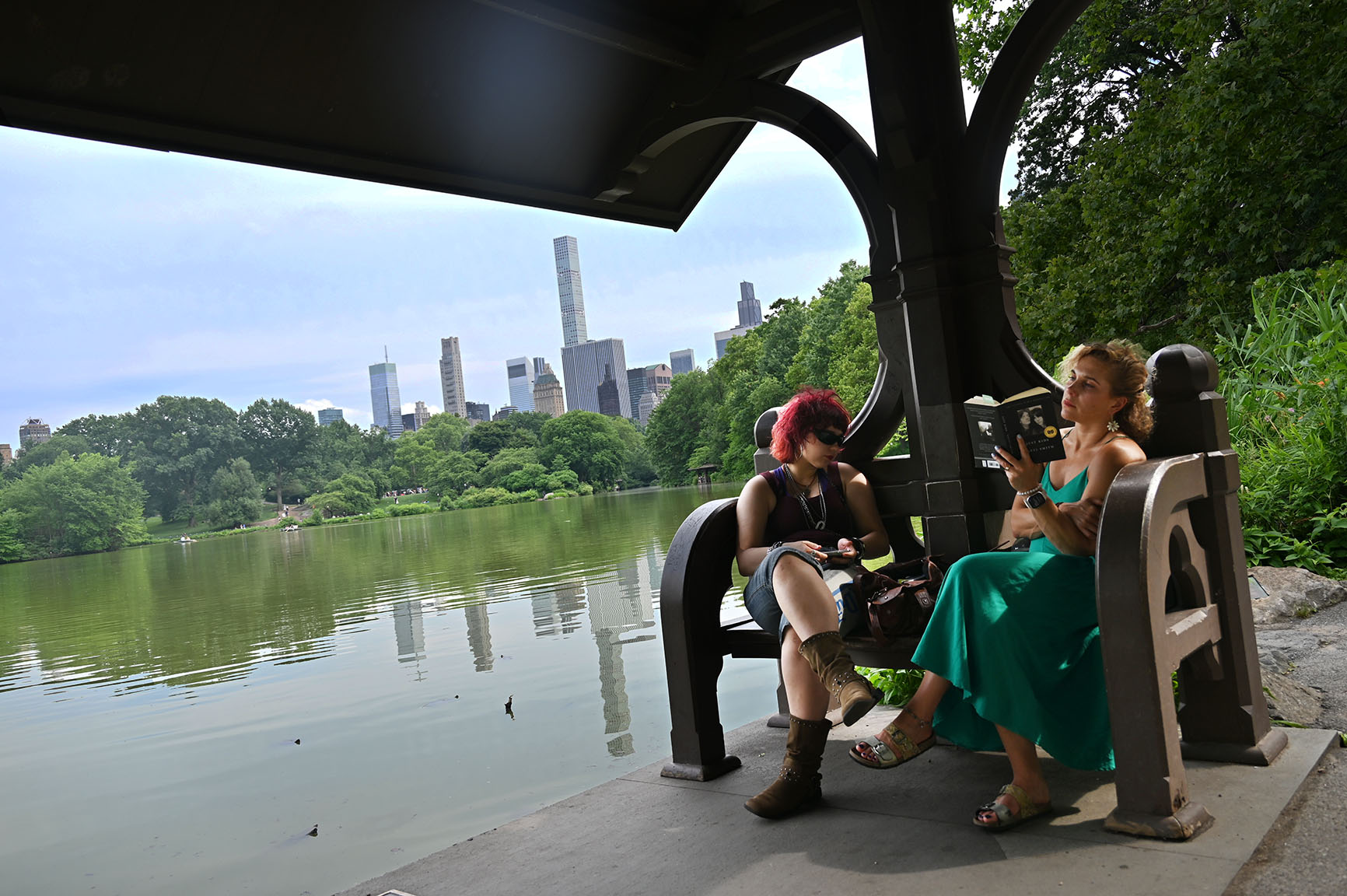
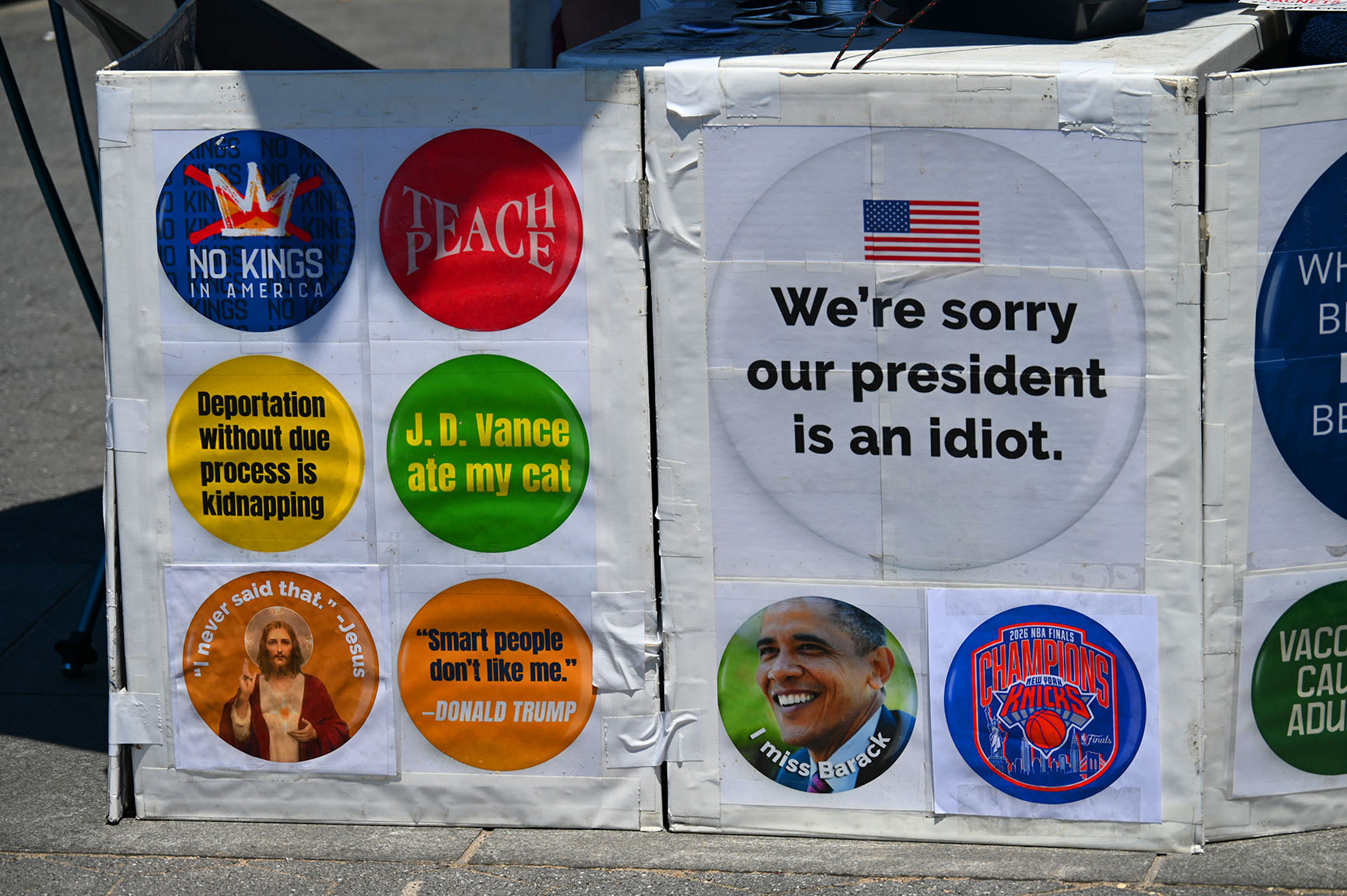
Across all these districts, one truth remains constant: Manhattan’s energy is inseparable from its diversity. The city’s liberal spirit – its openness, its mix of cultures, its instinct to welcome and absorb -is what keeps its soul intact. Whether through the dedication of the NYPD and fire service, the financial engine of downtown, the creativity of Broadway, or the everyday life unfolding up and down the avenues, New York continues to express itself through its people.
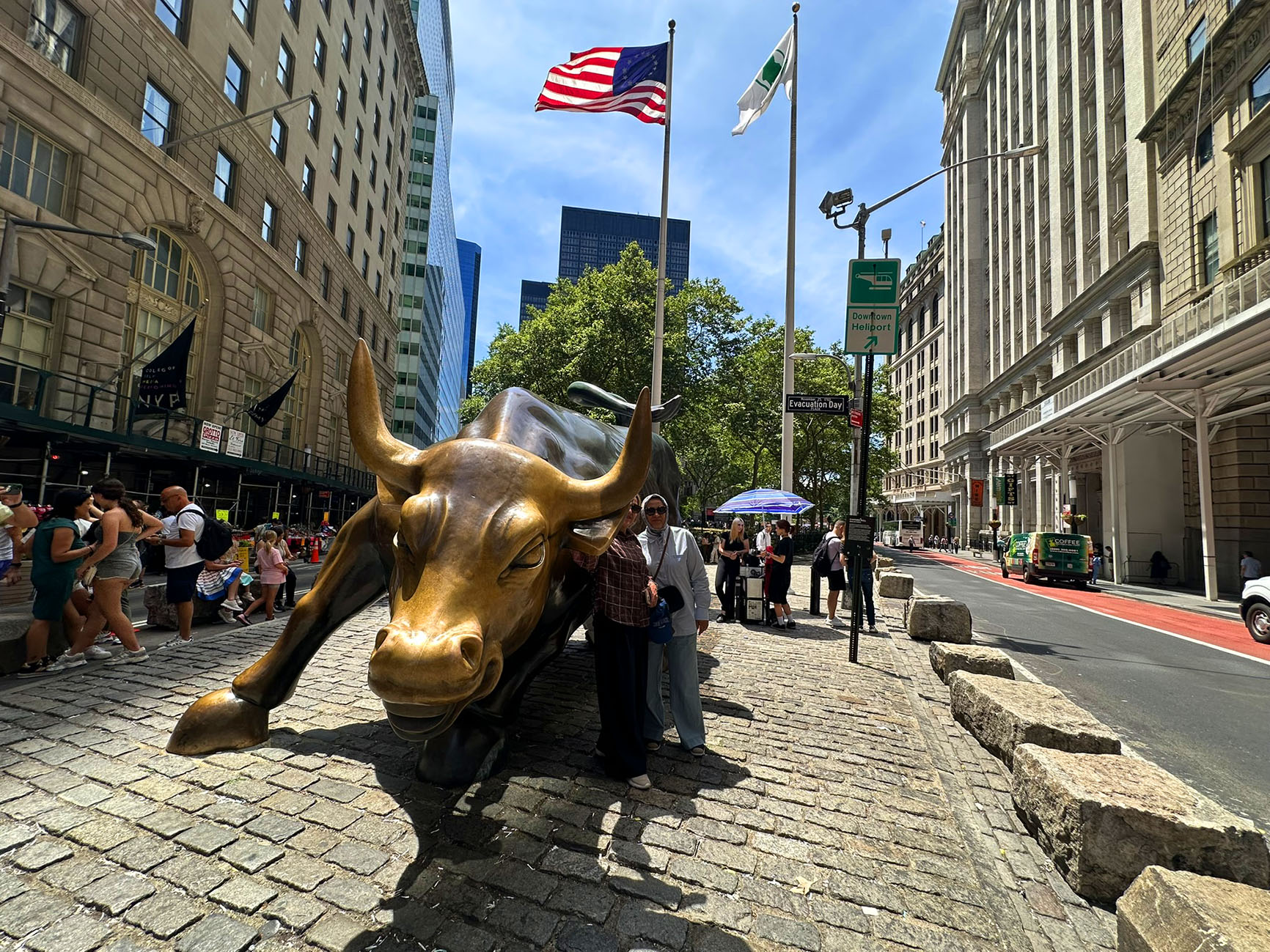
Twenty‑five years on from 9/11, the city’s resilience is not just visible – it’s audible, tangible and lived. I again immediate felt like a New Yorker all over again, with Manhattan’s street scenes prove that its soul is not defined by its skyline, but by the millions who walk beneath it. And that energy, that diversity, that unmistakable New York spirit will remain at the heart of the city for generations to come.
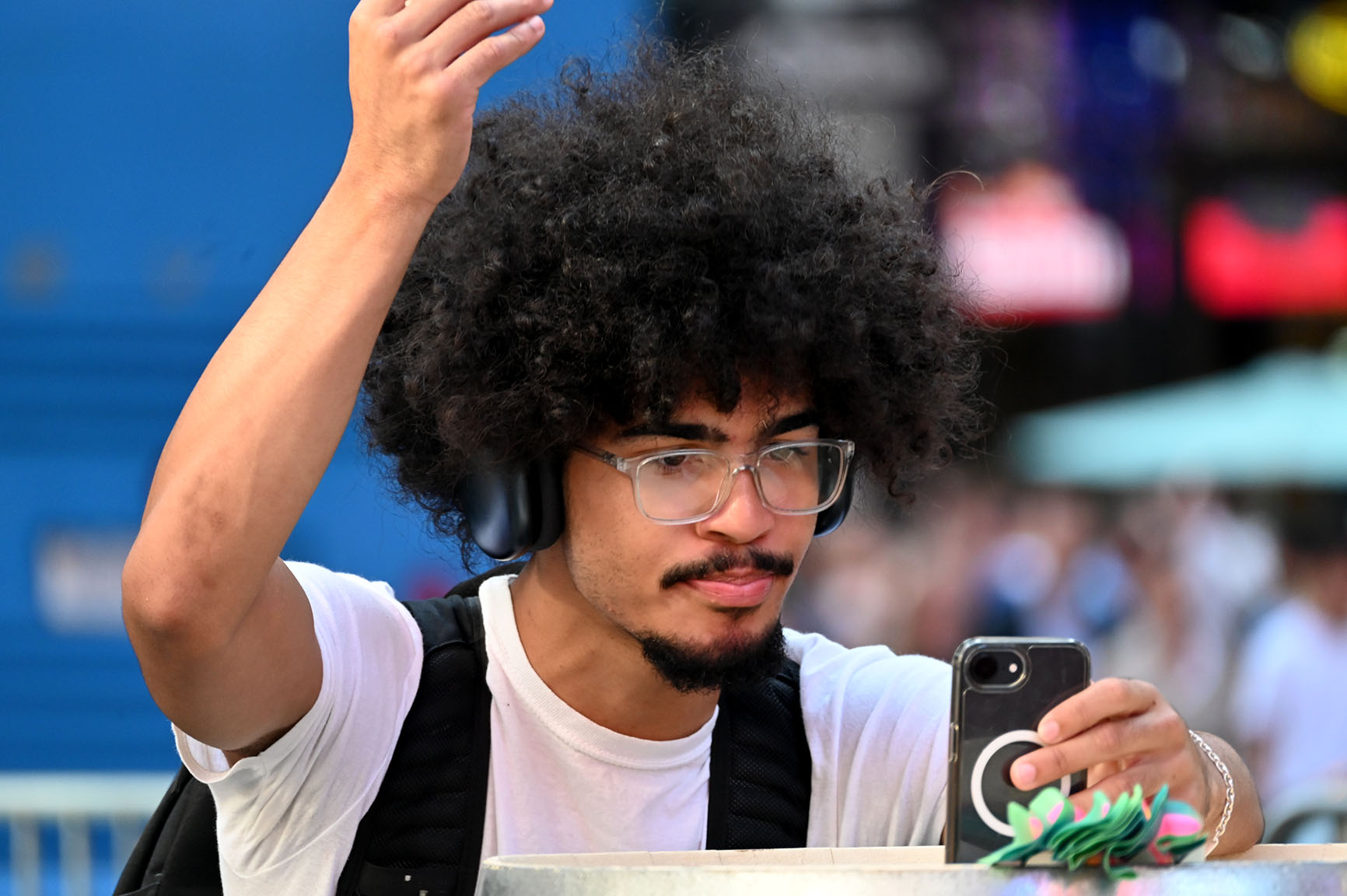
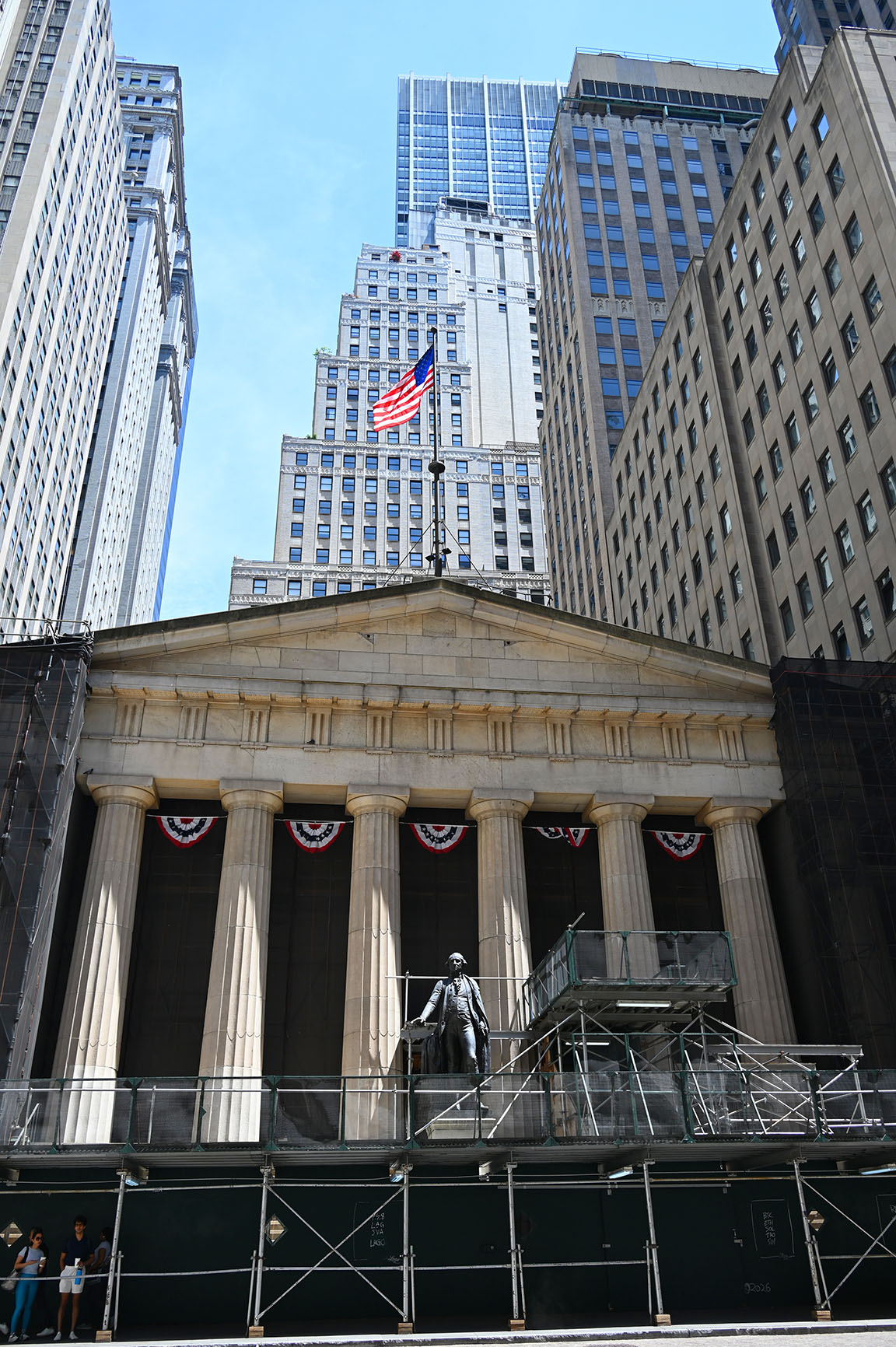
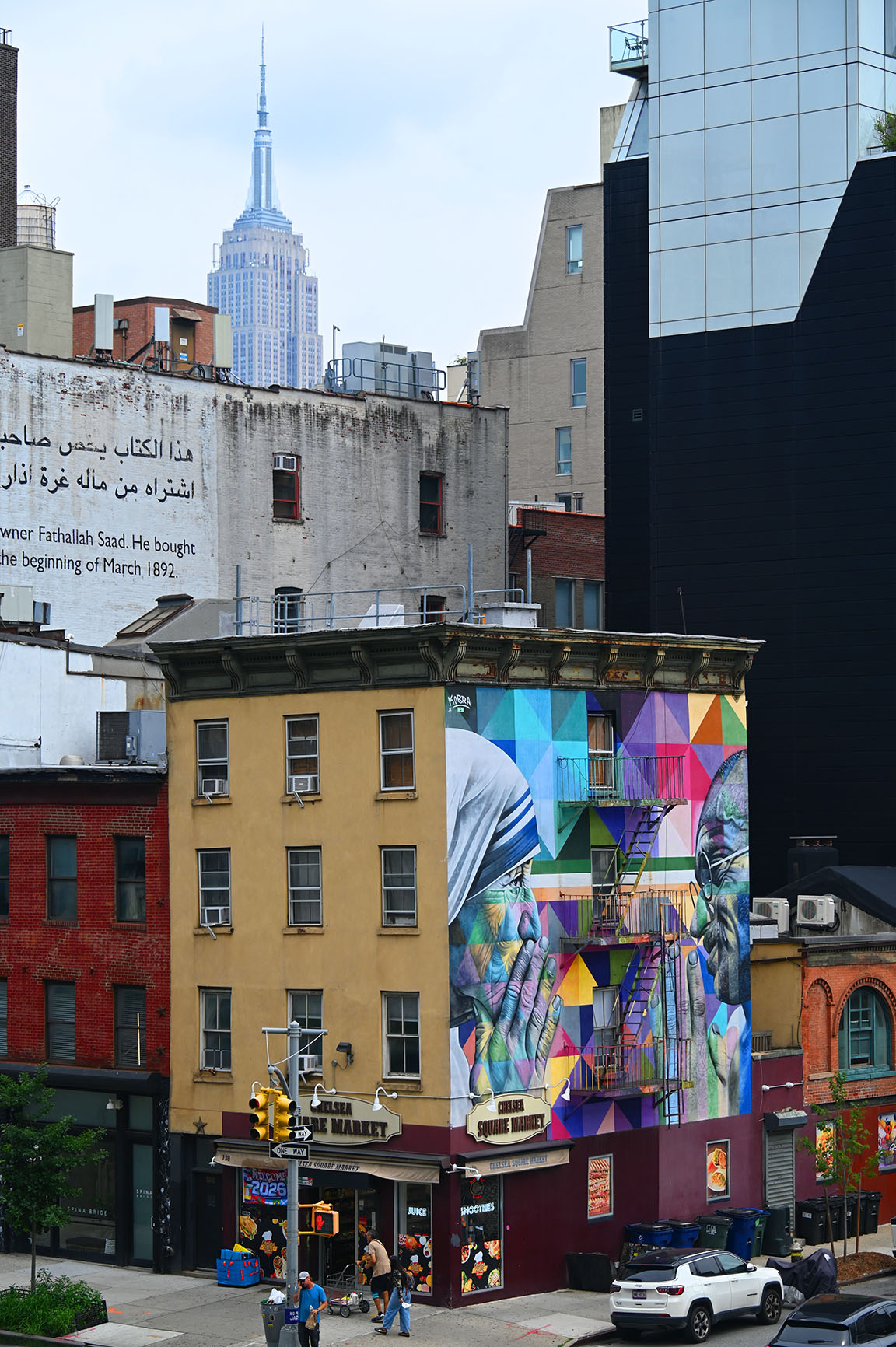






New York is definitely best experienced at street level.